This Plastic Free July, you might need to consider more than your coffee cup and take a look inside your wardrobe. With plastic textiles used in everything from ultra-fast fashion garments to designer clothing, RMIT expert Dr Tamzin Rollason from the School of Fashion and Textiles explains the role of plastics like polyester in fashion and textiles, what consumers should know, and how we can address this large-scale issue.
words DR TAMZIN ROLLASON photo KARINA TESS / UNSPLASH
Plastic textiles are cheaper compared to many natural fibres. They offer performance qualities like durability, stretchiness and water resistance, and can also mimic the wear and drape of luxury textiles like silk. Added to this, there is not enough land to grow enough cotton to meet current clothing demands – especially when competing with land for food production.
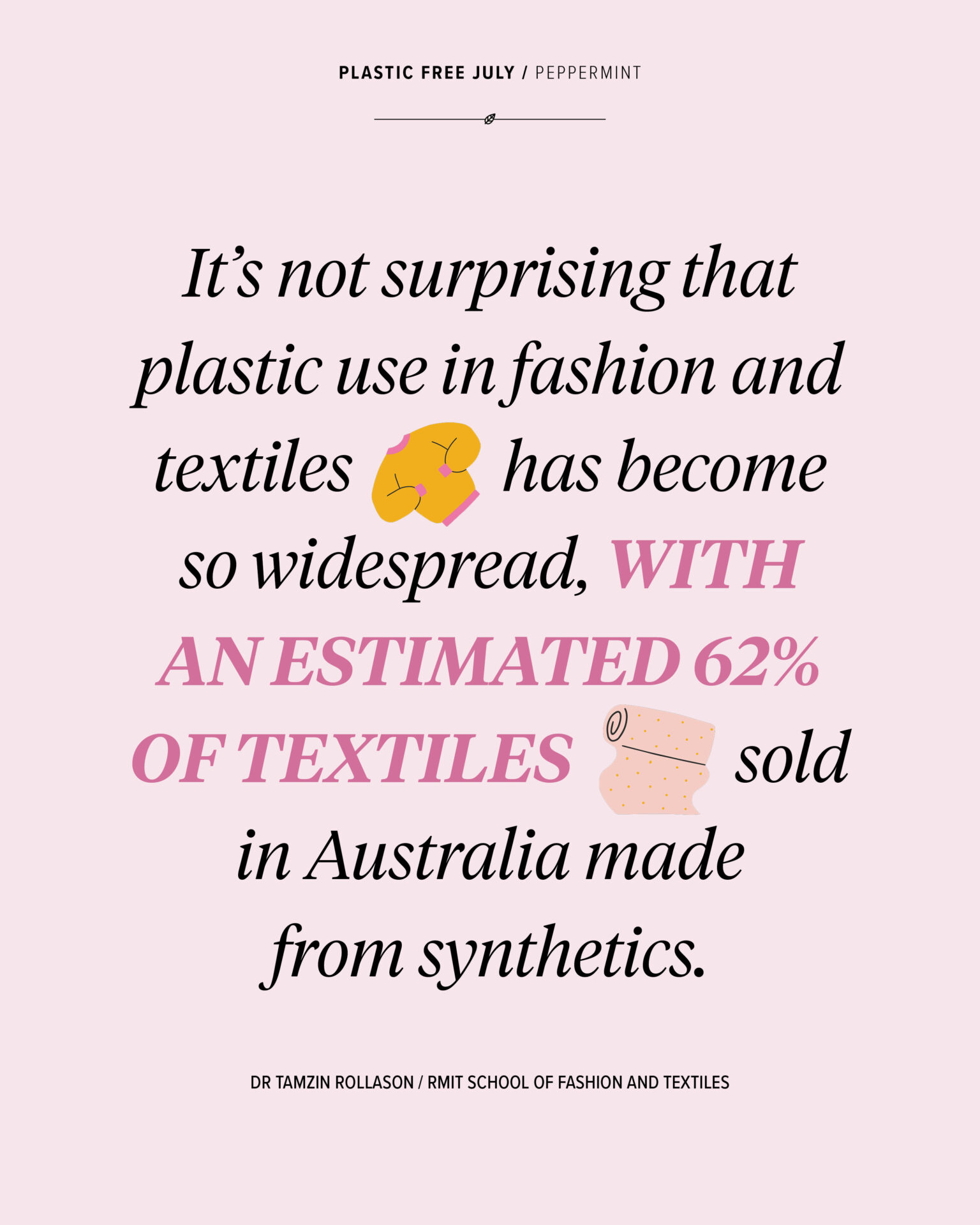
It’s not surprising that plastic use in fashion and textiles has become so widespread, with an estimated 62% of textiles sold in Australia made from synthetics. Plastic textiles are made from non-renewable fossil fuels and they often cannot be recycled into new textiles or broken down. When plastics are blended with natural fibres (like you might find in a polyester/wool jumper), they are difficult to reprocess.
While we don’t yet know the lifespan of plastic from clothing in landfill, it is likely to be thousands of years. Add to that, some contain ‘forever chemicals’ which pose major risks to human health and the environment over time. Microplastics in synthetic textiles contribute to environmental pollution through microfibre shedding, via washing machine liquid waste.
Consumers may be surprised to know that plastics in textiles are common even in clothing with a higher price tag. So, while purposeful shopping of clothing with natural fibres (like cotton, wool and silk) is part of the solution, it’s not simply a matter of what you buy – but how much. The demand for clothing is astronomical. Over 1.4 billion units of new clothing come onto the Australian market each year, with Australians buying on average 56 new items per year and the rest going to landfill. We also know that around 40% of people’s clothing have not been worn for a year or more.
Add to this, 30 to 40% of garments produced are not sold and end up as ‘dead stock’ that must be disposed of, and we’ve seen unethical returns practices in the industry – such as Shein disposing of returns to avoid the logistical hassle and expense of reselling garments. We simply do not need so many clothes.
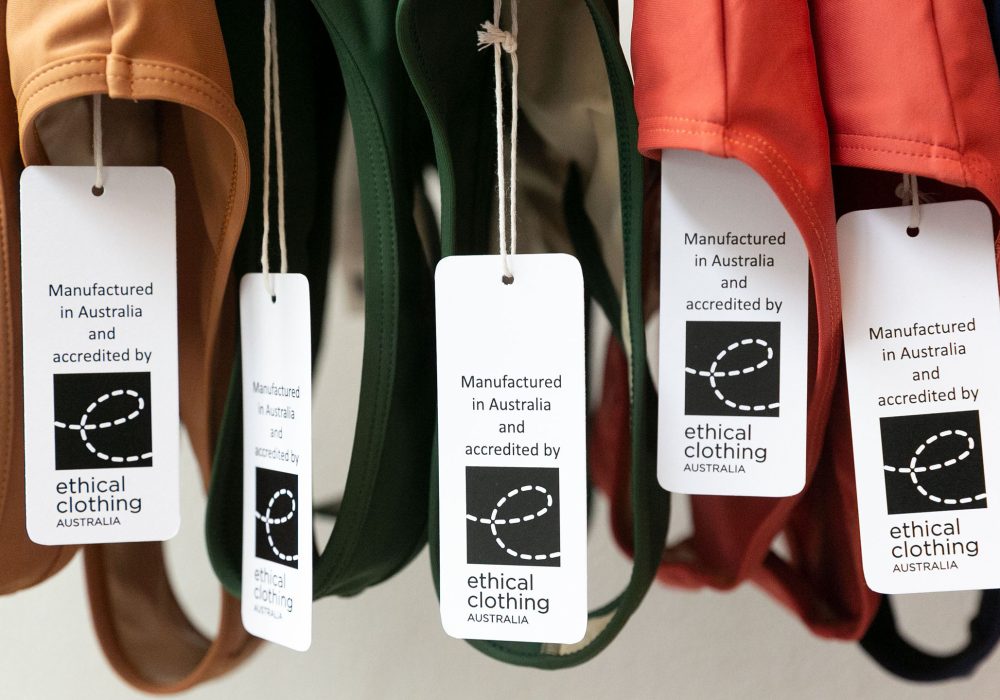
Meanwhile, fashion and textile producers need to consider the design of products across their entire lifecycle – beyond sale, and consider how it will be used and what becomes of a garment when it is no longer worn. The problem goes beyond the plastic itself, to how it is used. While some plastic textiles may be appropriate – such as a durable, water-resistant hiking jacket that is worn for decades – items intended for short-term use, like trend pieces, should use biodegradable textiles. We need to stop making fashion from plastics that is designed to end up in landfill after a few short wears.
If we want to have a sustainable fashion and textile industry, using and disposing of clothing in a way that is friendly to the environment and ourselves, overhauling the use of plastics must be one of the first things to change.
Dr Tamzin Rollason is an expert in sustainable consumption of fashion AT RMIT. Her research focuses on the use phase of clothing and textiles with a focus on how fashion is sustainable in everyday life.