In truth, the facts are pretty dire when it comes to Big Fashion’s use of renewable energy. But it’s not all bad news. For starters, some of the high achievers in Fashion Revolution’s just-released What Fuels Fashion? report aren’t necessarily the labels we would’ve guessed. But we’re all for giving credit where it’s due – and when a fast-fashion player takes a step in the right direction, we want to cheer them on.
The winning brand, Puma, scored 75 per cent for its transparency on climate- and energy-related action, closely followed by Gucci. Other top-performers include H&M, Champion, Hanes, Decathlon, Asics, Lululemon, Hermès and Adidas. Incredibly, 32 brands scored zero; those readily available in Australia are Forever 21, Nine West, Van Heusen, Billabong, Quicksilver, Roxy, Reebok, Max Mara, DKNY, Longchamp and Tory Burch.
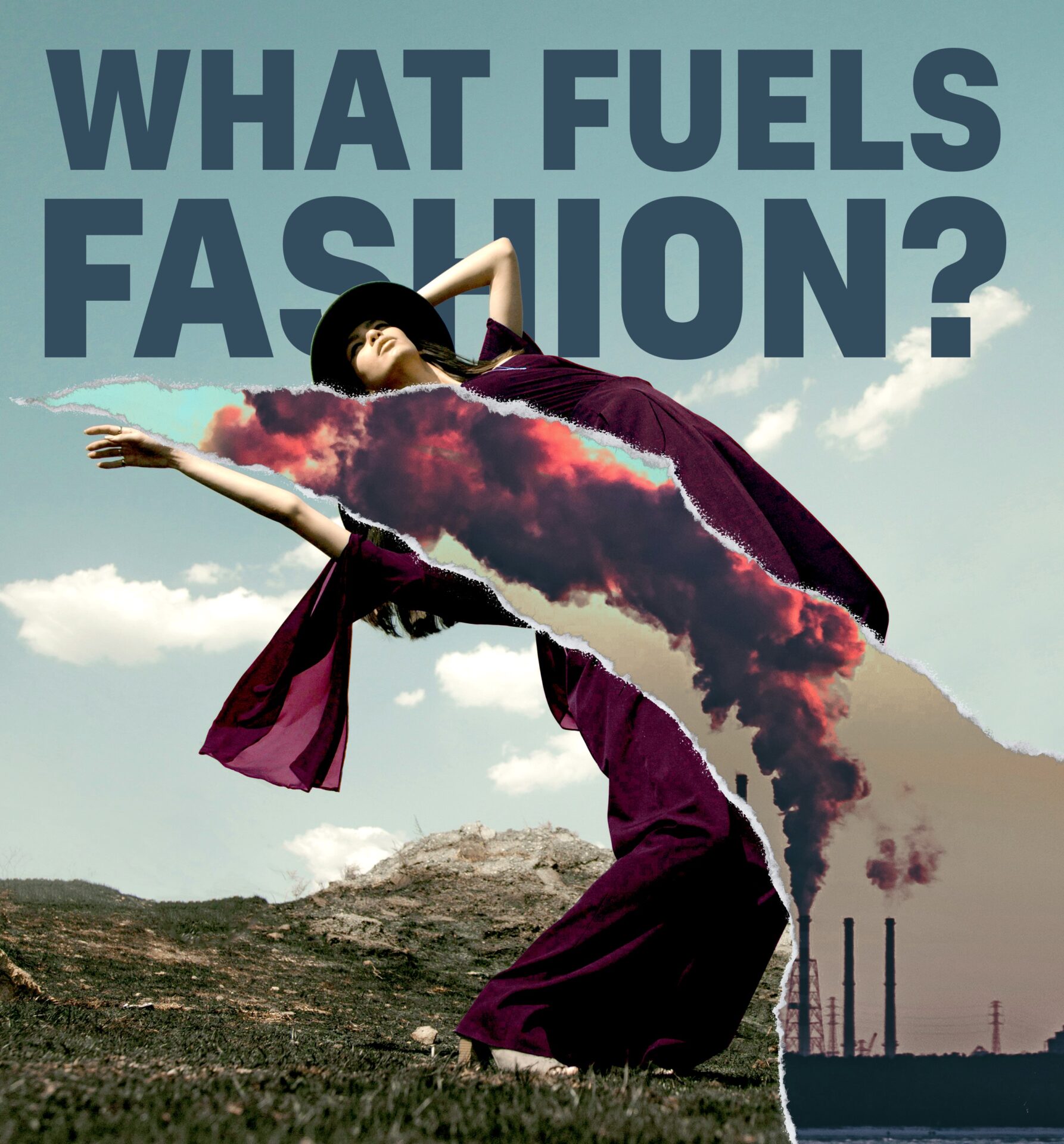
The report, conducted by global research and advocacy group Fashion Revolution, ranks 250 brands and retailers with a turnover of at least $US400m. It states that fashion is one of the most polluting industries, with fossil fuels burned at every stage of production. It also notes that big brands’ current reduction targets are not ambitious enough to meet the global goal of limiting temperature rise to 1.5°C above pre-industrial levels.
Of the brands that do invest in supply chain decarbonisation, the report states that many do so by making contributions to the Fashion Climate Fund or Future Supplier Initiative. These organisations offer loans to suppliers (that is, the people producing the clothes), which can then be used to buy infrastructure such as solar panels. This means suppliers are burdened with loans to help big brands meet their climate targets.
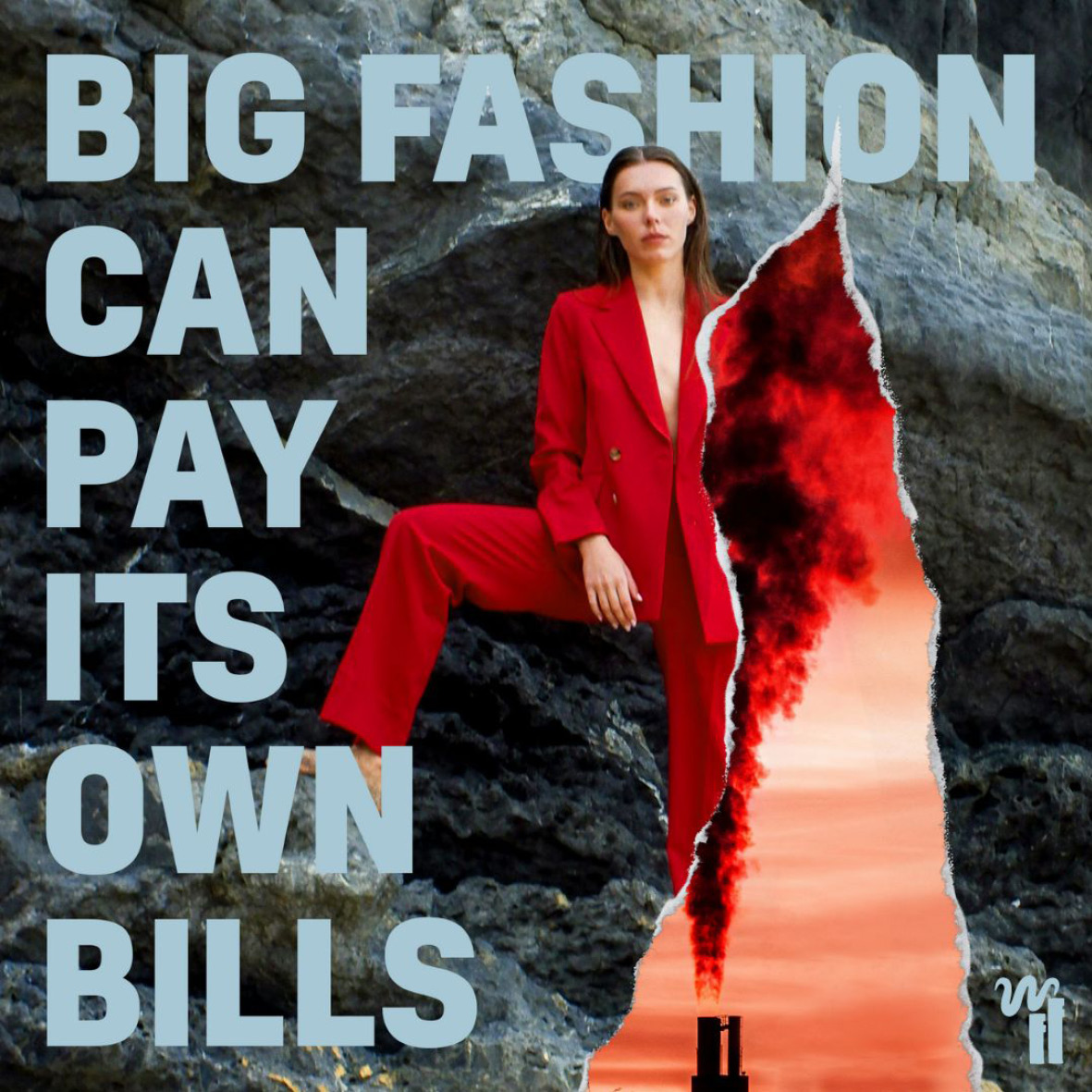
Says Fashion Revolution’s Maeve Galvin: “By investing at least two per cent of their revenue into clean, renewable energy and upskilling and supporting workers, fashion could simultaneously curb the impacts of the climate crisis and reduce poverty and inequality within their supply chains.”
She adds: “Climate breakdown is avoidable because we have the solution – and big fashion can certainly afford it.” Here’s hoping those brands find some change in those deep pockets of theirs.
For resources, including an email template you can send to low-scoring brands, go to Fashion Revolution.