Unicorn Tears and Shadow Tigers: Discover the sweet world of The Original Cocoa Traders
- Words by Kelley Sheenan
When life’s being a lot, a moreish mug of hot chocolate can cure many ills. It is a known fact. Especially among the passionate, perpetually travelling folks at The Original Cocoa Traders, who’ve made it their mission to rethink what drinking chocolate can be.
It started in a laneway. In the early 2000s, Gabe and a couple of Kiwi barista mates ran a handful of tiny stand-up coffee bars tucked into Melbourne’s nooks and crannies. The coffee was good. The drinking chocolate… not so much. What was on the market was thick with milk powder and artificial flavours; the kind of ingredients that makes a chocolatier weep. So they did what any self-respecting cocoa aficionado would do: they started making their own.
What began as a simple plan to buy cocoa direct quickly got complicated. It turned out that where the cocoa came from mattered enormously, and so did how the beans were handled once they hit Australian shores. Few facilities offer the expertise and equipment to gently roast beans at no more than 138°C, then press the lush, fatty cocoa powder to produce silky chocolate blocks. So The Original Cocoa Traders went looking for the ones that do, working with specialised manufacturers at origin in South America and the Caribbean to create ‘ingredient gold’. They source their sugars from sun-drenched Paraguay and the tropical islands of the Philippines, while salt comes from the Great Lakes of Australia.
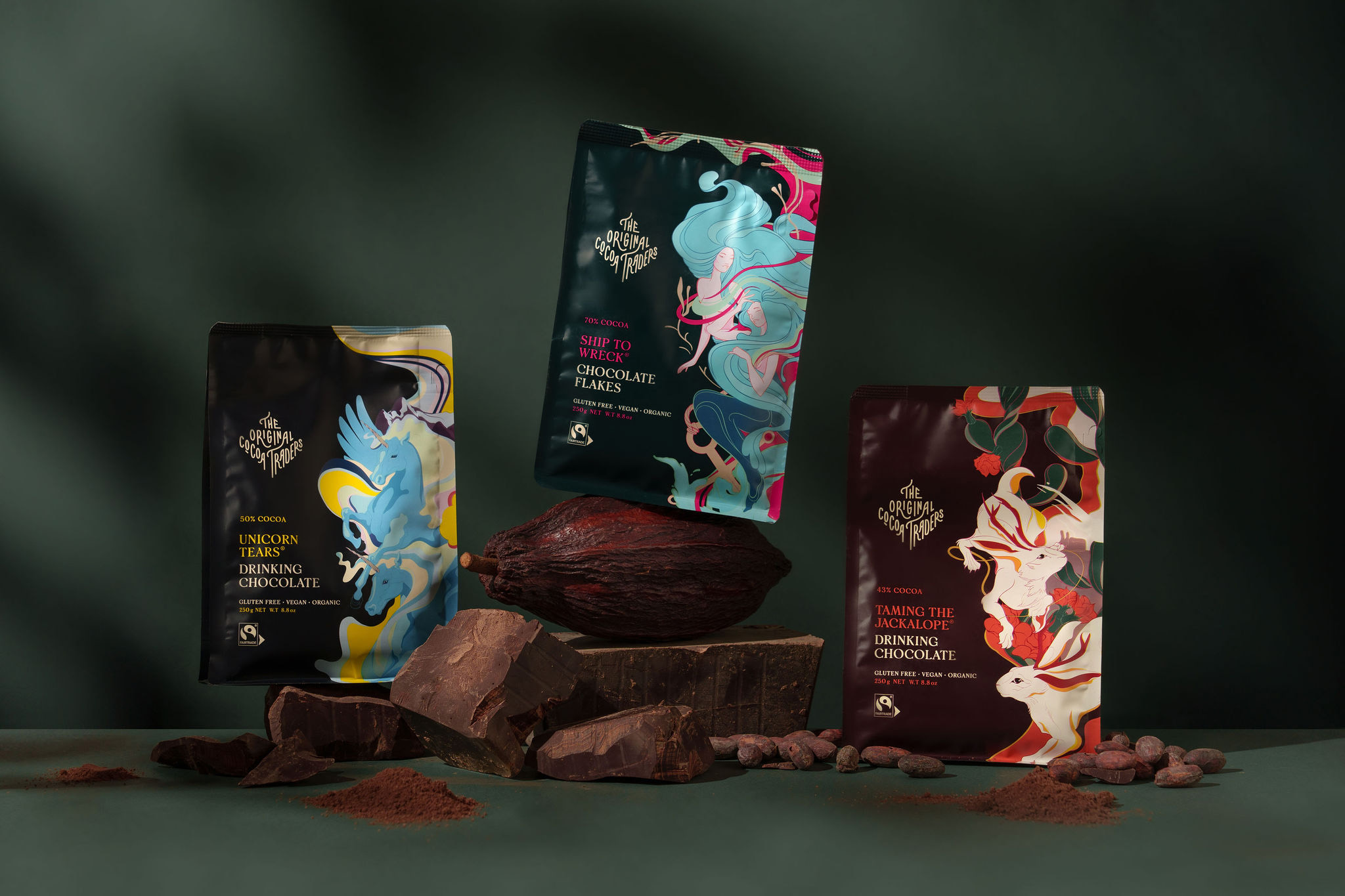
The result? A range of drinking chocolates that lean into depth and complexity rather than watery sweetness – with names as wild and wonderful (Taming the Jackalope! Unicorn Tears!) as their provenance. If life truly were like a box of chocolates, this is the stuff you hope to find under the lid.
Gabe and team aren’t only doing right by cocoa: they’re a proud supporter of Melbourne charity I Am Someone, which provides education, shelter and healthcare to orphaned children in cocoa-growing communities. Because when you’re buying direct and building real relationships with farmers and their families, you tend to give a damn about what happens to those families.
We caught up with Gabe to talk all things cocoa.
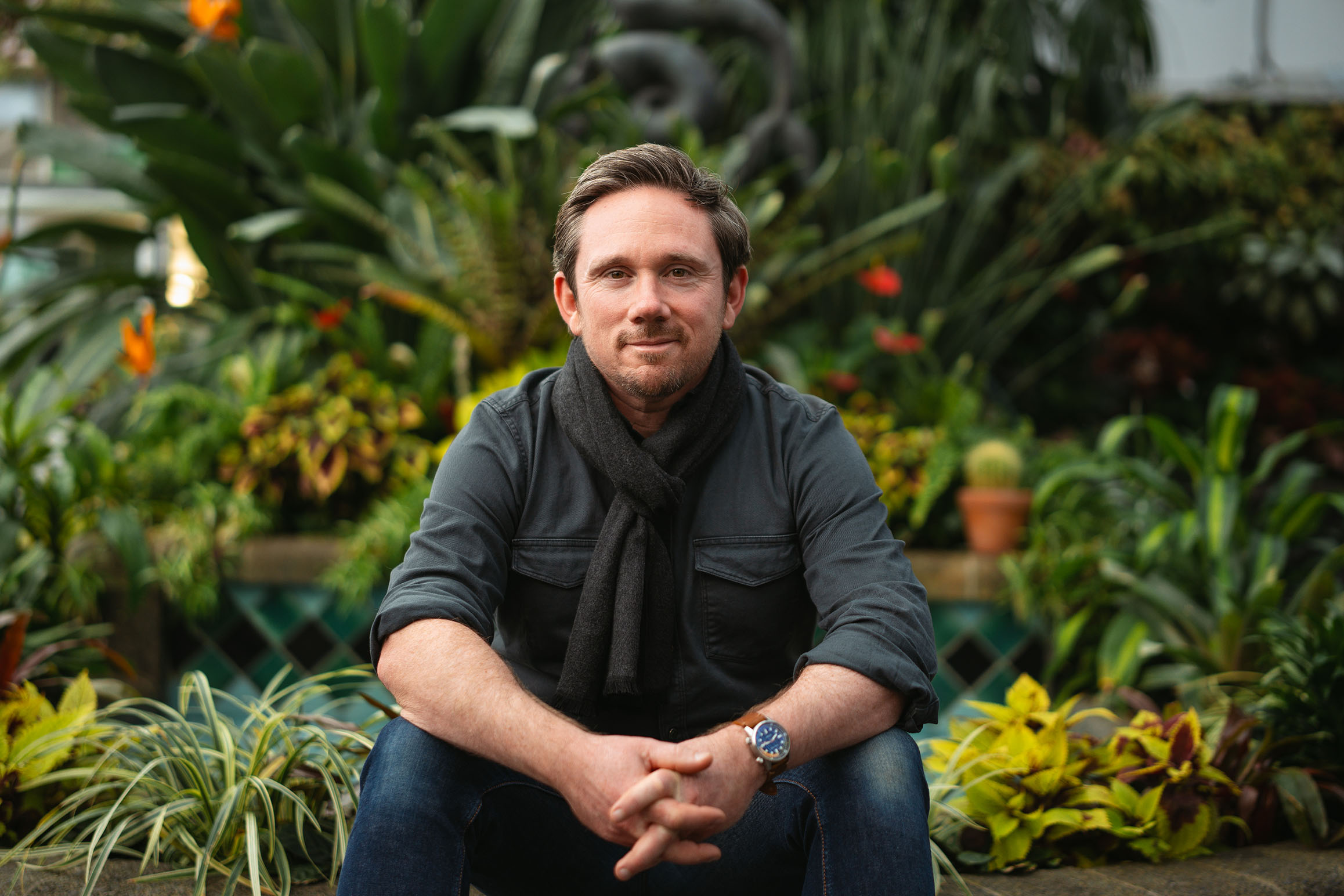
Take us back to those Melbourne laneways: what were you seeing in the drinking chocolate space that made you go, nope, we can do better than this?
We were running a little espresso bar in McKillop Street, right in the middle of Melbourne’s emerging third-wave coffee scene. We were obsessing over everything: timing espresso extractions, adjusting grinders, fussing over where our coffee beans came from. Meanwhile, we were charging customers pretty much the same for a hot chocolate, which was essentially a jug of steamed milk mixed with sugar, milk powder, fillers and flavourings.
It seemed a bit ridiculous. We were putting all this love into coffee and completely neglecting chocolate. And so was almost everyone else. Our first customers were actually our Kiwi mates Justin and Marsha, who’d moved over from Wellington with Coffee Supreme’s original roaster and started supplying a handful of Melbourne cafés. It was a pretty exciting time to be part of the coffee scene, and we figured drinking chocolate deserved a little revolution of its own.
You’ve committed to travelling to origin and working directly with growers. What does that look like in practice?
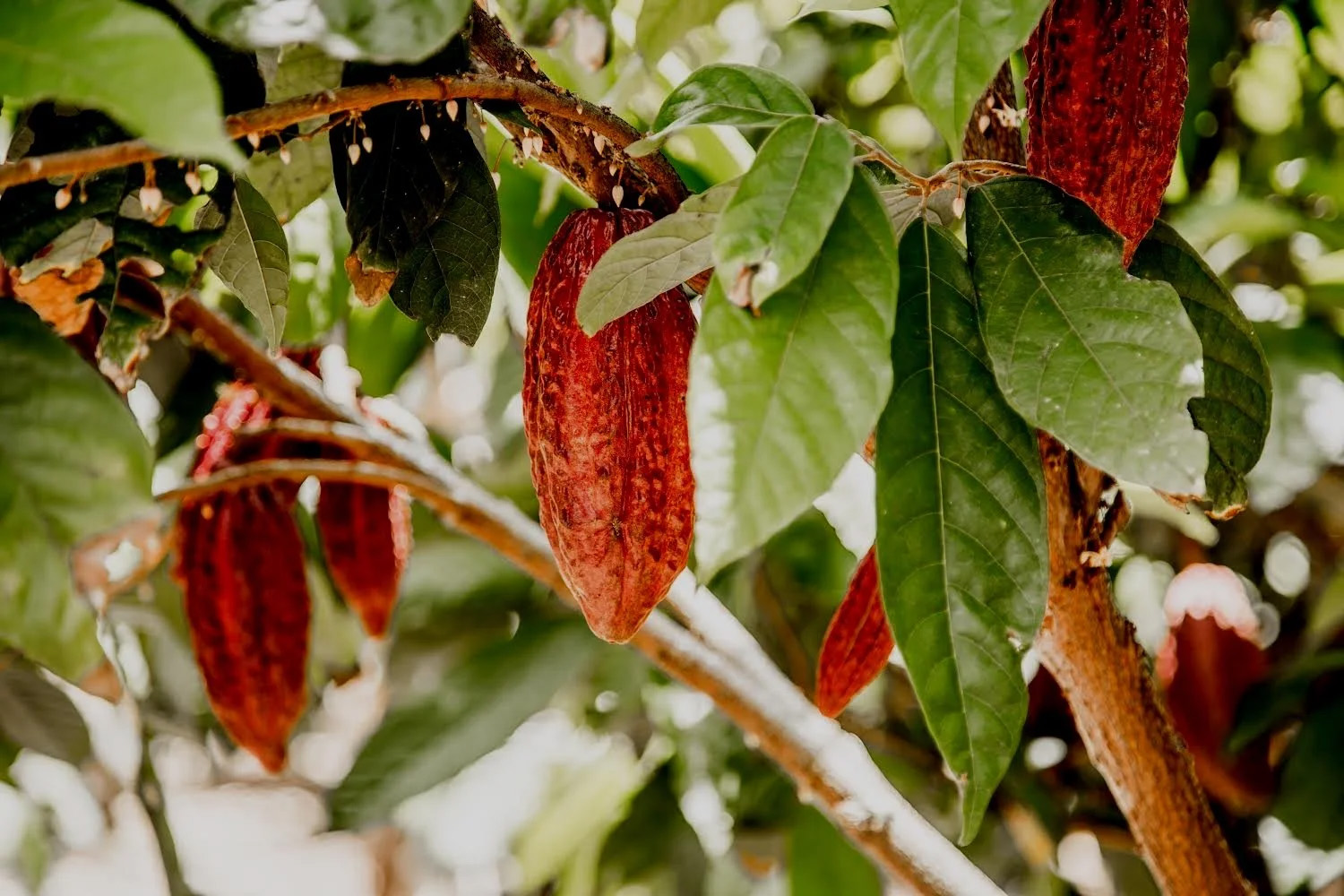
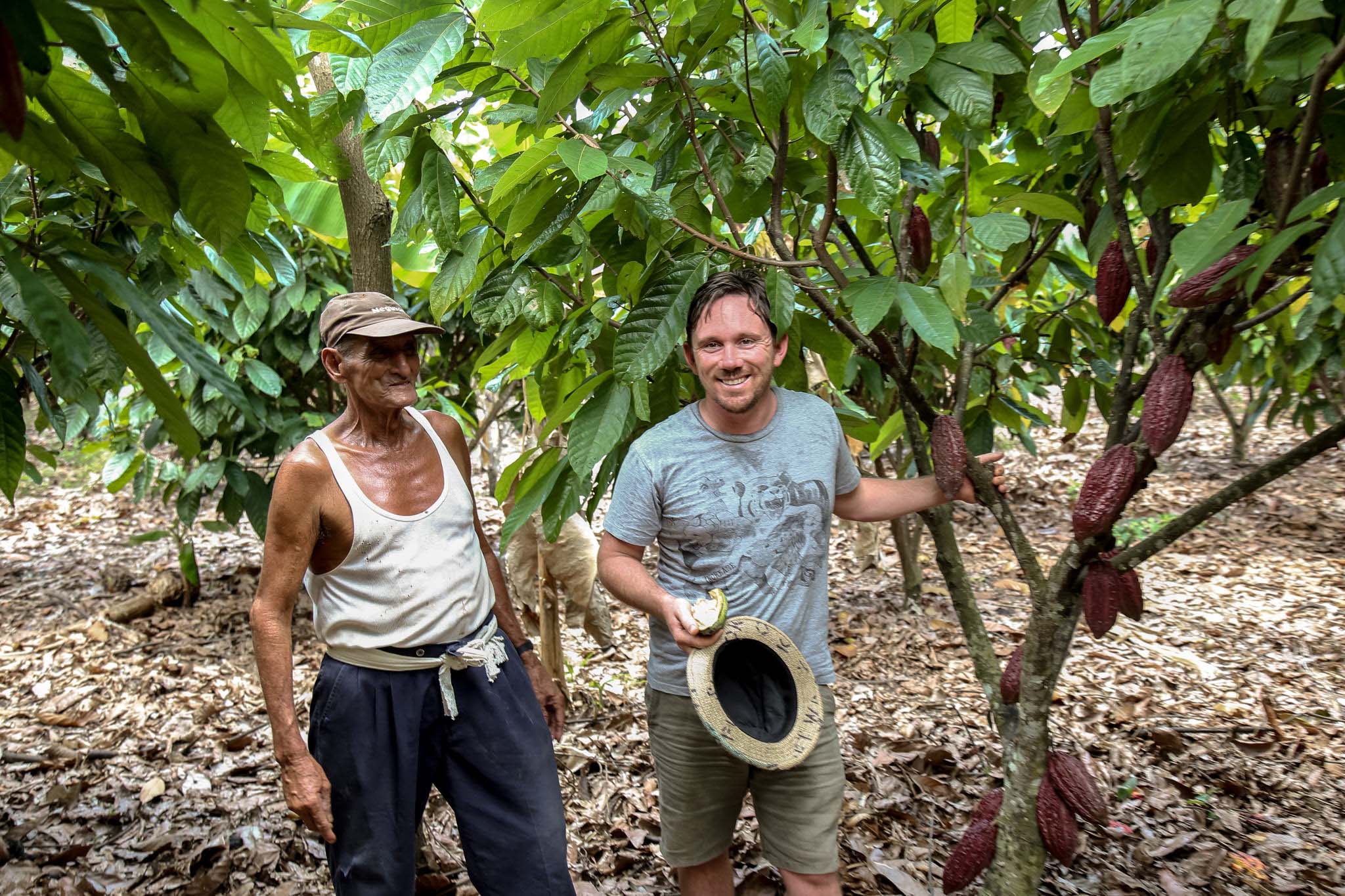
The first cocoa farm I visited was in Peru, not far from Machu Picchu, back in 2013. It was a bit of an eye-opener. I learned how cocoa was grown, harvested, fermented and dried, and how important the crop was to the people living there. What really struck me was the farming. Cocoa grows amongst bananas, fruit trees and all sorts of other plants. It was more like wandering through a food forest than a plantation.
Since then I’ve travelled all over the Pacific visiting growers, including sailing on a traditional Pacific voyaging canoe, a vaka, from Fiji to Bougainville in Papua New Guinea to bring back a tonne of cocoa beans.
For us, visiting the origin isn’t just about finding beautiful cocoa. It’s about understanding who’s growing it, how they’re farming, whether children are being exploited and whether people are actually getting a decent price for their work.
Certifications have their place, but there’s nothing quite like walking through a farm, sitting down with growers and hearing their stories firsthand.
Tell us about your recent trip to Hawai’i and the ‘meet the growers’ chocolate factory competition. Highlights, surprises?
Hawai’i is a fascinating place to grow cocoa. Most people associate it with coffee, but there’s this small, passionate community of cocoa growers producing some really extraordinary beans.
One of the highlights was visiting Ben Field at Māpele Fields on O’ahu. Ben’s a third-generation nurseryman who’s turned his family’s land into this beautiful mixed farm, growing cocoa alongside bananas, turmeric, taro and all sorts of tropical plants.
What’s particularly cool is that he’s not just growing his own cocoa. He’s helping around 20 neighbouring farms grow and process theirs too, bringing their beans together for fermentation and drying. It’s a real community approach to producing exceptional cocoa.
The flavours are incredible. Hawai’ian cocoa can have these beautiful bright fruit notes, quite different from the deeper, earthier flavours people might expect from chocolate.
And that’s really the magic of visiting growers. You arrive thinking you’re there to learn about cocoa and end up learning about farming, family, food, culture and a whole lot of things you never expected.
For us, visiting the origin isn’t just about finding beautiful cocoa. It’s about understanding who’s growing it, how they’re farming, whether children are being exploited and whether people are actually getting a decent price for their work.


What’s the most fun part of the sourcing process?
For me it’s definitely the people and the culture. I love learning how cocoa came to be grown somewhere, what it means to the local community and getting the chance to hang out with people doing what they normally do. The food, the little restaurants, the stories and the friendships we make along the way. That’s what makes these trips so meaningful.
And there’s nothing quite like cracking open a fresh cocoa pod, sucking the sweet, tangy white pulp off the beans and then biting into the soft, bright, sour cocoa underneath. It’s absolutely nothing like eating chocolate.
There’s something pretty wonderful about sitting in a cocoa forest, eating fresh cocoa straight from the pod and feeling like you’ve discovered one of nature’s best-kept secrets.
You’ve spoken about the cocoa trade needing an overhaul. For someone who doesn’t know the industry, what are the cracks currently, and what does a better version look like?
There’s something fundamentally wrong with an industry that produces one of the world’s most loved foods, yet so many of the people growing its most important ingredient live in poverty.
For generations, cocoa has been traded as a commodity. Beans pass through layers of traders and middlemen, often losing their identity along the way. The people growing them have very little influence over what they’re paid, and the environmental and social costs are largely left behind in the communities producing them.
And poverty creates all sorts of other problems including child labour, deforestation and farmers abandoning cocoa altogether.
I think we need to rethink the relationship between the people who grow cocoa and the people who enjoy it. A better industry would reward farmers for producing exceptional cocoa, encourage biodiversity rather than monoculture, and create more opportunities for processing and value to stay in the countries where cocoa is grown.
We need to stop treating cocoa as a cheap ingredient and start treating it like the extraordinary agricultural product it is.
How can everyday consumers make better chocolate choices?
Start by turning the packet over.
Look for products with a high cocoa content, fewer ingredients and, importantly, companies that can tell you where their cocoa comes from.
Ask questions. Who grew the cocoa? Where was it processed? Does the company have a relationship with its growers? If a brand can’t tell you much beyond a certification logo, perhaps there’s a better option.
And don’t be afraid to pay a little more for something genuinely good. Chocolate doesn’t need to be something we consume mindlessly by the bucketload.
A little of something great is often far more satisfying than a lot of something ordinary.
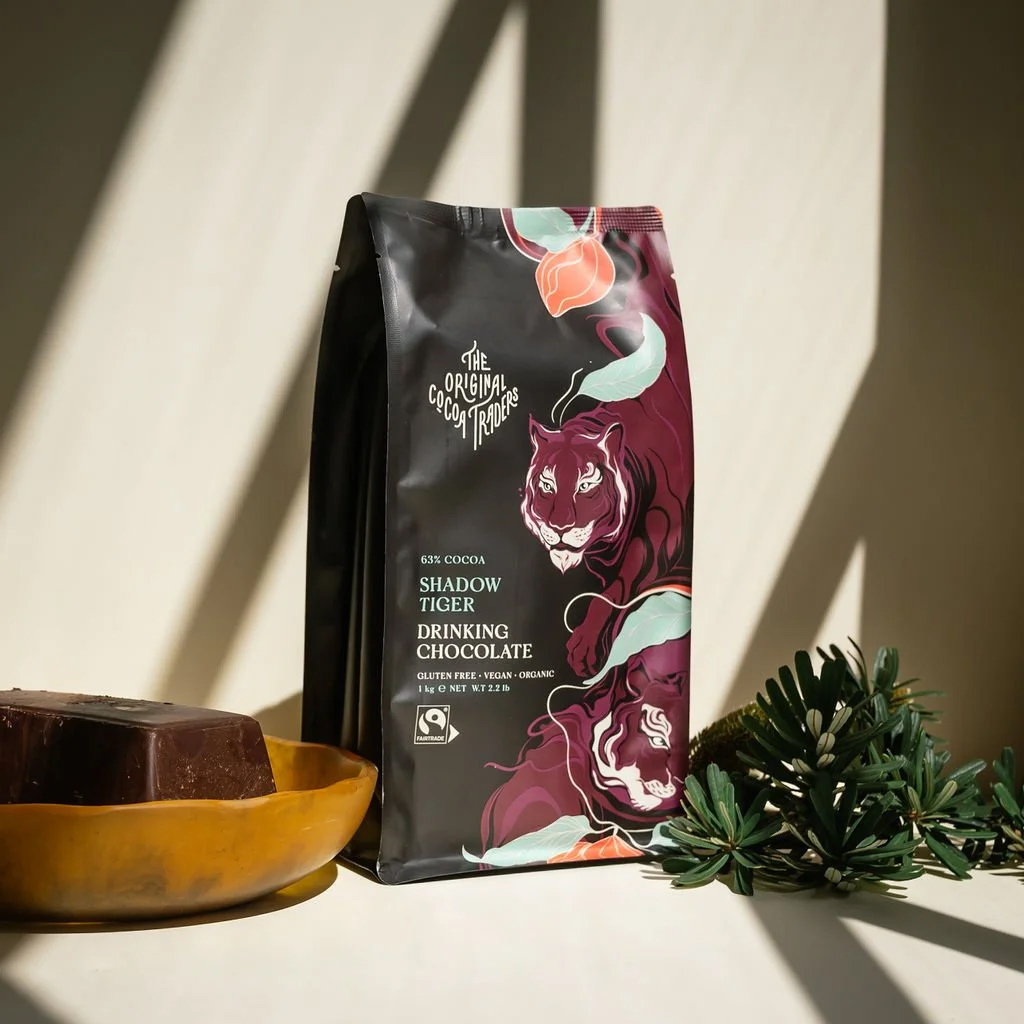
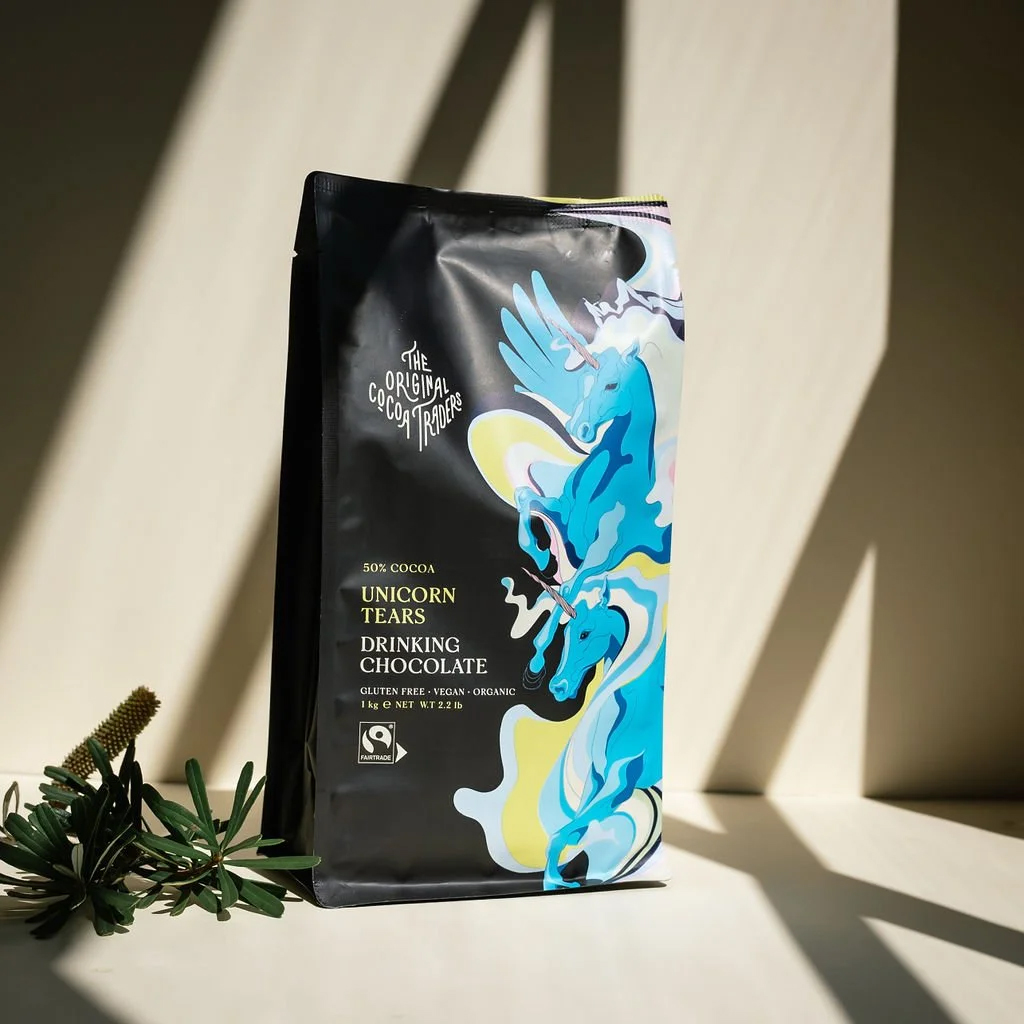
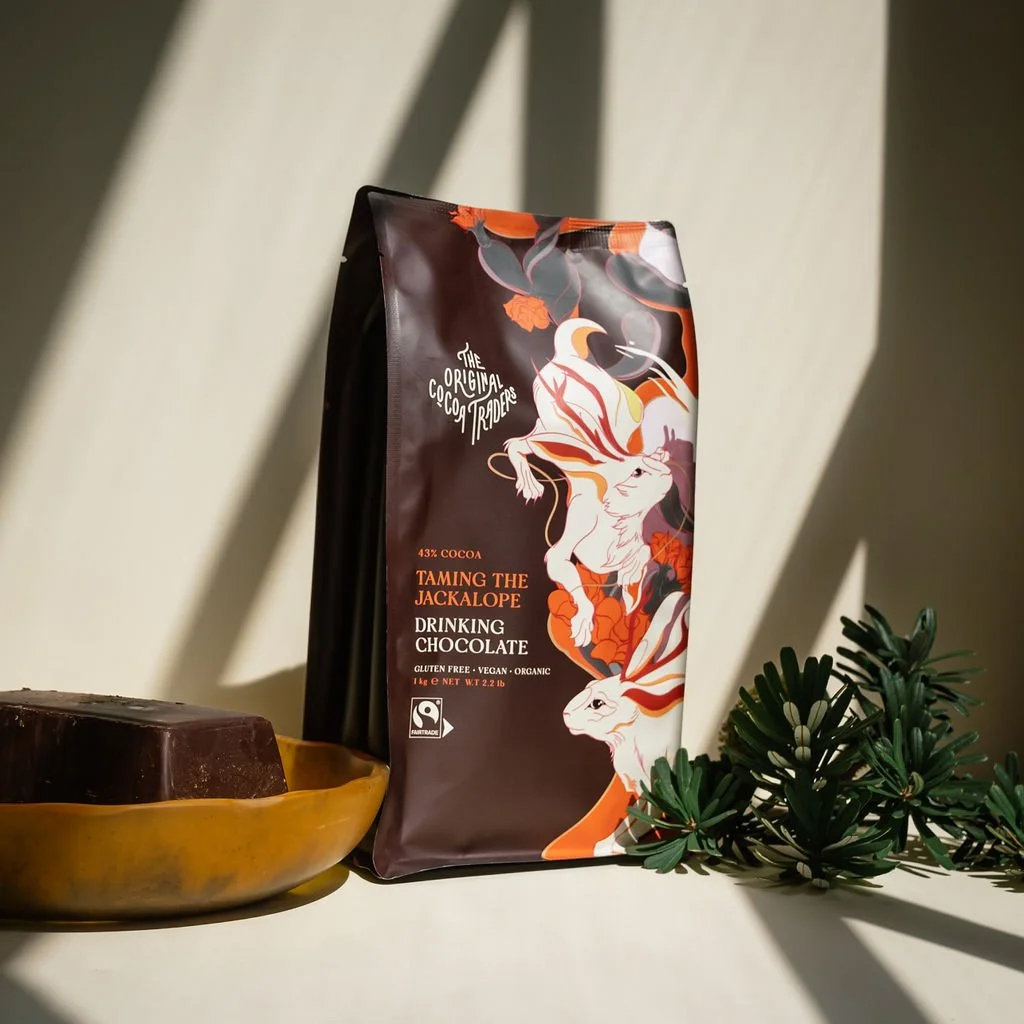
Your product names and packaging are unique and eye-catching. Why is this important, and what went into the process of choosing the names?
We spent years searching for cocoa that had both the flavour and ethical standards we were looking for. At times it felt like we were hunting for a mythical creature. This incredible cocoa that supposedly existed somewhere but nobody could quite find it.
Eventually we travelled again to Peru and worked with a chocolate factory there to create what we were looking for ourselves.
That’s where the mythical creatures came from. If you look closely at the packaging, you’ll also find little references to Peru and the places that inspired us.
We’ve always loved bringing art into our products. There’s so much minimalist packaging around, and while that can be beautiful, we wanted something a bit more playful. Something that brings a little colour, imagination and whimsy into cafés and people’s pantries.
Can you tell us more about your involvement with the ‘I Am Someone’ charity? Why is it important to you?
We met the founder, Steve Argent, through a mutual friend years ago and were immediately taken by his passion and how genuinely grassroots the whole operation was.
Steve started out mounting these beautiful photographs he’d taken in Africa onto wooden blocks and selling them at the Rose Street Artists’ Market in Fitzroy to raise money.
What I love is that he’s never lost that spirit. I Am Someone has grown enormously, helping build schools, provide homes for vulnerable children, establish clean water supplies and create opportunities for communities in Uganda, Kenya and Sierra Leone.
They’ve now helped educate more than 15,000 children, which is pretty extraordinary when you think about those early days selling photographs at a market.
We love the authenticity of what Steve does. He’s just a really good dude doing seriously good work.
And for us, being involved is a reminder that business can be about more than making and selling things. You can actually do some good along the way.
And for us, being involved is a reminder that business can be about more than making and selling things. You can actually do some good along the way.
You’ve been doing this over two decades. How has the conversation around ethical sourcing and quality cocoa changed in that time?
When we started, most cafés could tell you the farm their coffee came from, the altitude it was grown at and probably the name of the farmer’s dog. Ask them about their drinking chocolate and you’d get a blank look.
Now, people are much more curious about where their chocolate comes from, how it’s made and who’s benefiting from it. We’re also seeing this wonderful explosion of small chocolate makers treating cocoa with the same respect that winemakers give grapes and specialty coffee roasters give coffee beans.
But I think we’re still at the beginning.
The chocolate industry has become very good at talking about sustainability, but there’s still a big gap between the stories on the packaging and the reality for many cocoa farmers.
What excites me is that consumers are starting to care about that gap. And as more people discover what really good cocoa tastes like, I think it’s going to become harder to convince them that chocolate should be cheap, anonymous and mostly sugar.
Finally: describe your perfect cup of drinking chocolate: is there a ritual you follow, a favourite mug?
My favourite cup is poured from my old Stanley thermos into enamel camping mugs, sitting around a campfire with my little ones.
Always with a generous sprinkle of our Ship to Wreck grated chocolate flakes on top, for that classic fruity Peruvian chocolate kick. Yum.
♡ This is a Better Together Peppermint Partnership, where we team up with brands we love. This story was created with support from our friends at The Original Cocoa Traders. Luscious creamy drinking chocolate, kept simple. Organic ingredients. Ethically traded. Better for you. Dangerously good.


JOIN OUR MAILING LIST
Brighten up your inbox with our not-too-frequent emails featuring Peppermint-related news, events, competitions and more!
explore
More articles