Ever since the Persians began creating pleasure gardens back in 500 BC to indulge their senses through beauty, fragrance and sound, the therapeutic benefits of gardens have been widely acknowledged. Who doesn’t feel happier when surrounded by nature?
Research shows that both active and passive forms of gardening can have a significant positive impact on physical and mental wellbeing. A review, published in Preventive Medicine Reports in 2017, analysed 22 previous studies on the connection between horticulture and health and found robust evidence that participation in gardening activities can reduce stress and increase optimism.
While gardens have been used as a mode of healing since ancient times, horticultural therapy is more recently being recognised as a treatment for anxiety and depression – as well as supporting a broad range of rehabilitation programs. With so much to gain, gardening is becoming the go-to activity for practising mindfulness and managing stress – and there are plenty of ways to get involved no matter where you live.
words SAMANTHA VAN EGMOND
Plant your own patch
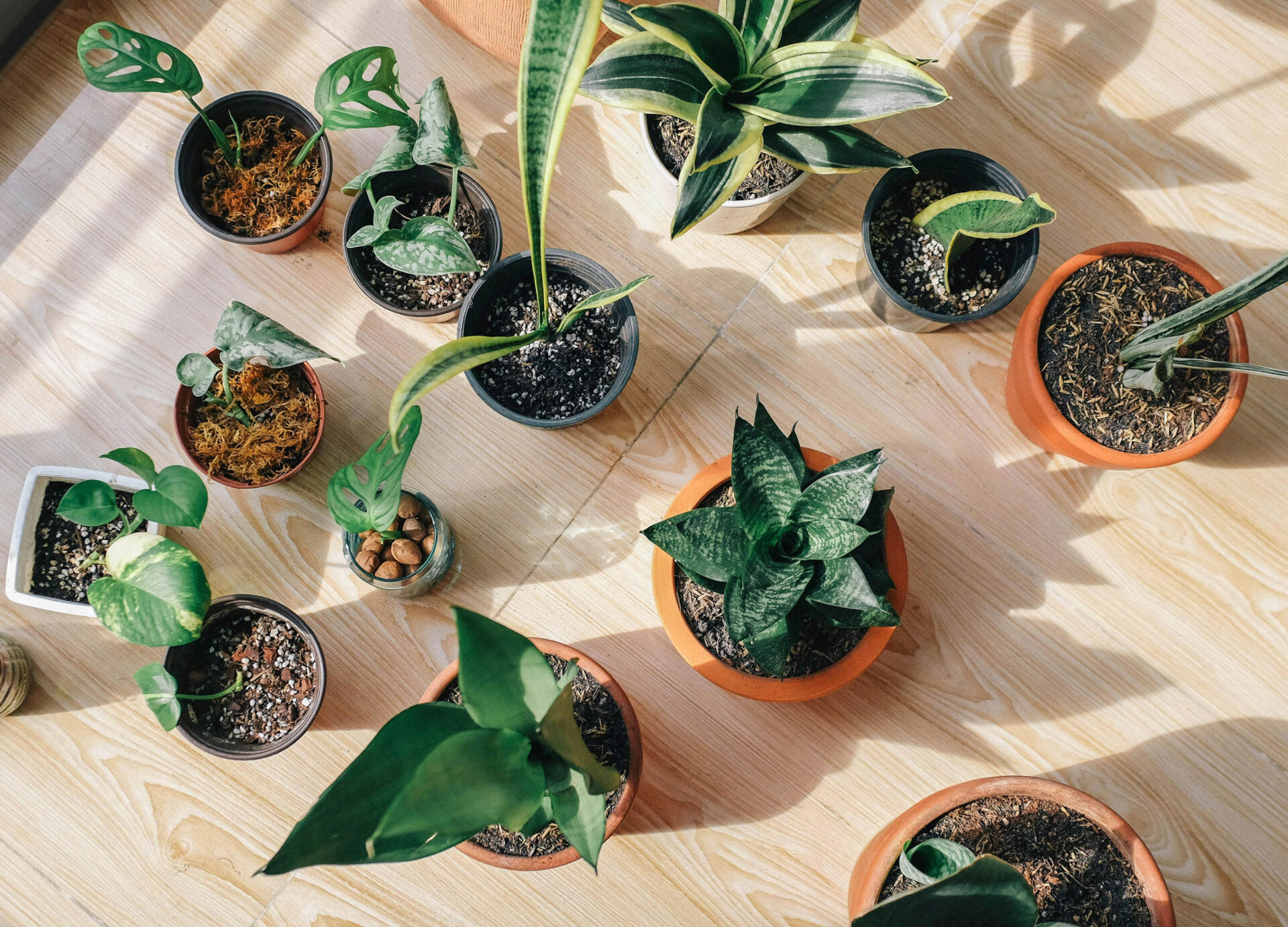
Growing a garden at home is well worth the effort and there’s an option to suit just about any space. Make a plan before you start – do you want to grow edibles in a raised bed or create a vertical succulent wall? If you live in a rental, you might prefer to plant in pots. No yard at all? A herb garden will be content on a sunny windowsill or balcony, so consider mint, basil and rosemary as hardy options that will fragrance your kitchen and boost your mood with one whiff. Remember that it’s not about perfection – the process of sowing and growing can be as enjoyable as the end result, so don’t be afraid to make mistakes and learn along the way.
Join a community garden
Having a home garden might not always be possible, however, there are some great shared spaces in both cities and regional areas where you can tend a plot. Community gardens provide the opportunity to grow and harvest your own produce while promoting a sense of purpose and community – not to mention all the handy tips you’ll pick up from other gardeners. They’re also an excellent way to green up the neighbourhood, reduce waste through composting and support local biodiversity. Check with your council to see what’s in the local area – you could even look into grants and submit an application to start your own!
A 2015 study published in the Journal of Environmental Psychology found participants experienced improved cognitive function following just 40 seconds of exposure to the natural world.
Change your routine
Look for ways to connect with nature in your daily life, even if it’s only for a short amount of time. A 2015 study published in the Journal of Environmental Psychology found participants experienced improved cognitive function following just 40 seconds of exposure to the natural world. Try finding a different route to work that takes you through a park or garden, enhancing your sensory engagement by observing all the sounds and smells around you. Spend your lunch break outside in a green space where there’s fresh air and natural sunlight, removing your shoes to feel the calming energy of the earth beneath your feet. Fun fact: soil releases cytokines, which tell your body to produce more mood-boosting serotonin.
Lend a hand
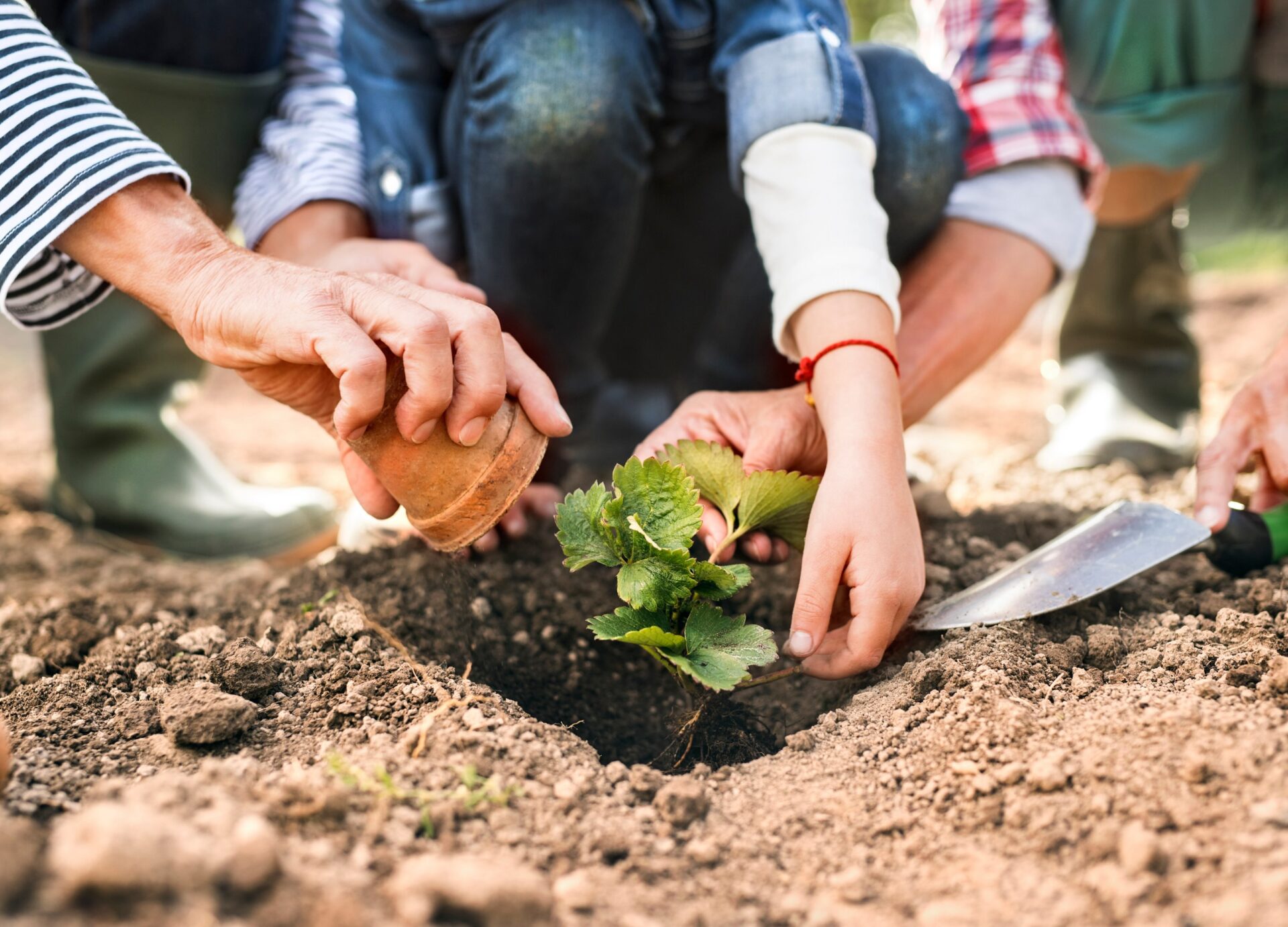
If you can’t find a friend or family member in need of an assistant gardener, don’t despair – there are plenty of other places to get your hands dirty. Botanic gardens and council greening projects often run volunteer programs, while a number of schools and universities have kitchen gardens that are maintained by helpers during holiday breaks. Hospitals, rehabilitation centres and aged care facilities are increasingly using gardening as a way to improve the motor skills, socialisation and physical health of patients and residents, and would most likely love an extra pair of hands.
Bring the outdoors in
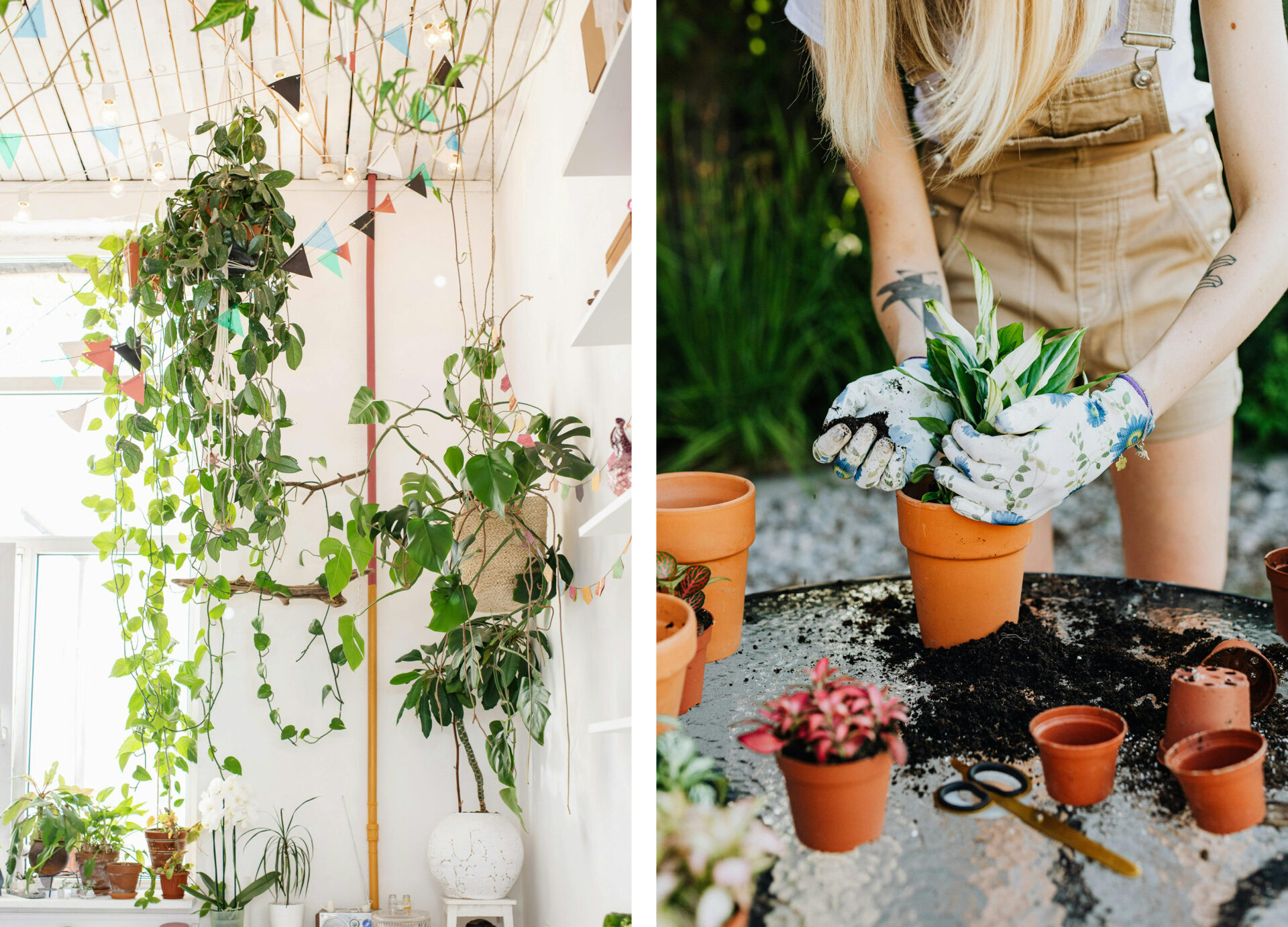
Many of us spend a large amount of our time indoors, so it makes sense to embrace plant life at home as well as out in nature. Research tells us that even observing plants can reduce stress and increase optimism, so there’s no need to miss out because you have nowhere to dig. In addition to the aesthetic benefits of lush indoor greenery, plants are proven to enhance air quality – according to a NASA study, aloe, spider plant, chrysanthemum, bamboo palm and peace lily are some of the most efficient at removing volatile organic compounds, or VOCs, and toxins from the air. This means less allergens and better sleep, which in turn will have a big impact on your physical and mental health. Workplace wellbeing can also be enhanced with a leafy addition – studies have found the presence of plants can improve concentration and boost creativity.
Read more: Five Reasons Why Being Kind Makes You Feel Good – According to Science