Fashion’s Big Promises, Little Progress: What the 2026 Ethical Fashion Report Reveals
- Words by Rosamund Brennan
We love a good outfit. But knowing the people who made it were treated fairly, and that the planet wasn’t left to pick up the tab? Even better. Unfortunately, the latest Ethical Fashion Report suggests the industry still has some serious work to do.
Released by Baptist World Aid Australia in October 2026, the 11th edition of the report assessed 138 companies representing 543 fashion brands, examining everything from workers’ rights and supply-chain transparency to environmental impact. The findings? Companies scored an average of just 31.5 out of 100, an improvement of only 0.2 points since 2024. The scores reflect how well companies can demonstrate their efforts to protect workers and the environment, based on publicly available information and evidence supplied by brands.
And while 93% of companies have policies in place to protect workers and the environment, putting those promises into practice is another story.
The people behind our clothes
Behind every garment is a person, and the report’s findings on workers’ rights are particularly troubling. A staggering 88% of companies couldn’t provide evidence that workers were receiving a living wage at any final-stage manufacturing facility in their supply chain. Just 4% had committed to paying living wages across all final-stage manufacturing facilities.
Worker representation is another concern. While 71% of companies published a compliant Modern Slavery Statement, only 9% of those companies could demonstrate union presence or collective bargaining across most of their final-stage suppliers.
“Brands are getting better at talking about sustainability, but that talk isn’t translating to real change on the ground,” says Katherine Halliday, Ethical Fashion Lead at Baptist World Aid Australia.
Women make up the majority of the world’s garment workers, yet gender inequality remains deeply entrenched in fashion supply chains. According to the report, just 17% of companies had a strategy in place to address gender inequality at final-stage manufacturing facilities.
The report also shares the story of Fariha, a garment worker in Bangladesh who was blacklisted by factories after demanding unpaid wages. She eventually found work at a factory employing girls as young as 13, earning just AU$178 a month, far below a living wage. Her experience offers a sobering reminder of the human lives behind our clothing.


Too many clothes, too little change
The findings aren’t much brighter for the planet. Around half of the companies assessed had no published emissions reduction targets for their supply chains, while overproduction remains a major concern.
Australians are among the world’s most voracious clothing consumers, buying an average of 55 items per person each year. Around 200,000 tonnes of clothing end up in Australian landfill annually, with a further 85,000 tonnes sent overseas to countries including Fiji and Ghana. And with ultra-fast fashion churning out new styles at breakneck speed, the pressure to buy more and wear less shows little sign of slowing.
There are some encouraging signs. Among the companies assessed, average use of sustainable fibres rose from 30% in 2024 to 38% in 2026. But with overall fibre production continuing to grow, particularly petroleum-based synthetics, those gains are being outpaced by the industry’s expanding environmental footprint.
There were also striking differences between fashion categories. Outdoor and technical clothing companies achieved the highest average score of 65.2 out of 100, while surf, skate and streetwear (8) and ultra-fast fashion (14.1) were among the lowest. However, some categories included only a handful of companies, so the figures are best viewed as a snapshot of the brands assessed.
So, where to from here?
With Black Friday sales and Christmas shopping just around the corner, there’s no better time to look a little more closely at the labels we love.
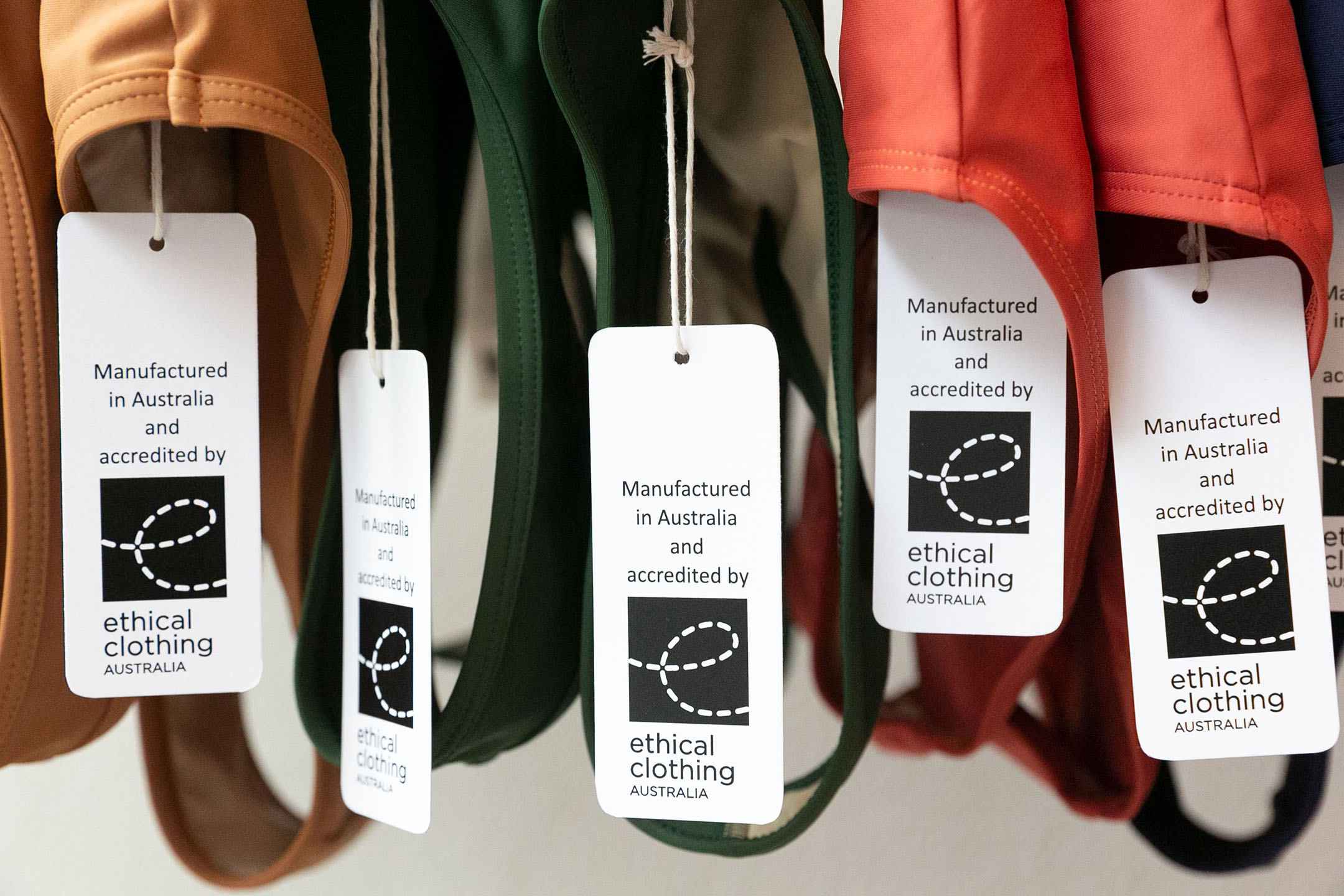
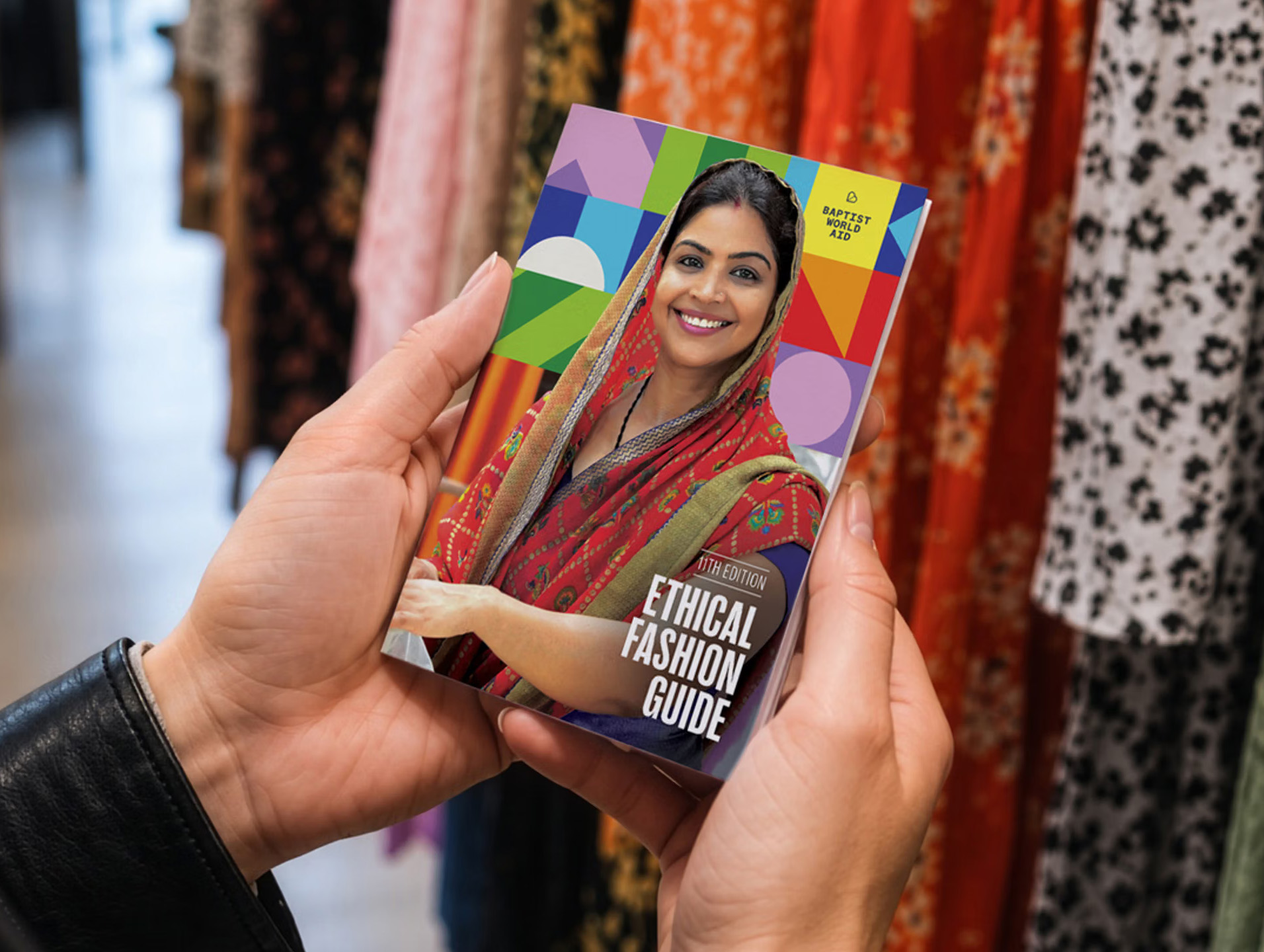
Alongside the report, Baptist World Aid has released its free Ethical Fashion Guide, making it easier to see how more than 500 brands measure up on workers’ rights and environmental practices. The guide offers a useful starting point for anyone wanting to look beyond a brand’s sustainability claims and better understand what’s happening behind the scenes.
Of course, creating a fairer fashion industry shouldn’t fall solely on shoppers’ shoulders. Baptist World Aid is calling on brands, policymakers and consumers to push for stronger protections, greater transparency and meaningful action throughout supply chains. That means looking beyond glossy sustainability statements to whether companies can actually demonstrate improvements in wages, working conditions and environmental practices.
As Baptist World Aid CEO Melissa Lipsett puts it: “We need to hold brands to a higher standard, and demand that they follow through on their commitments to do better for people and the planet.”
So, who was best in show? The great folk from Mighty Good Basics cleaned up, scoring 94 out of 100 – more than 20 points above the rest. Also in the top 20% were Rodd & Gunn, Patagonia, Kathmandu, AS Colour and Assembly Label, and surprisingly, Zara. The lowest scores were headlined by Ghanda, Temu, White Fox Boutique, Stüssy, Seafolly and Tigerlily – all who, it needs to be noted, didn’t participate in the survey and so their scores were calculated from public information only.
For those of us who love fashion but want to make more thoughtful choices, the message is simple: buy less, buy better and expect more. Choosing clothes we’ll wear for years, repairing what we already own and supporting brands that can back up their ethical claims are all ways to put that thinking into practice.
And before your next purchase? A quick check of the Ethical Fashion Guide is a good place to start. Explore the 2026 Ethical Fashion Report and Guide to see how your favourite brands measure up.
JOIN OUR MAILING LIST
Brighten up your inbox with our not-too-frequent emails featuring Peppermint-related news, events, competitions and more!
explore
More articles