words GEMMA POL photos COLE BAXTER
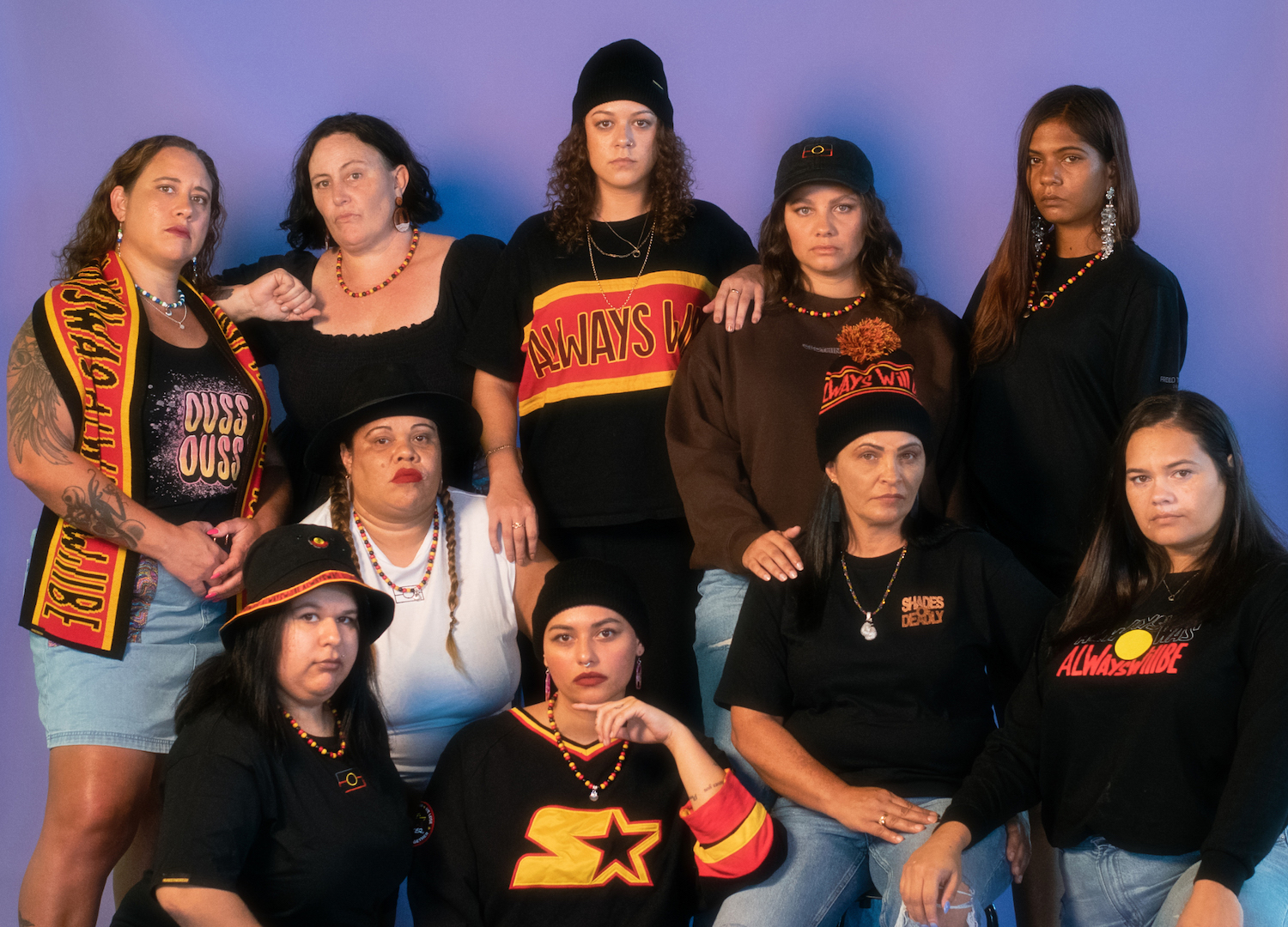
Wiradjuri, Ngemba and Paakantji writer Gemma Pol reflects on the power and passion of the Blak Matriarchy for Common Ground ahead of Mother’s Day alongside an inspired photoshoot by Noongar photographer Cole Baxter.
“Hey Siri. Play Blak Matriarchy by Barkaa.”
Matriarchy has been at the centre of First Nations cultures, communities and movements since time immemorial. But the word means many different things to many different people.
Cambridge Dictionary defines matriarchy as “a type of society in which women have most of the authority and power, or a society in which property belongs to women and is given to children by women rather than men”.
This is a colonial definition that doesn’t align with First Nations ways of thinking, being and knowing. The Blak matriarchy isn’t confined to the gender binary. And it is less about control and ownership, and more about strength, custodianship and spirituality.
The Blak matriarchy is as staunch and unwavering as it is gentle and nurturing. So it makes sense that when First Nations women and gender diverse people come together, magic happens. Enter Rebecca (Beck) Rickard, Lulkbudia McLean, Keisha Calyun, Lorraine Pryor and Brenda Mau who (alongside others) took part in a photo shoot in Boorloo (Perth) for Mother’s Day, captured by Noongar photographer Cole Baxter.
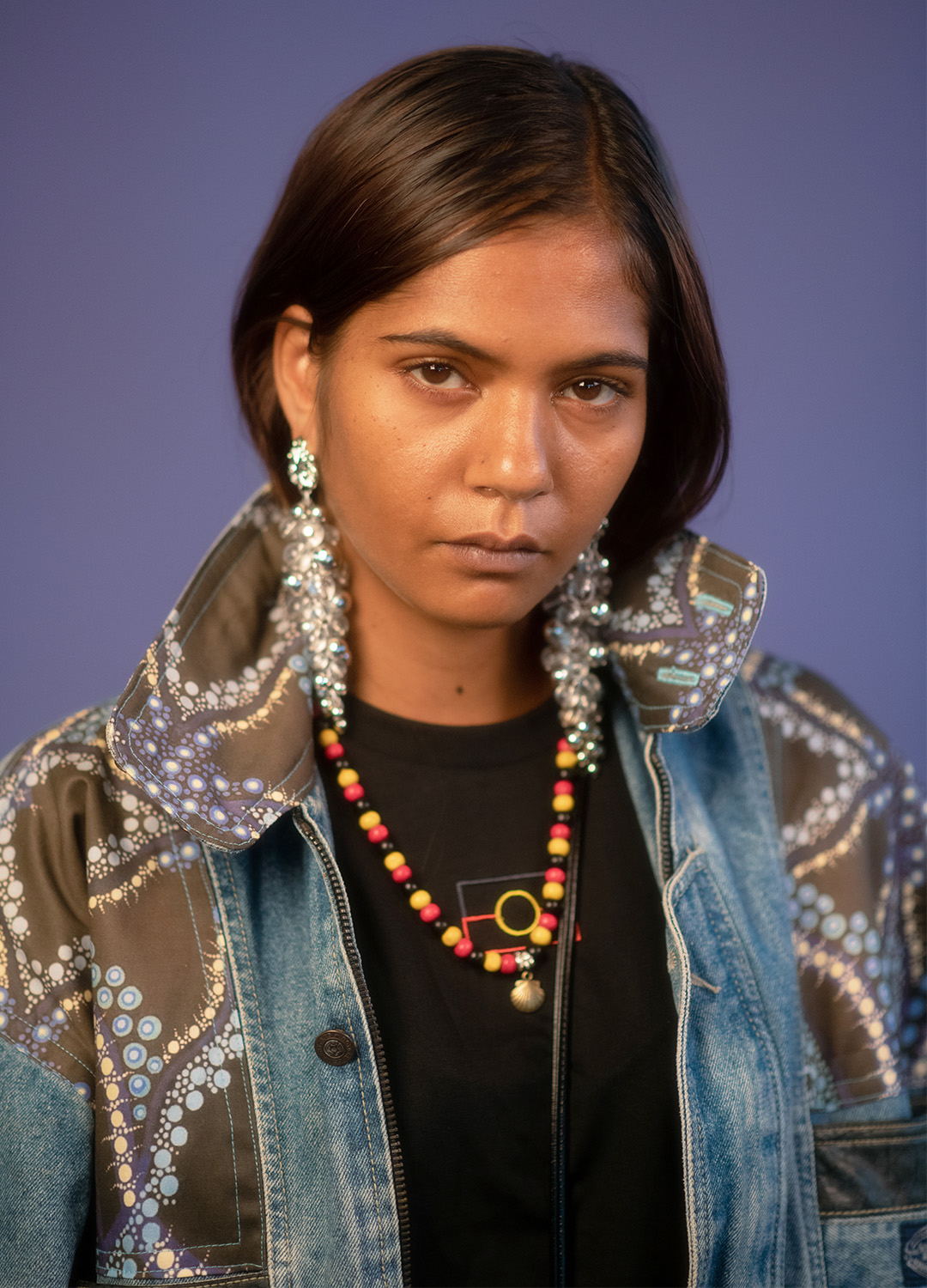
image DANARA MICHAEL WEARS CLOTHING THE GAPS AND DEADLY DENIM
Beck is a Whadjuk Ballardong mother and the founder of Deadly Denim. Deadly Denim collaborates with First Nations artists and art centres to put artwork on upcycled denim. Beck is also studying to be a midwife, and is deeply committed to strengthening cultural birthing practices.
“I had my first bub as a teenager at one of our big hospitals and the lack of care I experienced led to postnatal depression,” says Beck.
Beck had her second baby 15 years later at home and on Country through a midwifery group practice: “I had all of my care at home with the same midwife. This continuity had such a powerful and healing impact on me.”
Today Deadly Denim donates a portion of its profits to the Rhodanthe Lipsett Indigenous Midwifery Charitable Fund (RLIMCF) – a fund that backs First Nations people to become midwives.
“I would love to see more Aboriginal midwifery groups and Birthing on Country programs. These services help bring cultural knowledge, connection and practice back to midwifery,” she shares.
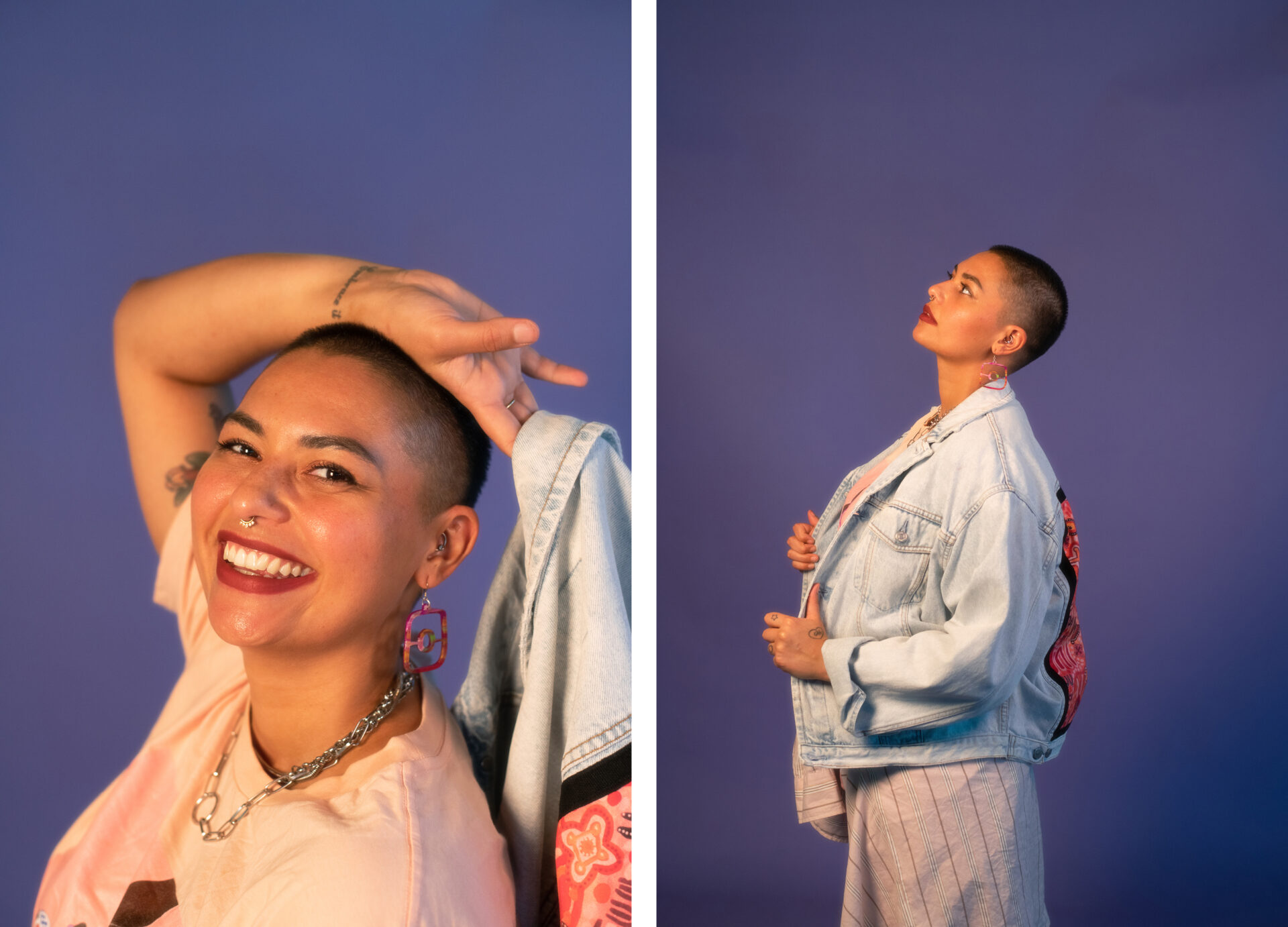
images LULKBUDIA WEARS DEADLY DENIM
Lulkbudia is a Miriwoong Gadjeroong woman from Kununurra who has lived in Boorloo for the last three years. She’s a sister, daughter, mother and grandmother, DJ, artist and campaigner for Social Reinvestment WA.
Lulkbudia is passionate about Blak, queer representation and is committed to creating safe spaces for LGBTQIA+ mob. She yarns about her mum and sisters, and how the Blak matriarchy has shaped her identity.
“I was raised by my mum and my sisters. The Blak matriarchy has been part of my life since forever,” says Lulkbudia. “My older sister Jutjut was the first openly queer person in our family, and really paved the way for me to be able to do that as well.”
“I’m really proud of the matriarchy in my family. My community is called Yirrallelm which is about 30 minutes out of Kununurra. That was passed down through the matriarchal side of my family – through my grandmother and through my great grandmother.”
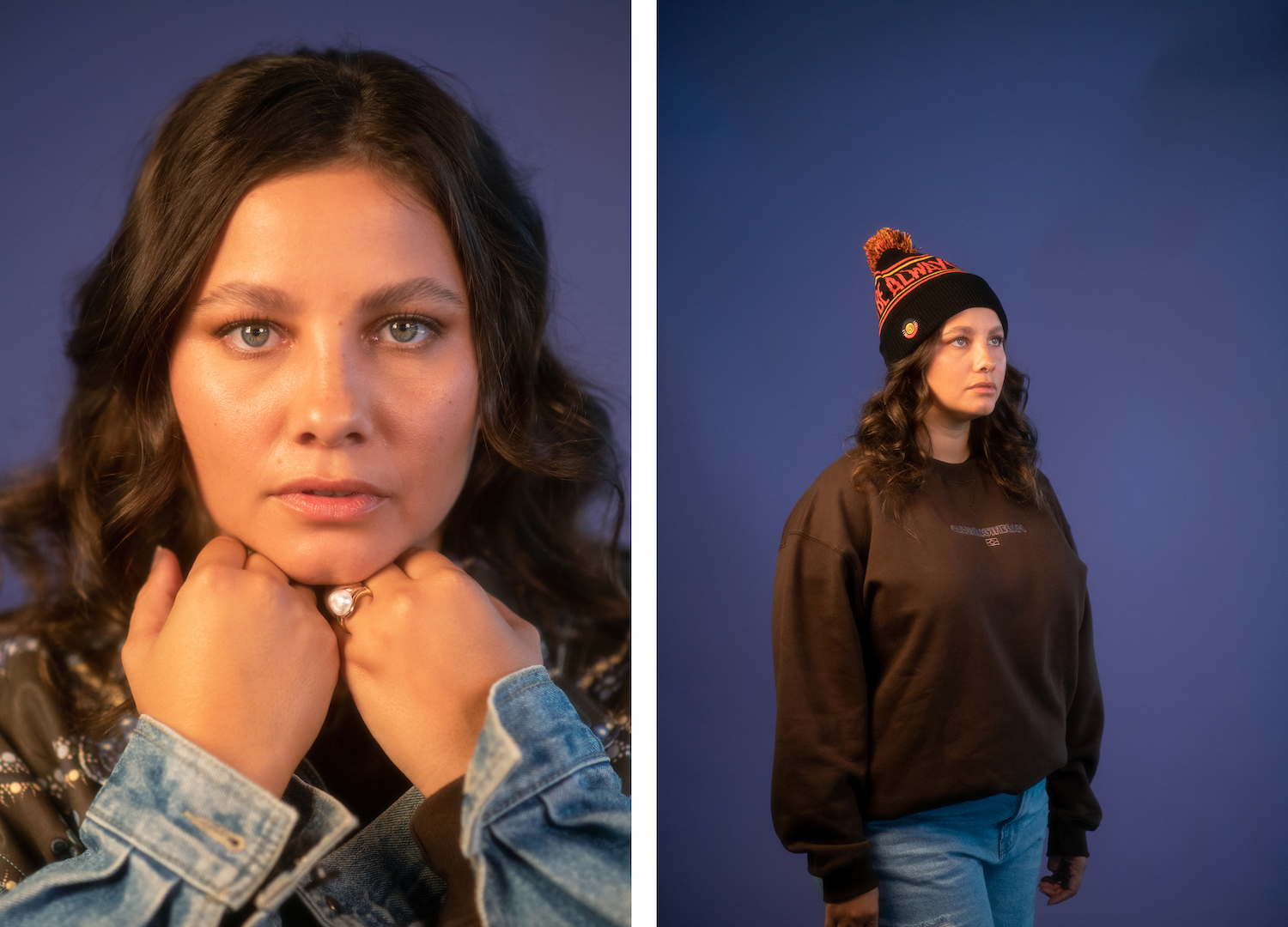
images KEISHA WEARS DEADLY DENIM AND CLOTHING THE GAPS
Keisha is a Ballardong Noongar woman who grew up on both Ballardong Country in Toodyay and Whadjuk Country in Boorloo. She’s a medical student and cares for her younger siblings with the support of her sister and husband.
“In my family, women are the glue and supporters,” says Keisha. “They keep the family together and connected. They guide me through anything I need – small things like helping me with a recipe, or big things like helping me work through challenges I’m facing.”
Keisha’s mother was non-Indigenous, and passed away in 2017. Keisha yarns about the importance of acknowledging all First Nations women and people who step into the roles of mothers: “Our women are so amazing that there are many sisters, cousins, aunties and grandmothers who care for and raise our children and support us as adults when our own mothers cannot.”
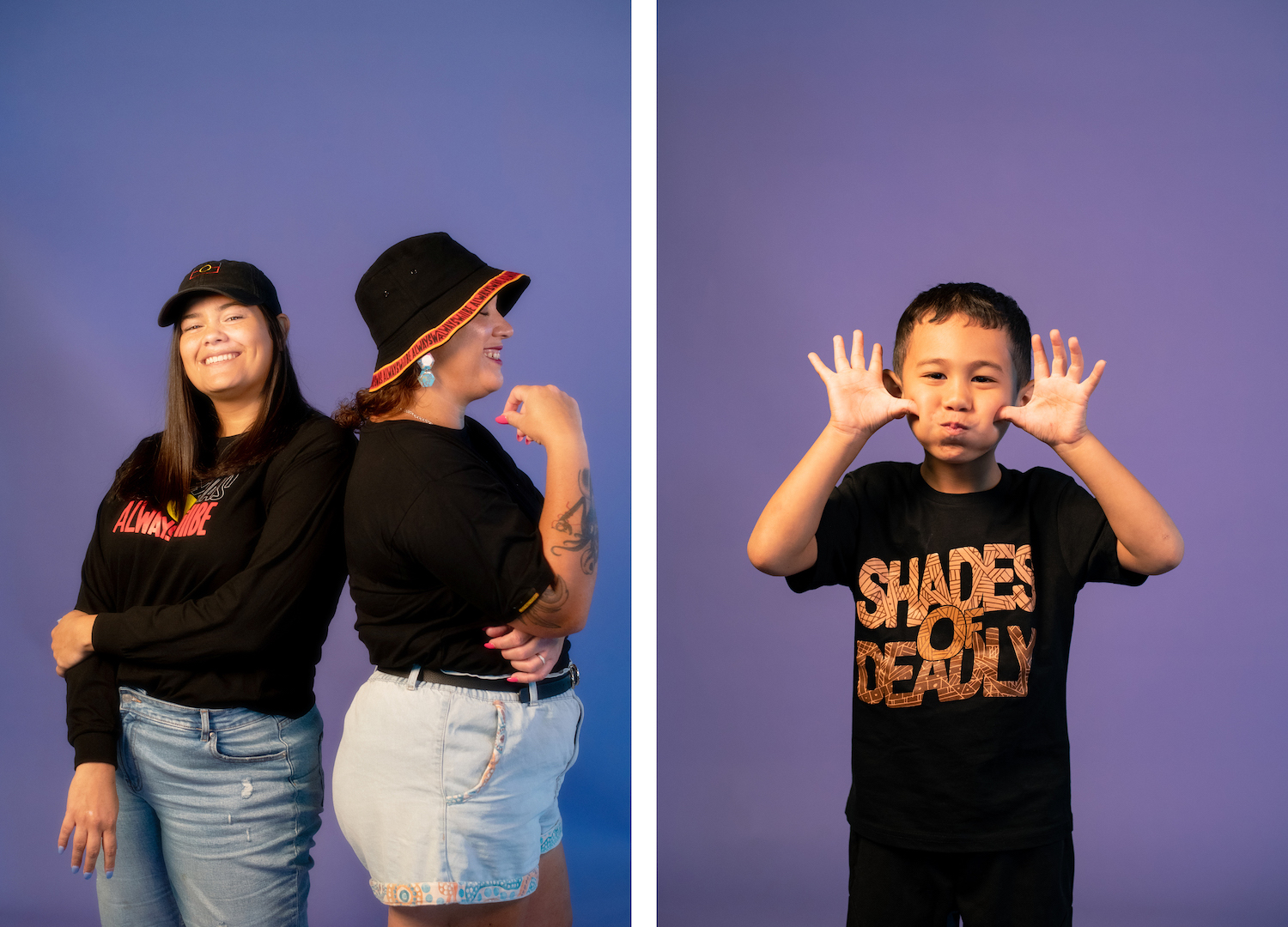
images JARNI WEARS CLOTHING THE GAPS AND BRENDA WEARS DEADLY DENIM AND CLOTHING THE GAPS // JARNI’S BUB (NATHAN) WEARS CLOTHING THE GAPS
Lorraine is a Whadjuk Ballardong mother, grandmother and founder of Voice of Hope – an initiative for First Nations women who are or have been incarcerated, impacted by domestic violence and substance abuse and addiction. She supports women both inside the prison system and after their release.
“The western world has failed us in a lot of ways,” Lorraine says. “We aren’t recovering and rehabilitating in prisons. I know this from lived experience. I’ve walked that path before – addiction, domestic violence and being in and out of prison. But I’m 11 years in recovery now so it’s time to give back to the community.”
One of Lorraine’s matriarchs is her aunty, who is now resting in the Dreaming. “She never judged me when I was going through the bad times,” Lorraine reflects. “And she would always welcome me into her home and into her heart. She would guide me on my darkest days. And once I found my feet again and started going in the right direction, she was still there with me.”
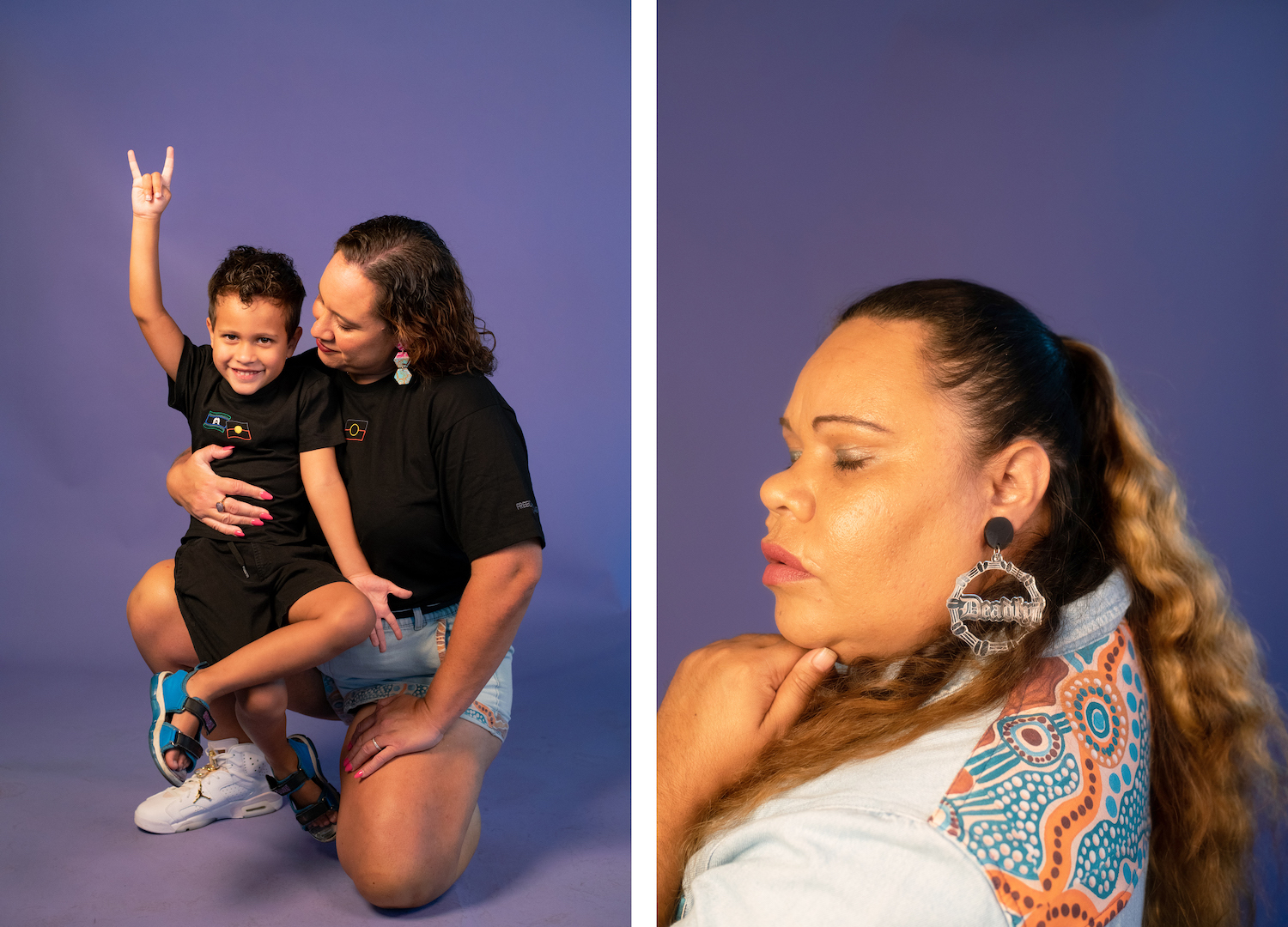
images BRENDA WEARS DEADLY DENIM AND CLOTHING THE GAPS AND BRENDA’S SON (WILLIAM) WEARS CLOTHING THE GAP // LEILA DIMER WEARS DEADLY DENIM
Brenda is a Mandubarra, Wuthathi, Kalkadoon, Ngadjon-Jii and Torres Strait Islander (Waiben) woman. She’s a mother, graphic designer and artist for Indigenous Grapevine.
“My grandmother – my dad’s mum – is a Mandubarra Elder. Her name is Mary Appo, but everyone calls her Nanna Appo or Aunty Mary. She’s 93 this year and she’s the matriarch of our mob. She had one daughter and nine sons. Can you imagine? Ten kids!” she exclaims.
Brenda says if she looked up the word “matriarchy” in her own personalised dictionary, she would see her nanna’s photo with the following words: “Staunch, unwavering, loving, caring, opens her home to everyone, feeds everyone – and not just food, but knowledge, culture and stories.”

images JULIANNE WADE AND HER MUM SANDRA EGAN
This photo shoot and gathering on Whadjuk Noongar Country is what honouring the Blak matriarchy can look like – intersectional, intergenerational and healing. Matriarchs uphold cultural protocol, share knowledge, safeguard stories, protect Country, strengthen cultures and care for community. And as Lulkbudia says, “They make it look easy.”
words Gemma Pol (Wiradjuri, Ngemba and Paakantji)
images Cole Baxter (Noongar)
wardrobe Deadly Denim, Clothing the Gaps, Ngalang Moort, Malu Bajigal and Indigenous Grapevine
models Rebecca Rickard, Brenda Mau and her two sons (Alexander and William Mau), Lulkbudia McLean, Lorraine Pryor, Marie Pryor, Keisha Calyun, Marleigh Zada, Danara Michael, Jarni McGuire and her son (Nathan McGuire), Kim Farmer, Shirley Harris, Leila Dimer and Leisha Prosser
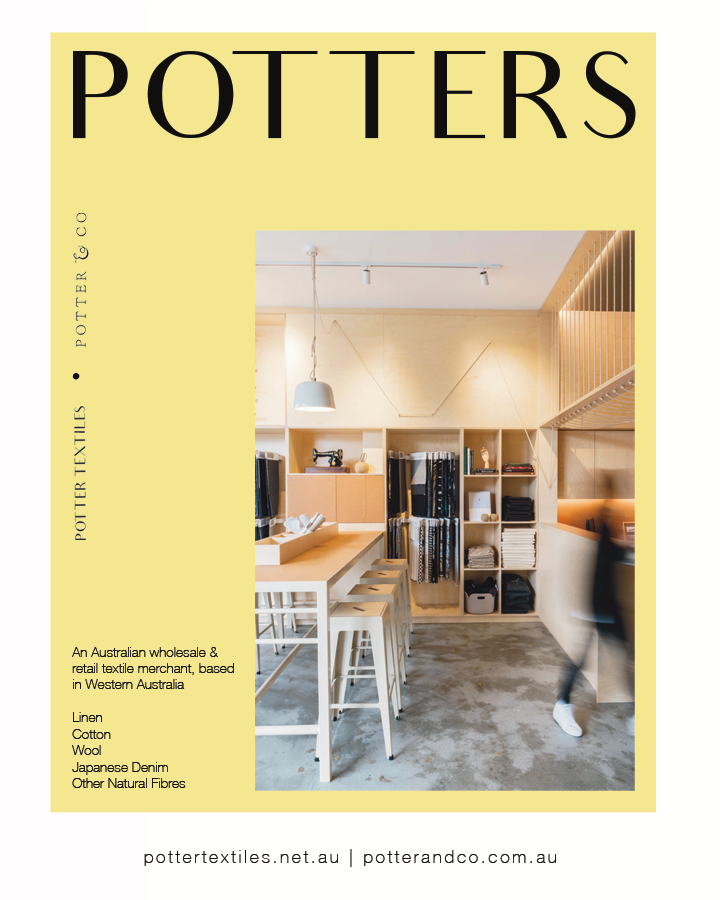


“My piece of advice for makers and designers? Run your own race… make sure your key decisions stay anchored in your brand’s core beliefs.”
- Bec Bligh
Quick show of hands: who’s opened a water bottle expecting a refreshing sip… and instead been greeted by the unmistakable whiff of uh-oh?
Because for something that follows us everywhere (desk, car, hikes, yoga…), the humble drink bottle is strangely prone to becoming a science experiment. Hard-to-clean corners and gaskets. Mystery smells. Bec Bligh and her husband Tim know it well. A six-month sailing trip along the Queensland coast left them with a lifetime of memories and one stubborn annoyance: mouldy water bottles they couldn’t properly clean.
So they did something about it.
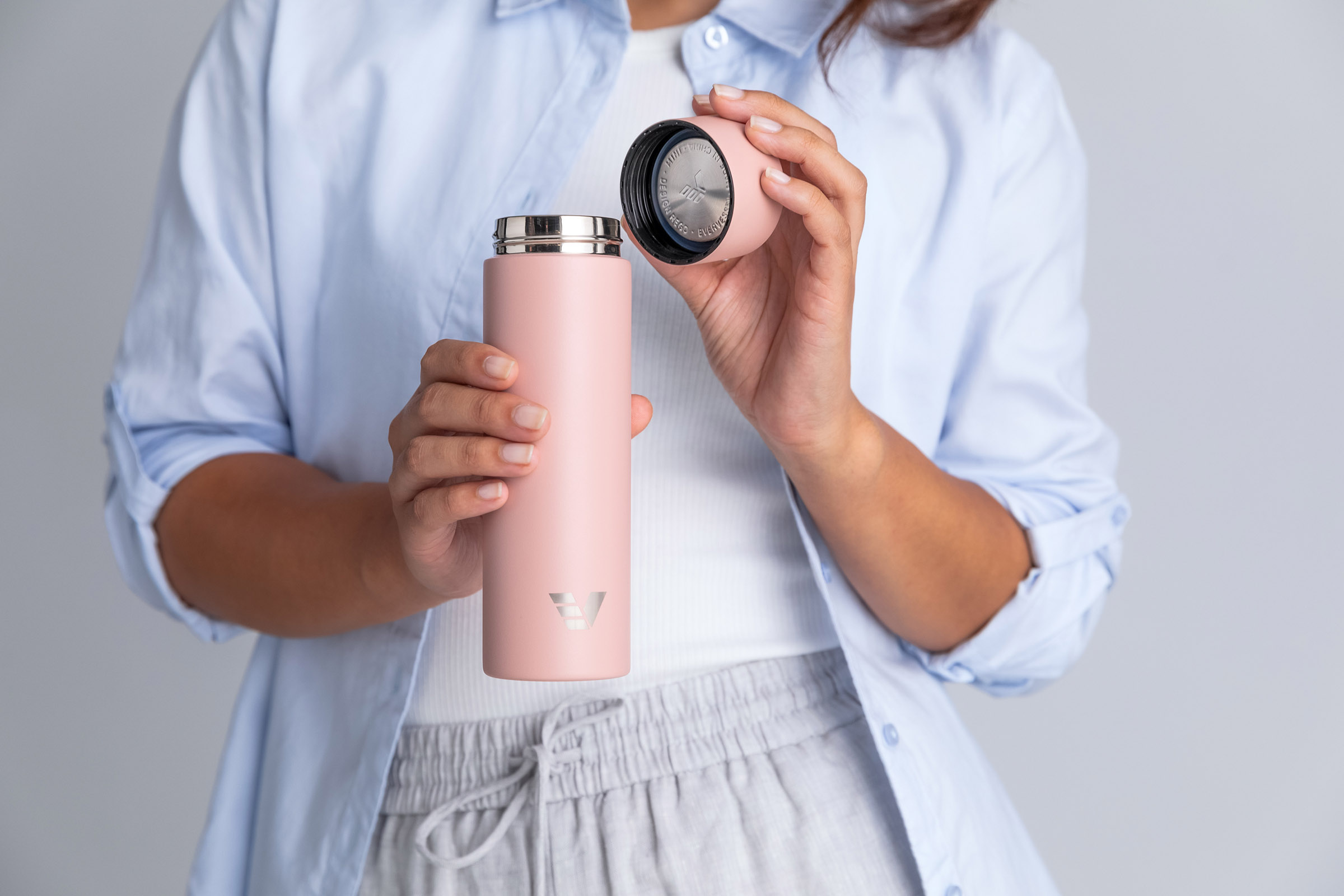
Enter @EverVessel. Thoughtfully designed borosilicate glass and stainless steel bottles that keep things beautifully simple: durable materials, wide openings, easy-to-clean parts and none of the techy gimmicks that tend to age badly. Turns out simplicity, done well, is pretty powerful stuff. (Their many design awards agree!)
And lately they’ve added a little extra delight: the Artist Series, where creatives like Paola Castro, Ben Miners and Martin Thompson transform these everyday companions into tiny travelling artworks. There are more colabs in the works, too: hydration, but make it joyful! 🎨💧
We chatted with Bec about the sailing trip that started it all, the philosophy behind Ever Vessel, and why the most sustainable product is often just the one you keep using.
Tap the link in our bio to read the full conversation. 🚰
#EverVessel #ReusableWaterBottle


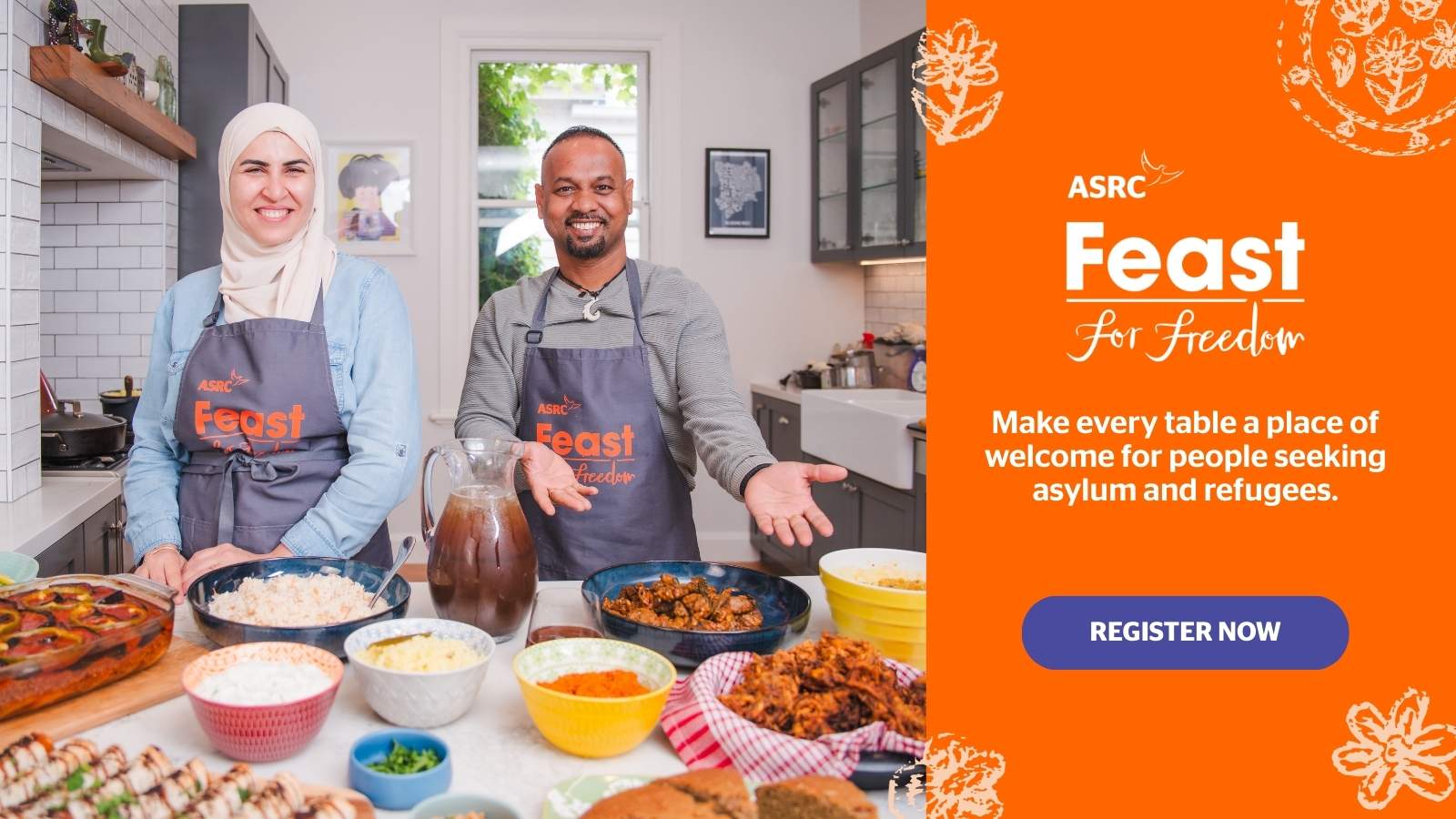
Pull up a chair… there’s room at this table!
For the first time, Feast for Freedom is bringing people together for a spectacular long-table dinner as part of the Melbourne Food & Wine Festival.
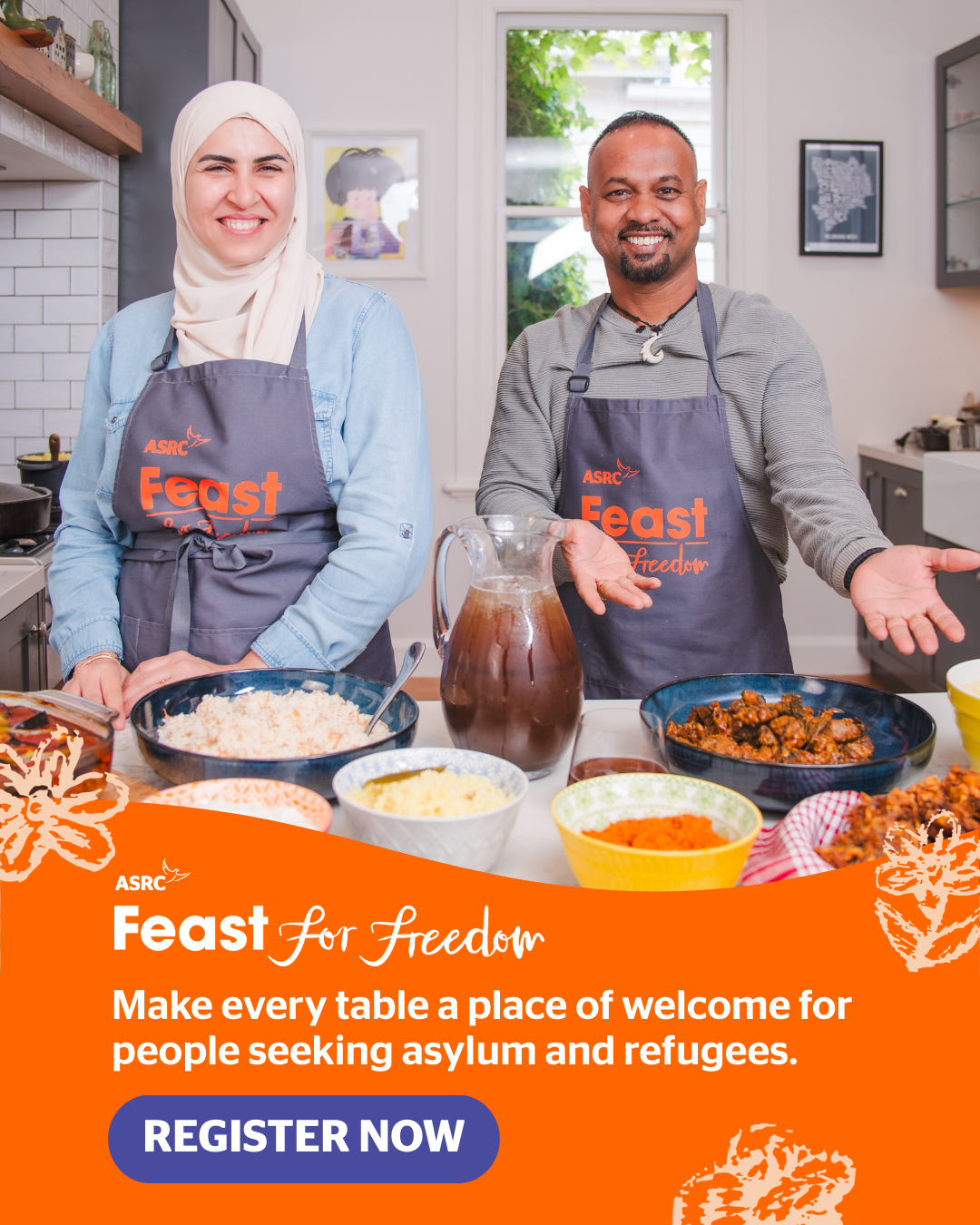
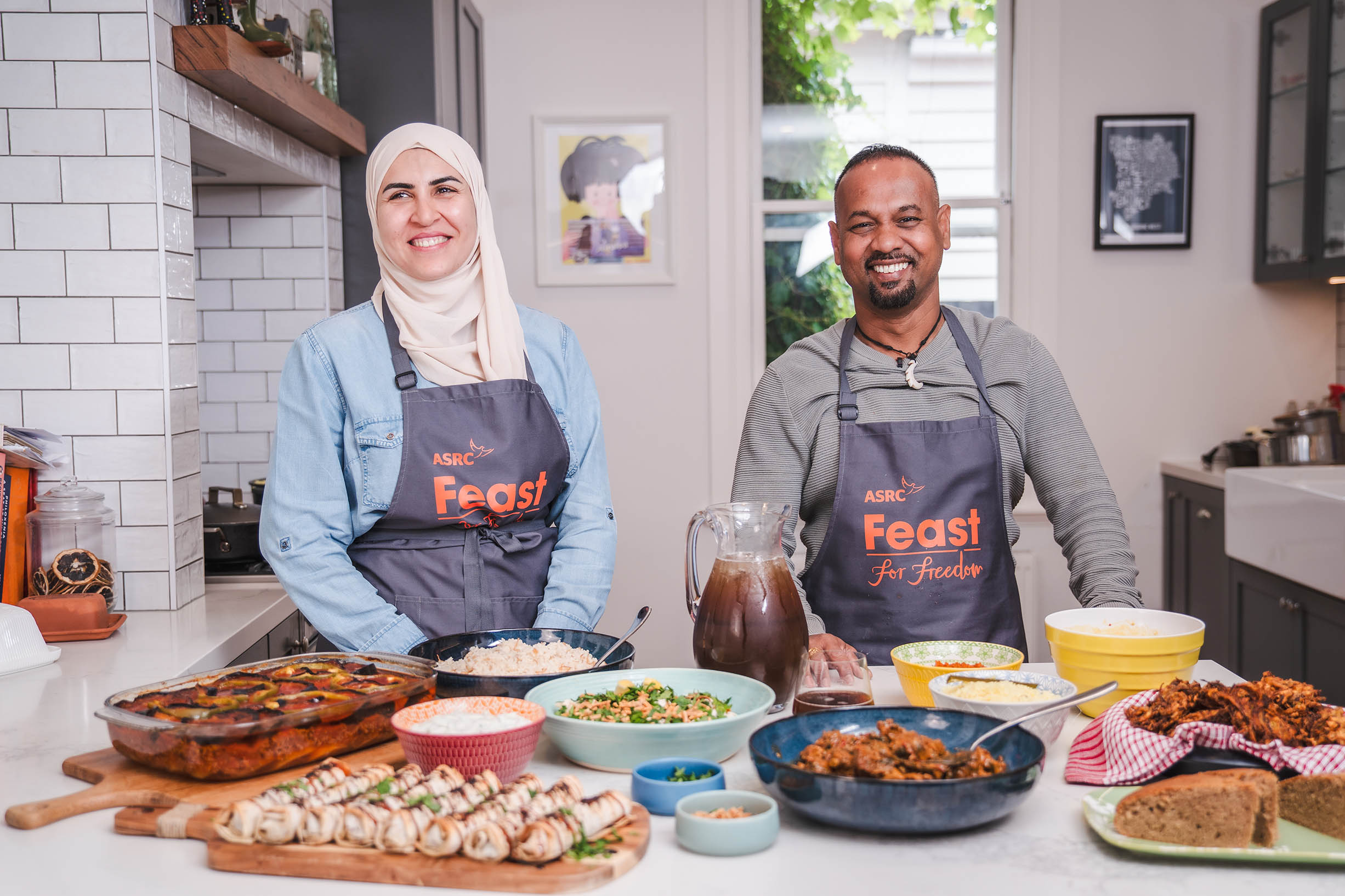
A Longer Table is exactly what it sounds like: one beautiful shared table inside the Asylum Seeker Resource Centre (@Asrc1), piled with generous dishes inspired by this year’s hero cooks, Noha and Nige.
From 6 to 9pm on Wednesday, 25 March, this is what you can expect:
🍽 A three-course shared feast
🍷 Matched drinks
🎶 Live entertainment
✨ A room full of good humans
Your ticket doesn’t just buy you a delicious dinner. It supports the ASRC’s vital work and helps create a fairer future for people seeking asylum.
Seats are limited, and long tables have a way of filling up quickly – head to @MelbFoodAndWine’s website to book now: feastforfreedom.org.au/mfwf
#FeastForFreedom #MelbourneFoodAndWineFestival #LongTableDinner #FoodForChange

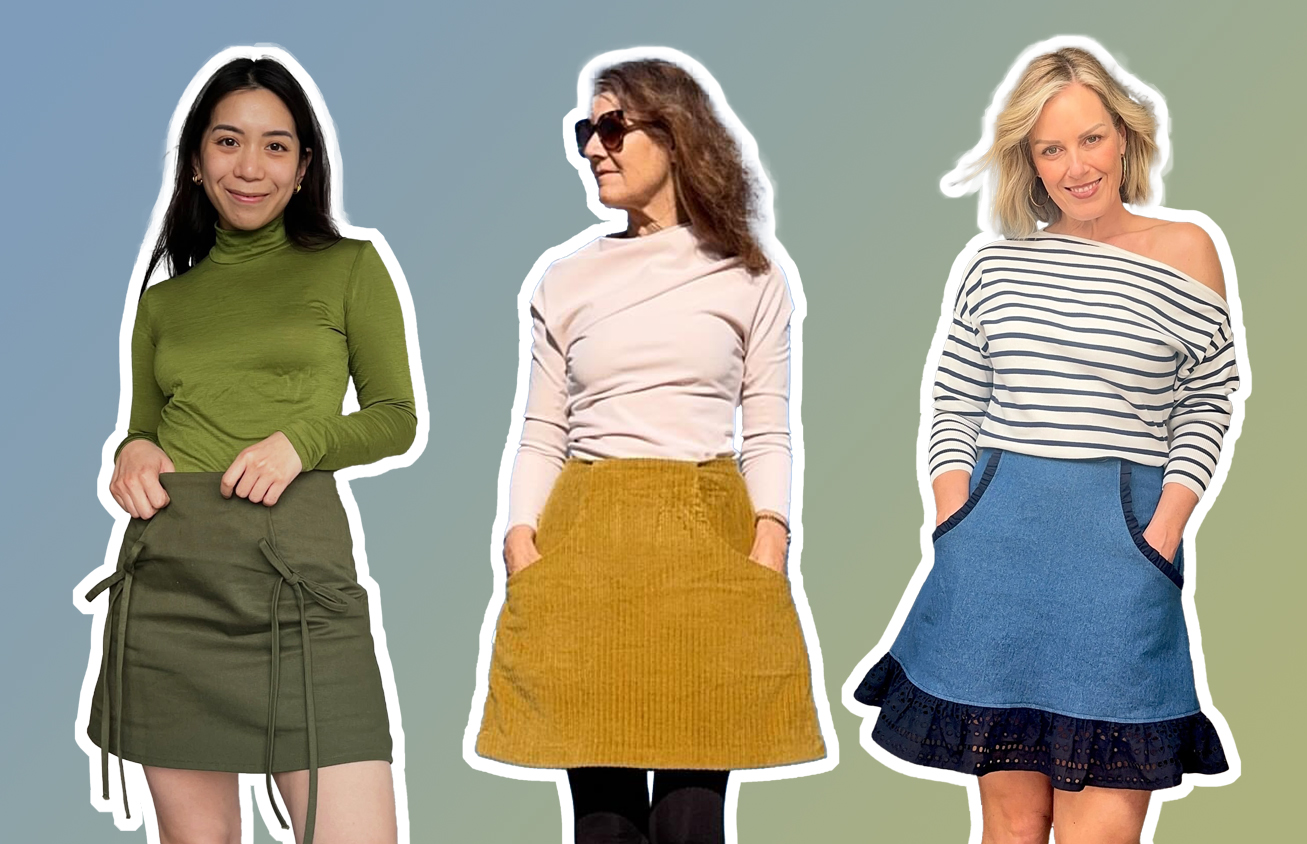
Sew versatile! 🪡
Another great make from Lisa from @SunnySewsEveryday:
My #PeppermintWaratahWrapDress is finished and I’m so proud of it. It has been designed not to flap open and flash your pants in the wind, so I feel confident it will be a great wheelchair or standing dress in English weather.
#PeppermintPatterns #WrapDress #WrapDressPattern

Frame your face with the Peppermint Bucket Hat!
Stay safe and stylish in the sun with your very own self-sewn and self-drafted wide-brimmed bucket hat. This beginner-friendly sew is perfect for a sunny day. Get out your pencils – this pattern is created using equations and maths!
This DIY project was featured in Issue 53 and now you can access it for the lovely low price of only $5.
Sun-safe chic is always in style. ☀️
Find it via the link in our bio!
Photos: @KelleySheenan
#PeppermintPatterns #PeppermintBucketHat #BucketHat #BucketHatPattern #DIY

✨ INSTANT CLASSIC ✨
The Peppermint Myrtle Shift Dress is a beginner-friendly make with a few special details based on the ever-stylish shift shape – the perfect dress you need in your wardrobe right now!
Myrtle cuts above the knee with options to customise the length. Don’t think she’s reserved for hot weather either: try a heavier-weight fabric to turn your Myrtle into a pinafore-style garment for layering.
For our fabrics we chose two from our lovely sewing partner @Karmme_Apparel – the bold Rottnest Stripes in a lightweight, soft-drape cotton, and the quality linen in the handpainted Mexico Collection.
Get making the Myrtle – the only question is, can you stop at just one?
Link in bio 🪡
Fabric: @Karmme_Apparel
Sewist: @Laura_The_Maker
Photos: @KelleySheenan
Models: @SerahSews and @Pins_And_Tonic
Location: @ShareTheDignityAustralia
#PeppermintMyrtleShiftDress #PeppermintPatterns

It’s time to Feast!
Some recipes travel a long way before they land on your table to delight your taste buds. This year’s Feast for Freedom invites us to gather our friends, cook something delectable and raise funds for the incredible work of the Asylum Seeker Resource Centre (@Asrc1) while we’re at it.
The 2026 Feast features recipes shared by two remarkable cooks: Noha, who brought the flavours of Palestine with her when she arrived in Australia, and Nige, a Sri-Lankan Tamil cook whose journey with food began in the most unexpected of places.
You can host your own Feast up until 30 April – simply register online and get planning! Host a dinner, organise a workplace lunch, or gather your community… However you do it, the idea is simple: cook, connect and celebrate the cultures and stories that shape Australia.
Want to find out more? Head to the link in bio to meet Noha and Nige, learn more about their stories, and discover a delicious recipe to try.
#FeastForFreedom #PeppermintMagazine #FoodForGood #ASRC
