From Waste to Wonder: Cynthia Nudel’s biopainting turns scraps into luminous art
- Words by Donnay Torr
If you know where to look, the compost bin is basically a paint box.
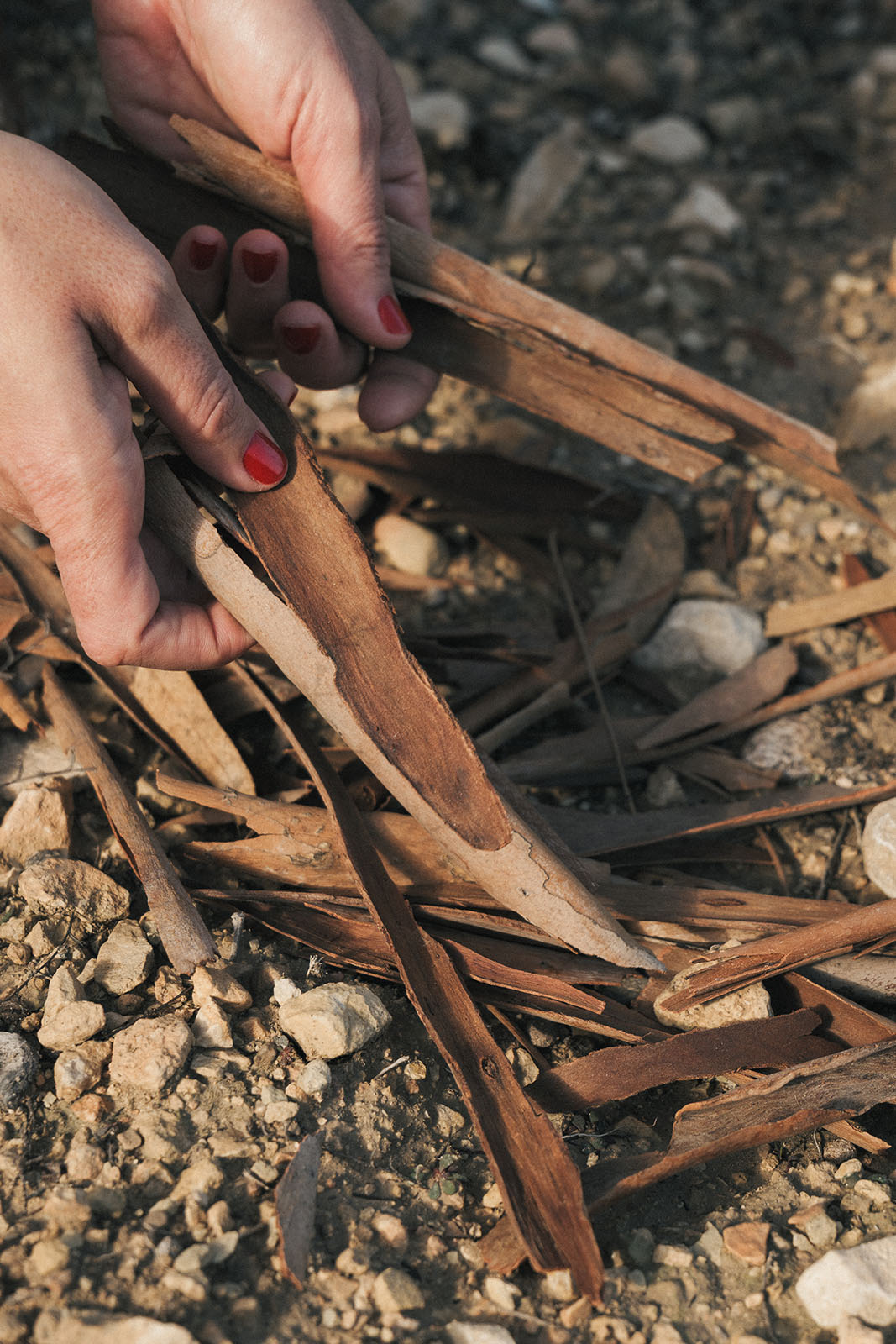
Onion skins may stain cloth the colour of fading afternoon sunlight. Pomegranate peels sink into deep, moody reds. Eucalyptus bark leaves behind dusty greys and greens that look like they’ve been lifted straight from the bush.
Artist Cynthia Nudel knows this better than most.
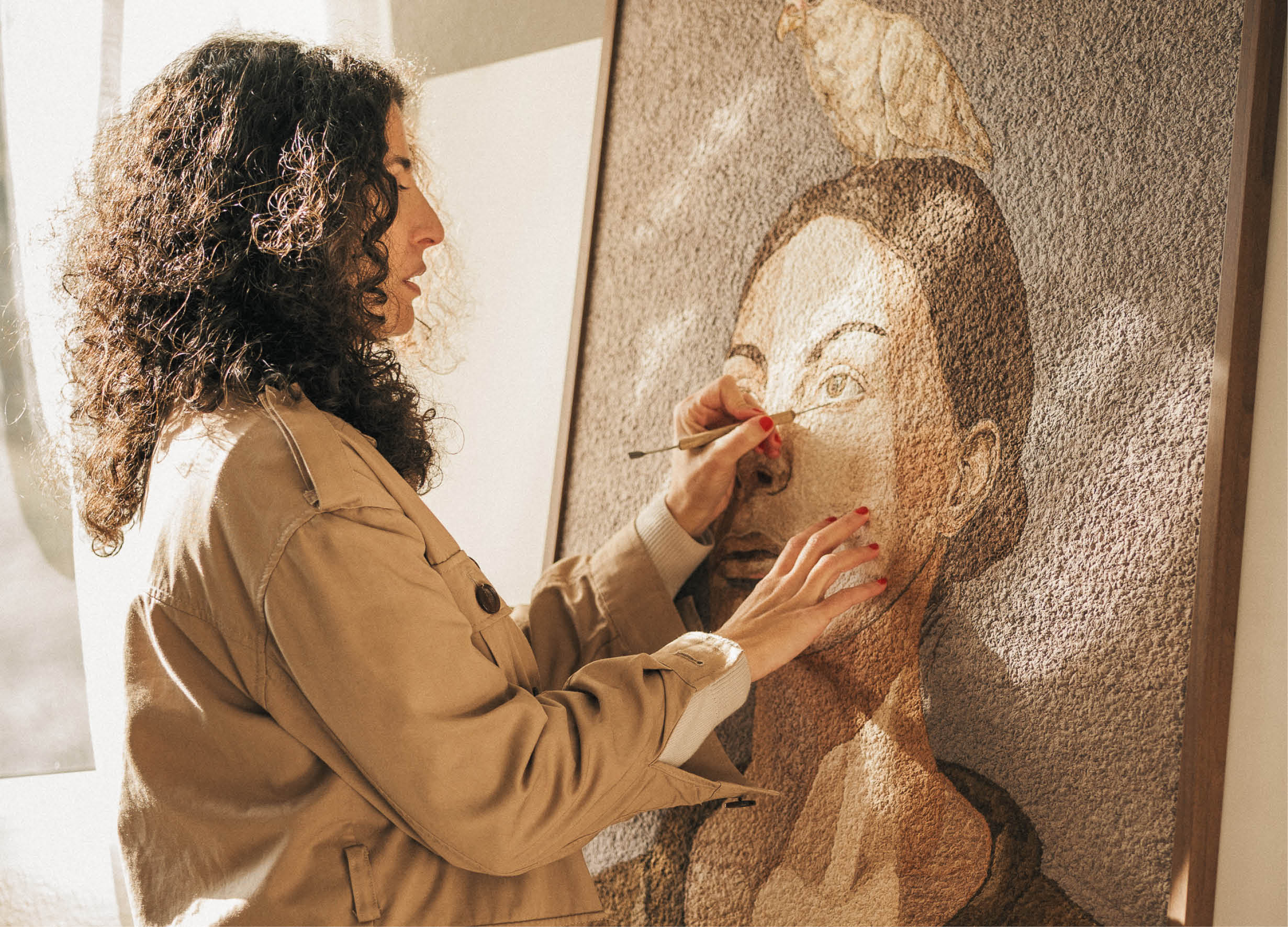
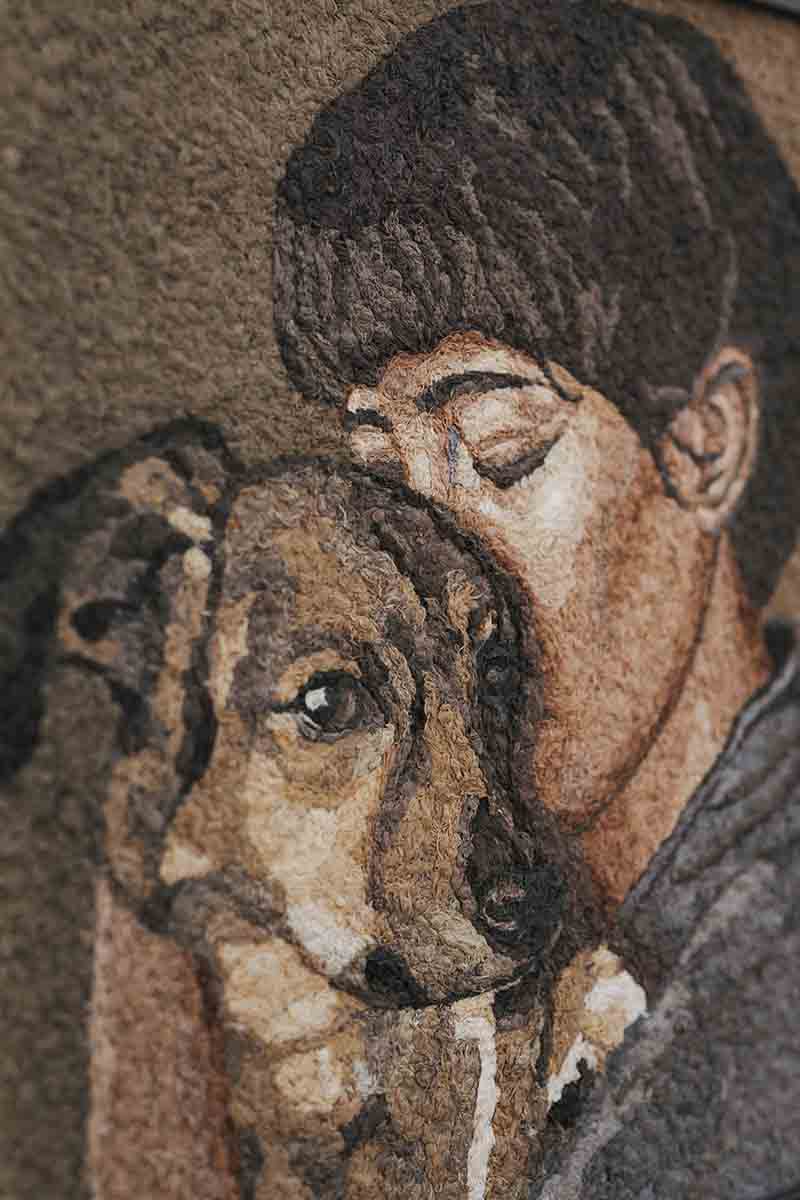
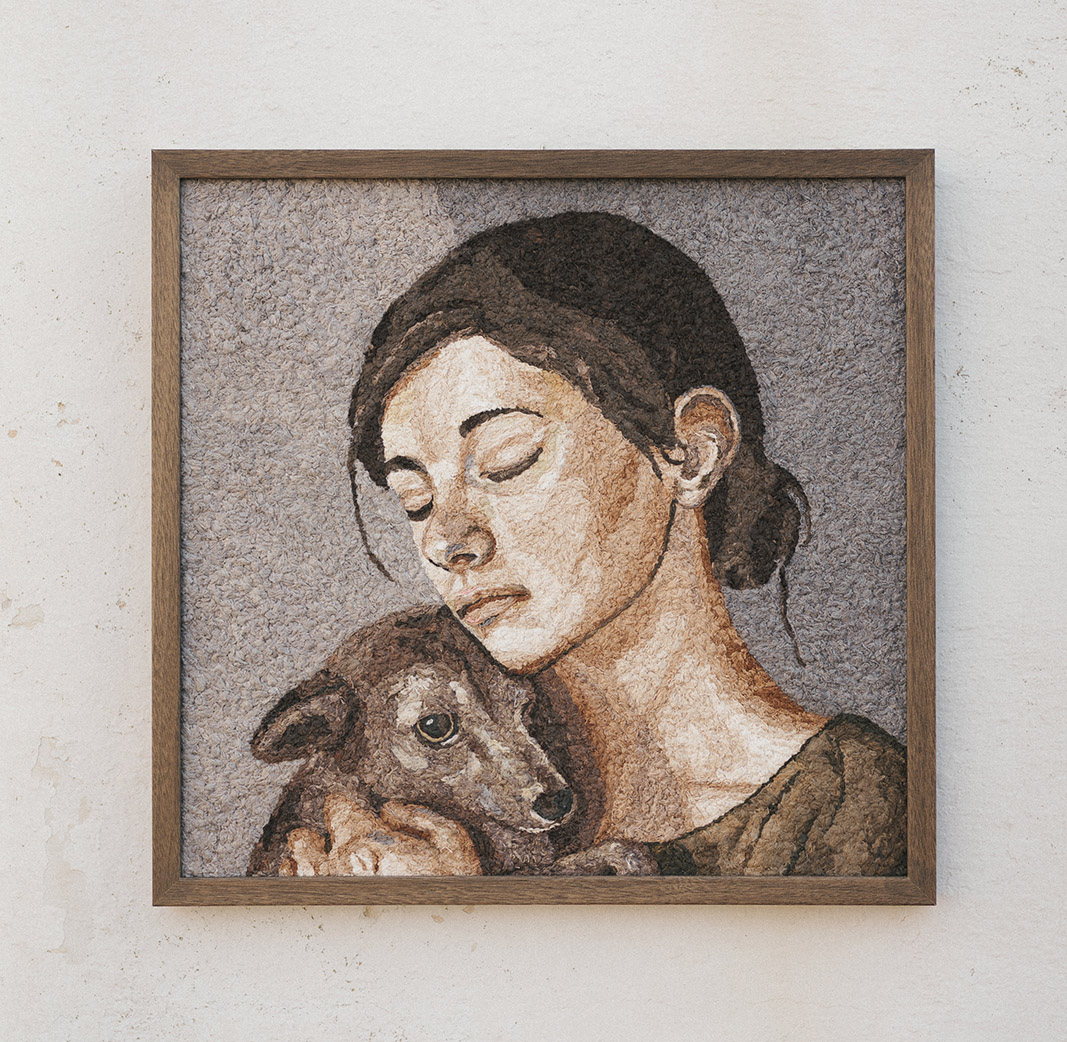
Instead of tubes of paint, her Alicante, Spain-based studio practice revolves around plant dyes, salvaged textiles and the alchemy of turning scraps into portraiture. The technique she’s developed along the way, which she calls biopainting, replaces brushstrokes with the painstaking layering of small pieces of cloth, first dyed and then carefully arranged until skin, shadow and expression emerge from fibre and pigment.
The idea for ‘biopainting’ grew from a personal turning point when Cynthia began living closer to nature and started questioning whether the materials she used as an artist truly reflected the way she wanted to live. The answer led her down a path of research into natural dyes, biomaterials and sustainable making, eventually transforming her practice, and encouraging her to offer online courses on creating with biomaterials.
The textures of cloth and plant pigment remain visible in Cynthia’s striking figurative portraits. It’s an aesthetic she describes as a kind of modern Wabi-Sabi: imperfect, tactile, and putting the materials from which it’s made front and centre.
By transforming textile waste and natural scraps into art, Cynthia’s work reconsiders what we discard and why and centres a truth that sits at the heart of her latest portrait series: that despite our busy modern lives, we are all nature.
We spoke with Cynthia about the biopainting process, slow creation, and the surprising colours hiding in the compost pile.
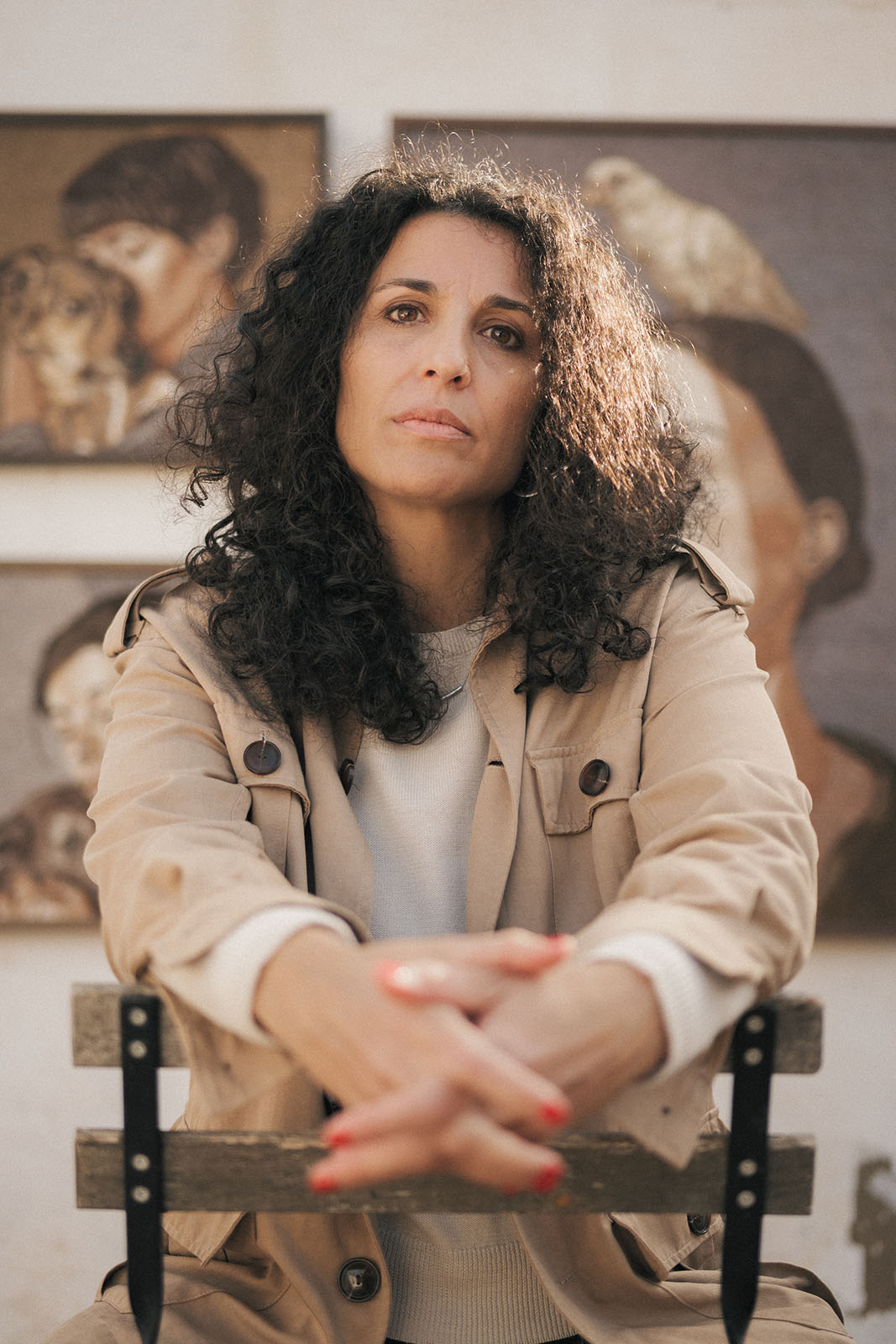
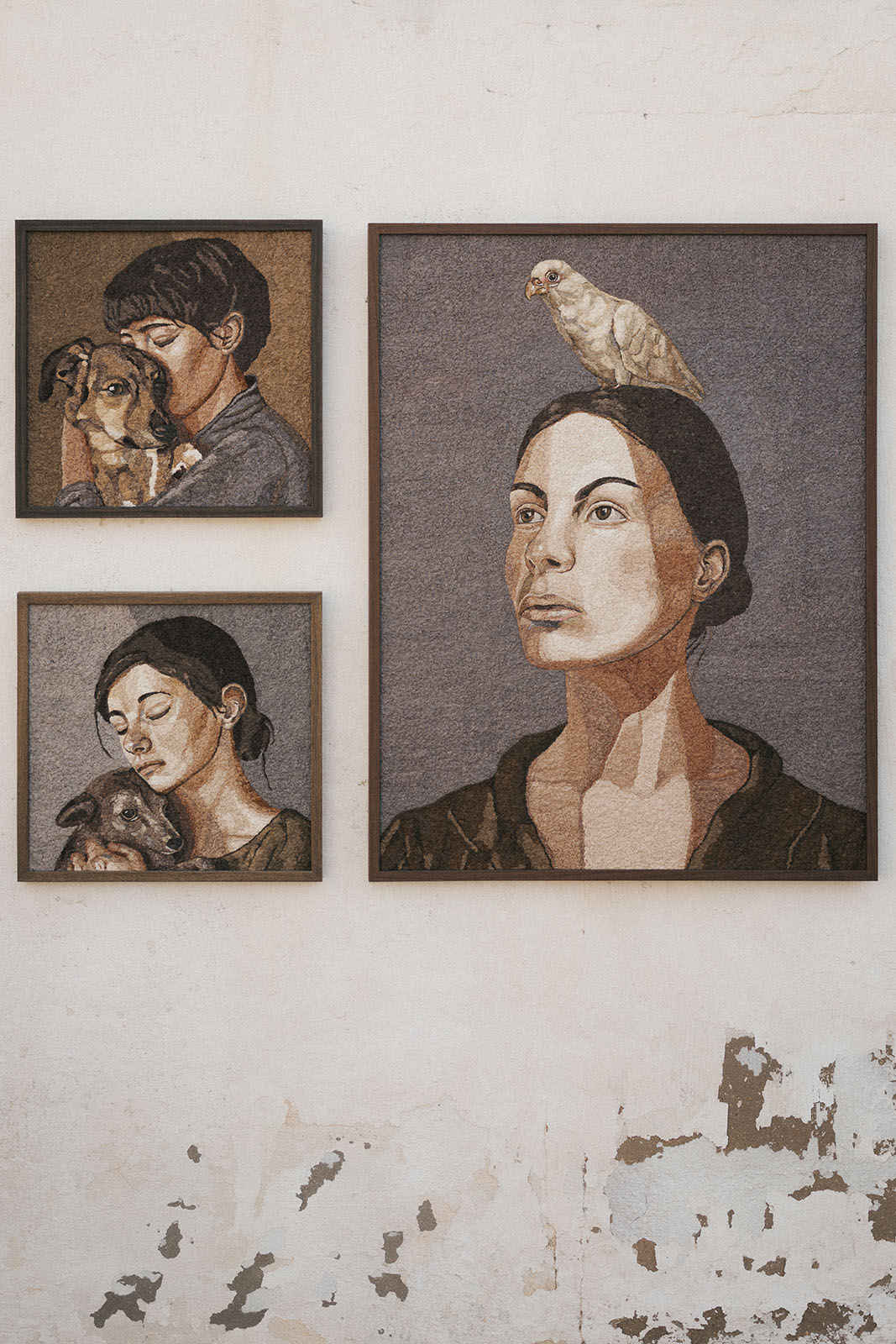
Hi Cynthia! You developed a technique called ‘biopainting’, and describe your work as ‘painting without paint’. How would you explain what you do to someone encountering your work for the first time?
I would say that I create figurative artworks, but without using conventional paint. I paint with textile waste that I dye myself using organic residues such as onion skins and tree bark, among others. In a way, I paint with what most people throw away – I give it a new life.
Living closer to nature became a turning point for you. Can you take us back to the moment you realised traditional pigments and artistic ‘ways of working’ were no longer aligned with how you wanted to create?
When I began living fully immersed in nature, I started to feel that the materials I was using no longer aligned with who I was, and that I needed a change. It was as simple as looking around me and realising the creative potential that nature offered – a way of creating that felt more respectful toward myself and the environment; a healthier way for everyone.
That’s when I began searching for techniques that used organic matter as their raw material. I didn’t want to recycle polluting materials; I wanted everything to be more natural and even biodegradable – something that could return to the earth. I first discovered the world of natural dyes and pigments, and years later, biomaterials. From everything I learned, I developed my own sustainable painting technique.
Living in nature helped me rethink my materials, my techniques, my way of creating and of being in the world. Aligning with nature is aligning with oneself – it feels like coming home.
You source colour from things most of us would throw away – onion skins, pomegranate peels, eucalyptus bark. Can you tell us a bit more about how you turn these bits of ‘trash’ into pigments or materials, your process?
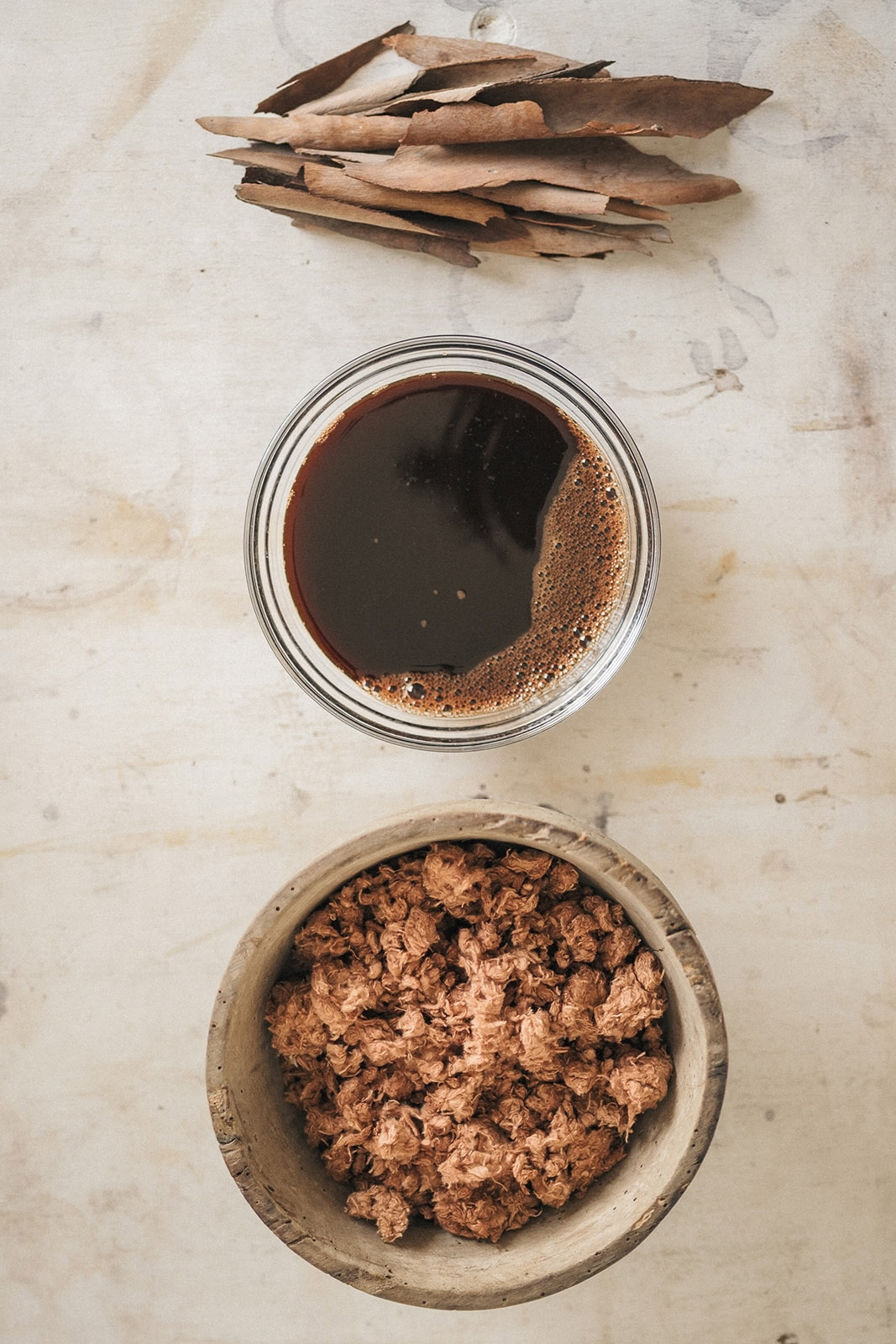
The first step is collecting organic waste. The next is extracting the colour by boiling these materials. Once I have the dye, I use it to colour textile waste. In this case, the company Recykyo [a project encouraging the manufacture and sale of recycled products from waste from different sectors] – to whom I’m very grateful – provides me with shredded textile waste.
I use different recipes depending on the material and the colour I want to achieve, in order to build a broader palette. I have strong limitations when it comes to colour, since I can’t achieve the same range as with traditional paint, but I see that as a challenge that I truly enjoy and incorporate into my work.
The final step is painting with the dyed fabric pieces, which I attach using a natural adhesive, creating volume through different tones and shades.
Do you have a favourite ‘waste product’ to work with, something that really adds texture or surprises you with the colours it produces?
Honestly, they all bring something special to my work, but I would highlight eucalyptus bark. It’s very accessible where I live, as it naturally falls from the trees. It’s also a key colour for skin tones – with this dye I can achieve various shades that allow me to create volume in my portraits.
Living in nature helped me rethink my materials, my techniques, my way of creating and of being in the world. Aligning with nature is aligning with oneself – it feels like coming home.
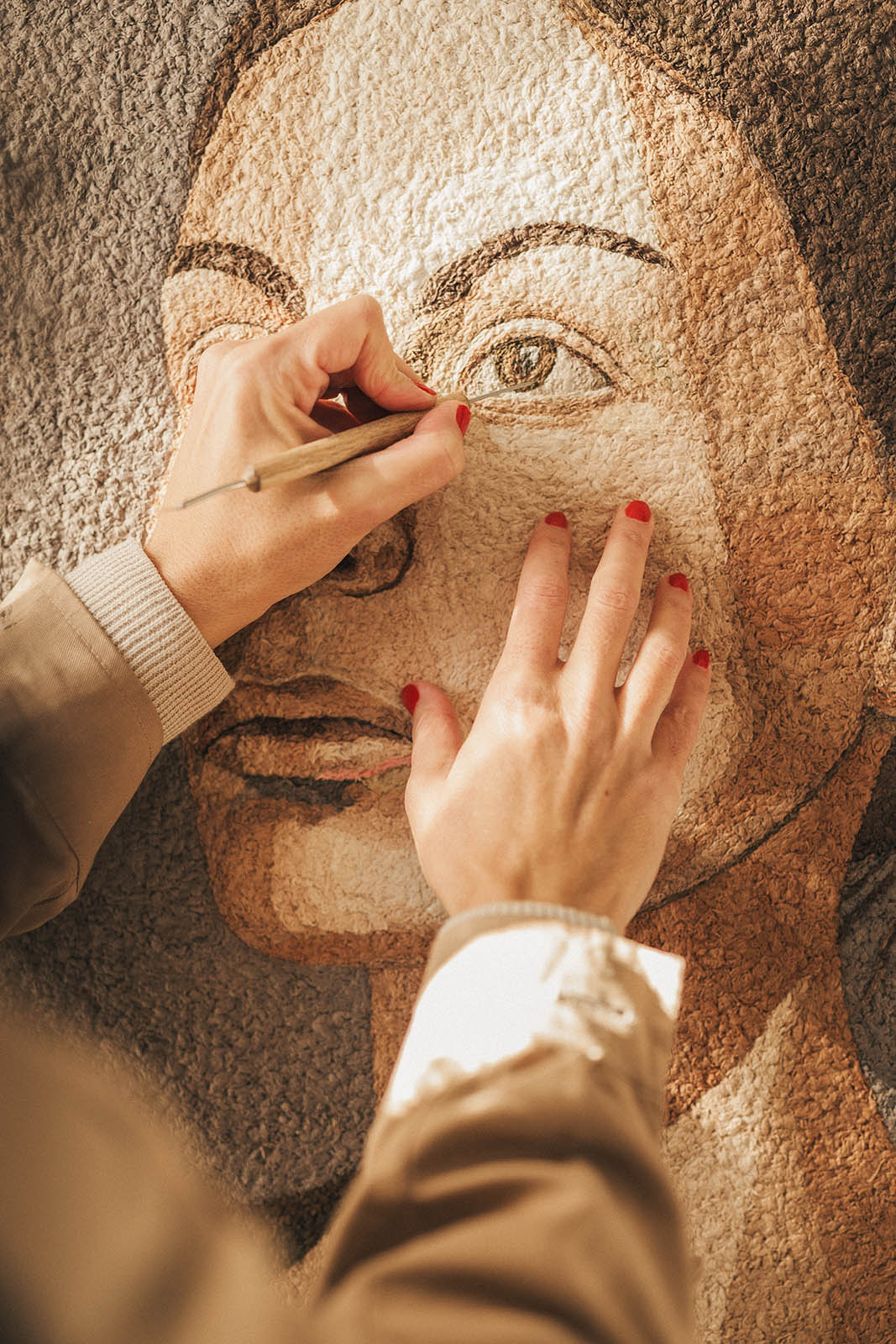
You choose to create in a slow, deliberate and hands-on fashion. What does choosing slowness mean to an artist (or any of us!) in the face of our disposable world?
For me, it’s a philosophy and a way of life. It’s my way of tuning into nature and into myself, and of not being carried away by a frantic and accelerated world. I know that kind of lifestyle isn’t healthy, and I don’t want it for myself.
It’s a conscious choice I make in my life in general, and by being authentic with myself, I also bring it into my artistic practice. Choosing slowness means giving yourself permission to be present and connected. It means learning to be in silence, alone with yourself. It means cultivating patience. It means meditating.
How do you see your work responding to the mass production and waste of the textile industry?
It’s not only my material – it’s also my message, expressed through art. I believe art contributes many things to people’s lives, not only aesthetically or emotionally, but also in terms of awareness.
We live at such a fast pace that we often overlook issues that affect our quality of life and that of future generations. Pollution is a crucial issue, because if we destroy the environment, we are destroying ourselves.
The textile industry is known to be one of the most polluting industries, which is why I use its waste to create art – and at the same time to shed light on an issue that deeply concerns me.
Your series ‘We Are All Nature’ places humans alongside animals, as equals. What role does the animal play in these portraits, emotionally or symbolically?
Animals act as mirrors of our own emotions, instincts, vulnerability, and our need to reconnect. Placing human figures alongside animals symbolises the idea that we are not separate, but part of the same whole. It is a reminder that, even if we have forgotten it, we are all nature.
Choosing slowness means giving yourself permission to be present and connected. It means learning to be in silence, alone with yourself. It means cultivating patience. It means meditating.
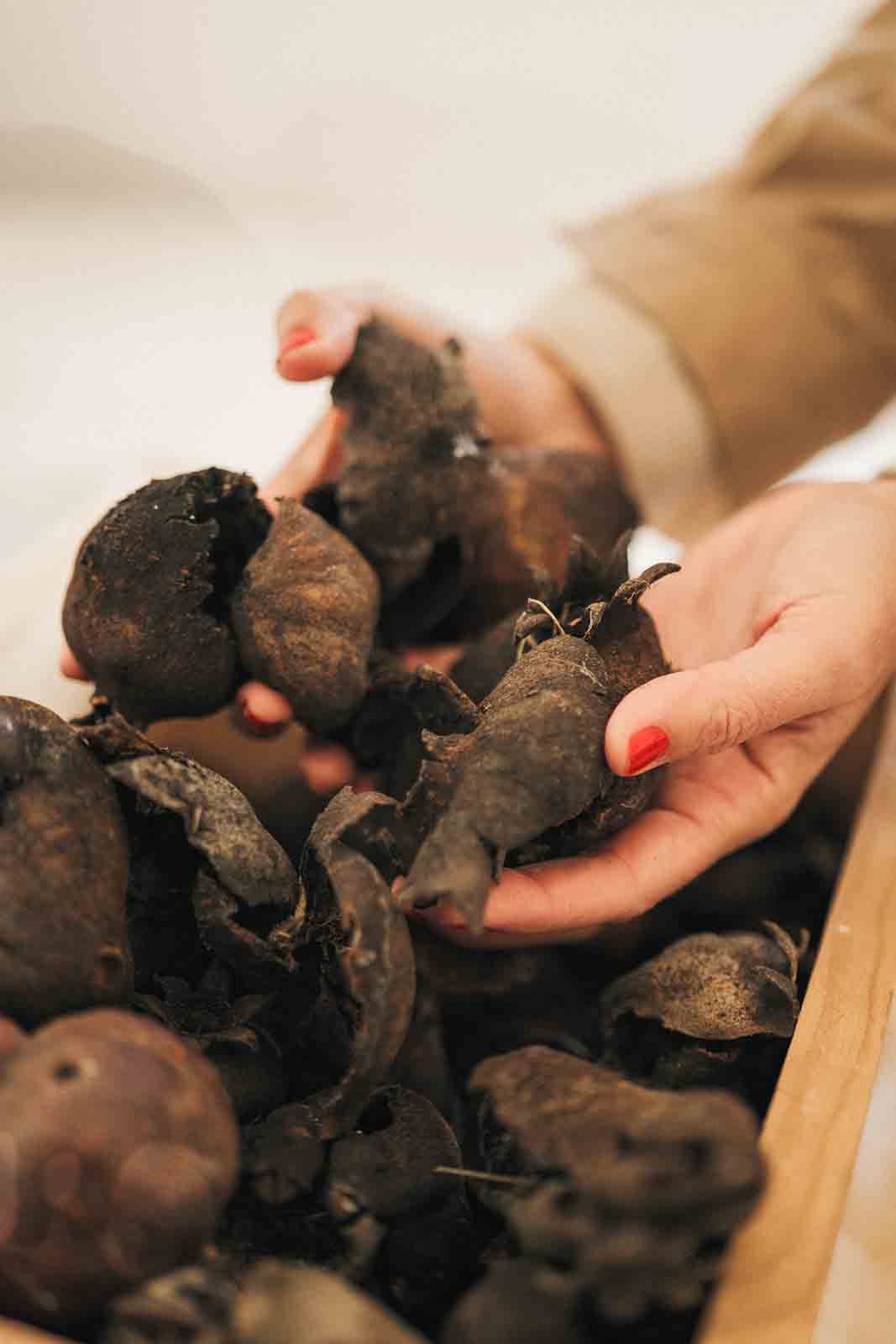
You’ve described your aesthetic as a modern Wabi-Sabi. How do imperfection, wear and material honesty show up in your finished works?
The Japanese philosophy of Wabi-Sabi has accompanied me for a long time, but through biopainting it has become even more present. It is based on finding beauty in imperfection, in the passage of time, and in the honesty of natural materials.
In my work, you see natural, worn colours, and the handmade, artisanal aspect of my technique is very visible. I call it modern Wabi-Sabi because I bring that philosophy into a contemporary figurative language.
What do you hope viewers feel – or change – when standing in front of your work?
I hope viewers feel something – that they are not left indifferent. I would like them to perceive the double message: on one hand, the disconnection between human beings and themselves and their surroundings – and that this realisation might become a bridge toward inner change.
On the other hand, through the materials I use, I hope they become aware of the environmental crisis and feel inspired to embrace a more sustainable mindset.
You’ve said, “If the world insists on producing waste, I will insist on turning it into art.” After years of research and experimentation, what keeps you hopeful about the future of sustainable art?
Art must adapt to its time – not only through technology, but also through sustainability. I am convinced that more and more of us will join this movement.
In the art world, change happens slowly; in design it is already much more advanced, with many designers using environmentally responsible materials.
At the very least, I hope my work can serve as an example for other artists – encouraging and inspiring them to rethink the materials they use and to seek a more sustainable path.



JOIN OUR MAILING LIST
Brighten up your inbox with our not-too-frequent emails featuring Peppermint-related news, events, competitions and more!
explore
More articles