words BONNIE LISTON photos MADMAN ENTERTAINMENT
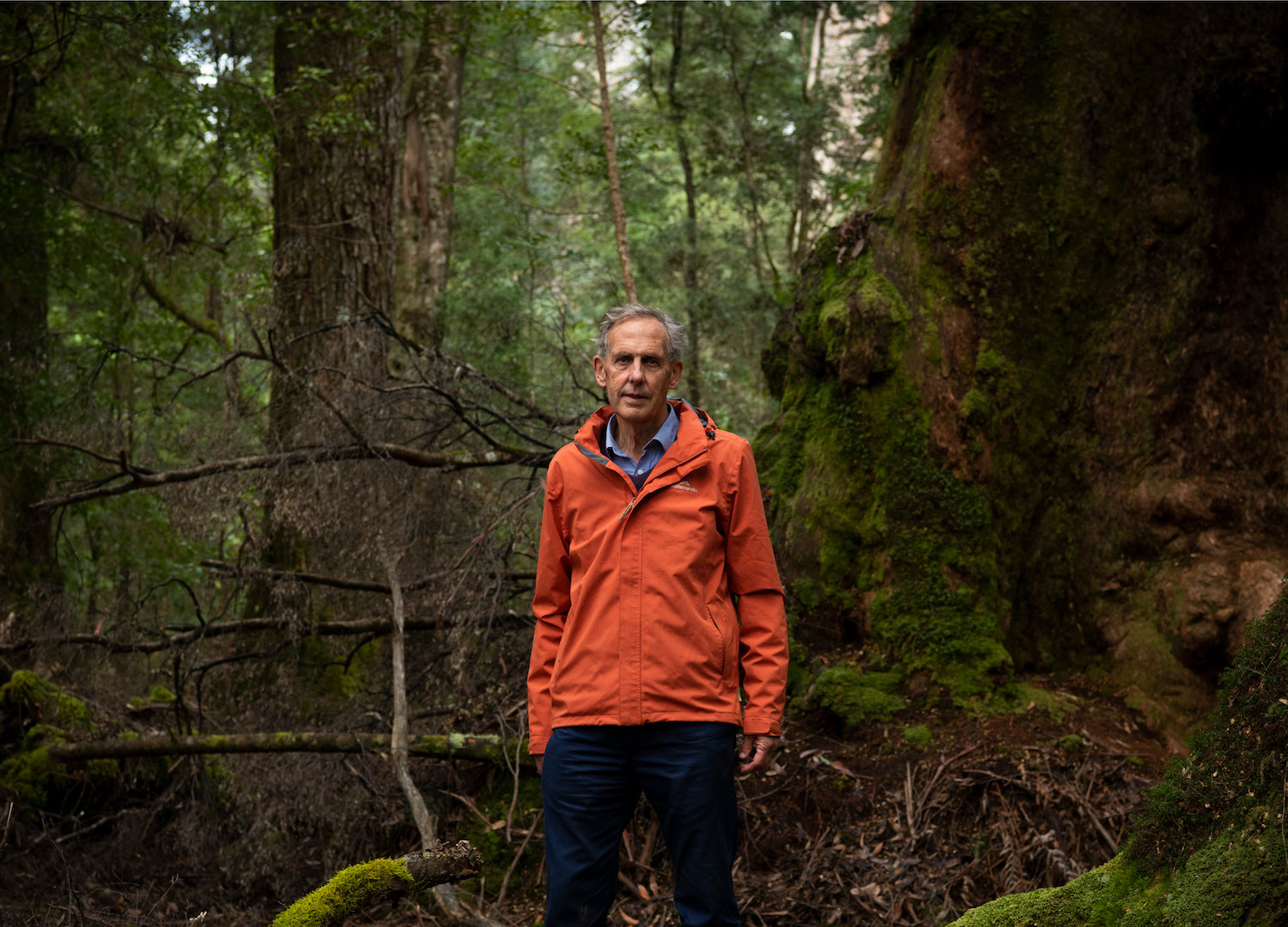
Like the giant trees he loves so much, Bob Brown casts a long shadow – fostering an environment where new activists can grow and thrive. Ahead of the release of his new documentary The Giants, we caught up with the giant of the sustainability movement.
Bob Brown shows no signs of slowing down. At 78 years old, he has a bag packed and tent ready to set up camp in the Tarkine to block the path of bulldozers; he’s sailing with Sea Shepherd to combat the overfishing of krill in Antarctica; he’s planning a new book; and now, he’s a movie star with the release of biographical documentary The Giants.
“I’m not so much interested in my past history; I’m always looking forward to the future,” says Bob. Characteristically self-effacing, he shares top billing with “the biggest living creatures ever on the planet”, the ancient eucalypts, huon pines and myrtles of the Tasmanian rainforests, which make up the other eponymous giants. The film reveals many fascinating facts about the nature of trees and their place in nature, as well as insight into Bob’s life that may surprise those to whom he is merely a fixture in Australia’s political history, or a name on an environmental foundation.
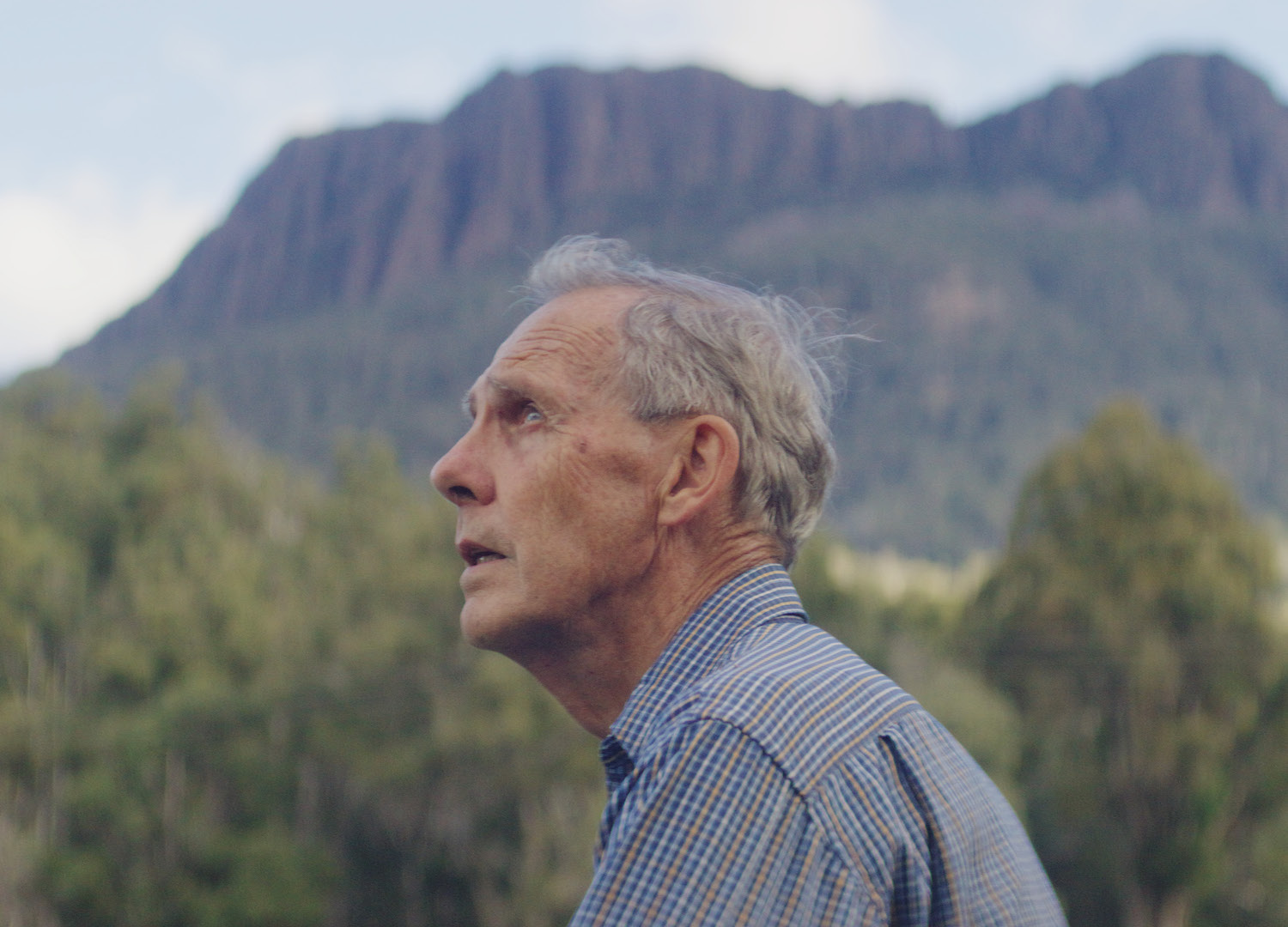
Robert James Brown was born in the midst of a raging bushfire, on 27 December 1944 in rural New South Wales alongside his twin sister Jan. His father was a policeman, his mother a nature lover who encouraged her children to leave flowers in the ground to grow. Bob was a shy and dreamy child with scholastic acumen and a desire to do good in the world. He trained as a doctor in Sydney and worked in Canberra, London, Sydney, Perth and Launceston before a fateful rafting trip led him to spend seven years campaigning against the damming of the Franklin River. He went on to spearhead the Wilderness Society and the Australian Greens Party, and served 10 years in Tasmanian Parliament and a further 16 in the senate before retiring in 2012 to return to an honest living as a full-time activist.
A gay icon – the first openly gay member of the Australian Parliament and openly gay leader of an Australian political party – Bob is open about struggling with his homosexuality throughout his life. As a young man he contemplated suicide, and consented to aversion therapy where he was electrocuted while shown photos of naked men in an attempt to literally shock him straight.
I understand that people might see me as a gay icon, but really, I’m just Bob Brown. I’m just me.
Despite this, Bob came out in 1976 on This Day Tonight, not as a politician or public figure, but as a practising community doctor protesting the discrimination against and continued criminalisation of homosexuality in Tasmania. An interview ran in a Launceston newspaper under the headline ‘Doctor Says He’s Gay’ – being gay in Tasmania would remain a crime for a further 21 years until repealed in 1997.
“I’ve got hundreds of letters from women and men saying, ‘Thank goodness, I thought I was alone. You’ve spoken out and I feel like I’ve got a friend,’” says Bob. “On the other hand, I’ve had hundreds of letters, particularly quoting Saint Paul, [saying], ‘A man or woman who lies with another man or a woman should be stoned to death.’ That bitter and twisted old idea. I understand that people might see me as a gay icon, but really, I’m just Bob Brown. I’m just me.”
Bob is aware that his story remains relevant and continues to strike a chord with young people grappling with their sexuality in 2023, despite years of progress: “It’s still a society that’s not as accepting as it should be. It’s good for folks out there to know that they’re not the only ones who have had a struggle.”
His advice? “Stay with it. Life’s full of pleasant surprises. It’s easy to be depressed. In fact, it’s intelligent to be depressed about what’s going on on the planet. But beyond that, life’s good. I tell people, you have a good time. You find good companions, you go to parties, you travel, you do your studies. And if need be, go shopping. Make sure you get through this struggle with an understanding of who we are and what we’re doing here and get to enjoy life because it can be enjoyed. There’s wonderful things on this planet to look forward to.”
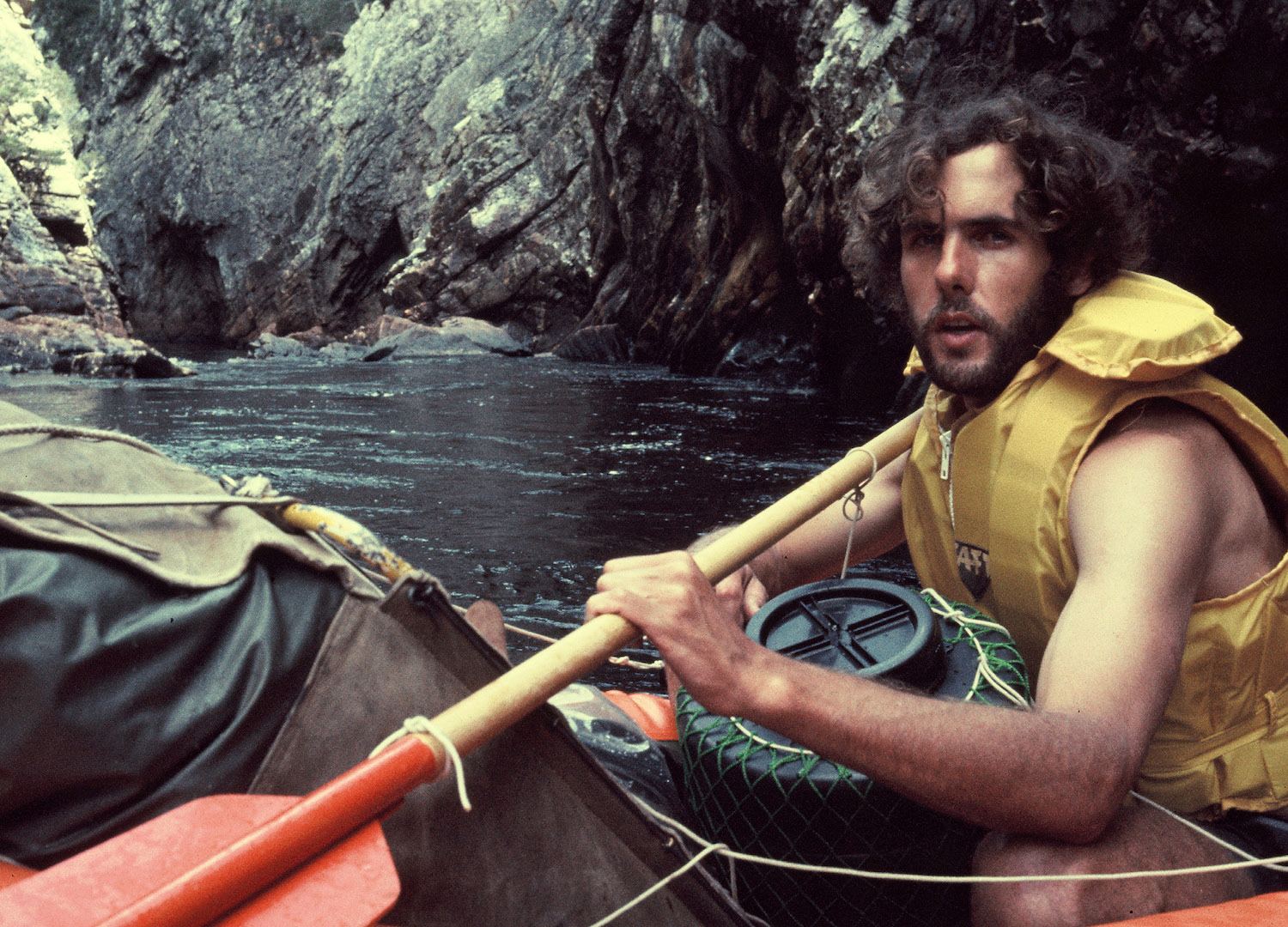
Indeed for those looking to emulate Bob, his secret to saving the trees is straightforward and he’s happy to share it: “Don’t get depressed, take action.”
“I spent years being depressed when I was young; it’s not much fun,” he says. “It doesn’t get you active. I just had a woman come up and say, ‘Bob, you told me that a couple of years ago, and I’ve got involved and I feel so much happier. I’m not just sitting at home moping about how the world’s going down the chute.’ It’s very important, in particular with young people, that they have a feeling like that.”
While acknowledging we live in “a very disordered, dysfunctional and destructive human society”, Bob insists on optimism, going so far as to release a book on the topic in 2015. “We don’t know what the future has in front of us,” he shares. “But I know being optimistic about what you’re doing makes it much more likely that you’re going to succeed. We’re up against it at the moment, but history is full of episodes where people stood against a tide that was wrong and changed it.”
WANT MORE CLIMATE CONTENT? RIGHT THIS WAY!
It’s a self-supporting philosophy Bob asserts: optimism fuels the success of activism and optimism can be found by surrounding yourself with similar-minded people, striving to do good.
We’re up against it at the moment, but history is full of episodes where people stood against a tide that was wrong and changed it.
“You’ve got to make it fun,” he says. “And we do have a lot of fun along the way. I’m a very lucky man. I’ve always been fortunate in having good people around me. It’s always been a communal effort. I very often get introduced as the man who saved the Franklin, and I have to very quickly just divert for a moment to say, ‘No, I didn’t.’ So many other people were involved in that – thousands of people.”
Alongside his thousands of allies, Bob gives special credit to his longtime partner, farmer and activist Paul Thomas. The two met in 1988 when Paul approached Bob to speak at a gay rights meeting and began their relationship in 1996 after an idyllic bushwalk. Bob was 52 years old and Paul was his first romantic partner.
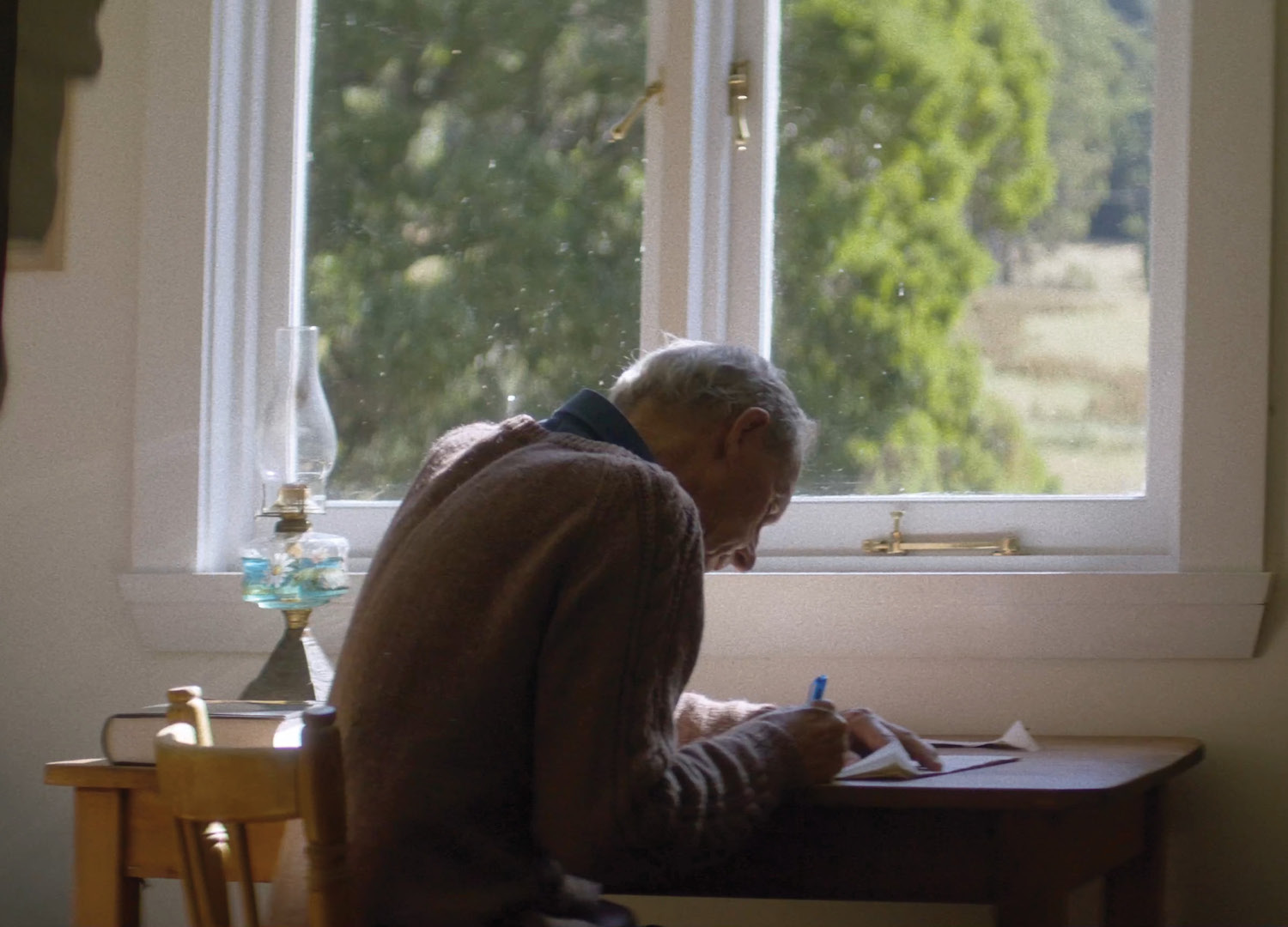
“I’ve got a great companion in Paul,” Bob says. “I wish everybody could find such a companion. It just makes life sing. I thought there was no one; I thought that was never going to happen to me. And I know if that had not happened, I wouldn’t be sitting here talking to you now.”
Perseverance is the name of the game in love and politics, where progress is often slow and hard-won. Bob highlights the suffragette movement as part of his personal pantheon of inspiration. “Most of them didn’t live to see women getting the vote, but the time had come,” he says. “It’s the same with us making a truly sustainable living relationship with what’s left of our natural planet. The time has come. We’ve got to go for it. And the polls all show that people are on the right side of things. We’ve got to use that people power to get the decision makers to follow through.”
There’s something in the air – a new activism of people everywhere, trying to convert their anxiety into getting something done.
Working for so many years inside the system, Bob has a pragmatic view of politics. He encourages everyone to get involved – whether by running themselves or lobbying their local politician. “For all the bad jokes about politicians, they’re just ordinary human beings,” he advises. “If you’re writing to a politician, write in your own hand. Send them a card. Always end with a question: ‘Would you come and see what’s happening here? Will you meet me?’ Always go with a friend if you go to meet a politician because you’ll feel less nervous and somebody can take notes.”
Bob is encouraged by rising engagement in climate activism, particularly among the youth, from the work of Greta Thunberg to the School Strikes organised across Australia. “There’s something in the air – a new activism of people everywhere, trying to convert their anxiety into getting something done,” he says.
He’s less enthused about increasingly draconian anti-protest laws being passed in many Australian states. “They say to us forest campaigners in Tasmania, ‘Go and stand over there by the side of the road and hold your placards,’ as chainsaws and bulldozers go through and destroy more forests.”
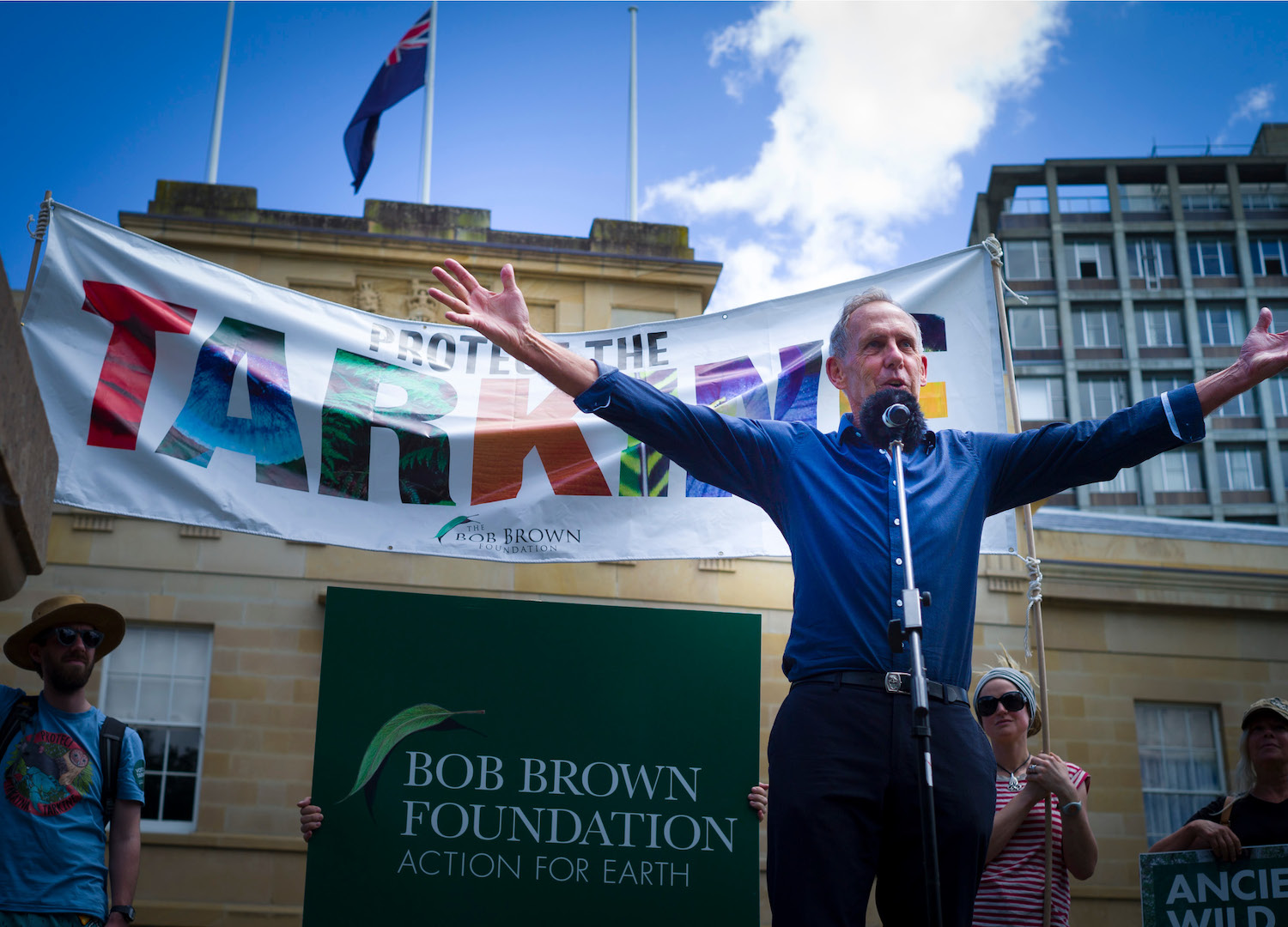
In Tasmania, as of 2022, people protesting the destruction of old growth forests on a forestry site can face penalties of over $13,000 or two years in prison. To some, like the Human Rights Watch, these laws seem “increasingly and disproportionately” targeted at climate protesters, protecting the interests of business and profit over the rights of citizens to political expression.
The right to protest without the right to disrupt is not particularly meaningful, nor effective. As Bob points out, placards do a lot less to stop loggers than the presence of human bodies between blades and the Tarkine’s glades.
To Bob, however, unjust laws are not so much a deterrent as a call to action. He references Henry David Thoreau’s 1849 treatise On the Duty of Civil Disobedience: “Thoreau wrote that when the law is wrong, you have to make a stand. The laws are wrong. We need them changed. The only way we’re going to get those who are currently defending them to do that is by using the power of public opinion. And civil disobedience leads to public opinion becoming galvanised.”
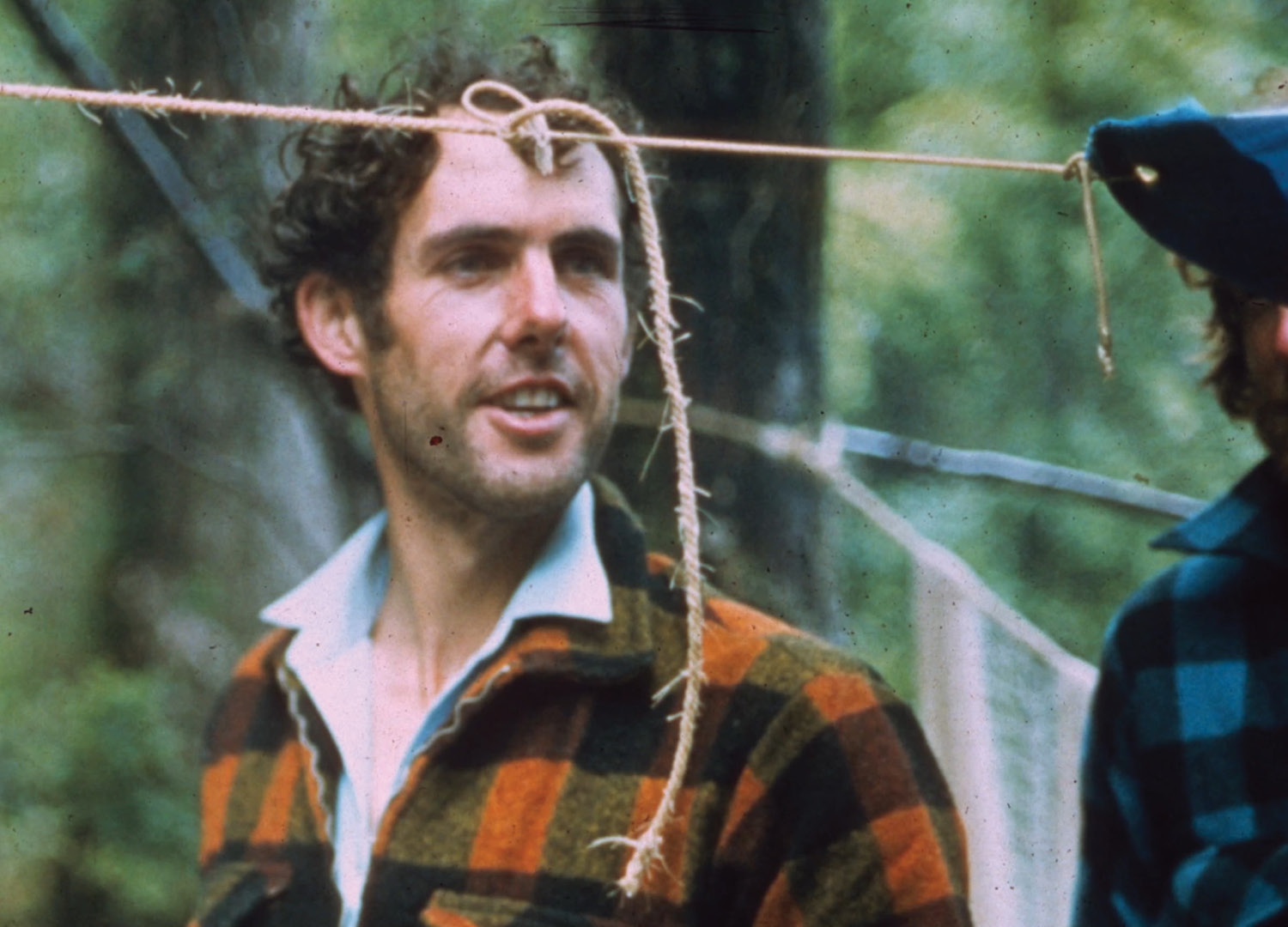
Civil disobedience and peaceful direct action have always been an important part of Bob’s playbook. During the Franklin campaign, he was part of the 1500 people arrested and the 600 who were jailed, spending 19 days in Risdon Prison – released just in time for his first day as the first Greens member of Tasmania’s parliament – and has been arrested at least seven times while protesting logging in old-growth forests.
“We have to say, ‘Oh well, imprison us,’ but they can’t imprison our consciences,” says Bob. “As with, again, the suffragettes, we have to suffer the consequences. But here we are in Australia, where at least we don’t disappear off the street. We’re not being dropped out of helicopters, we’re not being murdered for making a stand. It makes it all the more important that we Australians, in this lucky country, make a stand for the world’s environment.”
During his career, Bob has been dismissed and derided, received countless death threats, and been shot at, arrested and beaten with a tyre iron. And yet, he has persisted, past the time when others may be content to sit upon their laurels, motivated by love – love for the world; for people, their creativity and their potential; and love for nature.
We are part of nature. It can live without us, but we can’t live without it.
Bob describes his relationship with nature as spiritual, saying, “The simplest way to think about that is what would your lover think if you handed her or him a bunch of plastic flowers? Not much. You hand them a bunch of real flowers that come from the forests and the meadows of this wild planet and they get a wonderful spiritual feeling. Nature is a balm to our soul.”
Humans and nature are intrinsically linked, he contends, in a relationship that goes back millions of years. “Gaudi, the great architect of Barcelona, said that all human creativity comes from the great book of nature. And he’s right, whether it’s dance or music or painting or sculptural works. They’re all based on nature; it’s our inspiration. We are part of nature. It can live without us, but we can’t live without it.”
Watch The Giants now and receive 30 days free on DocPlay using the code THEGIANTSCOMMUNITY.