words EMILY LUSH
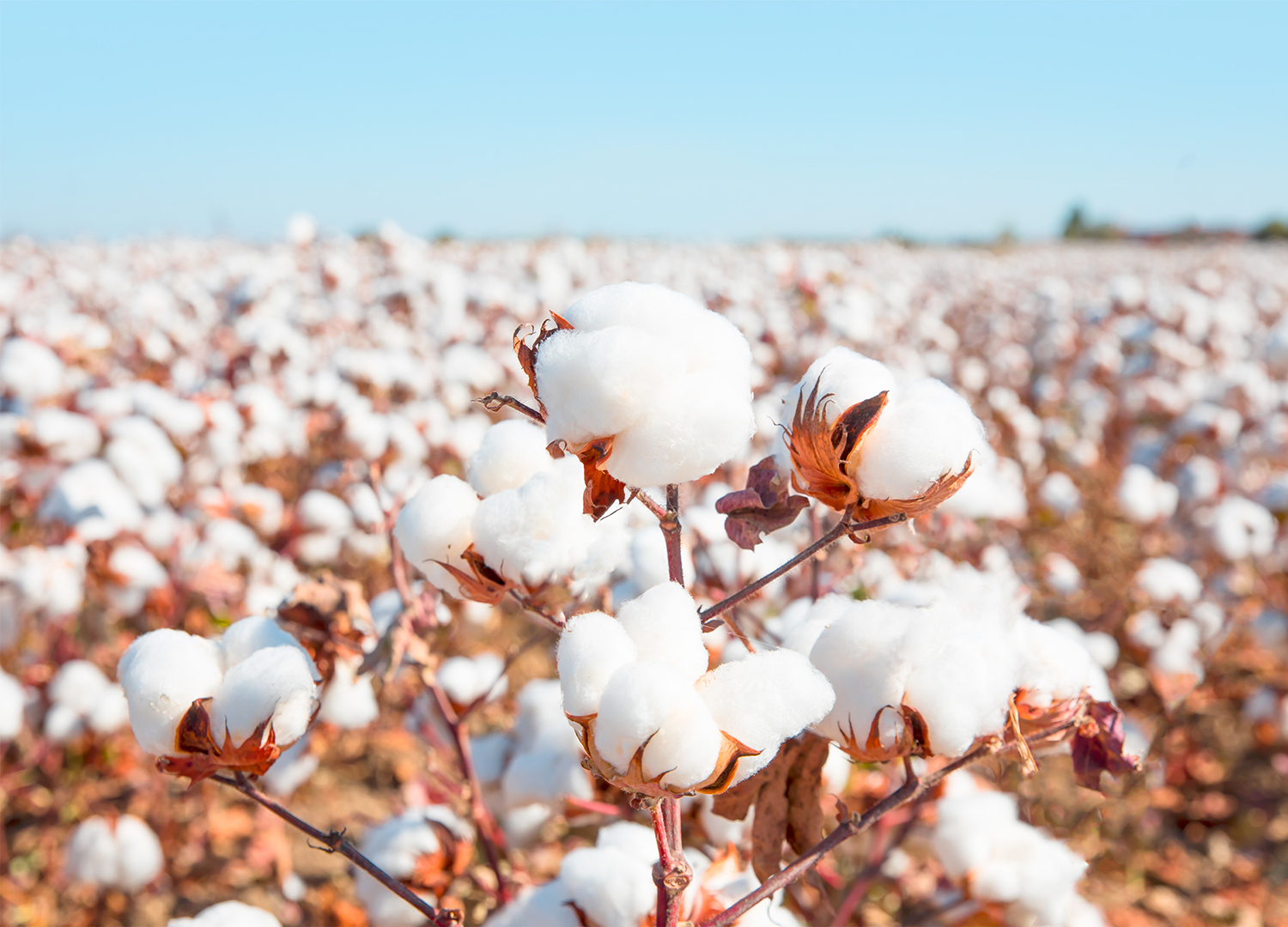
It’s been an immensely challenging 24 months for the fashion industry, but those most vulnerable to market changes – the cotton farmers – have felt the impacts of the COVID crisis more acutely than others.
The world’s largest cotton producer, responsible for 94% of global Fairtrade-certified cotton, India has been dealt a particularly tragic hand. As the pandemic unfolded, many of the estimated 60 million workers who depend on the textile and clothing industry for their livelihoods were left out in the cold.
Two decades ago, when Fairtrade International launched the Fairtrade Cotton Standard to build resilience among farmers, they could never have predicted COVID-19 or the challenges it would bring. Yet, its initiatives – such as the Fairtrade Minimum Price (a mechanism that guarantees farmers can cover their cost of production) and the Fairtrade Premium (an additional sum used to fund social, economic and environmental projects deemed pressing by the community) – have helped farmers survive in the face of a faltering supply chain.
In the early days of the pandemic, as ginning mills ground to a halt, exports were suspended, factories closed and many retailers cancelled their orders, cotton farmers were met with cash-flow issues and a delay in the supply of seeds, which put sowing behind schedule. On top of logistical difficulties, the uncertainty took a psychological toll. “There was apprehension among farmers during the lockdown stage about the future of the market, especially since cotton is a non-food crop and was in low demand,” reflects Amit Das, a Fairtrade cotton industry spokesperson based in India. Economic hardship, combined with predictions that cotton prices would sink, forced some farmers to raze their fields and start growing food for their families instead.
In the second half of 2020, Fairtrade stepped in to implement an emergency relief project with German NGO GIZ, providing vegetable and cotton seeds and specialised training to 2150 farmers in India’s cotton-growing states. With Fairtrade’s help, some were able to continue growing cotton in a sustainable way throughout the pandemic.
“Fairtrade subsidised the certification fee for all producers in 2020,” Amit adds. “This was a great support for them to continue to work in the Fairtrade system despite less or no sales.” In the wake of COVID, continued access to the Fairtrade Premium ensures communities can “focus on social, economic and environmental development, which would not have been possible without the Fairtrade intervention,” Amit explains.
The long-term implications of the COVID crisis for India’s cotton industry remain to be seen. “At the farm level, practices remain almost the same,” Amit says. “But at an industry level, it’s still too early to see the change.” While demand and pricing for organic cotton has skyrocketed in recent months, Fairtrade continues to play a crucial role in bolstering resilience to other threats – including climate change.
Amit hopes that the events of the past two years might help the world see farmers – so long undervalued – in a different light. “The pandemic has shown the harsh reality for farmers at the field level,” Amit concludes. After all, when we so desperately needed masks and PPE, it was cotton growers in India who supplied the raw materials. “Consumer awareness needs to increase to ensure people know about the conditions of the cotton farmers and how Fairtrade has enabled them to address their needs.”
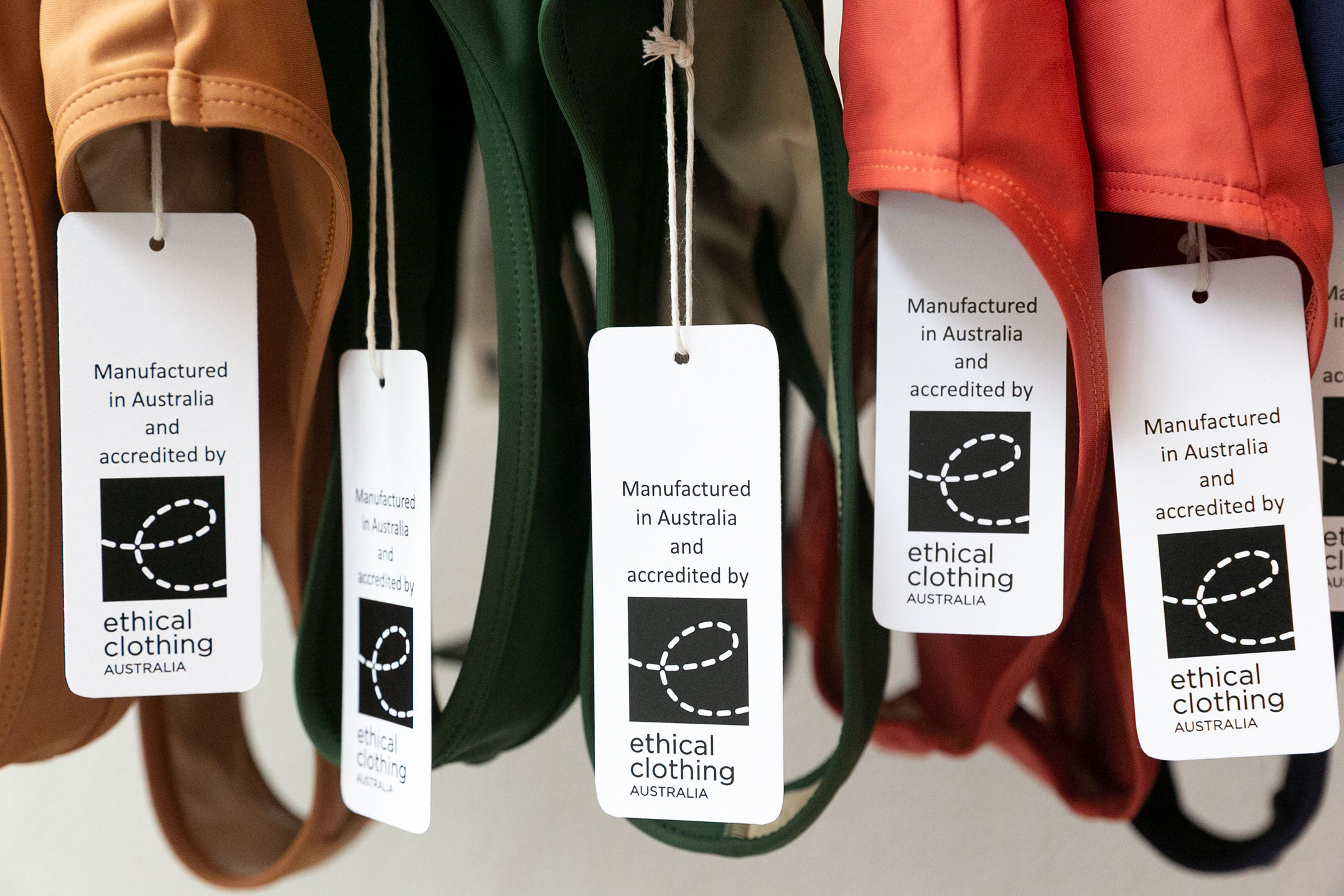
Look for the Fairtrade logo on your fave clothing brands! Here are a few ethical brands to help fill your wardrobe…

Macpac
Wilderness warriors Macpac took an important step in the right direction last year, partnering with Fairtrade to ensure their tees and hoodies are made with Fairtrade-sourced organic cotton. Macpac has also committed to driving transparency in the cotton supply chain, signing the Responsible Sourcing Network’s Uzbek and Turkmen Cotton Pledges to help end slavery.

Organic Crew
“Be informed, be involved and make a difference” is the mantra of Melbourne apparel brand Organic Crew. Founded by Mel Lechte in 2016, all of the label’s cotton is Certified Organic and sourced from India – including from Fairtrade-certified cooperatives that support local farmers and community initiatives – before the garments are made in Melbourne and Kolkata.

Mighty Good Basics
Working with three organic and Fairtrade cotton organisations across India, Mighty Good Basics is committed to becoming a fully circular business by 2025 – promoting fair trade practices across its entire supply chain. This commitment has been recognised by others too, with the company scoring an A+ in the Australian Ethical Fashion Report for the last six years.
Thunderpants
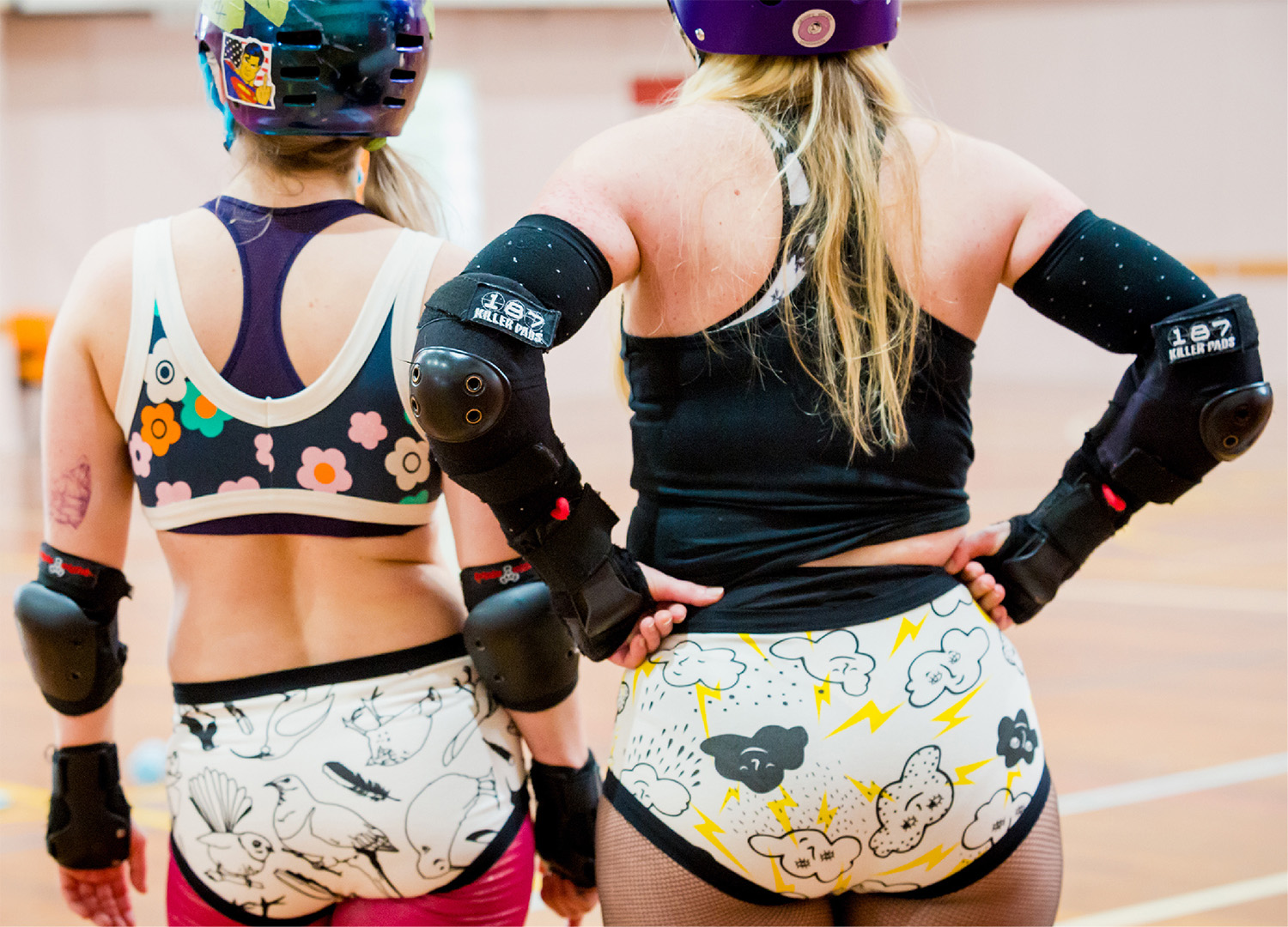
Since 1995, sisters Josie and Sophie Bidwill have been bringing us Thunderpants – the organic, Fairtrade-certified undies and clothing brand known for comfort and a generous dose of cheek and humour. Combining local production processes with Certified Organic Indian cotton and a wedgie-free fit, the New Zealand brand’s range sports fun, unique and exclusively designed prints.

Yuki Threads
Shred the slopes in Fairtrade-certified threads that don’t compromise on technicality or warmth. Helping producers achieve sustainable and equitable trade relationships, Yuki Threads’ cotton is GOTS-certified with synthetic fabrics made from recycled fibres. Artisans in the supply chain also work in certified fair conditions thanks to social compliance auditing. Powder to the people!

Etiko
The first Fairtrade-certified fashion brand in the southern hemisphere, Etiko pioneered ‘ethically made’ in Australia. Achieving an A+ in every Australian Ethical Fashion Report since 2013, its range of organic and vegan apparel uses cotton produced by farmers paid fair prices and Fairtrade premiums and audited by independent fair trade and organic certification bodies.
READ MORE – The Good Bean: Get Your Fix of Fairtrade Coffee
THIS ARTICLE HAS BEEN CREATED IN PARTNERSHIP WITH OUR FRIENDS AT FAIRTRADE AUSTRALIA & NZ.