words EMILY LUSH photo JOSH GRIGGS
With the support of Fairtrade Australia New Zealand, small-scale growers in PNG are tackling climate change and social issues one cup of coffee at a time.
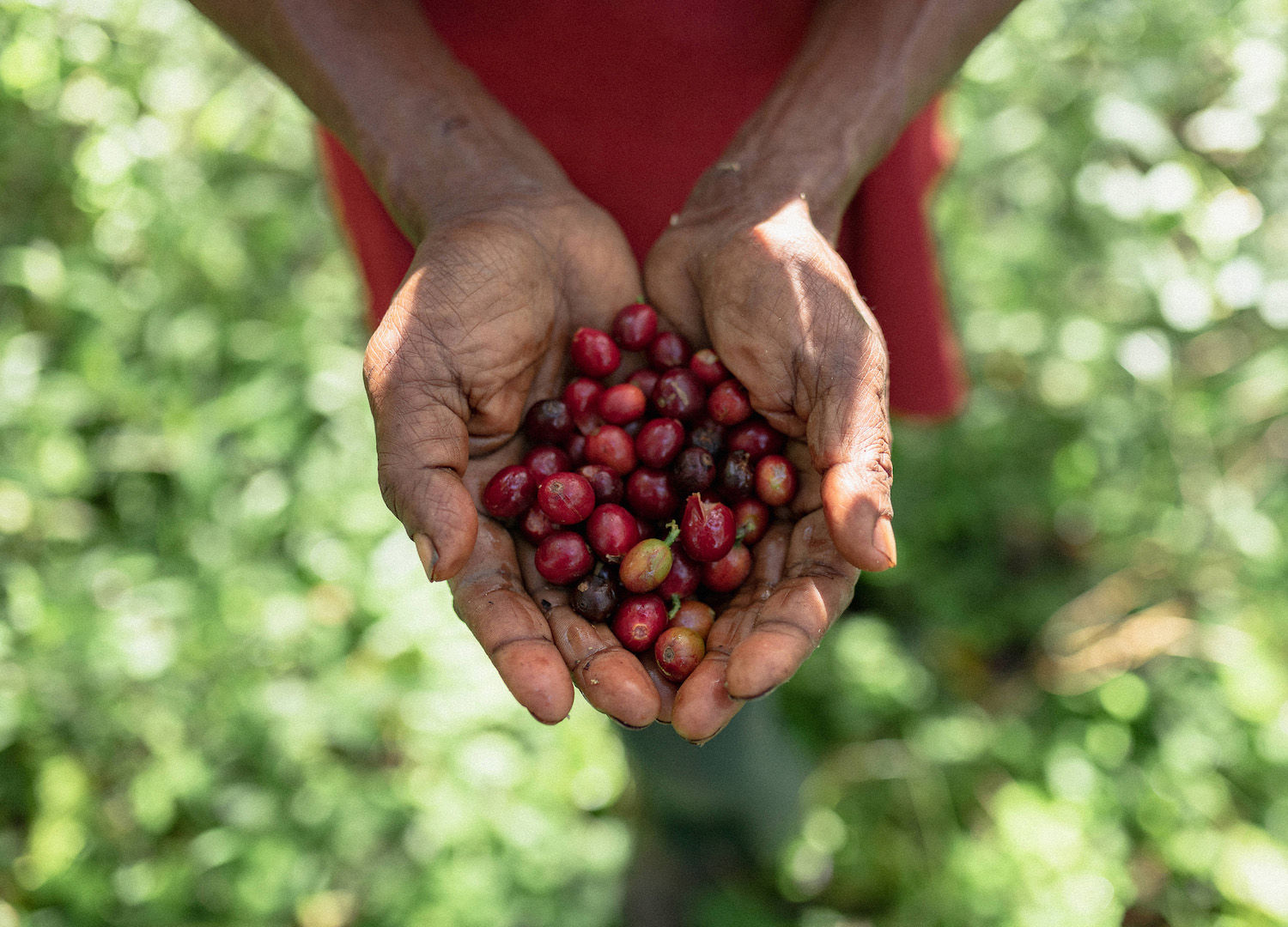
Growing wild in the highlands and foothills of Papua New Guinea, coffee shrubs are often referred to as ‘money trees’. One of the country’s most profitable non-mineral exports, it’s the smallholder farmers that are driving production.
Poor infrastructure and uncertainty from climate change weigh heavily on these growers, who already have less bargaining power because of their smaller yields. These are the main challenges for the Unen Choit Cooperative Society, a group of about 1750 coffee farmers who live on the Huon Peninsula.
Here, coffee cherries are hand-picked and sun-dried. From the farms, green beans are transported to Wasu, then to the port town of Lae to be hulled, graded, sorted by weight and shipped to their final destination. The complex operation is complicated by Unen Choit’s remote location: Wasu is a light plane flight or seven-hour boat ride from Port Moresby. The mountain villages where farmers grow the coffee are even more isolated.
Molock Terry, manager of the co-op and a second-generation coffee farmer himself, understands the challenges. Since leading Unen Choit to Fairtrade certification in 2016, his focus has been on improving infrastructure to enhance cash flow for farmers at the bottom of the value chain.
Backed by Fairtrade Australia New Zealand, Unen Choit’s beans are purchased at the Fairtrade Minimum Price. Calculated to meet the living wage, this usually exceeds market value. The co-op also benefits from the Fairtrade Premium, added to the purchase price, with funds reinvested into the community.
Looking after the environment has become an integral part of the job. The environment is our future.
Funding a wet coffee mill, storage sheds, transport trucks and new offices has helped substantially increase their annual out- put. It’s a huge improvement since the days when Molock’s late father farmed the land. By forward-planning and accommodating for market fluctuations, the team have invested in their future rather than living harvest to harvest.
With rigorous certification standards and strong values, co-op members often refer to Fairtrade as their ‘government’. “Our key motivation was the Fairtrade Premium, which is in line with Unen Choit’s mission to work cooperatively to develop our communities,” Molock says. “As a Fairtrade producer, we abide by good governance practices including fairness to all and especially gender equality.”
It’s life-changing for these rural communities that have traditionally relied on the land. “The coffee and agricultural industries have so much potential to help solve the ever-increasing unemployment problem in PNG,” Molock affirms.
Fairtrade’s work to help co-ops like Unen Choit invest in clean energy, protect forests and access carbon credits is also critical to the future of the industry. “Looking after the environment has become an integral part of the job,” Molock says. “The environment is our future.”
Keep an eye out for the Fairtrade logo to get your fair coffee fix! Here are a few ethical brands to help fill your cup…
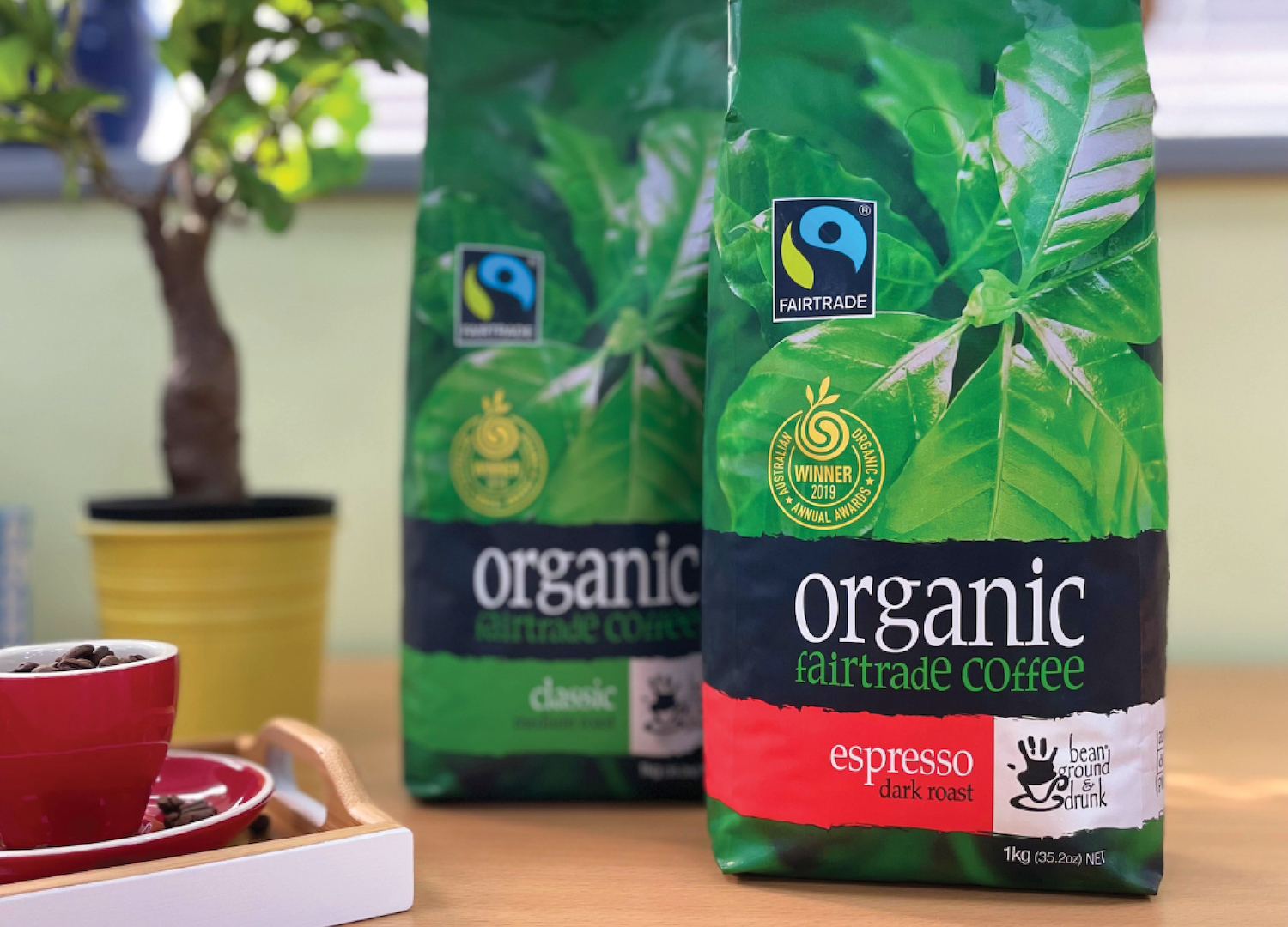
Bean Ground & Drunk
Founded in 2001, Bean Ground & Drunk’s 100% Arabica Fairtrade blend is sourced from ethical growers world- wide before being prepared at The Bean Alliance in Melbourne – an Australian manufacturing facility certified to roast organic. Choose from classic, espresso and decaffeinated (via the Swiss Water method) beans, to be ground and drunk for your daily cuppa!
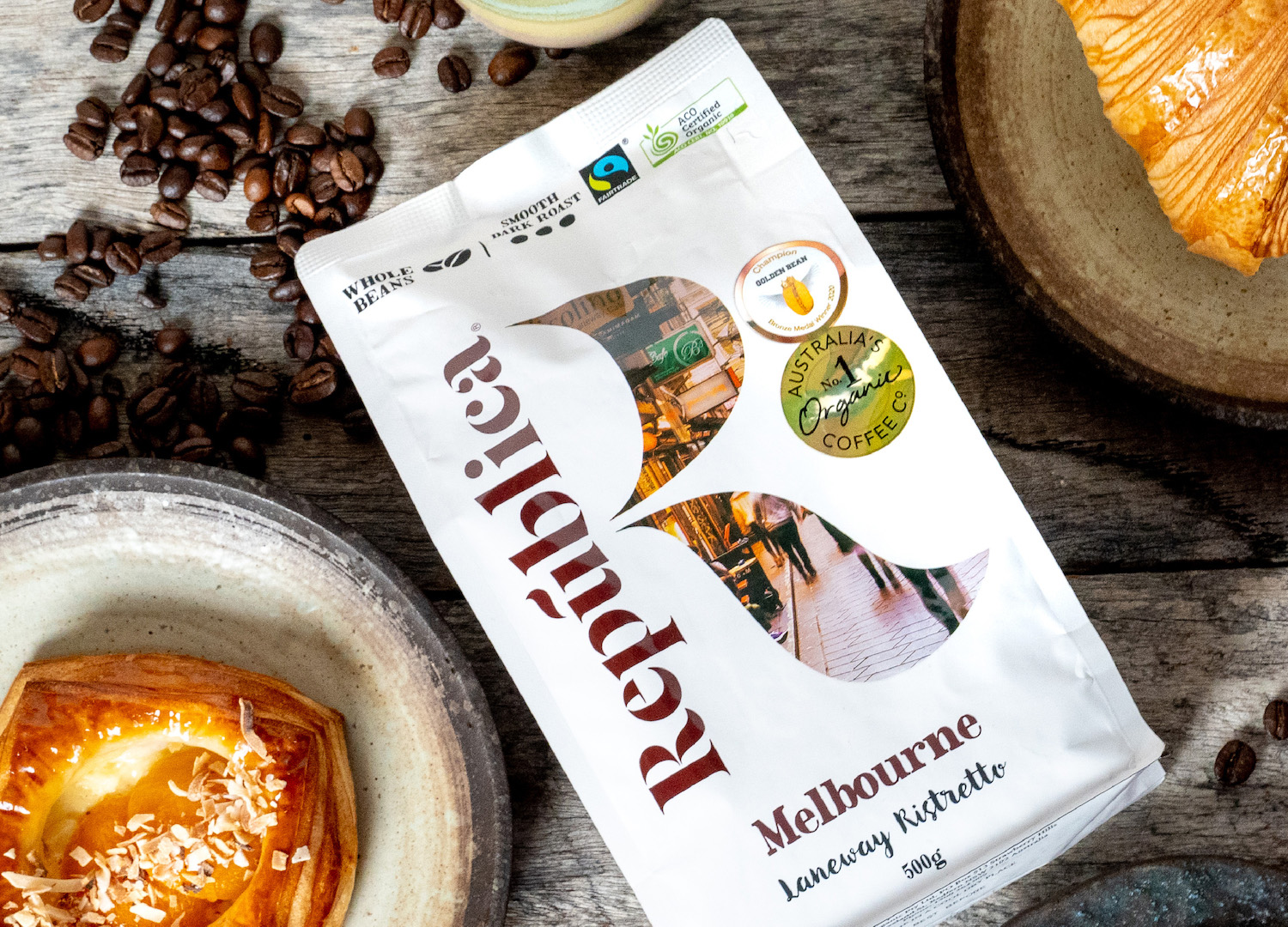
República
A trip home to Colombia, accompanied by some bad-tasting coffee, led former journo Jacqueline Arias to start ethical coffee company, República. With her ethos “ethics with impact” stamped on every bag, Jacqueline and her Certified Organic, Fairtrade brand are passionate about ensuring coffee farmers are guaranteed a fair deal while not compromising on taste.
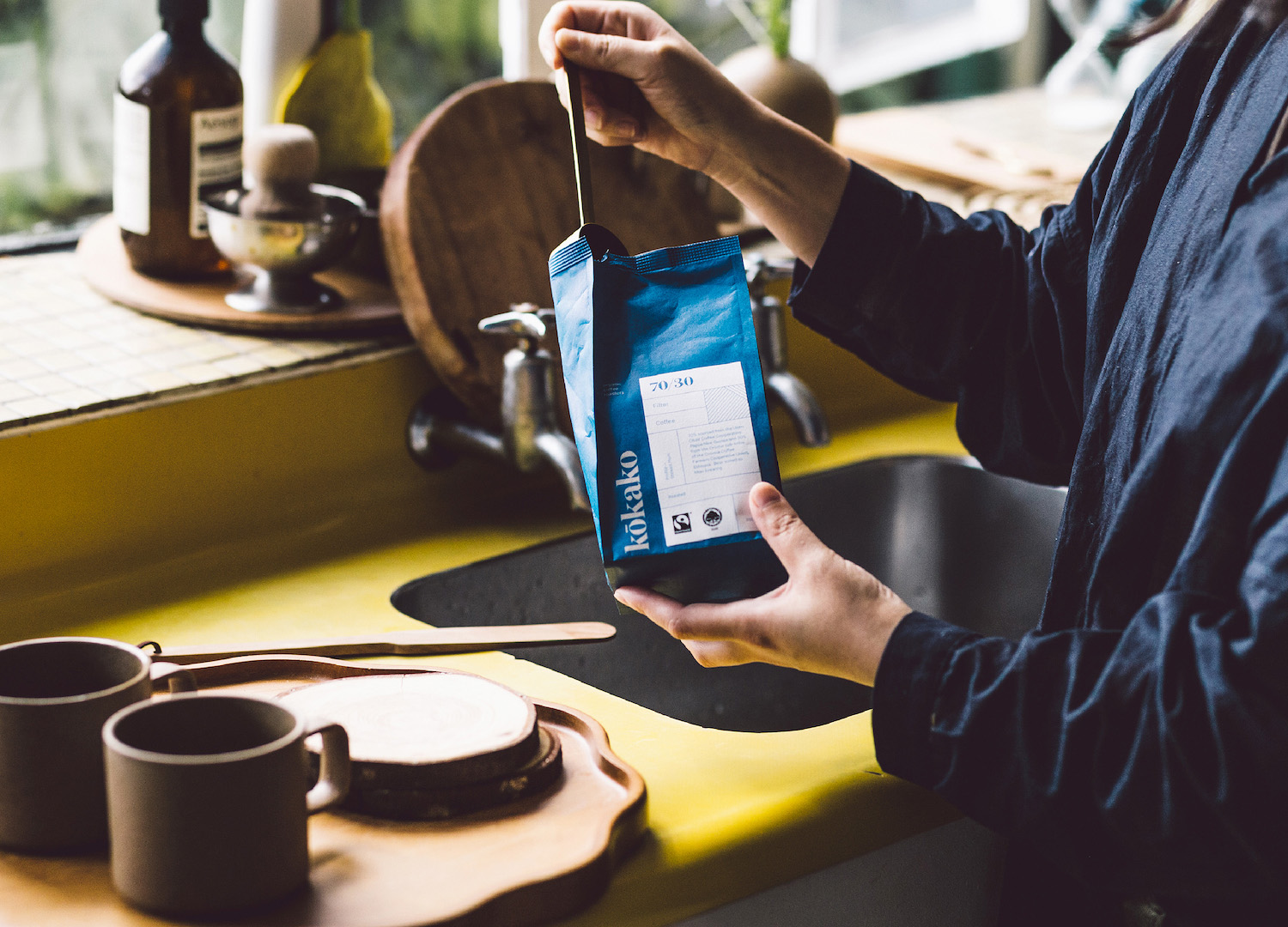
Kōkako
Kōkako never stops grinding when it comes to keeping its beans sustainable. Steadfastly organic since its inception in 2001 and Fairtrade certified since 2010, the brand went one step further in 2016, partnering with Fair Climate Fund to produce a climate-neutral coffee, forecasting its yearly coffee production and offsetting the carbon emissions with Fairtrade carbon credits.
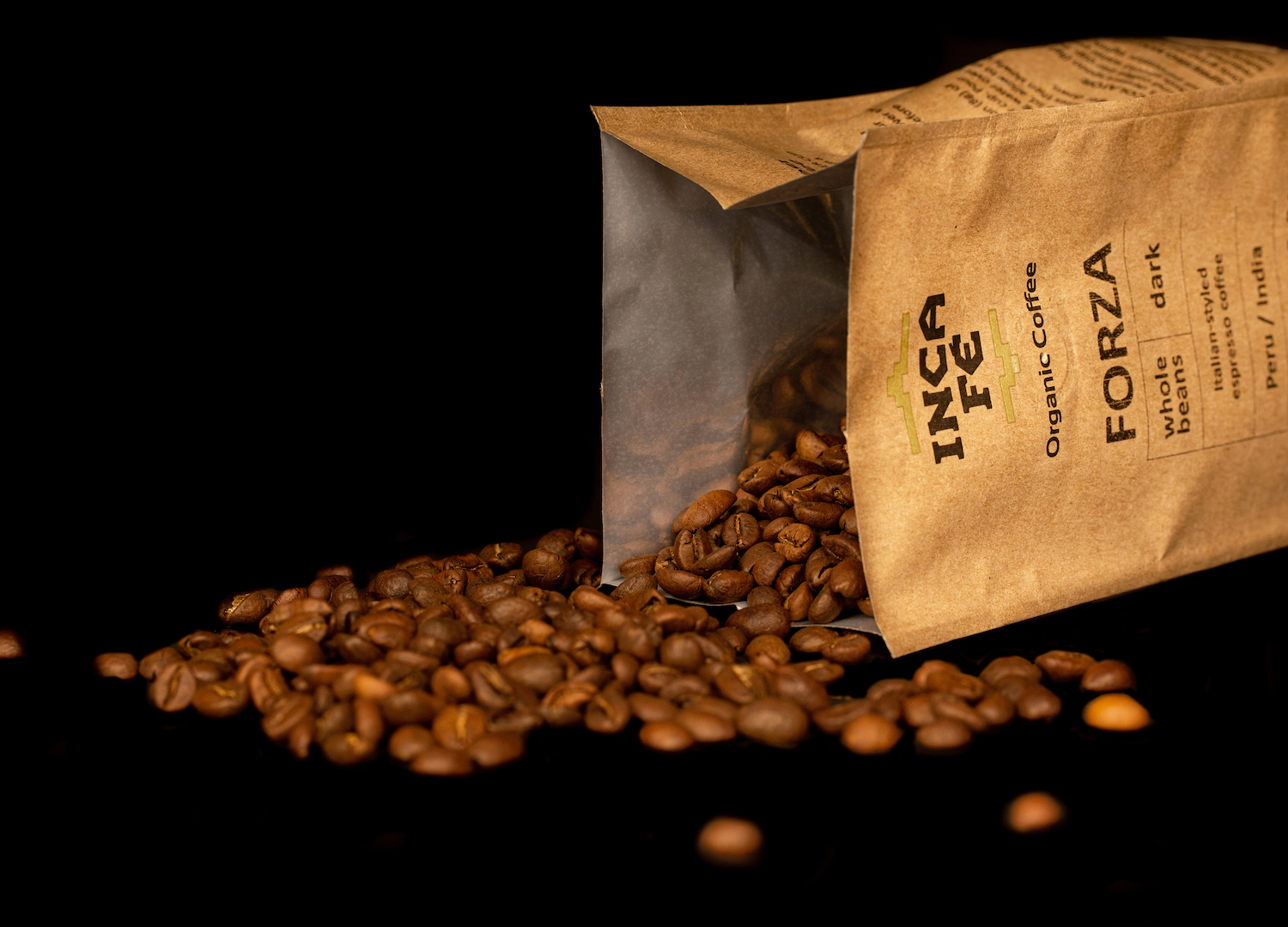
IncaFé
IncaFé’s mission is to cultivate plants in native environments that suit their needs rather than forcing them to grow where they don’t belong. The brand’s six flavour-packed blends are all Biogro organic and fully traceable from bush to cup, and the brand works directly with local grower cooperatives in Peru, Indonesia and Ethiopia to help budding coffee industries bloom.
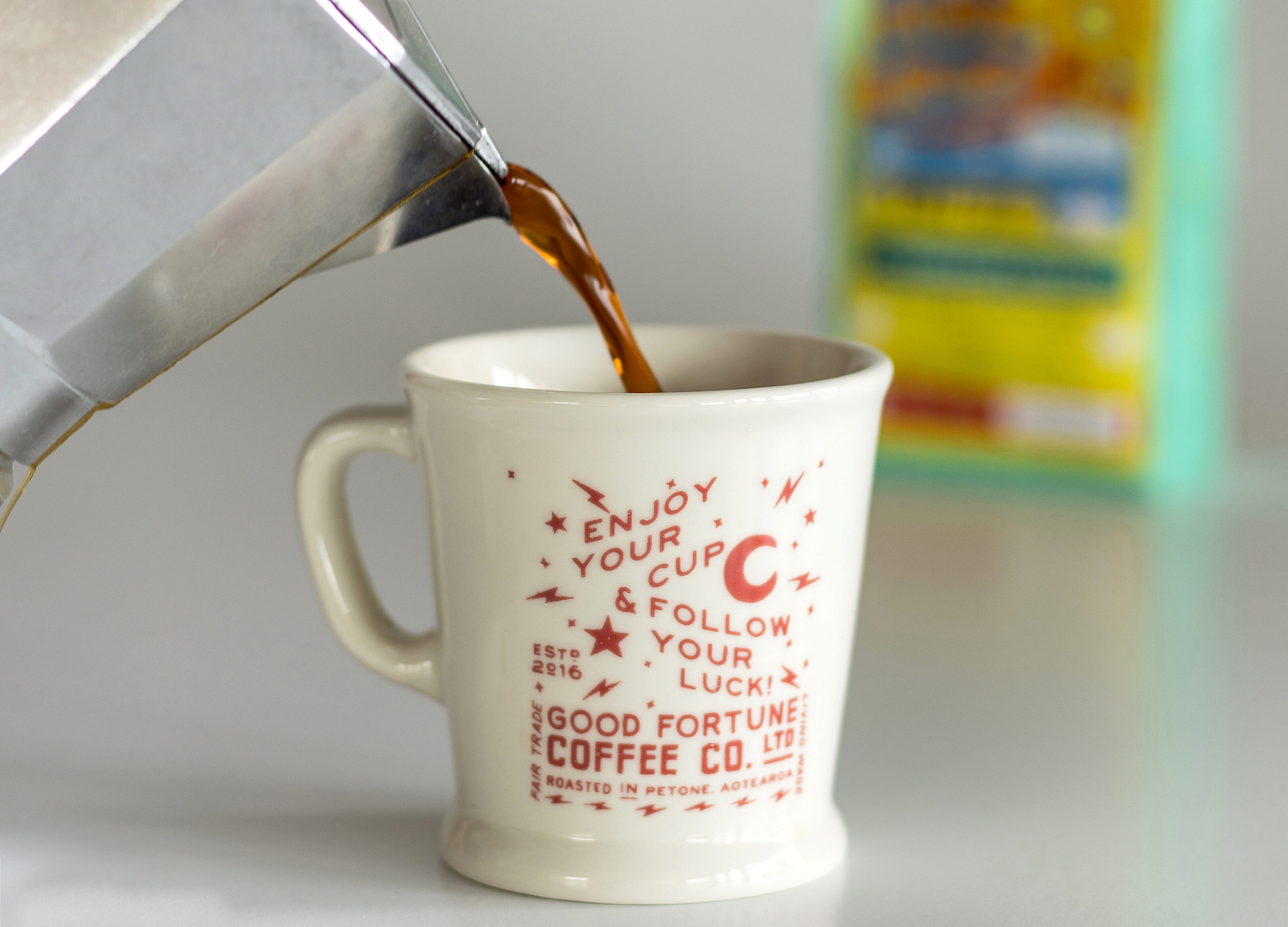
Good Fortune Coffee Co
Good Fortune Coffee Co doesn’t just taste good, it looks good too, boasting eye-popping designs and a complementary range of merch. The creative for- tune-fixers from this Wellington-based brand have been leading the pack in the Land of the Long White Cloud since 2016 and are fully accredited with organic and Fairtrade certifications – making every delicious sip even more drinkable.
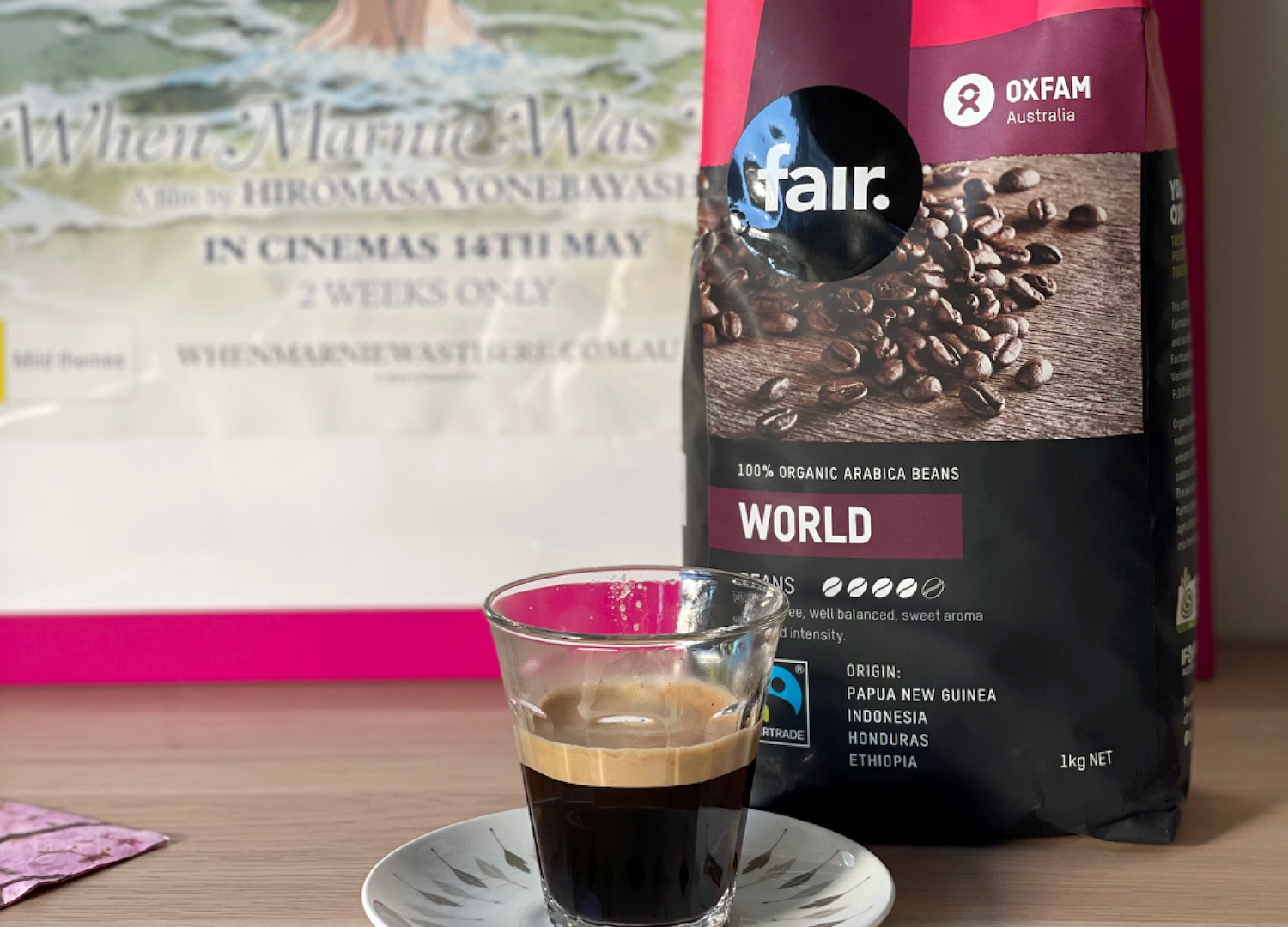
Oxfam Fair Coffee
With the goal of ending poverty one cup of coffee at a time, Oxfam Fair Coffee is all about paying farmers a fair wage for the raw materials, skills and techniques, plus culture and history, that go into every mug, not to mention the hard yakka that goes into growing a bountiful coffee crop. In a one-two punch at poverty, the money raised by coffee sales goes back to Oxfam Australia.
THIS ARTICLE HAS BEEN CREATED IN PARTNERSHIP WITH OUR FRIENDS AT FAIRTRADE AUSTRALIA & NZ.