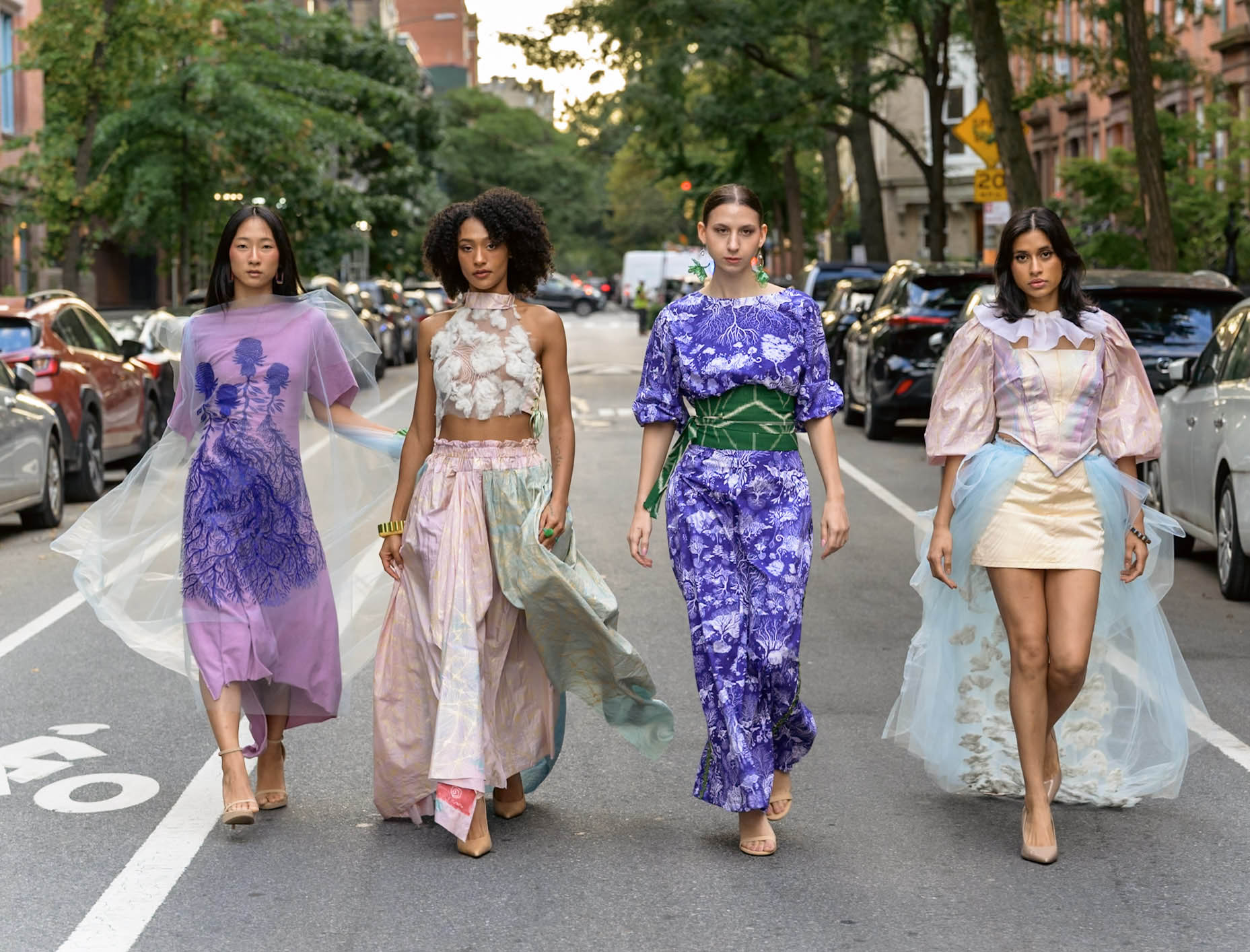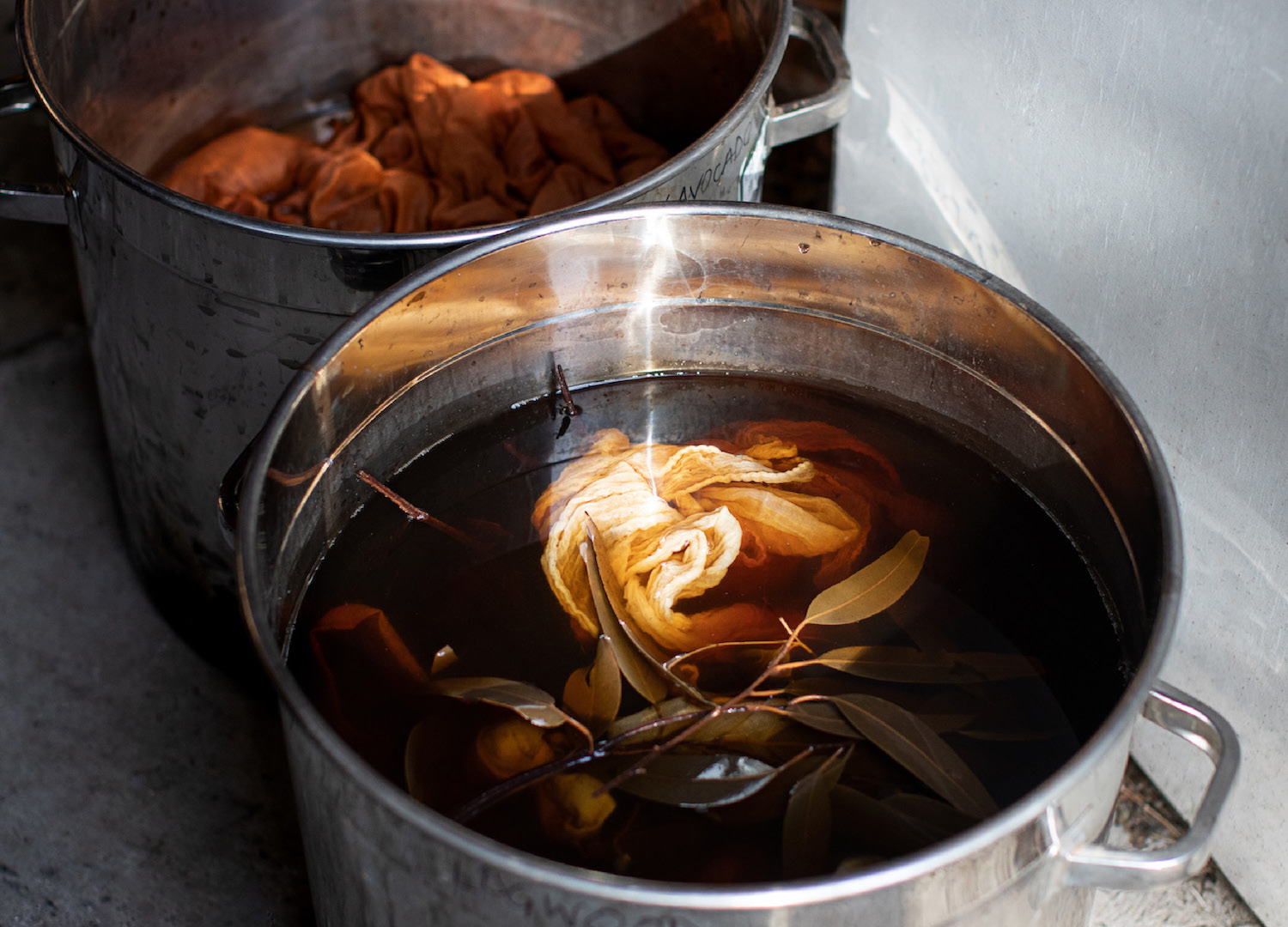
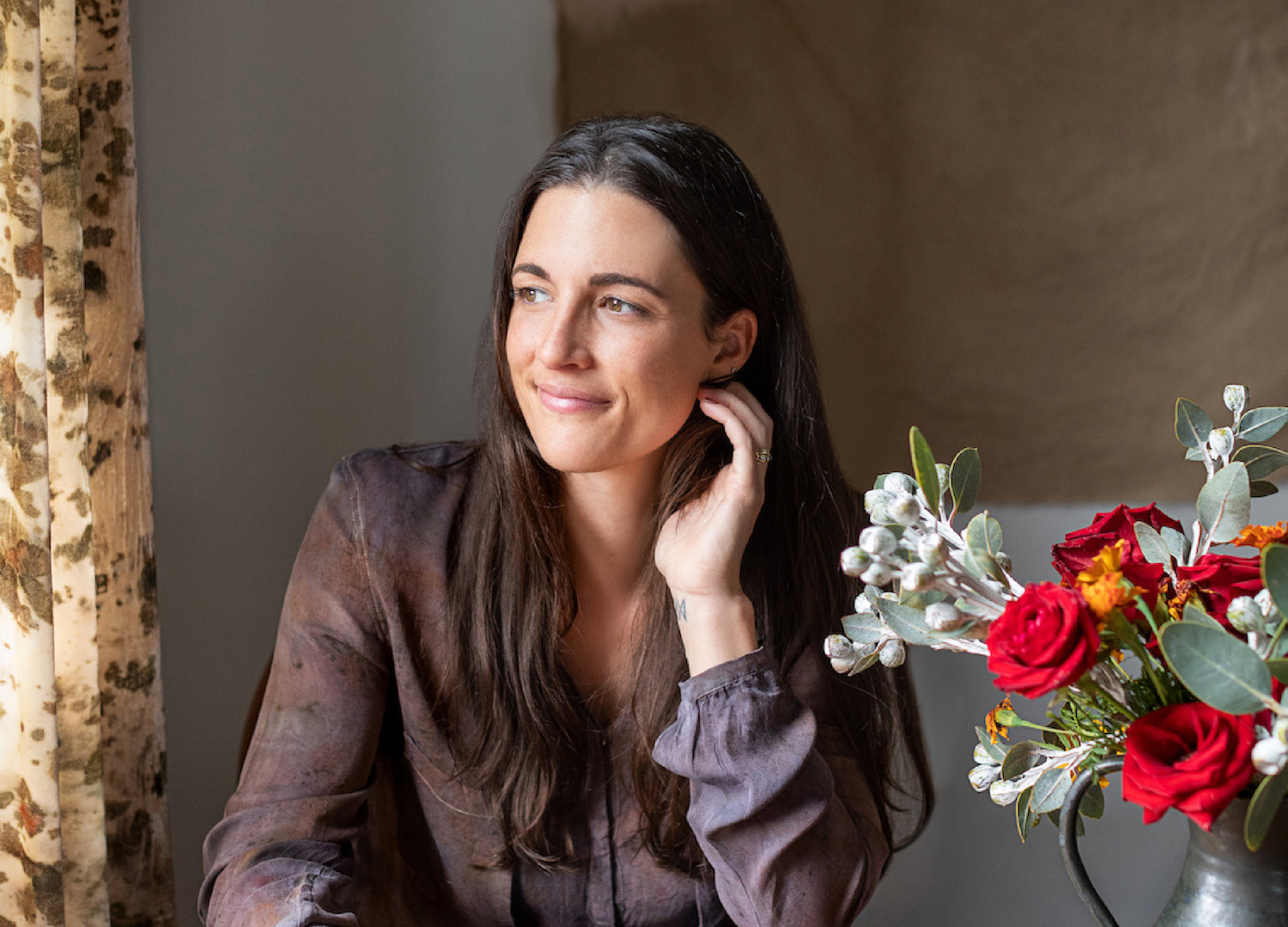
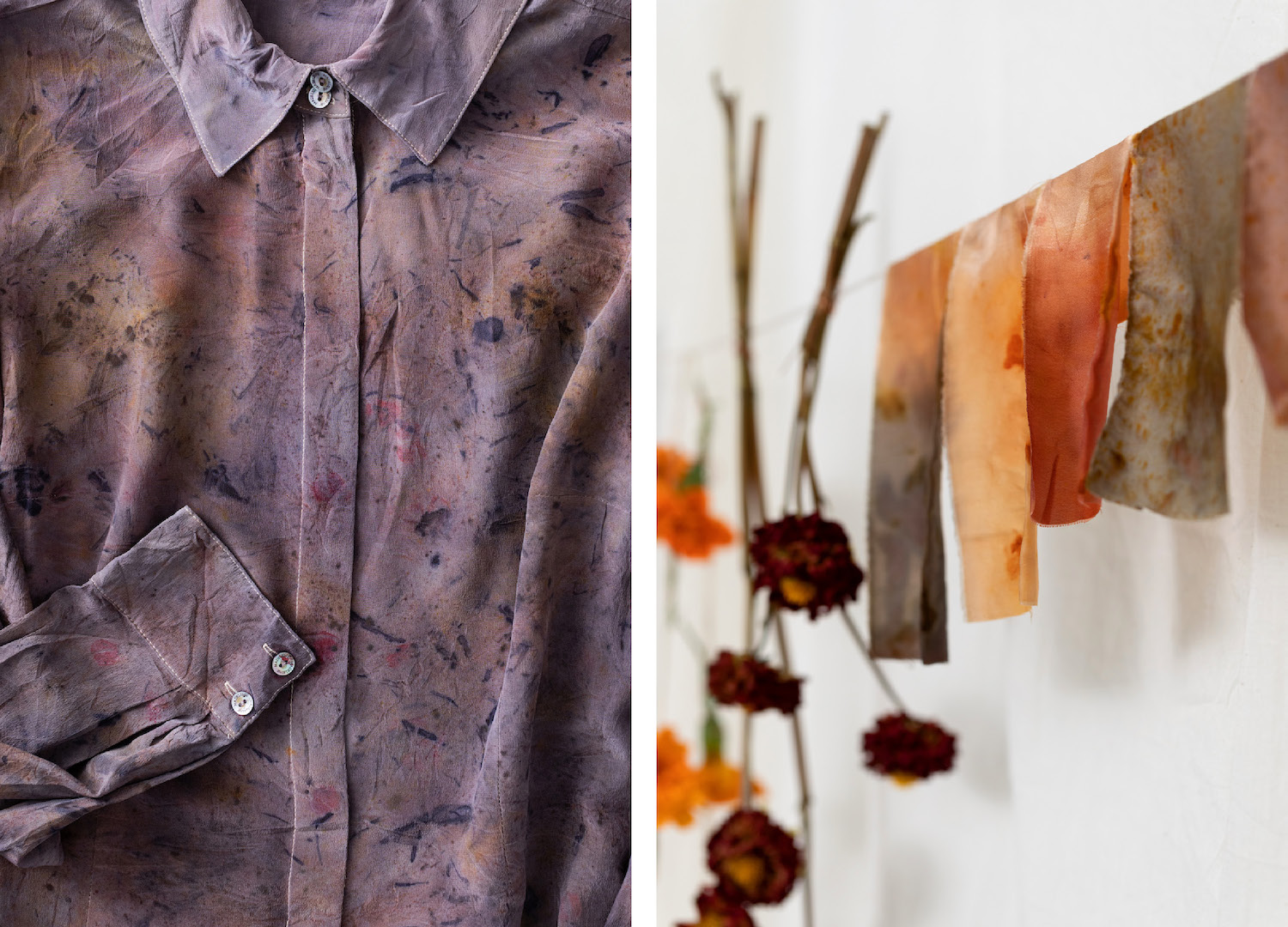
Part experiment, part craft activity, the magical process of natural dyeing is a fun way to freshen up old wardrobe faves and reconnect with nature in the process. The brainchild of Katie Wilkins, Studio Tinta is a natural dye studio creating sustainable textiles using botanical dyes and natural fibres. With a range of made-to-order silk pillowcases, eye masks and scrunchies, each Studio Tinta piece is manufactured in Melbourne then hand-dyed in Newcastle in a zero-waste process with compostable packing!
Drawing colours from natural materials, Katie is now on a mission to make the creative process of natural dyeing accessible to everyone. Her latest venture is an online Natural Dye School, teaching participants how to make vibrant dyes from her extensive recipe collection before applying them to fabric to create unique, multi-coloured patterns. Enrolments for the course are open now so why not sign up today for fun winter projects galore!
Before you get started though, Katie has provided us with a nifty beginner’s guide to natural dyeing so you can live to dye another day.
INTRODUCTION
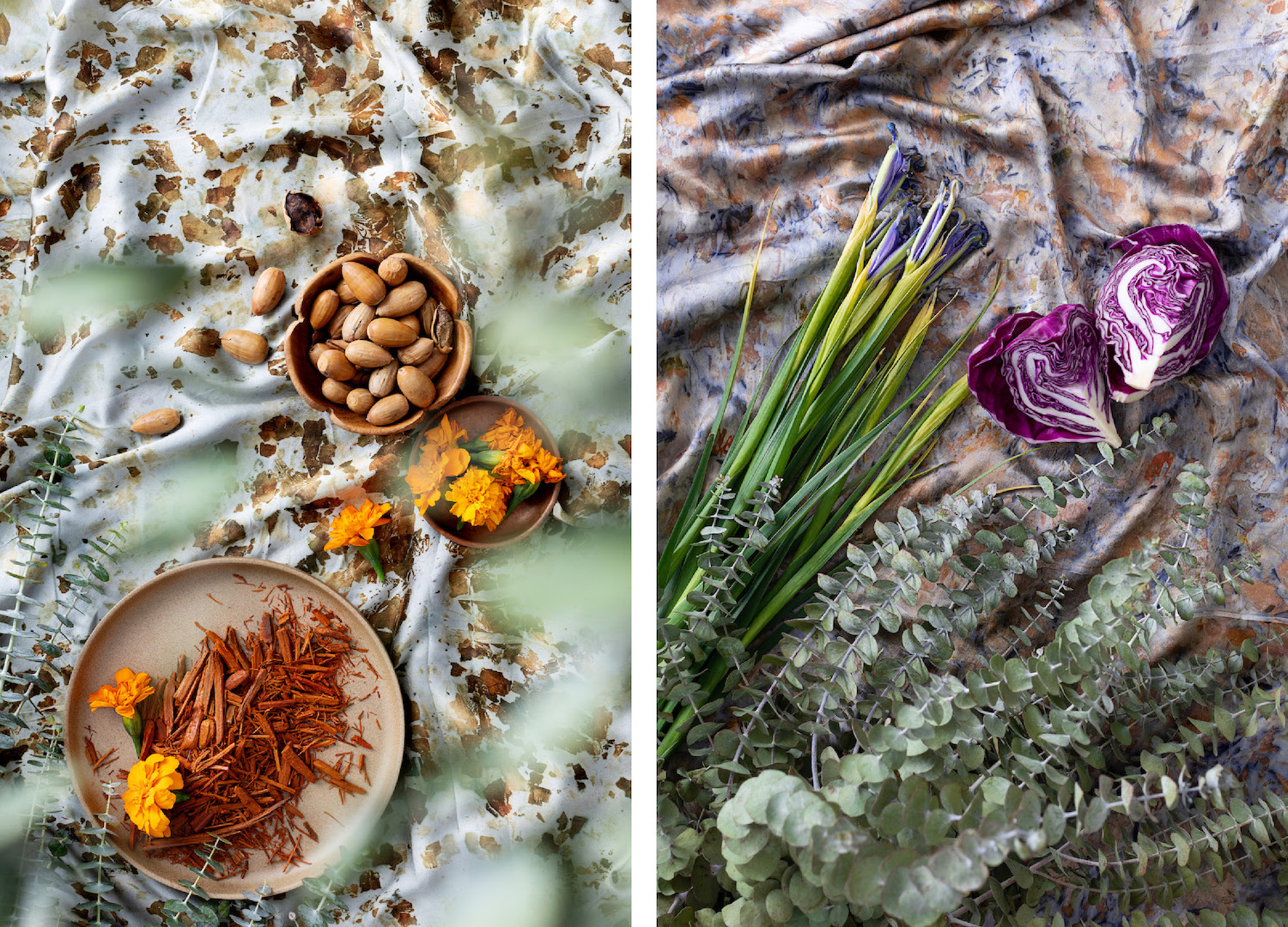
Natural dyeing is not only fun (and addictive!), but it’s an amazing way to breathe new life into your old textiles. Rather than throwing out your stained white tees or your old sheets, you can make them new again using plants you can find in your own environment. Each colour and pattern is completely unique, and you’ll end up with creations you’ll treasure for years to come. It’s a sustainable and affordable way to update your home and wardrobe.
This guide is designed as an introduction give you an overview of how natural dyes work and how you can make them at home from things you find in your pantry, scraps from your kitchen and plants in your garden. I hope this is the start of lots of fun experiments with natural colour.
EQUIPMENT
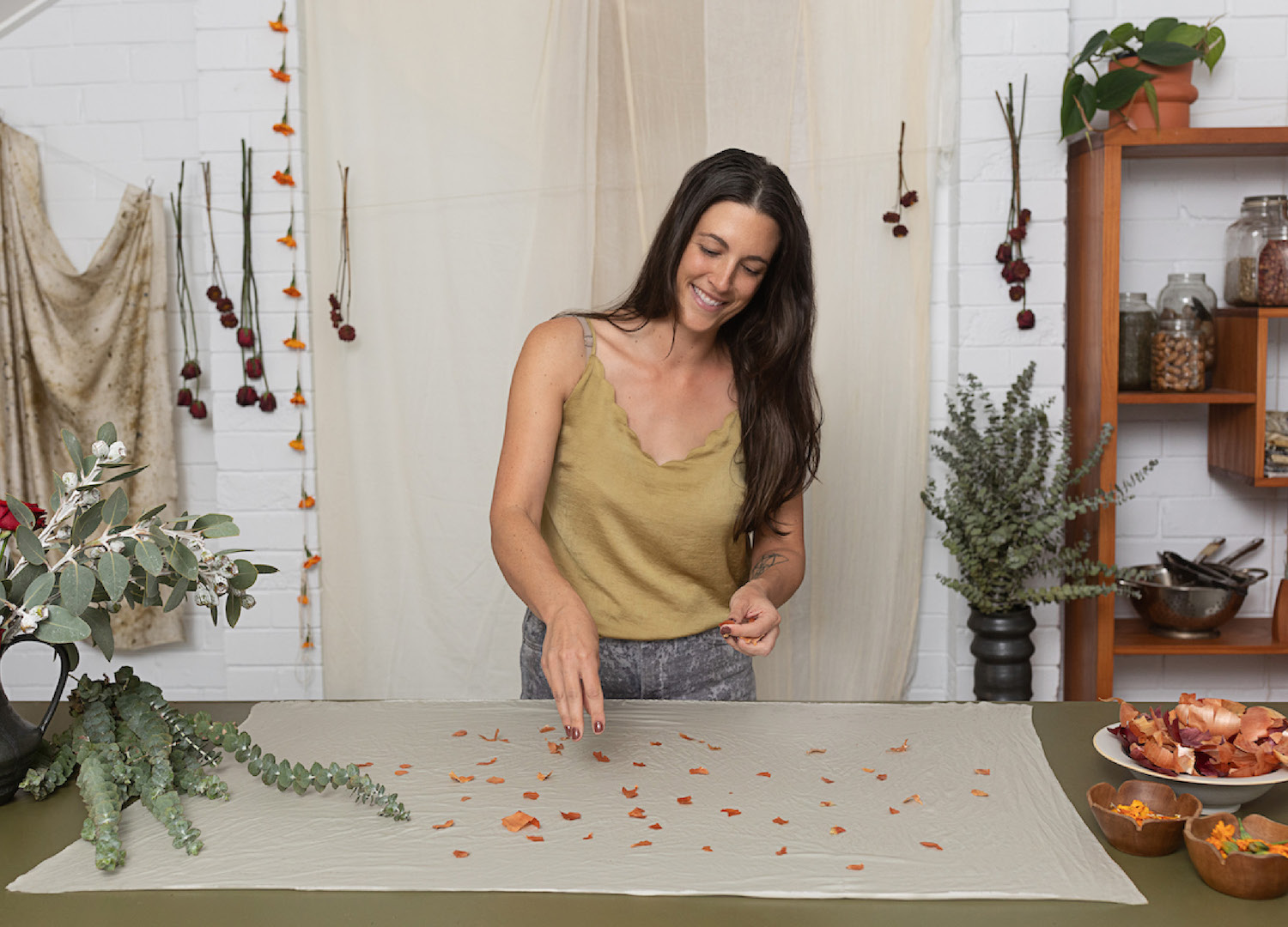
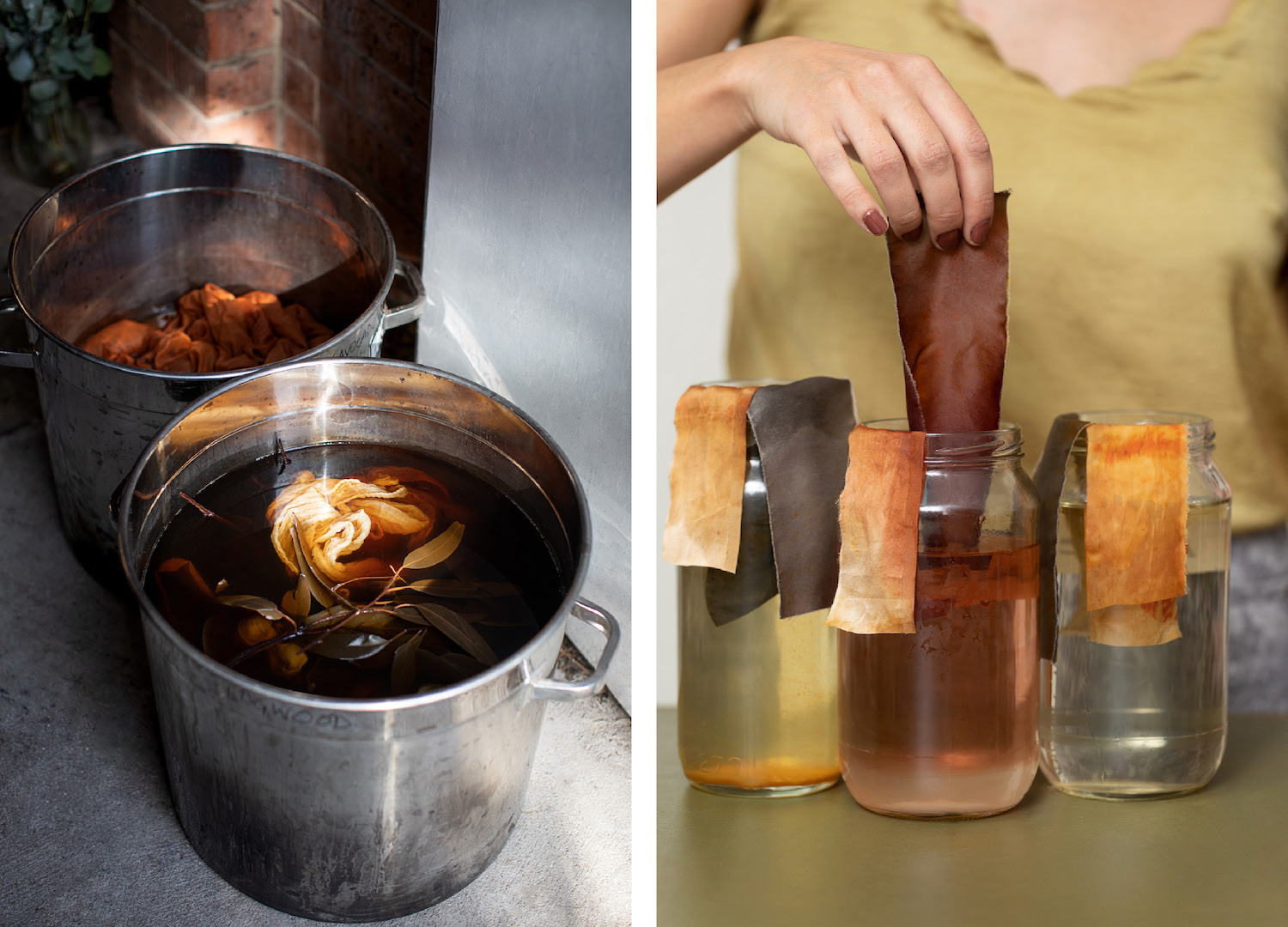
There are a few essential items needed to start dyeing at home. For safety reasons, you shouldn’t use your cooking pots for dyeing unless you are only using edible dye plants. You can find perfect dyeing equipment at your local secondhand store.
– Stainless steel pot
– Stainless steel tongs
– Stainless steel strainer
– Plastic bucket or tub
– Rubber gloves
– Stainless steel/wooden pegs
FIBRES
CELLULOSE FIBRES
Cellulose fibres, or plant fibres, are made from plants. These include fabrics like cotton, linen, hemp and bamboo. These fabrics are the most appropriate for vegans, as synthetic fibres aren’t recommended for natural dyes.
ANIMAL FIBRES
Animal fibres, or protein fibres, have different molecular structures to fibres made from plants. These most commonly include silk and wool. These fibres have a natural affinity for natural dyes and are great for beginners.
MORDANTS
The word mordant comes from the French verb ‘mordre’, meaning ‘to bite’. In other words, a mordant is a substance used to help the dye ‘bite’ or bind to the fibre. A mordant helps you achieve colours that are brighter, deeper and more colourfast. The most common mordants include metal salts such as aluminium or iron, or natural mordants made from plants high in tannin, such as oak galls, or oxalic acid such as rhubarb leaves.
Mordants you can purchase:
– Aluminium acetate
– Aluminium sulphate
– Ferrous Sulphate
– Tannin
Mordants you can make at home:
– Iron water using rusty objects
– Soy milk binder
– Mordant from rhubarb leaves
– Mordant from dyes high in tannin
To learn more, sign up to hear more about the online Natural Dye School and you’ll receive the free Natural Dyeing For Beginners e-book! Thanks to the lovely team at Studio Tinta, we’re also stoked to be able to offer our gorgeous Peppermint community an exclusive discount of 10% off the course price! Sign up today using the code Peppermint10 – valid until 30 June 2021.
photos ZOE LONGERGAN