Whatever way you slice it, 2020 has been a hell of a year. It’s rattled us, rallied us and reminded us of what’s important. It’s also forced us to get comfortable with adversity in order to find new and creative ways of embracing disruption.
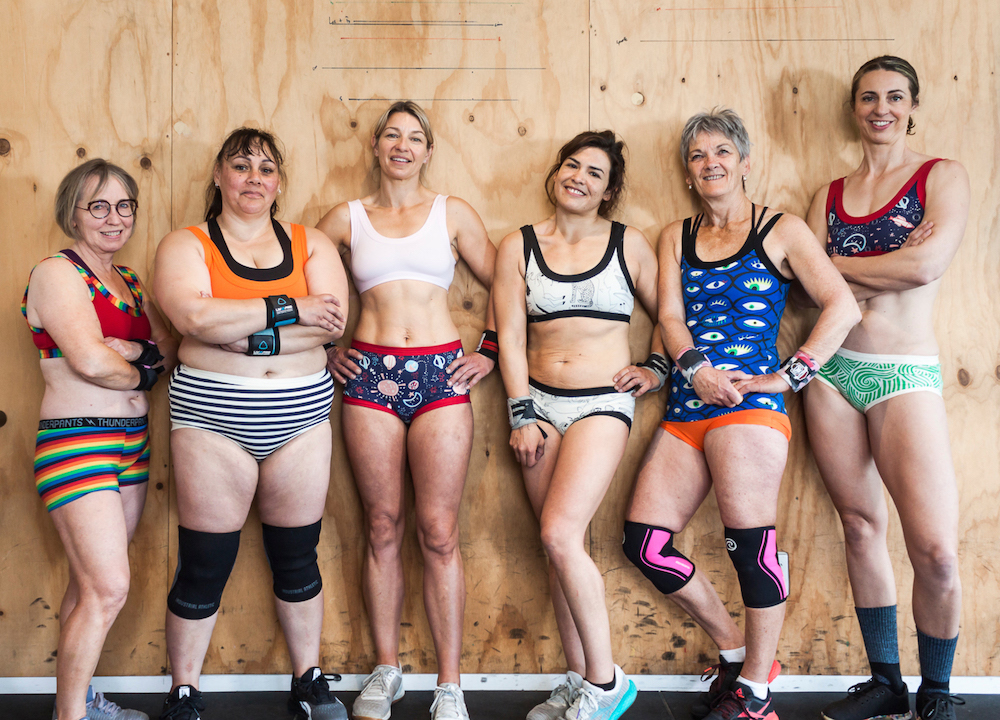
Small businesses especially have felt the pinch, forced to be resilient in order to survive, let alone thrive. Resilience is a skill we can all work on so we’ve teamed up with New Zealand-based, family-owned and operated company, Thunderpants, to bring you five tips for rolling with the punches through adversity and disruption so you can put your best cheek forward.
Stay open minded
We all carry an element of bias through our day-to-day lives thanks to our experiences, beliefs, social engagements, physiological responses and broader understanding of the world. Add this to the fact that our brains have a tendency to focus on the safer and more familiar aspects and you’ve got a recipe for closed mindedness.
It can be hard work to accept the unknown and learn new things, but research shows that by embracing difficult situations you can actually increase wellbeing. Life is a journey, not a destination and it’s important to remember that we don’t always know or understand everything (surprising, yes). As Henry Ford famously pointed out, “Anyone who stops learning is old” – your life can take on new meaning when you’re open to other ideas and different points of view, and may take you down a path you never expected. Being open minded also builds empathy and connection by seeing things from all sides.
Accept that difficult things happen, plans change and things will always get better – the only certainty is that we don’t know what is around the corner.
But where to start? Switch up your social feed – follow people you may not agree with to go outside your echo chamber. Watch documentaries that help expand your understanding of a certain topic. Learn to sit with uncertainty and overcome judgement by practicing mindful meditation. Talk through things with a neutral party and work on reframing thoughts that may have you stuck in a one-track mind. Accept that difficult things happen, plans change and things will always get better – the only certainty is that we don’t know what is around the corner.
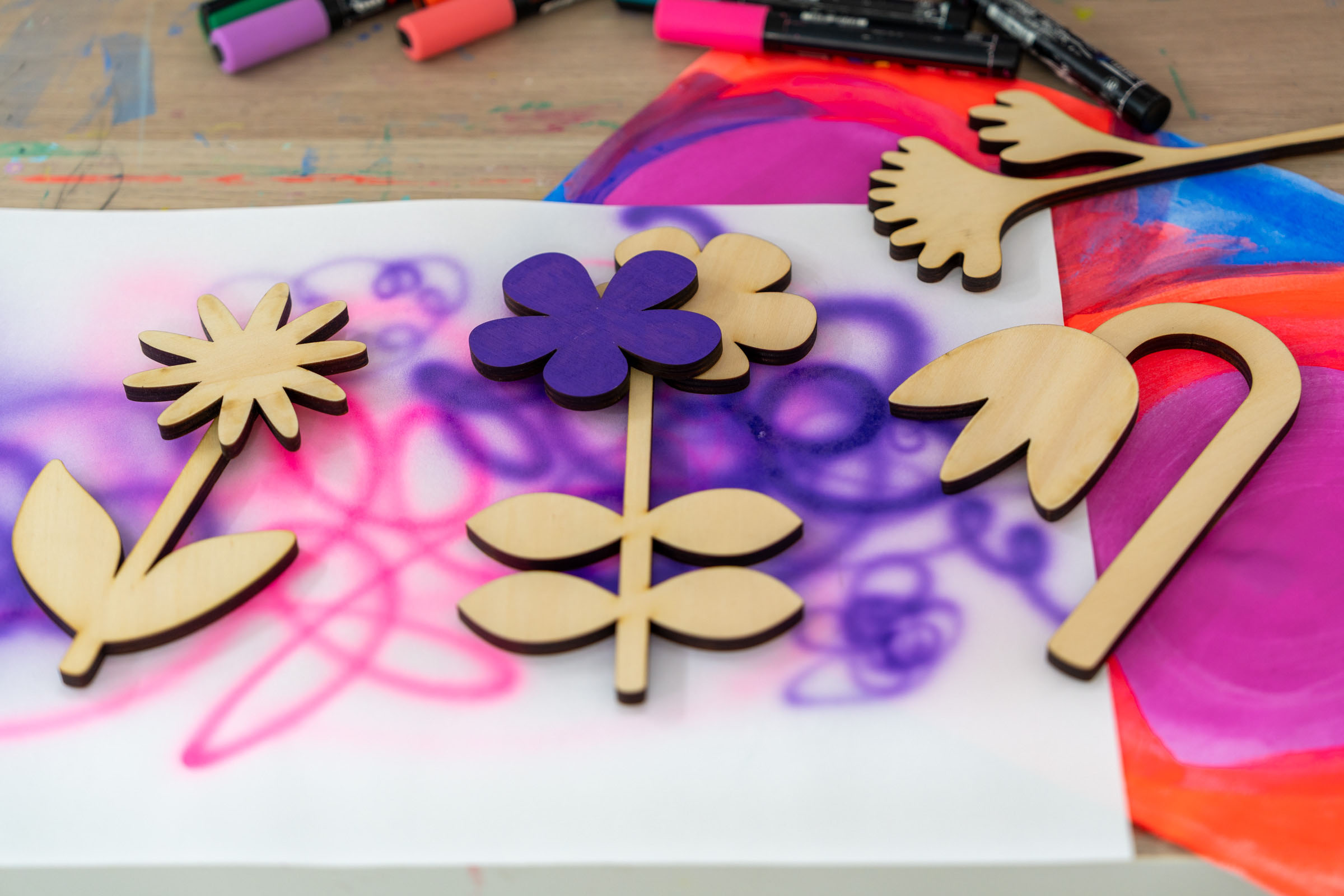
Get creative
From self-awareness to freedom of expression, creativity benefits us in more ways than one. When you create something, whatever it may be, you introduce a flood of the feel-good chemical dopamine to your brain. This can bring about a state of ‘flow’, which reduces anxiety and acts as a mood booster. Not only this, but studies have shown creativity can boost your immune system, reduce the effects of dementia and improve mental health.
When we make creativity a habit in our everyday lives, we are also giving ourselves opportunities to try out new ideas, create new pathways in the brain and encourage different ways of thinking. Who said science and the arts couldn’t coexist, huh?!
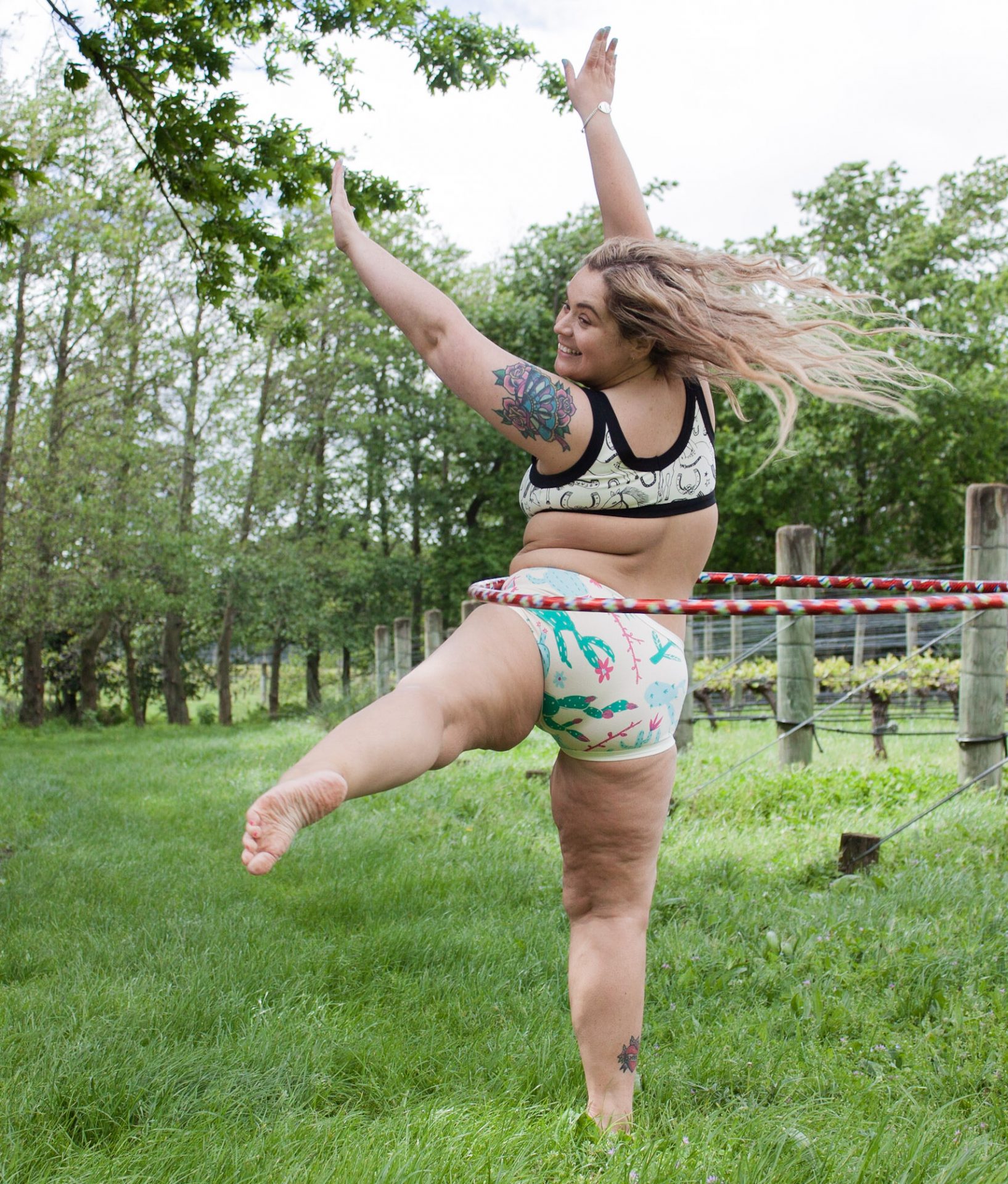
Creativity can mean many things – it doesn’t mean you have to be an Insta-worthy painter or crafter. Making purely for yourself is beneficial for mental health and mindfulness, and could come in the form of cooking, organising a cupboard or making up a dance to rock away the blues. Some of the best ideas come from being under pressure or being made to find a way to make something work with limited resources, as it forces you to look at what you already have with a different eye.
Look after your body
In a world where things can spin madly out of orbit, it’s crucial to focus on the things you can control. Without preaching to the choir, sleep, exercise, and diet play such a critical role to our overall wellbeing but they can easily go out the window when the proverbial shit hits the fan. Hold yourself accountable and ensure you’re giving your body the things it needs to perform at its best when the going gets tough.
Ironically it’s always when we need it most, that self-care takes a dive. We know what to do but sometimes we just need a gentle nudge (or a big push) to remember to look after our physical selves. Increase your veggies and make an effort to have at least one decent meal a day full of nutrients to crowd out the less healthy food. Get to bed early and avoid screens for several hours before going to bed – sleep is one of the most underrated aspects for mental and physical health. Write notes, set timers, make a schedule and drop what you are doing to fit some exercise in – even if it’s just a few laps around the backyard. Physical exercise also supports mental health, increases resilience, improves mood and relieves stress, which in turn will help you be motivated to do more exercise. Win, win!
Practise self-acceptance
Going beyond esteem, self-acceptance covers a more holistic, global affirmation of self. When we’re self-accepting, we’re able to embrace all facets of ourselves, not just the positive, which in turn can help the way we view the world and what it throws at us. It’s unconditional and free of qualification – acknowledging limitations but not allowing them to define us.
We get that it’s easier said than done, of course, but cultivating self-compassion, letting go of guilt and learning to forgive yourself are acts of self-love that will help build resilience. And there are some great tools for practising. Meditation for one allows us to build awareness and a healthy sense of perspective. By focusing on the breath we can keep our mind in the present, allowing us to clearly see the patterns our brain makes and let go. Just like anything, learning to meditate is a skill that takes practice so take your time. Start with five minutes a day and slowly increase your practice. Find an approach that works for you whether that be classes, online tutorials, or apps like Calm and Headspace. Also you could try journalling to celebrate your wins – set aside some time daily or weekly to write down your achievements and strengths – both big and small – focusing on the positives (there will usually be more than you think). And remember that it’s ok to have goals and dreams, but accepting the here and now will stop you always looking to the future and not appreciating what is around you (or within). Learn to give yourself a break – we are all perfectly imperfect.
Try something new
It’s very easy to find yourself stuck – repeating the same old things just to get through the day. And yes there’s value in routine but it’s also important to turn off auto-pilot every once in a while and introduce something new into your life. Our brains are still capable of growing new cells in adult life, through neurogenesis, so by challenging yourself to try something new you’re actually promoting physical changes and new thought patterns. Life experiences boost brain health and when you think or do something new, your brain creates new pathways.
It doesn’t need to be life-changing differences, taking on little things can be just as beneficial. Harvard Medical School recommends the following:
“Use the little moments in your day to try something new and forge new brain cell connections. Take a mini challenge, such as brushing your teeth with the hand you don’t usually use, taking a different route to work or the store, eating a bite or two of dinner with your eyes closed, listening to a new kind of music, observing your breath for 60 seconds, doing 60 seconds of jumping jacks (or some other physical activity), sitting in a different spot in your house or at a favourite restaurant, or trying to do any one new thing each day.”
THIS ARTICLE WAS CREATED IN PARTNERSHIP WITH OUR FRIENDS AT THUNDERPANTS.