
Ever wanted to dress in a leaf-spangled frock worthy of Queen Titania, or “mantles of green cloth, inlaid with wild flowers”, as did the Forestfolk of engraver and editor Robert Cromek’s imagination? Or perhaps you’d prefer outfits spun of flowers and foliage like little-known Aussie artist Margaret Clarke conjured up in the early 1920s! You may yet get your wish. Brazilian fashion designer Sofia Mazzucchelli took this whimsical idea and planted it in practical soil with Walking Gardens: the end result of her research for a Master’s in Sustainable Fashion Technology at Istituto Europea di Design (IED) in Barcelona. Inspired by biomimicry and folklore, the project integrates chia and alfalfa plants into crocheted fabrics, offering natural cooling properties, sustainable production methods, and a reimagined connection to the environment where each garment becomes “more than just clothing – it becomes a living being.” Sofia shared more about her work with us.
IMAGES: ANA CLARA MATTA

Hi Sofia! Can you tell us a little about yourself?
I’m Sofia Mazzucchelli, a Brazilian fashion designer based in Barcelona. My work blends traditional craftsmanship with digital innovation, exploring the intersection of fashion, 3D design, and visual storytelling. I specialise in garment construction and incorporating new technologies to push the boundaries of sustainable fashion design. I’m passionate about material experimentation and sustainability, especially creating pieces that can help the human body better adapt to climate change using biomimicry.
Where did the concept of ‘Walking Gardens’ come from?
Indigenous tribes in Brazil have long practiced biomimicry and sustainable interactions with nature, and this inspired Walking Gardens. Indigenous communities view plants, animals, and the land as part of a living system, deeply interconnected with human existence. Their traditional practices involve natural materials, observing ecological cycles, and applying plant-based knowledge to daily life, which aligns with the principles of biodesign and sustainability.

Can you tell us about your creative process?
Walking Gardens was an experimental journey blending biodesign, sustainability, and craftsmanship. It began with a deep exploration of Indigenous Brazilian knowledge, biomimicry, and humanity’s lost connection with nature. Inspired by traditional Indigenous practices that view nature as an interconnected system rather than a resource, I researched biodesign, rooted textiles, and sustainable fashion technologies while drawing visual inspiration from folklore and mythical creatures like the Forestfolk.
A key challenge was identifying materials and plant species that could coexist within garments. Early tests embedded chia seeds into crochet and knit fabrics, chosen for their breathability and space for root penetration. Alfalfa was later introduced for its adaptability and longer lifespan within textiles.
Prototyping involved testing each ‘living garment’ to evaluate:
- Plant growth cycles,
- Root integration without rapid decay,
- Fabric resilience to water absorption and humidity, and
- Cooling effects from plant transpiration.
Once technical challenges were solved, the collection took its final form. Each piece was styled with the cooling system and root positioning in mind, embodying a companion-species relationship that reinforces the project’s theme of human-plant symbiosis. These garments weren’t just clothing – they became living, evolving systems that required care and interaction.
What are the challenges of designing plant-infused garments?
Traditional fabrics aren’t designed to support plant growth, so selecting the right textiles was crucial. Crochet, knit, and mesh fabrics work best to allow root penetration while maintaining structural integrity, but had to be tested for moisture retention and breathability. Plants need water, light, and nutrients to grow – all difficult to manage in a garment! I tested chia and alfalfa – chia has a short lifespan (10 to 15 days), while alfalfa shows better adaptability. It was hard ensuring the plants survived without soil or hydroponic systems – and managing the greenhouse I created to ensure the best conditions for the plants was a challenge!
Finally, I had to manage moisture and prevent mould from forming and damaging both the garment and the plant. This happened several times during the trials. The challenge is to balance water retention without oversaturating the fabric. Breathable materials like cotton, hemp, and polyester blends can help prevent mould but still require careful moisture control.

What is the role of biomimicry and traditional craftsmanship (like crochet) in sustainable fashion? Do you believe biomimicry-inspired living fashion can help us solve industry problems?
Biomimicry and craftsmanship offer strategies to solve some of fashion’s most pressing environmental and social challenges. Nature-inspired design and slower, more mindful production methods challenge fast fashion, paving the way for restorative alternatives. Biomimicry could make a big contribution to material innovation: fabrics inspired by plant structures, animal skins, and microbial behaviours offering properties like self-cooling, water resistance, and biodegradability. It also promotes circular design, creating garments that not only break down naturally but actively benefit the environment by integrating plant life, air-purifying bacteria, or compostable textiles.
While biomimicry brings high-tech innovation, traditional craftsmanship offers a low-tech, ethical alternative to mass production. Techniques like crochet, weaving, and natural dyeing prioritise human skill, slow fashion, and local economies – reducing waste and carbon footprints. Handmade techniques like crochet and knitting shape garments directly, eliminating fabric waste, while their electricity-free production lowers environmental impact. Craftsmanship also extends garment longevity and fosters deeper emotional connections. Socially, it empowers artisans, supports fair wages, and preserves cultural heritage, shifting fashion toward more ethical labour practices.
For biomimicry to thrive, greater investment is needed in research and material development to make biodegradable and regenerative fabrics commercially viable. Fashion brands must rethink supply chains to ensure garments not only function sustainably but compose naturally at the end of their lifecycle. Craftsmanship, meanwhile, faces the challenge of accessibility – handmade fashion is often seen as a luxury, requiring both consumer education and a shift toward valuing quality of quantity. The future of sustainable fashion lies in balancing high-tech biomimetic innovation with human-centered craftsmanship, learning from both nature and tradition to transform fashion beyond a commercial industry.
Nature-inspired design and slower, more mindful production methods challenge fast fashion, paving the way for restorative alternatives.

What are the practical benefits such as natural cooling systems and environmental awareness that can come from plant-infused garments?
Plant-infused garments naturally regulate body temperature through transpiration – the process where water evaporates from roots and leaves, creating a cooling effect. This built-in cooling offers relief in hot climates without relying on synthetic fabrics.
Wearing these garments also fosters a deeper connection with nature. Since they require ongoing care and maintenance, they challenge the idea of disposable fashion, encouraging more mindful consumption.This interaction nurtures an appreciation for sustainable materials and a sense of responsibility toward living organisms.
Some plants also improve air quality by absorbing carbon dioxide and releasing oxygen. When integrated into clothing, they can contribute to improved air quality around the wearer and provide subtle aromatherapy effects if plants like lavender or camomile are used. Some plants can even prevent bacterial growth, reducing odours and extending garment life.
Unlike synthetic textiles, plant-infused garments align with circular fashion principles. At the end of their lifecycle, they decompose naturally, with the potential for composting or replanting – returning the plants to the environment.
How do you see biomimicry-inspired living fashion influencing your future work?
The Walking Gardens project has profoundly influenced my approach to fashion design, reinforcing my commitment to regenerative fashion, material innovation, and blending craftsmanship with technology. It deepened my understanding of fashion as a living system, where garments can actively interact with both the wearer and the environment. I’d like to keep exploring biodesign, smart textiles, and biodegradable materials, integrating nature-inspired solutions into my work. This project also renewed my appreciation for traditional craftsmanship, particularly how techniques like crochet and hand-weaving can be reimagined through digital tools and sustainable production methods. Most importantly, it’s reshaped my view of consumer interaction with fashion. I aim to design garments that invite engagement, personalisation, and longevity – moving away from disposability and toward a more connected, mindful way of dressing.
Design and creative direction: @somazzucchelli
Photographer: @analogica._._._
Makeup: @_saramakeupstudio @estelaavilesfx
Models: @catherinevon_ @juribero3 @n01.lauren @isabluciani
Jewellery: @koraatelier.bcn
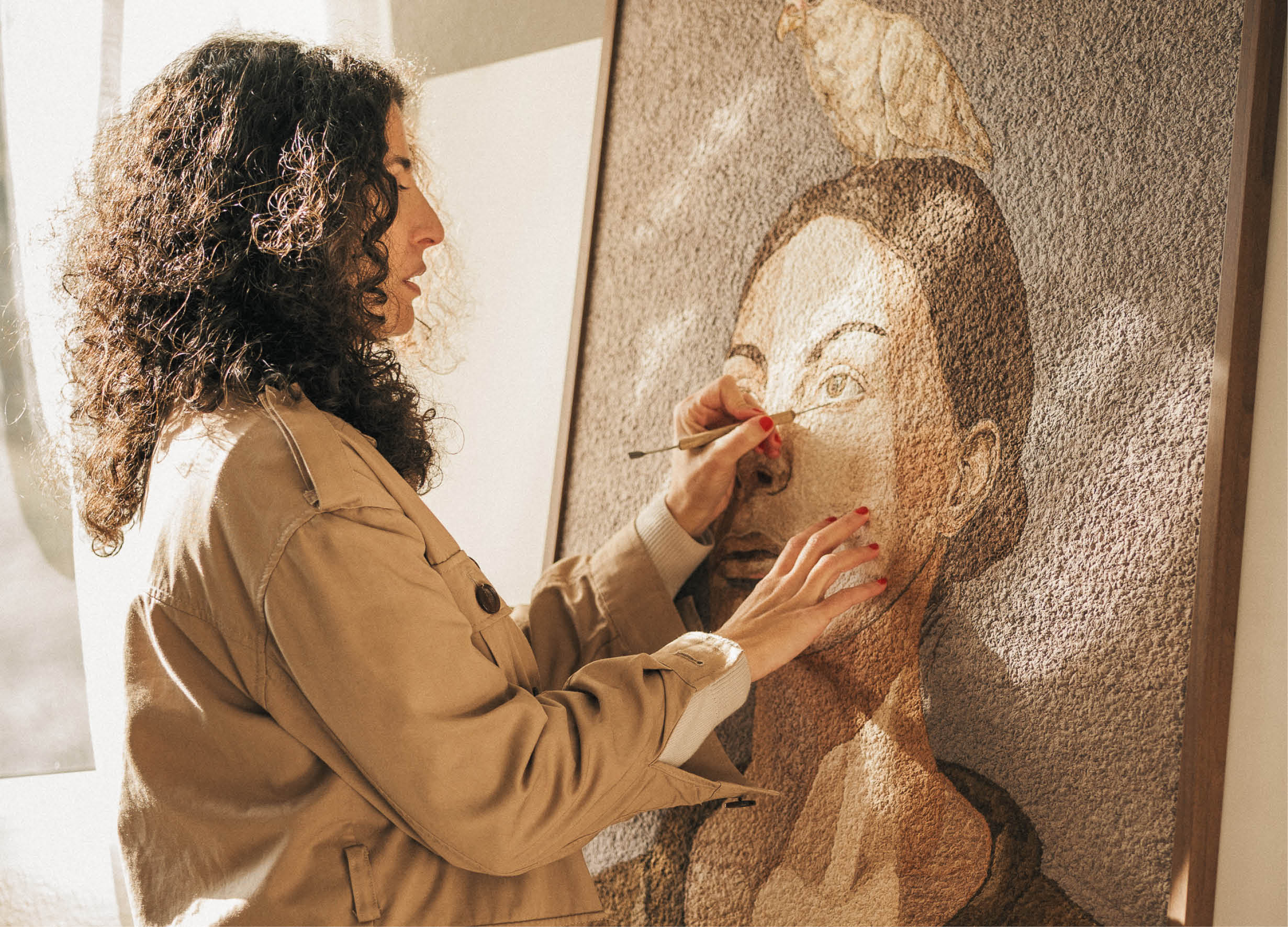



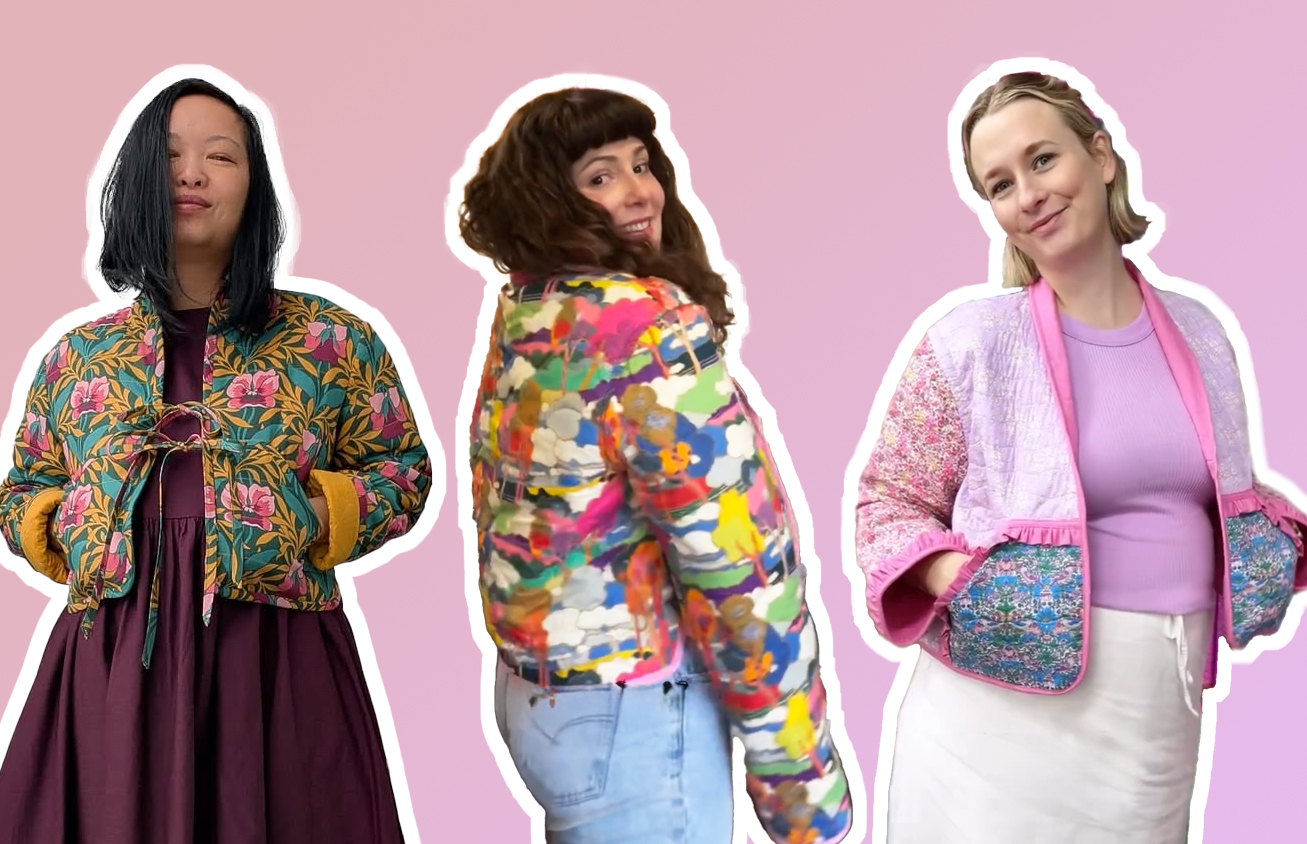
“My piece of advice for makers and designers? Run your own race… make sure your key decisions stay anchored in your brand’s core beliefs.”
- Bec Bligh
Quick show of hands: who’s opened a water bottle expecting a refreshing sip… and instead been greeted by the unmistakable whiff of uh-oh?
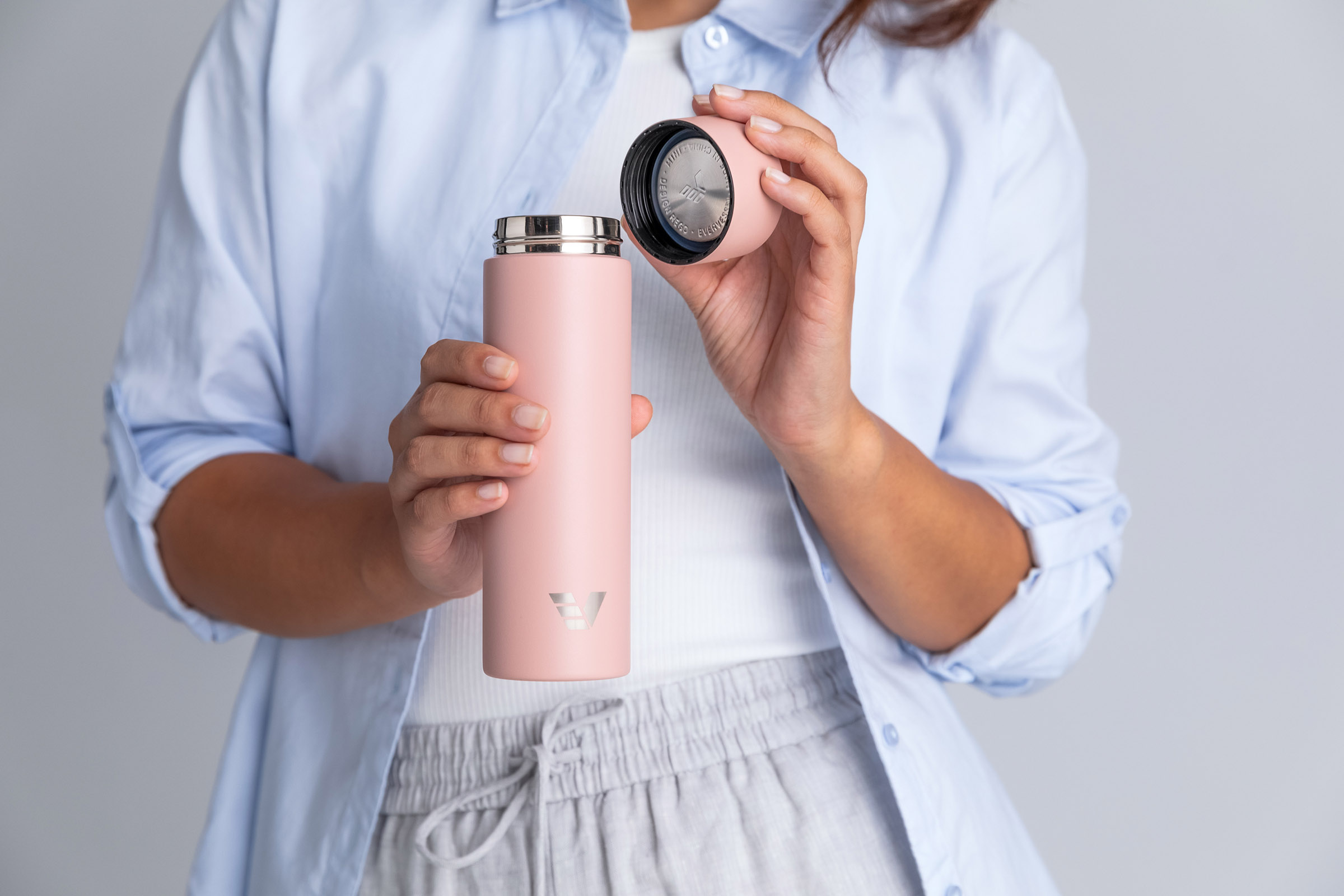
Because for something that follows us everywhere (desk, car, hikes, yoga…), the humble drink bottle is strangely prone to becoming a science experiment. Hard-to-clean corners and gaskets. Mystery smells. Bec Bligh and her husband Tim know it well. A six-month sailing trip along the Queensland coast left them with a lifetime of memories and one stubborn annoyance: mouldy water bottles they couldn’t properly clean.
So they did something about it.
Enter @EverVessel. Thoughtfully designed borosilicate glass and stainless steel bottles that keep things beautifully simple: durable materials, wide openings, easy-to-clean parts and none of the techy gimmicks that tend to age badly. Turns out simplicity, done well, is pretty powerful stuff. (Their many design awards agree!)
And lately they’ve added a little extra delight: the Artist Series, where creatives like Paola Castro, Ben Miners and Martin Thompson transform these everyday companions into tiny travelling artworks. There are more colabs in the works, too: hydration, but make it joyful! 🎨💧
We chatted with Bec about the sailing trip that started it all, the philosophy behind Ever Vessel, and why the most sustainable product is often just the one you keep using.
Tap the link in our bio to read the full conversation. 🚰
#EverVessel #ReusableWaterBottle


Pull up a chair… there’s room at this table!
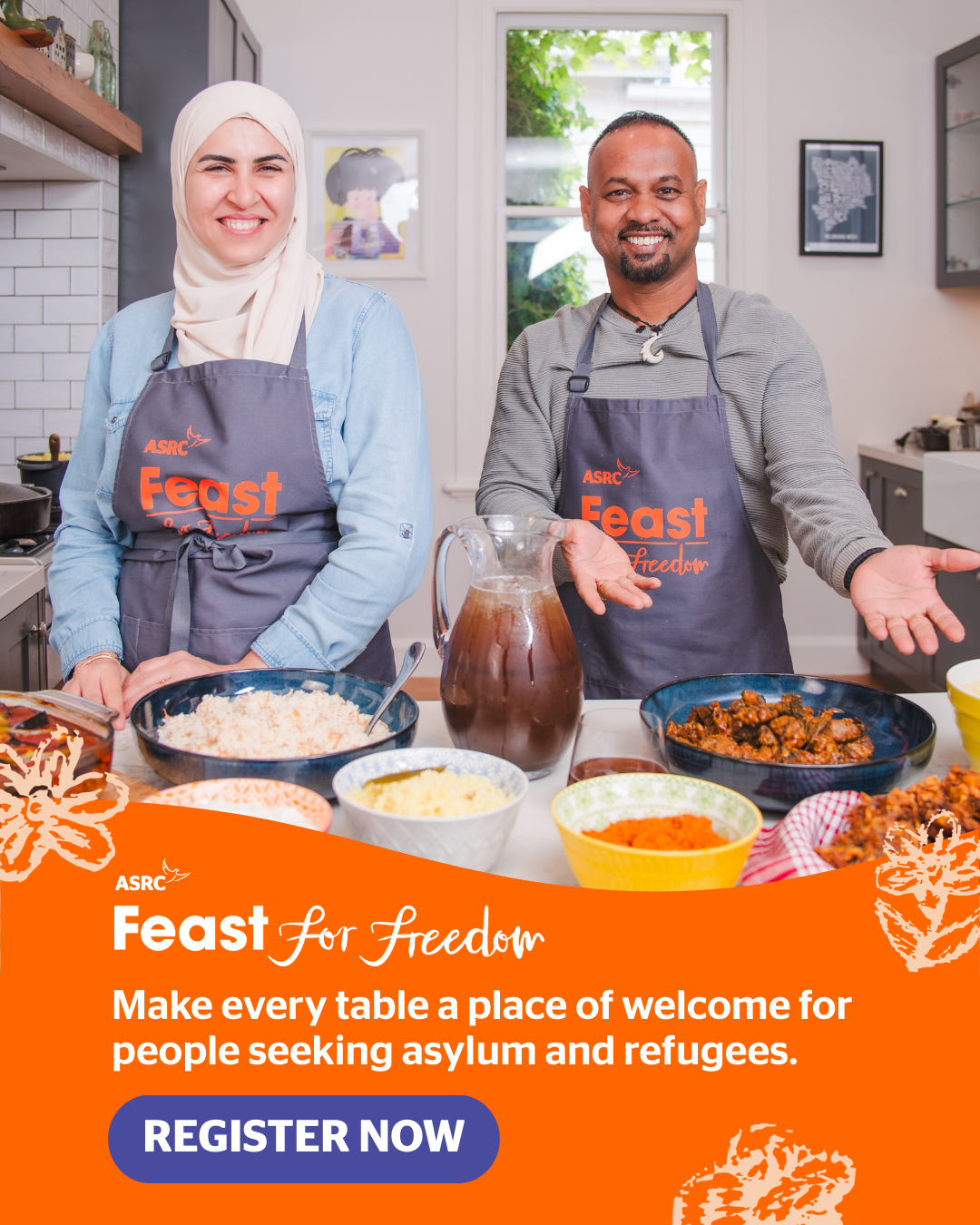
For the first time, Feast for Freedom is bringing people together for a spectacular long-table dinner as part of the Melbourne Food & Wine Festival.
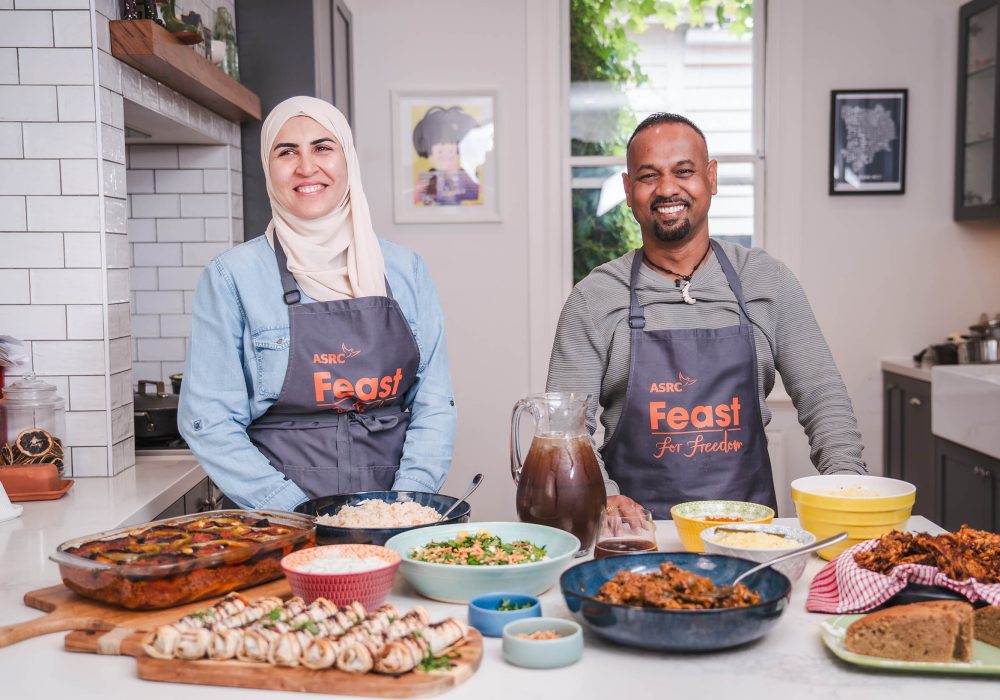
A Longer Table is exactly what it sounds like: one beautiful shared table inside the Asylum Seeker Resource Centre (@Asrc1), piled with generous dishes inspired by this year’s hero cooks, Noha and Nige.
From 6 to 9pm on Wednesday, 25 March, this is what you can expect:
🍽 A three-course shared feast
🍷 Matched drinks
🎶 Live entertainment
✨ A room full of good humans
Your ticket doesn’t just buy you a delicious dinner. It supports the ASRC’s vital work and helps create a fairer future for people seeking asylum.
Seats are limited, and long tables have a way of filling up quickly – head to @MelbFoodAndWine’s website to book now: feastforfreedom.org.au/mfwf
#FeastForFreedom #MelbourneFoodAndWineFestival #LongTableDinner #FoodForChange

Sew versatile! 🪡
Another great make from Lisa from @SunnySewsEveryday:
My #PeppermintWaratahWrapDress is finished and I’m so proud of it. It has been designed not to flap open and flash your pants in the wind, so I feel confident it will be a great wheelchair or standing dress in English weather.
#PeppermintPatterns #WrapDress #WrapDressPattern

Frame your face with the Peppermint Bucket Hat!
Stay safe and stylish in the sun with your very own self-sewn and self-drafted wide-brimmed bucket hat. This beginner-friendly sew is perfect for a sunny day. Get out your pencils – this pattern is created using equations and maths!
This DIY project was featured in Issue 53 and now you can access it for the lovely low price of only $5.
Sun-safe chic is always in style. ☀️
Find it via the link in our bio!
Photos: @KelleySheenan
#PeppermintPatterns #PeppermintBucketHat #BucketHat #BucketHatPattern #DIY

✨ INSTANT CLASSIC ✨
The Peppermint Myrtle Shift Dress is a beginner-friendly make with a few special details based on the ever-stylish shift shape – the perfect dress you need in your wardrobe right now!
Myrtle cuts above the knee with options to customise the length. Don’t think she’s reserved for hot weather either: try a heavier-weight fabric to turn your Myrtle into a pinafore-style garment for layering.
For our fabrics we chose two from our lovely sewing partner @Karmme_Apparel – the bold Rottnest Stripes in a lightweight, soft-drape cotton, and the quality linen in the handpainted Mexico Collection.
Get making the Myrtle – the only question is, can you stop at just one?
Link in bio 🪡
Fabric: @Karmme_Apparel
Sewist: @Laura_The_Maker
Photos: @KelleySheenan
Models: @SerahSews and @Pins_And_Tonic
Location: @ShareTheDignityAustralia
#PeppermintMyrtleShiftDress #PeppermintPatterns

It’s time to Feast!
Some recipes travel a long way before they land on your table to delight your taste buds. This year’s Feast for Freedom invites us to gather our friends, cook something delectable and raise funds for the incredible work of the Asylum Seeker Resource Centre (@Asrc1) while we’re at it.
The 2026 Feast features recipes shared by two remarkable cooks: Noha, who brought the flavours of Palestine with her when she arrived in Australia, and Nige, a Sri-Lankan Tamil cook whose journey with food began in the most unexpected of places.
You can host your own Feast up until 30 April – simply register online and get planning! Host a dinner, organise a workplace lunch, or gather your community… However you do it, the idea is simple: cook, connect and celebrate the cultures and stories that shape Australia.
Want to find out more? Head to the link in bio to meet Noha and Nige, learn more about their stories, and discover a delicious recipe to try.
#FeastForFreedom #PeppermintMagazine #FoodForGood #ASRC
