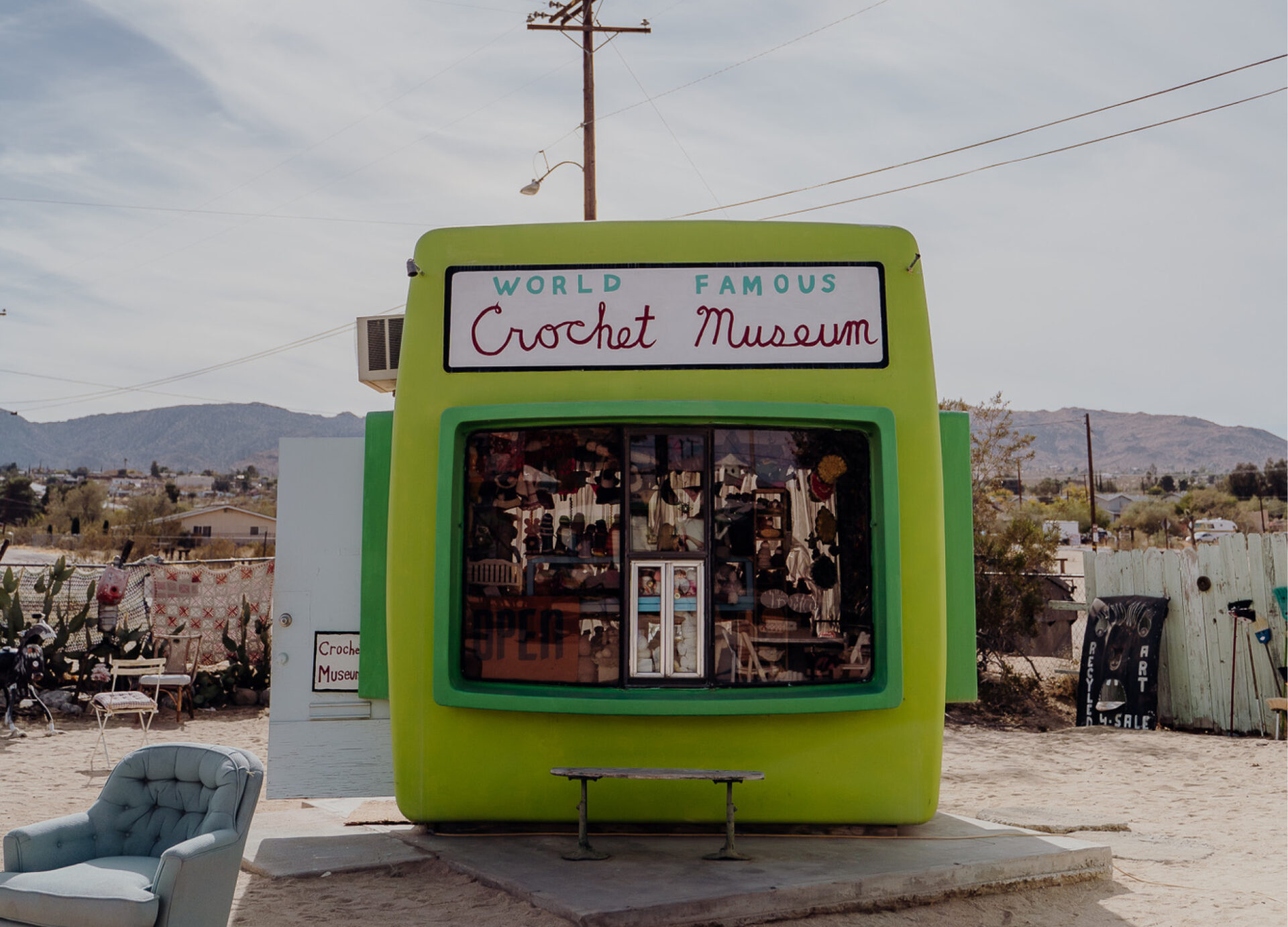
In the Californian desert town of Joshua Tree, maker Shari Elf is on a mission to turn unloved items into treasured works of art – sharing her passion through her World Famous Crochet Museum and Art Queen studio. We find out what makes this creative soul tick…
images KELLEY SHEENAN image of Shari SUPPLIED
Tell us about the artwork you create…
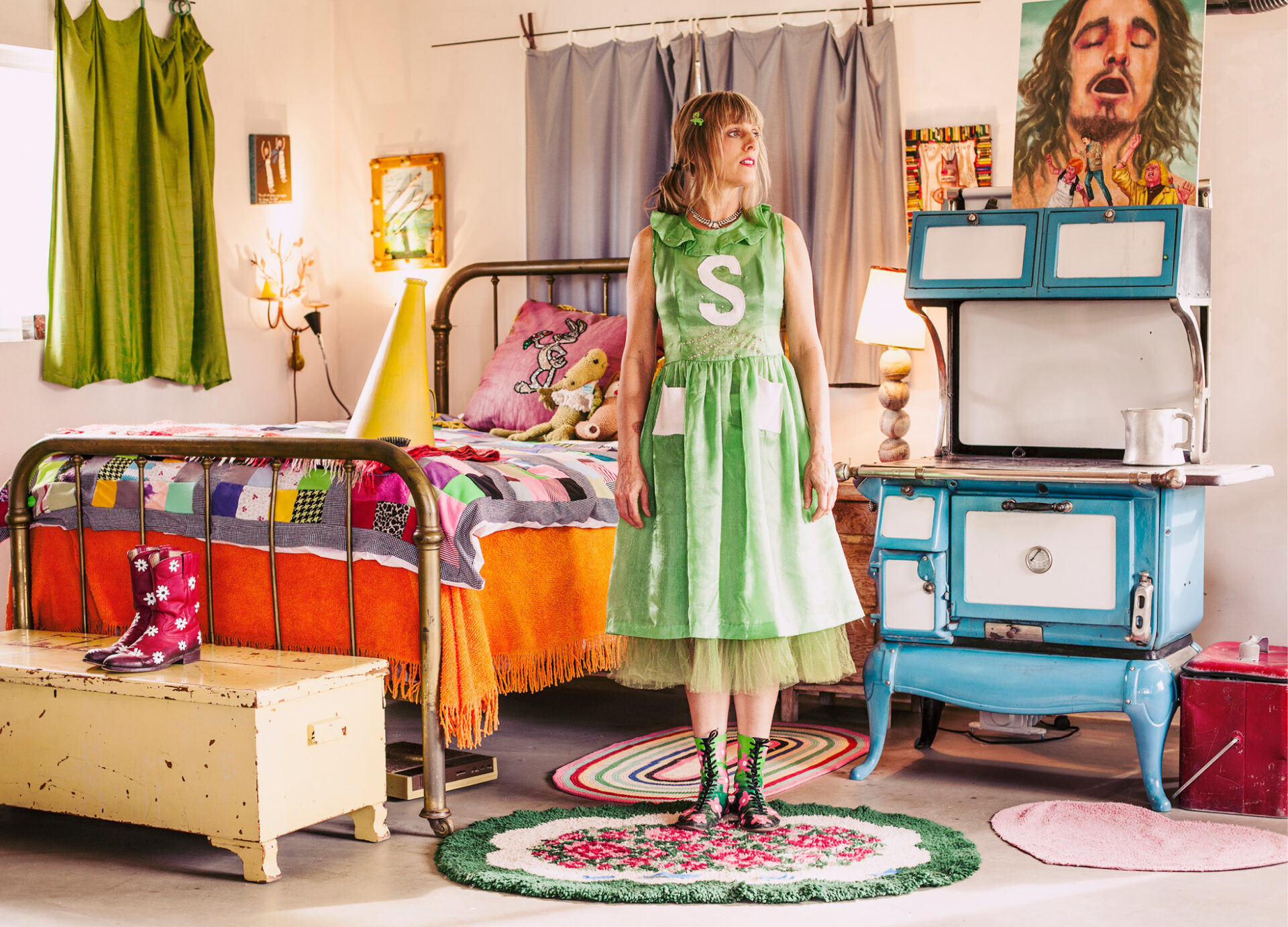
My life is my greatest artwork and I’m enjoying its evolution. I love making art from recycled things – I started my career selling my ‘good and sturdy art from trash’ at the flea markets of Los Angeles. On one of my first weekends there, the set designers from the movie Independence Day bought some of my art – you can see three or four of the paintings in an early scene in Will Smith’s girlfriend’s house.
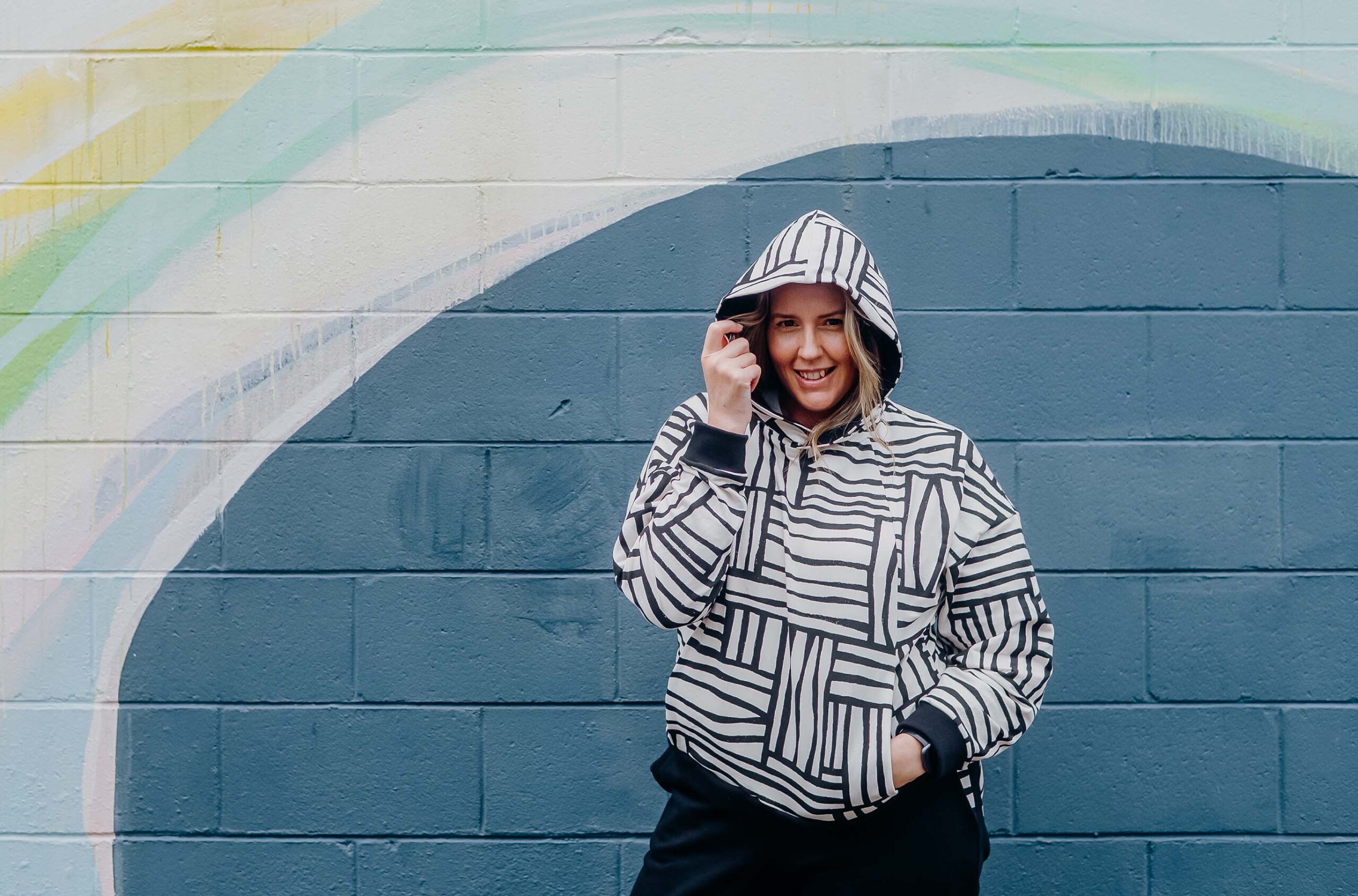
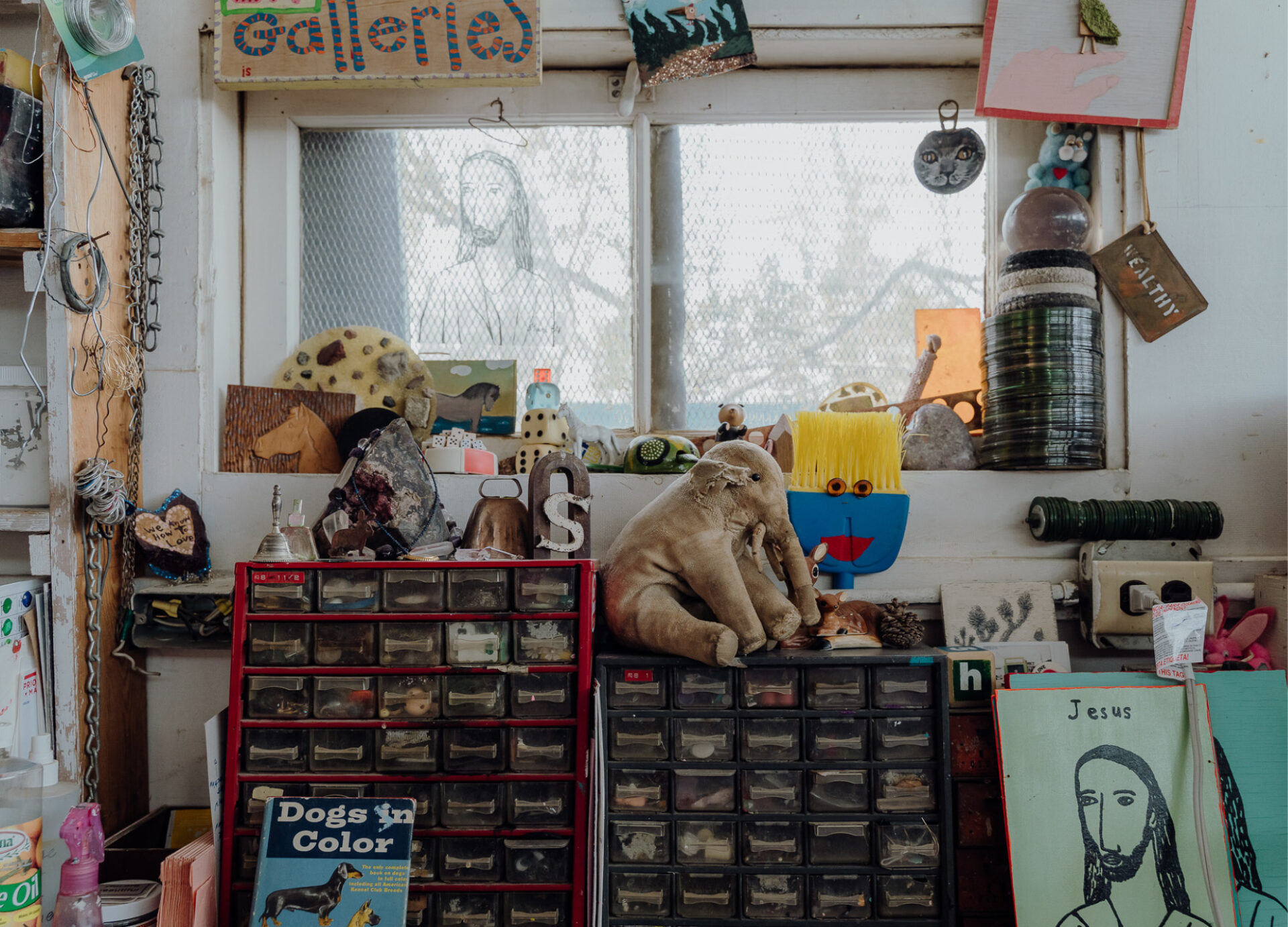
I also enjoy making my own garments from recycled clothing. Today I made a dress using the bottom ruffle of a pale, flowery 1970s homemade dress and a favourite t-shirt from a thrift store that says ‘lose mind control’, over which I added a silk-screened print of Jesus. I don’t really love the word artist; I just do what comes naturally to me – I play.
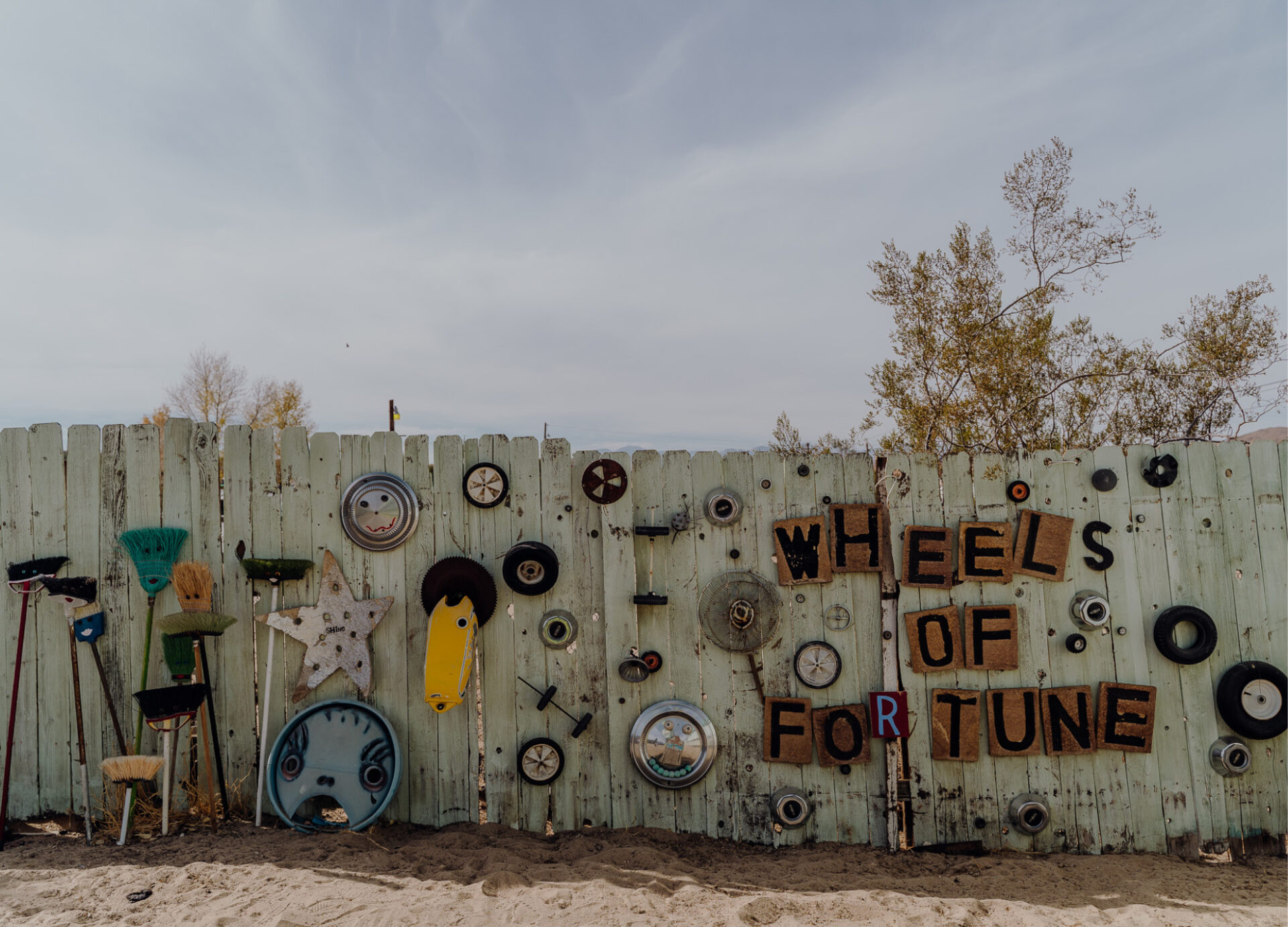
A found object already has some life in it – signs of life experience, an energy from being loved and being on the planet.
Why do you love turning trash into treasure?
Using recycled materials in my art has always been more interesting to me than buying brand-new materials designated as art supplies. I’ve never been that inspired going to a supply store and buying fresh ‘art’ materials, like a blank canvas that’s been made in China. The big art-supply stores today really kill creativity.
The most joy I had as a kid was creating stuff from what I could find in my environment for free, such as trying to figure out how to make a pair of high-heeled sandals from the scraps of wood I’d find at my dad’s job sites – I grew up in Hawaii, where he was a building contractor.
A found object already has some life in it – signs of life experience, an energy from being loved and being on the planet, baking in the sun, weathering a storm. All that gives it an energy I enjoy playing with – plus there’s the satisfying feeling of using something no one else may see value in.
I’ve also come to realise that in the past I was projecting my own sense of being unwanted and cast aside, undervalued. I rescued those items to rescue myself and show them, “See, I am valuable!”
What are your favourite types of materials?
I can work with anything, so it’s hard to narrow it down. I once stopped to pick up all the pieces of a broken pale pink dresser on the side of the road. I imagined the dresser jumping to its freedom from the back of a truck and laying motionless on the road until I rescued it, so I painted “all good things are wild and free” – a quote from Henry David Thoreau – onto one of its side pieces.
How did the World Famous Crochet Museum come about?
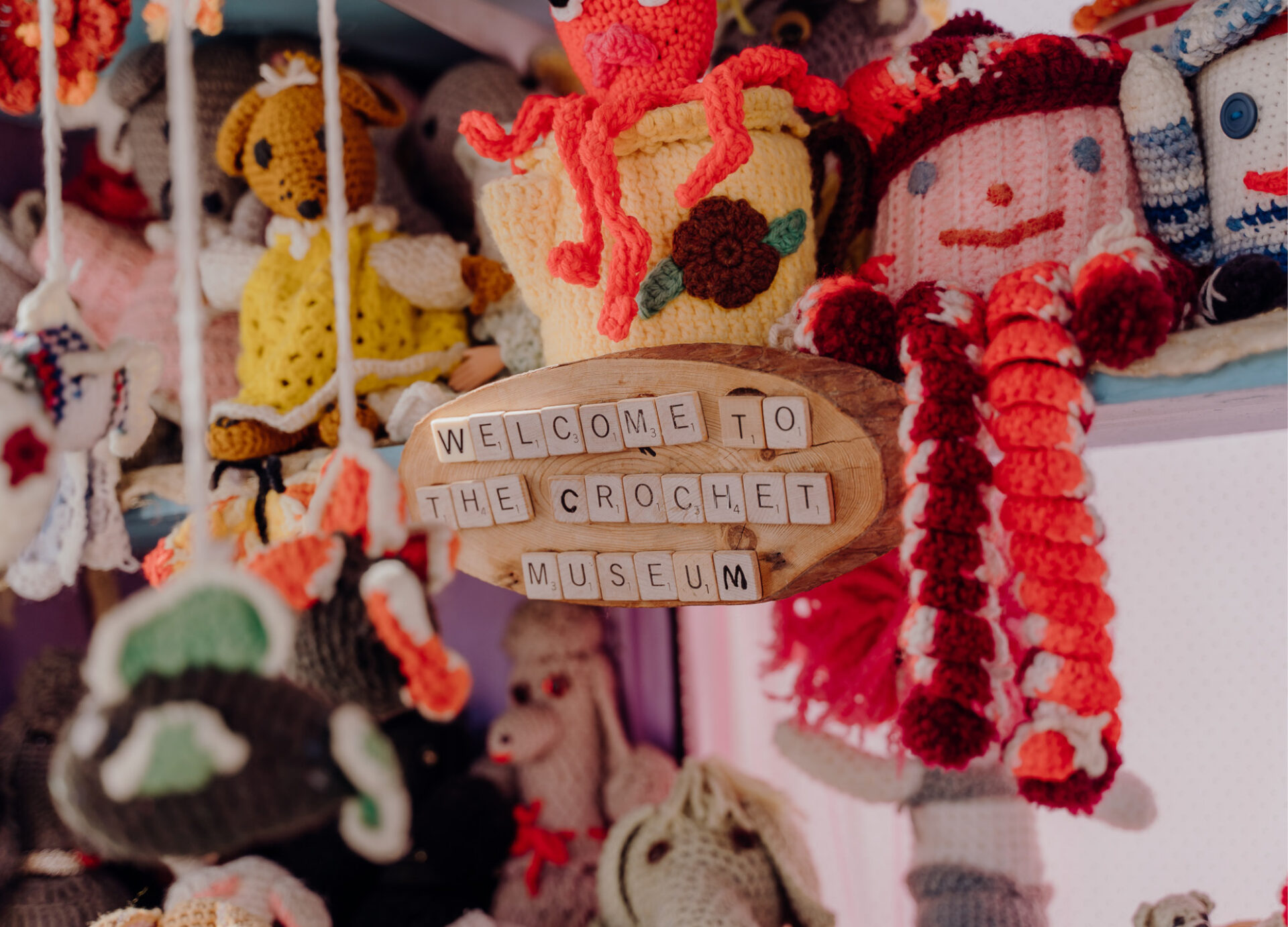
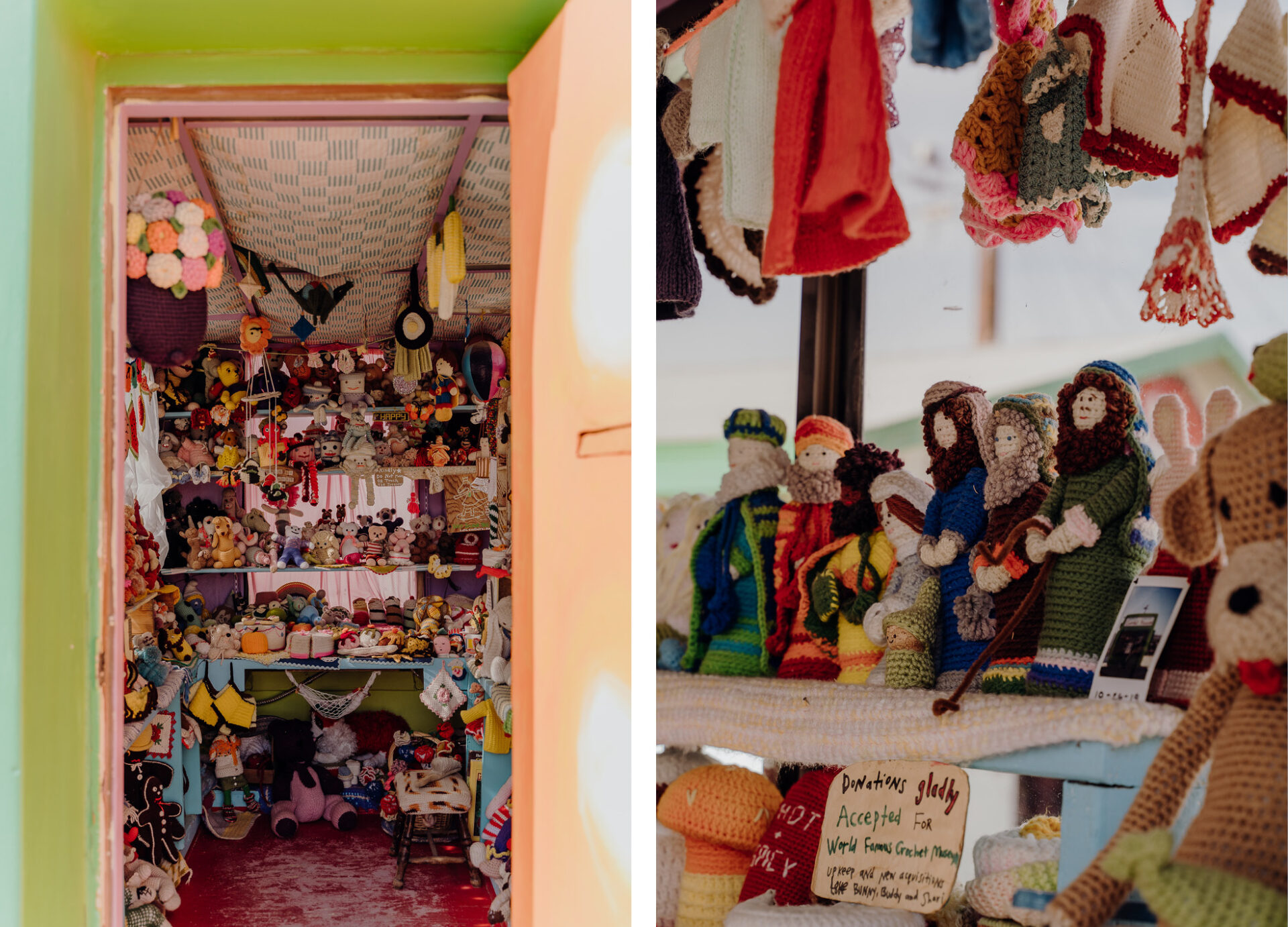
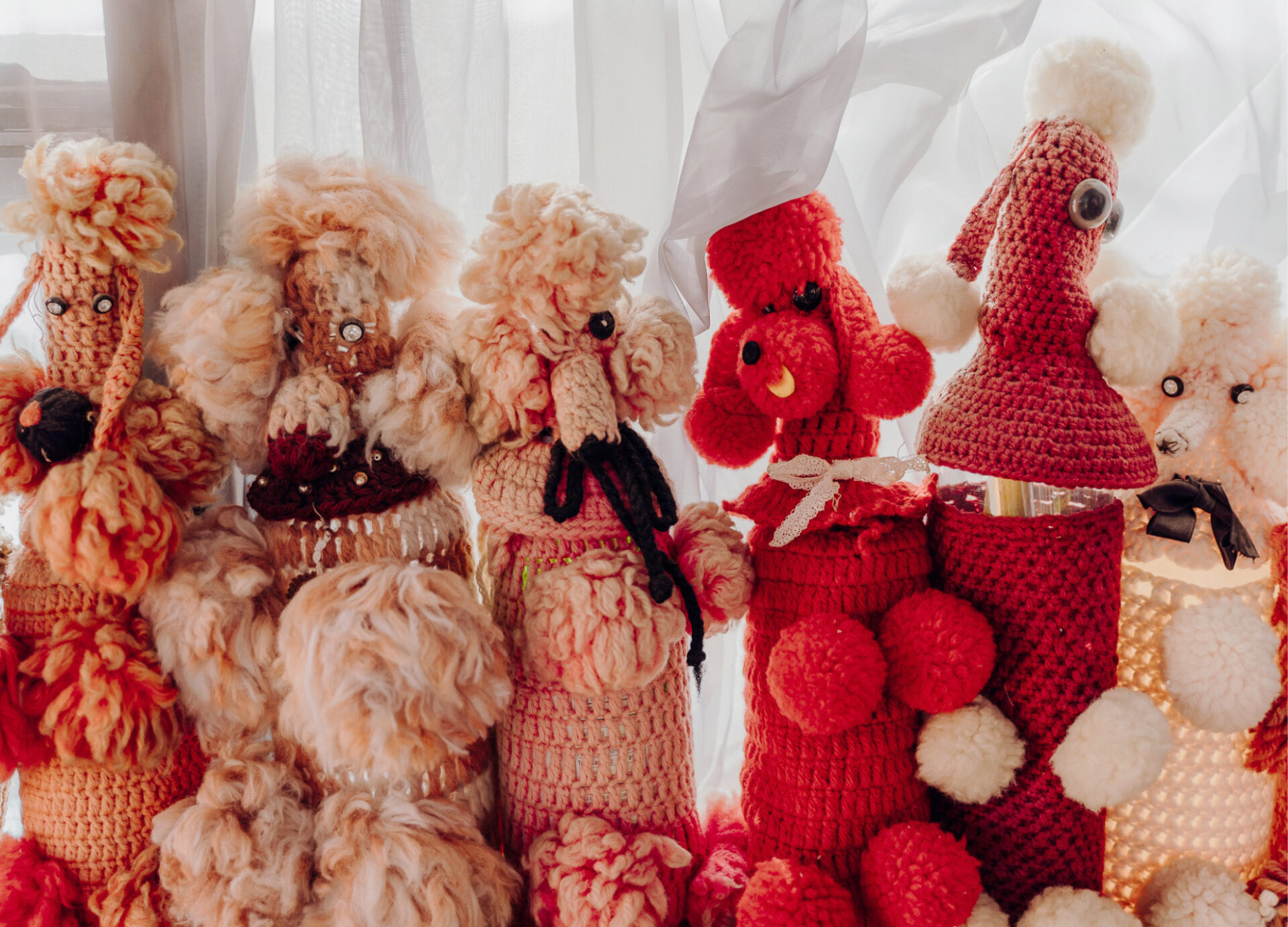
It all started when a fellow folk artist gave me two crocheted poodle bottle covers for my birthday many years ago, and said, “You should collect these.” I wasn’t that on board with the idea, but I put them on my shelf and quickly found companion poodles at a yard sale days later. I guess that’s how collections start – similar things look good together and they magnetise more, and soon you have a large collection of crochet poodles in your bathroom you have to build a special shelf for.
Then you move to Kansas City, Missouri, and, well, they have really good estate sales and thrift stores full of cute crochet animals, so you build a bigger shelf and you jokingly call it the Crochet Museum. Then later, as the collection grows, you somehow end up with an old photo kiosk that used to be a drive-through one-hour photo-processing building, and your new boyfriend just bought a complex with apartments and stores and garages in Joshua Tree that would make the perfect home for it. And you always liked the idea of calling it ‘world famous’ for fun, so you call it the World Famous Crochet Museum and the next thing you know you have a roadside attraction.
Then one day it’s used in an HSBC bank advertising campaign, and you only find out when you start getting photos of it in airports all over the world from friends and fans – the advertisement, with a huge picture of your museum, says: “It favours the unorthodox.”
Why do you love crochet?
I’ve always loved craft, especially the craft of old ladies. What’s not to love about crochet? I adore the colours, feel and texture, and also that you can feel the love that went into the objects, which makes them so much more valuable than anything mass-produced. I also love the humour of the creatures, with their goofy smiles and rhinestone eyes. I don’t crochet myself, though – I just can’t get to the second line!
Tell us about your shop and studio…
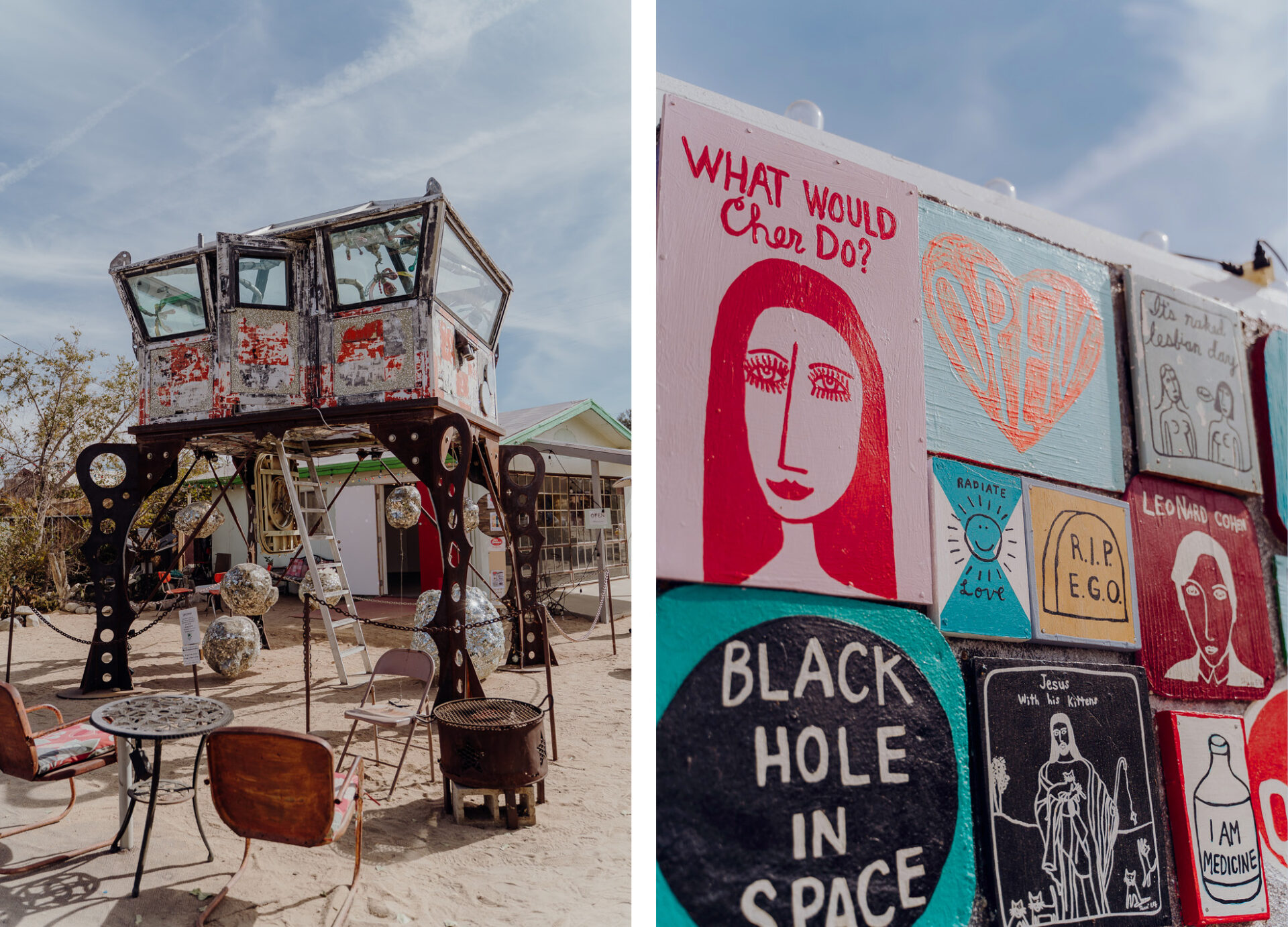
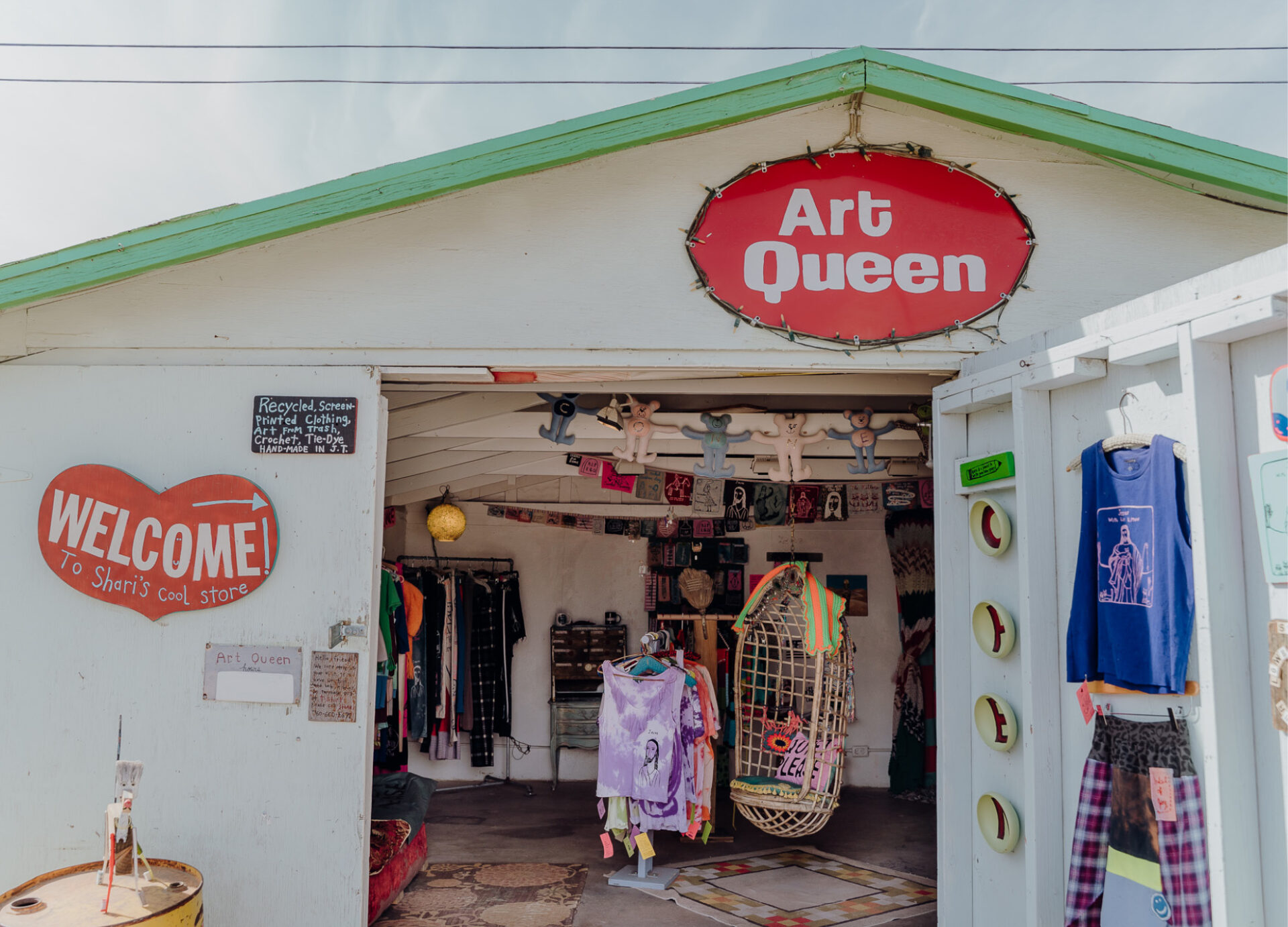
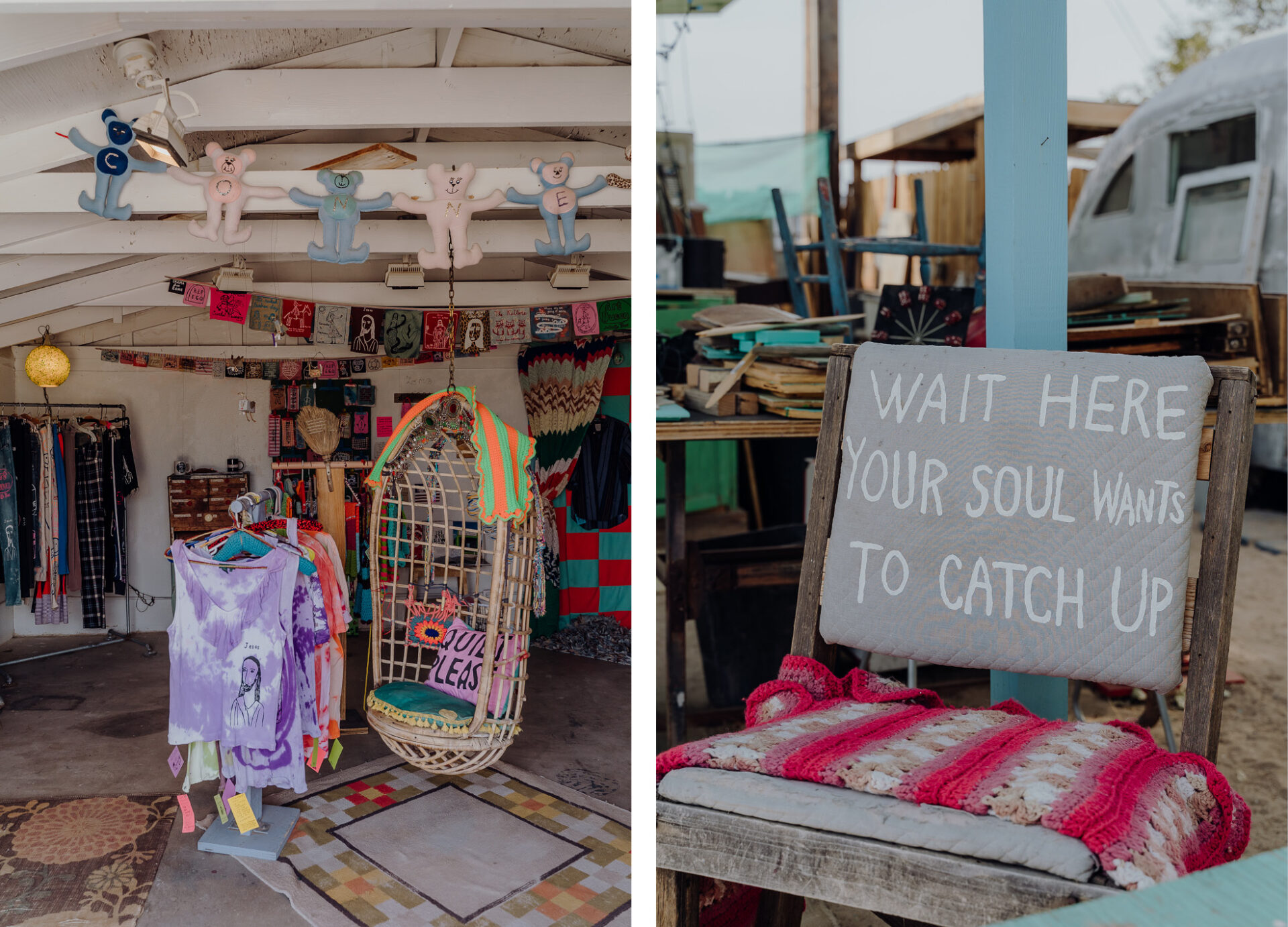
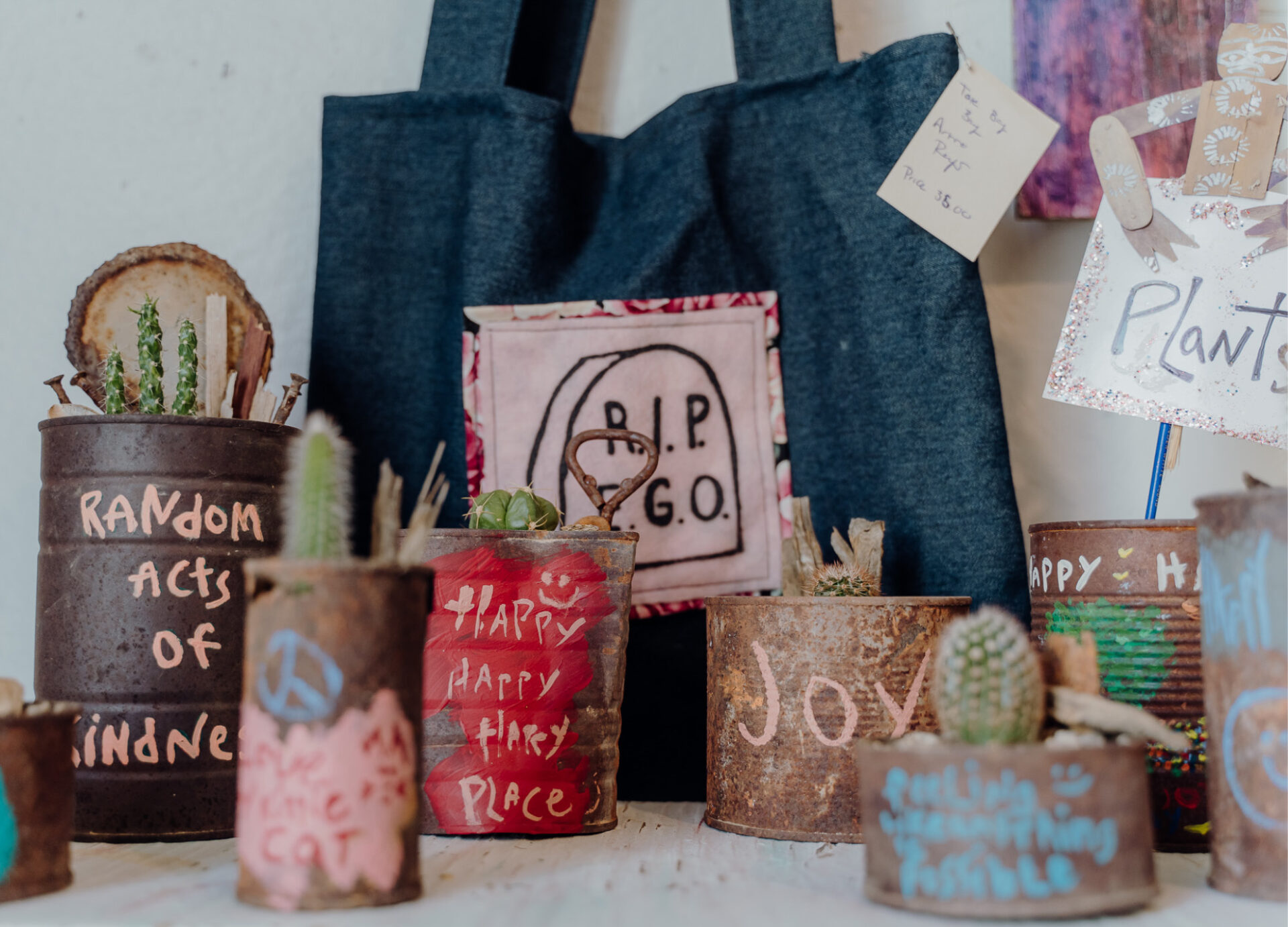
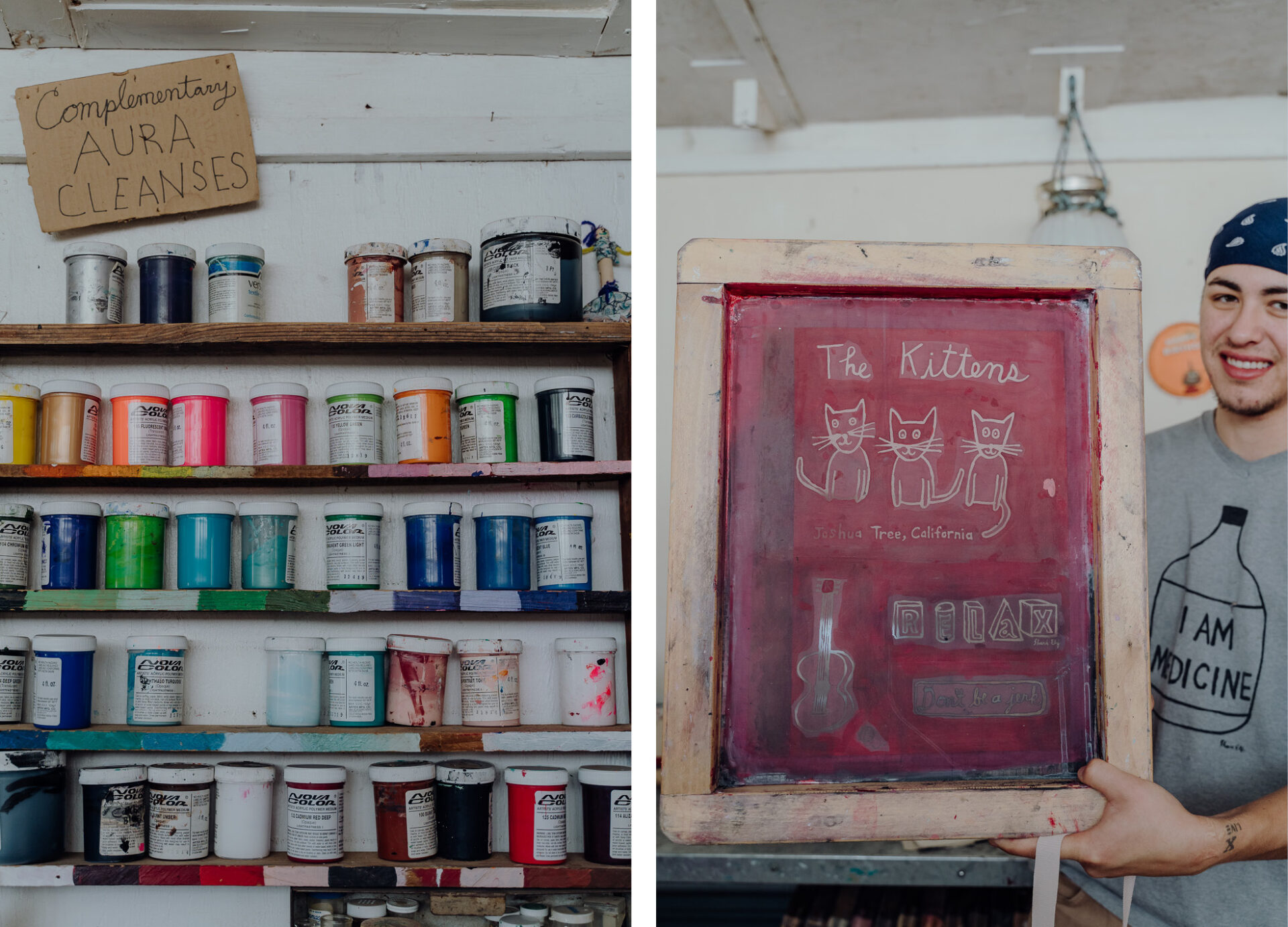
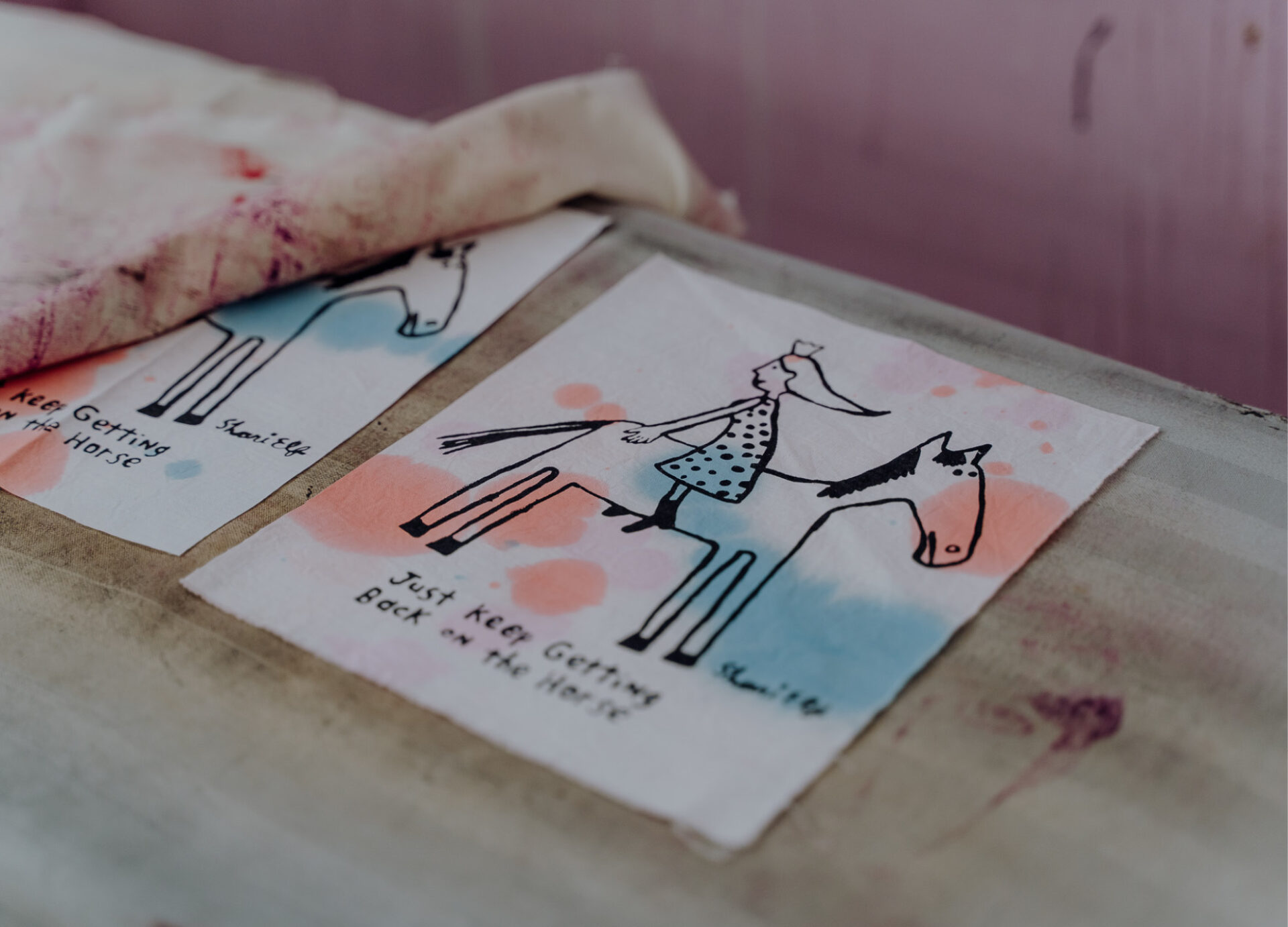
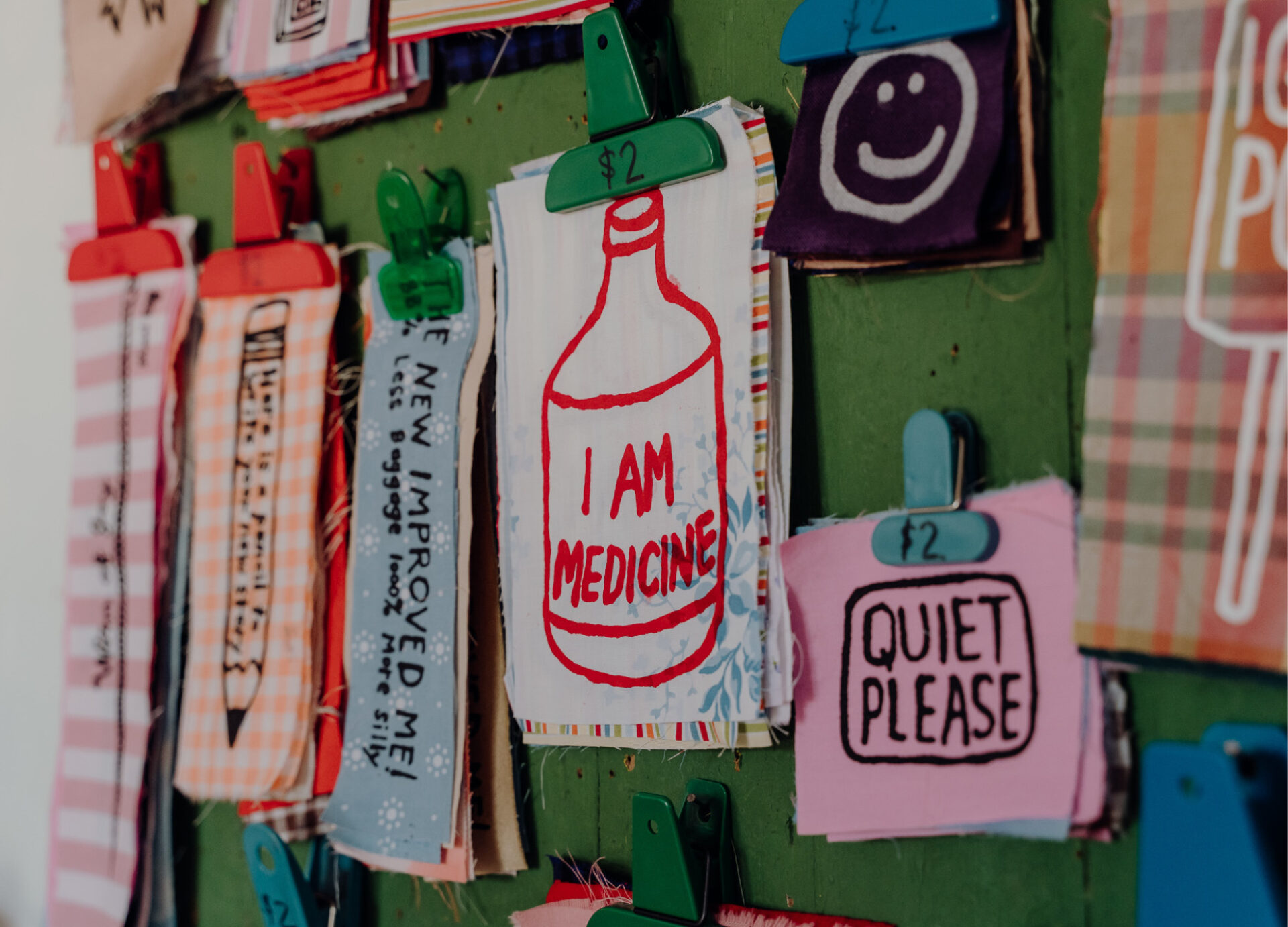
My little store and studio sit alongside the World Famous Crochet Museum in a complex called Art Queen. Owned by artist Randy Polumbo, it’s also home to stores, galleries, apartments and performance stages, as well as the fabulous Beauty Bubble Salon and Museum. The gallery shows a new artist every month, and in store I sell my recycled art, one-of-a-kind clothing pieces and silk-screened recycled clothing items with some of my popular prints, such as ‘What Would Cher Do?’, ‘Jesus with His Kittens’, ‘Leonard Cohen’, ‘Black Hole In Space’, ‘Quiet Please’, ‘It’s Naked Lesbian Day’, ‘RIP EGO’ and, of course, the art from that freedom-loving dresser, ‘All Good Things are Wild and Free’.
What does a typical day look like for you?
A day at work involves tidying up the store and hanging out with my studio cat, Dusty Springfield, who showed up 14 years ago as a feral kitten. I might print some t-shirts or make some of my one-of-a-kind pieces of clothing or recycled art while saying hello to visitors and asking where they’re from. I often tell them, “I have the best life – I get to make stuff and put it in my store and people buy it.”
I’m really interested in balancing my yin and yang energies, so having more structure within which to play has been my challenge. I take two days off per week, and have lately enjoyed taking Saturdays to reconnect to my spiritual life – as one of my prints says, “Wait here, your soul wants to catch up.”
I love making things with my hands, and I’m so grateful my mom sent me to sewing lessons (that I really hated at the time) all those years ago. I think of her and thank her – she’s in heaven now – as I sit in my sunny California sewing room having such fun making things that I then see bring lots of joy to someone else.
How would you describe your aesthetic?
Distressed meets delightfully charming and goofy with lots of colour and fun. But ask me another day and it might be something else!
What’s your life philosophy?
My life philosophy is a quote from myself and one of my screen prints: “Where are we going if we’re not going to love?” Life is about love, and everything else is just an illusion.
Where are we going if we’re not going to love?
This article originally appeared in Issue 45 of Peppermint. Click here to get your hands on back issues and our lovely Sew&Tell digital magazines.