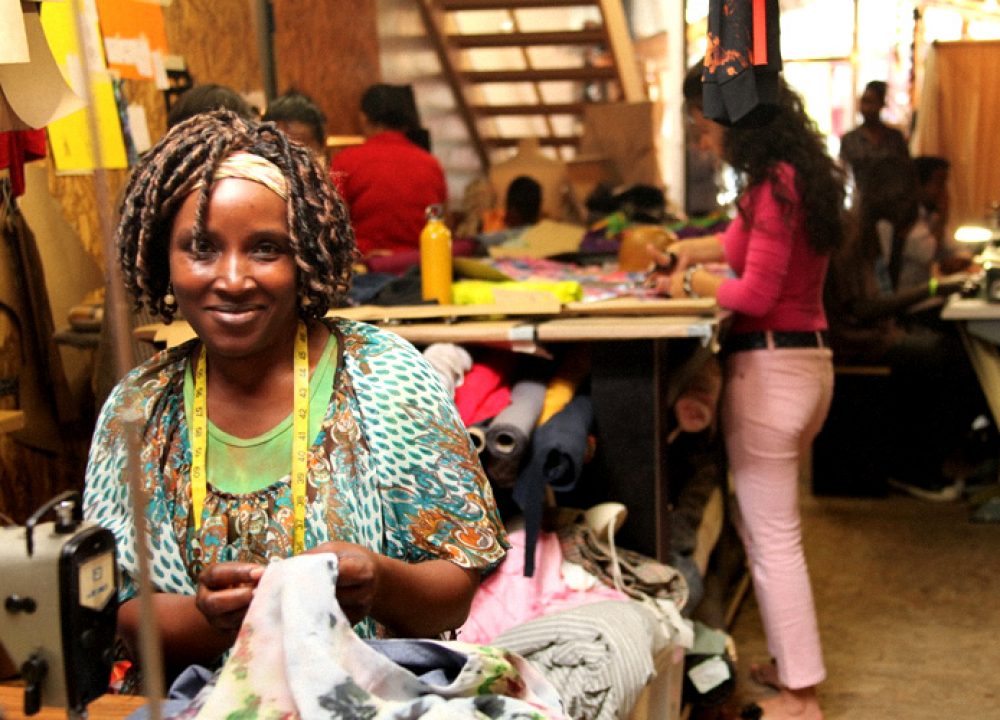
 Most of us know that garment makers in the clothing industry endure poor conditions and low pay, but it’s an issue now drawing increasing media attention: last year’s horrific garment factory fire in Bangladesh killed over 100 people, and in January, Cambodian factory workers’ ongoing campaign to increase their wages (the second-lowest in the world) erupted into violent street riots. Now, Australia is facing its own clothing controversy, following the federal government’s recent announcement that it intends to cut all funding for Ethical Clothing Australia (ECA) – a decision that’s divided opinions across the Textiles, Clothing and Footwear (TCF) industries.
The ECA was initially established to help the TCF industry improve conditions for workers. In 1996, the Council for Textile and Fashion Industries in Australia (TFIA) and the Textile Clothing and Footwear Union of Australia (TCFUA) created a Homeworkers Code of Practice in an effort to avoid worker exploitation. This led to the launch of the ‘No Sweat Shop’ label in 2001, which became Ethical Clothing Australia in 2010 after the government increased its funding. The ECA largely relies on this money to ensure that TCF businesses abide by the Code, and it also receives funding through its accreditation and labelling program, which allows it to help businesses and designers establish transparent and ethical operations.
Unsurprisingly, the ECA has condemned the government’s actions, with ECA national manager Simon McRae stating that the accreditation program was ‘internationally recognised as best practise’ and had helped thousands of homeworkers attain decent wages and working conditions. The TCFUA has also stepped in to offer its support – national secretary Michele O’Neil has described the government’s decision as ‘a green light to exploitation’. From 1 July, TCF manufacturers will no longer have to be accredited under the Code, which O’Neil describes as a ‘wrong move … dressed up as cutting red tape’, since it is ‘removing any requirements for companies to be ethical’; to cut the ECA’s funding, she says, is ‘letting the industry down’.
However, some key industry players have welcomed the cuts. The TFIA’s CEO Kiri Delly feels that ‘the Code administered by the ECA went too far in its support of the union-led campaign to hinder the industry, which has resulted in a decimation of any TCF small business and an acceleration of jobs moving offshore’. The TFIA is committed to supporting ethical practices and fair working conditions for clothing and textiles industry employees, and, according to Delly, has ‘focused its energy on rallying the industry to create a business environment that supports local jobs and entrepreneurship’.
Fashion labels have also contributed to both sides of the debate. Australian retailer Cue has expressed its disappointment over the government’s decision, with CEO Damien Peirce-Grant stating that his company ‘works closely with its manufacturers and works closely with ECA to maintain an ethical workplace’. Similarly, Lis Harvey of NICO Underwear feels that ECA allows brands ‘to guarantee ethical labour practices in an industry that suffers from a lack of transparency and accountability’ and hopes that ‘when making budgetary decisions, governments would consider the growing demand for services such as ECA from an increasingly socially aware population’.
Conversely, Sean Watson of ethical clothing line Pure Pod, who ‘fully supported the original ideology of the ECA’, thinks that to have ‘had their funding continued, the ECA had to have been a totally independent organisation, with more industry representation, and not seen by most as simply a union shop front’. Sean even went as far to suggest that ‘perhaps they should have been concentrating their efforts on preventing the import of cheap clothing from companies in such countries as Bangladesh’.
Despite these differences of opinion, it seems that ultimately, what industry bodies and consumers all want is to achieve ethical improvement in a trade that’s too easily associated with low wages, dire working conditions and worker exploitation. The ECA were operating with the best interests of companies and their employees at heart: in a recent statement, it confirmed that it would continue to support accredited brands and ‘fight for a fair and ethical Australian TCF industry’. At the very least, the funding cuts have helped once again focus attention on the important human rights issues attached to our fondness for fashion – attention that we hope will lead to long-term positive change.








As issue 64’s gorgeous cover artwork by artist @LisaCongdon proudly proclaims: you belong here. Yet for trans and non-binary people, acceptance still remains hard won – and increasingly under threat.
In our latest issue, we spoke to actress and transgender rights advocate @GeorgieStone, multi-hyphenate life coach, pilates and meditation teacher, diversity educator and runway model @RudiLandmann, artist and seven-time Archibald finalist Kim Leutwyler (@CarlosBob) and multidisciplinary artist Sunday Jemmott of @SundaysArtClub about their wins and worries – and why belonging matters deeply.
Read more from our ‘Transforming the Narrative’ feature in issue 64, at newsagents and stockists now!
Photos: @NickCog, @KateLukePhotography for @DangerousFemales, Kim Leutwyler, @RissVisualStudio
#PeppermintMagazine #YouBelong #TransLivesMatter #NonBinary #HumanRights


Who’s going to the sold out Liberty Fabrics Showcase in Brisbane or Melbourne? 🙋♀️
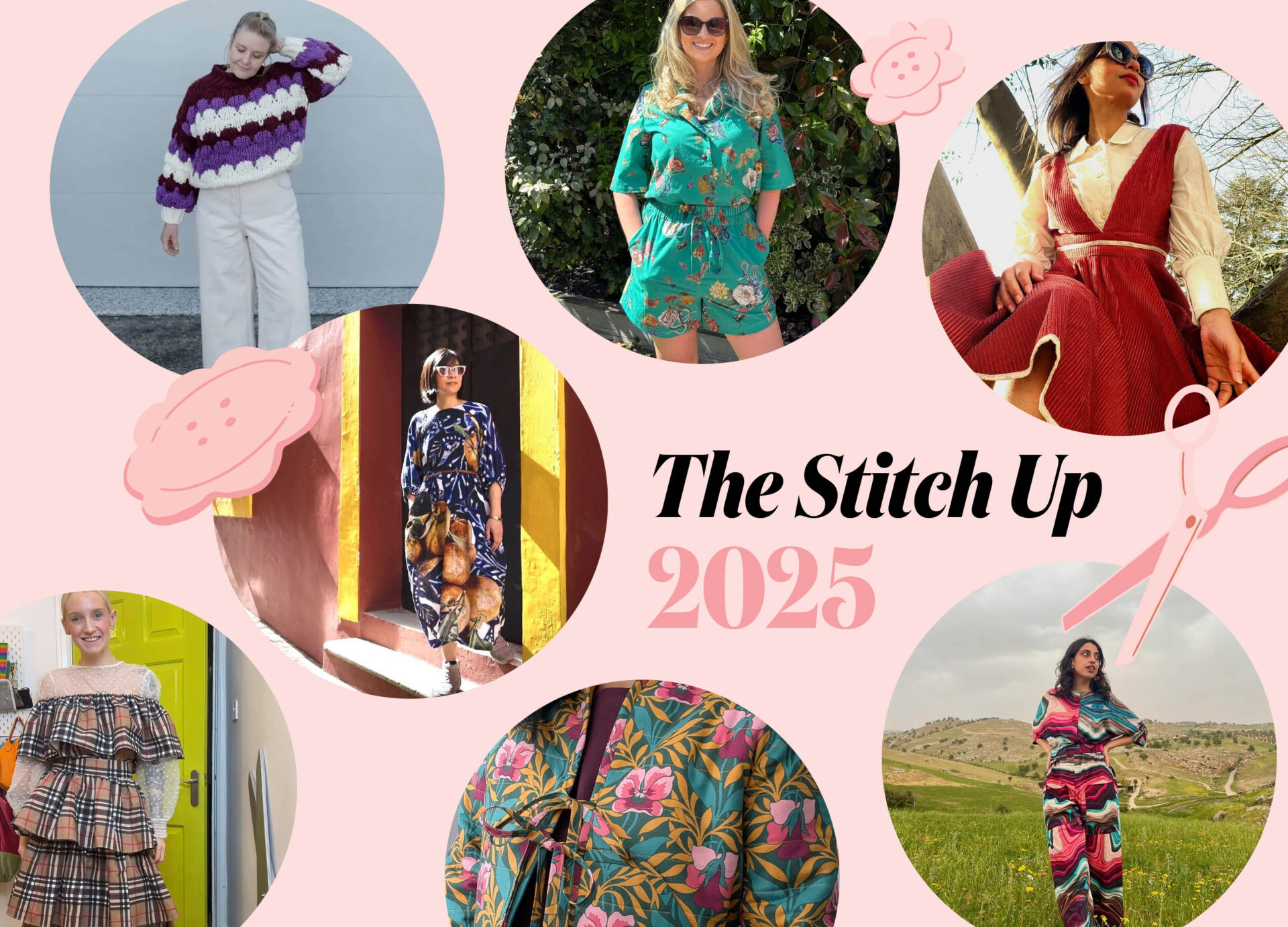
To say we’re excited is an understatement! Maybe we’re biased because our lovely Laura (Sewing Manager) is walking in the fashion parade along with many other incredible sewists in our community, but also - there’s SO many good things: retail stalls featuring exclusive products, rare finds and all things @LibertyFabrics, and sneak peeks at brand-new quilting and fashion collections, including the Liberty Fabrics Spring/Summer ‘Floral Rebellion’ collection.
Also - Liberty legends Mary-Ann Dunkley (Head of Design) and Anna Buruma (ex-Head of Archive) are flying in from London especially!
Keep an eye on our socials this weekend for BTS! 🌸🌼🌺
Brisbane 7/2/26
Melb 14/2/26
From @Laura_The_Maker:
If you know me irl then you probably know that I only do one take for my reels so enjoy this vid of me saying thousands of words about an exciting collaboration I’m participating in for 2026!
Thanks to the teams @2GreenZebras @Regent_Street_Fabrics and @StyleArc for including me on the runway. I absolutely can’t wait!
Obviously I’ll be hoping for enough scrap fabric to make some kind of accessories…
#libertyfabrics #libertyfabricsshowcase

🌻 The Paddington 🌻
This is a much-loved staple, created for Issue 50 in 2021. We love seeing the #PeppermintPaddingtonTop continually popping up in our feeds!
How stunning is our model Elon MelaninGoddessEfon – she told us it was one of the first times she had been asked to come to a shoot with her natural hair. 🌻
We worked with South African patternmaker Sarah Steenkamp of @FrenchNavyNow_ to create this wardrobe essential – the perfect puff-sleeve blouse. Raglan sleeves make it the ultimate beginner sew, plus the gorgeous back buttons let you add your own personal twist.
Pattern via the link in bio! 🪡
Photos: @KelleySheenan
Fabric: @Spoonflower
Model: MelaninGoddessEfon

“In the 1940’s, Norwegians made and wore red pointed hats with a tassel as a form of visual protest against Nazi occupation of their country. Within two years, the Nazis made these protest hats illegal and punishable by law to wear, make, or distribute. As purveyors of traditional craft, we felt it appropriate to revisit this design.”
Crafters have often been at the heart of many protest movements, often serving as a powerful means of political expression. @NeedleAndSkein, a yarn store in Minnesota, are helping to mobilise the craftivists of the world with a ‘Melt The Ice’ knitting pattern created by @Yarn_Cult (with a crochet pattern too), as a way of peaceful protest.
The proceeds from the $5 pattern will go to local immigrant aid organisations – or you can donate without buying the pattern.
Raise those needles, folks – art and craft can change the world. 🧶
Link in bio for the pattern.
Images: @Gather_Fiber @NeedleAndSkein @a2ina2 @KyraGiggles Sandi.204 @WhatTracyMakes AllieKnitsAway Auntabwi2
#MeltTheIce #Craftivism #Knitting #CraftForChange

TWO WEEKS TO GO! 🤩
"The most important shift is moving from volume-led buying to value-led curation – choosing fewer, better products with strong ethics, considered production and meaningful stories. Retailers have real influence here: what you buy signals what you stand for. At Life Instyle, this means using the event to discover and invest in small-scale, planet-considerate brands that align with your values and your customer’s conscience. Consumers don’t need more things; they need better things, and retailers play a key role in selecting, contextualising, and championing why those products matter."
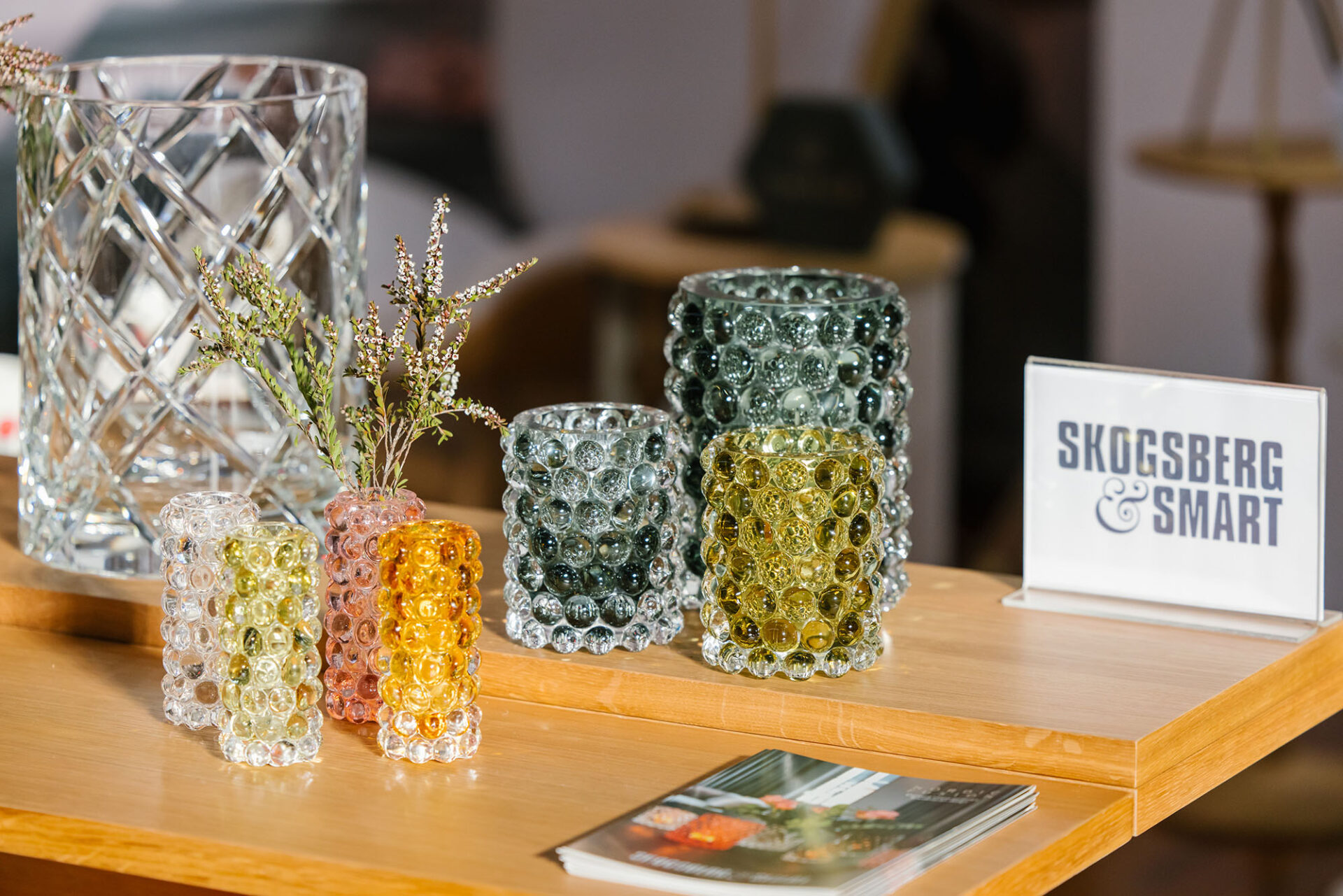
Only two more weeks until @Life_Instyle – Australia`s leading boutique retail trade show. If you own a store, don`t miss this event! Connect with designers, source exquisite – and mindful – products, and see firsthand why this is Australia’s go-to trade show for creatives and retailers alike. And it`s free! ✨️
Life Instyle – Sydney/Eora Country
14-17 February 2026
ICC, Darling Harbour
Photos: @Samsette
#LifeInstyle #SustainableShopping #SustainableShop #RetailTradeEvent

Calling all sewists! 📞
Have you made the Peppermint Waratah Wrap Dress yet? Call *1800 I NEED THIS NOW to get making!
This gorgeous green number was modelled (and made) by the fabulous Lisa of @Tricky.Pockets 🙌🏼
If you need a nudge, @ePrintOnline are offering Peppermint sewists a huge 🌟 30% off ALL A0 printing 🌟 when you purchase the Special Release Waratah Wrap Dress pattern – how generous is that?!
Head to the link in bio now 📞
*Not a real number in case that wasn`t clear 😂
#PeppermintWaratahWrapDress #PeppermintPatterns #SewingPattern #WrapDress #WrapDressPattern
