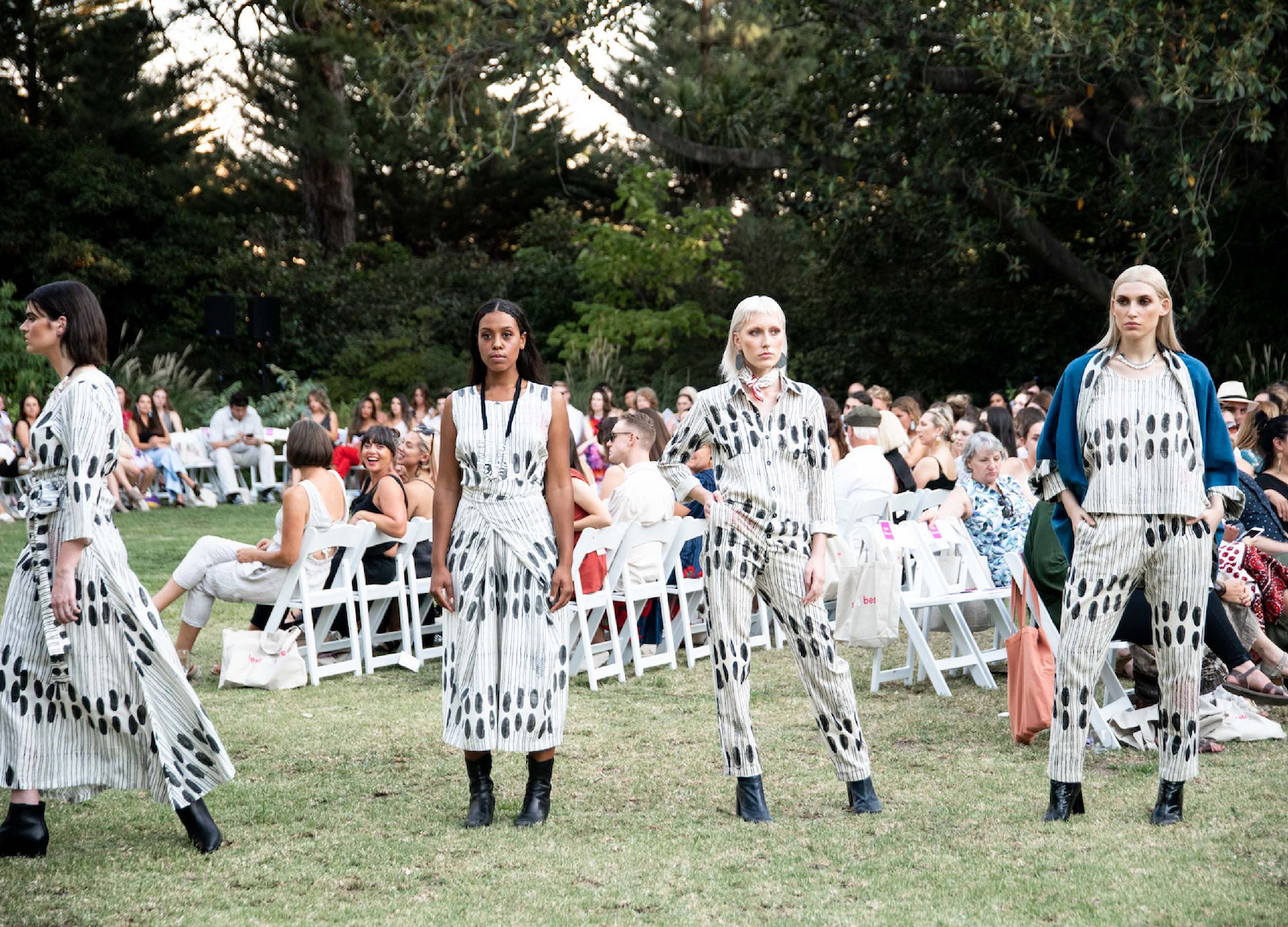
words CLAIRE GOLDSWORTHY photos SUPPLIED
Claire Goldsworthy has re-launched, re-branded and re-birthed The Fashion Advocate – pivoting in the looming face of fast fashion to share everything she knows about business and sustainable fashion.
After 10 years of running the largest online store for ethical and sustainable fashion in Australia, I recently hung up my heels and closed The Fashion Advocate’s online store.
Over the past decade, I’ve poured my blood, sweat and tears into The Fashion Advocate, desperately clutching at my dream to change the fashion industry for the better, but here we are.
This Joan of Arc-esque pursuit of positive change started long before The Fashion Advocate. I started my first circular fashion label when I was 18, and launched my first sustainable fashion PR company when I was 22. Then came the country’s first and largest exclusively Australian-made online fashion store, The Dress Collective, and in 2014, I founded The Fashion Advocate. It started as a blog and grew to become the largest online store for ethical and sustainable Australian and New Zealand fashion, and it was something truly spectacular.
But after 10 years, I still felt like we were merely a drop in the ocean, fighting a losing fight against fast fashion.
Sure, we did some great things in our time and sprinkled a little bit of sustainable magic into thousands of wardrobes around the country too. We hosted the country’s largest sustainable fashion runway at Melbourne Fashion Festival. We opened two ethical and sustainable fashion stores in Melbourne. We stocked some of the country’s most innovative sustainable and circular fashion designers and with the help of our beautiful community of customers, we also donated thousands of dollars every year to good causes.
After 10 years, I still felt like we were merely a drop in the ocean, fighting a losing fight against fast fashion.
At a time when the fashion industry didn’t value or understand sustainability, it was all we did. It was hard going against the grain, but we did it, and I thought we did it really well, but the facts just seemed to continue to stack up against me. Yes, The Fashion Advocate was a multi-award-winning e-commerce store. And yes, we stood for something so much more than just sustainable online shopping. And yes, we led the conversation for change in our tiny community. But what did we really achieve?
READ MORE – “Every Garment Counts”: Why The Fashion Advocate Made the Decision to Stop Stocking Polyester
We eliminated plastic from our shipping network. We banned polyester from our online store. We established a 10-value system that our labels had to abide by and we made ethical production a non-negotiable. In the 10 years that I ran The Fashion Advocate as an online store, we did some really amazing things. But in 2022, Shein became the world’s largest fashion retailer…
I felt like the 10 years of what I’d built was never going to be enough to change what was rapidly happening in my industry – a regression of ethics and values and common sense. And who were we to compete against the likes of Shein, Zara, H&M and Forever 21 at the rate we needed to, to see serious change and stop the climate crisis that fashion was causing?
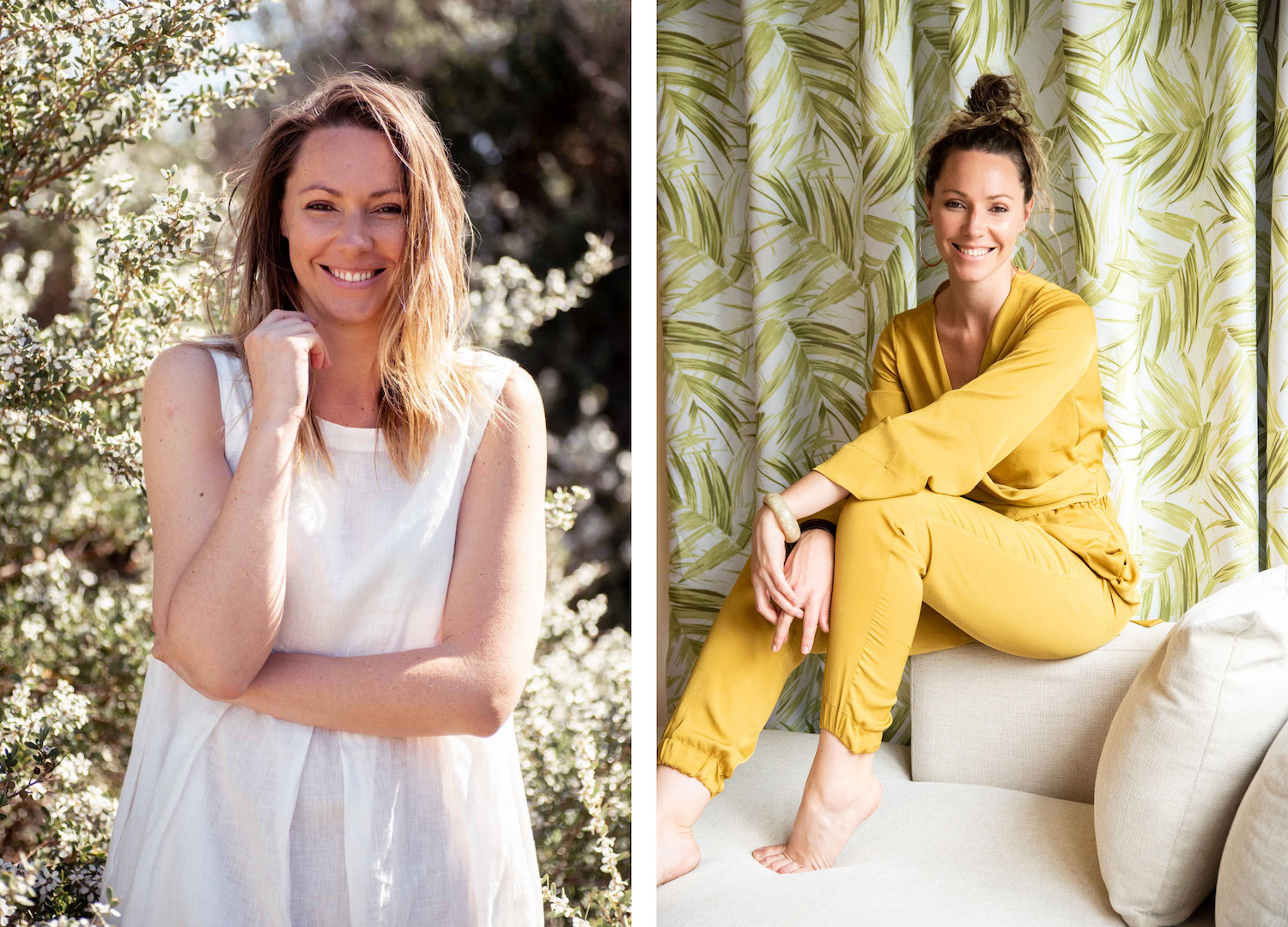
It was at this point in time that I realised something big. I couldn’t sell clothes anymore. I had to create systemic change. My burning desire to make the world a better place through fashion needed to be brought to life with some real flag-burning, soap-box standing, fists-on-the-table kind of action. I wanted to play a bigger role in the fashion industry, and I wanted to make sure I was doing everything I could to run the best possible business with the biggest possible impact.
I want to kick my sustainable sneakers in the doors of the fashion giants who need a little education on the state of the planet and our people, and I want to prove that the future of fashion has to be sustainable, or we’ll have no future at all.
I want to inspire fashion brands to use their businesses as a force for good and create positive social and environmental change. I want to teach brands to value more than money, and I want to show them just how beautiful natural alternatives to polyester can be so they stop using it. I want to kick my sustainable sneakers in the doors of the fashion giants who need a little education on the state of the planet and our people, and I want to prove that the future of fashion has to be sustainable, or we’ll have no future at all.
I want to change the fashion industry for the better from the inside out and from the cutting room floor up, so now I’m working with brands and businesses instead of customers and shoppers because brands and businesses control whether fashion becomes a solution for global problems or a serious problem for our future.
Fashion itself isn’t bad; fast fashion is.
Ethical, sustainable, circular and slow fashion is the good stuff we need to see more of, so I’m determined to help the good brands succeed because the world needs a little more good.
WANT MORE SUSTAINABLE FASHION CONTENT? RIGHT THIS WAY!


Between 2000 to 2015, global clothing production doubled... while the duration of garment use decreased by 36%.
We are throwing away clothing at a faster rate than ever before. How can we tackle this problem?
✨️ WEAR
Be an outfit repeater - wear your items of clothing as long as possible. Learn to style your garments in various ways. Loved clothing lasts.
✨️ SHARE
If you really need to move it along, share the love with friends - hold a clothing exchange night! Or organise a timeshare with a friend where you swap a few favourite pieces of fashion. If you really can`t find a new home for it, then donate to an op shop or charity.
✨️ CARE
The care of your clothing – washing, drying and ironing – can account for approx 30% of a garment`s total carbon footprint. Hand wash, line dry, wash in cold water, and only wash when necessary.
✨️ REPAIR
Mending – and making – slows down fast fashion buying habits. Repairing used to be common practice, until disposable fashion took over. Extending the life of clothing by just nine months can reduce carbon, water, and waste footprints by 20–30%. Fixing doesn`t need to just be utilitarian – get creative with visible mending!
*Fact from The United Nations Environment Programme
#PeppermintMagazine #WearShareCareRepair #SustainableFashion


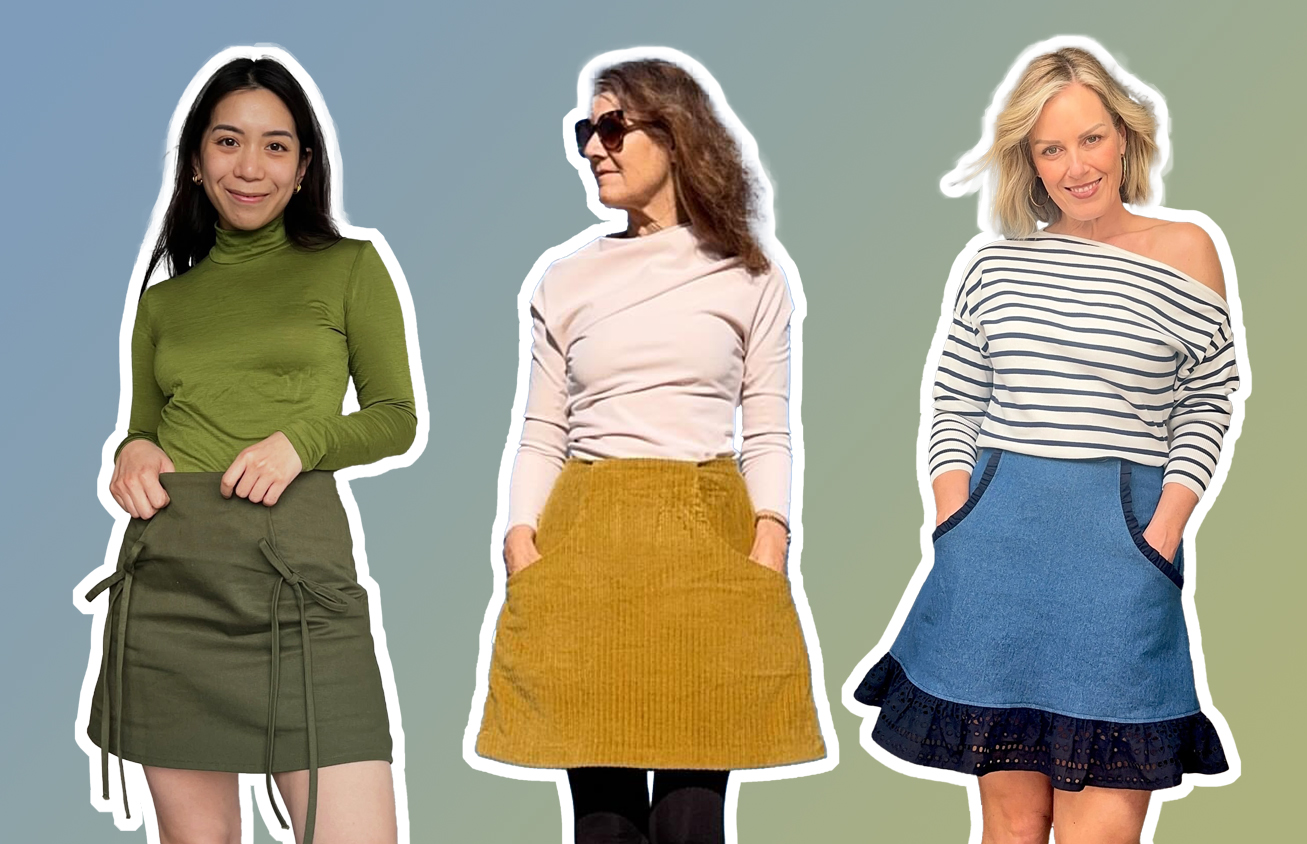
Have you whipped up the Acacia A-Line Skirt yet? 🪡
Accessible to beginner and experienced sewists alike, its classic style makes this skirt a wardrobe staple and a pattern you can happily play on repeat. Curved front pockets and the fun exposed-zip detail at the centre back make this style pop! The Acacia is a blank canvas, awaiting inspiration – add contrast top stitching, trim the pockets with bias binding or even change the length. We’ve chosen the smooth, clean lines that come from facing the waist, with back darts to ensure a neat fit on the hip. *chef’s kiss*
This pattern was made with the support of the lovely folk at @WeftAndWarpFabrics 🫶🏼 The team at Weft and Warp graciously sent three sewists the fabric of their choice to whip up their own Acacia A-Line – the results are super sweet!
Head to our website to see the makes from @The.Sewcialite @HandmadeByCarolyn and @You_CanSew - link in bio!
#PeppermintAcaciaAlineSkirt #PeppermintPatterns #WeftAndWarpFabrics #MeMade

Polka dots for days…
We love this Tansey Top by @_Rubys_Threads_ - the ultimate simple but stylish top you need in your rotation now!
Pattern: #PeppermintTanseyTop
Fabric: Japanese cotton @RawFibre
#MeMade #PeppermintPatterns

How`s your long weekend going? Working hard on your PhD? 🪡✂️🧵
Image from JoellsLeatherWorks on @Etsy
#ProjectsHalfDone #SewingPile #ProjectPile

In case no-one has told you lately, Emma Giacalone says you`re a good egg. (And we happen to agree).
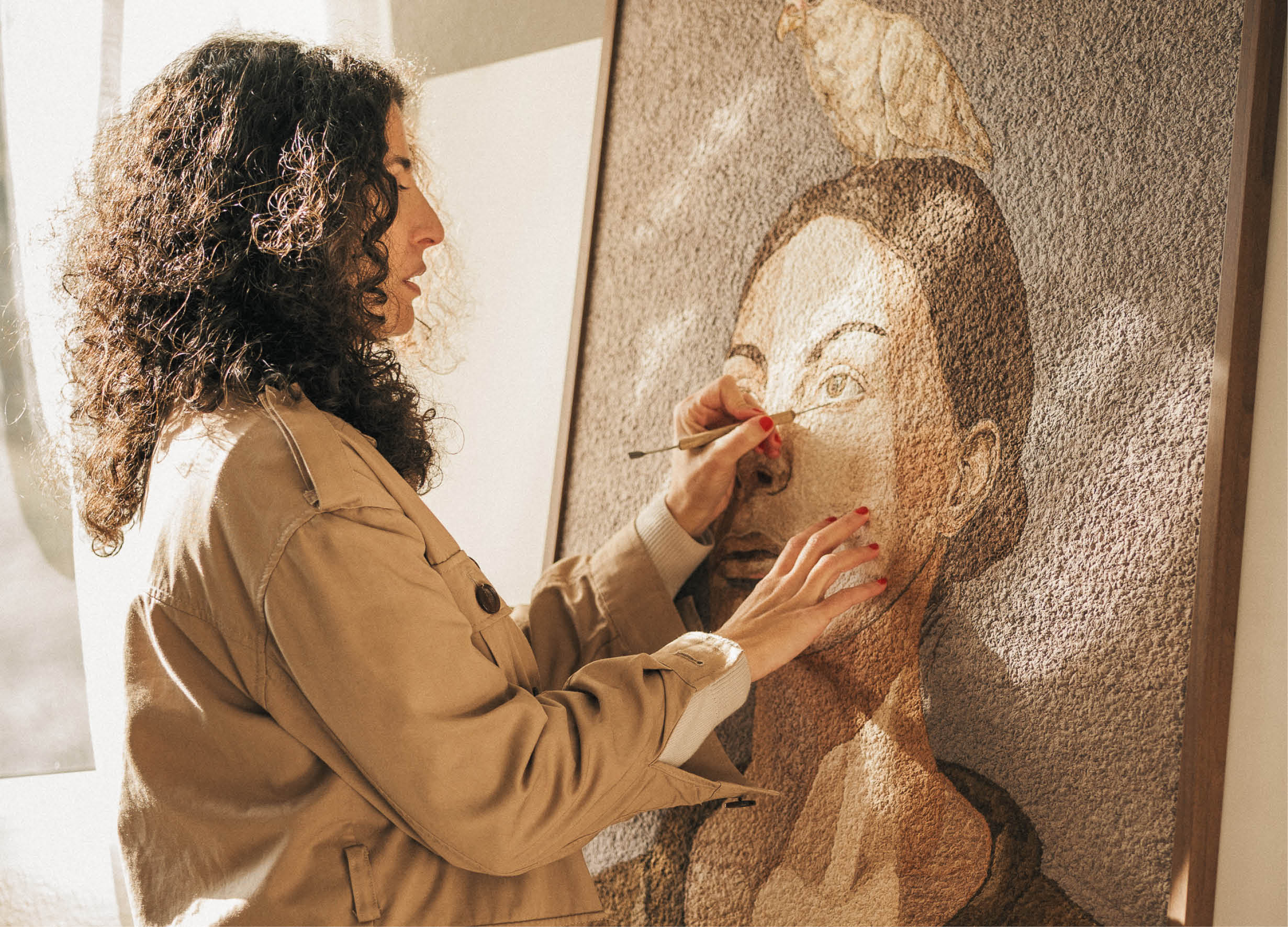
This incredible mini egg embroidered 3D artwork was created by @Emma_Giacalone_Textiles, a textile artist in Gloucestershire, UK.
"When we buy an item of clothing, a label is attached telling us how to look after it to keep it at its very best. My mission is to create little care instructions to help to remind us to lead our happiest life."
INGREDIENTS: Freehand machine embroidered onto 100% cotton, using Egyptian cotton thread, and wool felt backing.
#EasterArt #GoodEgg #TextileArt

No ordinary wrap dress! 💃
Wrap dress wardrobe malfunction? Not with the Peppermint Waratah Wrap Dress pattern! We designed the Waratah to make sure this never happens.
Enjoy a few BTS videos from this super fun shoot. Maybe some inspo for Easter weekend sewing?
MODELS/SEWISTS: @Melt.Stitches, @KatieMakesADress @Tricky.Pockets @Laura_The_Maker
Head to the link in bio for the #PeppermintWaratahWrapDress 🪡
#PeppermintPatterns #SewingPattern #MeMade #WrapDress
