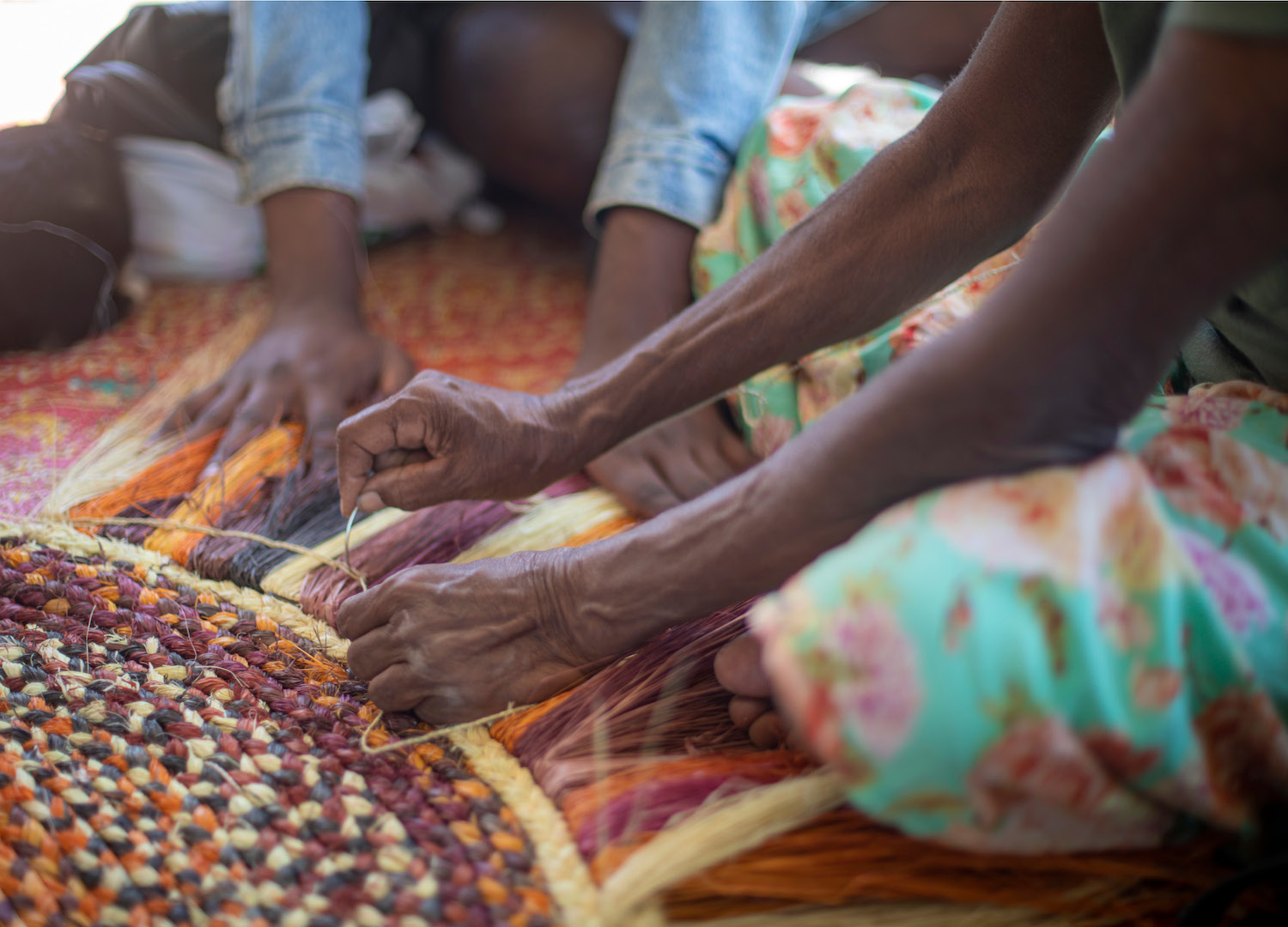
photos DURRMU ARTS
The National Indigenous Art Fair – an ethical marketplace of First Nations art, design, food and culture – will return to Sydney Harbour’s foreshore early next month to showcase artists, designers and makers from remote community art centres around the country.
In addition to the veritable feast of art and design stalls, the National Indigenous Art Fair will also present a dazzling program of live cultural experiences at The Rocks – including music and dance performances and a weaving circle.
“The National Indigenous Art Fair represents an incredible gathering of Aboriginal and Torres Strait Islander creatives from across Australia and all the different styles of art of those regions, with many artists travelling from the far corners of Australia – places like Aurukun in remote Queensland, and Ramingining, the Tiwi Islands and Yuendumu in the Northern Territory. It presents a rare and exciting opportunity for Sydneysiders to interact directly with the makers,” said Peter Cooley, CEO of First Hand Solutions Aboriginal Corporation, which organises the art fair.
Ahead of the event, we spoke with Regina Pilawuk Wilson, a Ngan’gikurrungurr woman and weaver from the Daly River region in the Northern Territory, who will be showcasing her work at the fair which runs across 1–2 July. For more information, visit the National Indigenous Art Fair website.
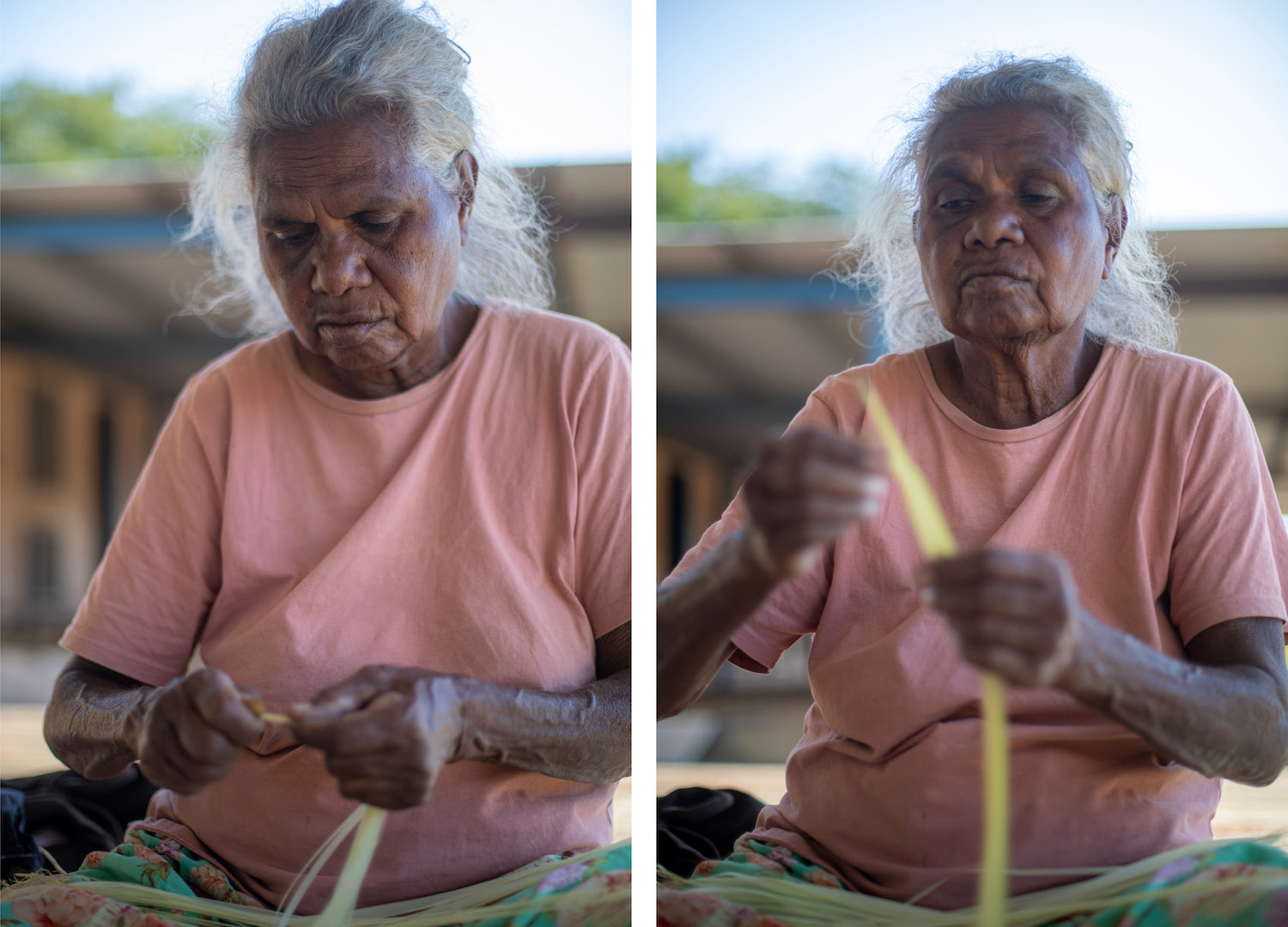
Tell us a little bit about yourself…
My name is Regina Pilawuk Wilson. I was born in Daly River, where my father used to run a peanut farm in the 1950s. I met my husband and we started the Peppimenarti community in 1973. It was a small community then, and we had little houses made of tin. I ran the shop and clinic. We taught culture to our kids every day which was the beginnings of our art centre: Durrmu Arts.
When I was young, my mother taught me how to weave, as her mother had taught her, and as I teach my children, grandchildren and great-grandchildren still today. The passing down of our culture, language and stories is important so that it is not lost. I have six children, over 50 grandchildren, and many great-grandchildren.
Pride in my culture motivates me to create. Getting into trouble for practising my culture and growing up at the missionaries makes me remember that we need to keep culture strong through practice and teaching others. Otherwise, it gets lost.
You founded Durrmu Arts and Peppimenarti, a community southwest of Darwin, with your late husband, Harold Wilson, in 1973. Tell us about this and why it was important to you?
My husband and I founded Peppimenarti after we met the two Traditional Owners who wanted help establishing a community where we could all practise culture. In the missionary days, we were taken away from our families and not allowed to speak in our language. There was no singing corroboree, and they stopped us practising our culture. That is why we founded Peppimenarti, to have a safe place where we could practise, be proud of our culture and teach it to the next generations.
Durrmu Arts was founded on the same principle. Durrmu is a Tyemirri word which means the way our ancestors used to paint on the rock and the paint used on our bodies during ceremonies. It is a special word in our culture, and that is why we called our art centre Durrmu Arts.
Peppimenarti was a cattle station before, so the men used to go and muster cattle. We built tin houses and I ran the clinic, shop and club. I used to give out medicine each morning to all the old people. We would teach the girls weaving under the trees and teach culture at the school every week. I used to run the powerhouse too, and do culture, lots of culture. The old men would take the boys out to do boomerang, didgeridoo and bark harvesting, to keep culture strong.
WANT MORE ARTS AND CULTURE? RIGHT THIS WAY!
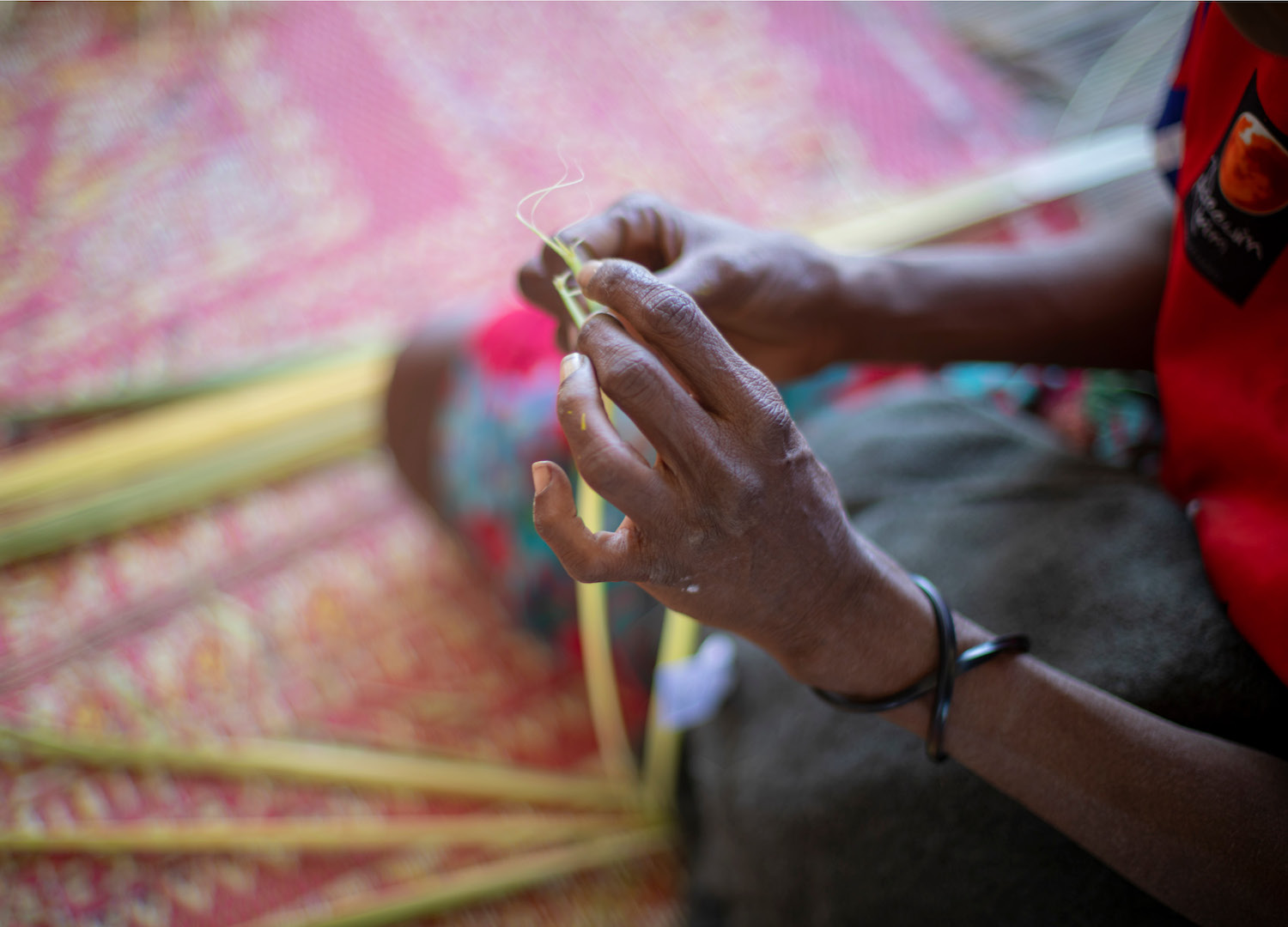
Talk us through your weaving process and the themes you explore through your work….
Weaving is passed down from generation to generation. It is a special connection to family and culture. Every community has a different stitch; my stitch was passed down from my grandfather. He used to make big fishnets to catch fish, the big mob in the creek. The fishnets are significant in our culture as they are a vessel and represent water and life.
Weaving connects us all together in many ways. It is something we share and connects us to our ancestors. Sitting on the art centre deck or under a tree and forming a weaving circle is a special time where we can all sit together and practise our culture, tell stories and keep culture strong.
What motivates you to create?
Pride in my culture motivates me to create. Getting into trouble for practising my culture and growing up at the missionaries makes me remember that we need to keep culture strong through practice and teaching others. Otherwise, it gets lost. I travel to communities teaching other women and children who have lost their culture from their ancestors. They ask me to go to their community to teach them, in Australia and overseas.
When you were little, your grandmother and mother taught you and your sisters to weave fishnets and dilly bags. How does your art practice connect you to them?
Weaving connects us all together in many ways. It is something we share and connects us to our ancestors. Sitting on the art centre deck or under a tree and forming a weaving circle is a special time where we can all sit together and practise our culture, tell stories and keep culture strong.
You are given your totems when you are born, and these are the stories you tell in your paintings. The weaving stitch, wupun, is mine.
Why do you believe events like the National Indigenous Art Fair are so important for you and other First Nations artists?
Art fairs and exhibitions are important to me because they allow us all to get together and to share our culture. We enjoy showing people all the different weaving styles and stitches to keep our culture alive.
There is huge pride in getting together and showing our culture. It is important to keep it up for the next generation. I recently travelled to Melbourne for an exhibition where my eight-year-old great granddaughter Taylor had her first mat on display. It was important for Taylor to see her weaving in an exhibition, and what it means. It is hard to explain in our remote community what an exhibition is to the little kids, you know? They see me weaving and painting on the art centre deck and at my house. But it is important for them to see where my work ends up and how they are displayed so we can be proud of our history and culture. That’s so we keep practising culture for all the next generations.
I have taught many, many girls how to weave over the years, and I am proud to do it. And I am still doing it today. I am proud to have an opportunity to teach my weaving practices and culture to you Sydney mob too! I want people to learn, listen and watch carefully so they can weave themselves and connect with me and my culture. I am so proud to teach our culture.
What do you wish more people knew about First Nations art?
They need to see our work and learn about our culture, the longest living culture in the world. We are proud to share our culture to different people and nations. Not everyone is allowed to paint any story in our culture; you are given your totems when you are born, and these are the stories you tell in your paintings. The weaving stitch, wupun, is mine.

“My piece of advice for makers and designers? Run your own race… make sure your key decisions stay anchored in your brand’s core beliefs.”
- Bec Bligh
Quick show of hands: who’s opened a water bottle expecting a refreshing sip… and instead been greeted by the unmistakable whiff of uh-oh?
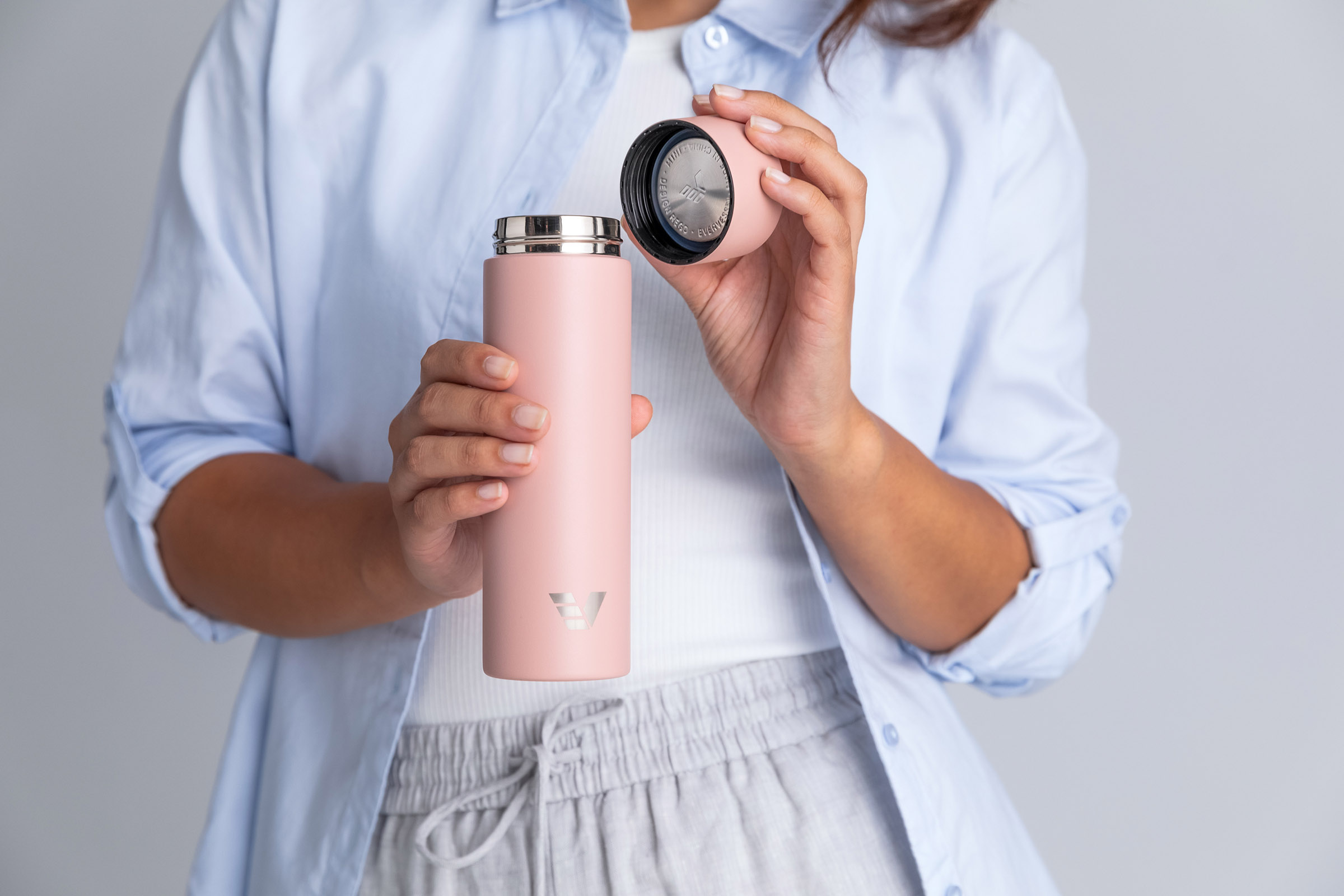
Because for something that follows us everywhere (desk, car, hikes, yoga…), the humble drink bottle is strangely prone to becoming a science experiment. Hard-to-clean corners and gaskets. Mystery smells. Bec Bligh and her husband Tim know it well. A six-month sailing trip along the Queensland coast left them with a lifetime of memories and one stubborn annoyance: mouldy water bottles they couldn’t properly clean.
So they did something about it.
Enter @EverVessel. Thoughtfully designed borosilicate glass and stainless steel bottles that keep things beautifully simple: durable materials, wide openings, easy-to-clean parts and none of the techy gimmicks that tend to age badly. Turns out simplicity, done well, is pretty powerful stuff. (Their many design awards agree!)
And lately they’ve added a little extra delight: the Artist Series, where creatives like Paola Castro, Ben Miners and Martin Thompson transform these everyday companions into tiny travelling artworks. There are more colabs in the works, too: hydration, but make it joyful! 🎨💧
We chatted with Bec about the sailing trip that started it all, the philosophy behind Ever Vessel, and why the most sustainable product is often just the one you keep using.
Tap the link in our bio to read the full conversation. 🚰
#EverVessel #ReusableWaterBottle


Pull up a chair… there’s room at this table!
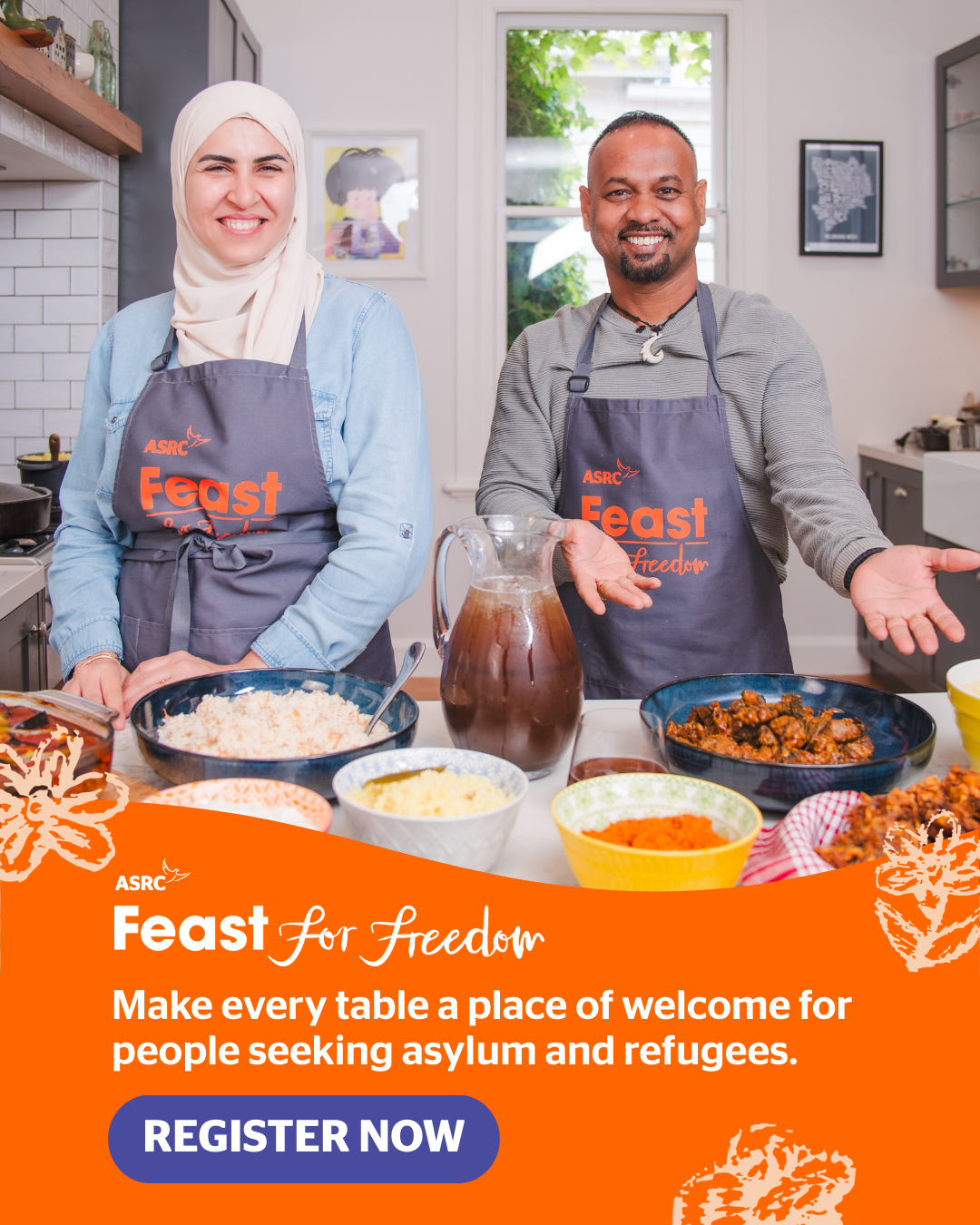
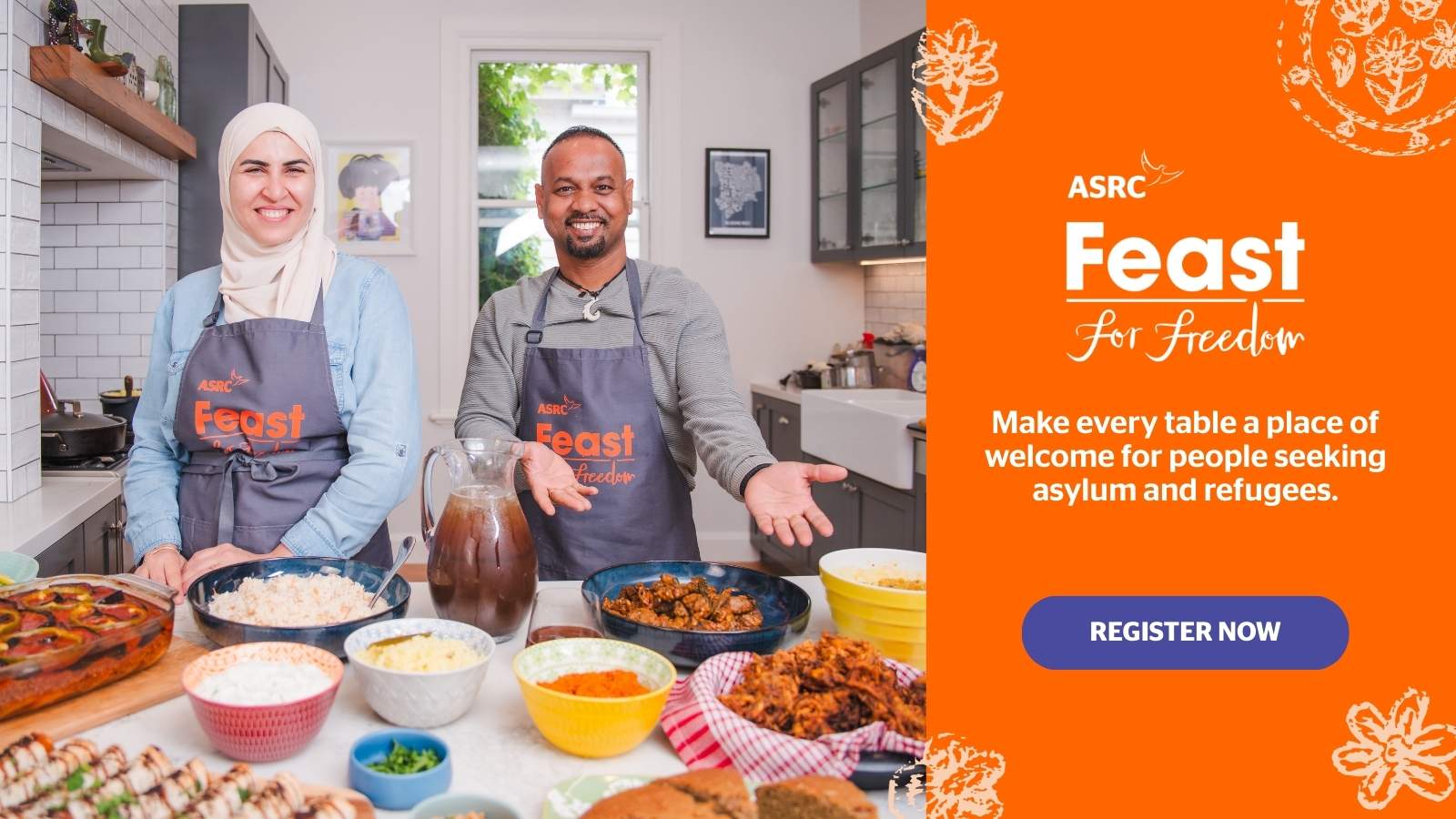
For the first time, Feast for Freedom is bringing people together for a spectacular long-table dinner as part of the Melbourne Food & Wine Festival.
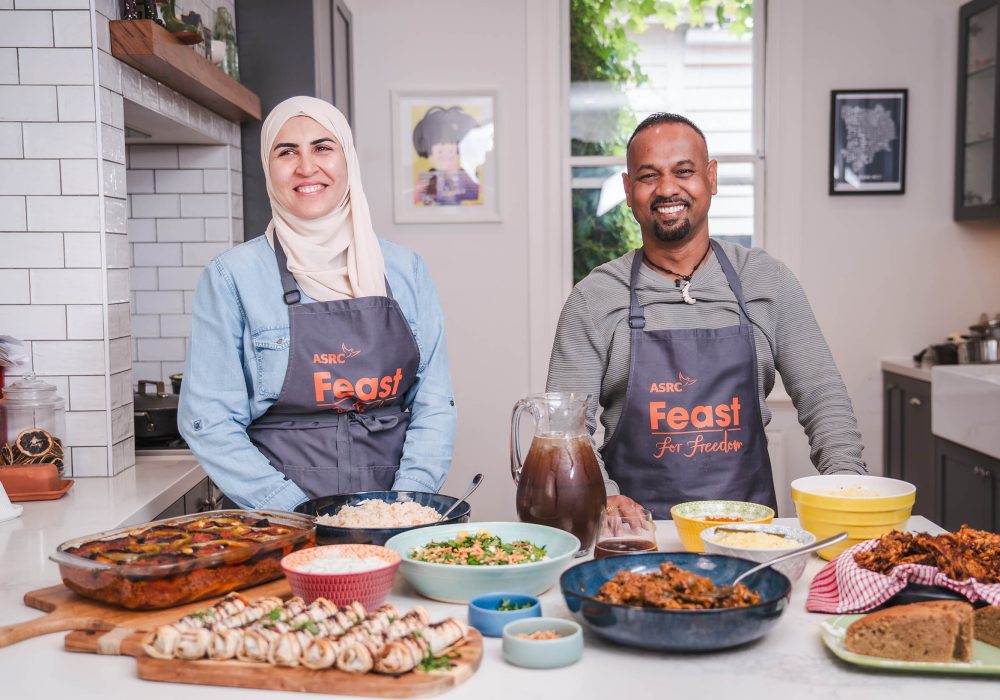
A Longer Table is exactly what it sounds like: one beautiful shared table inside the Asylum Seeker Resource Centre (@Asrc1), piled with generous dishes inspired by this year’s hero cooks, Noha and Nige.
From 6 to 9pm on Wednesday, 25 March, this is what you can expect:
🍽 A three-course shared feast
🍷 Matched drinks
🎶 Live entertainment
✨ A room full of good humans
Your ticket doesn’t just buy you a delicious dinner. It supports the ASRC’s vital work and helps create a fairer future for people seeking asylum.
Seats are limited, and long tables have a way of filling up quickly – head to @MelbFoodAndWine’s website to book now: feastforfreedom.org.au/mfwf
#FeastForFreedom #MelbourneFoodAndWineFestival #LongTableDinner #FoodForChange

Sew versatile! 🪡
Another great make from Lisa from @SunnySewsEveryday:
My #PeppermintWaratahWrapDress is finished and I’m so proud of it. It has been designed not to flap open and flash your pants in the wind, so I feel confident it will be a great wheelchair or standing dress in English weather.
#PeppermintPatterns #WrapDress #WrapDressPattern

Frame your face with the Peppermint Bucket Hat!
Stay safe and stylish in the sun with your very own self-sewn and self-drafted wide-brimmed bucket hat. This beginner-friendly sew is perfect for a sunny day. Get out your pencils – this pattern is created using equations and maths!
This DIY project was featured in Issue 53 and now you can access it for the lovely low price of only $5.
Sun-safe chic is always in style. ☀️
Find it via the link in our bio!
Photos: @KelleySheenan
#PeppermintPatterns #PeppermintBucketHat #BucketHat #BucketHatPattern #DIY

✨ INSTANT CLASSIC ✨
The Peppermint Myrtle Shift Dress is a beginner-friendly make with a few special details based on the ever-stylish shift shape – the perfect dress you need in your wardrobe right now!
Myrtle cuts above the knee with options to customise the length. Don’t think she’s reserved for hot weather either: try a heavier-weight fabric to turn your Myrtle into a pinafore-style garment for layering.
For our fabrics we chose two from our lovely sewing partner @Karmme_Apparel – the bold Rottnest Stripes in a lightweight, soft-drape cotton, and the quality linen in the handpainted Mexico Collection.
Get making the Myrtle – the only question is, can you stop at just one?
Link in bio 🪡
Fabric: @Karmme_Apparel
Sewist: @Laura_The_Maker
Photos: @KelleySheenan
Models: @SerahSews and @Pins_And_Tonic
Location: @ShareTheDignityAustralia
#PeppermintMyrtleShiftDress #PeppermintPatterns

It’s time to Feast!
Some recipes travel a long way before they land on your table to delight your taste buds. This year’s Feast for Freedom invites us to gather our friends, cook something delectable and raise funds for the incredible work of the Asylum Seeker Resource Centre (@Asrc1) while we’re at it.
The 2026 Feast features recipes shared by two remarkable cooks: Noha, who brought the flavours of Palestine with her when she arrived in Australia, and Nige, a Sri-Lankan Tamil cook whose journey with food began in the most unexpected of places.
You can host your own Feast up until 30 April – simply register online and get planning! Host a dinner, organise a workplace lunch, or gather your community… However you do it, the idea is simple: cook, connect and celebrate the cultures and stories that shape Australia.
Want to find out more? Head to the link in bio to meet Noha and Nige, learn more about their stories, and discover a delicious recipe to try.
#FeastForFreedom #PeppermintMagazine #FoodForGood #ASRC
