Glitter and grit: celebrating Sydney Mardi Gras then – and now

- Words by Peppermint
Before the glitter, the floats and the global fanfare, there was a protest. On 24 June 1978, a small group of queer folk operating as the Gay Solidarity Group staged a day of events in Sydney to celebrate culture and demand change. A morning march and public meeting gave way to a street parade that night – and a violent police response that would shock the nation, see 53 people arrested, and ultimately transform a single night into the seed of a powerful, celebratory annual movement.
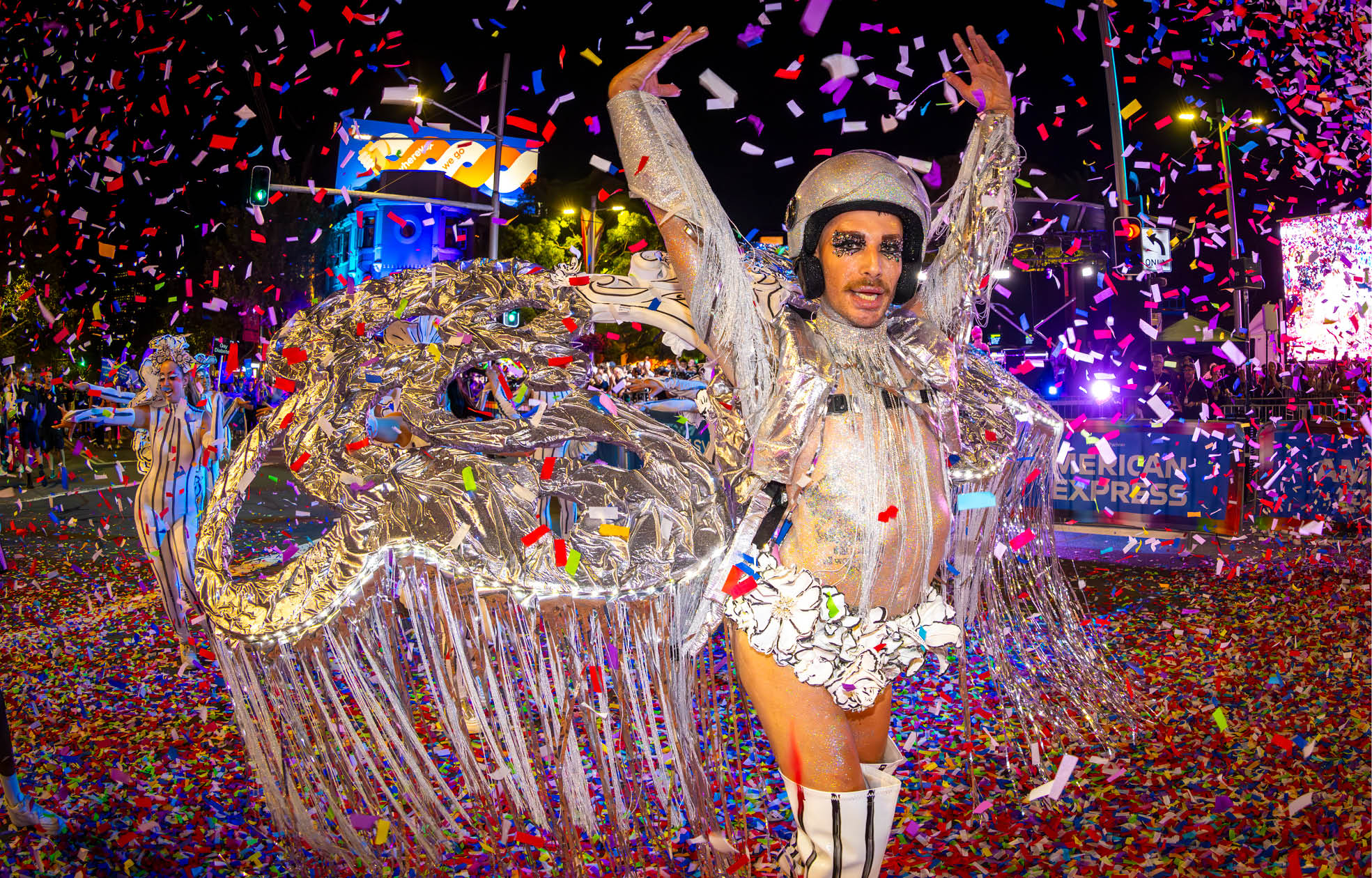
Nearly five decades on, that once-radical march has grown into a 20-day festival that dances through the city, proving that “the only thing stronger than hate is love”, indeed. From 13 February to 1 March this year, Sydney will step into ECSTATICA – a theme that reframes euphoria not as escapism, but as energy. As Sydney Gay and Lesbian Mardi Gras CEO Jesse Matheson says, “ECSTATICA is about euphoria as resistance. The idea that our joy is powerful, political and unstoppable. This year’s Festival celebrates connection in all its forms: from streets to screens, from protest to party, and from one another to the world.”
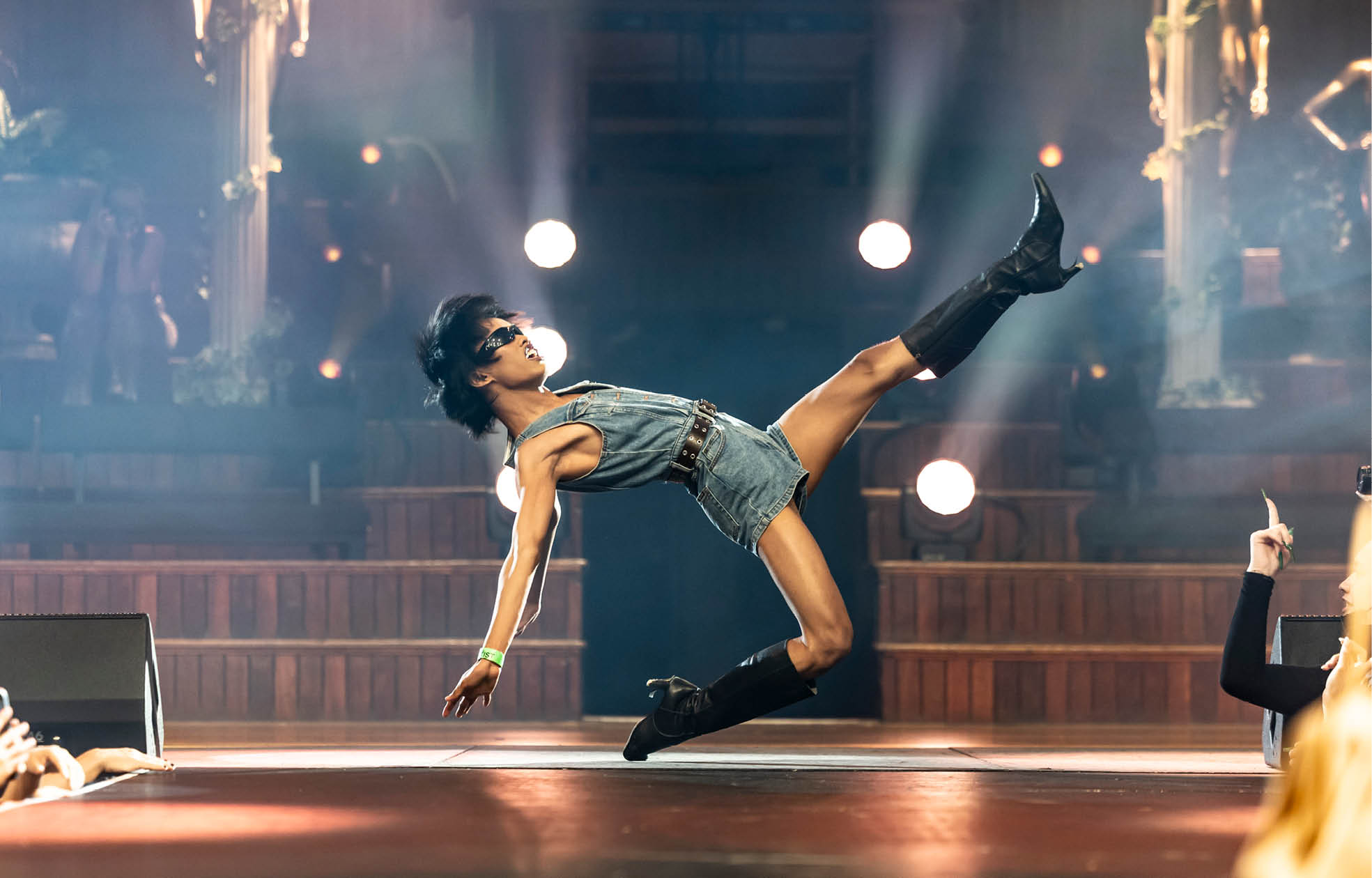
This year’s program spans more than 80 events across theatre, music, art, film, parties and community gatherings. The Festival opens with the Progress Pride Flag Raising at Sydney Town Hall, before launching into a luminous lineup: Ultra Violet transforming City Recital Hall into a femme-charged dreamscape; Black Cherry centering trans and gender-diverse performers inside the historic Cell Block Theatre; and Fair Day returning to Victoria Park with the First Nations Circle ceremony, Drag King Games, the Queer Fashion Runway, Doggywood and Disco Divas under the late-summer sun.
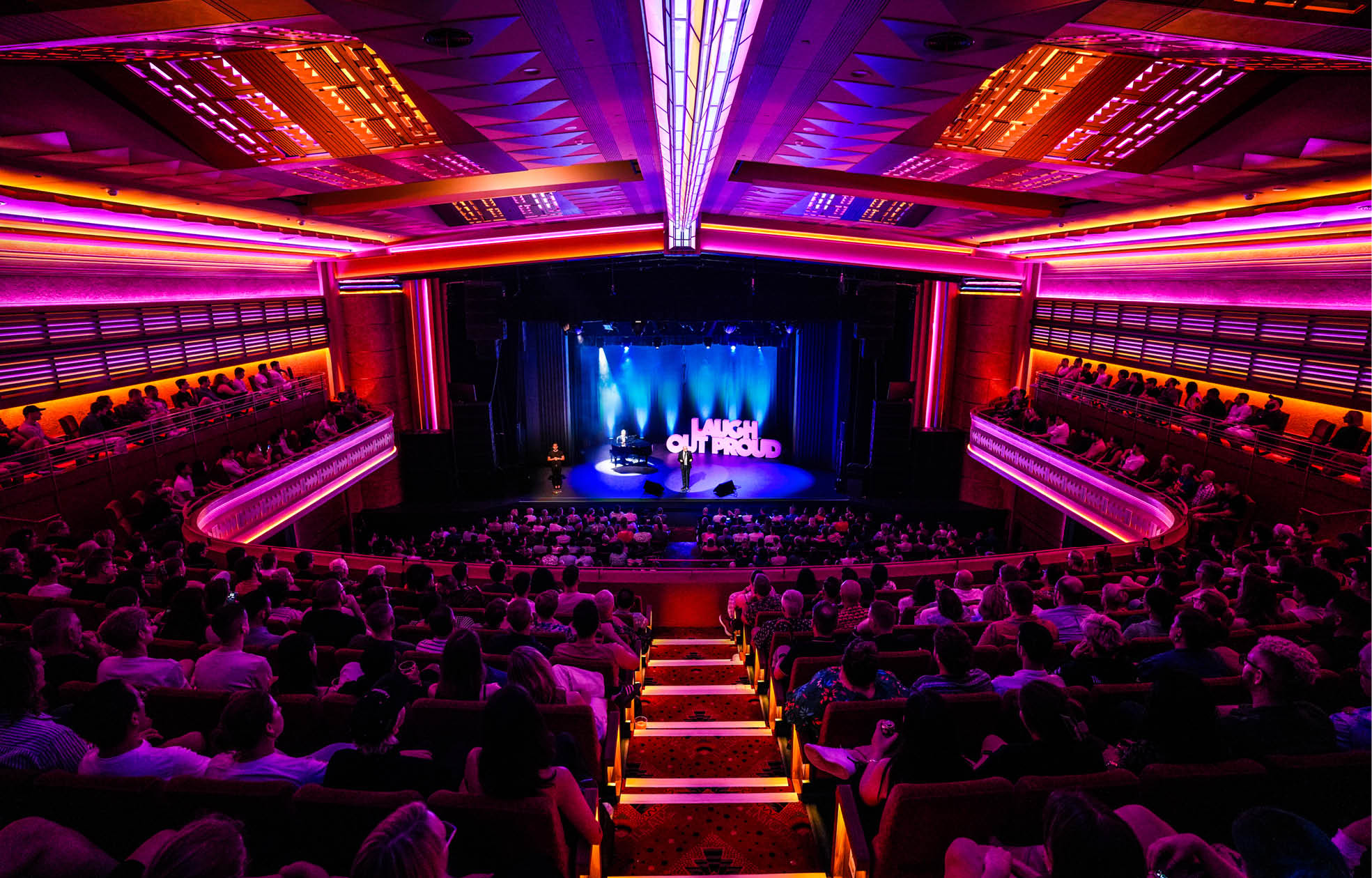
Beloved fixtures like Kaftana Pool Party, Laugh Out Proud and the legendary Parade remain central, while powerful works such as The Normal Heart at the Sydney Opera House and Perfect Arrangement in Newtown revisit chapters of queer history shaped by fear, loss and resilience. Alongside them, Mardi Gras+ expands the celebration across surf clubs, galleries, laneways and regional stages, and a new Mardi Gras App connects community “from streets to screens,” reflecting, as Jesse says, “a celebration of who we are, what we’ve built, and the future we’re creating together.”
Our joy is powerful, political and unstoppable.

The crescendo, as always, comes on Saturday 28 February, when the 48th Annual Parade floods Oxford Street, Flinders Street and Anzac Parade with light, colour and sound – a dazzling procession of pride and solidarity in a place once marked by police batons. “Every year, the Parade reminds us that visibility is joy in motion,” says Matheson. “It’s about showing up for ourselves and each other – and doing it with glitter in our veins.”
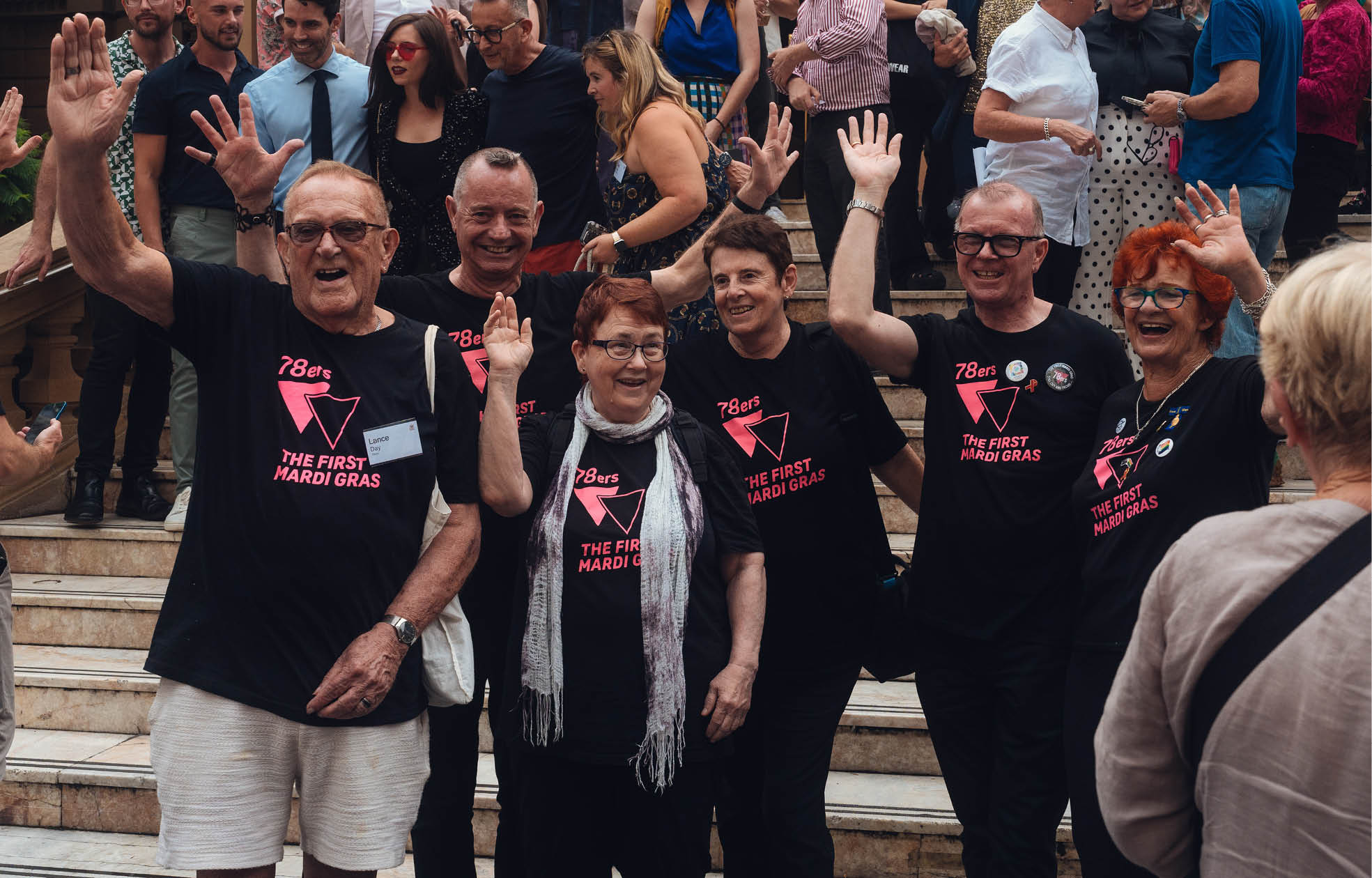
On the eve of Sydney Gay and Lesbian Mardi Gras 2026 – the 49th consecutive celebration since that pivotal winter’s night – we revisit the origins of one of Australia’s most powerful cultural movements, with historical insights courtesy of the National Museum Australia.
Lead-up to Mardi Gras
The Stonewall riots that began in the early hours of 28 June 1969 in New York City were the result of a police raid on a gay bar called the Stonewall Inn. These riots are widely considered to mark the start of the international gay rights movement.
In March 1978 the San Francisco based Gay Freedom Day Committee contacted Australian activists calling for solidarity activities to support a march planned on the anniversary of the Stonewall riots. The march was in opposition to the controversial Briggs Initiative which if passed would have mandated the firing of gay and lesbian teachers in California public schools.
The Gay Solidarity Group formed in Sydney to mark ‘International Gay Solidarity Day’ on 24 June 1978. Around Australia, various groups and organisations had been lobbying, staging demonstrations and marches, producing newsletters and a variety of other activities to promote their cause. Conservative social and church groups opposed their activities throughout the 1970s.
Making history
Australian Lesbian and Gay Archives president Graham Willett describes the 1978 Mardi Gras as the ‘most dramatic moment of the backlash’ against the campaign for gay rights. The parade started at 10pm and progressed down Oxford Street towards the city. The trouble began when they reached Hyde Park. In an attempt to get the crowd to disperse, the police confiscated the lead truck and loud speaker. The crowd, seeing that access to Hyde Park was blocked, headed towards Kings Cross. The police moved in and arrested 53 people.
According to Willett, ’Many of those arrested were badly beaten inside police cells and the Sydney Morning Herald sank to new editorial lows by publishing the complete list of names and occupations of those arrested’.
Supporters began a ‘drop the charges’ campaign, which initially generated more arrests. However, due to public uproar about the arrests as well as favourable media coverage, the first charges were dropped in October 1978, and all charges were dropped by the end of 1979. Additionally, laws around obtaining permits for street marches and parades were liberalised.
As such, the first Mardi Gras march was a major civil rights milestone beyond the gay community. About 3,000 people marched in an incident-free parade in 1979.
Gathering momentum
Capitalising on the success of the 1979 parade and the wellspring of support that emerged, the gay community decided to keep going with the idea of a parade. They continued to campaign on different aspects of discrimination against them, and this also began to translate into a cautious acceptance of gay people as customers and employees. Businesses catering to gay and lesbian people also became more open. However, this was not uniformly welcomed by the gay community. For most of the early 1970s, radical gay activists had called for the end of capitalism as an oppressive social force. A gulf emerged between the older radicals and new, less revolutionary activists.
Impact of AIDS
Mardi Gras faced its next challenge with the spread of AIDS. Public fear about AIDS was so great that organisers of the 1985 Mardi Gras were under intense pressure to cancel. That pressure, combined with the shock of seeing friends, lovers and partners sicken and die, fostered a determination and resilience within the gay and lesbian community. Mardi Gras took on tremendous significance.
AIDS activist Bill Whittaker noted, that ‘many of us … know people who just wanted to live until one more Mardi Gras, it was so important in their lives. And they did, and still do’.
Sydney Mardi Gras today
Mardi Gras has grown to be one of the major events of the Sydney calendar. Today it is a festival held over several weeks, culminating in a parade that attracts more than 200,000 participants and spectators. The survival and success of Mardi Gras represents a remarkable and defining change in public attitudes.





JOIN OUR MAILING LIST
Brighten up your inbox with our not-too-frequent emails featuring Peppermint-related news, events, competitions and more!
explore