In honour of Second Hand September, we caught up with Castlemaine’s Tiffany Inglis to talk trends, upcycling and the challenges of running a business.
BY PHOEBE HARTLEY
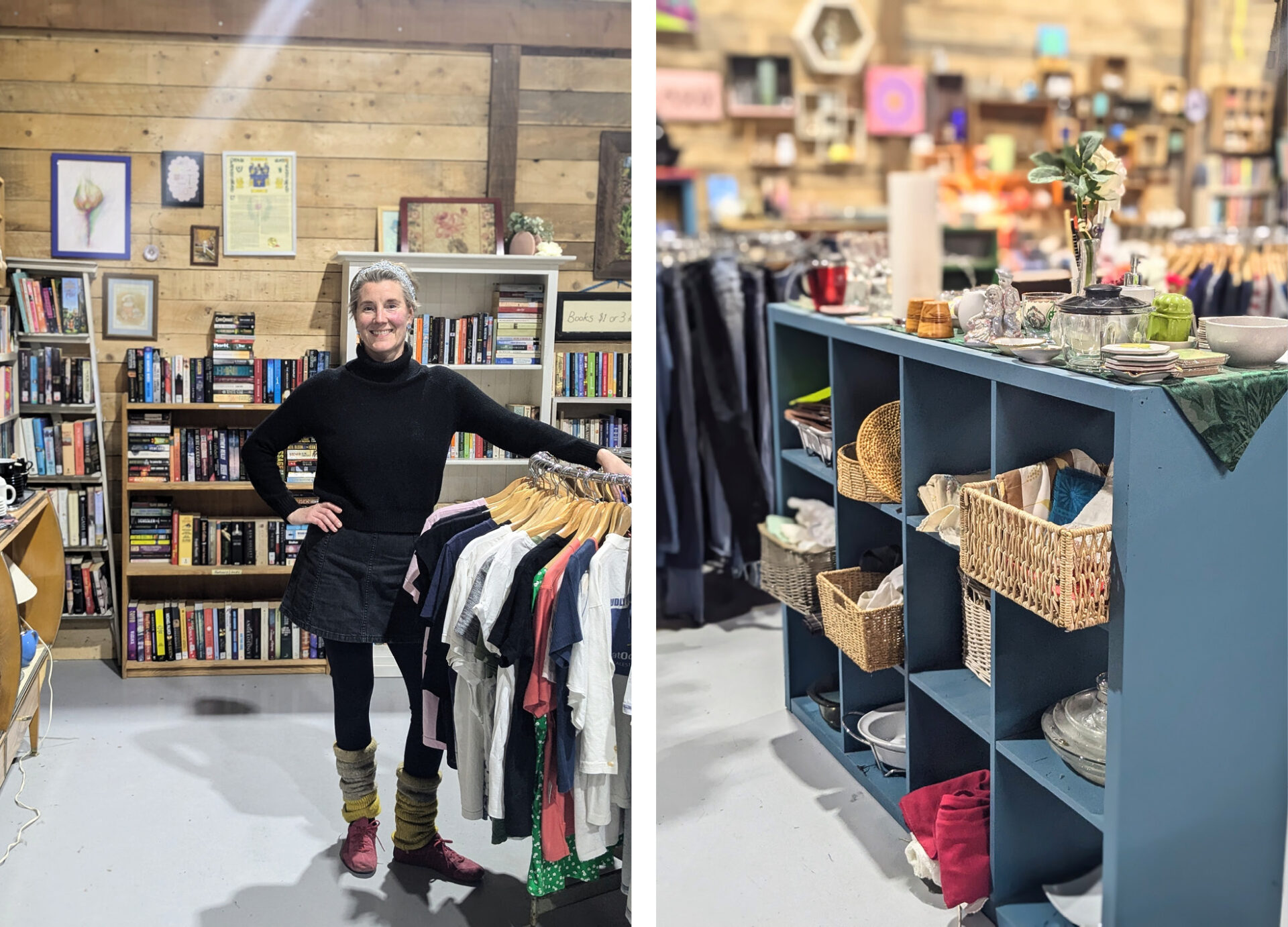
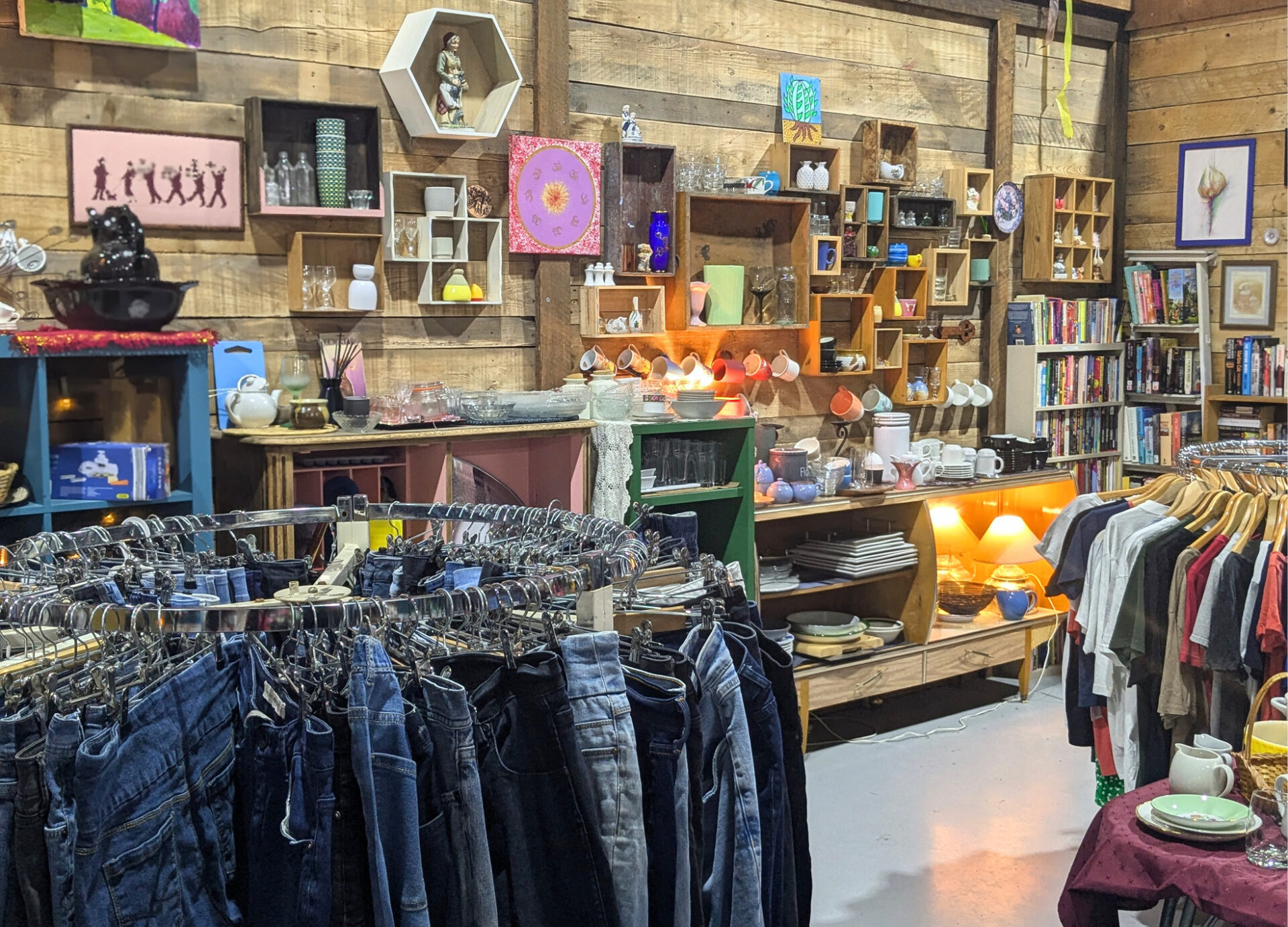
Tiffany Inglis lives and breathes second-hand stuff. As the founder of The Good Op Shop in Victoria’s Castlemaine, about 120 kilometres northwest of Melbourne, she’s on a mission to mend, make, reduce and reuse as much as possible.
“I’ve become more and more passionate about reuse and waste since opening The Good Op Shop,” she says. “My interest has really expanded, especially to textiles.” While she laments the rise of fast fashion, she believes thrifting is also growing in popularity. “I feel like sustainable fashion and buying secondhand is more than just a fad – it’s definitely becoming a part of our lifestyle”.
With a background in government environmental policy, Tiffany has always been eco-minded. When her partner poked fun at her op-shopping habit by suggesting she may as well open one herself, the seed of an idea was planted. She launched The Good Op Shop in 2021 and decided to donate the profits to conservation organisations including Landcare groups, the Bob Brown Foundation and Aussie Ark.
Tiffany thought a purpose-led store would be the perfect outlet to share her passion with the wider community. And she’s been thrilled by the response. “One of the biggest surprises for me is people’s genuine appreciation for op shops and for what we’re trying to do in terms of changing behaviour and promoting reuse,” she says.
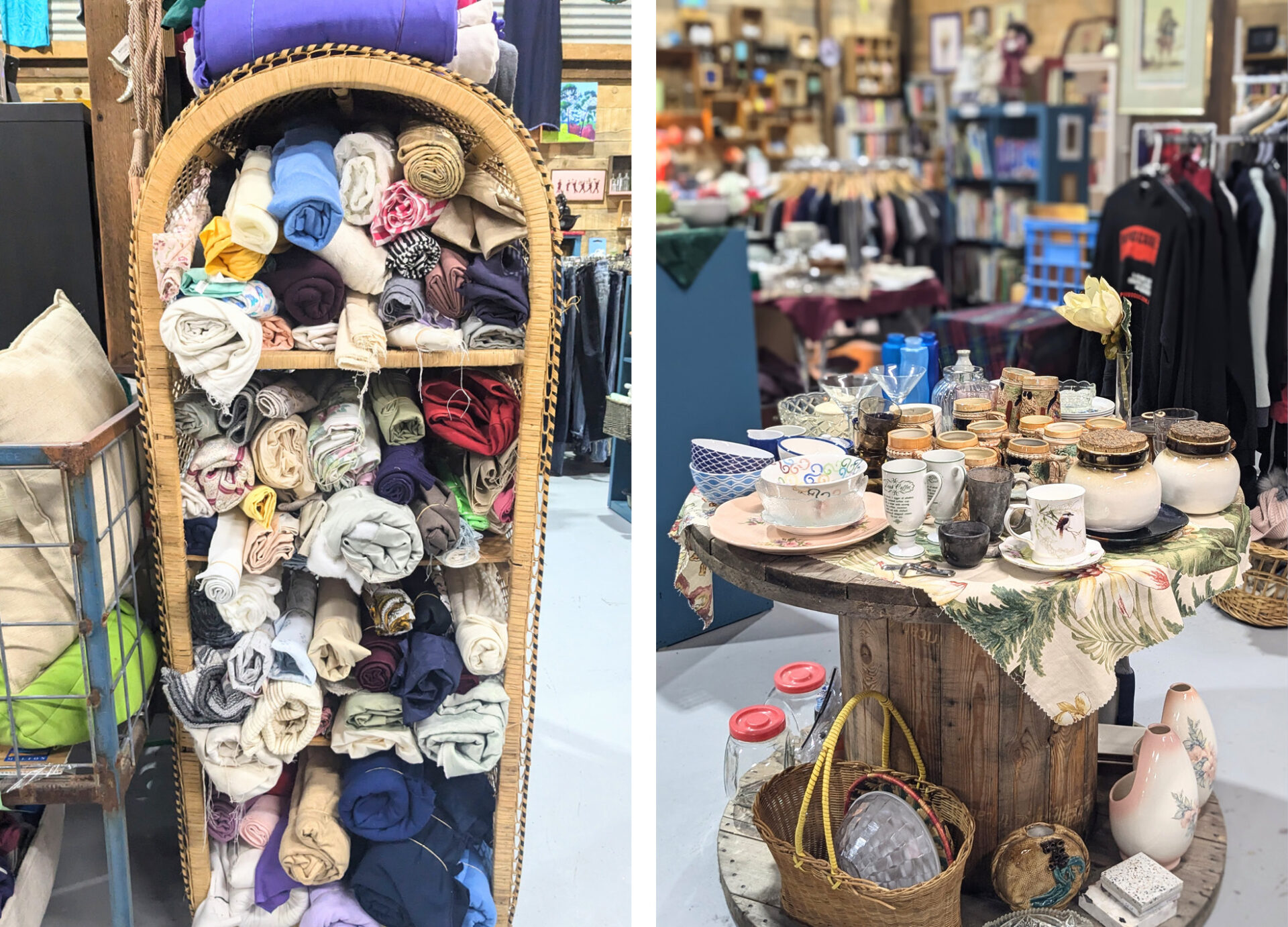
She credits her staff with the store’s success. “I’m so lucky I have incredible volunteers that come in week after week – they really want to help people change,” she says. “I feel like the shop’s not mine, it’s theirs.”
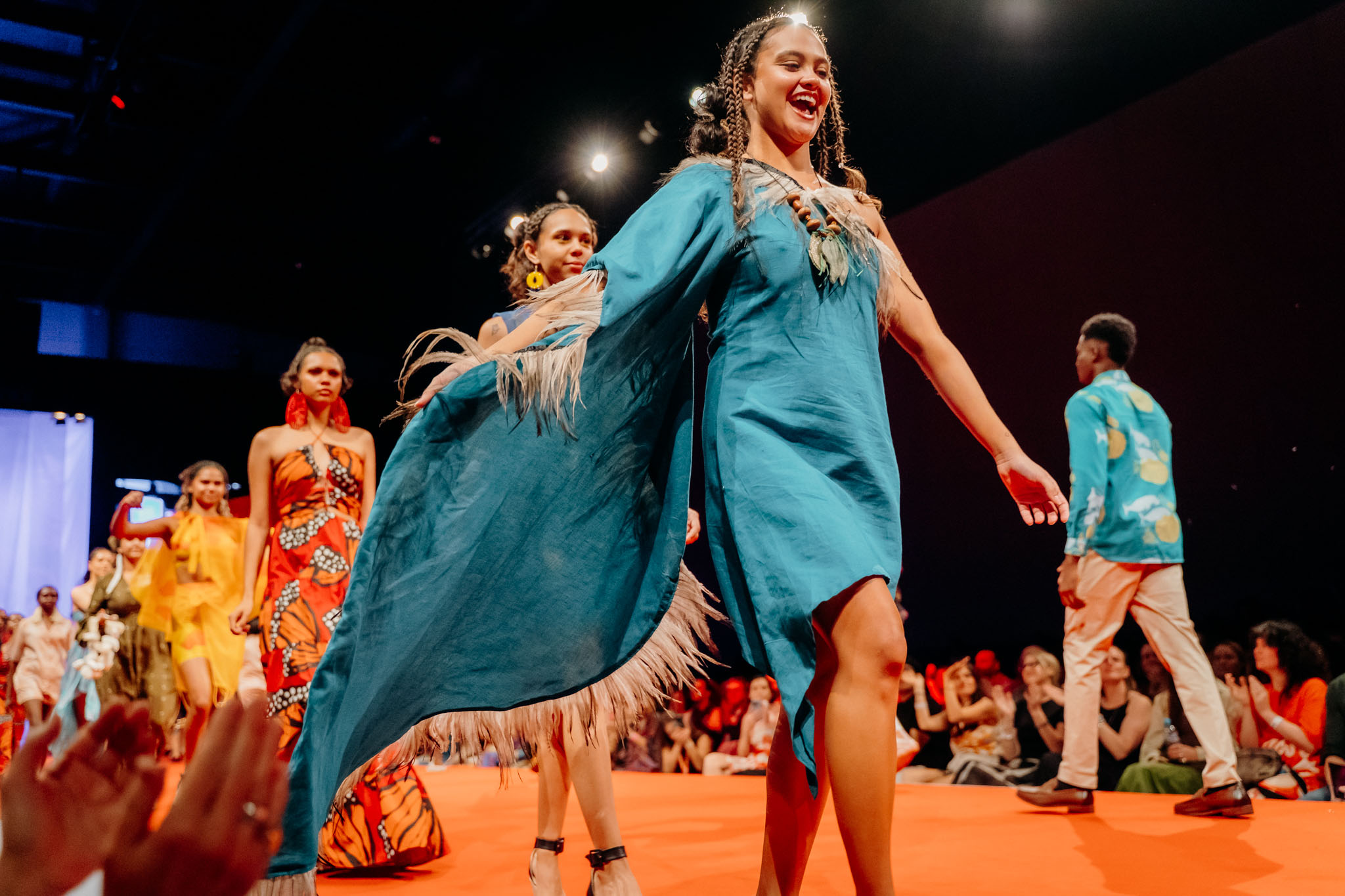
In addition to the store, Tiffany also runs a popular fashion parade for under 18s. Participants are given a voucher for the op shop and are encouraged to create an eye-catching outfit then “strut their stuff down the catwalk”. She also hosts an annual upcycling competition that has artists and amateurs creating works from objects destined for landfill. Last year’s winning creation was an eccentric owl-shaped doorstop, fashioned from a broken blender. “I love that people come up with these wacky ideas,” she says with a laugh.
Buying is such a rewarding experience for people. It makes you feel good and you get a reward at the end of it. So, trying to change that is a massive challenge.”
As if that wasn’t enough, Tiffany has also begun a speaker series at the local library, where a passionate panel recently spoke about second-hand fashion and Tiffany discussed the provenance of different types of fabric. “There’s so much talk about how bad polyester is or how bad acrylic is and how we should be using different fibres, but I realised that I didn’t really know anything about these fibres,” she says. “So I made myself learn about different textiles and then shared that with people.”
Tiffany has also nabbed a community grant to support the store’s regular reuse and repair workshops, which involve everything from scrap sewing and darning to weaving bowls out of plastic bread bags (for details, check out the store’s Instagram page).
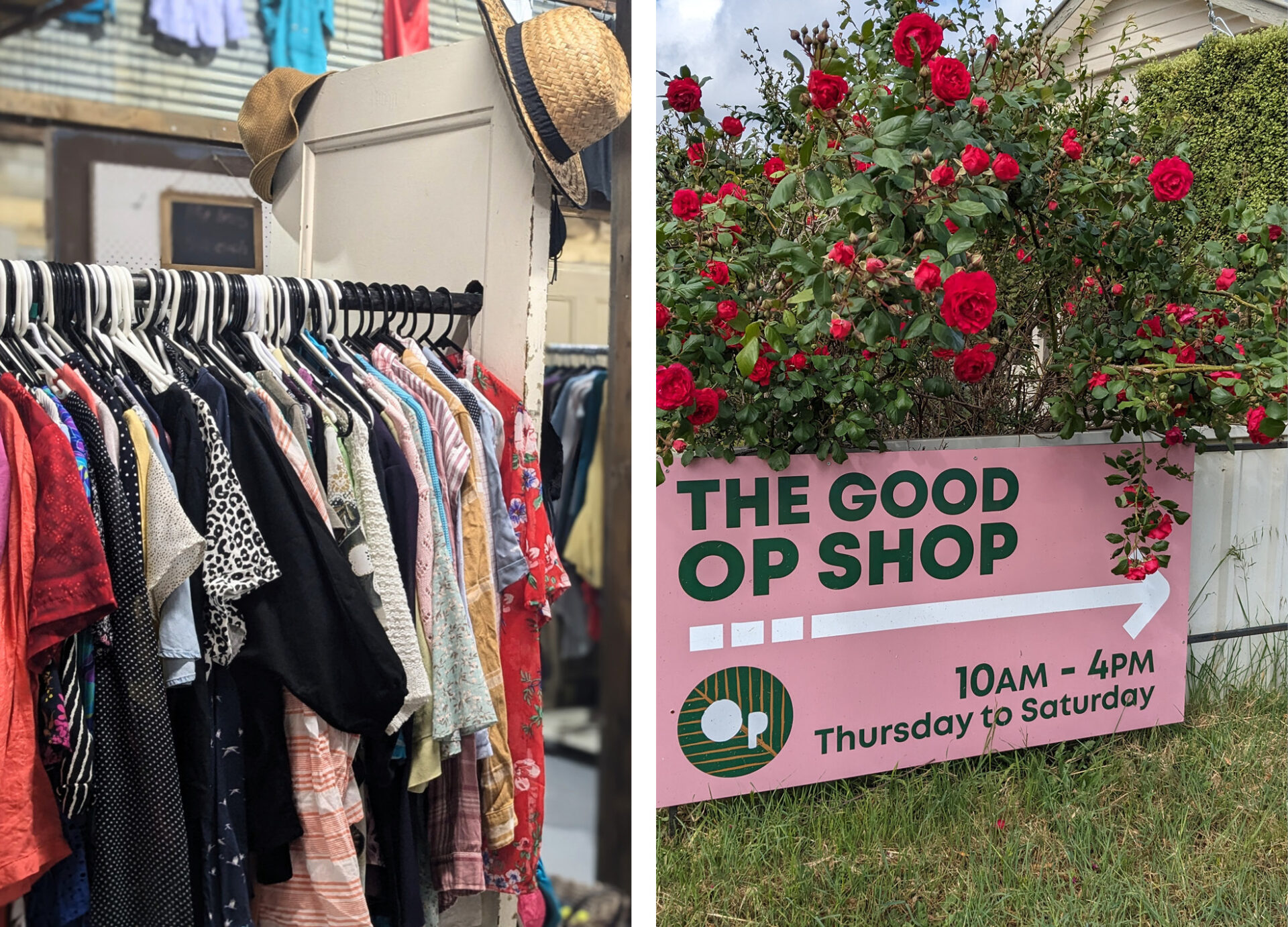
While her passion appears boundless, Tiffany admits there have been hiccups along the way, especially in the early days of the op shop. “I’d never run a business before, so all of it was a challenge,” she says. Tackling the sheer volume of donations is a constant battle and without storage space, Tiffany often has to turn away goods. “Sometimes I have to put a sign out saying ‘Sorry, we’re at capacity’.”
With ambitious ideas constantly brewing, she says she’s also had to learn to be realistic about what she can achieve. “It’s a small business and we’ve only got so many volunteers,” she says.
But the biggest hurdle is changing people’s behaviour when it comes to consumption. “Buying is such a rewarding experience for people,” Tiffany says. “It’s something people love doing: it makes you feel good and you get a reward at the end of it. So, trying to change that is a massive challenge.”
But she has an optimistic outlook and believes people want to do better. “I would love to convert the whole world to second-hand, especially clothing,” she says. “I think reuse is a societal change. It’s an exciting time – I think it’s going to happen soon.”