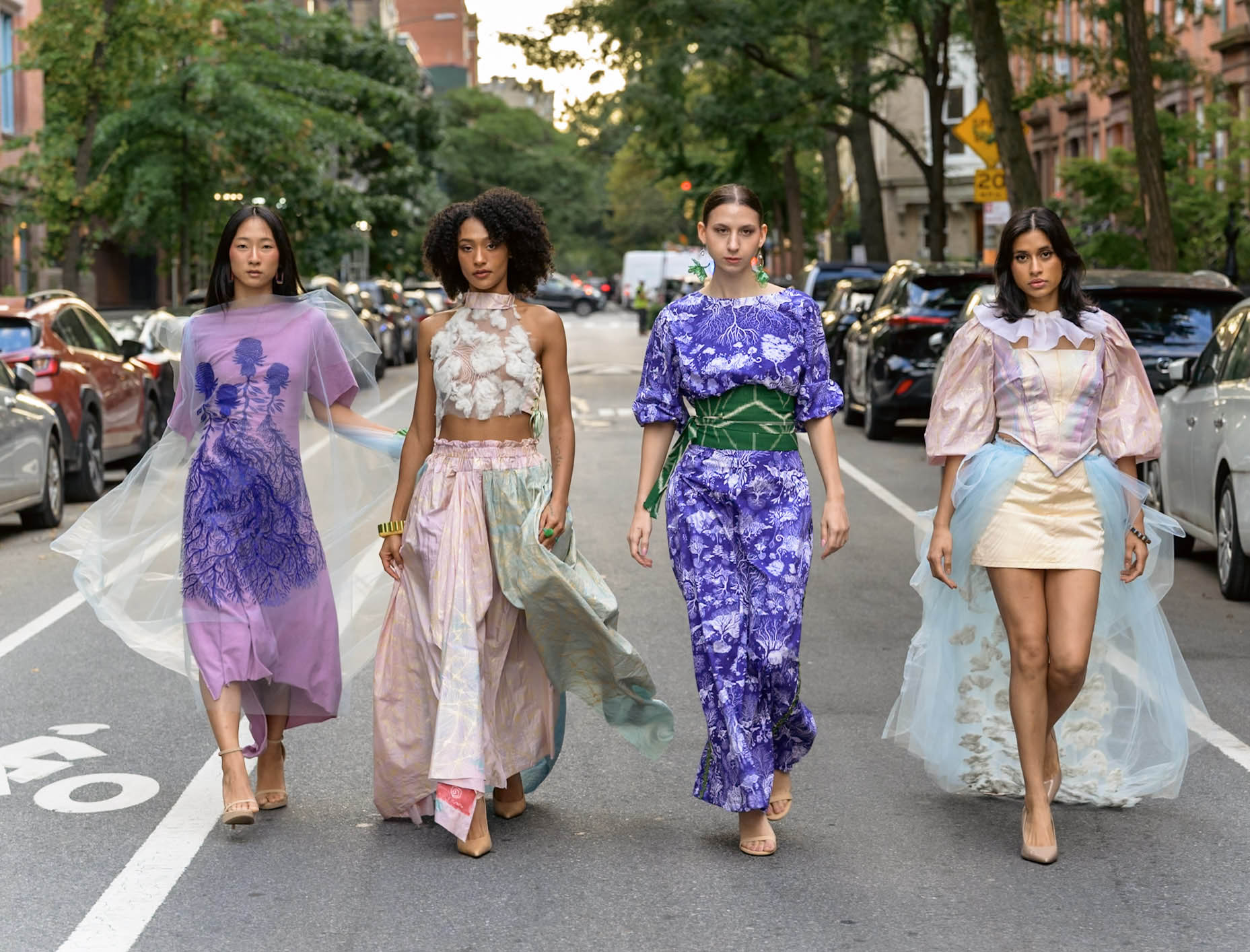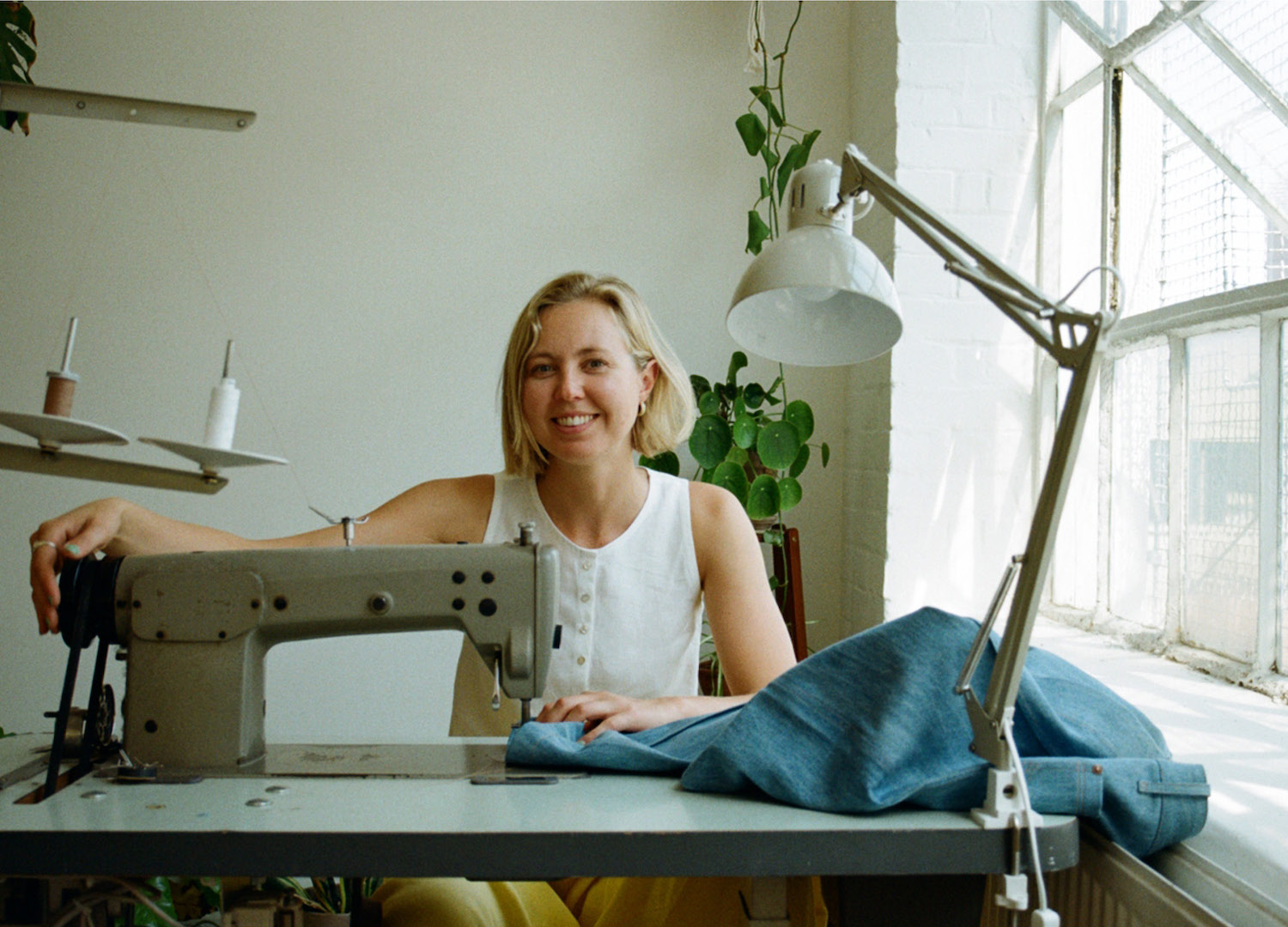
Say bonjour and bienvenue to our latest pattern, the Peppermint Belle Shirt. This exclusive, highly wearable pattern was created for us in collaboration with the marvellous Hetty Adams from The Modern Sewing Co in Hackney, London.
From running her own clothing brand through her pivot to sewing patterns, founding Modern Sewing Co in June 2021, Hetty Adams has followed her passion for sustainable fashion and beautifully tailored garments.
In the spirit of going behind the seams, we caught up with Hetty to learn more about her label and to rack her brain for tips and tricks when creating the Belle Shirt.
DOWNLOAD THE PEPPERMINT BELLE SHIRT PATTERN NOW!
Tell us about your journey into the sewing world…
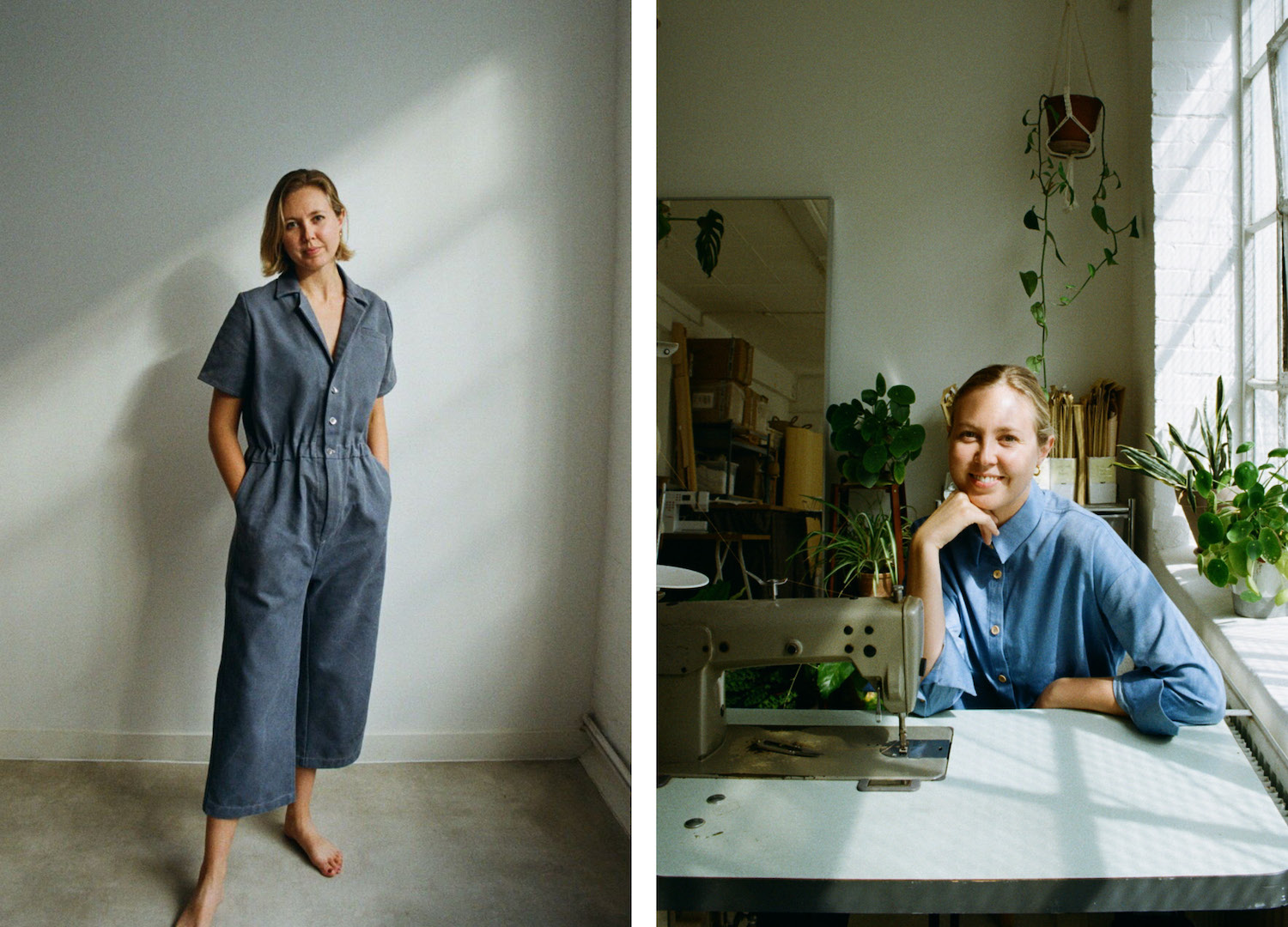
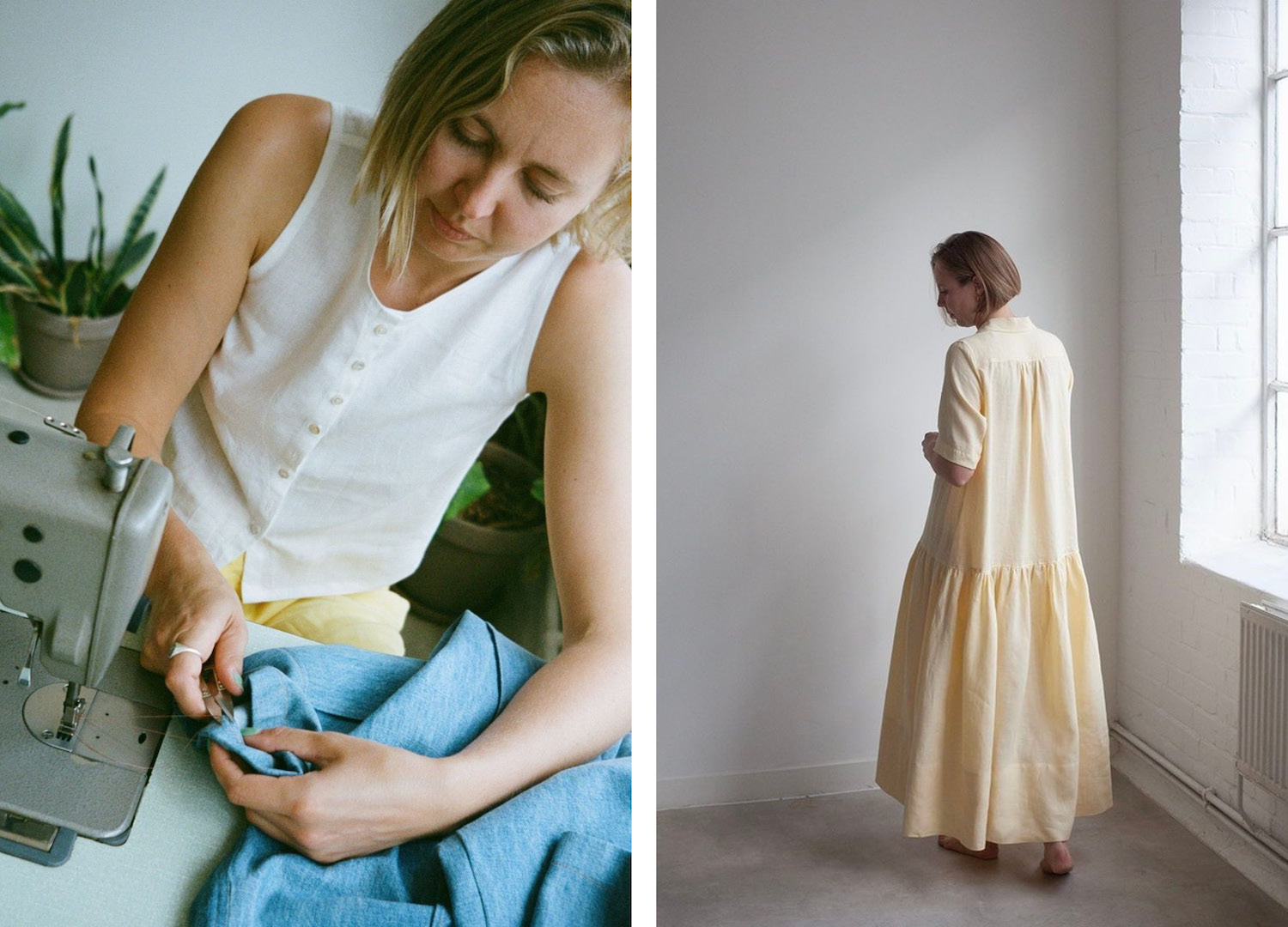
I actually came into the sewing world by accident in some ways. I used to run a women’s clothing brand focused on classic shirts and trousers that were made from sustainable fabrics. At the time, I had a small shop in Hackney and I also taught shirt-making classes for some extra income on the side. When the pandemic hit, I had a lot of bookings and no way to teach them which was when I decided to film the classes. To house these workshops, I built a new business, The Modern Sewing Co, and this was my introduction to the home sewing world!
In one industry, a person makes a piece of clothing for themselves in their own home; in the other, clothes travel thousands of kilometres and pass through hundreds of pairs of hands before getting to your wardrobe. I know which one I’d rather pick.
How does running a sewing pattern company differ from running a fashion line?
It differs hugely. Despite working to produce the same end result (a beautifully made garment), the journeys to get there are so different. In one industry, a person makes a piece of clothing for themselves in their own home; in the other, clothes travel thousands of kilometres and pass through hundreds of pairs of hands before getting to your wardrobe. I know which one I’d rather pick.
I’ve found that there are things I love about both industries. Fashion works on a seasonal cycle, which can feel rather relentless, but the upside is that it demands constant creative innovation, which I find very exciting and motivating. The thing I found the hardest about running a clothing brand was the production management, which was usually across several different countries at any one time. There were always so many factors at play and I found delays to be such a routine part of the process. The amazing thing about home sewing is that each person makes their own garment at home and I think that’s such a beautiful thing. From a personal perspective, I can put my energy into trying to teach and inspire this community rather than managing shipments of clothes across the world.
Having experienced both industries, I think there’s huge value to be drawn from both, and I’m interested in finding a place in the middle; one where home sewing is able to be more cutting-edge and modern and where the fashion world can soften and take time to slow down.
What inspires your patterns?
I’m inspired by good, simple design that is quietly beautiful and supremely useful. I design from a physical perspective. I imagine how my body will feel in a certain garment. Will the garment give me confidence or comfort and in what way? I think clothes have a personality of their own and it’s so important to me to choose clothes each morning based on how I want to feel that day. I might want to feel bold and elegant or cosy and practical; whatever it is, my clothes will enable me to have that feeling all day.
I think if you’re running a business, you have a duty to think carefully about sustainability.
Why is sustainable fashion so important to you?
I think if you’re running a business, you have a duty to think carefully about sustainability. Businesses create waste by nature and it can get quite out of control if you’re not careful. I visited cotton fields in India when sourcing the organic fabrics for my previous business and I met the cotton farmers living off the land to help us create the clothes we wear. Once you’ve visited the source of your supply chain, the importance of sustainable and ethical manufacturing hits home much harder.
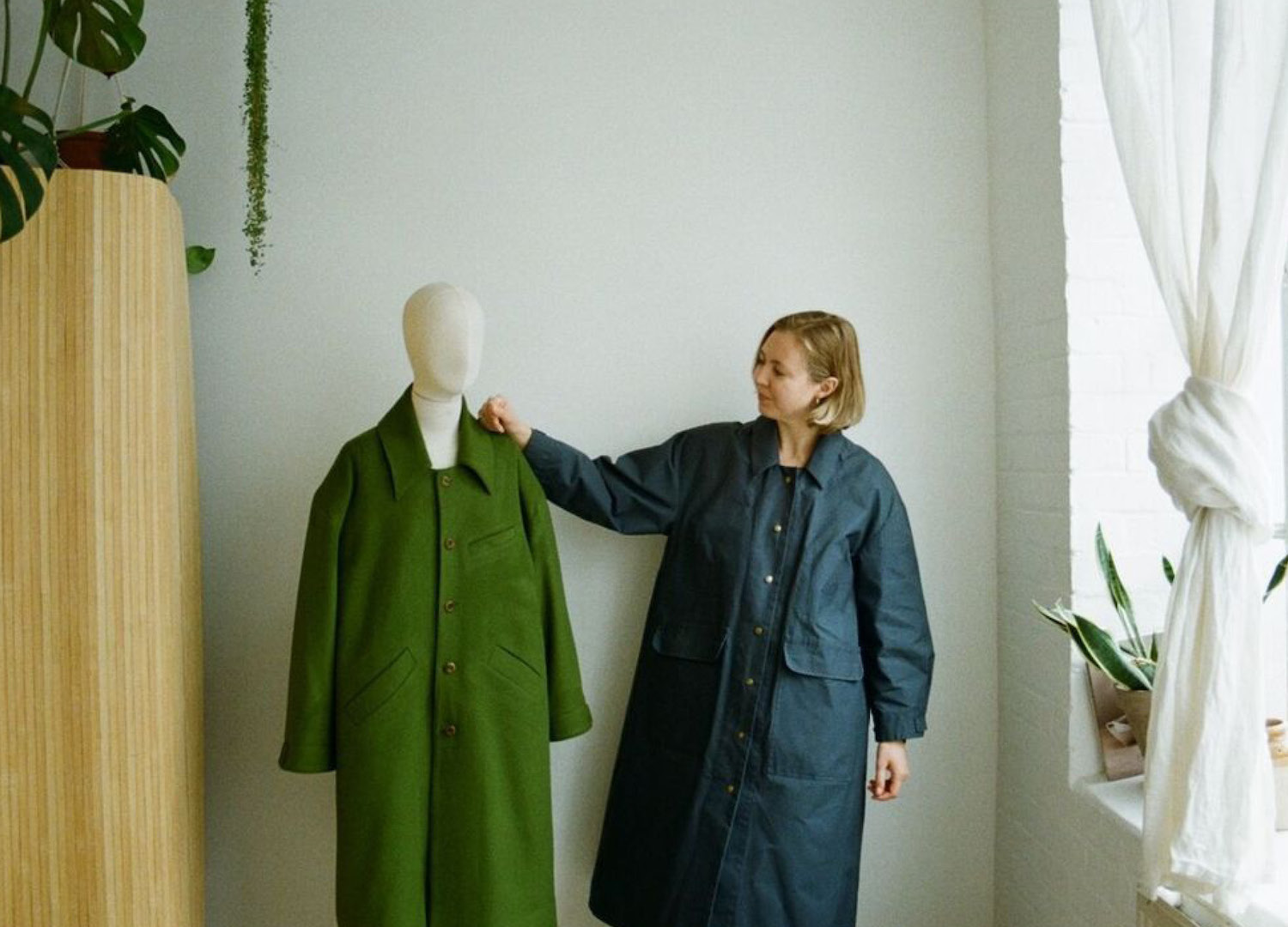
At The Modern Sewing Co, we currently only sell patterns and workshops, but even though we’re not part of a manufacturing supply chain, I’ve built certain things into the patterns to make the process more sustainable at home. Our lay plans are done on a single layer of fabric, which saves a huge amount of fabric, and our paper instructions are formatted to use as little paper and ink as possible. I also place a huge emphasis on high-quality sewing – our online workshops are there to help people sew to a high-end quality and this will help their garments last for years of wear and tear.
What do you love most about the sewing community?
I really love how engaged the home sewing community is. Everyone seems to really listen to each other, take advice on board and then feedback their own thoughts. It’s such an active and thoughtful community and I think it’s only getting bigger and stronger which is so good to see. I’d really like to see a future where it’s very normal and mainstream to make your own clothes. This might seem quite far-fetched but I think it’s actually achievable.
I’d really like to see a future where it’s very normal and mainstream to make your own clothes.
Any tips and tricks for sewists when creating the Peppermint Belle Shirt?
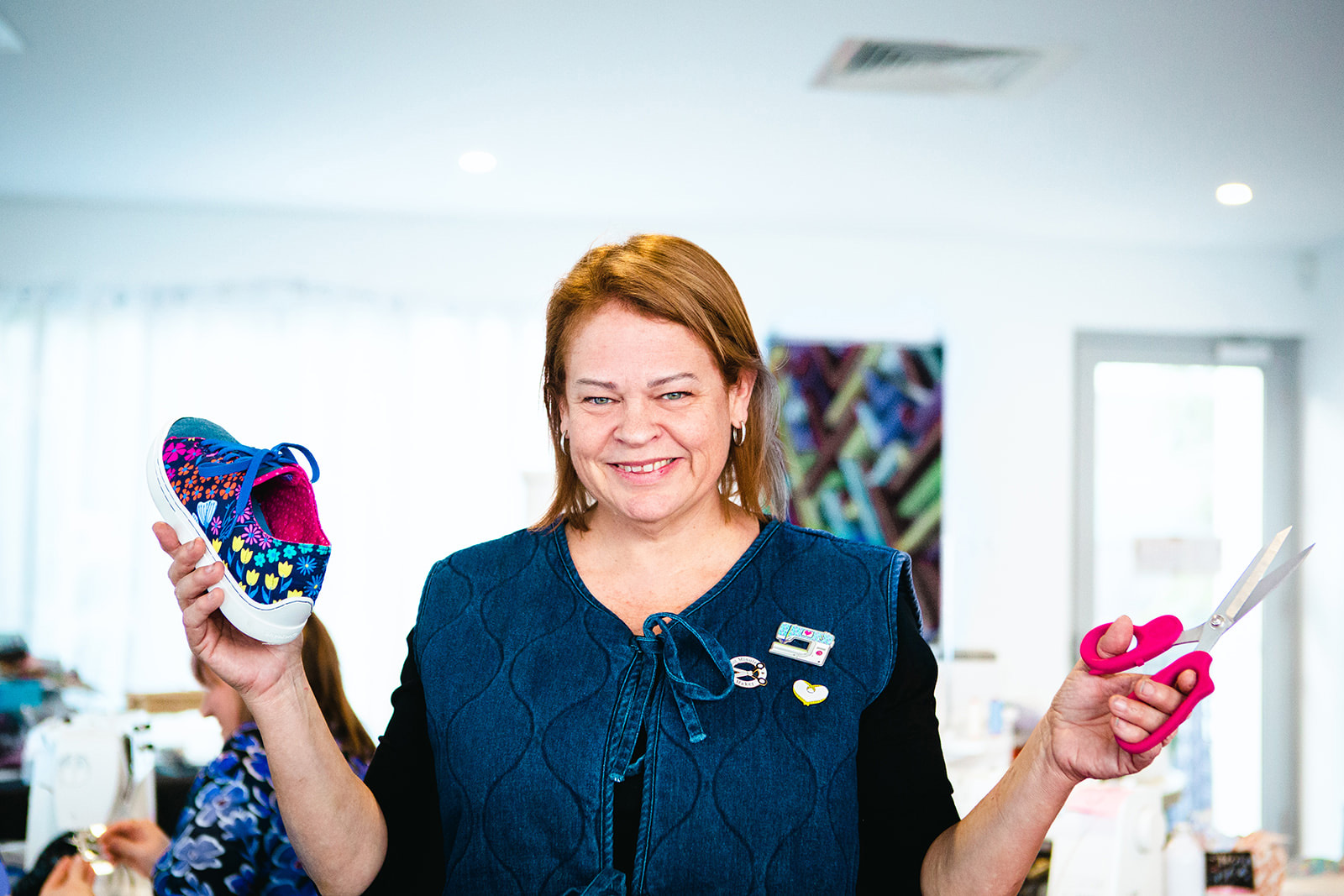
I’d say take your time and see how neat you can sew it. If you start by cutting out your fabric very neatly, it gives you a really good point to build upon. I find the cutting process sets the tone for the make – when I cut slowly and neatly, the garment ends up being much neater. When I try to cut the fabric really fast, everything ends up derailed and a bit rushed. Approach the project as a personal treat instead of a task and you’ll enjoy the process more and end up with something more beautiful.
Do you have any recommendations for fabric choice for those struggling to make a decision?
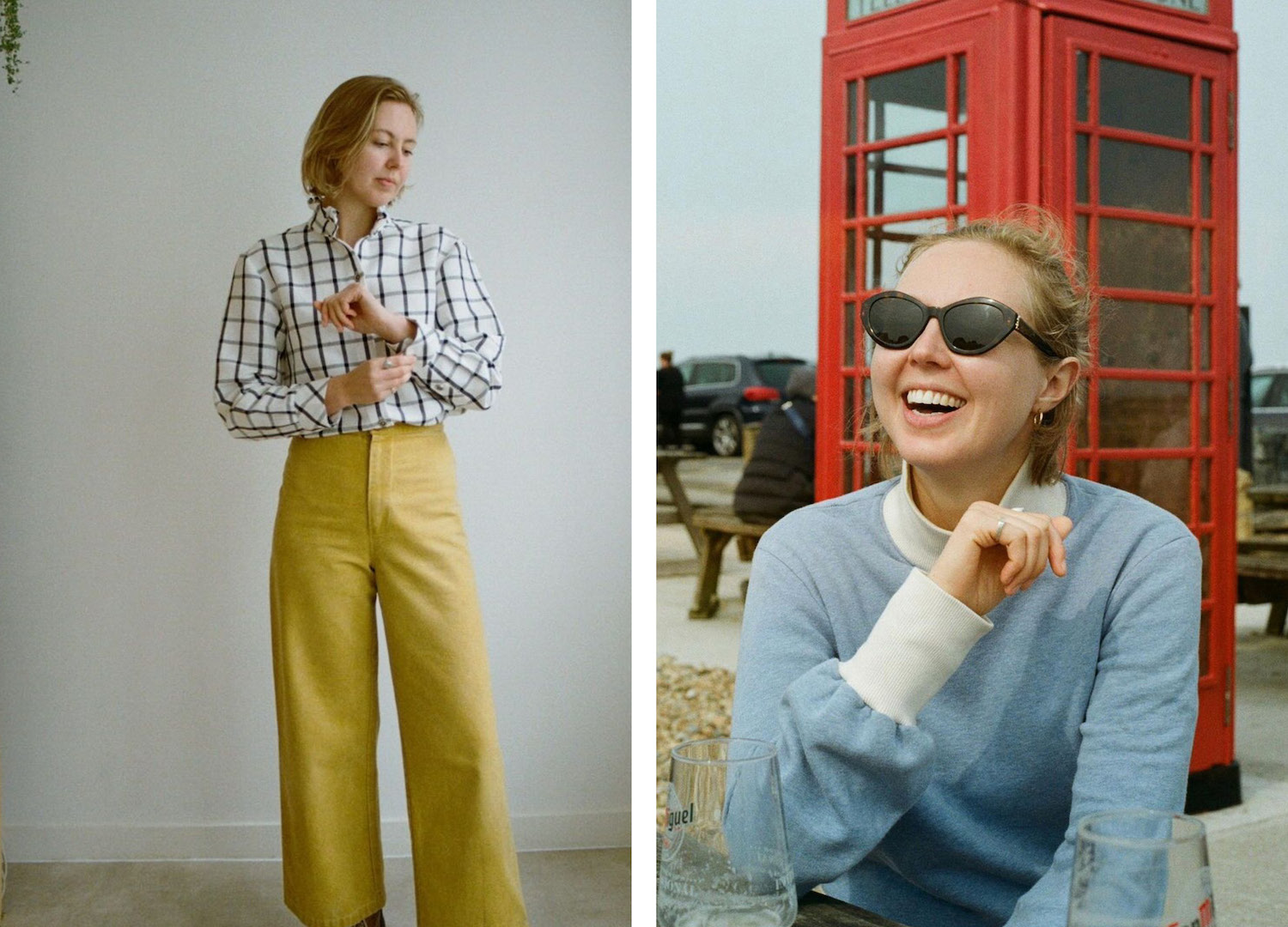
I personally think the best fabric for this shirt is linen but a poplin or lawn would also be lovely. I think a block colour works really well to show off the details such as the gathered sleeve and the collar. This makes a nice change as some garments really need a texture or surface design to make things interesting, but for this piece, you can strip it back and go simple.
Where will you wear the Belle Shirt?
I have a few Belle Shirts and the fabric tends to sway where I wear it. I have linen versions that I wear to the studio and I have a tencel version which feels a little smarter that I wear out in the evening. It’s lovely to wear on its own but also it’s a great piece to wear under a waistcoat or sleeveless jumper in the winter.
Every quarter we work with a talented patternmaker to create a new design for our me-made mates. Head to the link here for a plethora of pretty patterns!