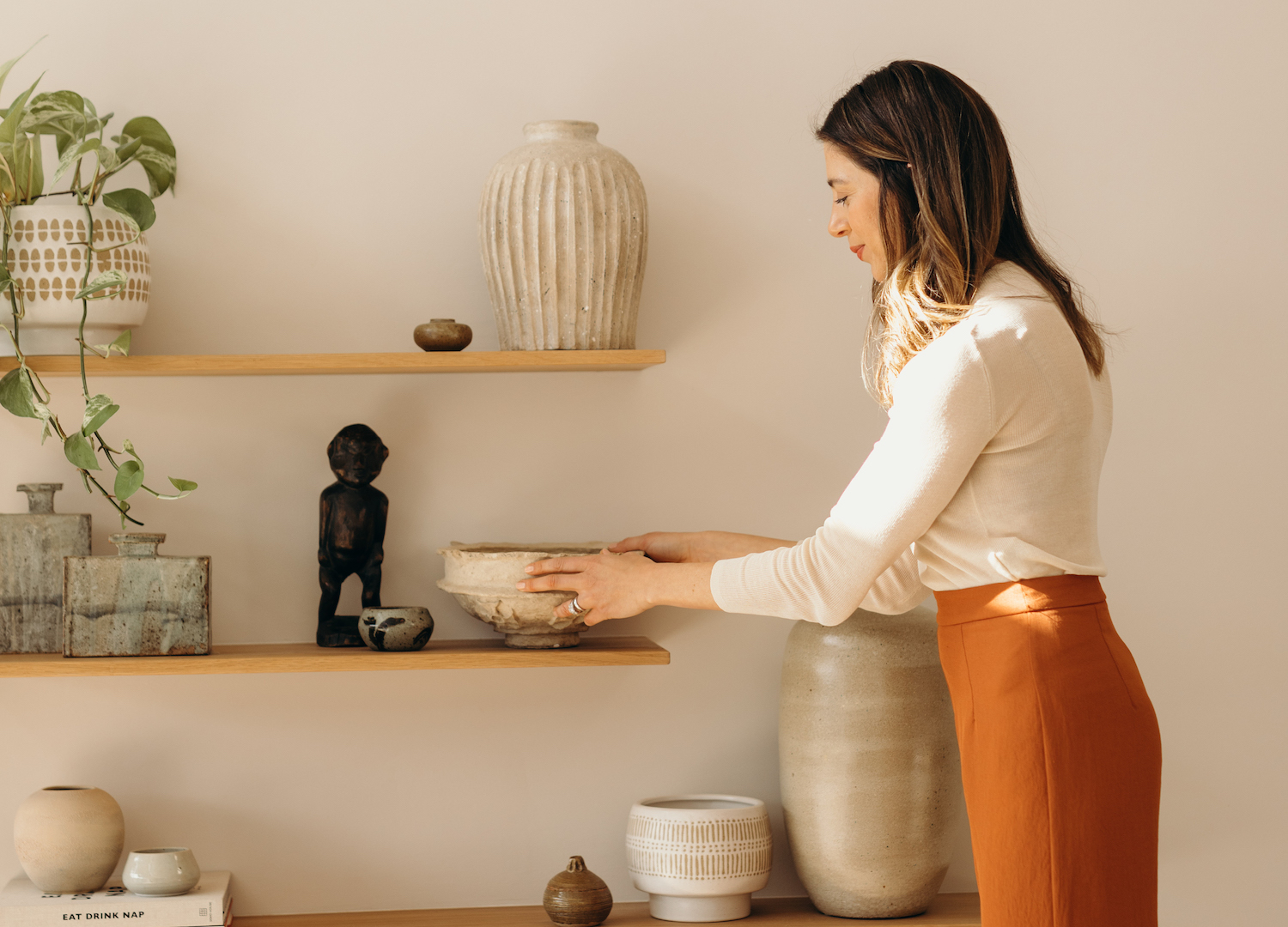
words LIZ LINFORTH photos STUDIO MAE
Remember those youthful days when you’d rearrange your bedroom furniture and present it to your parents as if you were a whole new person? As adults with access to disposable income, and way too much stuff, that home dopamine hit is all the more achievable as interior design trends move at speeds comparable to those of fast fashion. But the rise of ‘fast homewares’ – a phenomenon described by some as ‘The Kmart Effect’ – has a heavy environmental cost. Here, Liz Linforth, co-founder of Studio Mae, posits her top tips for reducing your carbon footprint for sustainable decorating.
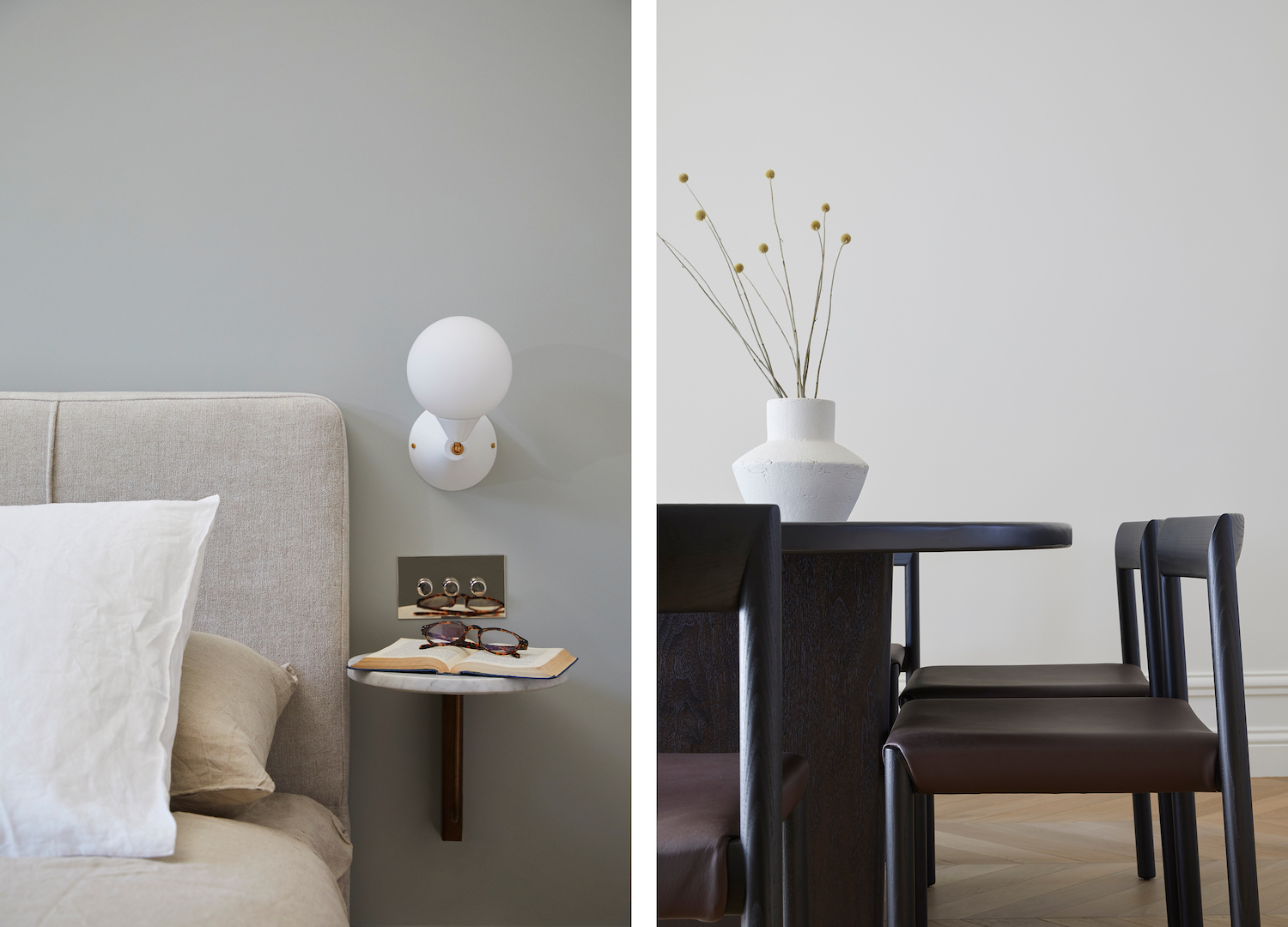
At Studio Mae, we’ve been ranting on about the environmental benefits of sourcing sustainable, renewable, natural and organic home furnishings for years! According to one study by the Furniture Industry Research Association, the average piece of home furniture generates the same amount of greenhouse gas as burning 5.3 gallons of petrol. The 2011 study found that sofas (and their fillings) were the biggest culprit, generating 90 kilograms of carbon dioxide. Your living room has a big ol’ carbon footprint!
In fact, where it has been traditionally thought that a building’s structure contributed to more greenhouse gas emissions, it turns out that the interior (the furniture, fixtures and equipment) is responsible for the same, if not more, of the carbon footprint in construction!
So what can you do about it?

Keep, Reuse and Repurpose Furniture
We currently plough through home furnishings at an alarming speed, discarding and disposing of with every new trend. According to the Environmental Protection Agency, we chuck over 9 million tonnes of furniture into landfill every year!
We don’t stop to think about how those materials break down or what’s involved in the manufacture of each piece of new furniture, material or textile. The message here then is to refurbish, repurpose, reuse and re-love what you already have. Bring new life to it, use that piece of furniture or ornament in another room or give it a new use.
If you’re downsizing or really can’t keep hold of that armchair any longer, rather than a visit to the tip, give the furniture away, donate it to charity, sell it locally at a car boot sale or online via Facebook Marketplace or eBay, for example. There are so many people looking for bargains to upcycle. If you can’t see any mileage in keeping or restoring, give your furnishings away – and keep them from going to landfill.
Decorate with Plants
Being surrounded by greenery has been shown to improve concentration productivity and even boost our immune system. Yale University studies have shown that indoor plants have the ability to lower heart rate and blood pressure. Plants also purify the air within your home by absorbing chemicals like ammonia, formaldehyde and benzene.
A few of the best plants to filter the air are peace lilies, lady palms or broadleaf lady palms. English ivy has been reported to reduce levels of volatile organic compounds like formaldehyde, benzene and trichloroethylene from the air while spider plants help to control carbon monoxide, and are ideal for rooms that have gas heaters.
Furniture Selection
When choosing furniture there are two questions you should ask: is it made from natural materials and is it made locally.
Natural materials are important for our health and the health of the environment. Natural fibres are derived from plant materials and therefore decompose quickly when disposed of. Synthetic fibres, on the other hand, require high-energy and crude oil. They are essentially plastic and do not biodegrade.
It’s important for our mental health to walk into the home and see furniture pieces that make us feel good. When you see a piece that has a story, has been crafted by hand and supports your local community, it triggers a sense of positivity and wellbeing in our brains. Even subconsciously, we feel a warm connection to that piece of furniture and the person who made it.
Update your Mattress
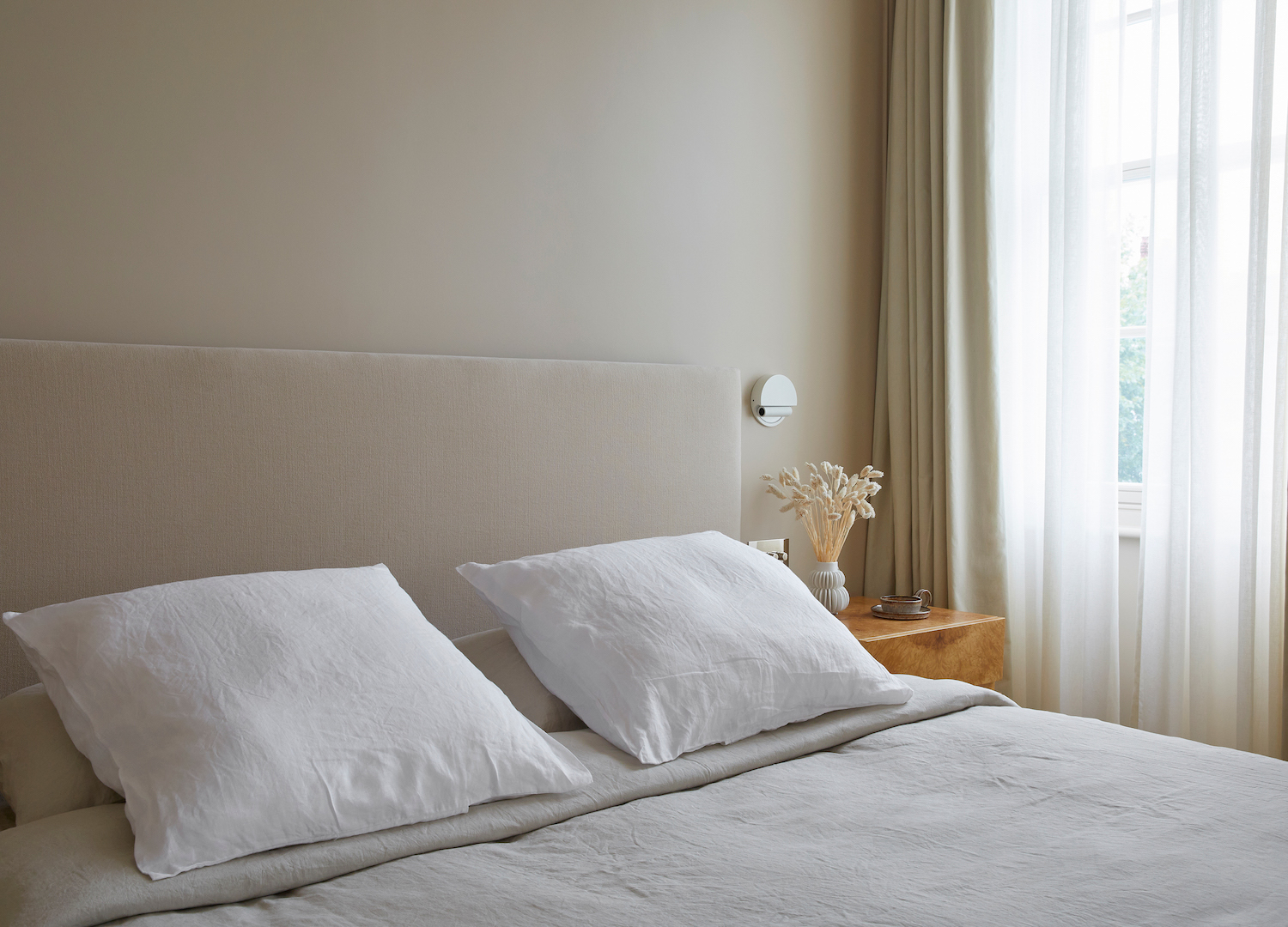
From a health perspective, changing your mattress should be a priority. You are breathing in its materials for eight hours a night while you sleep.
Most mattresses are sprayed with flame-retardant chemicals to meet safety regulations, but there are healthier alternatives that don’t contain toxins and still meet requirements. In fact, there are non-toxic materials that are naturally fire resistant like wool. If you’re on the hunt for a new mattress, The Natural Bedding Company is a good place to start.
When disposing of your old mattress, remember to do it thoughtfully so it doesn’t end up in landfill. Companies like Soft Landing will pick up and recycle old mattresses for you.
Shop Slowly and Locally to Reduce your Carbon Footprint
Lastly, slow right down when buying home furnishings. If you’re an impulse buyer, it’s time to change that habit. The most important trend for planetary survival is to shop mindfully and consciously.
Really think about that item before you buy it. Sleep on it before pressing that ‘add to basket’ button. How long will the furniture last? Where was it made? How far does it have to travel to get to you? What manufacturing methods were used? Are the materials sustainable, healthy and renewable?
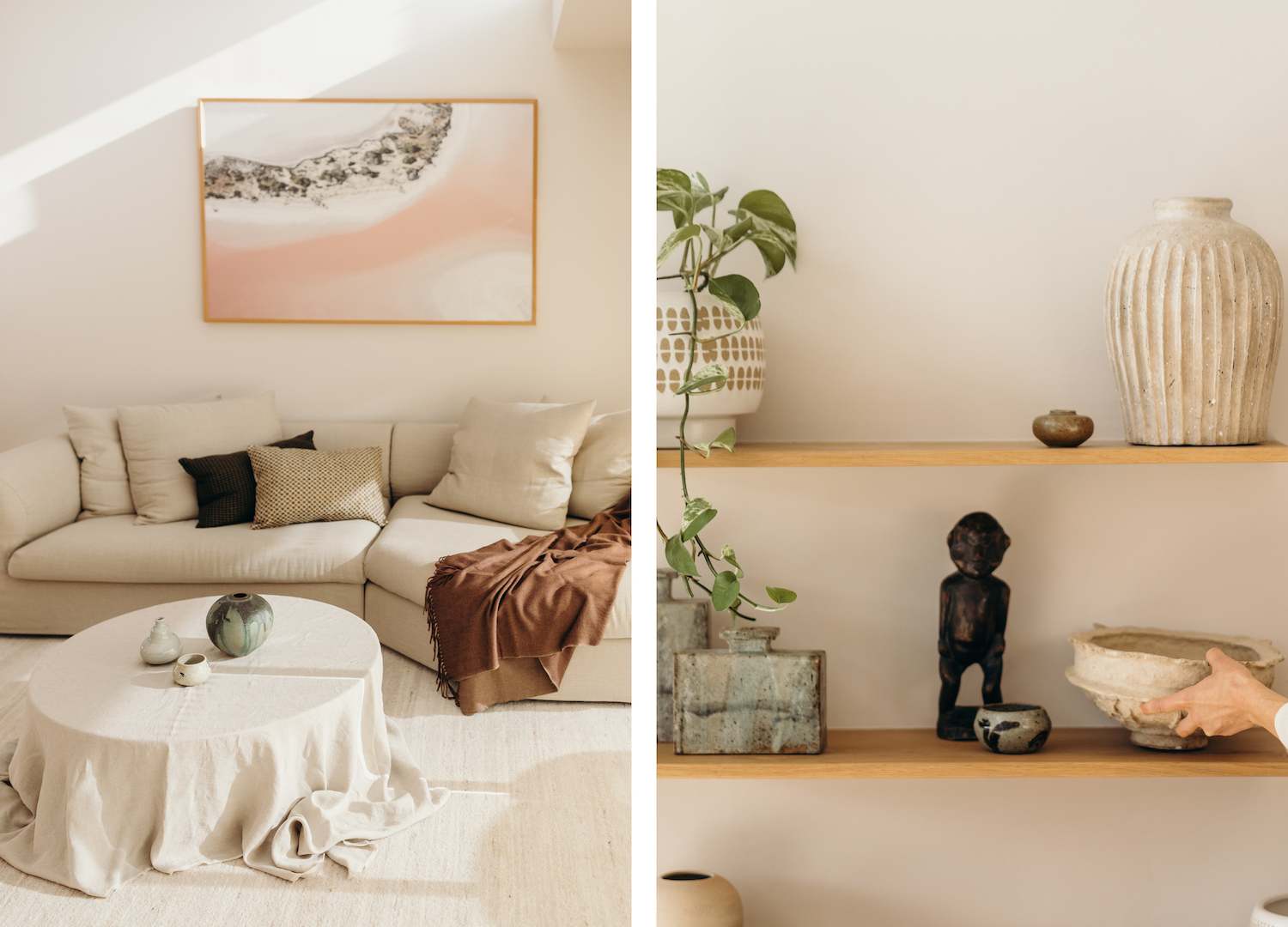
Great interior design always tells a great story. The rooms that take your breath away – and make you want to Instagram the heck out of them – contain items that mean something so much more than a cheap find from a mass-manufactured store. They’re beautiful, unique and, very often, pre-loved.