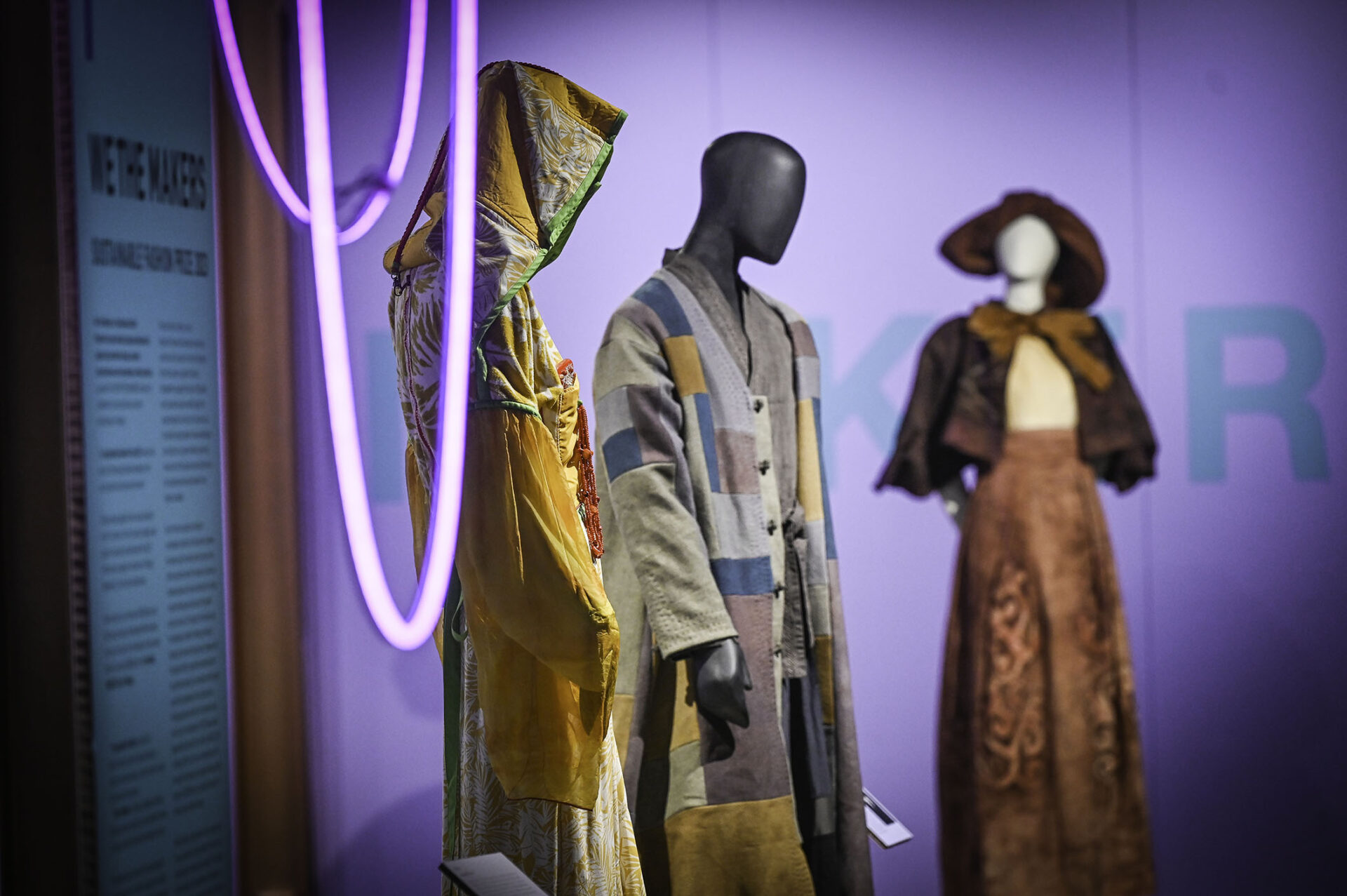
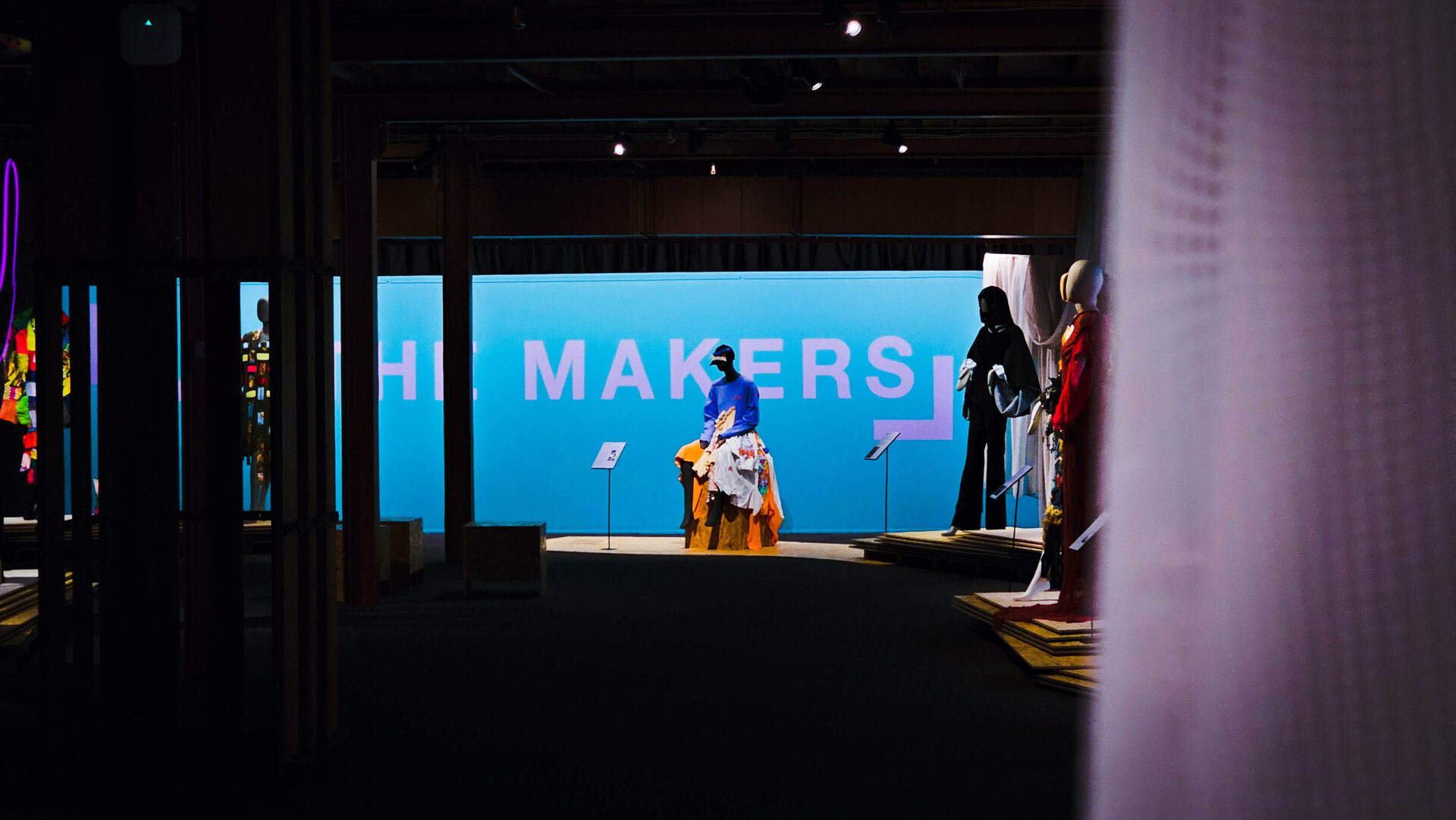
There’s a song of change in the air in Geelong, Australia’s first and only UNESCO Creative City of Design and once known as the ‘wool centre of the world’. A new generation of designers is working to combat fast fashion’s culture of overproduction and disposability, proving that the future of our favourite threads doesn’t have to be wasteful; but innovative, ethical, and sustainable instead… And the National Wool Museum’s We The Makers Sustainable Fashion Prize is leading the charge. This biennial award, now open for entries, is Australia’s only dedicated prize for emerging designers pushing the boundaries of sustainability. The competition invites designers from around the world to submit a single, original ensemble that reflects their design aesthetic, material innovation, circular design principles, and groundbreaking business models. Winners will take home the National Wool Museum Designer of the Year Award ($10,000) or the UNESCO City of Design People’s Choice Award ($2,000). In 2023, Canwen Zhao’s striking work, ‘35 Life’, won the Acquisitive Prize and became a permanent part of the Museum’s collection.
We The Makers gives emerging designers a platform to challenge industry norms and redefine how fashion is made – and consumed. Josephine Rout, Senior Curator at the National Wool Museum, believes the prize is unique in the way it brings local and global talent together in a dialogue with each other. “This is particularly important as, while there’s so much emphasis on ‘Australian’ fashion, the reality is that fashion, like many of us, transcends borders and concepts of nationalism,” she explains.
PHOTOS: STEVEN HEDLEY
Storytelling through design
Since its inception, We The Makers has showcased designers who see sustainability as core to their practice. “I’ve been really impressed by how the next generation of designers embed ethical and sustainable practice into their work,” says Josephine. “It’s not an afterthought like it once was. I’ve been inspired by some of the techniques used and narratives that come with the garments. Sustainable fashion tells stories – fast fashion is just a horror show.”
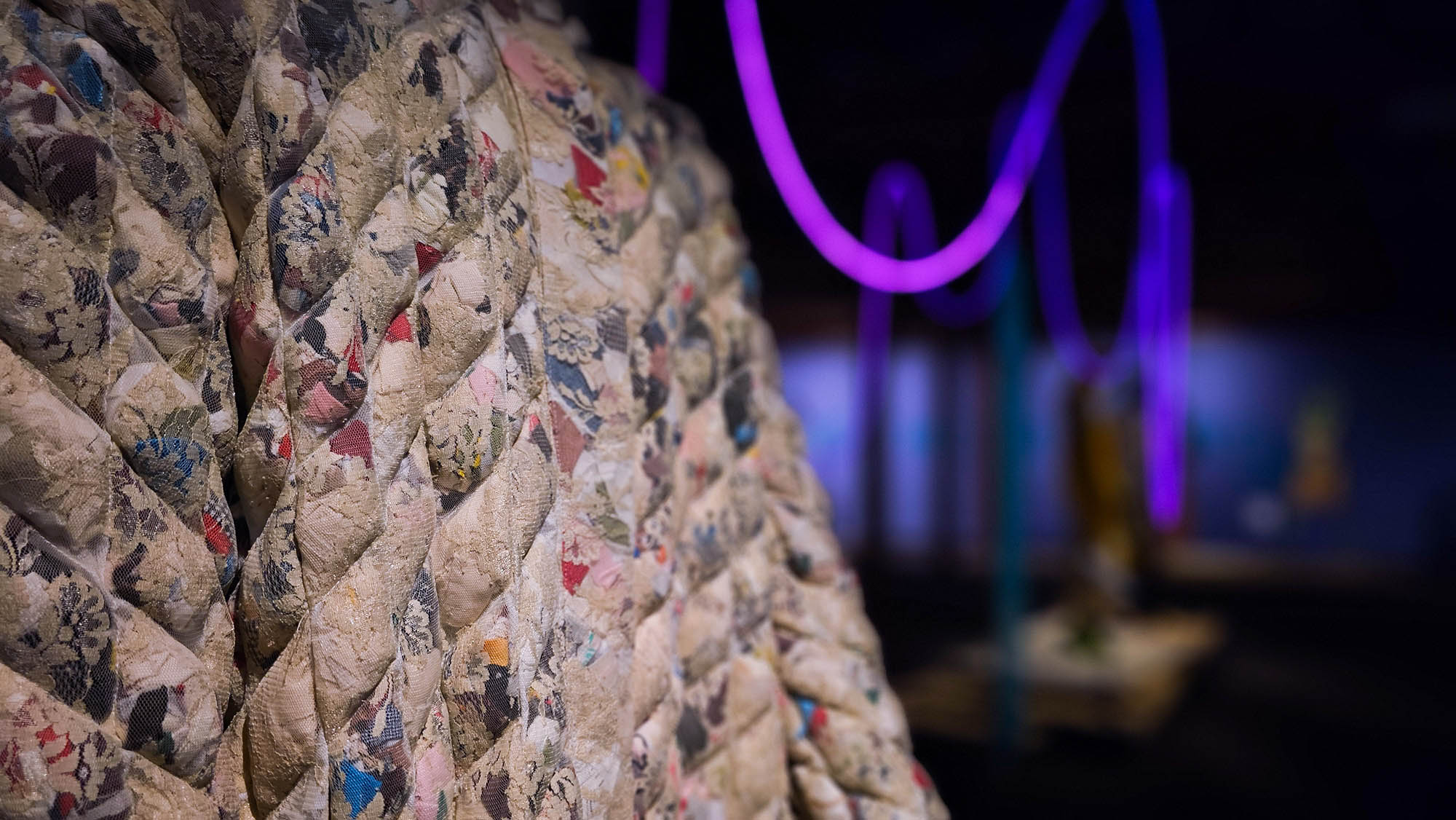
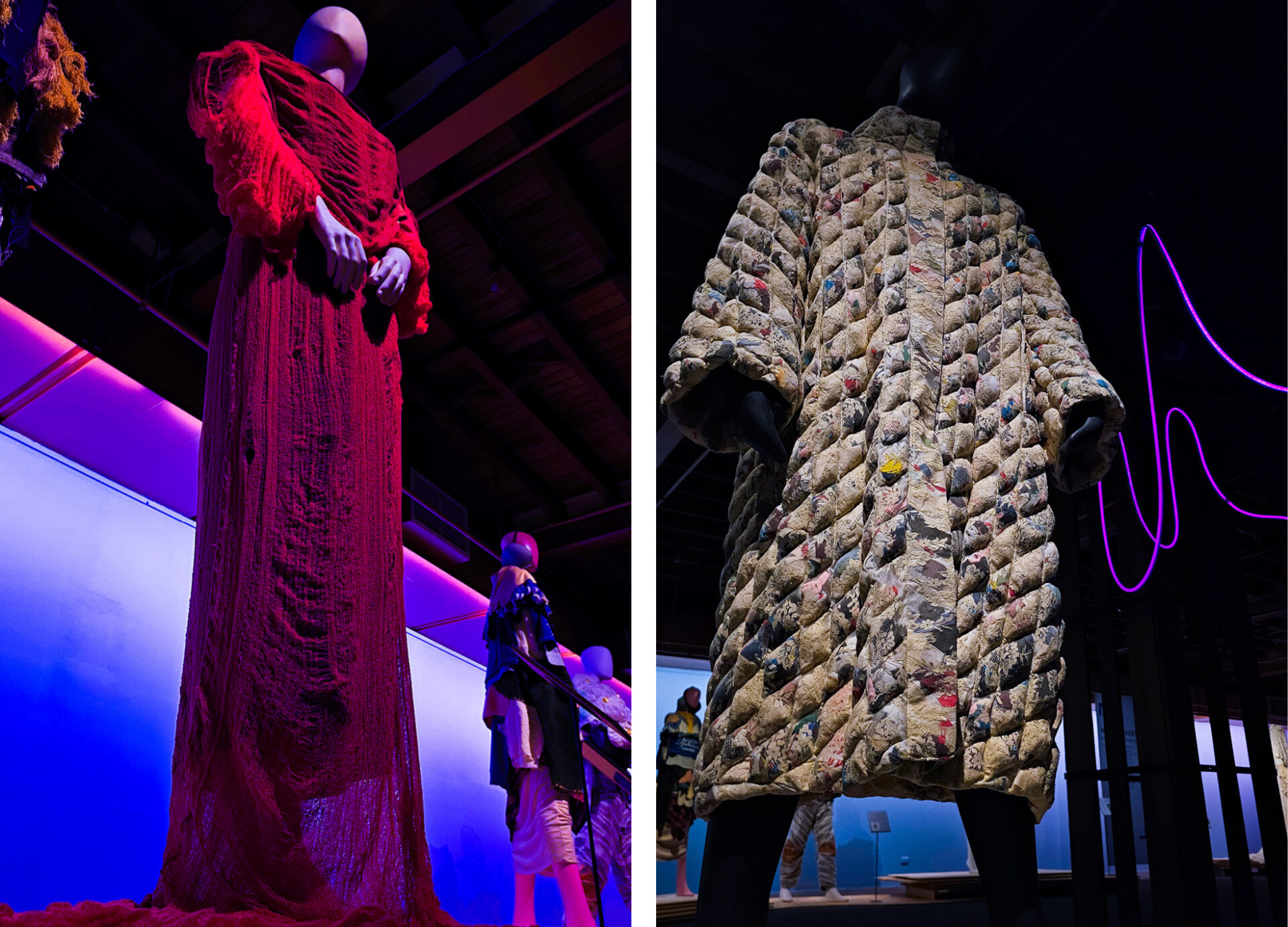
Josephine mentions being ‘astounded’ by previous finalist Kave V M Sylvester’s work, “in which she slows down fast fashion by gently loosening the thread of discarded T-shirts, to create garments that, like spiderwebs, appear fragile, yet are quite robust. They also reveal just how much fibre is in such a simple – and often considered disposable – garment.” Jedda Bahloo’s use of fabric shreds as wadding for a quilted coat impressed as well: “she made this detail a design feature by then using deadstock lace as the outer layer so that the different coloured fabrics below were visible.’ And Steven Park of 6×4’s worldview compelled: “As an interdisciplinary artist, he only uses repurposed materials and draws upon his Korean heritage as an artisan and activist based in Aotearoa New Zealand.”
What are the judges looking for?
A beautifully made garment isn’t enough – Judges will be looking for a unique point of view and creative approach to sustainable fashion, whether in materials, techniques or industry-shifting ideas, explains Josephine. “I think ultimately they want to be inspired – there is so much clothing in the world already!”
The winner, announced in June 2025, will have their work acquired by the National Wool Museum as part of a collection that tells the evolving story of sustainable fashion. For emerging designers, We The Makers isn’t just a competition – it’s a launchpad, providing much-needed financial backing for an independent designer. “So many of the previous We The Makers finalists have gone on to do really interesting projects and become ambassadors for sustainable fashion,” says Josephine. “Courtney Holm, one of our 2020 winners, is now a leading name in Australian sustainable fashion. Jordan Gogos was a finalist in 2023 and has had so many remarkable achievements, including collaborating with Akira Isogawa while staying true to his design ethos. Recently, Saskia Baur-Schmid of Hyph-n, a 2020 We The Makers finalist, won the special mention for sustainability at the 2025 David Jones National Designer of the Year award.”
A City born in innovation
It’s no accident that We The Makers found a natural home in Geelong. Once a hub of wool manufacturing, the city was built on the trade of high-quality fleece – hence the National Wool Museum’s location in a historic wool store dating back to 1872. Though Geelong’s wool industry has declined, it remains a centre of textile innovation, thanks to research institutions like Deakin University’s Institute for Frontier Materials and the ARC Research Hub for Future Fibres. “There’s remarkable research being done right here in Geelong to combat the crisis caused by the textile and garment industries,” says Josephine. And wool still remains an important textile for the fashion industry: “it’s a natural fibre that has been used for thousands of years due to its unique structure. It’s also a remarkably versatile material that can be treated in various ways and is one of the more sustainable fibres. Australian merino is particularly valued in fashion for being the finest and softest wool and has underpinned the global fashion industry for decades.”
The wool industry hasn’t been without ethical challenges, however – but Josephine believes the next generation of sustainable designers will “demand better practice within the industry as they replace those who have been resistant to change. A lot of designers are also passionate educators, so I see them bringing their wearers along with them on the journey to more sustainable and ethical consumption. Wool will always be an important part of sustainable fashion, but we may see less virgin and more recycled wool in future fashion.”
For those curious to explore wool’s past, Josephine recommends the National Wool Museum’s two immersive core galleries:
- On the Land: Our Story Retold, which unpacks the cultural and environmental impact of Australia’s colonial wool industry on Wadawurrung Country.
- In the Factory, which takes visitors through the entire process of wool production, from fleece to fabric – complete with interactive exhibits like wool handling and clocking in on a time card.
As fashion reckons with its environmental impact, the We The Makers Sustainable Fashion Prize offers a glimpse of a better future – one where clothing is created with intention, innovation, and care. Entries are open from 1 March to 11 April 2025, with the winner announced on 13 June 2025. Short-listed outfits will be displayed in a professionally curated exhibition from 14 June. For more information or to enter, visit www.wethemakers.com.au.
THIS POST WAS CREATED IN PARTNERSHIP WITH OUR FRIENDS AT THE NATIONAL WOOL MUSEUM.