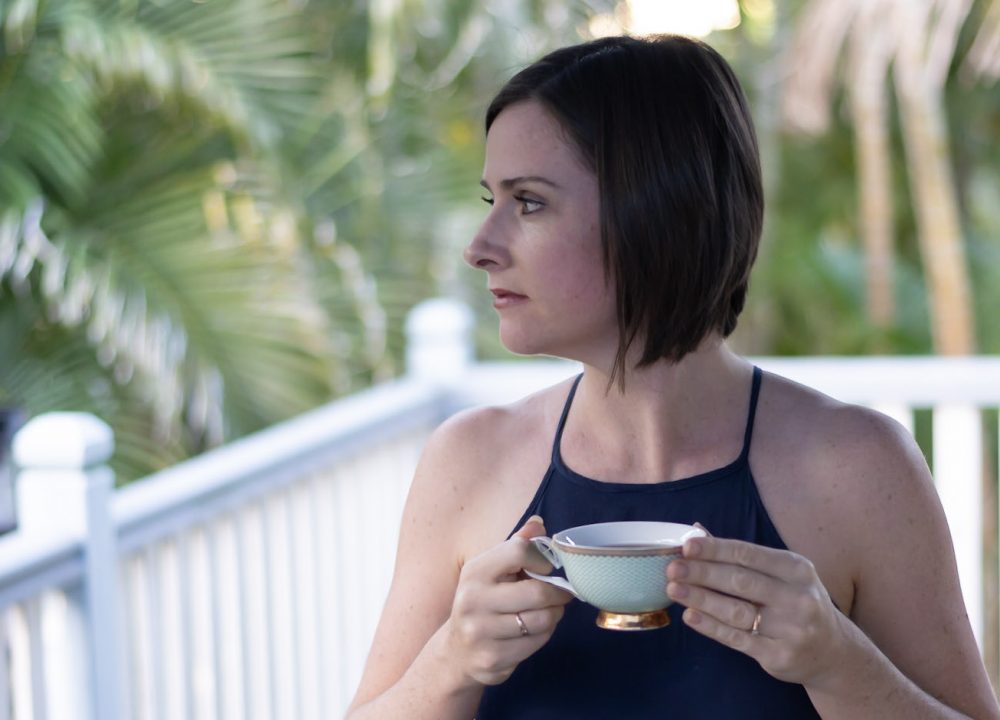
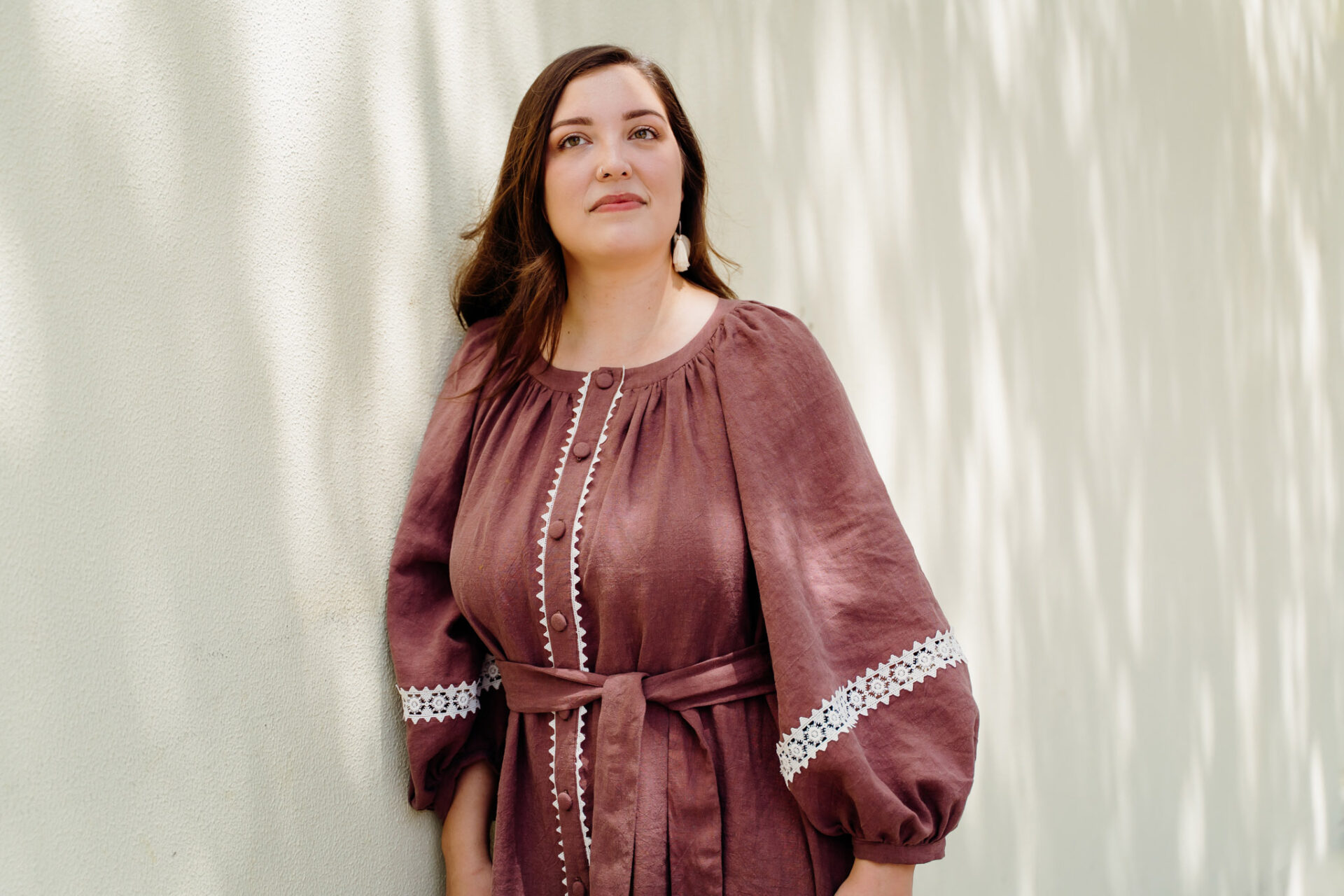
After experiencing the powerful ceremony of tea for the first time on a visit to a wintry Poland in 2002, Rebecca Domorev found peace – and a winning business idea – in the humble cup of tea.
Tell us about the journey that inspired Tielka?
I fell in love with tea in the northern winter of 2002 when visiting a friend’s café in Kielce, Poland. I was handed the most lovingly put together, extensive tea menu, filled with thoughtful descriptions. I was captivated – I had never seen tea treated with such dignity and respect. I tried a tea – admittedly a sweet fruity concoction – but I was delighted and that got the ball rolling.
Six years after my first tea experience, I remember standing in my sister-in-law’s kitchen as she lamented over the poor, tasteless selection of stale organic teas available in Australia, and nothing fair trade. After a little research, I discovered that there were no organic, fair trade loose leaf tea companies in Australia. So Tielka grew organically from this and became the first in Australia to release a fully Certified Organic, Fairtrade tea collection.
Beautiful tea is, paradoxically, both incidental and central because it creates a space where the real magic happens.
Why are ethics and sustainability so important?
There’s so many important aspects to ethically and sustainably grown tea, including the impact on the land, the wildlife, the benefits of observing natural harvest cycles and on our health as consumers. Early on, I discovered that tea growers, who are the most vulnerable in the supply chain, were rarely given any protective wear against poisonous pesticides. In cases where they had protection, they were poorly educated on safe usage. The resulting health issues were significant and ongoing. Conventional tea was never going to be an option for us.
Why is tea so powerful for mental health and wellbeing?
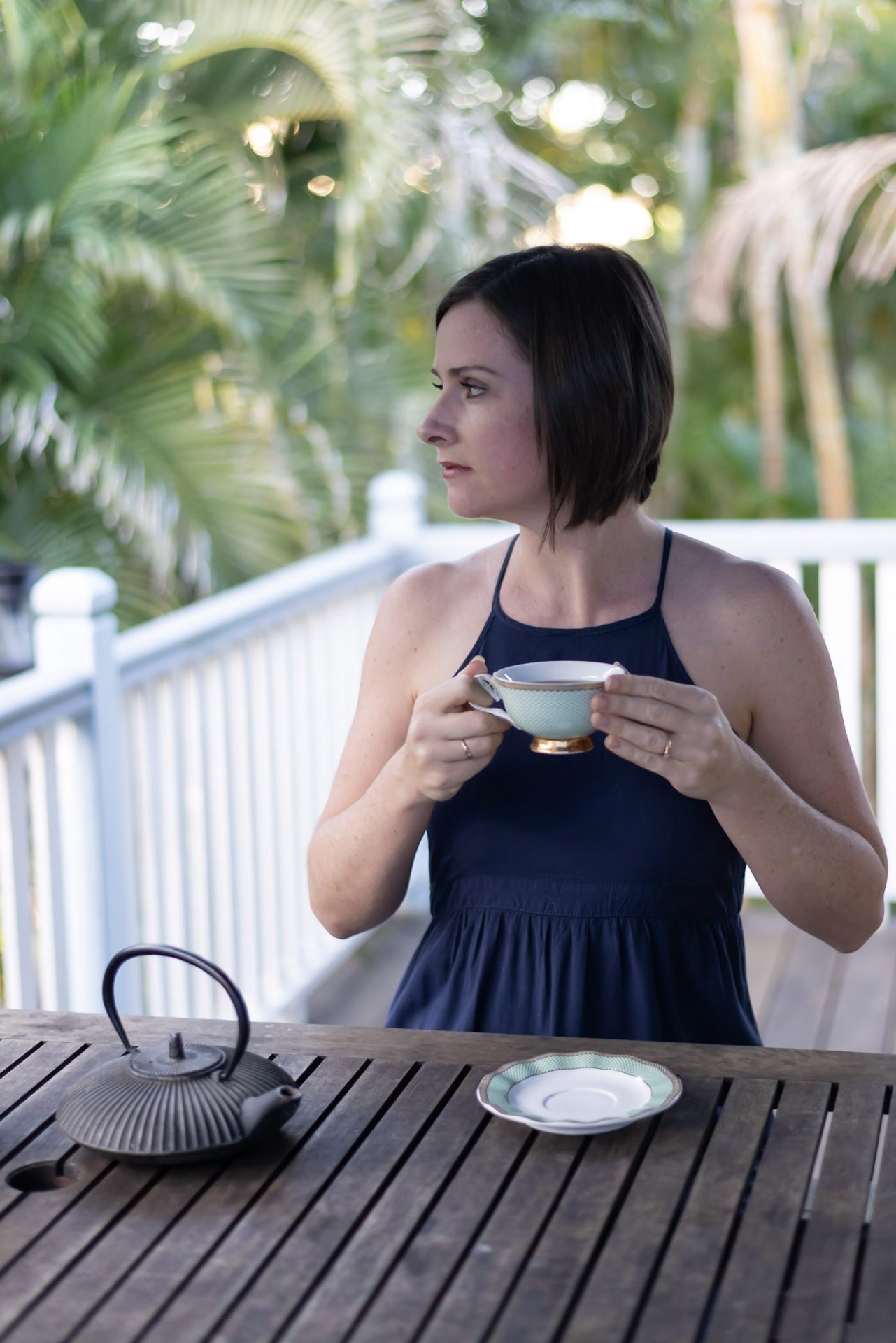
Tea is an incredible force and there are two aspects of tea that make it so powerful. The first is simple – it’s what you find in your cup. Tea and herbals contain extraordinary nutrients that can lift your mood, support brain function and improve digestive health, all of which support mental health and wellbeing. There is a lovely amino acid called theanine, particularly potent in green and white tea, that naturally increases dopamine levels in the brain, which makes you feel happy!
The second is my favourite – the ceremony of tea and the life-giving me-time that is built around a cup of tea. Beautiful tea is, paradoxically, both incidental and central because it creates a space where the real magic happens. In this space, I begin to rest deeply, disconnect from the world and connect with my inner self, and even more so, with God.
Regardless of what circumstances we find ourselves in, there are still moments of joy to be found.
You’ve spoken about how, when your third son was born with Down Syndrome, your personal tea practices helped process those emotions. Can you tell us about that?
I don’t think I realised the full impact my tea-time had on my life until that experience. By the grace of God, I was anchored in peace during this season. It was still exhausting and difficult – we were uprooted from our home and relocated to Brisbane while our perfect newborn son had surgery and recovered in NICU. It took time to get our heads around his diagnosis, but when we created Tielka we came up with the phrase “indulge in life”. It was based on this idea that, regardless of what circumstances we find ourselves in, there are still moments of joy to be found. It has become a way of life for us.
A couple of weeks after Andrew was born, I remember walking through the parklands of South Bank one evening. I looked up and saw fairy lights in the distance behind a sculptured metallic archway, overgrown with vines, surrounding the walkway. The moment caught me completely off guard and I gasped. I was filled with wonderment and unexpectedly felt incredible joy. I have that same feeling when I start my day over a beautiful cup of tea; my heart is set up to find moments of joy even in the most difficult of circumstances.
Why is me-time and self-care so important?
When I give myself the time I need to rest, to enjoy my tea, to practice mindfulness, I am living my best self. I’m far from perfect, but the cogs of life seem to turn better. I can only imagine how much more smoothly society would grow if this was the norm.
photo ALEXEI DOMOREV
THIS ARTICLE, ORIGINALLY PUBLISHED IN ISSUE 46, WAS CREATED IN PARTNERSHIP WITH OUR FRIENDS AT TIELKA.






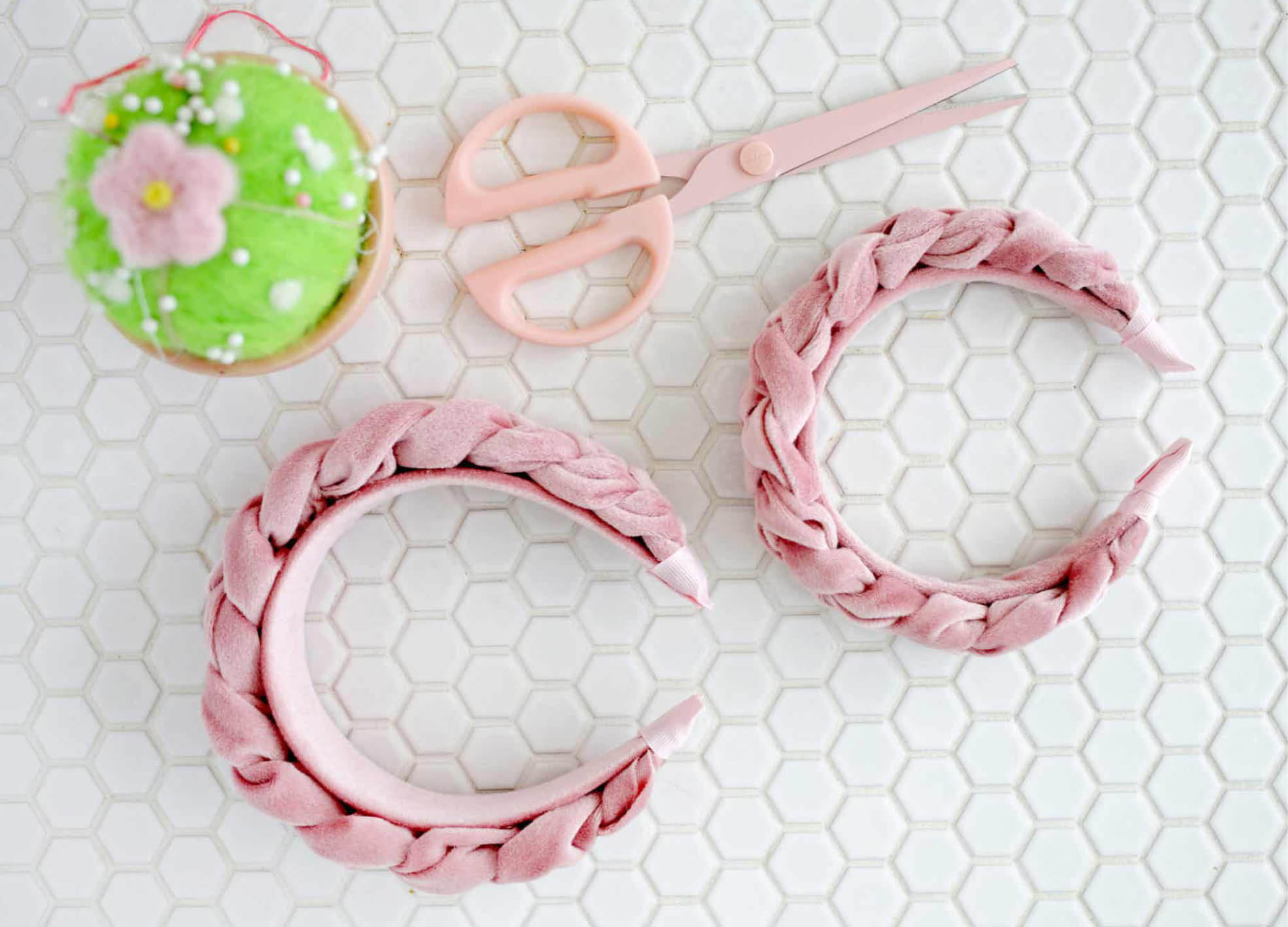
“In the 1940’s, Norwegians made and wore red pointed hats with a tassel as a form of visual protest against Nazi occupation of their country. Within two years, the Nazis made these protest hats illegal and punishable by law to wear, make, or distribute. As purveyors of traditional craft, we felt it appropriate to revisit this design.”
Crafters have often been at the heart of many protest movements, often serving as a powerful means of political expression. @NeedleAndSkein, a yarn store in Minnesota, are helping to mobilise the craftivists of the world with a ‘Melt The Ice’ knitting pattern created by @Yarn_Cult (with a crochet pattern too), as a way of peaceful protest.
The proceeds from the $5 pattern will go to local immigrant aid organisations – or you can donate without buying the pattern.
Raise those needles, folks – art and craft can change the world. 🧶
Link in bio for the pattern.
Images: @Gather_Fiber @NeedleAndSkein @a2ina2 @KyraGiggles Sandi.204 @WhatTracyMakes AllieKnitsAway Auntabwi2
#MeltTheIce #Craftivism #Knitting #CraftForChange


TWO WEEKS TO GO! 🤩
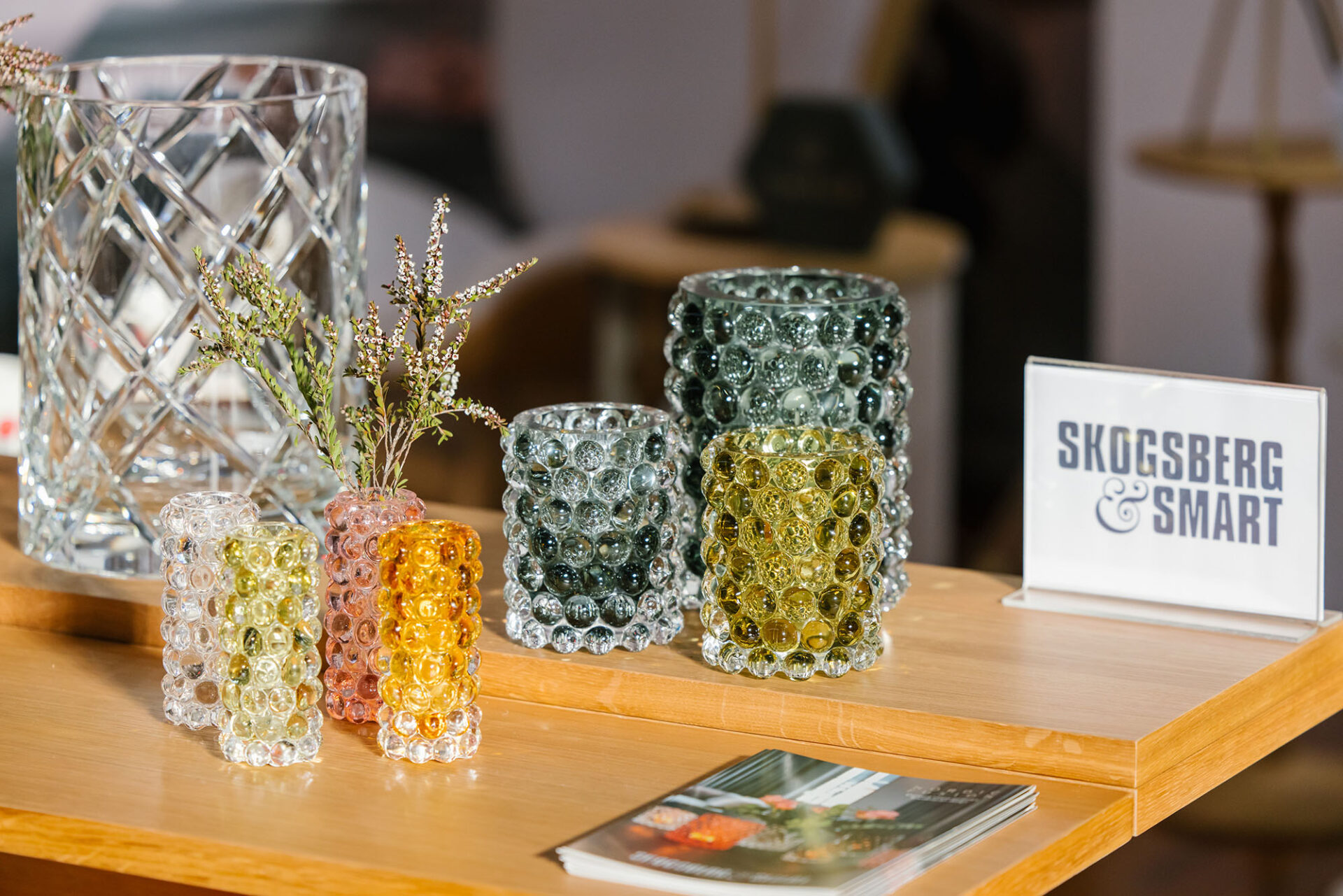
"The most important shift is moving from volume-led buying to value-led curation – choosing fewer, better products with strong ethics, considered production and meaningful stories. Retailers have real influence here: what you buy signals what you stand for. At Life Instyle, this means using the event to discover and invest in small-scale, planet-considerate brands that align with your values and your customer’s conscience. Consumers don’t need more things; they need better things, and retailers play a key role in selecting, contextualising, and championing why those products matter."
Only two more weeks until @Life_Instyle – Australia`s leading boutique retail trade show. If you own a store, don`t miss this event! Connect with designers, source exquisite – and mindful – products, and see firsthand why this is Australia’s go-to trade show for creatives and retailers alike. And it`s free! ✨️
Life Instyle – Sydney/Eora Country
14-17 February 2026
ICC, Darling Harbour
Photos: @Samsette
#LifeInstyle #SustainableShopping #SustainableShop #RetailTradeEvent

Calling all sewists! 📞
Have you made the Peppermint Waratah Wrap Dress yet? Call *1800 I NEED THIS NOW to get making!
This gorgeous green number was modelled (and made) by the fabulous Lisa of @Tricky.Pockets 🙌🏼
If you need a nudge, @ePrintOnline are offering Peppermint sewists a huge 🌟 30% off ALL A0 printing 🌟 when you purchase the Special Release Waratah Wrap Dress pattern – how generous is that?!
Head to the link in bio now 📞
*Not a real number in case that wasn`t clear 😂
#PeppermintWaratahWrapDress #PeppermintPatterns #SewingPattern #WrapDress #WrapDressPattern

8 Things to Know About January 26 - from @ClothingTheGaps:
Before you celebrate, take the time to learn the truth. January 26 is not a day of unity it’s a Day of Mourning and Survival for Aboriginal and Torres Strait Islander peoples.
It marks the beginning of invasion, dispossession, and ongoing colonial violence. It’s time for truth-telling, not whitewashed history.
Stand in solidarity. Learn. Reflect. Act.
✊🏽 Blog written by Yorta Yorta woman Taneshia Atkinson.
🔗 Link in bio of @ClothingTheGaps to read the full blog
#ChangeTheDate #InvasionDay #SurvivalDay #AlwaysWasAlwaysWillBe #ClothingTheGaps

As the world careens towards AI seeping into our feeds, finds and even friend-zones, it`s becoming increasingly hard to ignore.
We just wanted to say that here at Peppermint, we are choosing to not print or publish AI-generated art, photos, words, videos or content.
Merriam-Webster’s human editors chose `slop` as the 2025 Word of the Year – they define it as “digital content of low quality that is produced usually in quantity by means of artificial intelligence.” The problem is, as AI increases in quality, it`s becoming more and more difficult to ascertain what`s real and what`s not.
Let`s be clear here, AI absolutely has its place in science, in climate modelling, in medical breakthroughs, in many places... but not in replacing the work of artists, writers and creatives.
Can we guarantee that everything we publish is AI-free? Honestly, not really. We know we are not using it to create content, but we are also relying on the artists, makers and contributors we work with, as well as our advertisers, to supply imagery, artwork or words created by humans. AI features are also creeping into programs and apps too, making it difficult to navigate. But we will do our best to avoid it and make a stand for the artists and creatives who have had their work stolen and used to train AI machines, and those who are now losing work as they are replaced by this energy-sapping, environment-destroying magic wand.
Could using it help our productivity and bottom line? Sure. And as a small business in a difficult landscape, that`s a hard one to turn down. We know other publishers who use AI to write stories, create recipes, produce photo shoots... but this one is important to us.
`Touch grass` was also a Merriam-Webster Word of the Year. We`ll happily stick with that as a theme, thanks very much. 🌿

If your fingers are twitching for some crafting, take a peep at this massive list of marvellous makes that can be whipped up in a flash, put together by our Sewing Manager Laura. Ok yes, it was originally a roundup we created for easy Christmas gifts, but now it can be your blueprint for easy craft wins to go on your 2026 making must-do list!
If money and time are slim for you right now – as they are for many of us – these 22 projects will help you avoid the chaos and consumerism of the malls, scratch that creative itch and produce a fun me-made make that won’t break the bank.
Link in bio! 🪡🎨✂️
#PeppermintMagazine #MeMadeGifts #DIYs #EasyWins
