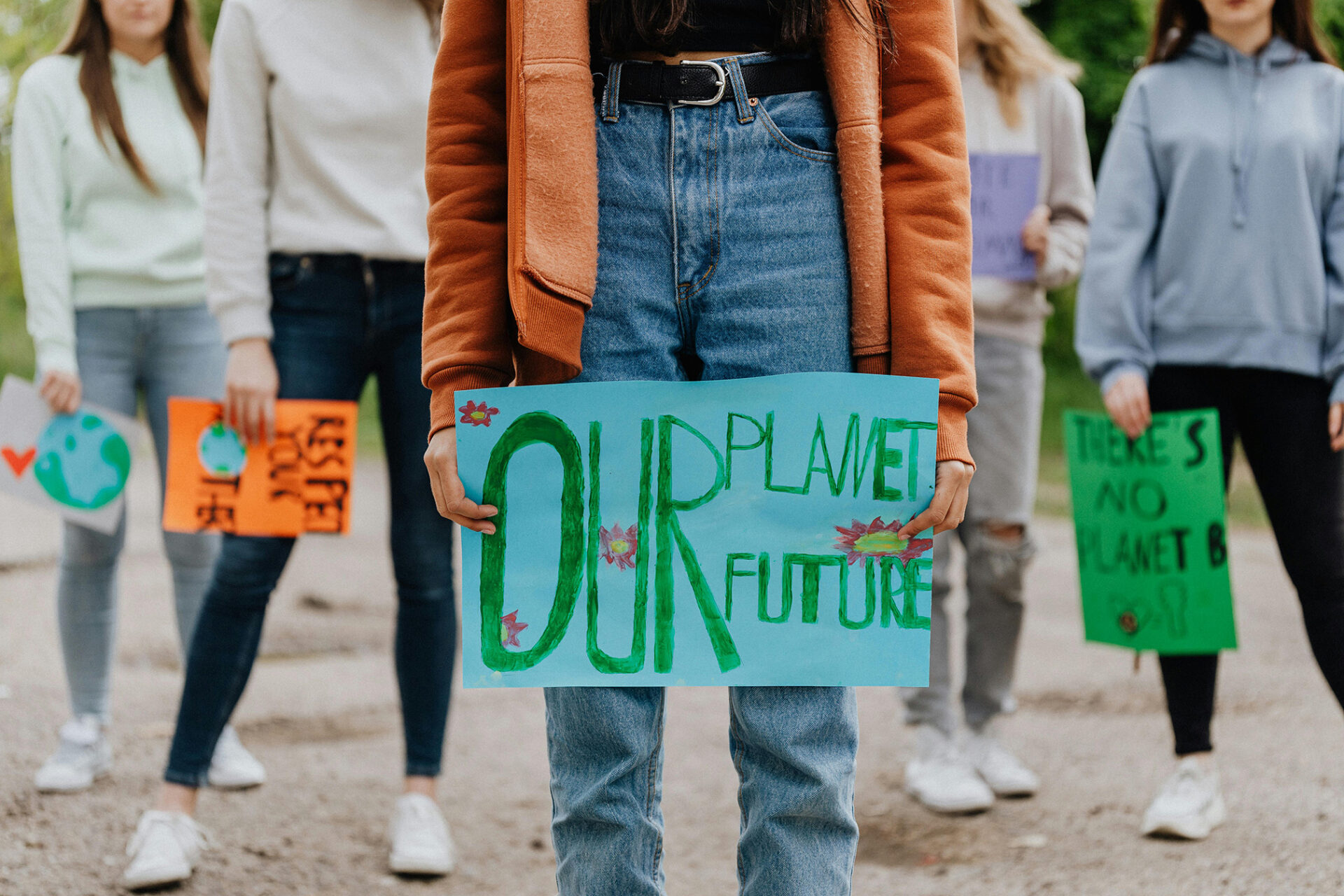
words EMMA JOHNSTON, PROFESSOR AND DEPUTY VICE-CHANCELLOR (RESEARCH), UNIVERSITY OF SYDNEY; IAN CRESSWELL, ADJUNCT PROFESSOR, UNSW SYDNEY; AND TERRI JANKE, HONORARY ASSOCIATE PROFESSOR, UNSW SYDNEY top photo KAROLINA GRABOWSKA / PEXELS
Climate change is exacerbating pressures on every Australian ecosystem and Australia now has more foreign plant species than native, according to the highly anticipated State of the Environment Report released today. The report also found the number of listed threatened species rose eight percent since 2016 and more extinctions are expected in the next decades.
The document represents thousands of hours of work over two years by more than 30 experts. It’s a sobering read, but there are some bright spots. Australia has produced a national state of environment report every five years since 1995. They assess every aspect of Australia’s environment and heritage, covering rivers, oceans, air, ice, land and urban areas. The last report was released in 2017.
This report goes further than its predecessors, by describing how our environment is affecting the health and wellbeing of Australians. It is also the first to include Indigenous co-authors. As chief authors of the report, we present its key findings here. They include new chapters dedicated to extreme events and Indigenous voices.
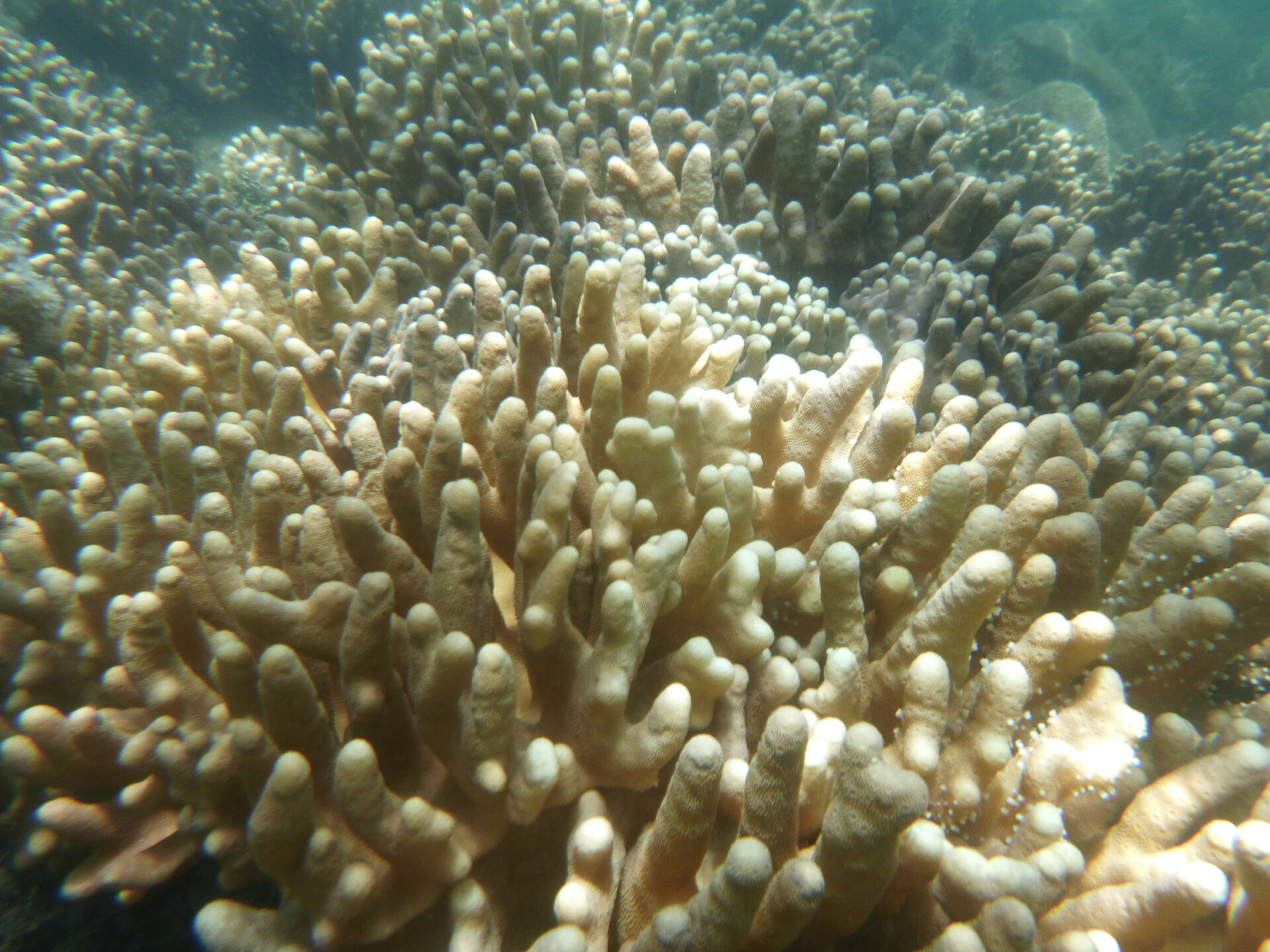
The Great Barrier Reef suffered four mass bleaching events since 2016. image NICO SMIT / UNSPLASH
1. Australia’s environment is generally deteriorating
There have been continued declines in the amount and condition of our natural capital – native vegetation, soil, wetlands, reefs, rivers and biodiversity. Such resources benefit Australians by providing food, clean water, cultural connections and more.
The number of plant and animal species listed as threatened in June 2021 was 1,918, up from 1,774 in 2016. Gang-gang cockatoos and the Woorrentinta (northern hopping-mouse) are among those recently listed as endangered.
Australia’s coasts are also under threat from, for instance, extreme weather events and land-based invasive species.
Our nearshore reefs are in overall poor condition due to poor water quality, invasive species and marine heatwaves. Inland water systems, including in the Murray Darling Basin, are under increasing pressure.
Nationally, land clearing remains high. Extensive areas were cleared in Queensland and New South Wales over the last five years. Clearing native vegetation is a major cause of habitat loss and fragmentation, and has been implicated in the national listing of most Australia’s threatened species.
2. Climate change threatens every ecosystem
Climate change is compounding ongoing and past damage from land clearing, invasive species, pollution and urban expansion.
The intensity and frequency of extreme weather events are changing. Over the last five years, extreme events such as floods, droughts, wildfires, storms, and heatwaves have affected every part of Australia.
Seasonal fire periods are becoming longer. In NSW, for example, the bushfire season now extends to almost eight months. Extreme events are also affecting ecosystems in ways never before documented.
For example, the downstream effects of the 2019-2020 bushfires introduced a range of contaminants to coastal estuaries, in the first global record of bushfires impacting estuarine habitat quality.
3. Indigenous knowledge and management are helping deliver on-ground change
This includes traditional fire management, which is being recognised as vital knowledge by land management organisations and government departments.
For example, Indigenous rangers manage 44% of the national protected area estate, and more than 2,000 rangers are funded under the federal government’s Indigenous rangers program.
Work must still be done to empower Indigenous communities and enable Indigenous knowledge systems to improve environmental and social outcomes.
4. Environmental management isn’t well coordinated
Australia’s investment is not proportional to the grave environmental challenge. The area of land and sea under some form of conservation protection has increased, but the overall level of protection is declining within reserves.
We’re reducing the quantity and quality of native habitat outside protected areas through, for instance, urban expansion on land and over-harvesting in the sea.
The five urban areas with the most significant forest and woodland habitat loss were Brisbane, Gold Coast to Tweed Heads, Townsville, Sunshine Coast and Sydney. Between 2000 and 2017, at least 20,212 hectares were destroyed in these five areas combined, with 12,923 hectares destroyed in Queensland alone.
Australia is also increasingly relying on costly ways to conserve biodiversity. This includes restoration of habitat, reintroducing threatened species, translocation (moving a species from a threatened habitat to a safer one), and ex situ conservation (protecting species in a zoo, botanical garden or by preserving genetic material).
5. Environmental decline and destruction is harming our wellbeing
In this report, we document the direct effects of environmental damage on human health, for example from bushfire smoke.
The indirect benefits of a healthy environment to mental health and wellbeing are harder to quantify. But emerging evidence suggests people who manage their environment according to their values and culture have improved wellbeing, such as for Indigenous rangers and communities.
Environmental destruction also costs our economy billions of dollars, with climate change and biodiversity loss representing both national and global financial risks.
READ MORE: This IPCC Report Is the Most Sobering Yet – Here’s What You Need to Know
Climate change is hitting ecosystems hard
Previous reports mostly spoke of climate change impacts as happening in future. In this report, we document significant climate harms already evident from the tropics to the poles.
As Australia’s east coast emerges from another “unusual” flood, this report introduces a new chapter dedicated to extreme events. Many have been made more intense, widespread and likely due to climate change.
We document the national impacts of extreme floods, droughts, heatwaves, storms and wildfires over the past five years. And while we’ve reported on immediate impacts – millions of animals killed and habitats burnt, enormous areas of reef bleached, and people’s livelihoods and homes lost – many longer-term effects are still to play out.
Extreme conditions put immense stress on species already threatened by habitat loss and invasive species. We expect more species extinctions over the next decades.
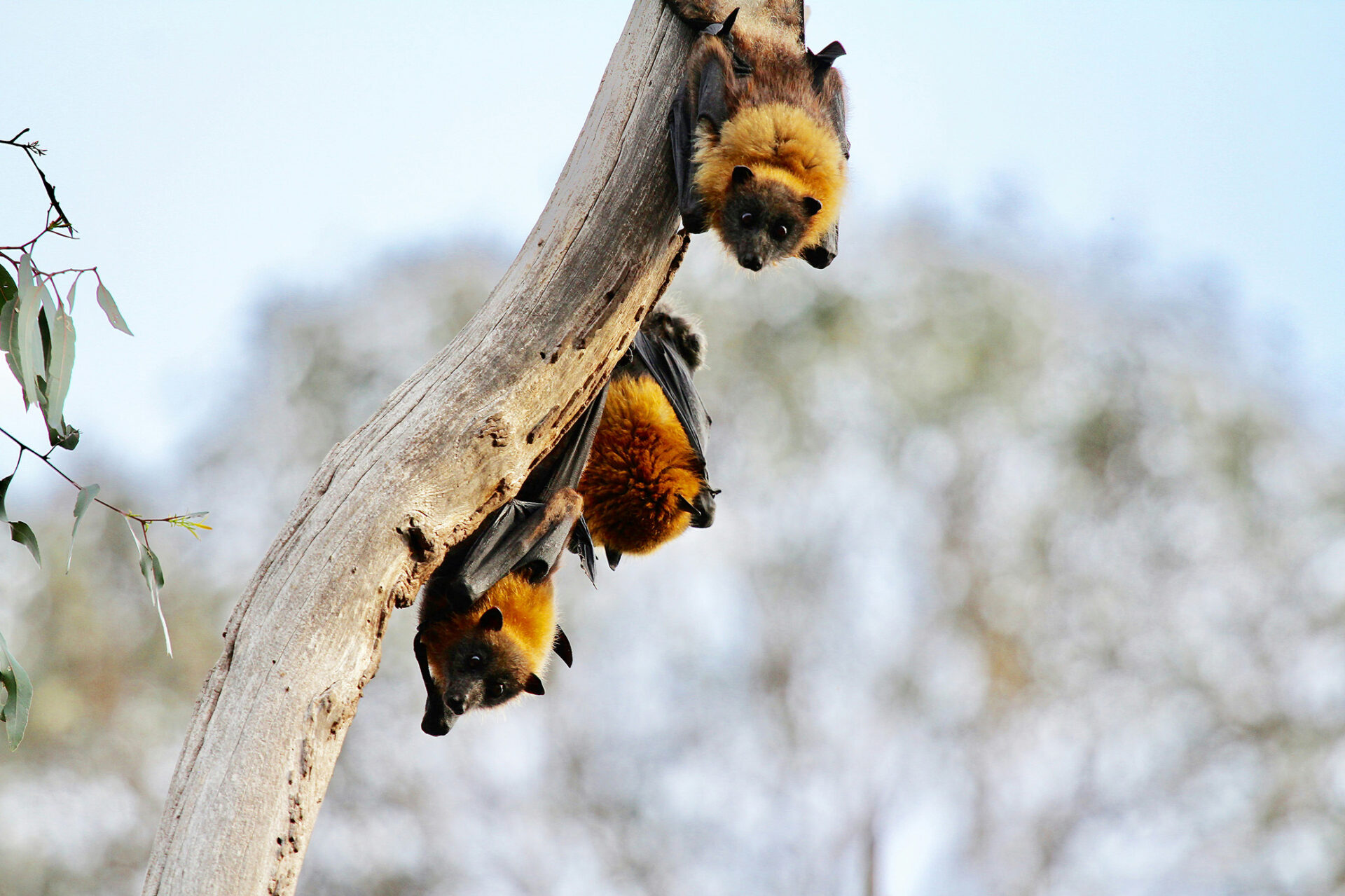
Some 23,000 spectacled flying foxes were killed in a 2018 heatwave. image GEOFF BROOKS / UNSPLASH
An extreme heatwave in 2018, for example, killed some 23,000 spectacled flying foxes. In 2019, the species was uplisted from vulnerable to endangered.
Many Australian ecosystems have evolved to rebound from extreme “natural” events such as bushfires. But the frequency, intensity, and compounding nature of recent events are greater than they’ve experienced throughout their recent evolutionary history.
For example, marine heatwaves caused mass coral bleaching on the Great Barrier Reef in 2016, 2017, 2020 and 2022. Such frequent disturbances leave little time for recovery.
Indeed, ecological theory suggests frequently disturbed ecosystems will shift to a “weedy” state, where only the species that live fast and reproduce quickly will thrive.
This trend will bring profound shifts in ecosystem structure and function. It also means we’ll have to shift how we manage and rely on ecosystems – including how we harvest, hunt and otherwise benefit from them.
Including Indigenous voices
Indigenous people of Australia have cared for the lands and seas over countless generations and continue to do so today.
In Australia, a complex web of government laws and agreements relate to Indigenous people and the environment. Overall, they are not adequate to deliver the rights Indigenous people seek: responsibility for and stewardship of their Country including lands and seas, plants and animals, and heritage.
For the first time, this report has a separate Indigenous chapter, informed by Indigenous consultation meetings, which highlights the importance of caring for Country.
Including an Indigenous voice has required us to change the previous approach of reporting on the environment separately from people. Instead, we’ve emphasised how Country is connected to people’s wellbeing, and the interconnectedness of environment and culture.
Failures of environmental management
Australia needs better and entirely new approaches to environmental management. For example, the inclusion of climate change in environmental management and resilience strategies is increasing, but it’s not universal.
As well as climate stresses, habitat loss and degradation remain the main threats to land-based species in Australia, impacting nearly 70% of threatened species.
More than a third of Australia’s eucalypt woodlands have been extensively cleared, and the situation is worse for some other major vegetation groups.
Experts say within 20 years, another seven Australian mammals and 10 Australian birds – such as the King Island brown thornbill and the orange-bellied parrot – will be extinct unless management is greatly improved.
Threatened Species Recovery Hub identified the 50 Australian species at greatest risk of extinction.
Of the 7.7 million hectares of land habitat cleared between 2000 and 2017, 7.1 million hectares (93%) was not referred to the federal government for assessment under the national environment law.
Only 16% (13 of 84) of Australia’s nationally listed threatened ecological communities meet a 30% minimum protection standard in the national reserve system.
Three critically endangered communities, all in NSW, have no habitat protection at all. These are the Hunter Valley weeping myall woodland, the Elderslie banksia scrub forest, and Warkworth sands woodland.
The bright spots
The report also highlights where investments and the hard work of many Australians made a difference.
Individuals, non-government organisations and businesses are increasingly purchasing and managing significant tracts of land for conservation. The Australian Wildlife Conservancy, for example, jointly manages some 6.5 million hectares actively conserving many threatened species.
By building on achievements such as these, we can encourage new partnerships and innovations, supported with crucial funding and commitment from government and industry.
We also need more collaboration across governments and non-government sectors, underpinned by greater national leadership. This includes listening and co-developing solutions with Indigenous and local communities, building on and learning from Indigenous and Western scientific knowledge.
And we need more effort and resources to measure progress. This includes consistent monitoring and reporting across all states and territories on the pressures, and the health of our natural and cultural assets.
Such efforts are crucial if we’re to reverse declines and forge a stronger, more resilient country.
Read the full 2022 State of the Environment report here.
This article is republished from The Conversation under a Creative Commons license. Read the original article.










“My piece of advice for makers and designers? Run your own race… make sure your key decisions stay anchored in your brand’s core beliefs.”
- Bec Bligh
Quick show of hands: who’s opened a water bottle expecting a refreshing sip… and instead been greeted by the unmistakable whiff of uh-oh?
Because for something that follows us everywhere (desk, car, hikes, yoga…), the humble drink bottle is strangely prone to becoming a science experiment. Hard-to-clean corners and gaskets. Mystery smells. Bec Bligh and her husband Tim know it well. A six-month sailing trip along the Queensland coast left them with a lifetime of memories and one stubborn annoyance: mouldy water bottles they couldn’t properly clean.
So they did something about it.
Enter @EverVessel. Thoughtfully designed borosilicate glass and stainless steel bottles that keep things beautifully simple: durable materials, wide openings, easy-to-clean parts and none of the techy gimmicks that tend to age badly. Turns out simplicity, done well, is pretty powerful stuff. (Their many design awards agree!)
And lately they’ve added a little extra delight: the Artist Series, where creatives like Paola Castro, Ben Miners and Martin Thompson transform these everyday companions into tiny travelling artworks. There are more colabs in the works, too: hydration, but make it joyful! 🎨💧
We chatted with Bec about the sailing trip that started it all, the philosophy behind Ever Vessel, and why the most sustainable product is often just the one you keep using.
Tap the link in our bio to read the full conversation. 🚰
#EverVessel #ReusableWaterBottle


Pull up a chair… there’s room at this table!
For the first time, Feast for Freedom is bringing people together for a spectacular long-table dinner as part of the Melbourne Food & Wine Festival.
A Longer Table is exactly what it sounds like: one beautiful shared table inside the Asylum Seeker Resource Centre (@Asrc1), piled with generous dishes inspired by this year’s hero cooks, Noha and Nige.
From 6 to 9pm on Wednesday, 25 March, this is what you can expect:
🍽 A three-course shared feast
🍷 Matched drinks
🎶 Live entertainment
✨ A room full of good humans
Your ticket doesn’t just buy you a delicious dinner. It supports the ASRC’s vital work and helps create a fairer future for people seeking asylum.
Seats are limited, and long tables have a way of filling up quickly – head to @MelbFoodAndWine’s website to book now: feastforfreedom.org.au/mfwf
#FeastForFreedom #MelbourneFoodAndWineFestival #LongTableDinner #FoodForChange

Sew versatile! 🪡
Another great make from Lisa from @SunnySewsEveryday:
My #PeppermintWaratahWrapDress is finished and I’m so proud of it. It has been designed not to flap open and flash your pants in the wind, so I feel confident it will be a great wheelchair or standing dress in English weather.
#PeppermintPatterns #WrapDress #WrapDressPattern

Frame your face with the Peppermint Bucket Hat!
Stay safe and stylish in the sun with your very own self-sewn and self-drafted wide-brimmed bucket hat. This beginner-friendly sew is perfect for a sunny day. Get out your pencils – this pattern is created using equations and maths!
This DIY project was featured in Issue 53 and now you can access it for the lovely low price of only $5.
Sun-safe chic is always in style. ☀️
Find it via the link in our bio!
Photos: @KelleySheenan
#PeppermintPatterns #PeppermintBucketHat #BucketHat #BucketHatPattern #DIY

✨ INSTANT CLASSIC ✨
The Peppermint Myrtle Shift Dress is a beginner-friendly make with a few special details based on the ever-stylish shift shape – the perfect dress you need in your wardrobe right now!
Myrtle cuts above the knee with options to customise the length. Don’t think she’s reserved for hot weather either: try a heavier-weight fabric to turn your Myrtle into a pinafore-style garment for layering.
For our fabrics we chose two from our lovely sewing partner @Karmme_Apparel – the bold Rottnest Stripes in a lightweight, soft-drape cotton, and the quality linen in the handpainted Mexico Collection.
Get making the Myrtle – the only question is, can you stop at just one?
Link in bio 🪡
Fabric: @Karmme_Apparel
Sewist: @Laura_The_Maker
Photos: @KelleySheenan
Models: @SerahSews and @Pins_And_Tonic
Location: @ShareTheDignityAustralia
#PeppermintMyrtleShiftDress #PeppermintPatterns

It’s time to Feast!
Some recipes travel a long way before they land on your table to delight your taste buds. This year’s Feast for Freedom invites us to gather our friends, cook something delectable and raise funds for the incredible work of the Asylum Seeker Resource Centre (@Asrc1) while we’re at it.
The 2026 Feast features recipes shared by two remarkable cooks: Noha, who brought the flavours of Palestine with her when she arrived in Australia, and Nige, a Sri-Lankan Tamil cook whose journey with food began in the most unexpected of places.
You can host your own Feast up until 30 April – simply register online and get planning! Host a dinner, organise a workplace lunch, or gather your community… However you do it, the idea is simple: cook, connect and celebrate the cultures and stories that shape Australia.
Want to find out more? Head to the link in bio to meet Noha and Nige, learn more about their stories, and discover a delicious recipe to try.
#FeastForFreedom #PeppermintMagazine #FoodForGood #ASRC
