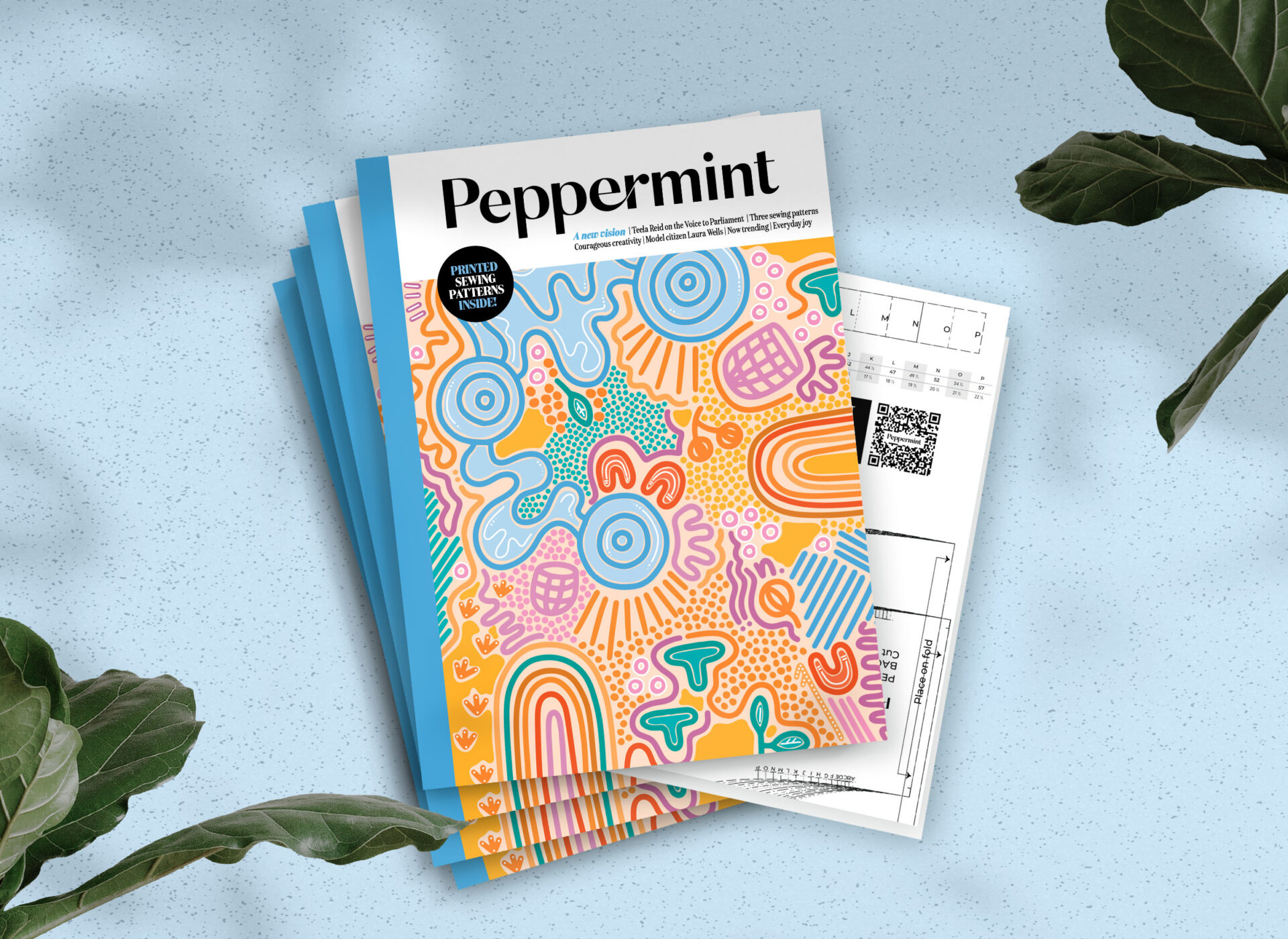
words LAUREN BAXTER, EDITOR
I’ve been thinking a lot about directions as we’ve put this issue together – and not just because I have a terrible sense of spatial recognition. I’ve been thinking about what Peppermint is, our place in the media landscape and how we can best serve our community both as a resource for intersectional, sustainable living and as a safe place for important and robust dialogue.
It’s comforting to follow instructions – to turn on the GPS and follow the prescribed route. But there is also value in sitting with uncomfortable thoughts, recognising that no one really knows the answers and taking the long road. Indeed, in a world of 280-character Tweets and outrage politicking, that fact is so often forgotten. Answers frequently connote an endpoint of discussion. In reality, life should be about listening and learning.
The concept of ‘doing the work’ entered mainstream thinking through the Black Lives Matter movement. News cycles change, however, and social justice calls fall out of fashion on social media apps. We must recognise that the work in question calls for sustained energy. It calls for long-term thinking, systemic changes and a shift away from the status quo.
This year will see a referendum called for First Nations constitutional recognition through an Indigenous Voice to Parliament. I had the great honour of working alongside Wiradjuri and Wailwan lawyer Teela Reid for this edition as she penned our main feature ‘Voice, A New Vision’. For too long, Indigenous voices in this country have been ignored. But as Teela writes, “Our ability to influence systemic change depends on our capacity to mobilise in a unified way.” Each step is important as Australia moves towards Makarrata.
I write these words on Turrbal and Yugara Country. As you read this issue, I hope you recognise that these lands have always been places of storytelling.
Lauren x
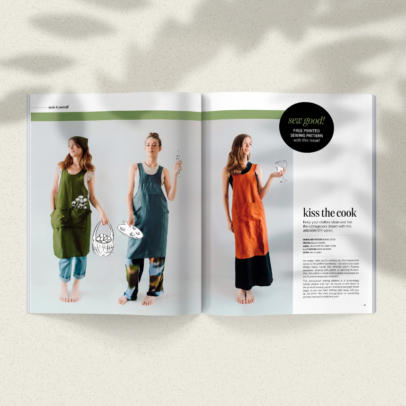
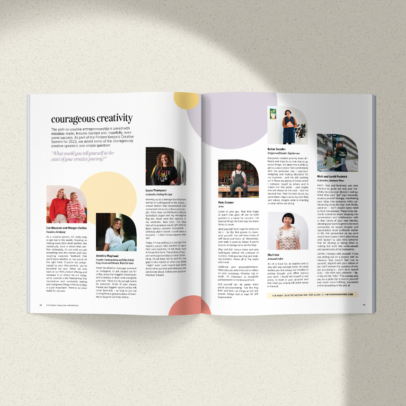
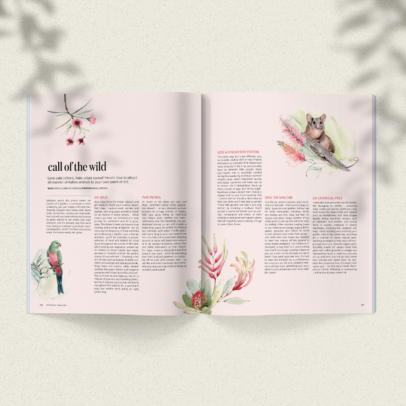
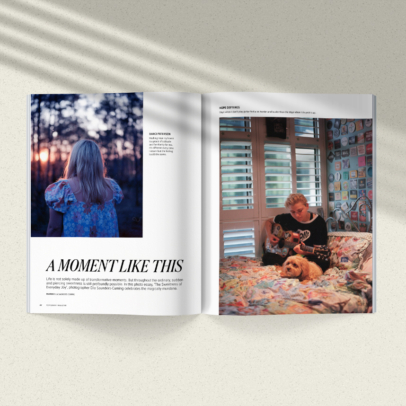
Take a peek inside this issue!
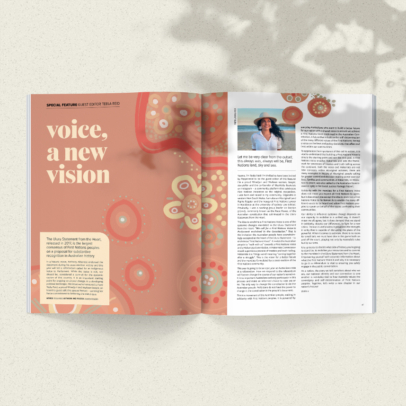
‘VOICE, A NEW VISION’ In a developing political landscape, this issue we’re honoured to have Teela Reid, a proud Wiradjuri and Wailwan lawyer, on board to guest edit this special feature – centring her fierce commitment to bettering the status quo. Words by Teela Reid.
Yaama, I’m Teela Reid! I’m thrilled to have been invited by Peppermint to be the guest editor of this feature! I’m a proud Wiradjuri and Wailwan woman, lawyer, storyteller and the co-founder of Blackfulla Bookclub on Instagram – a community platform that celebrates First Nations Ancestors as the original storytellers. I was born and raised in my community, Gilgandra in western New South Wales. I am also an Aboriginal Land Rights litigator and the inaugural First Nations Lawyer in Residence at the University of Sydney Law School. Previously, I was a working group leader on Section 51(xxvi), commonly known as the Race Power, of the Australian constitution that culminated in the Uluru Statement from the Heart.
This is the vision for a better future and the mandate formulated by a cross-section of the First Nations community.
The idea to enshrine a First Nations Voice is one of the systemic changes mandated in the Uluru Statement from the Heart: “We call for a First Nations Voice to Parliament enshrined in the Constitution.” That is the invitation the Australian people have overwhelmingly accepted at the heart of the Uluru Statement – to enshrine a “First Nations Voice”. It invites the Australian people to “walk with us” towards a First Nations Voice and a Makarrata Commission. A Makarrata Commission would supervise a process of treaties and truth-telling. Makarrata is a Yolngu word meaning “coming together after a struggle”. This is the vision for a better future and the mandate formulated by a cross-section of the First Nations community.
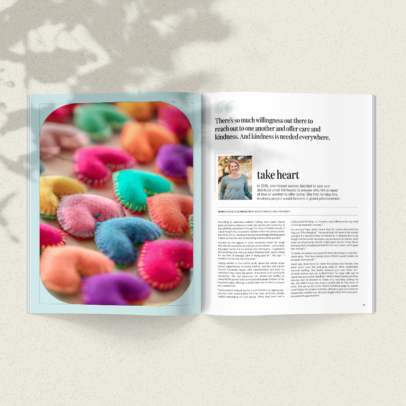
‘TAKE HEART’ In 2016, one Hobart woman decided to sew and distribute small felt hearts to anyone who felt in need of love or wanted to offer some. She had no idea this kindness project would become a global phenomenon. Words by Caroline Riches.
According to Japanese tradition, folding 1000 paper cranes gives someone a chance to make one special wish come true. It was globally popularised through the story of Sadako Sasaki, a Japanese girl who, exposed to radiation from the atomic bombing of Hiroshima, developed leukaemia and began folding paper cranes so that her wish of becoming well would be granted.
I wanted to do something that was just about kindness that I wasn’t doing for any kind of strategic plan or being paid for. I wanted it to be truly from the heart.
Inspired by the legend, in 2016, Hobartian Sarah De Jonge decided she wanted to spread love and kindness – not by folding paper cranes but by sewing 1000 felt hearts. “I wanted to do something that was just about kindness that I wasn’t doing for any kind of strategic plan or being paid for,” she says. “I wanted it to be truly from the heart.”
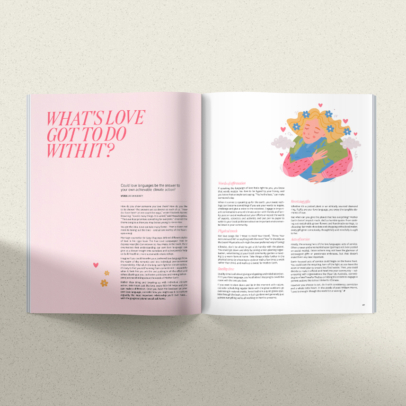
‘WHAT’S LOVE GOT TO DO WITH IT?’ Could love languages be the answer to your own achievable climate action? Words by Caitlin Moriarty.
How do you show someone you love them? How do you like to be shown? The answers are as diverse as each of us. “How do I love thee? Let me count the ways,” wrote Elizabeth Barrett Browning. “Love is many things. It is varied,” said Maya Angelou. “The Love Boat promises something for everyone,” crooned the theme song to a show you may be too young to remember.
You get the idea. Love can take many forms – from a dozen red roses to taking out the bins – and all are worthy of the heart-eyes emoji.
Imagine if you could transfer your preferred love language from the realm of the romantic and into individual environmental responsibility.
Marriage counsellor Dr Gary Chapman defined different styles of love in his 1992 book The Five Love Languages: How to Express Heartfelt Commitment to Your Mate. In the book, Gary emphasises that understanding our own love language can give us a deeper insight into ourselves and subsequently help us build healthier, more sustainable relationships.
Imagine if you could transfer your preferred love language from the realm of the romantic and into individual environmental responsibility.
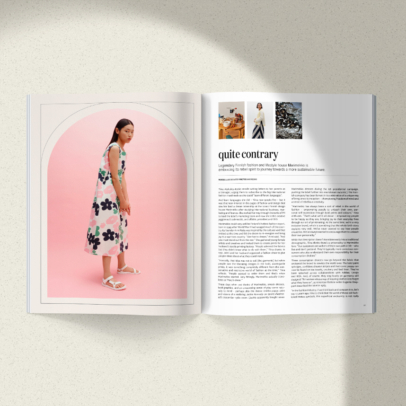
‘QUITE CONTRARY’ Legendary Finnish fashion and lifestyle house Marimekko is embracing its rebel spirit to journey towards a more sustainable future. Words by Lauren Baxter.
Tiina Alahuhta-Kasko recalls writing letters to her parents as a teenager, urging them to subscribe to the big international fashion mastheads so she could “learn different languages”.
And learn languages she did – Tiina now speaks five – but it was that keen interest in the pages of fashion and design that saw her land a dream internship at the iconic Finnish design house Marimekko after studying international business, marketing and finance. She worked her way through the ranks of PR to lead the label’s marketing team and now she is the creative juggernaut’s admirable, and affable, president and CEO.
One has to dream. And one must stand out from the rest.
Marimekko could very well be Finland’s hottest fashion export, born in 1949 after World War II had ravaged much of the country. Its founder Armi Ratia was inspired by the cultural void that existed at the time and felt the desire to re-energise and bring joy to a war-torn country. “One has to dream,” Armi said. “And one must stand out from the rest.” She gathered young female artists and creatives and invited them to create prints for her husband’s textile printing factory. “People admired the fabrics but they didn’t know what to do with them,” Tiina shares. In 1951, Armi and her husband organised a fashion show to give people ideas about what they could make.
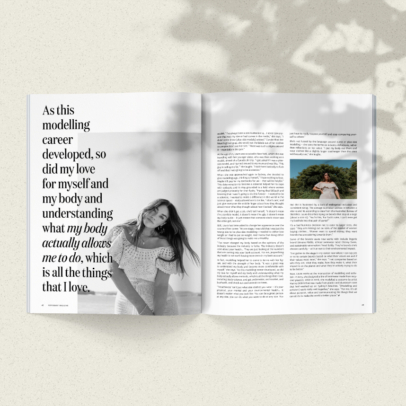
‘MODEL CITIZEN’ Laura Wells’ passion for the environment, love of the ocean and interest in facilitating climate change action shine bright as she traverses the activist-model tightrope. Words by Hannah Story.
Laura Wells recalls how she felt when she first noticed the destruction that human beings had wrought on nature.
She was in Little Curaçao, a small island in the Caribbean, for a modelling job. One side of the island was beautiful, while the other was covered in plastic pollution. “I was just completely dumbfounded,” Laura recalls. “You can’t even walk on the sand… Some of [the plastic] is so old that you can pick it up and it completely degrades in your hands – it is just so perished by the sun and by wind and waves.”
Something’s got to be done about this.
In places like Hawaii, South Africa and other parts of the Caribbean, Laura says assistants would rake pollution off the beach so they could start the shoot. “It was a really big eye-opener… I was noticing it absolutely everywhere, even down to small pieces of microplastics.”
She realised that she could make a difference and help to tackle these issues herself – moving home to Australia to educate people about the environment. “It just made me go, ‘Well, I’ve got a voice, I’ve got a platform. I’ve got the knowledge around biology and how we work with our environments… Something’s got to be done about this.’”
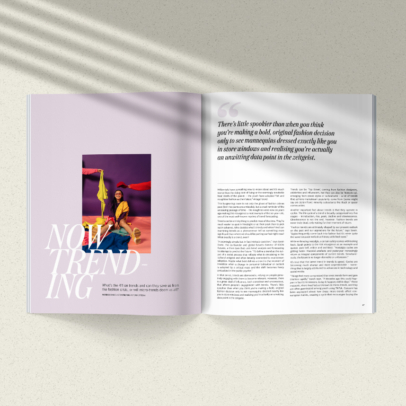
‘NOW TRENDING’ What’s the 411 on trends and can they save us from the fashion crisis, or will micro-trends doom us all? Words by Bonnie Liston.
Millennials have something new to moan about and it’s much worse than the rising cost of living or the seemingly inevitable heat death of the planet – the youth have adopted Y2K and noughties fashion as their latest ‘vintage’ trend.
This burgeoning craze is not only the ghost of fashion crimes past (low-rise pants are a mistake), but a cruel reminder of the unceasing passage of time – the noughties were now 20 years ago making this resurgence a neat example of the 20-year rule, one of the most well-known maxims of trend forecasting.
Can examining trends as a phenomenon tell us something more significant than where we should be parting our hair right now?
Trends can be a tricky thing to predict most of the time. They’re much easier to spot in hindsight or at their peak than to pick out in advance. Who decides what’s trendy and when? And can examining trends as a phenomenon tell us something more significant than where we should be parting our hair right now? What exactly is a trend, even?


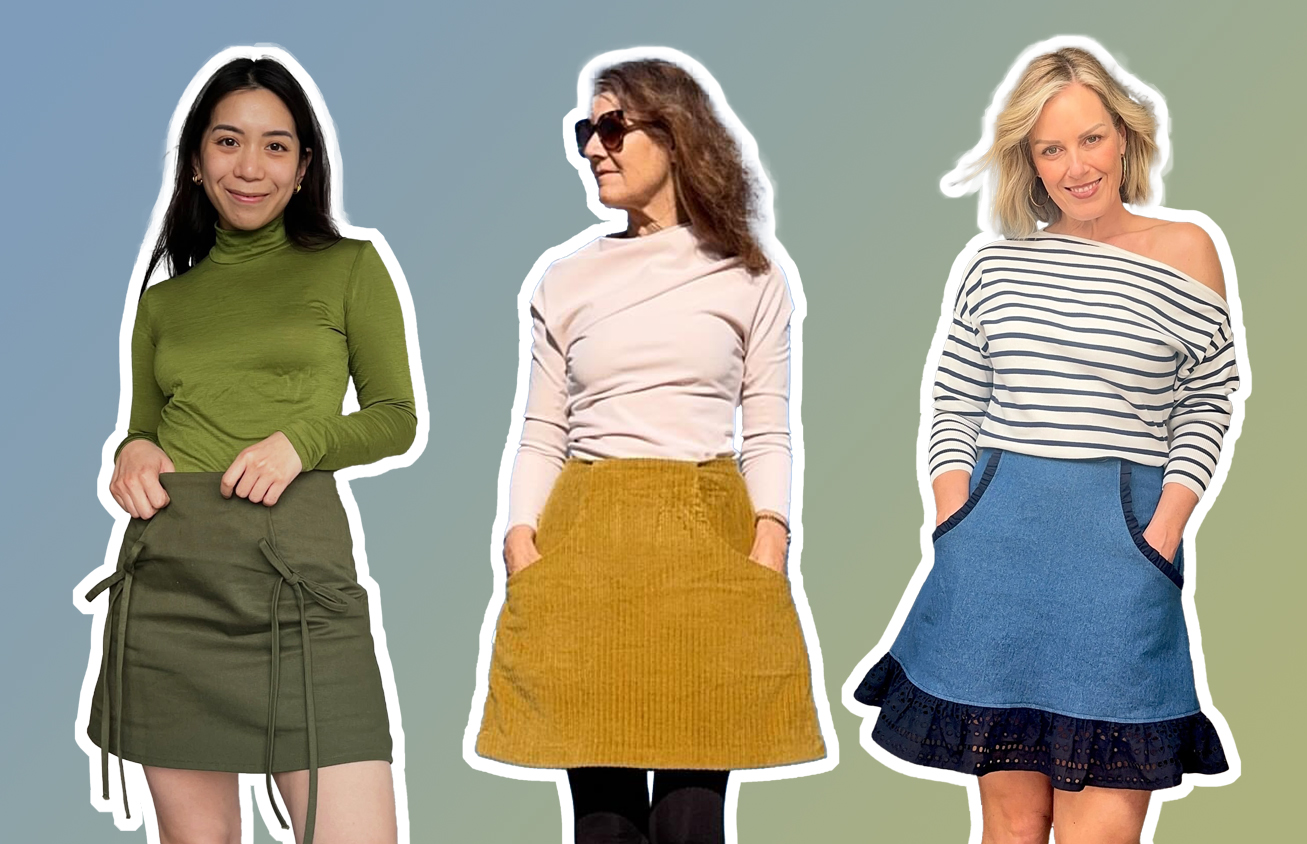

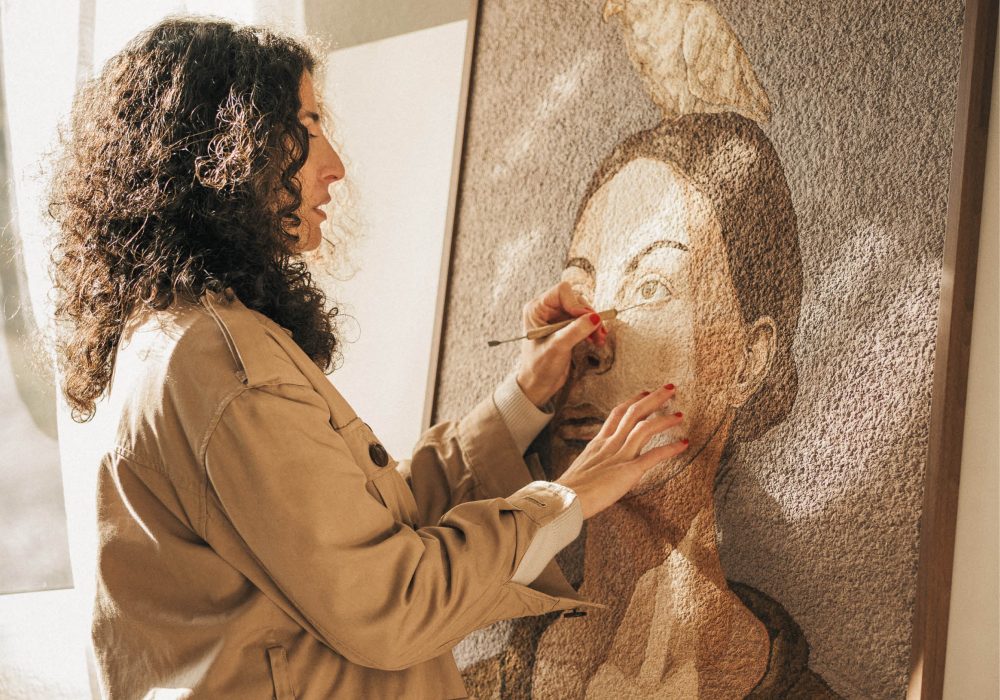
“My piece of advice for makers and designers? Run your own race… make sure your key decisions stay anchored in your brand’s core beliefs.”
- Bec Bligh
Quick show of hands: who’s opened a water bottle expecting a refreshing sip… and instead been greeted by the unmistakable whiff of uh-oh?
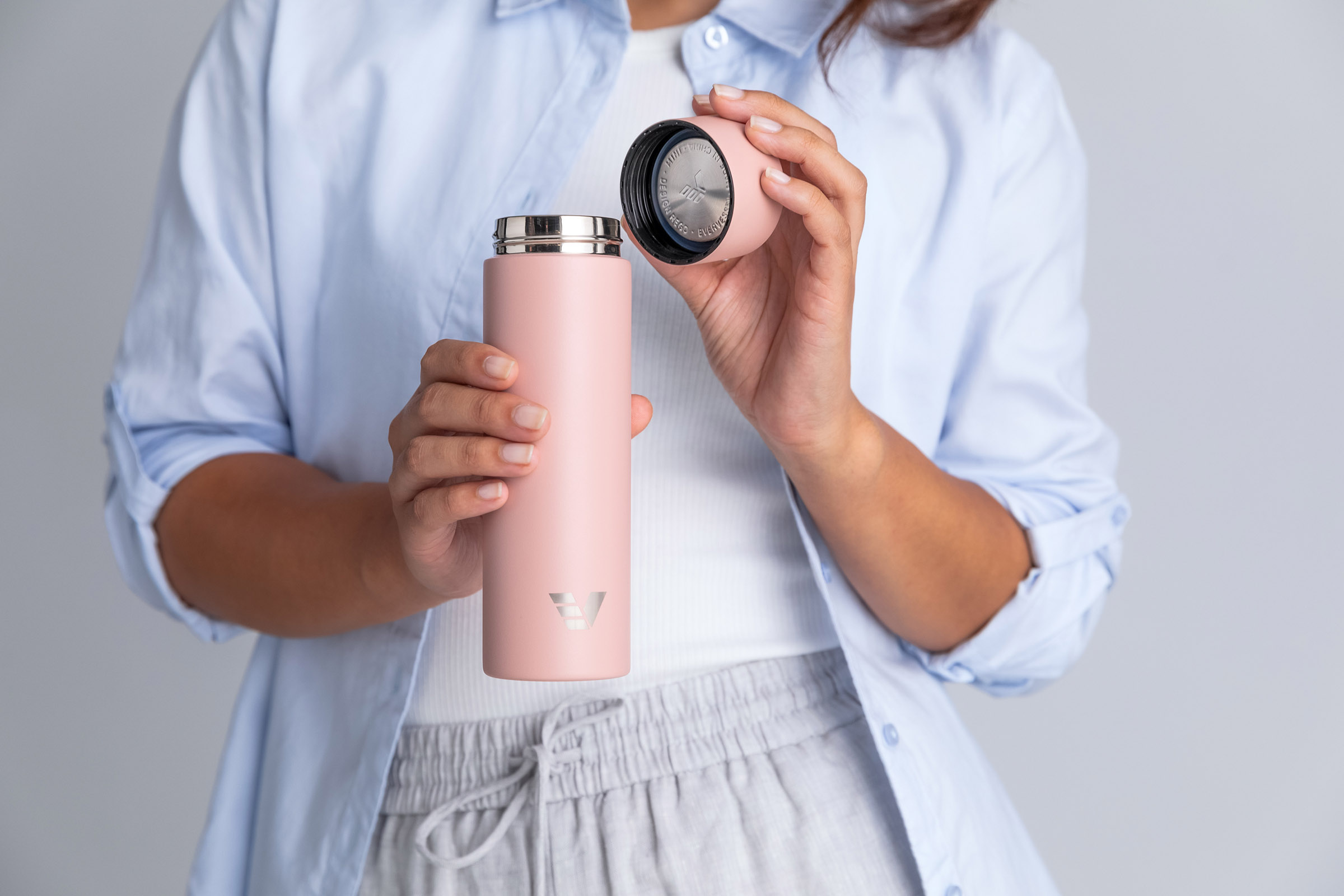
Because for something that follows us everywhere (desk, car, hikes, yoga…), the humble drink bottle is strangely prone to becoming a science experiment. Hard-to-clean corners and gaskets. Mystery smells. Bec Bligh and her husband Tim know it well. A six-month sailing trip along the Queensland coast left them with a lifetime of memories and one stubborn annoyance: mouldy water bottles they couldn’t properly clean.
So they did something about it.
Enter @EverVessel. Thoughtfully designed borosilicate glass and stainless steel bottles that keep things beautifully simple: durable materials, wide openings, easy-to-clean parts and none of the techy gimmicks that tend to age badly. Turns out simplicity, done well, is pretty powerful stuff. (Their many design awards agree!)
And lately they’ve added a little extra delight: the Artist Series, where creatives like Paola Castro, Ben Miners and Martin Thompson transform these everyday companions into tiny travelling artworks. There are more colabs in the works, too: hydration, but make it joyful! 🎨💧
We chatted with Bec about the sailing trip that started it all, the philosophy behind Ever Vessel, and why the most sustainable product is often just the one you keep using.
Tap the link in our bio to read the full conversation. 🚰
#EverVessel #ReusableWaterBottle


Pull up a chair… there’s room at this table!
For the first time, Feast for Freedom is bringing people together for a spectacular long-table dinner as part of the Melbourne Food & Wine Festival.
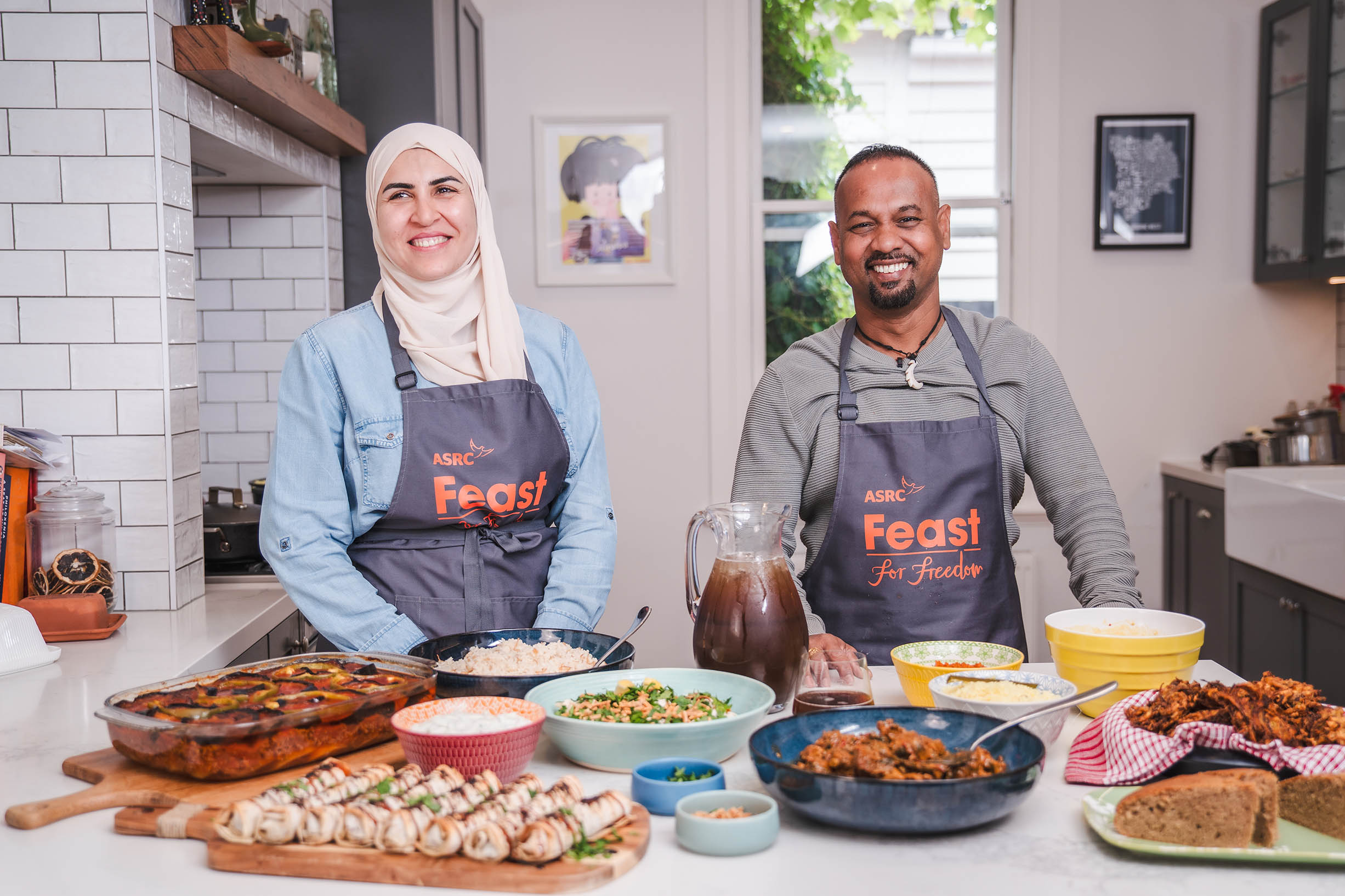
A Longer Table is exactly what it sounds like: one beautiful shared table inside the Asylum Seeker Resource Centre (@Asrc1), piled with generous dishes inspired by this year’s hero cooks, Noha and Nige.
From 6 to 9pm on Wednesday, 25 March, this is what you can expect:
🍽 A three-course shared feast
🍷 Matched drinks
🎶 Live entertainment
✨ A room full of good humans
Your ticket doesn’t just buy you a delicious dinner. It supports the ASRC’s vital work and helps create a fairer future for people seeking asylum.
Seats are limited, and long tables have a way of filling up quickly – head to @MelbFoodAndWine’s website to book now: feastforfreedom.org.au/mfwf
#FeastForFreedom #MelbourneFoodAndWineFestival #LongTableDinner #FoodForChange

Sew versatile! 🪡
Another great make from Lisa from @SunnySewsEveryday:
My #PeppermintWaratahWrapDress is finished and I’m so proud of it. It has been designed not to flap open and flash your pants in the wind, so I feel confident it will be a great wheelchair or standing dress in English weather.
#PeppermintPatterns #WrapDress #WrapDressPattern

Frame your face with the Peppermint Bucket Hat!
Stay safe and stylish in the sun with your very own self-sewn and self-drafted wide-brimmed bucket hat. This beginner-friendly sew is perfect for a sunny day. Get out your pencils – this pattern is created using equations and maths!
This DIY project was featured in Issue 53 and now you can access it for the lovely low price of only $5.
Sun-safe chic is always in style. ☀️
Find it via the link in our bio!
Photos: @KelleySheenan
#PeppermintPatterns #PeppermintBucketHat #BucketHat #BucketHatPattern #DIY

✨ INSTANT CLASSIC ✨
The Peppermint Myrtle Shift Dress is a beginner-friendly make with a few special details based on the ever-stylish shift shape – the perfect dress you need in your wardrobe right now!
Myrtle cuts above the knee with options to customise the length. Don’t think she’s reserved for hot weather either: try a heavier-weight fabric to turn your Myrtle into a pinafore-style garment for layering.
For our fabrics we chose two from our lovely sewing partner @Karmme_Apparel – the bold Rottnest Stripes in a lightweight, soft-drape cotton, and the quality linen in the handpainted Mexico Collection.
Get making the Myrtle – the only question is, can you stop at just one?
Link in bio 🪡
Fabric: @Karmme_Apparel
Sewist: @Laura_The_Maker
Photos: @KelleySheenan
Models: @SerahSews and @Pins_And_Tonic
Location: @ShareTheDignityAustralia
#PeppermintMyrtleShiftDress #PeppermintPatterns

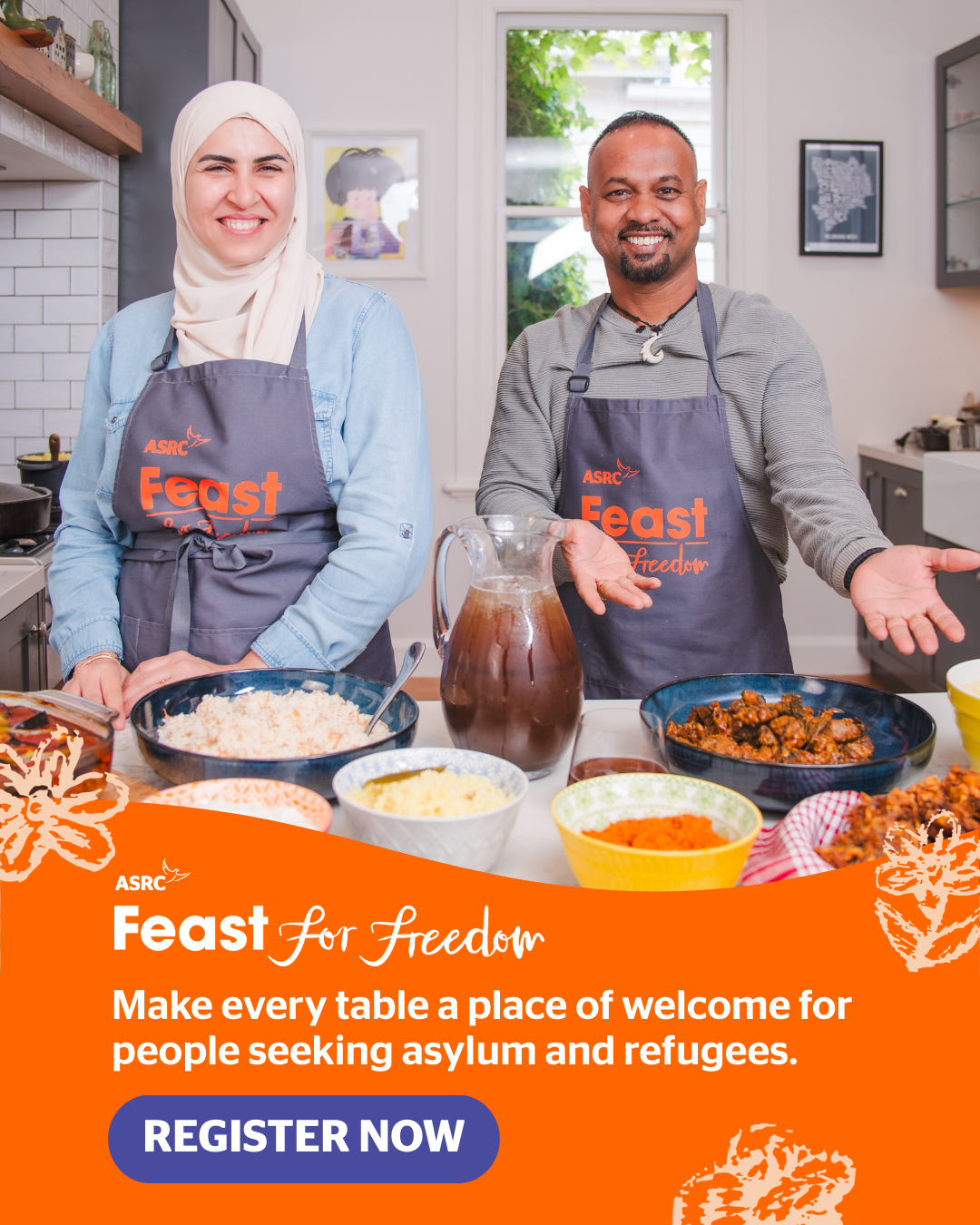
It’s time to Feast!
Some recipes travel a long way before they land on your table to delight your taste buds. This year’s Feast for Freedom invites us to gather our friends, cook something delectable and raise funds for the incredible work of the Asylum Seeker Resource Centre (@Asrc1) while we’re at it.
The 2026 Feast features recipes shared by two remarkable cooks: Noha, who brought the flavours of Palestine with her when she arrived in Australia, and Nige, a Sri-Lankan Tamil cook whose journey with food began in the most unexpected of places.
You can host your own Feast up until 30 April – simply register online and get planning! Host a dinner, organise a workplace lunch, or gather your community… However you do it, the idea is simple: cook, connect and celebrate the cultures and stories that shape Australia.
Want to find out more? Head to the link in bio to meet Noha and Nige, learn more about their stories, and discover a delicious recipe to try.
#FeastForFreedom #PeppermintMagazine #FoodForGood #ASRC
