words BONNIE LISTON photos PEXELS AND UNSPLASH
Have consumers finally cottoned on to rainbow washing, or is the lack of rainbows this Pride Month a symptom of something more sinister? Bonnie Liston explores.
It comes like clockwork every year, at the stroke of midnight on the first of June, company logos are magically transformed into rainbows and Pride slogans, which just as magically disappear come July.
It’s become so commonplace as to draw mockery and memes from the more online factions of the LGBTQIA+ community, with brands depicted as a skateboard-carrying Steve Buscemi asking “What’s up fellow gays?” and Pride logos created for fictional corporations such as Succession’s Waystar Royco or Severance’s Lumon.
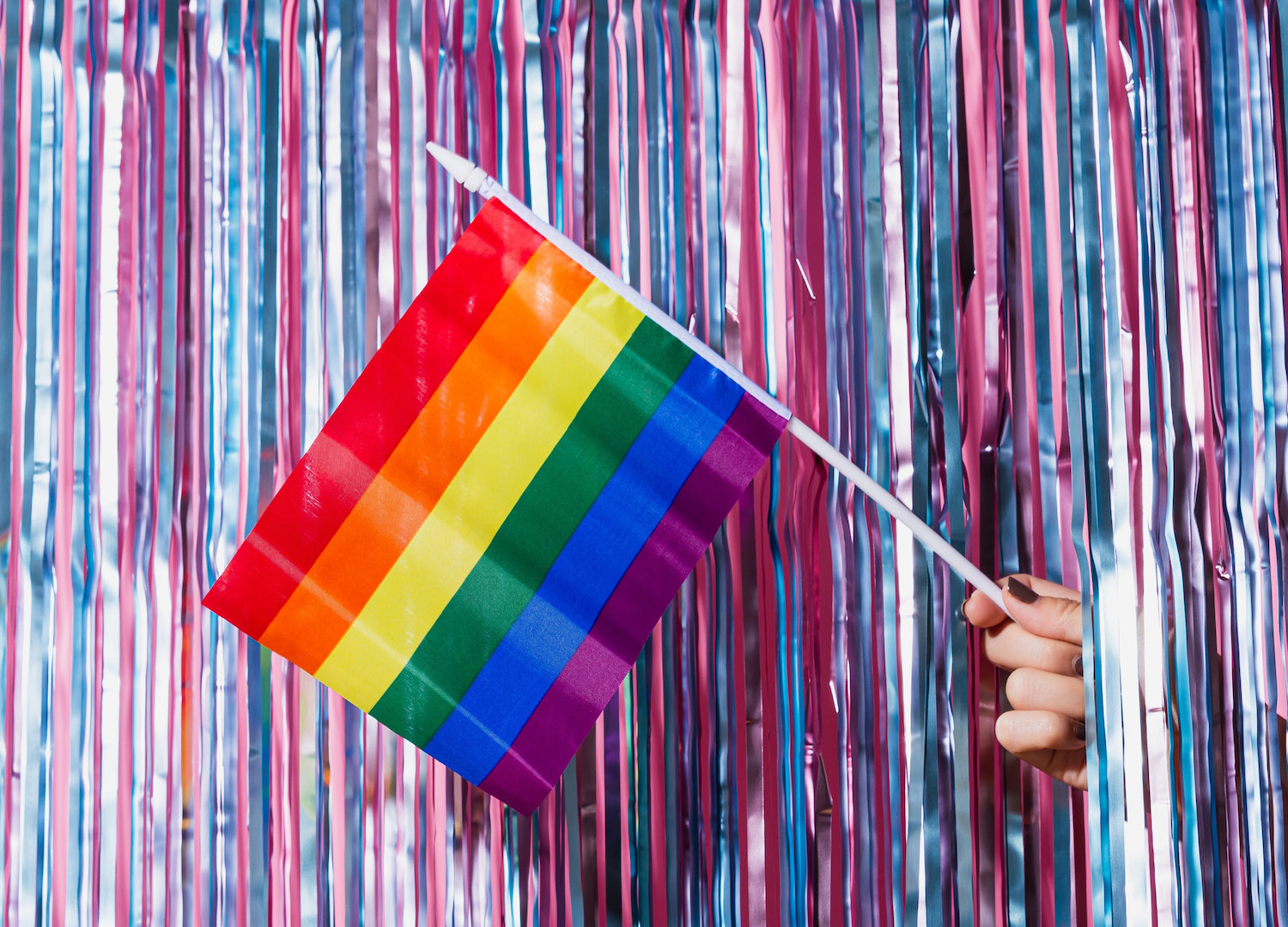
The essence behind these jests is the sense that these brands, rather than being inexplicably filled with a genuine fervour for gay rights, are instead participating in rainbow washing.
But, What is Rainbow Washing?
As Gerardo Bandera explains in an article for Fair Planet, “Rainbow washing is the practice of using rainbow-themed symbolism in branding, advertising, merchandise or social media, ostensibly to support LGBTQIA+ people during pride month, but without active support of LGBTQIA+ people’s identities or rights.
“The term (sometimes also referred to as pinkwashing) is used to call out organisations or corporations that disingenuously use Pride branding for their own gain or to give themselves a deceptive air of liberalism and allyship. It is akin to the term greenwashing, whereby companies claim to be eco-friendly while still performing or supporting environmentally damaging practices or policies.”
READ MORE: “Darling, I Want My Gay Rights Now” – Why Pride Is More Than a Party
Like greenwashing, rainbow washing can be recognised by looking at what a company is doing, not just what they are saying. Are they donating any of the profits from their fun rainbow merch to LGBTQIA+ causes? Do they have proper protections in place for their LGBTQIA+ staff? Particularly internationally? Are they speaking out against anti-LGBTQIA+ policy and legislation?
It’s easy to highlight instances of high-level hypocrisy such as companies like Toyota and Amazon launching pride campaigns while actively donating large sums of money to anti-LGBTQIA+ organisations and figures. But even the more ambivalent or amicable companies don’t necessarily see us as anything more than a row of dollar signs, a demographic to be exploited or a novelty marketing bump.
When given my druthers I do prefer to be pandered to than have resistance to my extermination, however flimsy, deemed too unprofitable to bother with.
Some argue that the seasonal rainbow sweep isn’t inherently bad. That it makes some queer people feel safer, recognised, represented or even, just fleetingly, happy. And rainbow washing, like greenwashing, could be seen as a positive sign that brands accept these issues are important enough to society to (at least pretend to) care about. But that doesn’t necessarily add up to tangible support or real allyship.
Over the Rainbow
After all, this year we saw a significant downtick in rainbows, with brands that have previously piled onto the Pride party remaining silent and others backpedalling and pulling Pride campaigns from their stores.
Some, doing the hard but necessary work of community infighting, blame queer people for this, saying, ‘Well you all complained about rainbow washing and look at us now! Aren’t you sorry for hurting those poor, brave brands’ feelings?’
But, of course, these companies haven’t been scared off by gay teens tweeting at them to be ‘cancelled’, but by organised and targeted campaigns of harassment by far-right hate groups.
Target, to name a notorious example, did not remove Pride items from select locations because they were told it was a little cringe, but after violent backlash from right-wing groups that they felt constituted a real threat to the safety of their employees.
It’s easy to show up when Pride is a party, but will you stick around when Pride is a riot?
So, the disappearance of rainbows isn’t necessarily a problem of corporate allyship being craven and disingenuous (it always was), it’s a canary in the coal mine of social acceptance that isn’t looking so hot.
We are currently experiencing widespread pushback against LGBTQIA+ rights in the face of decades of hard work and slow-moving acceptance, with a particular focus on attacking the lives and rights of transgender people. This mass influx of manufactured outrage against trans people is the latest right-wing tactic to broker power by exploiting those who fear what they don’t understand and those who don’t need to understand anything because the limits of their worlds are neatly bordered by hatred for those who don’t fit inside.
The question gay people have been asking for many years is this… It’s easy to show up when Pride is a party, but will you stick around when Pride is a riot? Many brands are signalling with their words, their actions or their silence that the answer is no.
Fight For Your Rights
Most of the stories mentioned here are American. June is a confusing month for the LGBTQIA+ Australian – the internet is telling you now is the time to celebrate but you’ve already missed Mardi Gras and World Pride, and if you don’t live in Sydney, you’ve really to keep your ear to the ground to find out when and where events are even on.
As easy (and fun) as it may feel to sit back and think, ‘Damn these Americans really have problems’, we are not immune to this rising tide of hatred. We’ve already seen neo-Nazis parading in front of the Victorian Parliament, Rainbow Story Time cancellations and an “uptick” in conspiracy theorists, far-right and self-described “Christian Rights” groups targeting local councils and grassroots organisations to cancel queer community events around Australia using tactics seemingly inspired by similar US hate groups.
The disappearance of rainbows isn’t necessarily a problem of corporate allyship being craven and disingenuous (it always was), it’s a canary in the coal mine of social acceptance that isn’t looking so hot.
So where does that leave us? Rainbow capitalism is a symptom, not the cause of our troubles. But neither is, in any real sense, the cure. Social change cannot be bought into existence by shopping alone. We cannot depend on GayTMs and BWYASSes to save us. However, when given my druthers I do prefer to be pandered to than have resistance to my extermination, however flimsy, deemed too unprofitable to bother with.
So my final message to brands is this: it is better to be cringe in the face of oppression than silent.
And to my fellow consumers, sometimes classified as human beings, these are dark times, and we must stand together and support each other, not be splintered into factions in the face of these transparent attempts to divide and conquer. And if you simply must splash your cash for a flash of rainbow fashion, consider giving those dollars to queer artists and brands.
READ MORE: The Art of Resistance – How Sewing is Stitched into Pride’s History



“My piece of advice for makers and designers? Run your own race… make sure your key decisions stay anchored in your brand’s core beliefs.”
- Bec Bligh
Quick show of hands: who’s opened a water bottle expecting a refreshing sip… and instead been greeted by the unmistakable whiff of uh-oh?
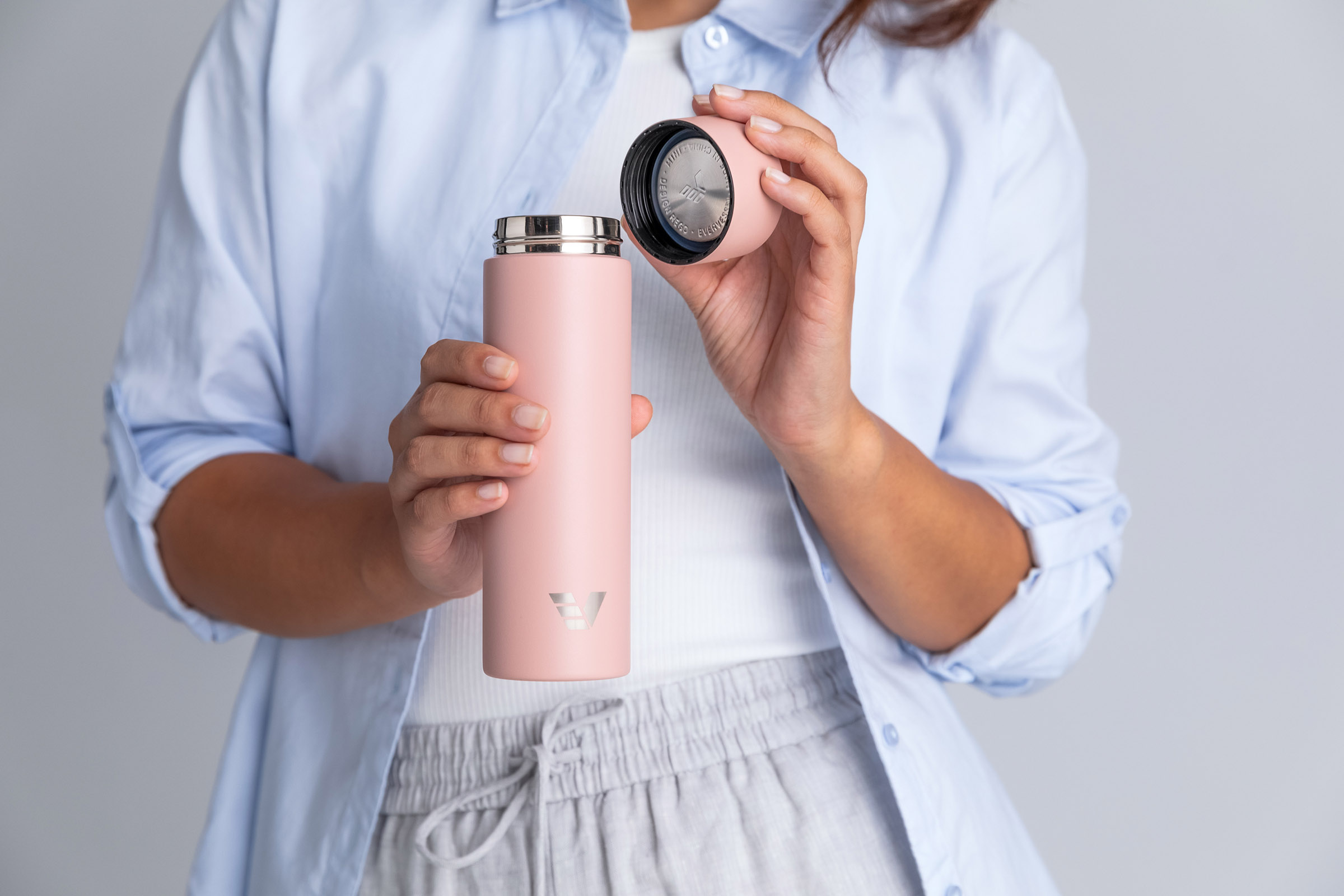
Because for something that follows us everywhere (desk, car, hikes, yoga…), the humble drink bottle is strangely prone to becoming a science experiment. Hard-to-clean corners and gaskets. Mystery smells. Bec Bligh and her husband Tim know it well. A six-month sailing trip along the Queensland coast left them with a lifetime of memories and one stubborn annoyance: mouldy water bottles they couldn’t properly clean.
So they did something about it.
Enter @EverVessel. Thoughtfully designed borosilicate glass and stainless steel bottles that keep things beautifully simple: durable materials, wide openings, easy-to-clean parts and none of the techy gimmicks that tend to age badly. Turns out simplicity, done well, is pretty powerful stuff. (Their many design awards agree!)
And lately they’ve added a little extra delight: the Artist Series, where creatives like Paola Castro, Ben Miners and Martin Thompson transform these everyday companions into tiny travelling artworks. There are more colabs in the works, too: hydration, but make it joyful! 🎨💧
We chatted with Bec about the sailing trip that started it all, the philosophy behind Ever Vessel, and why the most sustainable product is often just the one you keep using.
Tap the link in our bio to read the full conversation. 🚰
#EverVessel #ReusableWaterBottle


Pull up a chair… there’s room at this table!
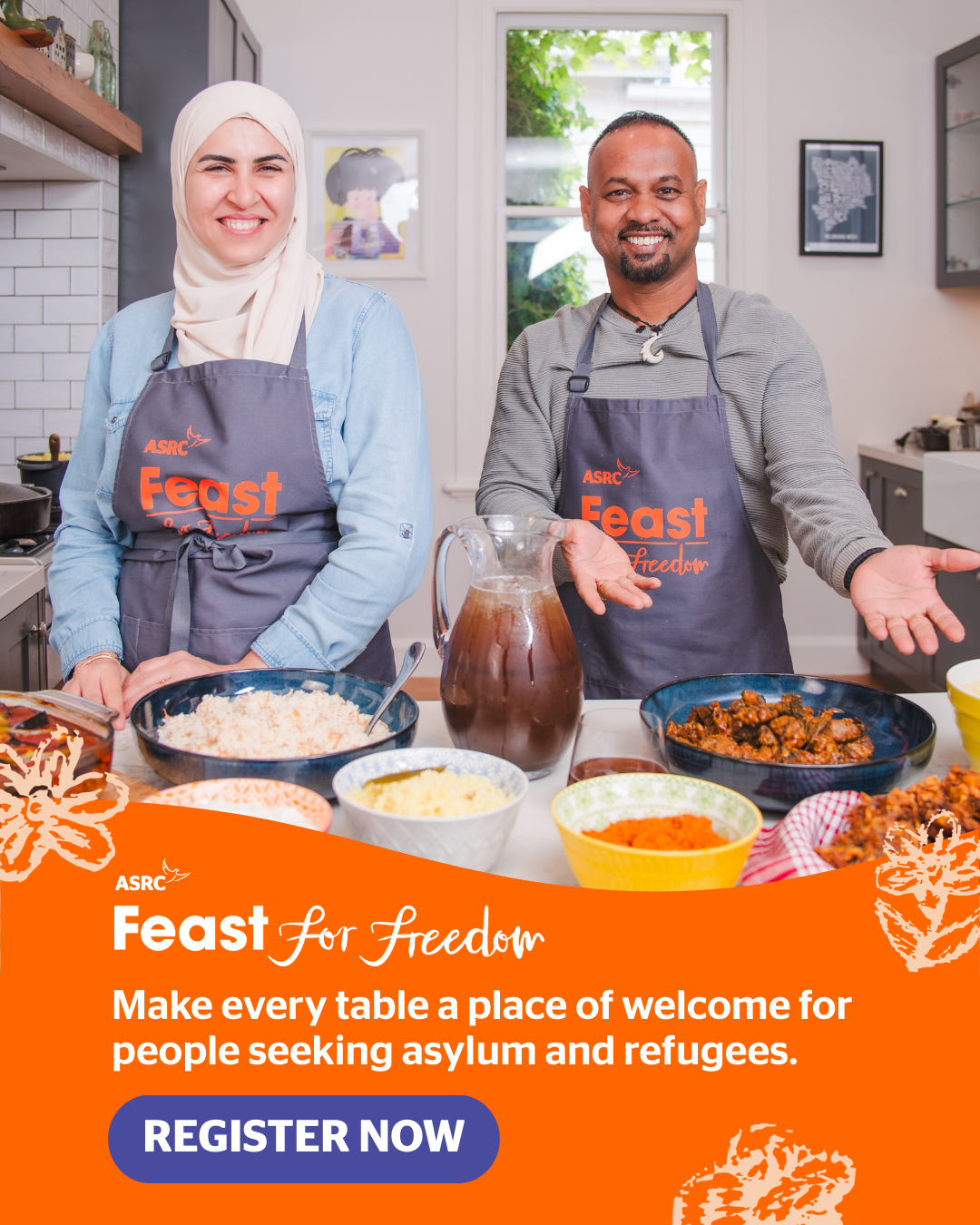
For the first time, Feast for Freedom is bringing people together for a spectacular long-table dinner as part of the Melbourne Food & Wine Festival.
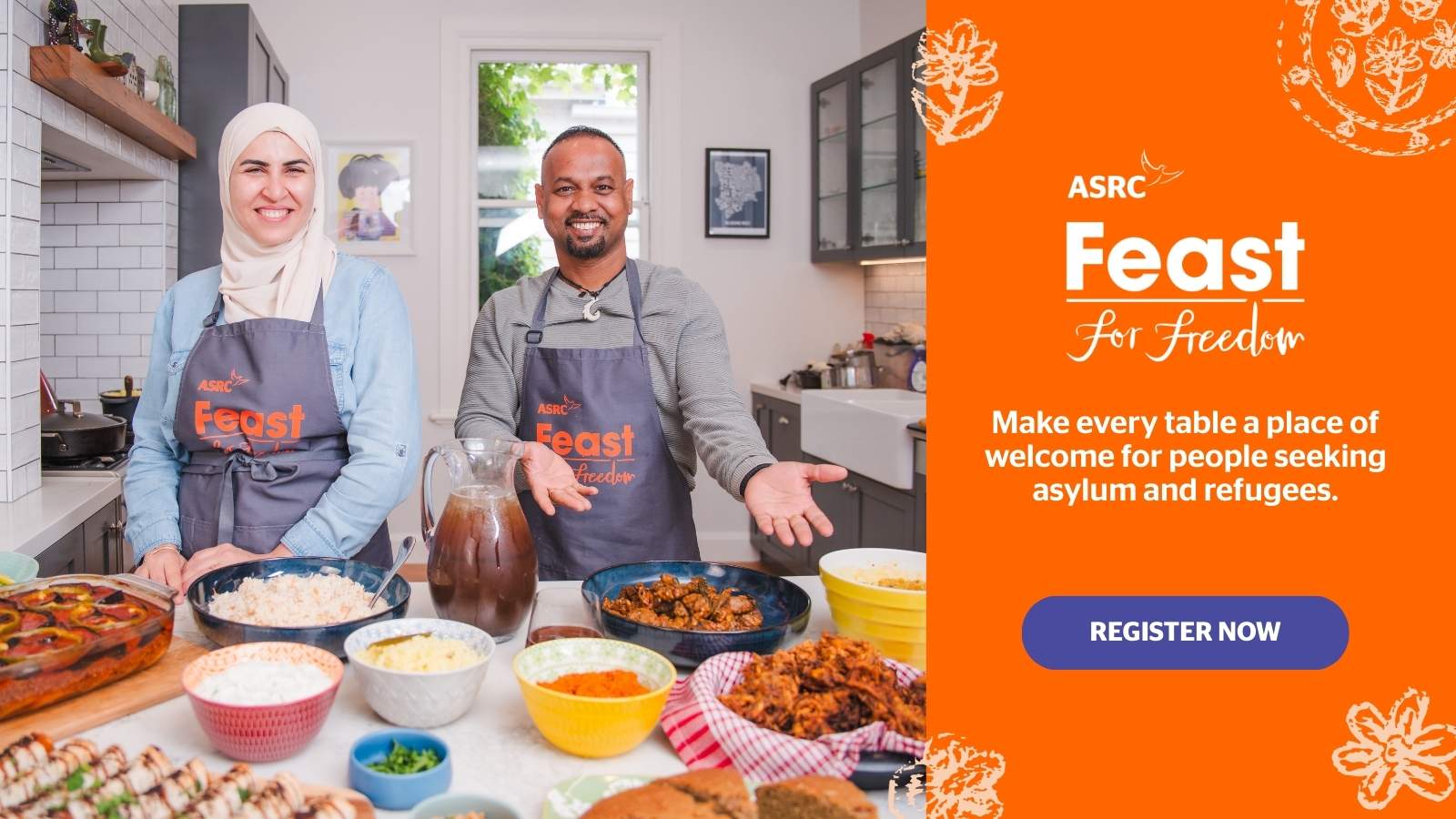
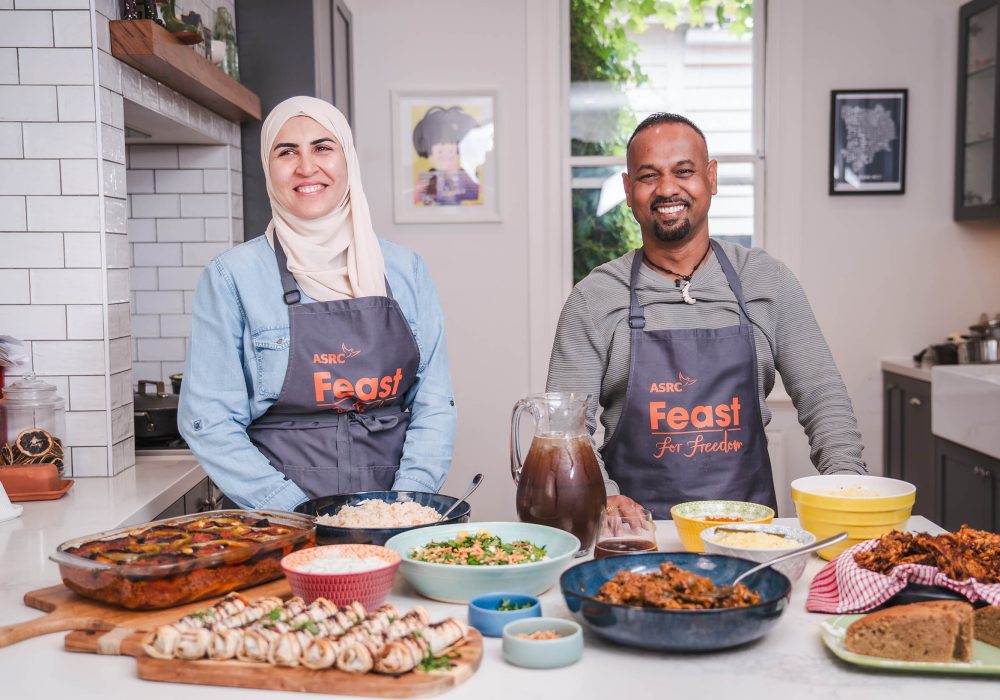
A Longer Table is exactly what it sounds like: one beautiful shared table inside the Asylum Seeker Resource Centre (@Asrc1), piled with generous dishes inspired by this year’s hero cooks, Noha and Nige.
From 6 to 9pm on Wednesday, 25 March, this is what you can expect:
🍽 A three-course shared feast
🍷 Matched drinks
🎶 Live entertainment
✨ A room full of good humans
Your ticket doesn’t just buy you a delicious dinner. It supports the ASRC’s vital work and helps create a fairer future for people seeking asylum.
Seats are limited, and long tables have a way of filling up quickly – head to @MelbFoodAndWine’s website to book now: feastforfreedom.org.au/mfwf
#FeastForFreedom #MelbourneFoodAndWineFestival #LongTableDinner #FoodForChange

Sew versatile! 🪡
Another great make from Lisa from @SunnySewsEveryday:
My #PeppermintWaratahWrapDress is finished and I’m so proud of it. It has been designed not to flap open and flash your pants in the wind, so I feel confident it will be a great wheelchair or standing dress in English weather.
#PeppermintPatterns #WrapDress #WrapDressPattern

Frame your face with the Peppermint Bucket Hat!
Stay safe and stylish in the sun with your very own self-sewn and self-drafted wide-brimmed bucket hat. This beginner-friendly sew is perfect for a sunny day. Get out your pencils – this pattern is created using equations and maths!
This DIY project was featured in Issue 53 and now you can access it for the lovely low price of only $5.
Sun-safe chic is always in style. ☀️
Find it via the link in our bio!
Photos: @KelleySheenan
#PeppermintPatterns #PeppermintBucketHat #BucketHat #BucketHatPattern #DIY

✨ INSTANT CLASSIC ✨
The Peppermint Myrtle Shift Dress is a beginner-friendly make with a few special details based on the ever-stylish shift shape – the perfect dress you need in your wardrobe right now!
Myrtle cuts above the knee with options to customise the length. Don’t think she’s reserved for hot weather either: try a heavier-weight fabric to turn your Myrtle into a pinafore-style garment for layering.
For our fabrics we chose two from our lovely sewing partner @Karmme_Apparel – the bold Rottnest Stripes in a lightweight, soft-drape cotton, and the quality linen in the handpainted Mexico Collection.
Get making the Myrtle – the only question is, can you stop at just one?
Link in bio 🪡
Fabric: @Karmme_Apparel
Sewist: @Laura_The_Maker
Photos: @KelleySheenan
Models: @SerahSews and @Pins_And_Tonic
Location: @ShareTheDignityAustralia
#PeppermintMyrtleShiftDress #PeppermintPatterns

It’s time to Feast!
Some recipes travel a long way before they land on your table to delight your taste buds. This year’s Feast for Freedom invites us to gather our friends, cook something delectable and raise funds for the incredible work of the Asylum Seeker Resource Centre (@Asrc1) while we’re at it.
The 2026 Feast features recipes shared by two remarkable cooks: Noha, who brought the flavours of Palestine with her when she arrived in Australia, and Nige, a Sri-Lankan Tamil cook whose journey with food began in the most unexpected of places.
You can host your own Feast up until 30 April – simply register online and get planning! Host a dinner, organise a workplace lunch, or gather your community… However you do it, the idea is simple: cook, connect and celebrate the cultures and stories that shape Australia.
Want to find out more? Head to the link in bio to meet Noha and Nige, learn more about their stories, and discover a delicious recipe to try.
#FeastForFreedom #PeppermintMagazine #FoodForGood #ASRC
