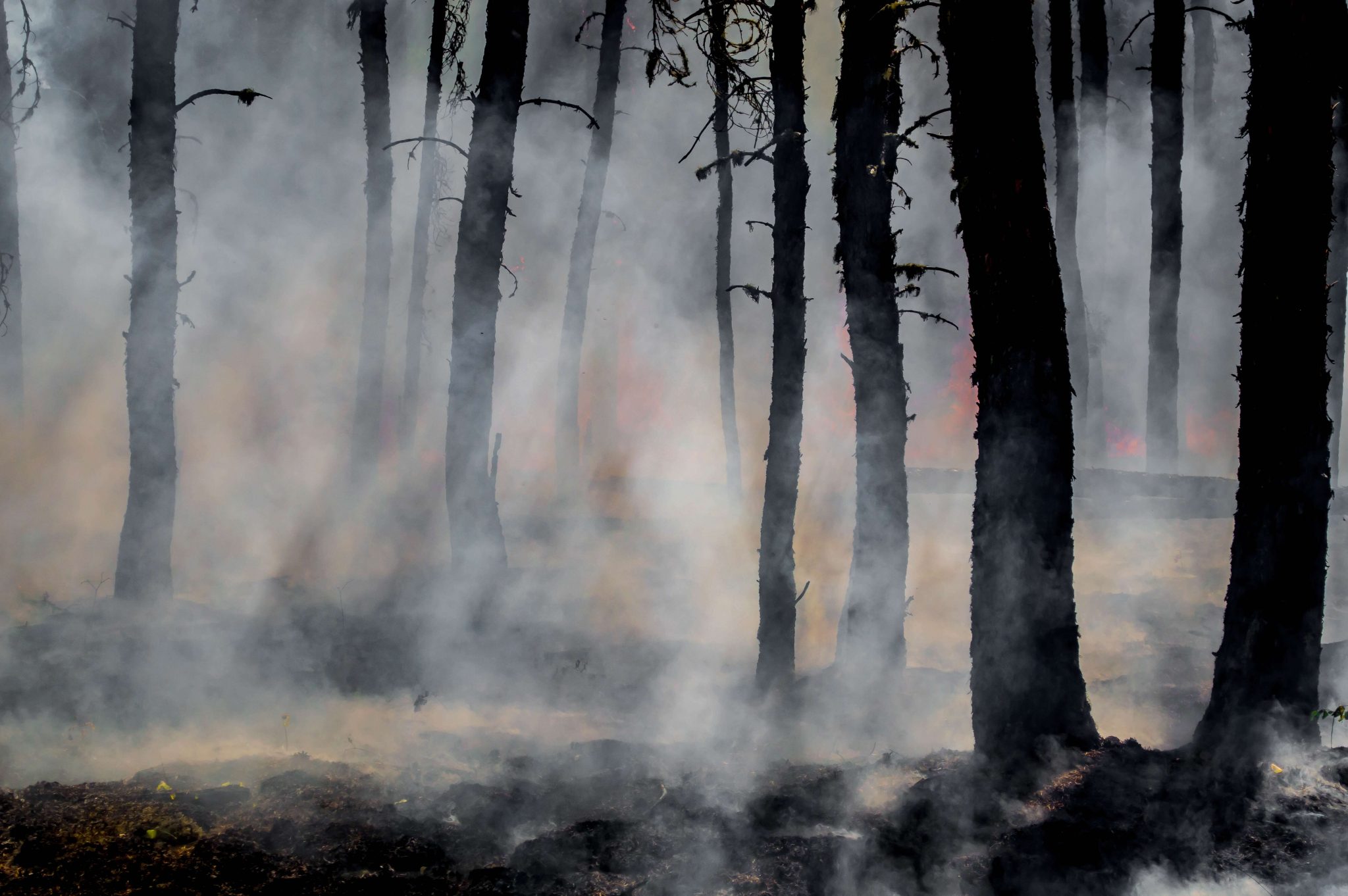
It’s taken the worst fires in a decade for the world to finally realise the Amazon is in trouble.
Visions of the forest ablaze, smoke plumes covering half of Brazil, are a searing emblem for what has otherwise been a largely invisible issue. It’s no longer possible to ignore what’s going on in the world’s biggest tropical rainforest. Fires have plagued the Amazon for years – and the more we learn, the more we realise the inferno is a symptom of a much bigger problem.
What exactly is happening in the Amazon?
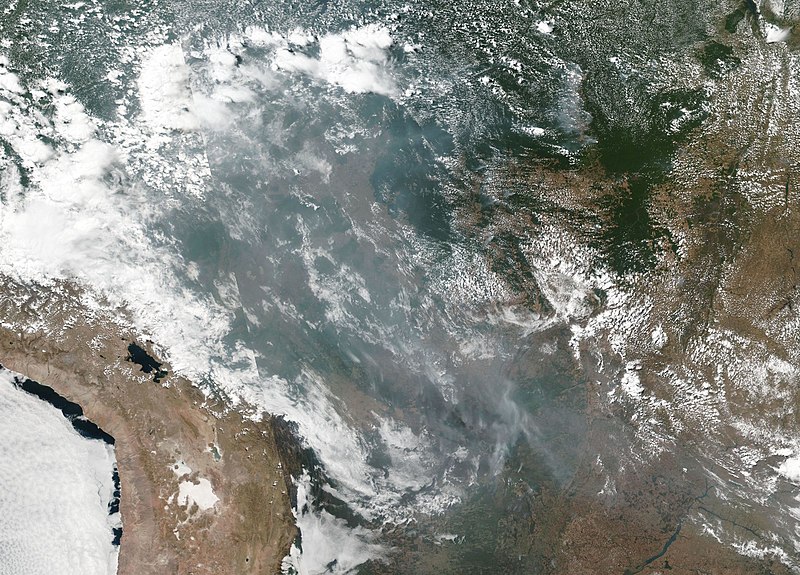
As of this week, there are approximately 2,500 active fires burning in the Amazon rainforest. Between 75,000 and 156,000 individual blazes have been spotted so far this year – an 80 percent increase on the same period in 2018. The only real way to comprehend the scale is by using satellite images taken from space [image from NASA, below]. In early August, NASA reported a surge in ‘large, intense, and persistent’ fires in the area. It has since confirmed that this is the highest number of fires seen since 2010.
Fire has become a part of life in the Amazon. But it’s not a natural phenomenon for this delicate ecosystem. Mahogany, palm and Brazil nut trees are not prone to fire, and the forest floor is far too moist to spontaneously ignite. Fires that threaten the rainforest are almost exclusively intentionally lit – that is, started by humans.
Who would light a fire in the Amazon? The majority of blazes can be traced back to farmers and ranchers. Slash and burn agriculture, where fire is used to cleanse freshly felled ground and promote soil regeneration, is the number one source of deforestation in the Amazon basin and a major cause of forest fires. It’s no coincidence that most of the blazes currently raging are concentrated around pockets of cleared farmland and roads.
Brazil, the country responsible for stewarding 60 percent of the Amazon, has been thrown into the spotlight. Neighbouring Bolivia, Peru and Paraguay also shoulder some of the burden, and some of the blame. Questionable forestry policies and failure to respond to this national crisis has drawn the ire of the world’s media. It came to a head during the recent G7 summit in France, when the Brazilian President turned down an offer of foreign aid to help bring the situation under control. Last week, the country launched a military operation to extinguish the fires. But with 5.5 million square kilometres of dense rainforest to contend with, progress is slow. The world continues to watch and wait for updates on the fires and the damage they have wrought. But we must also start grappling with a more pervasive issue: Deforestation.
Losing our biggest rainforest
Deforestation is a massive problem in the Amazon, and it’s only getting worse. Without land clearing and cut and burn, fires of this ferocity and size simply wouldn’t exist. Since the beginning of the year, the Amazon has been stripped of an estimated 3,400 square kilometres of forest cover. That’s 40 percent more than the same period for 2018. The correlation is clear: As mining, logging and industrialised agriculture ramp up in the Amazon, deforestation escalates dramatically. Many fear that this year’s trend has all but reversed previous efforts to regenerate the basin.
We’re slowly but surely losing our biggest tropical rainforest.
With every square mile cleared, the Amazon inches closer and closer towards becoming a seasonal forest or even a savannah. Aside from the obvious loss of habitat, a complete shift in the ecosystem would have a devastating impact on biodiversity. One out of every 10 species on Earth dwells inside the Amazon and depends on its particular cycles for their survival.
One of the Amazon’s greatest gifts to the planet, its ability to soak up carbon dioxide, is also dwindling. In the 2010s, the forest’s C02 absorption capacity declined by one-third. If the Amazon were to be completely wiped out, an estimated 80 to 120 billion metric tonnes of carbon already stored in the trees would be released into the atmosphere, creating a climate catastrophe equivalent to a decade’s worth of greenhouse emissions all at once. Scientists now believe we are edging closer and closer to this critical tipping point.
As the fires rage on, the area has become almost unliveable for the 30 million people who dwell inside the Amazon. This includes the many indigenous tribes who live off the land. Losing the Amazon also means losing their ancient cultures, customs and knowledge.
What’s fashion got to do with it?
Much of the deforestation that goes on in the Amazon is done to create pasture for cows. Brazil is the world’s top beef exporter and the world’s second-largest beef-consuming nation. According to some sources, 93 million acres or 12 percent of the Amazon has already been converted into farmland.
The connections between the cattle industry, deforestation and environmental catastrophes like the fires we’re seeing now have long been understood. Back in 2009, Greenpeace released ‘Slaughtering the Amazon’, a damning report that cast commercial cattle production as the culprit in the destruction of the forest. Back then, the cattle sector accounted for 14 percent of the world’s annual deforestation and a full 80 percent of deforestation in the Amazon.
For the first time, the fashion industry was implicated in the destruction of the Amazon
One of the report’s biggest bombshells was the revelation that raw leather used by some of the world’s most prominent fashion brands was being supplied by the same Brazilian beef companies. For the first time, the fashion industry was implicated in the destruction of the Amazon.
In 2013, partly in response to the Greenpeace Report, Gucci became the first brand to launch a line of ‘zero-deforestation’ handbags. A collaboration with Livia Firth’s Green Carpet Challenge and the National Wildlife Federation, the collection used leather sourced from Rainforest Alliance Certified cattle farms. But tracing raw materials all the way back to the ranch is not easy. Sadly, few brands have followed suit. According to Fashion Revolution’s 2019 Transparency Index, only 5 percent of labels are in the business of disclosing their raw material suppliers. Similarly, the 2019 Ethical Fashion Report revealed that only 8 percent of surveyed brands bother to trace their raw material suppliers.
Brazil is still one of the biggest producers of prepared leather, exporting well over 40 million hides every year. Since the news first broke, many people have been contrasting the world’s response to the fires in the Amazon with the blaze that engulfed Notre Dame Cathedral in Paris earlier this year. It was Fashion Revolution who this week pointed out the irony: The same luxury fashion houses who pledged to finance the cathedral’s restorations simultaneously depend on the destruction of the Amazon for their leather. Deforestation and our relationship with the land is an issue that will continue to smoulder away even after the last flames have been extinguished. We all have a stake in the future of the Amazon rainforest.
WORDS: EMILY LUSH





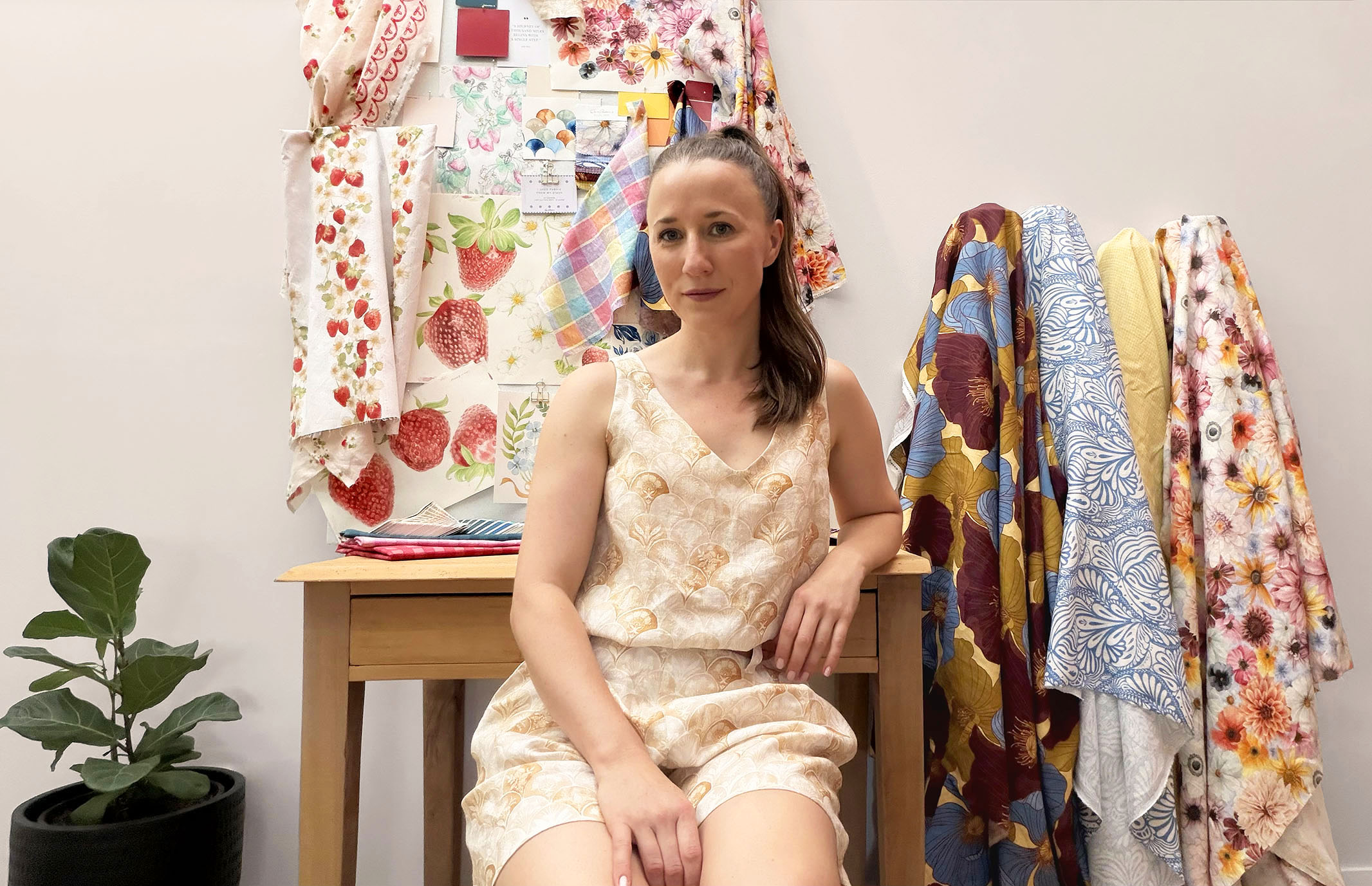

“My piece of advice for makers and designers? Run your own race… make sure your key decisions stay anchored in your brand’s core beliefs.”
- Bec Bligh
Quick show of hands: who’s opened a water bottle expecting a refreshing sip… and instead been greeted by the unmistakable whiff of uh-oh?
Because for something that follows us everywhere (desk, car, hikes, yoga…), the humble drink bottle is strangely prone to becoming a science experiment. Hard-to-clean corners and gaskets. Mystery smells. Bec Bligh and her husband Tim know it well. A six-month sailing trip along the Queensland coast left them with a lifetime of memories and one stubborn annoyance: mouldy water bottles they couldn’t properly clean.
So they did something about it.
Enter @EverVessel. Thoughtfully designed borosilicate glass and stainless steel bottles that keep things beautifully simple: durable materials, wide openings, easy-to-clean parts and none of the techy gimmicks that tend to age badly. Turns out simplicity, done well, is pretty powerful stuff. (Their many design awards agree!)
And lately they’ve added a little extra delight: the Artist Series, where creatives like Paola Castro, Ben Miners and Martin Thompson transform these everyday companions into tiny travelling artworks. There are more colabs in the works, too: hydration, but make it joyful! 🎨💧
We chatted with Bec about the sailing trip that started it all, the philosophy behind Ever Vessel, and why the most sustainable product is often just the one you keep using.
Tap the link in our bio to read the full conversation. 🚰
#EverVessel #ReusableWaterBottle


Pull up a chair… there’s room at this table!
For the first time, Feast for Freedom is bringing people together for a spectacular long-table dinner as part of the Melbourne Food & Wine Festival.
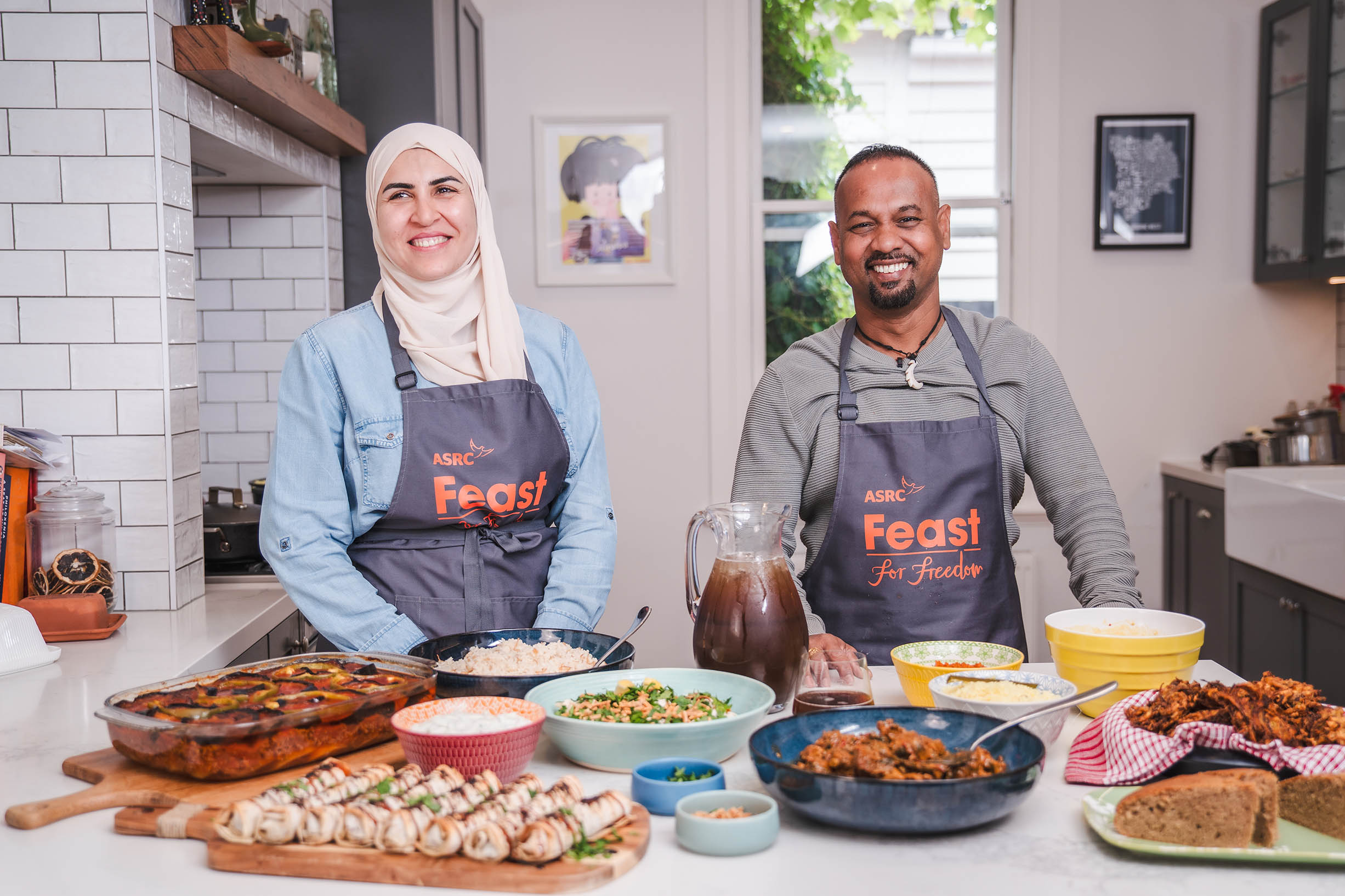
A Longer Table is exactly what it sounds like: one beautiful shared table inside the Asylum Seeker Resource Centre (@Asrc1), piled with generous dishes inspired by this year’s hero cooks, Noha and Nige.
From 6 to 9pm on Wednesday, 25 March, this is what you can expect:
🍽 A three-course shared feast
🍷 Matched drinks
🎶 Live entertainment
✨ A room full of good humans
Your ticket doesn’t just buy you a delicious dinner. It supports the ASRC’s vital work and helps create a fairer future for people seeking asylum.
Seats are limited, and long tables have a way of filling up quickly – head to @MelbFoodAndWine’s website to book now: feastforfreedom.org.au/mfwf
#FeastForFreedom #MelbourneFoodAndWineFestival #LongTableDinner #FoodForChange

Sew versatile! 🪡
Another great make from Lisa from @SunnySewsEveryday:
My #PeppermintWaratahWrapDress is finished and I’m so proud of it. It has been designed not to flap open and flash your pants in the wind, so I feel confident it will be a great wheelchair or standing dress in English weather.
#PeppermintPatterns #WrapDress #WrapDressPattern

Frame your face with the Peppermint Bucket Hat!
Stay safe and stylish in the sun with your very own self-sewn and self-drafted wide-brimmed bucket hat. This beginner-friendly sew is perfect for a sunny day. Get out your pencils – this pattern is created using equations and maths!
This DIY project was featured in Issue 53 and now you can access it for the lovely low price of only $5.
Sun-safe chic is always in style. ☀️
Find it via the link in our bio!
Photos: @KelleySheenan
#PeppermintPatterns #PeppermintBucketHat #BucketHat #BucketHatPattern #DIY

✨ INSTANT CLASSIC ✨
The Peppermint Myrtle Shift Dress is a beginner-friendly make with a few special details based on the ever-stylish shift shape – the perfect dress you need in your wardrobe right now!
Myrtle cuts above the knee with options to customise the length. Don’t think she’s reserved for hot weather either: try a heavier-weight fabric to turn your Myrtle into a pinafore-style garment for layering.
For our fabrics we chose two from our lovely sewing partner @Karmme_Apparel – the bold Rottnest Stripes in a lightweight, soft-drape cotton, and the quality linen in the handpainted Mexico Collection.
Get making the Myrtle – the only question is, can you stop at just one?
Link in bio 🪡
Fabric: @Karmme_Apparel
Sewist: @Laura_The_Maker
Photos: @KelleySheenan
Models: @SerahSews and @Pins_And_Tonic
Location: @ShareTheDignityAustralia
#PeppermintMyrtleShiftDress #PeppermintPatterns

It’s time to Feast!
Some recipes travel a long way before they land on your table to delight your taste buds. This year’s Feast for Freedom invites us to gather our friends, cook something delectable and raise funds for the incredible work of the Asylum Seeker Resource Centre (@Asrc1) while we’re at it.
The 2026 Feast features recipes shared by two remarkable cooks: Noha, who brought the flavours of Palestine with her when she arrived in Australia, and Nige, a Sri-Lankan Tamil cook whose journey with food began in the most unexpected of places.
You can host your own Feast up until 30 April – simply register online and get planning! Host a dinner, organise a workplace lunch, or gather your community… However you do it, the idea is simple: cook, connect and celebrate the cultures and stories that shape Australia.
Want to find out more? Head to the link in bio to meet Noha and Nige, learn more about their stories, and discover a delicious recipe to try.
#FeastForFreedom #PeppermintMagazine #FoodForGood #ASRC
