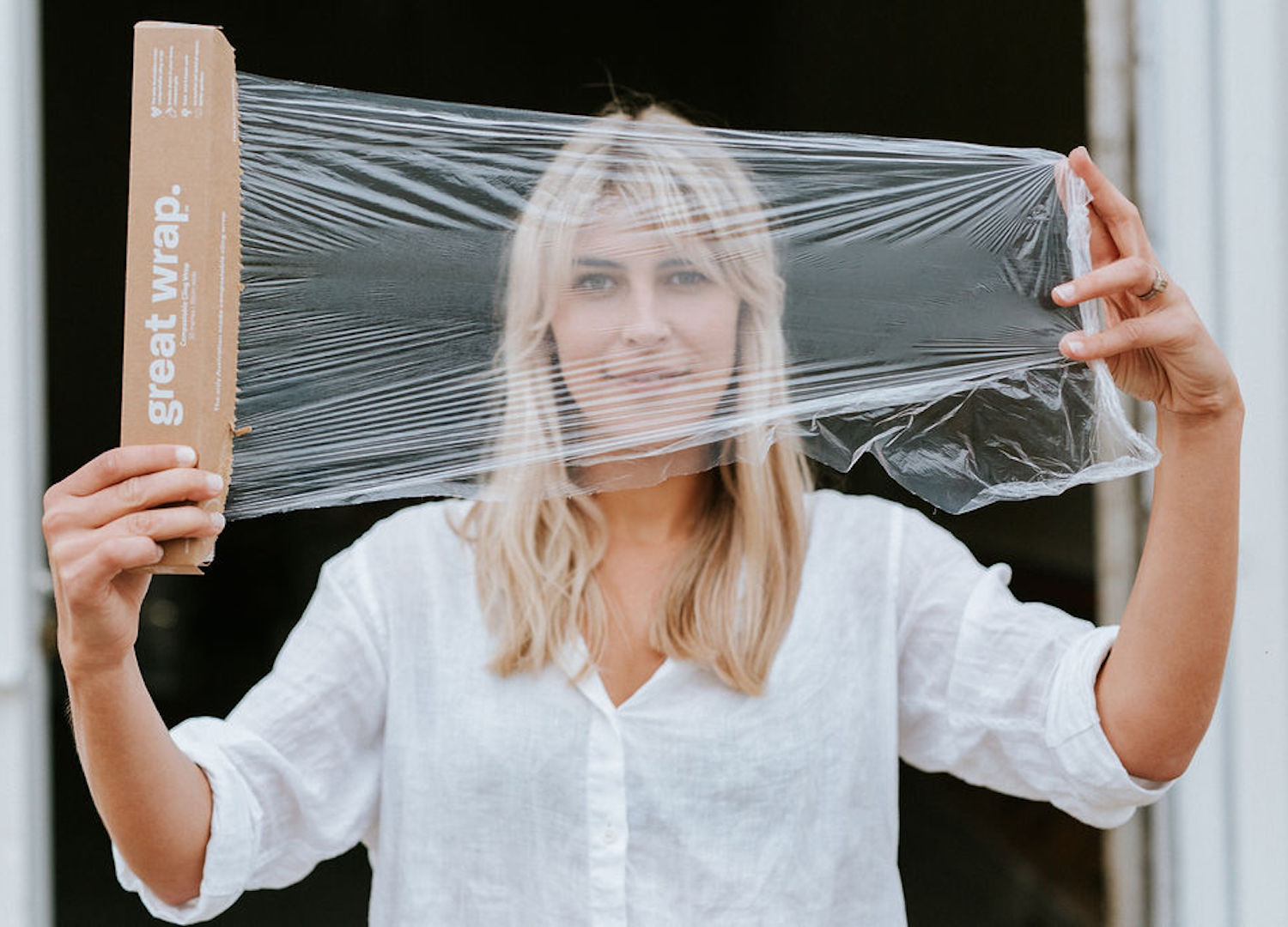
Cling film, Glad Wrap, stretch wrap… whatever you know it as, most of us have grown up wrestling the sticky stuff around sandwiches and salad bowls. Also battling with the transparent plastic film (originally called Saran wrap and launched in 1949 with the purpose of preserving food in the fridge), is our poor ol’ plastic-wrapped planet.
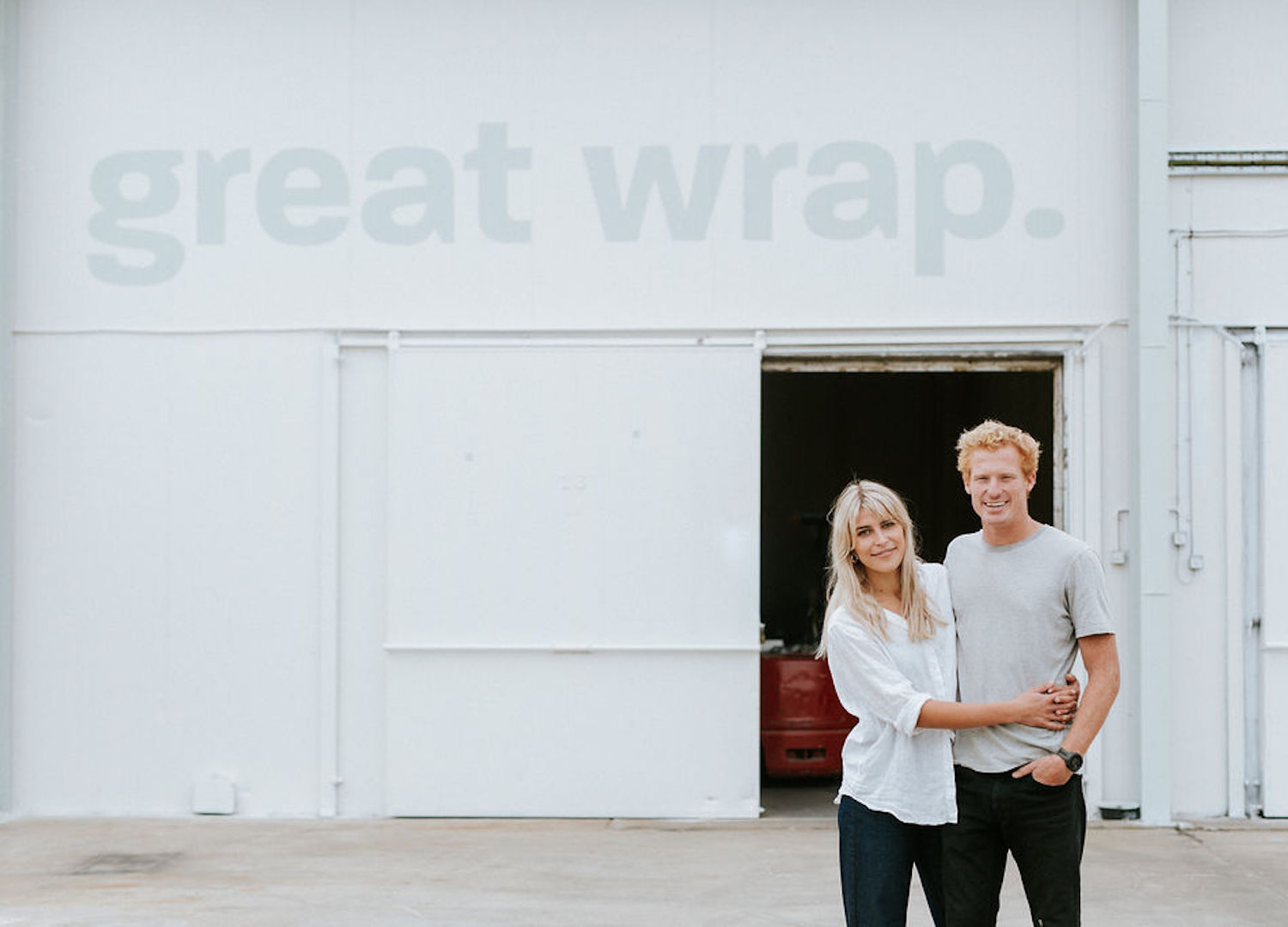
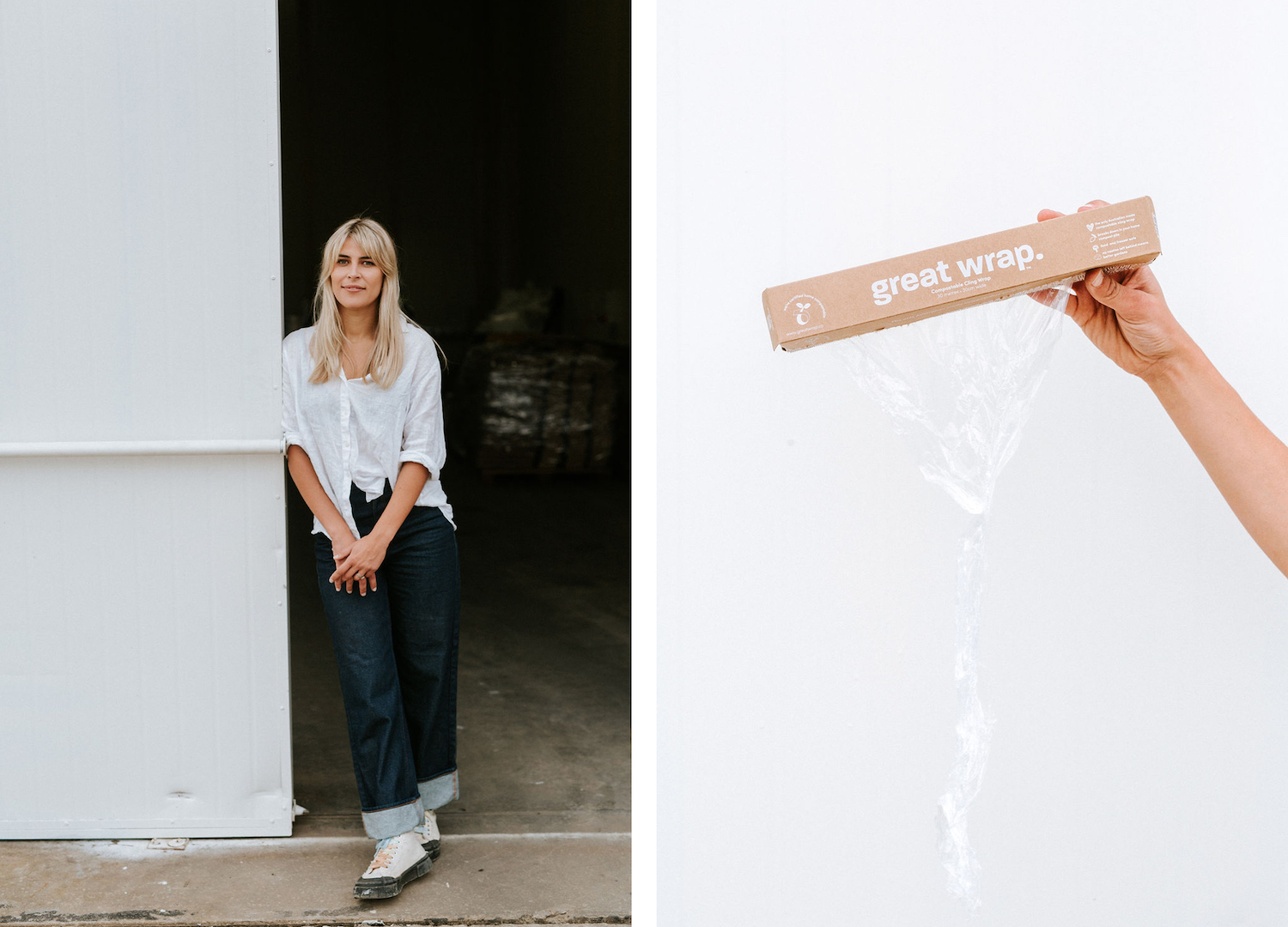
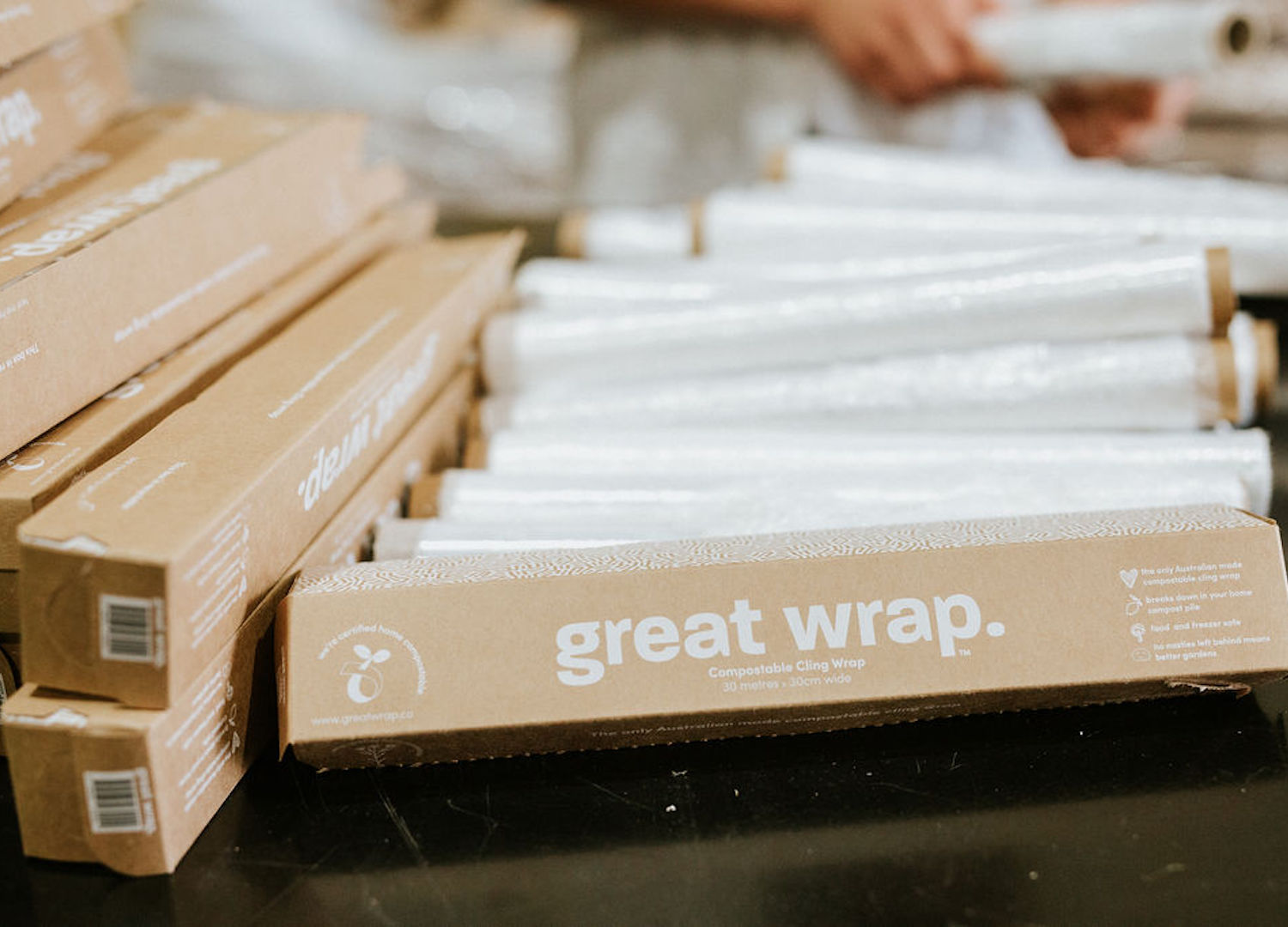
Horrified by the huge amount of single-use plastic wasted each year in Australia, winemaker Jordy Kay and his wife Julia, an architect, dreamed up the concept for Great Wrap, an innovative food waste-based alternative to cling wrap. Designed for both home and commercial use, the home-compostable wrap is the result of Julia and Jordy’s deep desire to make real change, while living their values.
We spoke to Julia as part of our ‘Business (Not) As Usual’ series, brought to you by Peppermint and Bank Australia, to get a peek behind this purposeful business and talk all things biopolymers, better business and what working with your partner everyday is actually like.
Tell us about the Great Wrap journey? What inspired you to create it?
Jordy and I met on the roof of a pub in Fitzroy on a sunny day in summer. He unofficially moved in with me straight away and we never looked back. I was working in architecture at the time, which had been a dream since I was little. Jordy lived in a cabin in the forest that he’d built where he had been making natural wine. We both loved our lives and found beauty in creating beautiful experiences for people, in our own way. From our first date, we knew we wanted to do something together. We talked about moving to Europe and crafting wine knives for a living. Safe to say that never panned out! Before Great Wrap, we tried a few other businesses, including a wine label, cellar door, providore and experiential dining events. None really took off, but it was a fantastic experience to share.
We just felt like there were a lot of problems in the world and we weren’t doing that much to solve them. We were joking around one night and started talking about a world in which plastic didn’t exist. We got pretty carried away and thought maybe we could actually make this a reality.
Single-use plastics seemed like the right place to start for us. We’d both seen a lot of it used in our industries. Growing up on the coast [Julia’s from Perth and Jordy is from Mornington Peninsula] helps you to be hyper-aware of how big an issue it really is, too. We found out that Australia goes through 150,000 tonnes of stretch wrap every year. It was a problem we couldn’t unsee.
What have been the compromises and/or sacrifices? Were there any values you had to let go of?
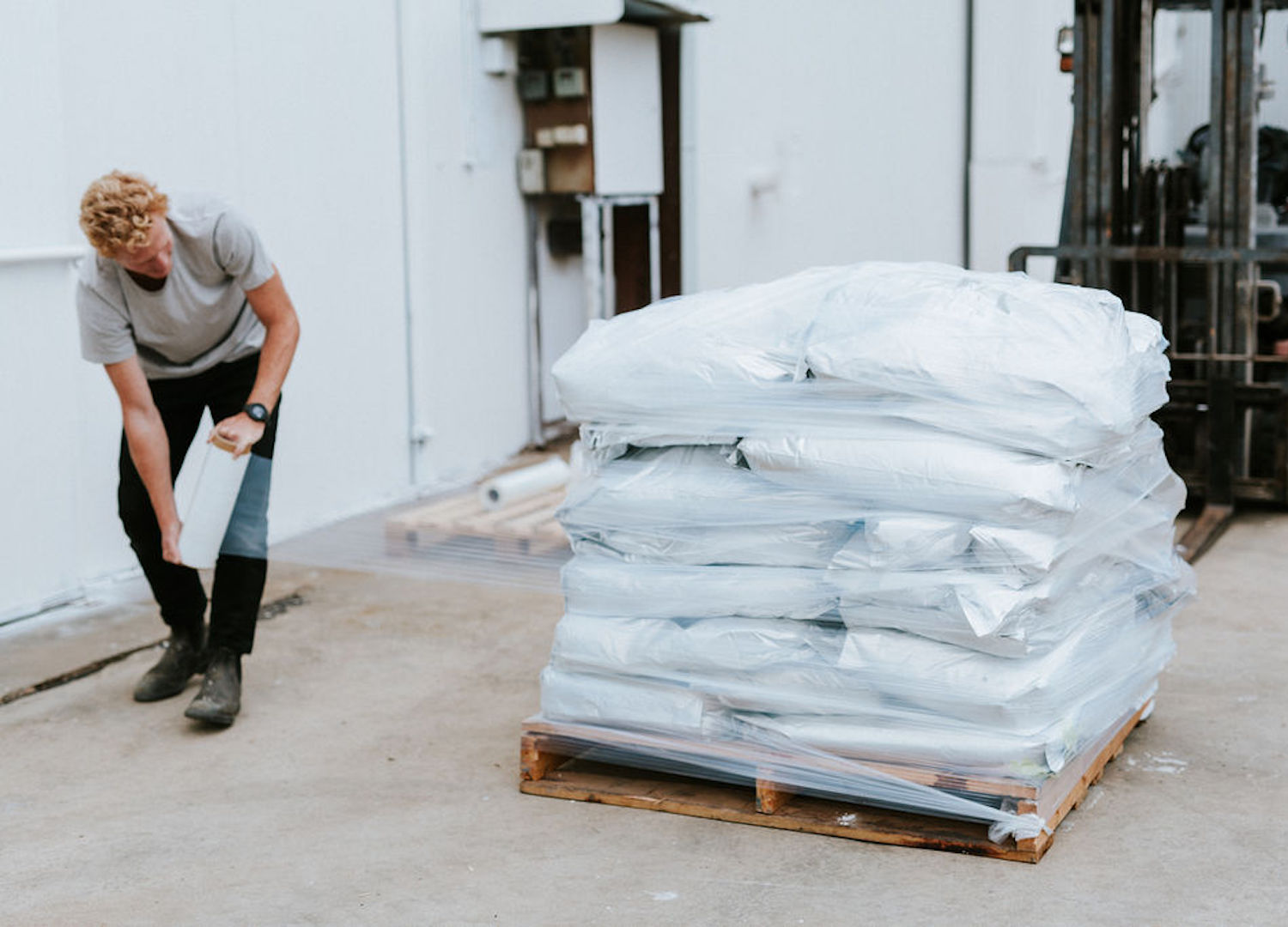
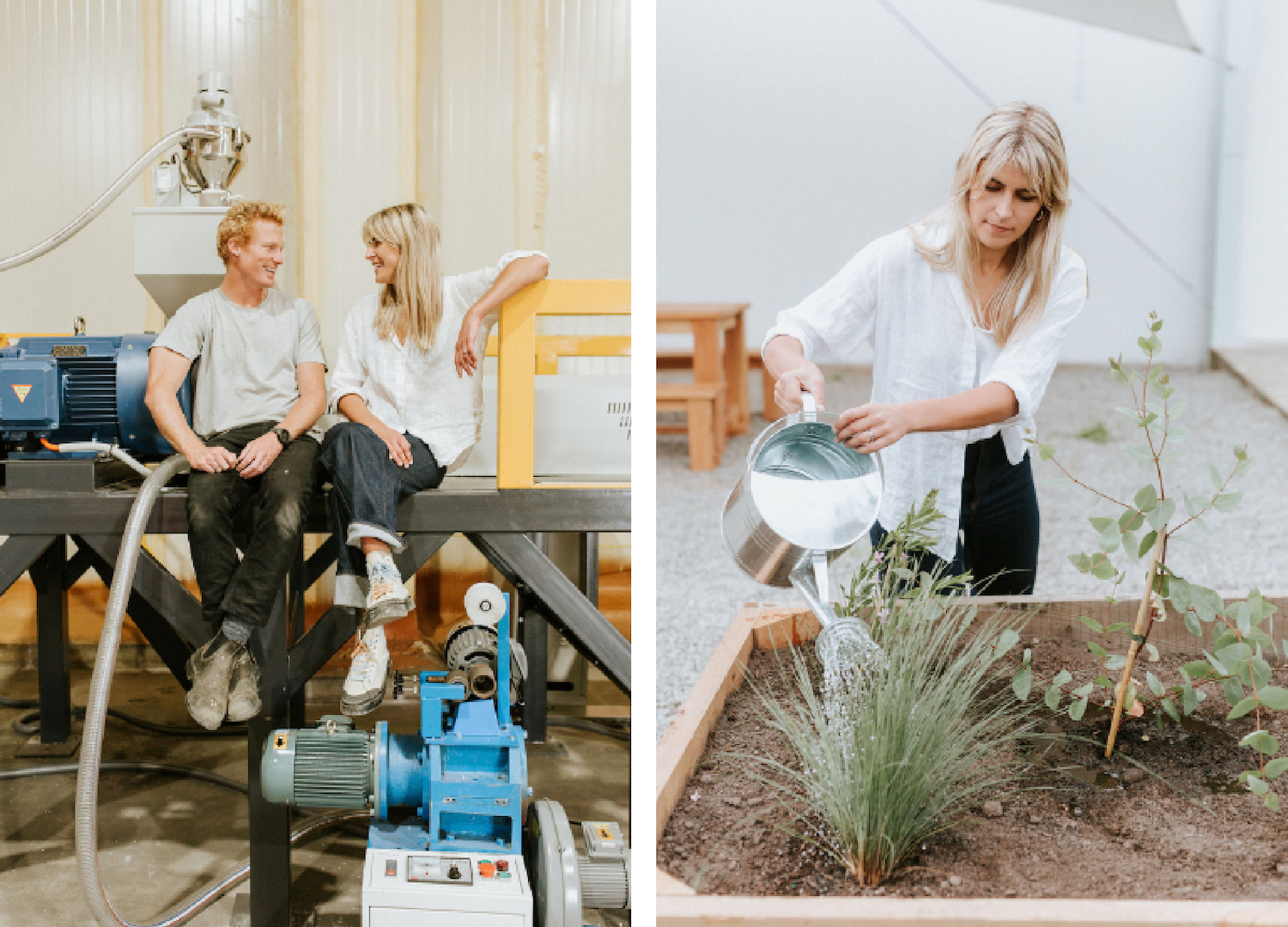
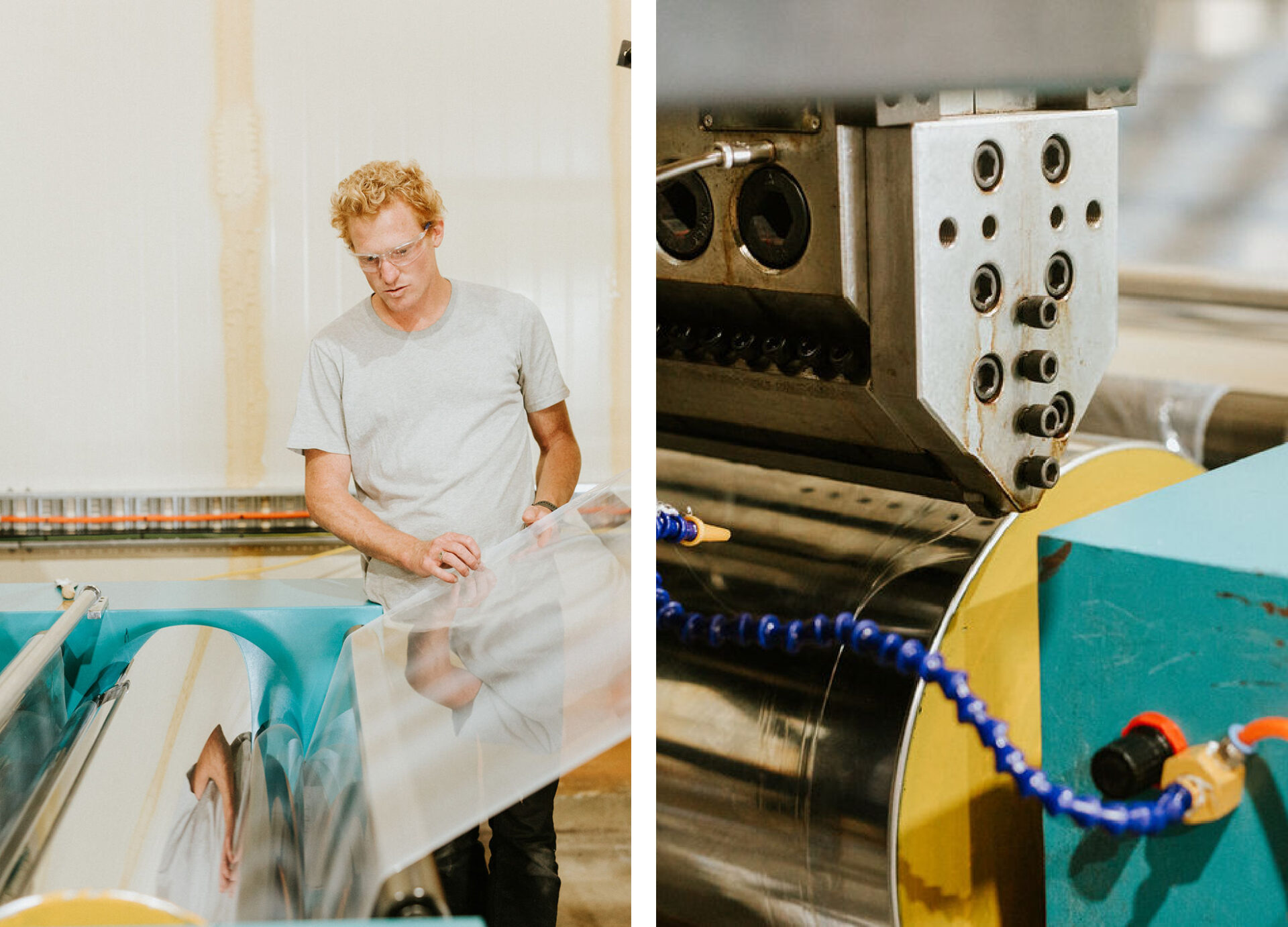
There were a lot of points in the business where we could have compromised and made a choice that favoured profit. Thankfully, having a strong vision has helped us to make every decision with this in mind. That’s why we decided to manufacture our product ourselves – in a solar-powered facility that’s part of a food hub in Mornington Peninsula – so that we could ensure Great Wrap is made in a way that’s exactly what we want, with the best materials available. We really wanted to be across everything in our supply chain. And we loved the idea of creating local jobs – we have a rapidly growing team.
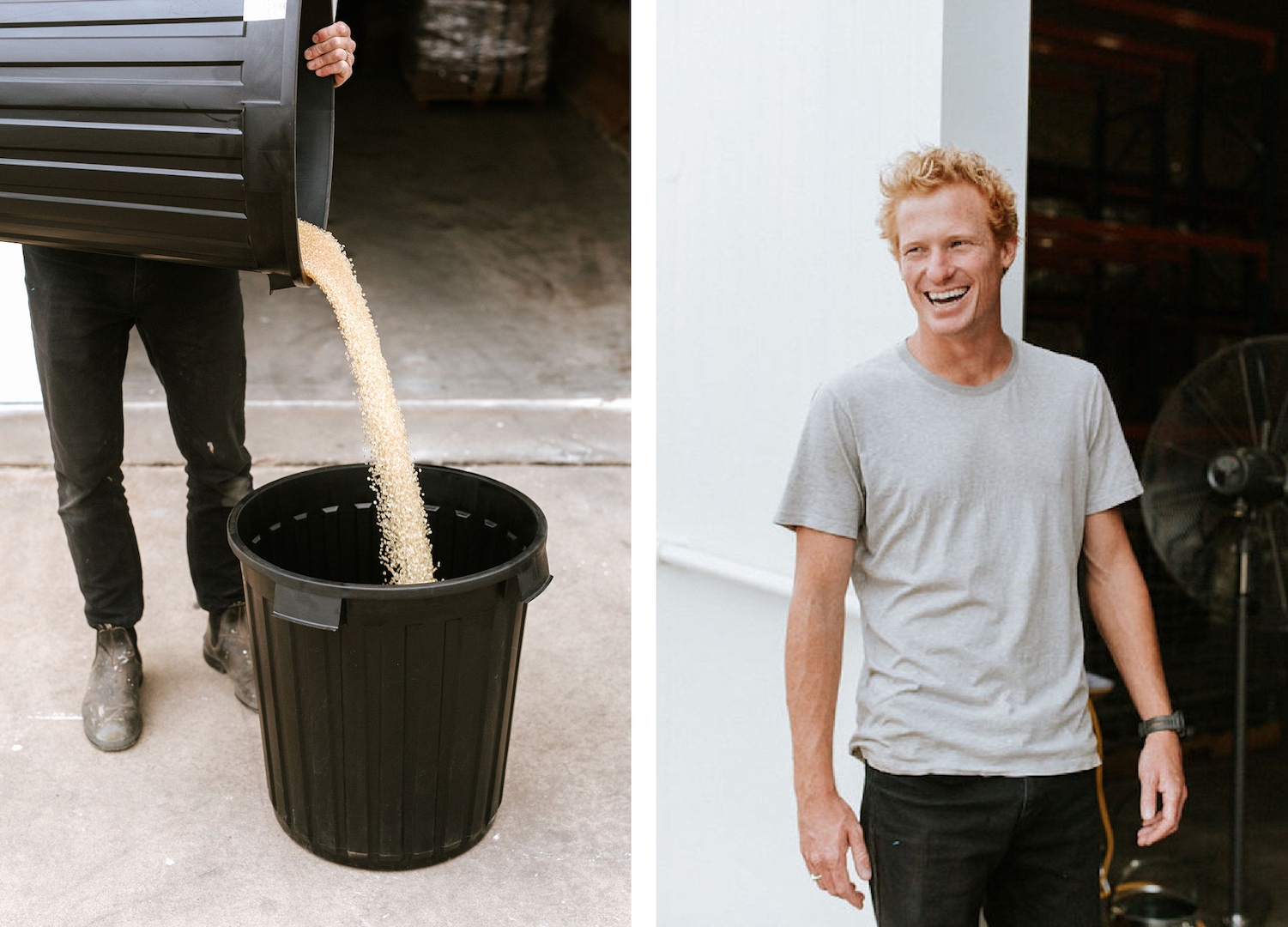
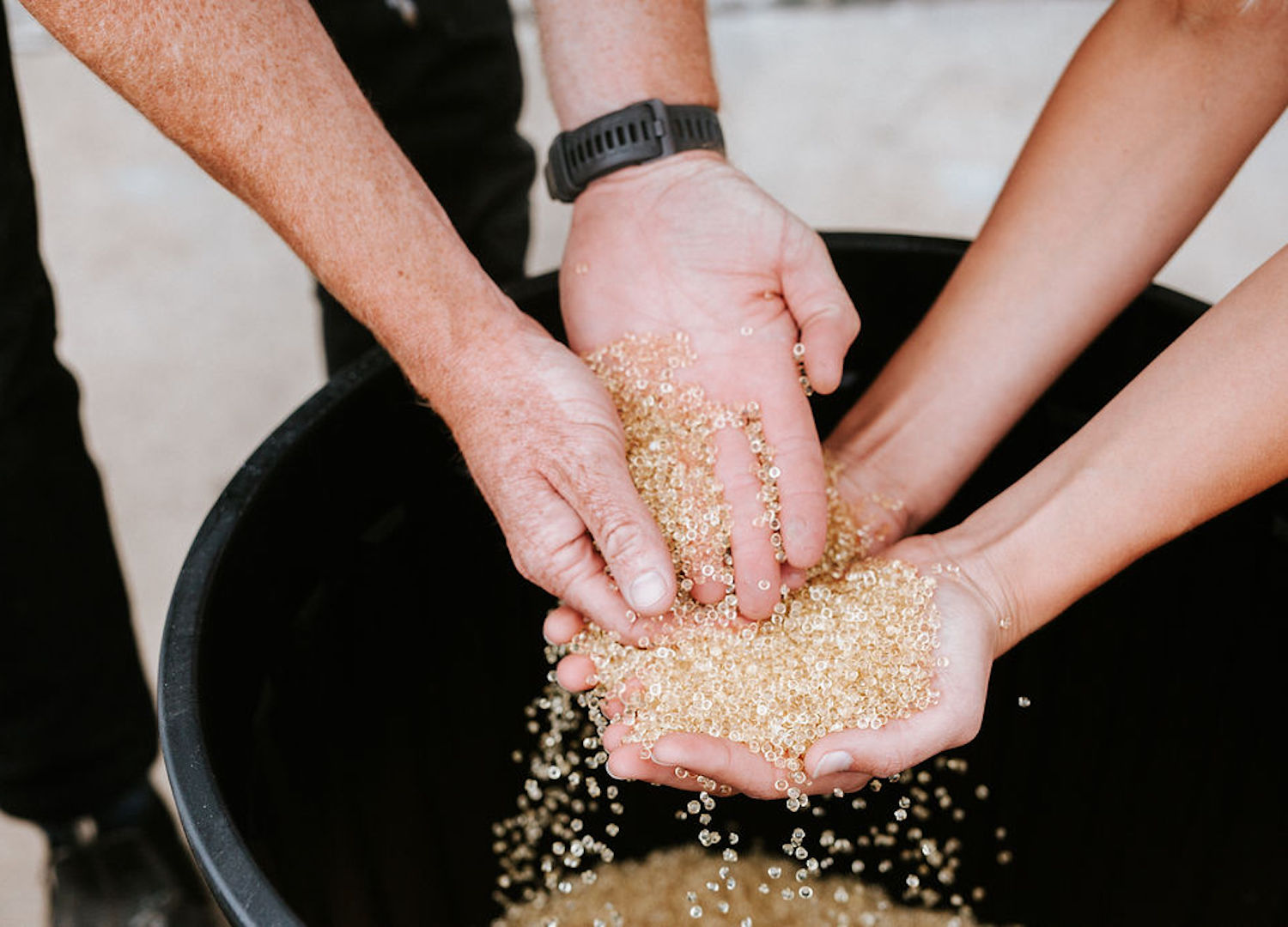
We currently use potato waste as the main raw material. The potato waste is leftover from making things like french fries and chips. We work with a company that turns the starch into a biopolymer that we can use. We’re currently working with Monash University to complete this process in-house using agricultural fruit waste and we plan to have this facility up and running by the end of the year. We previously used a bioplastic made from cornstarch that is known as polylactic acid (PLA). The problem was that it required quite intensive agricultural methods. When we design products, we think about where we want the world to be in 10 years and then create processes for those products, today. Our company exists to solve problems, not create them. We will continue to work on developing new materials from even better raw materials. By the end of 2021, we aim to be Australia’s largest manufacturer of stretch wrap – the bonus being that it’s completely home compostable and made from the byproducts of food processing.
What place do you think business has in creating a more sustainable future?
Business is imperative for creating a more sustainable future. What we do at Great Wrap, for example, gives people an option to substitute at home. Businesses can actually make it easier for people to live more sustainably without changing their habits. Celluloid plastic came about in the 1860s as a result of humans realising that ivory, among other natural materials, were no longer sustainable products to be using. What we are doing now is the 2021 version of this. We know we can’t keep using petroleum-derived products, so it’s time to look for other options. Since one third of the food we grow goes to landfill, it just made sense to us.
Money can often be seen as a bad thing when it comes to purposeful businesses… How do you think money can be a force for good?
When you put money in the right spot it has the tendency to do a lot of good. Not all big businesses use their funds to keep the gas tap running. Look at Bank Australia, for example. They’re putting efforts into supporting clean energy, conservation and other amazing projects. We’re at a point in time where the technology exists and sustainability is actually feasible; it’s just about getting the right resources in the right place. This is the same for the home consumer too. Every dollar we have has the power to unlock a more sustainable future when you put it in the right direction.
How do you balance sustainability and profit? Is there a way to do it without compromising?
We started Great Wrap initially driven by our vision of a world without plastics. Profit wasn’t a driver for us. We knew that price was important to our customers and we wanted to be accessible to everyone. That’s how we ended up looking into food waste as a main ingredient. We found there was a lot of it going to landfill emitting greenhouse gases, including a lot of methane. Over 100 years, methane is roughly 30 times more potent than carbon dioxide as a heat-trapping gas! It struck us as an opportunity and a great way to strike balance within our business.
What does a typical day look like for you?
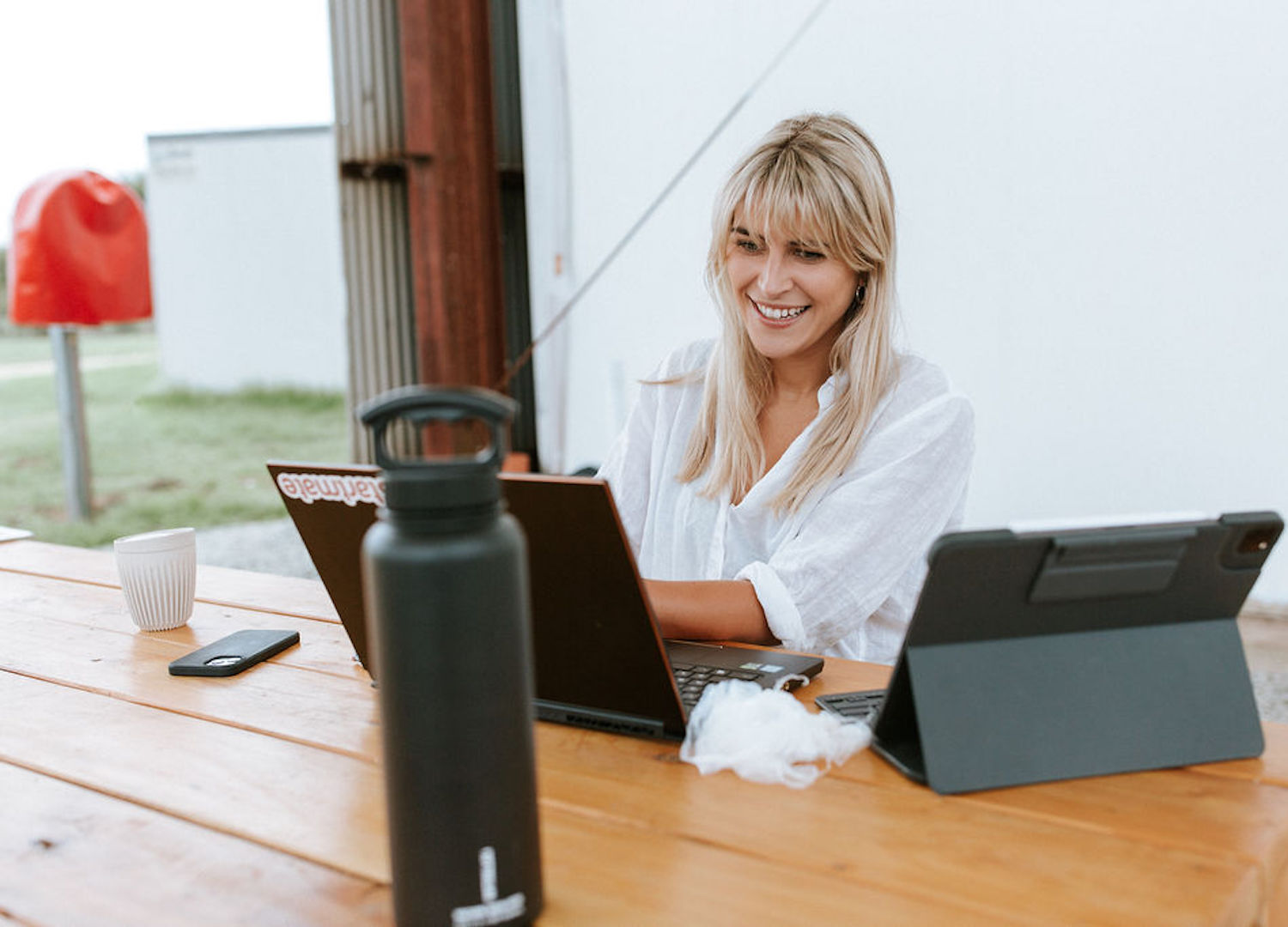
At Great Wrap, every day is different for us. We are still a startup by nature so that means wearing a lot of hats. Some days are supply focused, so we’ll spend our day down at the factory on the Mornington Peninsula with our team making wrap and coming up with better ways to optimise our machinery. We currently run completely on solar but we’re always looking for ways to improve. Other days we meet with our research team. We have a great formula now but our big vision is to be making Great Wrap solely from food waste. To do this we need to spend some time in the lab! We also have an office where we spend days doing general business things, like talking to our customers and coming up with better ways to get our products out there.
Any rituals or quirky/unique business practices that keep you ticking over and help you align back to your purpose?
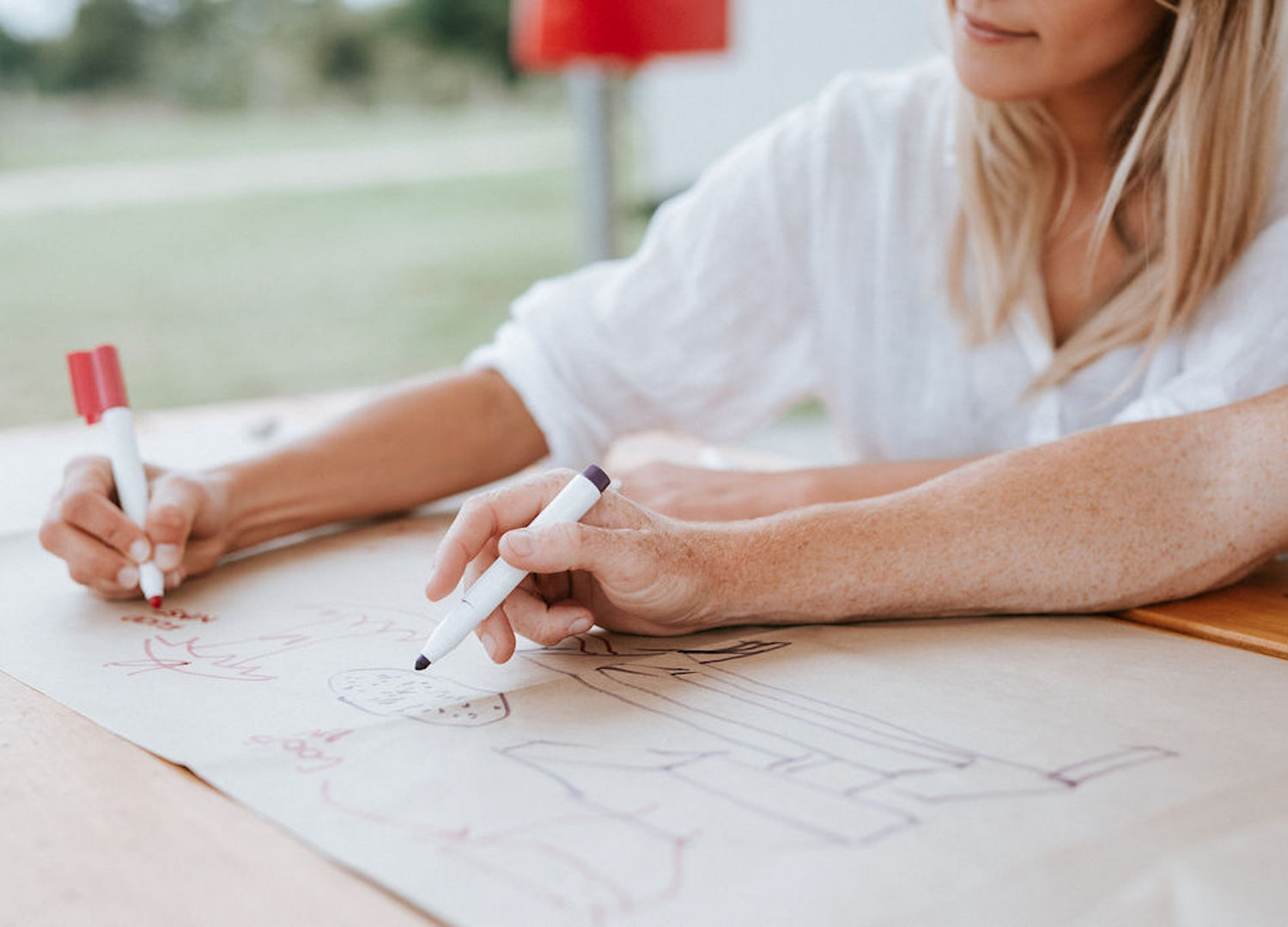
Butchers paper and big chunky markers is what we fall back on when we’re feeling lost. In architecture, a lot of time is spent sketching up new ideas and it’s the same at Great Wrap. We know where we want to be in 2030, so we try to reverse engineer our path back from there. We also know when to call it. If we’re feeling a creative block and it’s a beautiful day, we’re happy to head to the beach. It’s the place that inspired us to do what we’re doing, so checking in with it regularly is a big part of the process.
How have you built pressure-testing for sustainability and purpose into your business?
We’re in a unique position with our business where what we’re doing is solely based on our drive for a more sustainable future. Building a business around these principles took some work, but it means we wake up in the morning knowing we’re doing something good for the world, which makes us feel pretty great.
Tell us about the worst mistake you’ve made…
We’ve made a lot of mistakes along the way. When you’ve been making wine and designing buildings all your life, the world of biopolymers can throw you some curveballs that you’re not prepared for!
Our biggest mistake would have been thinking we could do this all on our own. The minute we started talking to engineers, chemists, researchers – as well as customers – we saw our ideas develop so much quicker. The power of sharing knowledge is something I wish we’d gotten onto sooner.
What’s been your biggest lesson?
Everyday is a huge learning curve. It’s hard to choose one. Being comfortable with knowing that you’re never going to have all of the answers is really important. As long as you’re asking a lot of questions you’re on the right track.
What would you tell your startup self if you could go back?
Quit your day job sooner!
Do you believe true balance is possible?
If you put in the work, you can definitely find balance. It’s a little harder when you’re married to your business partner, that takes a bit of practise. We do things like weekend-long hikes where all Great Wrap talk is banned until we get back to base camp. It’s always funny once the ban is lifted, we both have so many ideas we’ve been hanging out to discuss. We also try to meditate every morning. Even when there’s a crazy amount going on, reserving that space is really important.
What is the secret to truly combining business purpose and passion?
It really is about the people you surround yourself with everyday. Whether it be at work or at home. If you’ve got the same big picture in mind, you’ll end up realising that business, purpose and passion are all different words for the same thing.

Thanks so much to our partner Bank Australia for supporting our ‘Business (Not) As Usual’ series. One of Australia’s few B Corp-certified banks, Bank Australia believes in a fair and just world – working with their customers to use money as a force for good to help create positive impact for people, their communities and the planet.
PHOTOS OF GREAT WRAP BY CATHERINE ELISE PHOTOGRAPHY FOR PEPPERMINT

“My piece of advice for makers and designers? Run your own race… make sure your key decisions stay anchored in your brand’s core beliefs.”
- Bec Bligh
Quick show of hands: who’s opened a water bottle expecting a refreshing sip… and instead been greeted by the unmistakable whiff of uh-oh?
Because for something that follows us everywhere (desk, car, hikes, yoga…), the humble drink bottle is strangely prone to becoming a science experiment. Hard-to-clean corners and gaskets. Mystery smells. Bec Bligh and her husband Tim know it well. A six-month sailing trip along the Queensland coast left them with a lifetime of memories and one stubborn annoyance: mouldy water bottles they couldn’t properly clean.
So they did something about it.
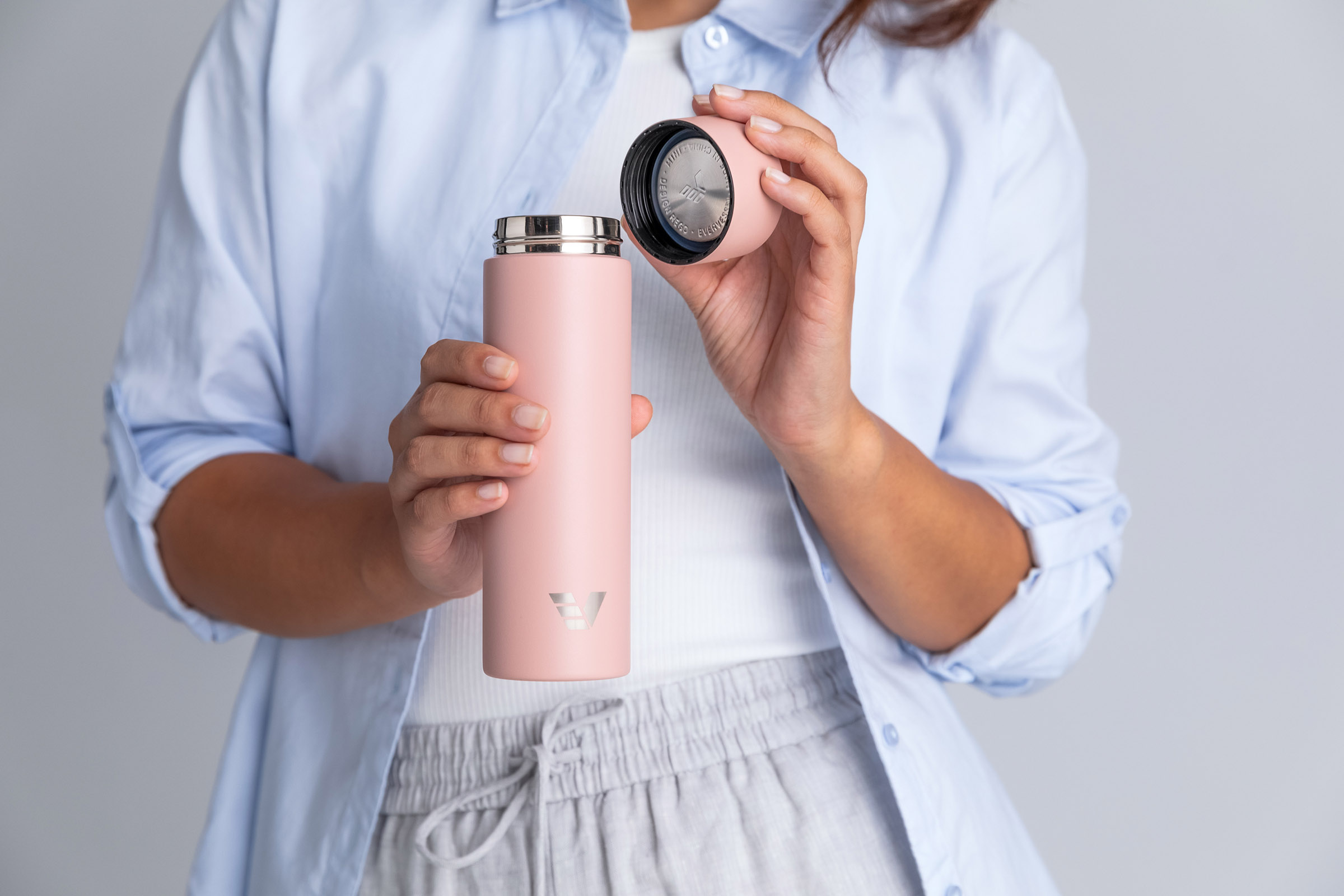
Enter @EverVessel. Thoughtfully designed borosilicate glass and stainless steel bottles that keep things beautifully simple: durable materials, wide openings, easy-to-clean parts and none of the techy gimmicks that tend to age badly. Turns out simplicity, done well, is pretty powerful stuff. (Their many design awards agree!)
And lately they’ve added a little extra delight: the Artist Series, where creatives like Paola Castro, Ben Miners and Martin Thompson transform these everyday companions into tiny travelling artworks. There are more colabs in the works, too: hydration, but make it joyful! 🎨💧
We chatted with Bec about the sailing trip that started it all, the philosophy behind Ever Vessel, and why the most sustainable product is often just the one you keep using.
Tap the link in our bio to read the full conversation. 🚰
#EverVessel #ReusableWaterBottle


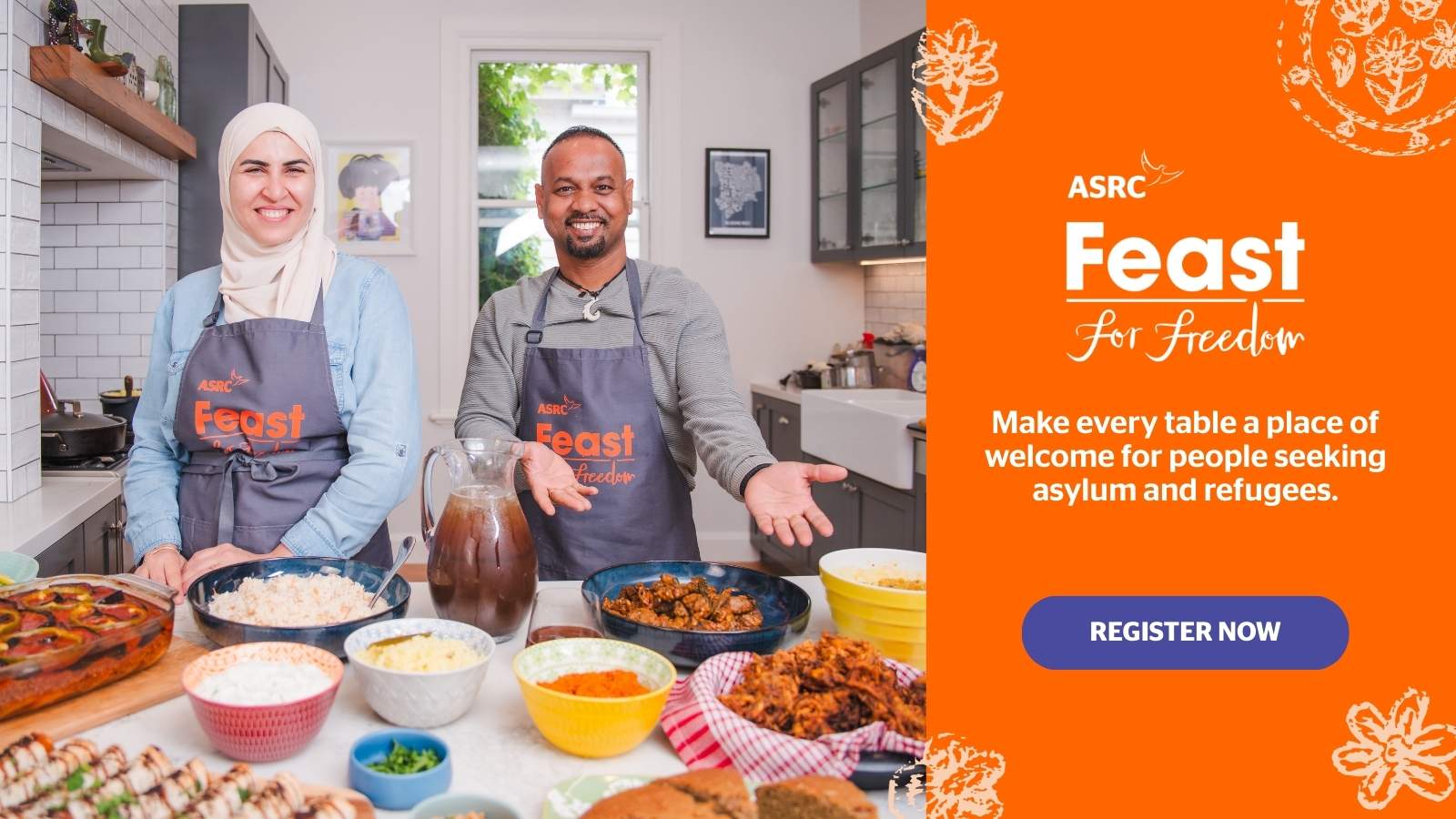
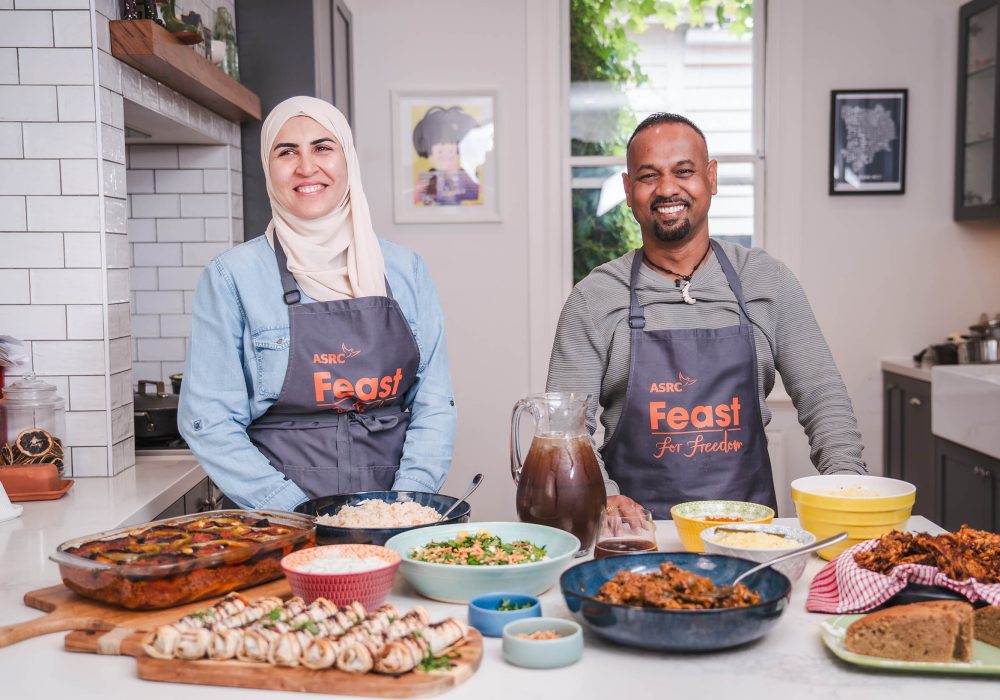
Pull up a chair… there’s room at this table!
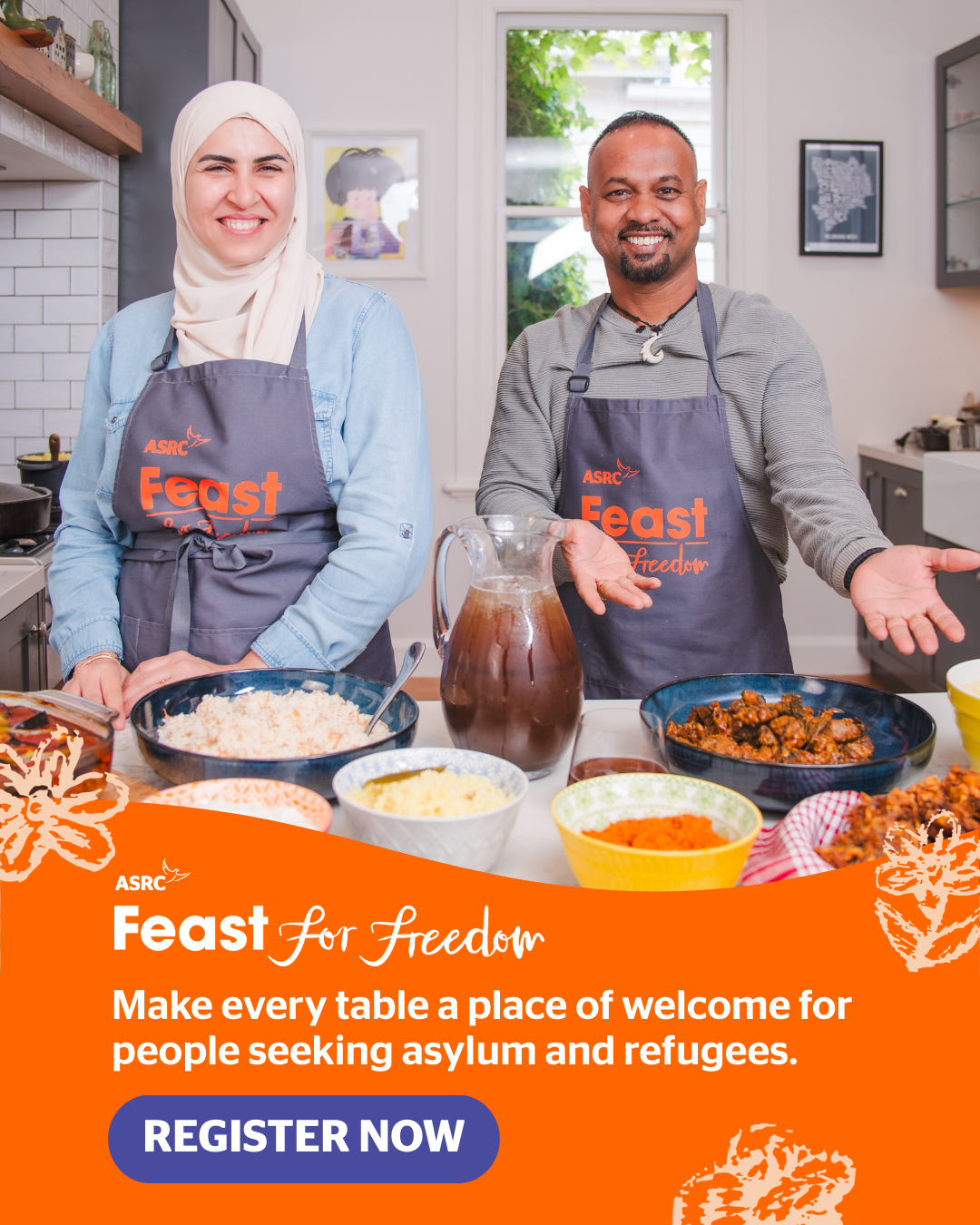
For the first time, Feast for Freedom is bringing people together for a spectacular long-table dinner as part of the Melbourne Food & Wine Festival.
A Longer Table is exactly what it sounds like: one beautiful shared table inside the Asylum Seeker Resource Centre (@Asrc1), piled with generous dishes inspired by this year’s hero cooks, Noha and Nige.
From 6 to 9pm on Wednesday, 25 March, this is what you can expect:
🍽 A three-course shared feast
🍷 Matched drinks
🎶 Live entertainment
✨ A room full of good humans
Your ticket doesn’t just buy you a delicious dinner. It supports the ASRC’s vital work and helps create a fairer future for people seeking asylum.
Seats are limited, and long tables have a way of filling up quickly – head to @MelbFoodAndWine’s website to book now: feastforfreedom.org.au/mfwf
#FeastForFreedom #MelbourneFoodAndWineFestival #LongTableDinner #FoodForChange

Sew versatile! 🪡
Another great make from Lisa from @SunnySewsEveryday:
My #PeppermintWaratahWrapDress is finished and I’m so proud of it. It has been designed not to flap open and flash your pants in the wind, so I feel confident it will be a great wheelchair or standing dress in English weather.
#PeppermintPatterns #WrapDress #WrapDressPattern

Frame your face with the Peppermint Bucket Hat!
Stay safe and stylish in the sun with your very own self-sewn and self-drafted wide-brimmed bucket hat. This beginner-friendly sew is perfect for a sunny day. Get out your pencils – this pattern is created using equations and maths!
This DIY project was featured in Issue 53 and now you can access it for the lovely low price of only $5.
Sun-safe chic is always in style. ☀️
Find it via the link in our bio!
Photos: @KelleySheenan
#PeppermintPatterns #PeppermintBucketHat #BucketHat #BucketHatPattern #DIY

✨ INSTANT CLASSIC ✨
The Peppermint Myrtle Shift Dress is a beginner-friendly make with a few special details based on the ever-stylish shift shape – the perfect dress you need in your wardrobe right now!
Myrtle cuts above the knee with options to customise the length. Don’t think she’s reserved for hot weather either: try a heavier-weight fabric to turn your Myrtle into a pinafore-style garment for layering.
For our fabrics we chose two from our lovely sewing partner @Karmme_Apparel – the bold Rottnest Stripes in a lightweight, soft-drape cotton, and the quality linen in the handpainted Mexico Collection.
Get making the Myrtle – the only question is, can you stop at just one?
Link in bio 🪡
Fabric: @Karmme_Apparel
Sewist: @Laura_The_Maker
Photos: @KelleySheenan
Models: @SerahSews and @Pins_And_Tonic
Location: @ShareTheDignityAustralia
#PeppermintMyrtleShiftDress #PeppermintPatterns

It’s time to Feast!
Some recipes travel a long way before they land on your table to delight your taste buds. This year’s Feast for Freedom invites us to gather our friends, cook something delectable and raise funds for the incredible work of the Asylum Seeker Resource Centre (@Asrc1) while we’re at it.
The 2026 Feast features recipes shared by two remarkable cooks: Noha, who brought the flavours of Palestine with her when she arrived in Australia, and Nige, a Sri-Lankan Tamil cook whose journey with food began in the most unexpected of places.
You can host your own Feast up until 30 April – simply register online and get planning! Host a dinner, organise a workplace lunch, or gather your community… However you do it, the idea is simple: cook, connect and celebrate the cultures and stories that shape Australia.
Want to find out more? Head to the link in bio to meet Noha and Nige, learn more about their stories, and discover a delicious recipe to try.
#FeastForFreedom #PeppermintMagazine #FoodForGood #ASRC
