photos EMILY CHALK
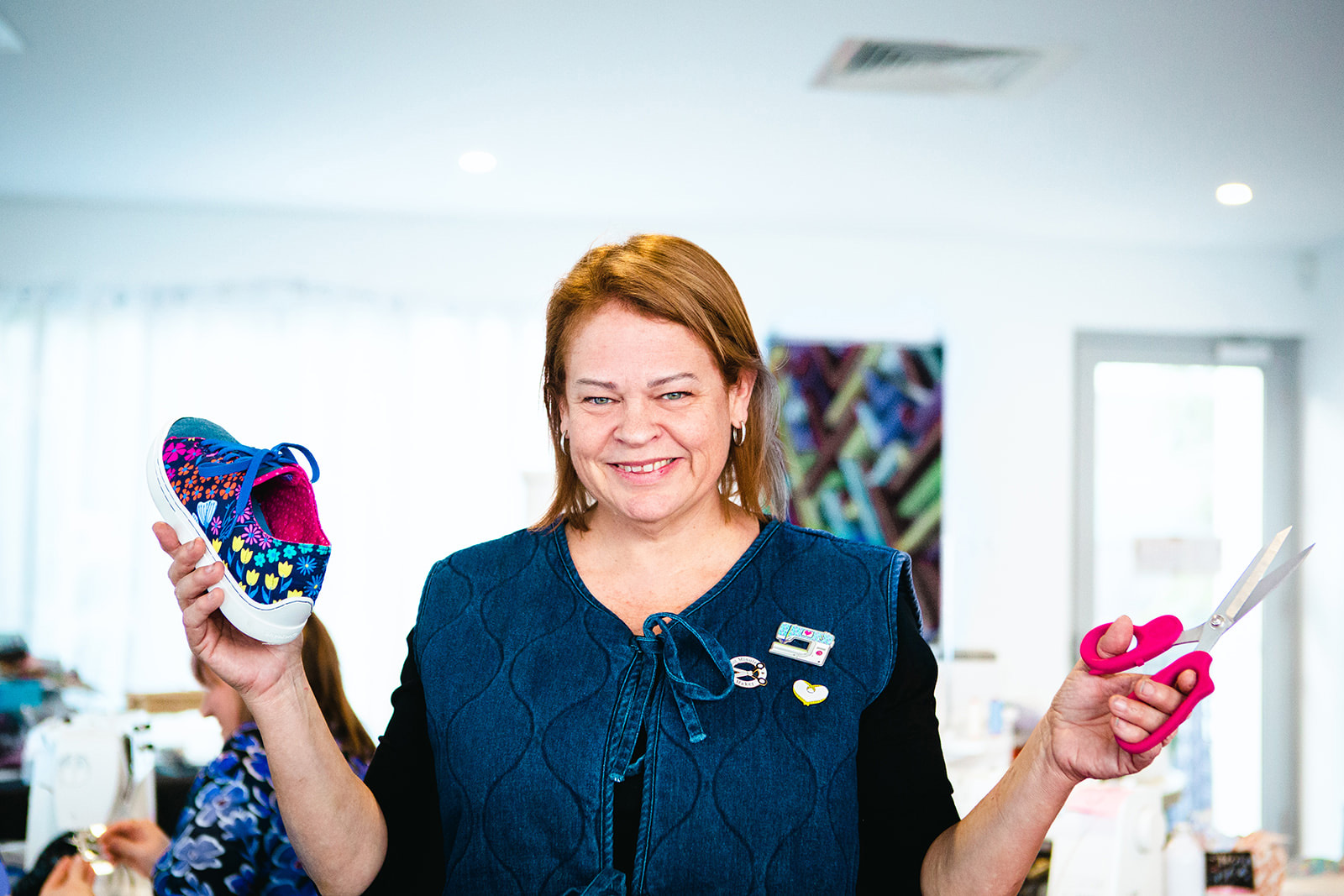
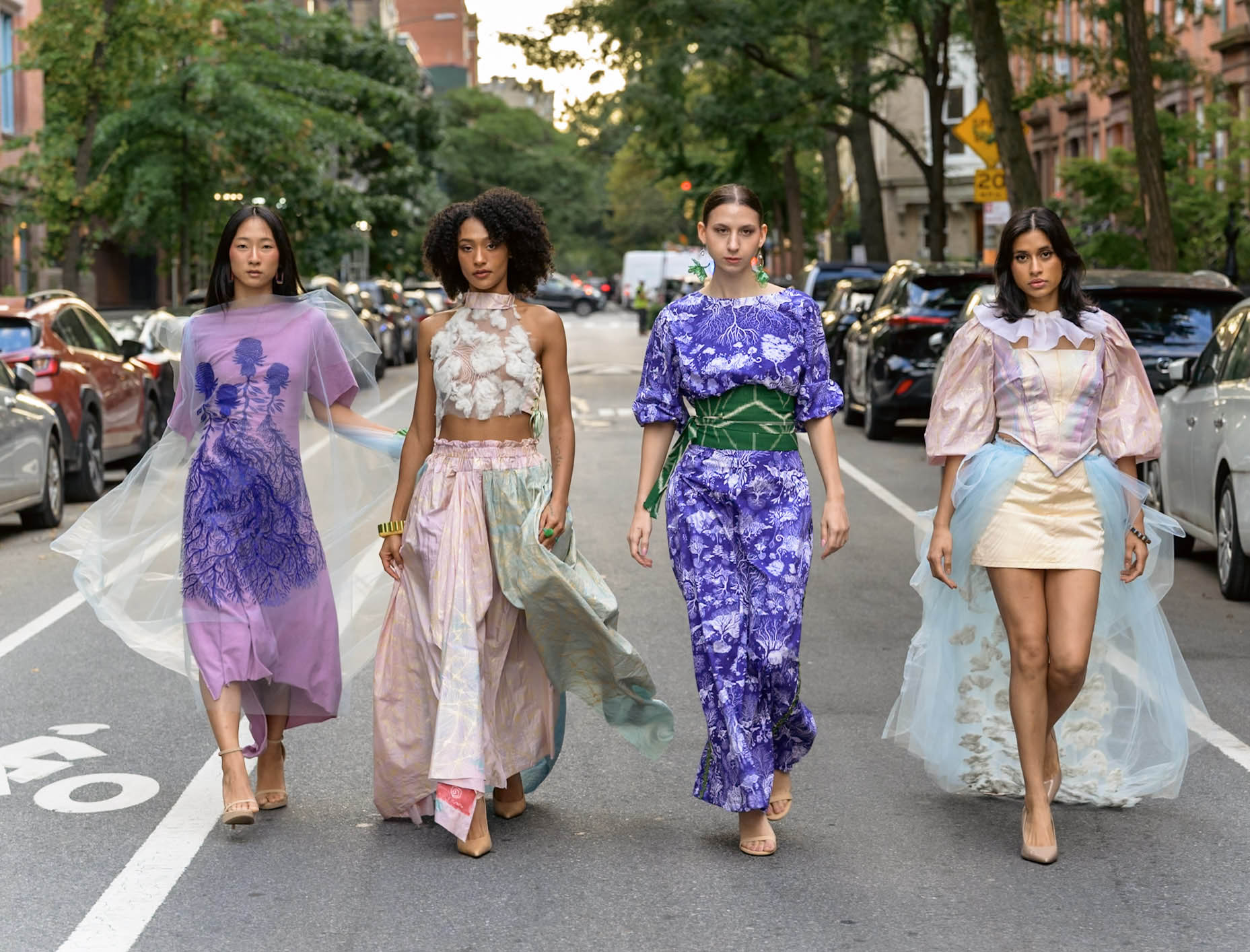
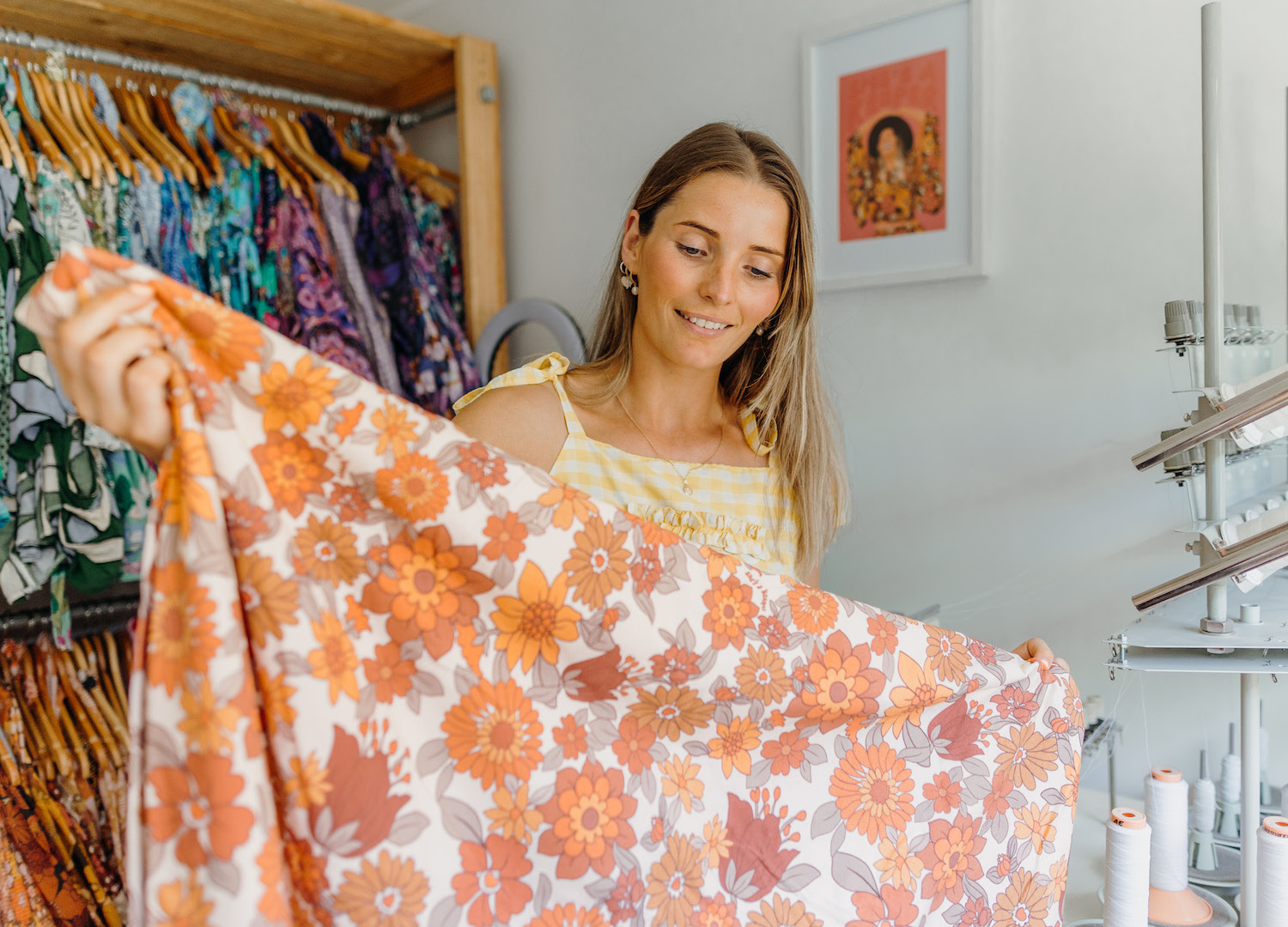
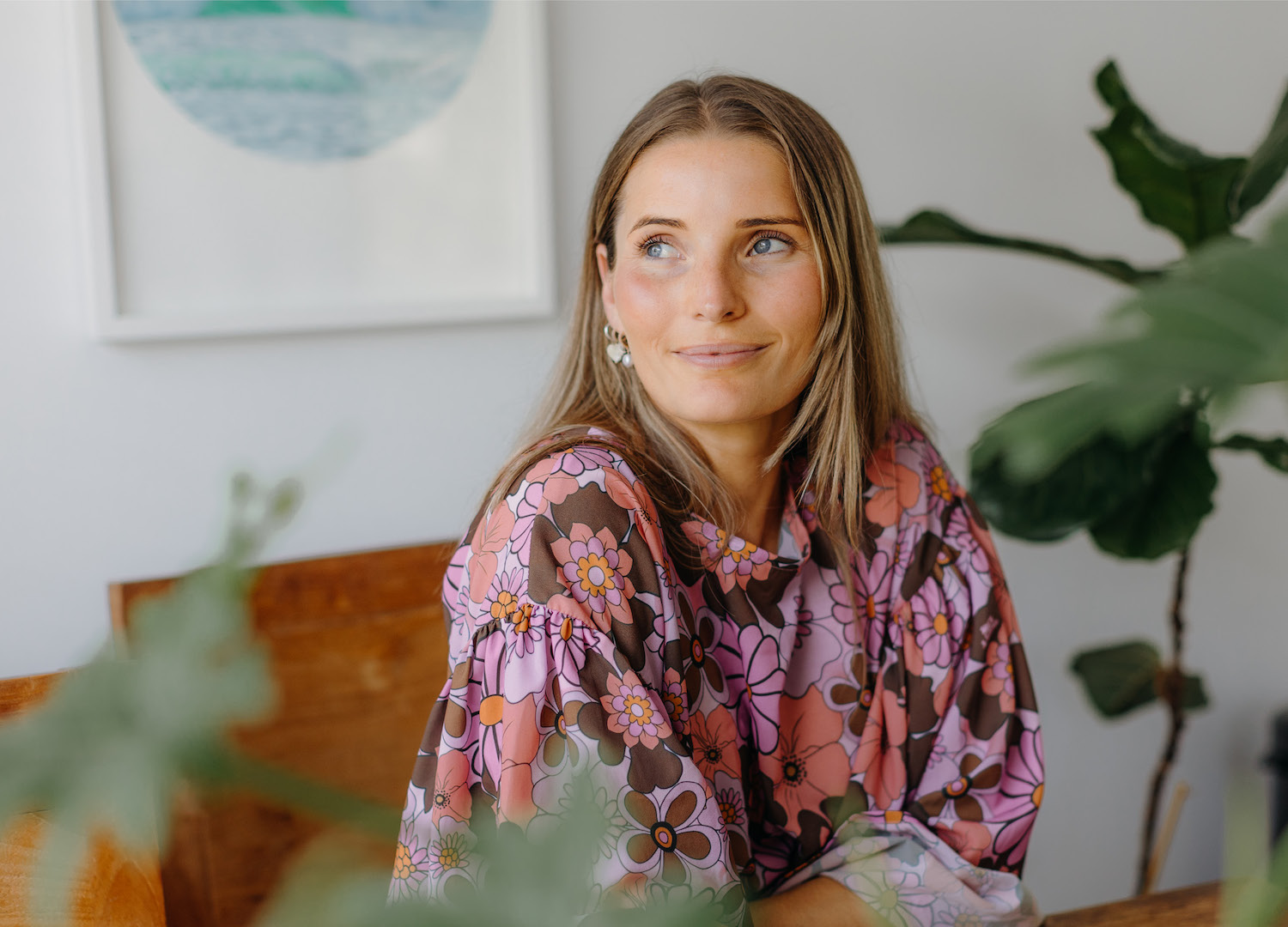
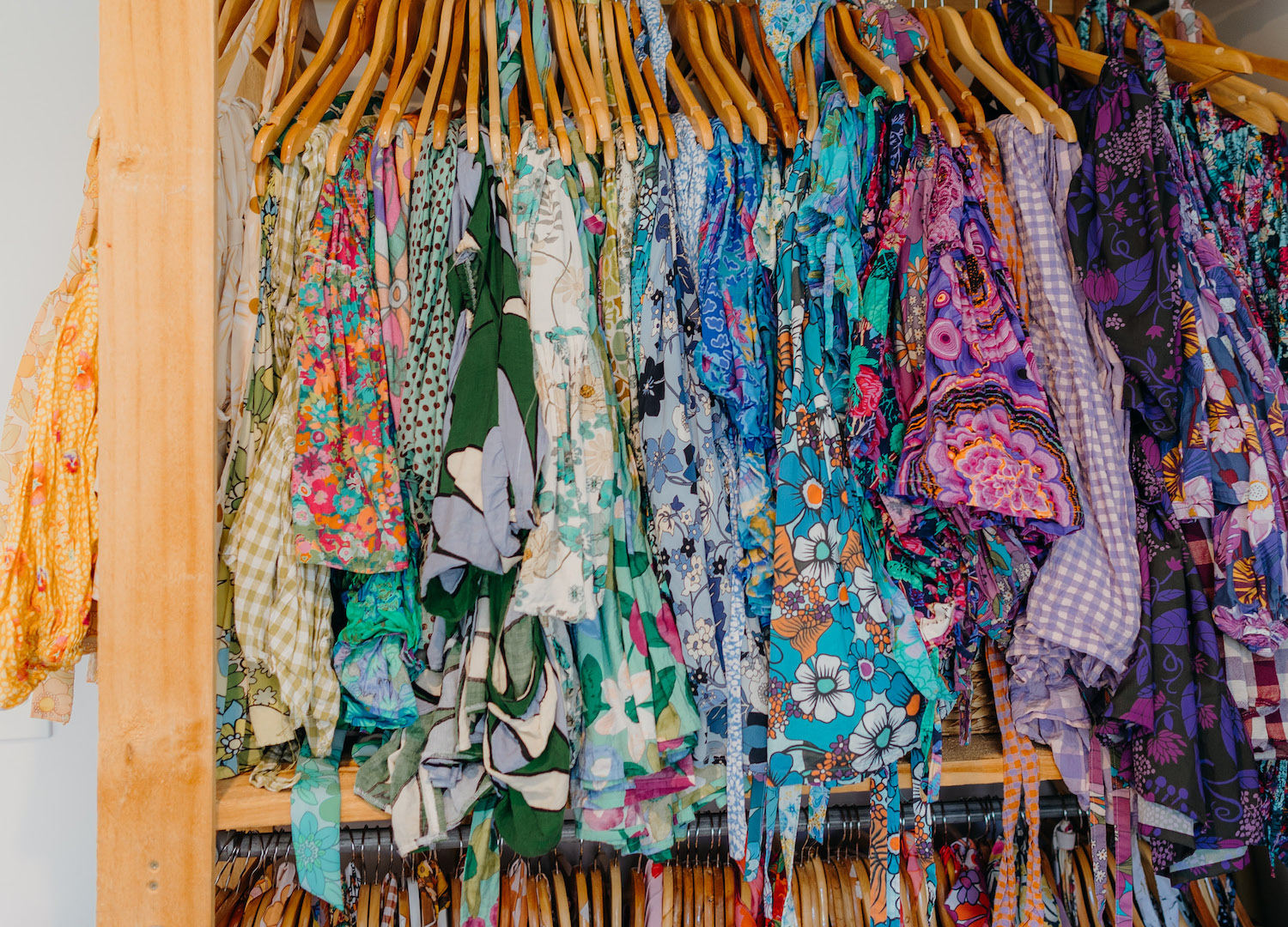
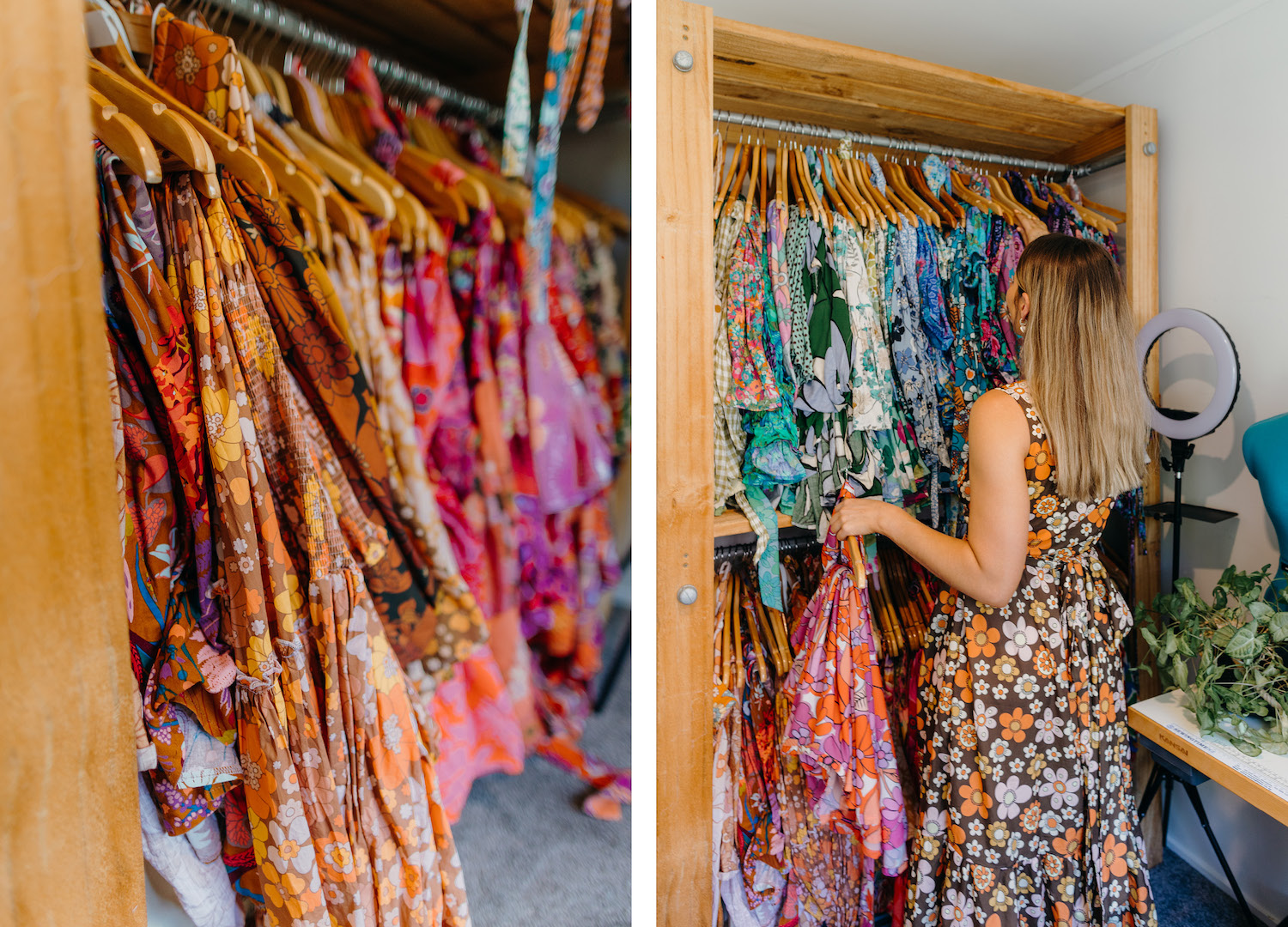
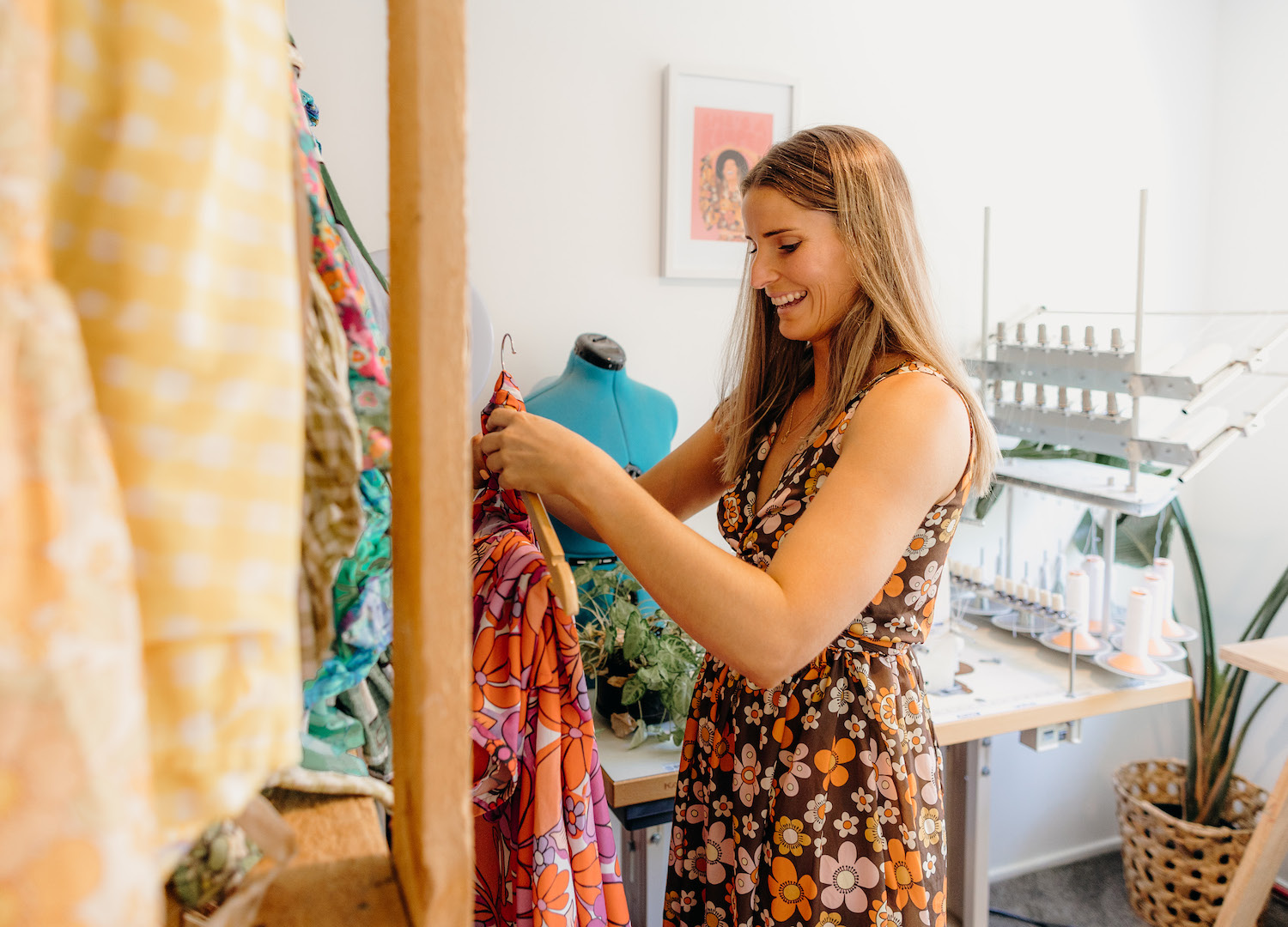
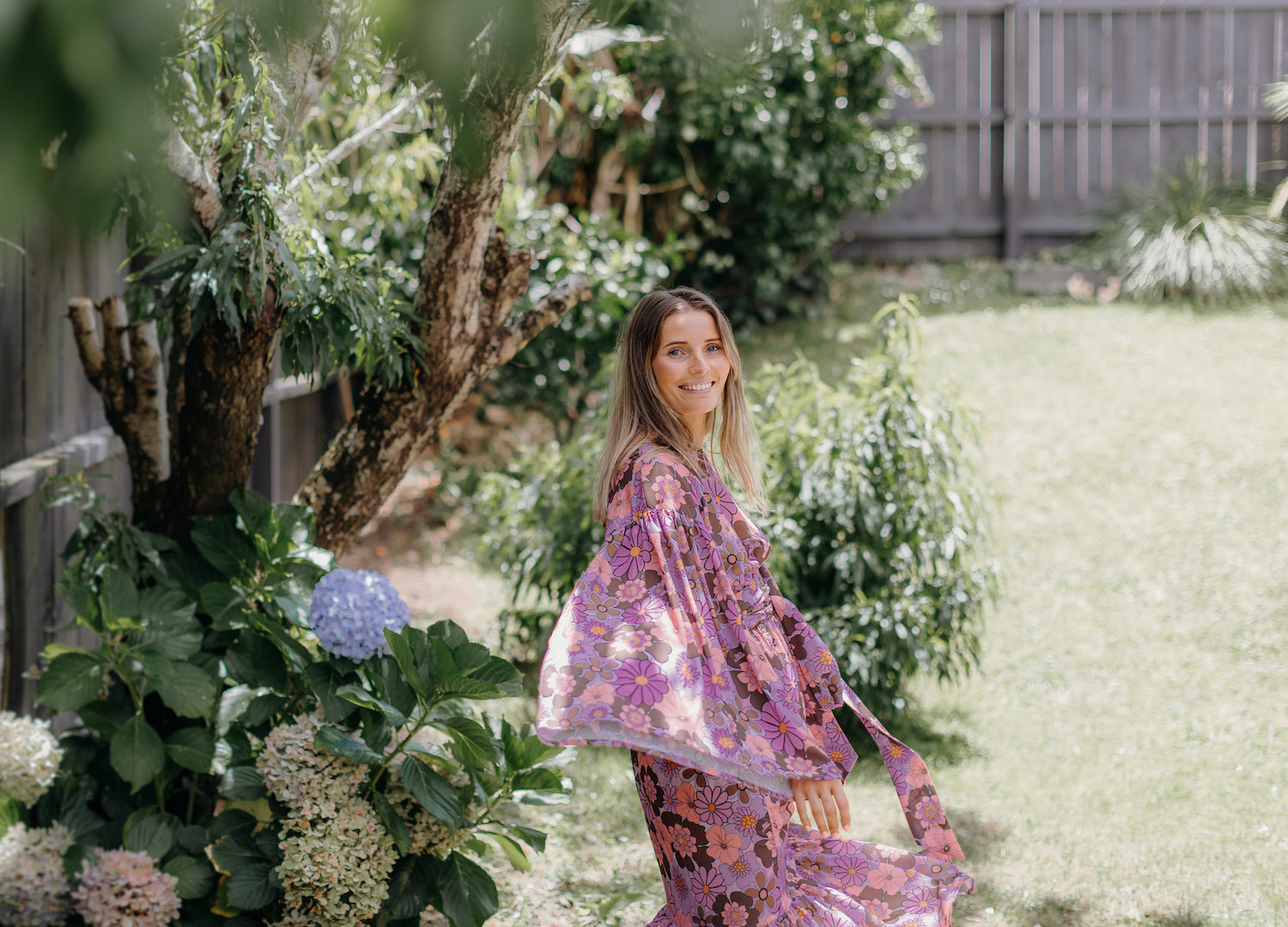
Reviving those retro, flower-child vibes with her sweet vintage-inspired styles, My Keeper’s Sera Choat is across all sides of sustainable fashion. Her gorgeous dresses can be rented for special occasions or made to order as unique pieces to be treasured forever. She even sells a range of beginner-friendly, size-inclusive sewing patterns so you can create your own My Keeper masterpiece from the comfort of your home. For that extra authentic, me-made touch, add your own ‘She’s a Keeper’ label or purchase some of Sera’s nostalgic fabric designs – available on Spoonflower!
Has sustainability and ethics always been part of your ethos?
Funnily enough, no. When I first started My Keeper, I just wanted to create clothes that I liked. That was it. I had no idea what it meant to be sustainable and ethical back then. I even remember this one time when a sustainability blogger contacted me to feature my brand on their blog. They asked if my brand was “ethical and sustainable”. At the time, my response was, “No, why’s that?” I cringe thinking about it now – I had no idea! These days it is one of the most important values of my brand.
They asked if my brand was “ethical and sustainable”. At the time, my response was, “No, why’s that?” I cringe thinking about it now – I had no idea! These days it is one of the most important values of my brand.
What inspired you to structure My Keeper the way you have?
I wanted My Keeper to be accessible to everyone. Those who can afford to buy made-to-order can; those who want to wear My Keeper but it’s a stretch on the bank can rent; and those who can sew are able to make their own. I am all about inclusivity in terms of sizing, accessibility and diversity.
READ MORE: Full of Wonder, Cecilia Mok’s Fabric Design Will Make Your Heart Sing
Tell us a bit about your background… How did you get started in fashion and textile design?
I’m a full-time Year 7 classroom teacher. Don’t ask me how I manage to juggle teaching and My Keeper – I couldn’t actually tell you! Ever since I was about 10, I have been obsessed with all things creative, but I had a soft spot for fashion. I would dream up these amazing dresses and draw them in my school books, but I never had the skills to execute them. I am currently working on a dress that I found sketched in one of my old school books – I figured it’d be cool to have my younger self’s dream come true!
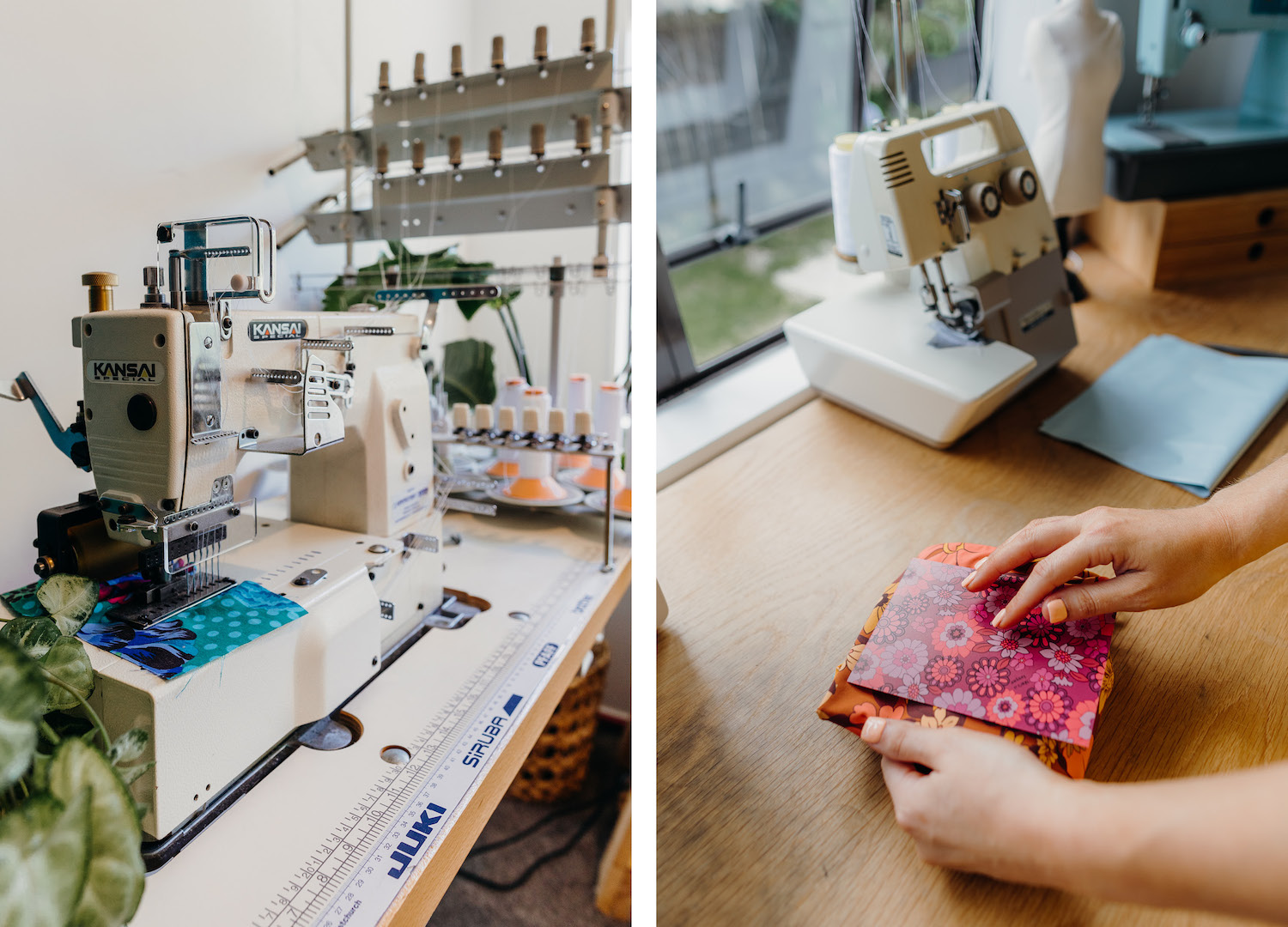
When I was in my second year of study to become a teacher, I started dabbling in sewing and decided I was going to launch 10 one-of-a-kind handmade dresses to sell on Walk in Wardrobe [a buy-and-sell Facebook group]. They sold out in minutes, and I was hooked from that point forward. The quality of the first items I ever made was debatable, and I would love to know what those dresses are up to now, but hey! That was where it all began!
I think it’s the fact that they can trigger memories and feelings about places and people.
Tell us about your fun prints and patterns! Where do you draw inspiration from?
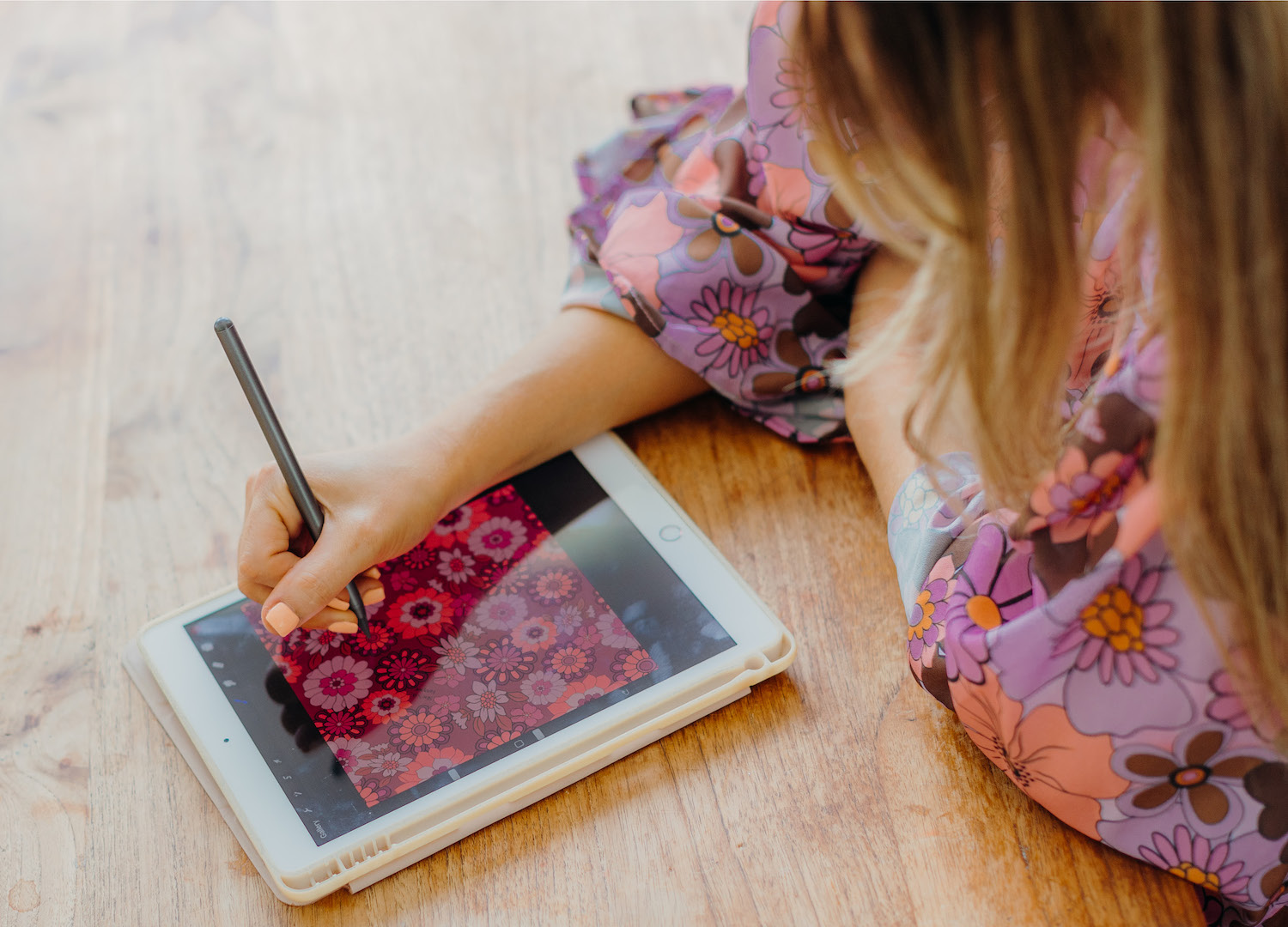
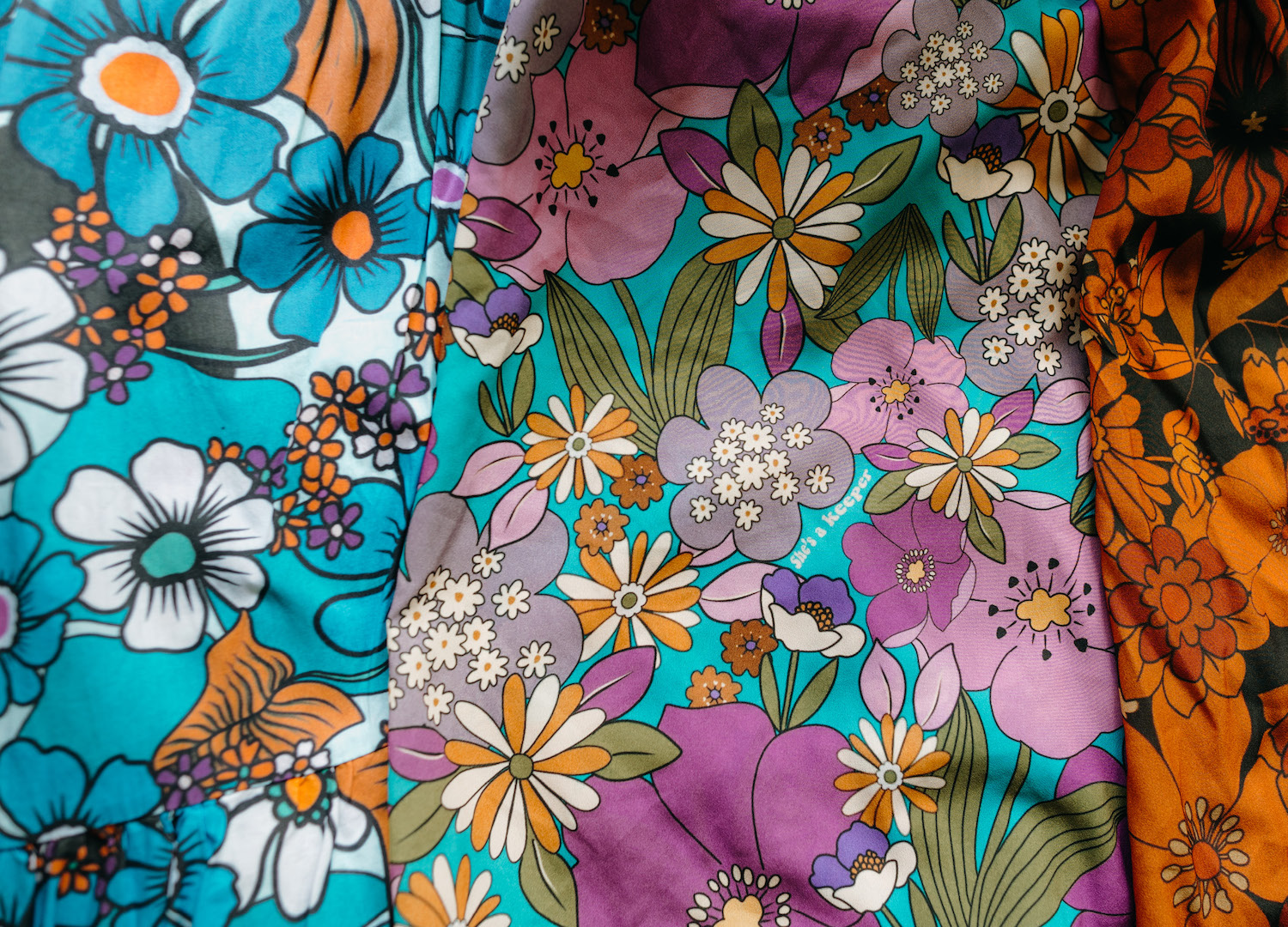
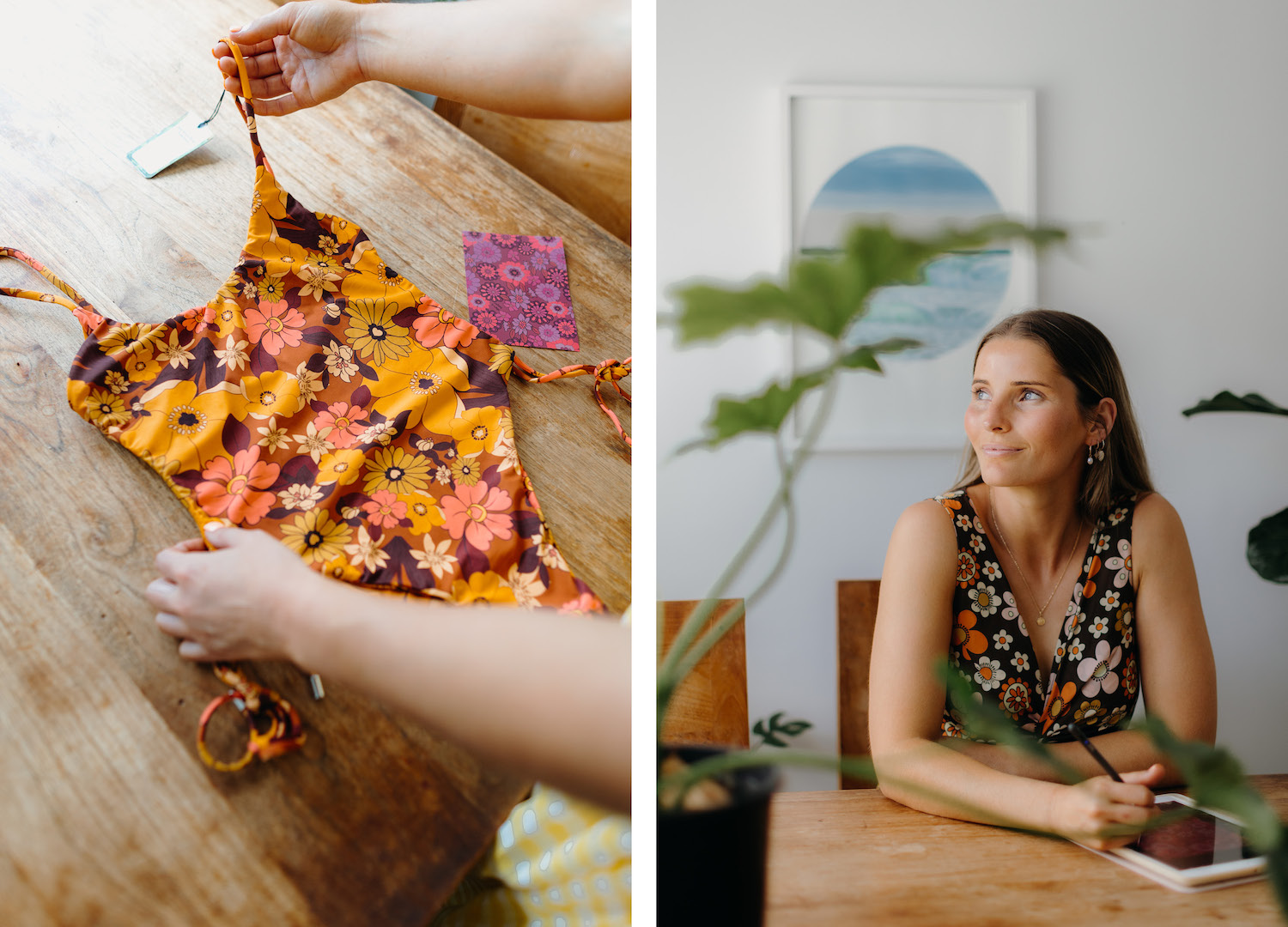
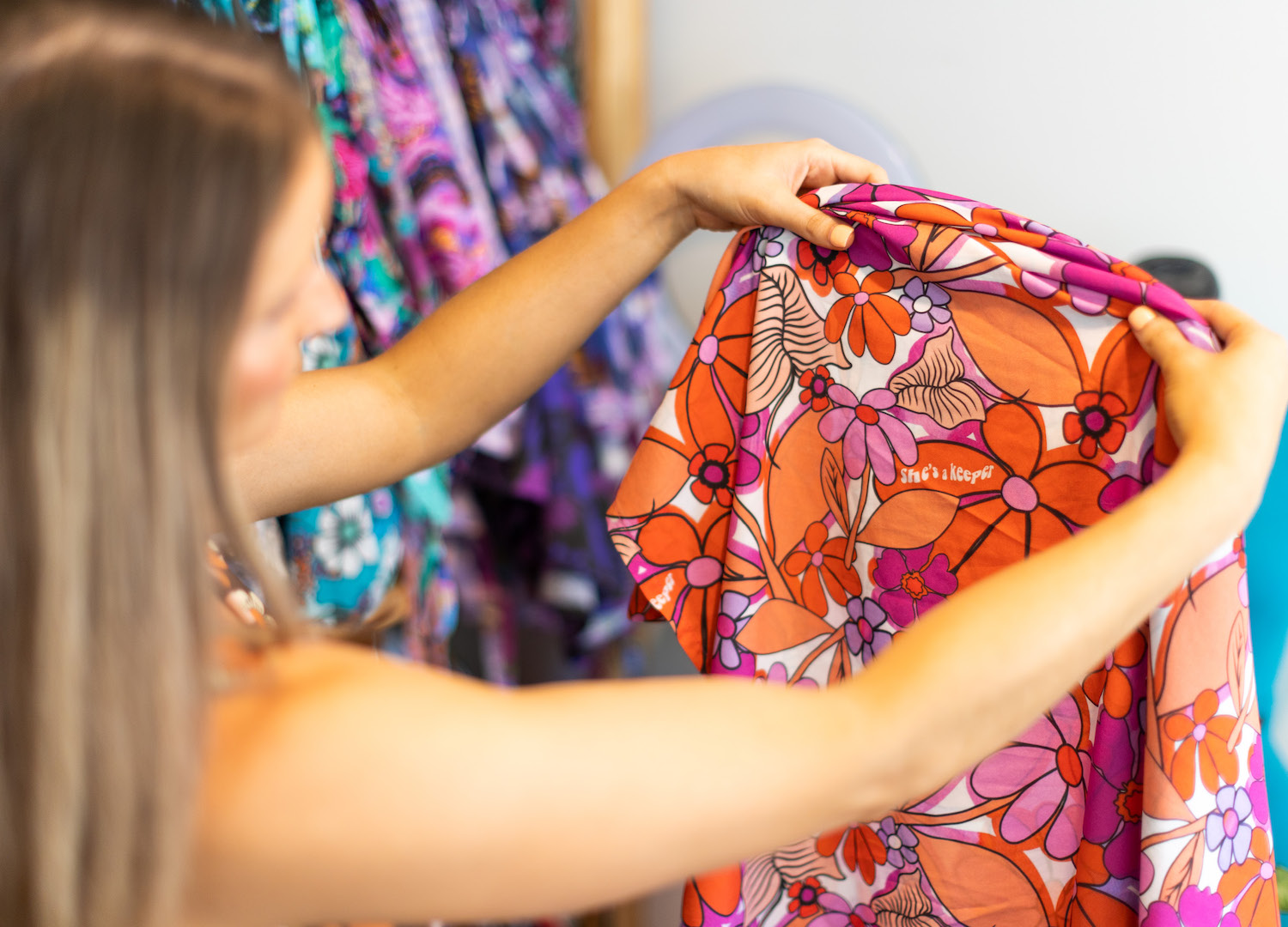
My inspiration is completely from the 70s and 80s. Initially, my prints were recreations of memories of fabrics and sheets that were at ‘The Farm’ – the home where my mum grew up.
I think it’s the fact that they can trigger memories and feelings about places and people. Some of the prints I have designed remind me of that special place. It’s still in the family and we go back to visit often, and the coolest part about the house is… nothing has changed. The ornaments are still the same as when my mum was a child, her room is still painted the most beautiful shade of pale aqua and the blankets are ones that have been passed down through generations.
READ MORE: How Surface Pattern Designer Erin Kendal Turned a Side Hustle Into a Thriving Creative Business
What is your favourite thing about using Spoonflower as part of your process?
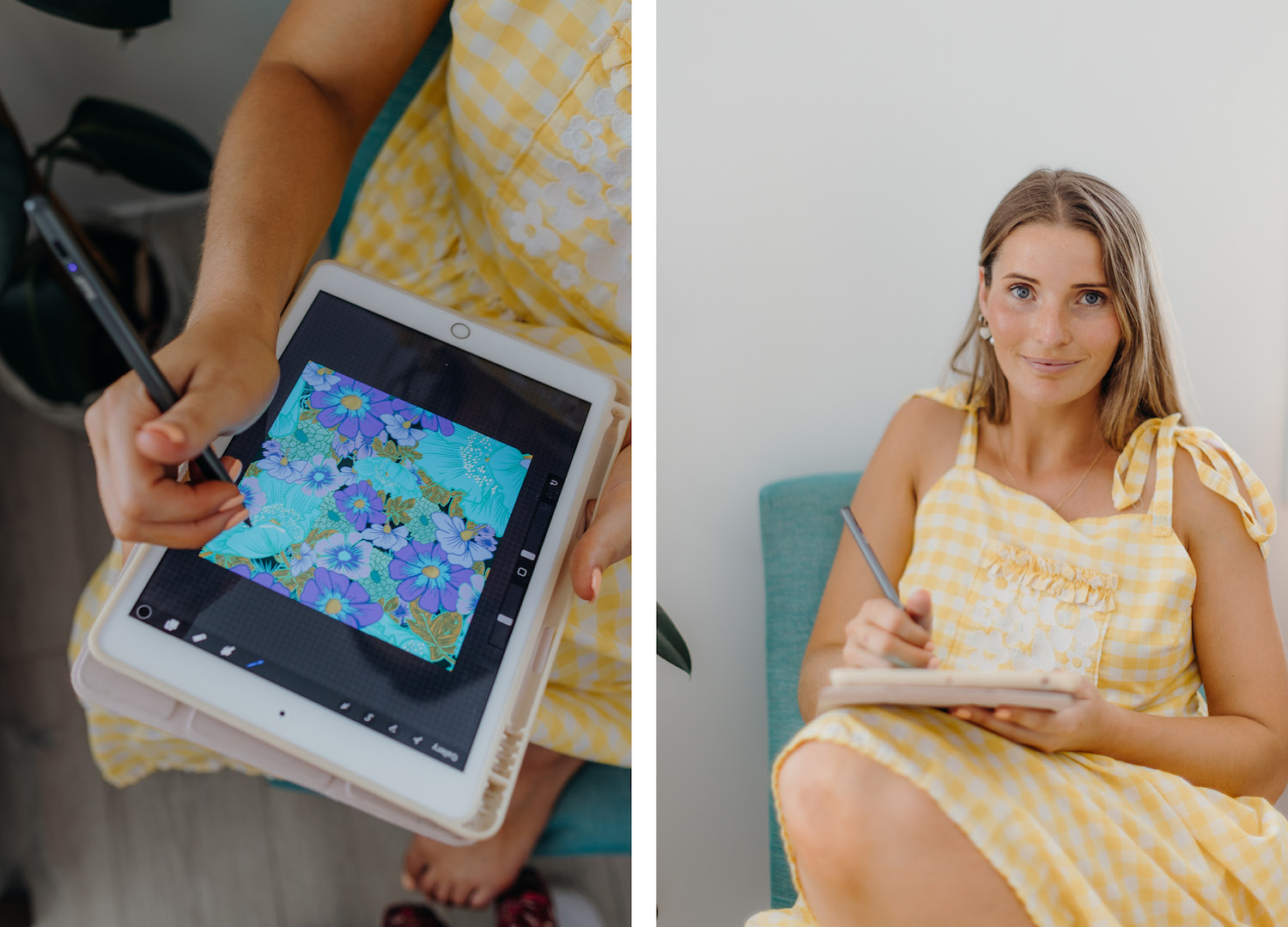
Discovering Spoonflower was such a game changer for my business – it meant I could truly express myself through my brand. It not only allows me to create beautiful, one-of-a-kind prints for customers’ dresses and my rentals, but I also have the opportunity to sell my fabric by the metre too. One thing I really appreciate about them is the quality of the fabric. I have 350 rental dresses and a lot of these are made from Spoonflower fabrics. These dresses get worn, on average, around 300 times each and somehow the colours remain vibrant and the fabrics are in great condition.
The idea that you can make something that is completely unique is so special.
Why do you think print-on-demand fabric is so popular with artists, illustrators and sewists alike?
There has been a movement to support small businesses over the last year or so and Spoonflower is a great place to do this. You can purchase fabric from creators all around the world. As well as this, I think the ability to print your own designs is quite possibly the coolest thing ever – the idea that you can make something that is completely unique is so special.
What’s been your biggest learning curve?
I failed NCEA textiles when I was in high school! Around the age of 14, my high school textiles teacher was made redundant, so I took the subject via correspondence. Without the amazing resources that we have these days (YouTube, Instagram, blogs, TikTok), I was lost by myself. So when I initially started My Keeper, I truly was a learner. Every year from then, I improved – perseverance really does pay off! Looking back on my journey, it’s hard to believe I am where I am today.
READ MORE: Inside Colour Queen Katie Kortman’s Technicolour World of Wearable Art
THIS SERIES WAS CREATED IN COLLABORATION WITH OUR FRIENDS AT SPOONFLOWER. POP OVER TO SPOONFLOWER.COM FOR MORE FABRIC FUN.