The National Indigenous Art Fair – two immersive days of First Nations art, design, food and culture – will return to Sydney Harbour’s foreshore next month to showcase artists, designers and makers from remote community art centres around the country.
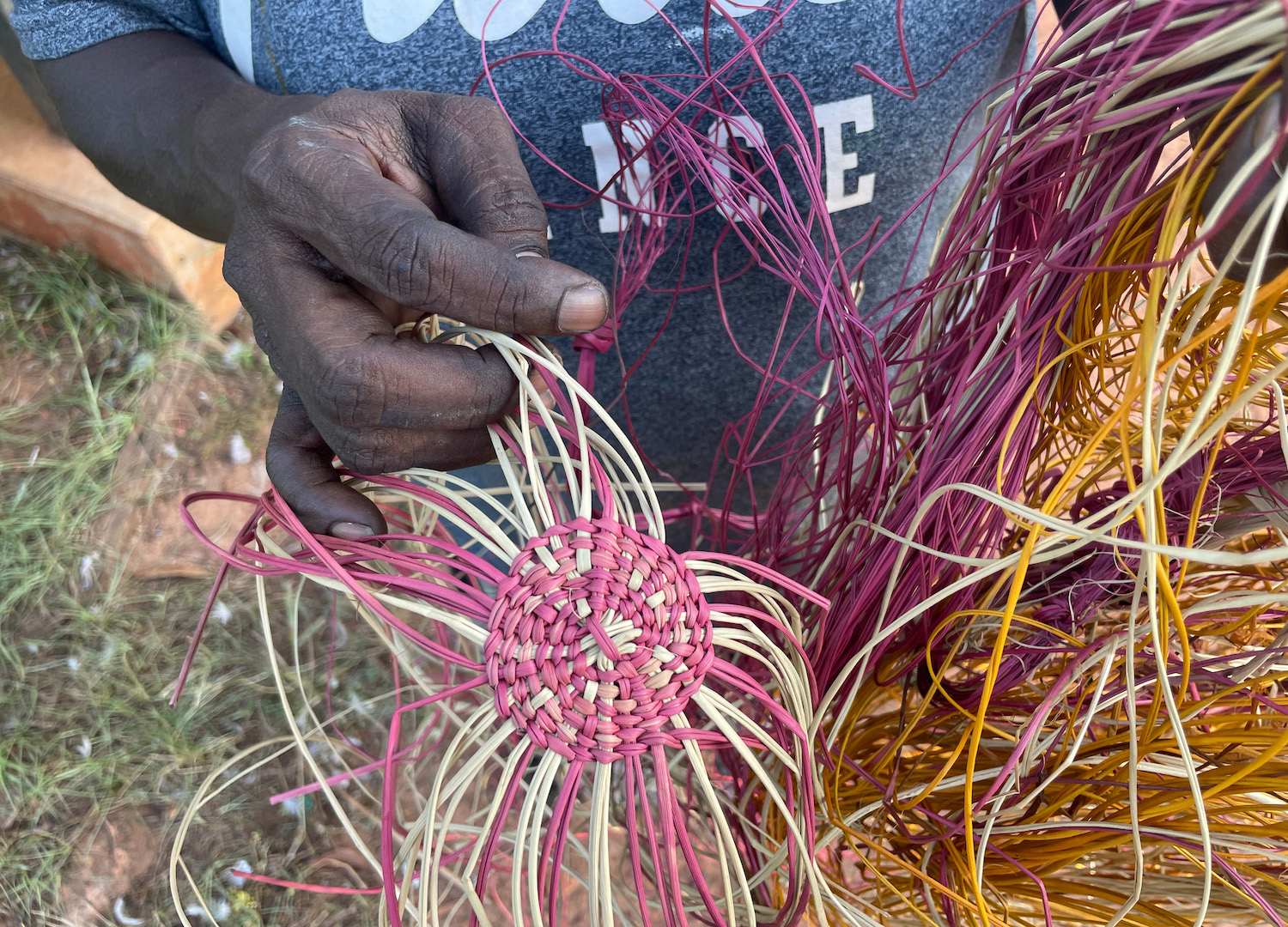
In addition to more than 50 art and design stalls, National Indigenous Art Fair will present an impressive program of live cultural experiences at The Rocks – including a communal weaving project.
“The National Indigenous Art Fair symbolises an incredible gathering of Aboriginal and Torres Strait Islander creatives, with many travelling from the far corners of Australia – places like Ceduna, Haasts Bluff, the Tiwi Islands and Yuendumu. The art fair presents a rare and exciting opportunity for the broader community to interact directly with the makers and hear their stories,” Peter Cooley, founder of the event, says.
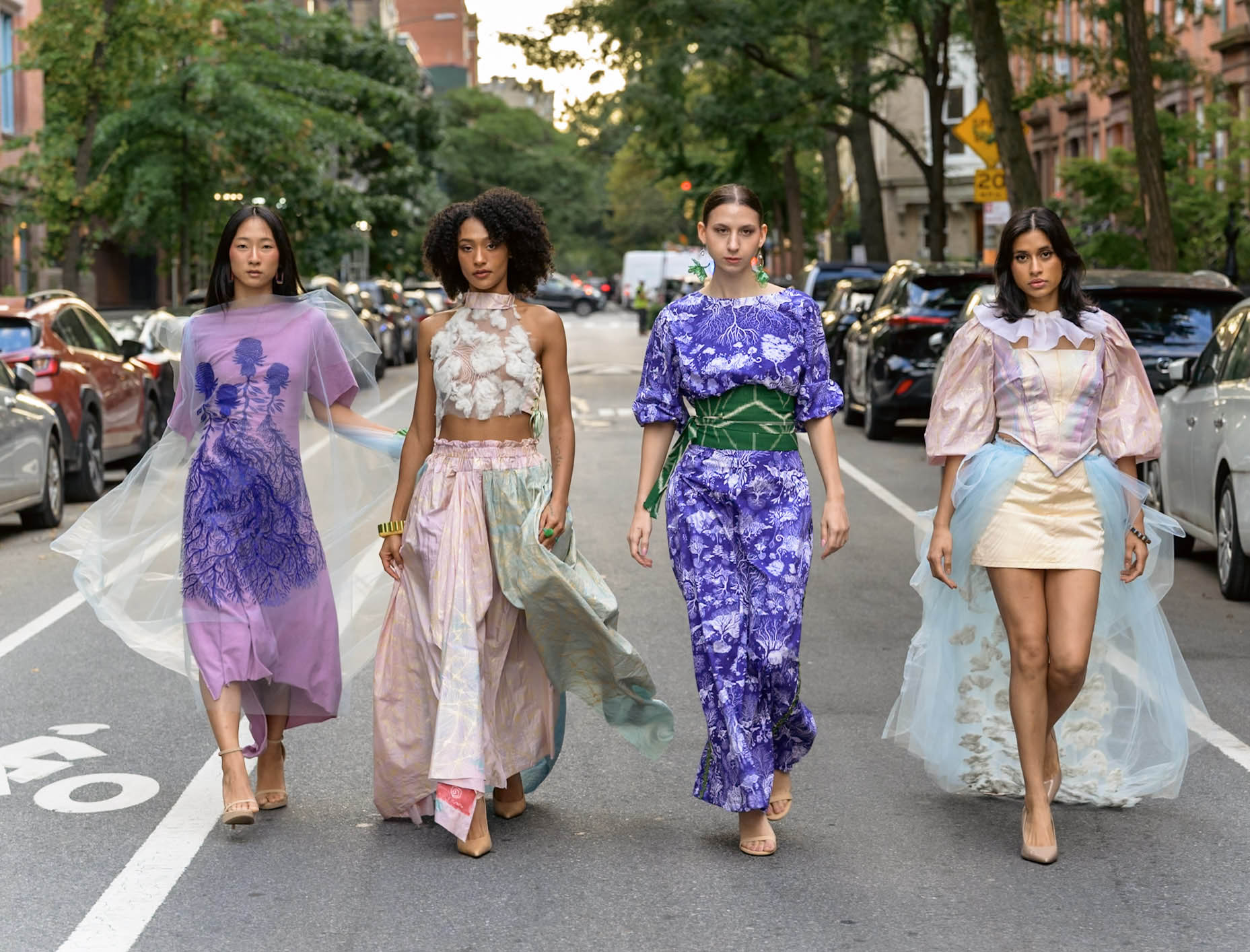
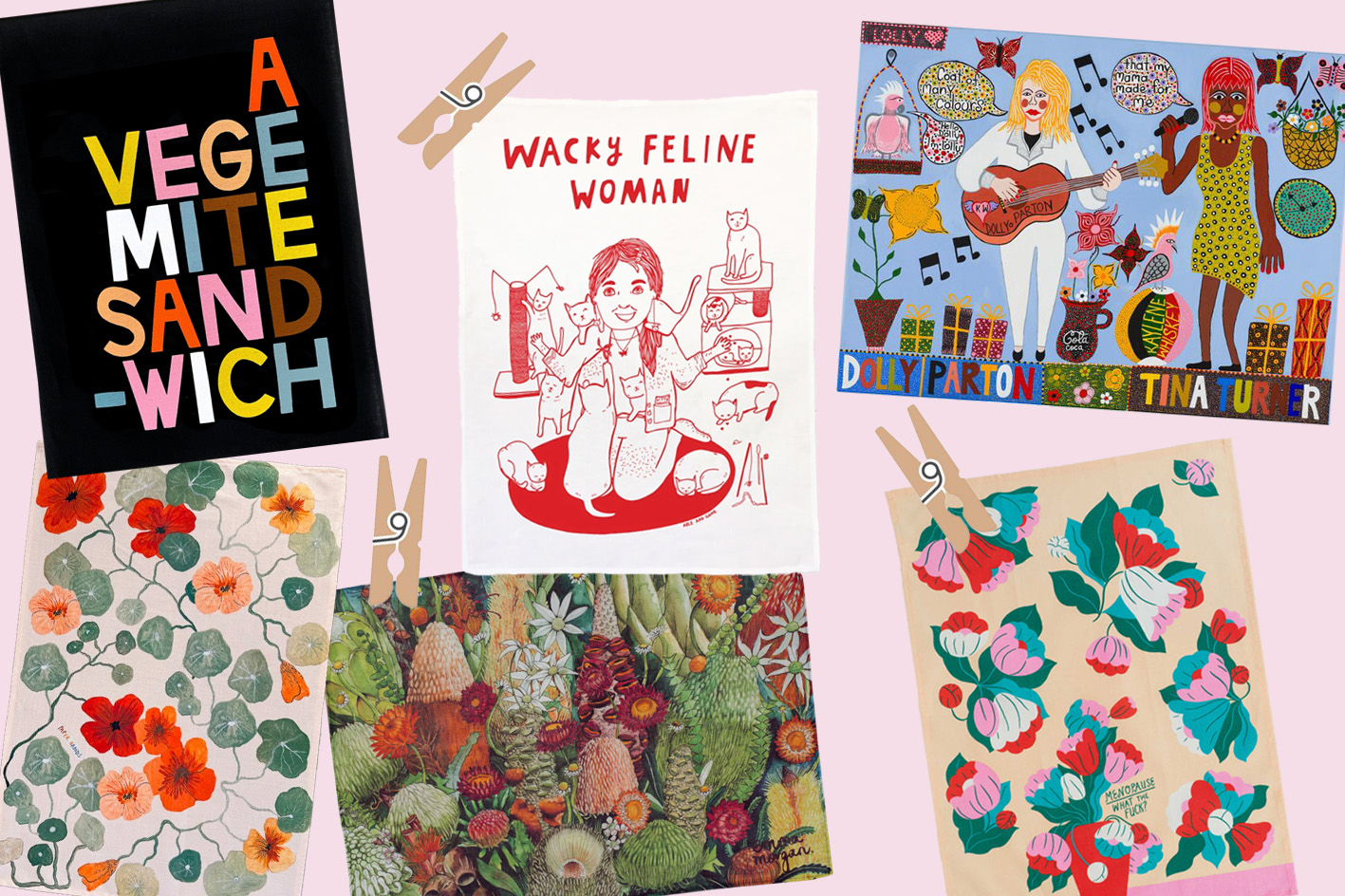
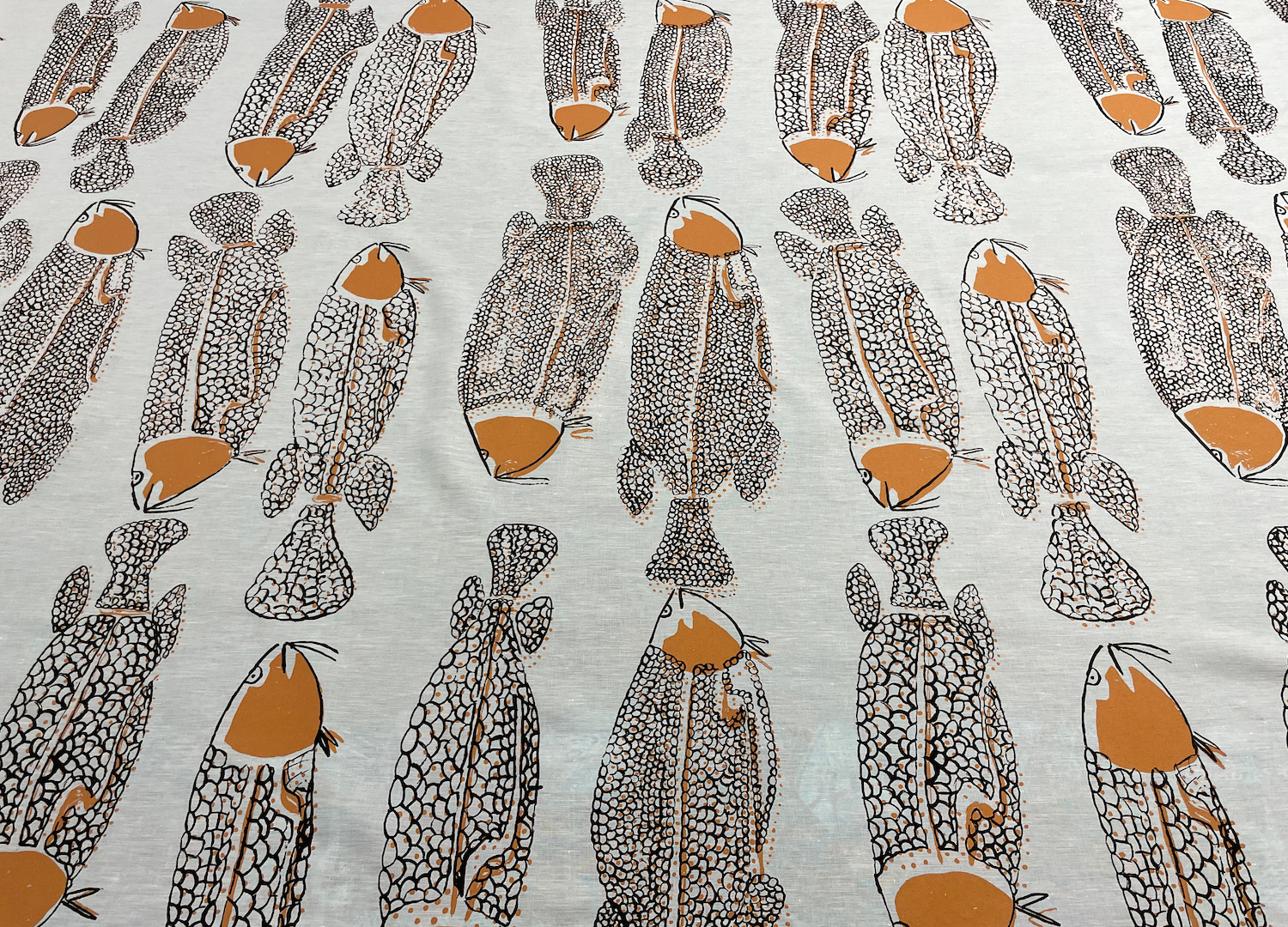
“From artworks to fashion, from jewellery to homewares and from native dyed textiles to children’s puzzles, these inventive artisans are exemplars of sustainability, working closely with the resources found in their own environment, and weaving Care for Country and creativity into one.”
Ahead of the event, we spoke with weaver and linocut artist Carol Liyawanga Campion of Bábbarra Women’s Centre who will be showcasing her work. The fair will run across 2–3 July. For more information, visit the National Indigenous Art Fair website.

Who are you and where are you from?
My name is Carol Liyawanga Campion, my skin name is Kamanj. I was born in Katherine Hospital, and I come from Bulman station. I moved to Maningrida when I was a little girl with my mother and father. When I was 15, I moved to Buluhkaduru outstation with my husband, and we stayed there for a long time. I come from lots of places, but I call Maningrida home.
Can you tell us a little bit about your childhood and where you grew up?
There were many people and many different tribes growing up in Bulman station and Maningrida. I went to school in Buluhkaduru. There were only a few students, and my sister-in-law was our teacher. We used to walk from Buluhkaduru to Maningrida (a three-day hike through the bush), and that would have been around 1973. There was no vehicle, so we used to walk and carry flour, sugar, teabags and all the manme [food]. We would sometimes walk all night.
It makes me feel so proud that she wants to learn these stories and be an artist like me.
When did you become passionate about textiles and art?
When I moved to Buluhkaduru, I started practising my weaving every day. For a long time, I was only weaving, no painting. I wanted to learn more as I got older and started painting when I was 30. I was thinking to myself: “I want to do this, I want to learn more, I want to tell these stories.”
What inspires your work?
I want to teach all the kids to keep strong and I want to keep these stories for my grandkids. It’s the kids that inspire my work. My eldest granddaughter comes and watches me work. She tells me: “I want to learn, teach me.” It makes me feel so proud that she wants to learn these stories and be an artist like me.
WANT MORE ARTS AND CULTURE? RIGHT THIS WAY!
Art can be a compelling tool for storytelling, especially diverse stories that have traditionally been ignored by mainstream media – why do you think stories are so powerful?
Stories are powerful because they keep our culture alive. We share our knowledge through the tool of art; it is so important. We want to keep our culture and stories strong and alive for our children.
I’m passing stories onto my children, the same way my mother passed stories onto me, the same way my grandmother passed those stories onto her. I feel most connected to my mother when I’m teaching my daughters.
I read that your mother taught you how to weave baskets and dilly bags and collect the natural fibres from the bush land. How does your art practice help you connect with her?
My mother taught me how to weave when I was a little girl. When I moved away when I was 15, to Buluhkaduru, I felt connected to her through weaving. Every time I was weaving, I would think of my mother and my grandmother. I lived a long way from them, but weaving made me feel close. I’m always thinking of them.
I’m passing stories onto my children, the same way my mother passed stories onto me, the same way my grandmother passed those stories onto her. I feel most connected to my mother when I’m teaching my daughters.
Why do you believe events like the National Indigenous Art Fair are so important?
I want to travel and see all different Bininj [Indigenous peoples]. Going to Sydney for the National Indigenous Art Fair makes me feel so proud because I get to share my stories, my culture and my art. It’s so important to share our stories between different tribes across Australia to make us feel strong and connected.
Carol will be at the Bábbarra Women’s Centre booth at the National Indigenous Art Fair, 2–3 July at the Overseas Passenger Terminal in The Rocks, Sydney.