Shutterbugs with Fujiflm QuickSnap: How migrants and refugees explore belonging and healing in (and under) water
- Words by Peppermint
Many Australians are ‘water babies’: born and raised close to a swimming pool or the ocean, confident reading the currents and waves and jumping in for a quick swim on the regular. But sometimes, we forget that not all of us had the opportunity to make friends with the ocean from a young age.
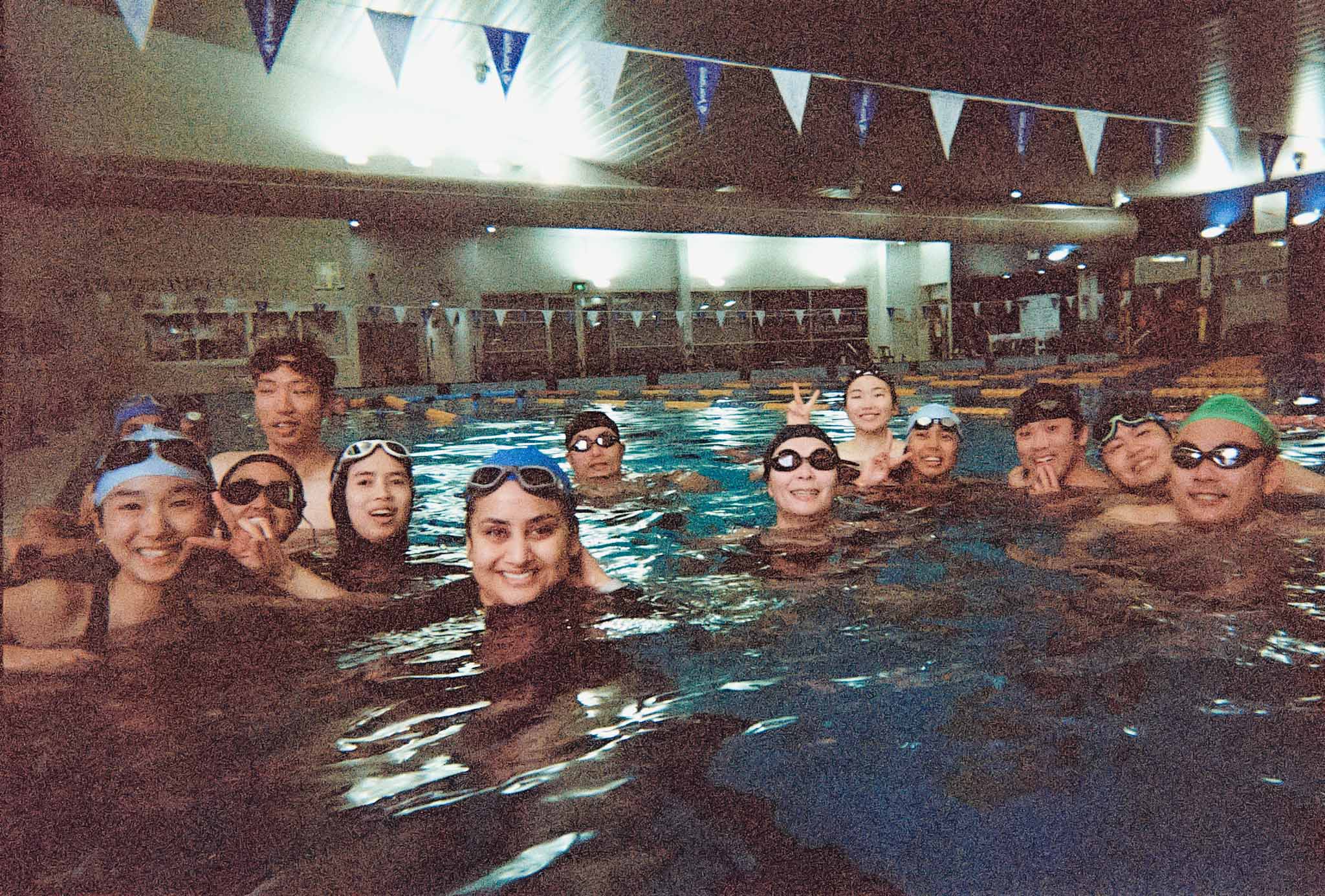
This is where projects like iSwim @ Immanuel and West Beach Surf Life Saving Club’s Migrant and Refugee Water Program make a world of difference. Born from the real need to help migrants and refugees learn how to be safe in the water (and discover the joy of swimming while they’re at it), the program has also become a way of fostering community, belonging, and healing from trauma.
We asked Leah, Mia, and Layla, participants of the program, to use a Fujifilm QuickSnap Waterproof camera to document some memories from the process of learning to swim, while Carolyn Veldhuyzen, Manager of iSwim, shares more about the Migrant and Refugee Water Program.
Leah Hyewon Jang / Seoul, South Korea
Hi Leah! Can you tell us about the first time you got into the water here in Australia?
When I first entered the water at West Beach, I felt nervous but also excited. I’m from Seoul, South Korea. Even though Korea has beaches, I grew up in the middle of the city, so I wasn’t really used to beach culture or swimming. It was a completely new experience for me. The scenery, the ocean, and the atmosphere all felt very different and refreshing. Once I got into the water, I started to feel calm and free. On top of that, I felt a sense of achievement. It made me feel more connected to life here in Australia.
What has it been like learning to swim?
I learned a little bit of swimming in Korea, but I had never really swum in water deeper than my height. When I was around four years old, I almost drowned, and after that I became afraid of water. My parents encouraged me to keep learning to swim, but I was still scared whenever I couldn’t touch the bottom.
Because of that, learning to swim here has been challenging because almost all swimming pools are deeper than I’m tall. However, gradually I became more comfortable in the water, even though I still get a little nervous sometimes. I am surprised by how much confidence I gained through the process, not only in swimming but in myself.
What does being in the water do for you that nothing else quite can?
Being in the water makes me feel calm, relaxed and peaceful. Because I’m studying full-time while juggling social work placement, part time job, and volunteer activities, I often forget to take care of myself. I’m someone who gets stressed easily and tends to worry a lot. Now I actually look forward to swimming days because it helps me feel mentally and physically recharged.
What has it meant to share this experience with others from your community?
It meant a lot because we were learning, growing, and overcoming challenges together. We supported each other even though we all came from different backgrounds. Even with different cultures and languages, we were able to connect through the experience and feel united in the water.
Has being part of this program changed how you experience life here in Australia?
Definitely. Before joining this program, I didn’t have many friendships or connections. I felt unfamiliar, disconnected and lonely sometimes. What I appreciated about this program was that it felt inclusive, diverse, and welcoming. There were no barriers around culture, language, age, or ability. I’ve made friends who share similar goals and experiences through swimming. We laugh together, talk together, and support each other as we grow in the water. Because of this program, I can honestly say I enjoy my life in Australia more, and I feel like I truly belong here while still being able to embrace my Korean culture.
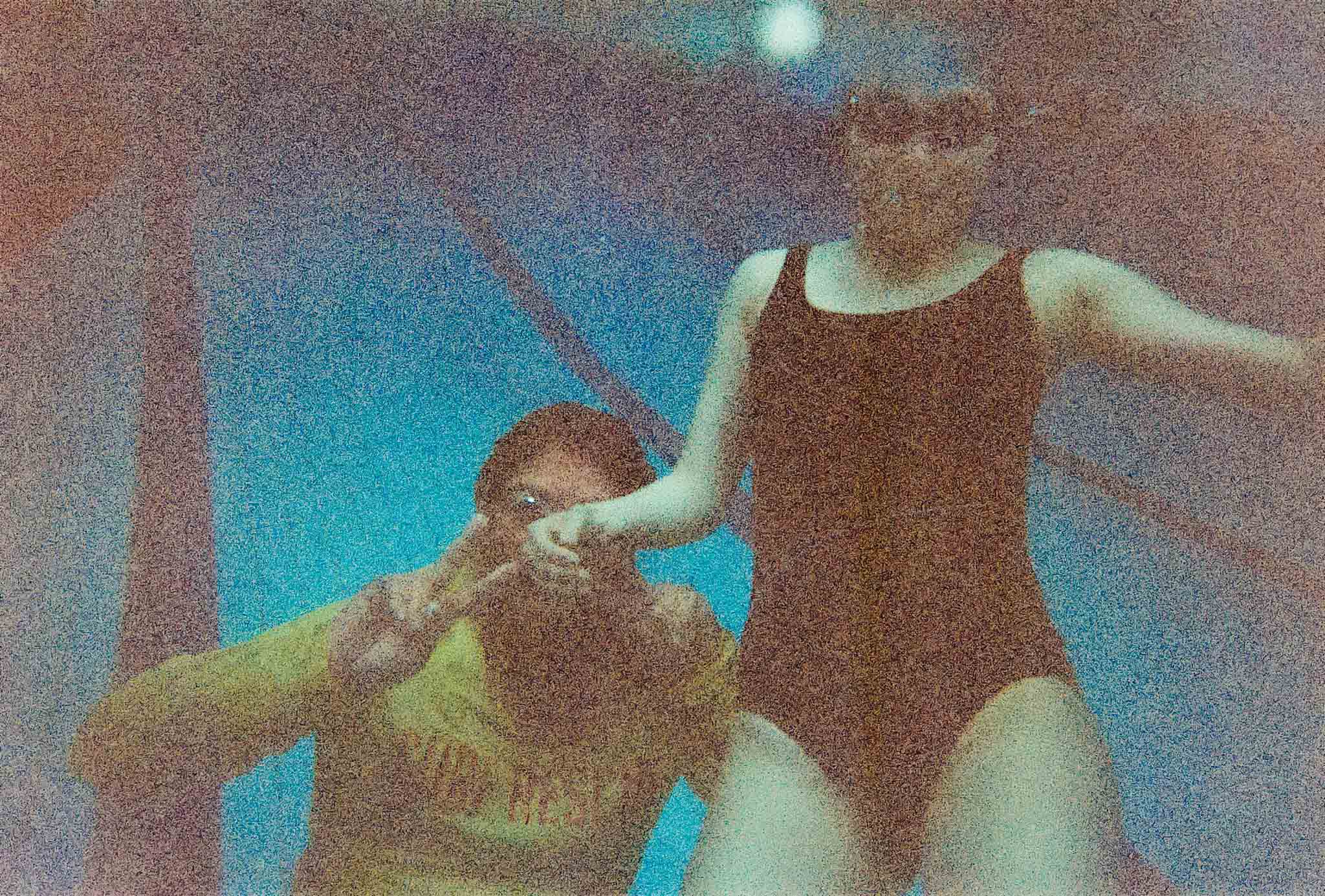
Tell us about the photos you took for us? Did you enjoy using the camera under water?
The most exciting part was that, unlike a digital camera or a phone, I couldn’t immediately check the photos I had taken. It made each moment feel more genuine and meaningful because I was simply capturing the moment as it happened. I couldn’t just delete and retake everything, so each photo feels more precious and alive.
It made each moment feel more genuine and meaningful because I was simply capturing the moment as it happened. I couldn’t just delete and retake everything, so each photo feels more precious and alive.
Siti Aisyah Damiati (Mia) / Indonesia)
Hi Mia! Can you tell us about the first time you got into the water here in Australia?
The first time I swam in Australia was at the university swimming pool, which was rather uneventful. At some point, I came across the ‘On The Same Wave’ program at Marion Outdoor Pool organised by Peter [Taylor, Club diversity and inclusion officer] and other members of West Beach SLSC. I got to learn about SLSC and water safety, especially at the beach. Looking back, I think it was quite a fateful experience.
What does being in the water do for you that nothing else quite can?
Swimming and being in water tends to soothe me, mentally and physically. As in other sports, it does exhaust me to some extent, but I can feel my muscles relaxed and my back pain dissipated after each session.
What has it meant to share this experience with others from your community?
It is a very meaningful experience. Quoted from one of my favourite movies: ‘happiness is only real when shared’.
Has being part of this program changed how you experience life here in Australia?
Absolutely. I never knew that my love for swimming can lead me into being a part of a community like SLSC. Meeting kind, like-minded people who spend their time for a good cause is such a gift. I am so grateful to be part of this.
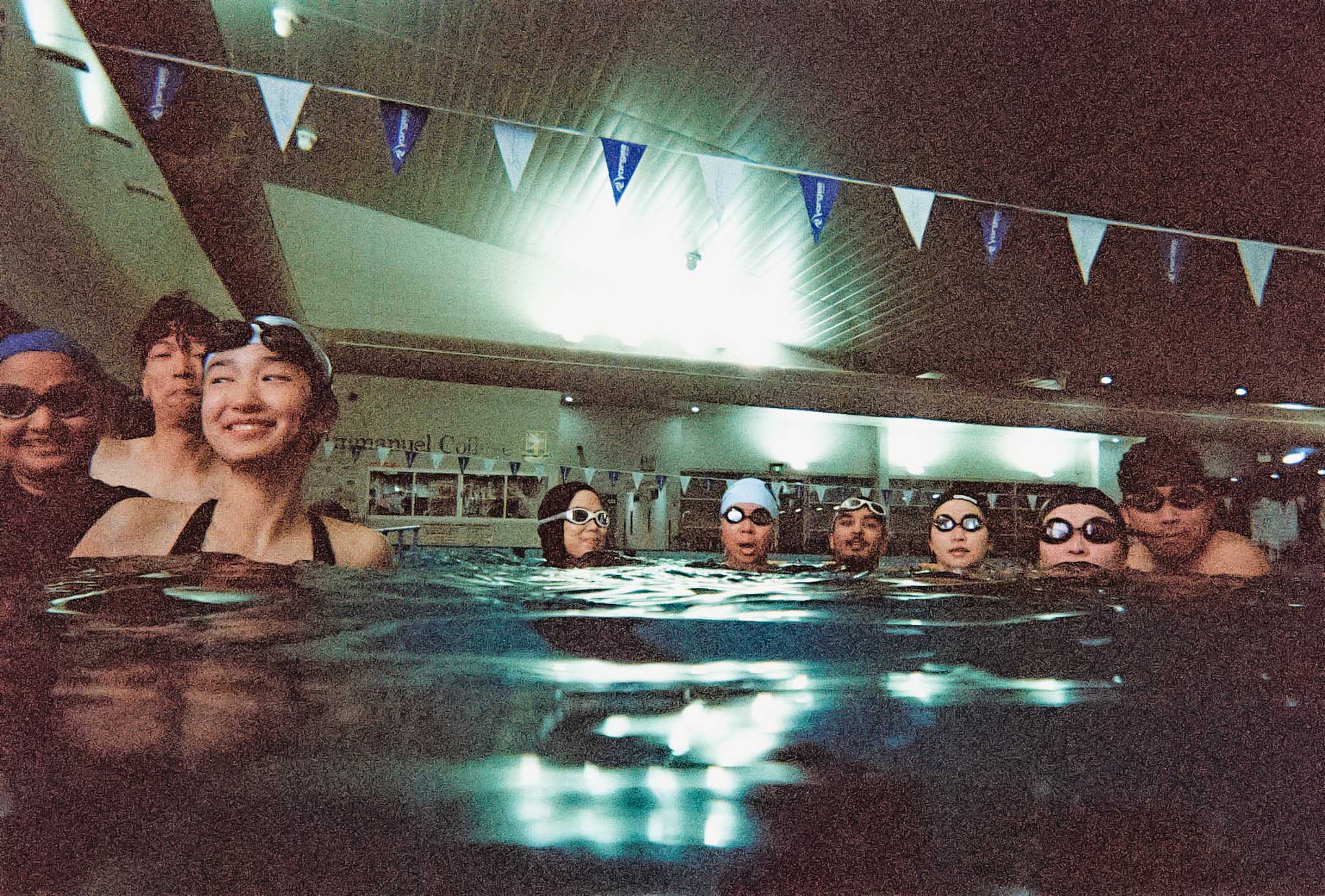
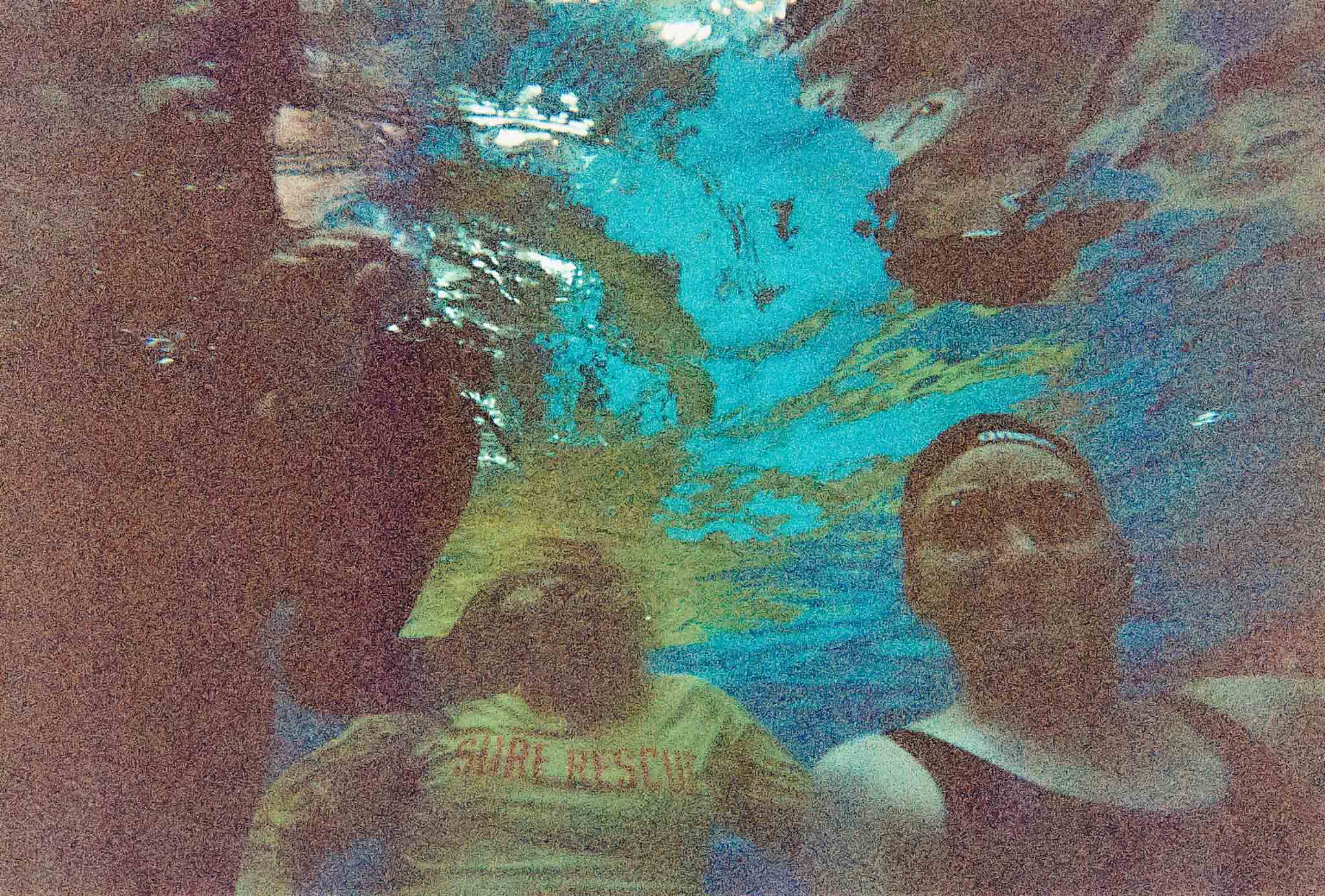
Tell us how it felt using the camera?
It’s been a while since the last time I used a film camera – it feels nostalgic. We’ve been spoiled with digital cameras where we can have virtually unlimited shots and instant preview. There is a bit of excitement waiting for the films to be developed!
Swimming and being in water tends to soothe me, mentally and physically.
Layla Bahmani / Afghanistan
Can you tell us about the first time you got into the water here in Australia?
The first time I got into the water in Australia was at Glenelg Beach. I was excited but also a little nervous because I could only swim a little and was not very confident in the water. It meant a lot to me because it was my first time experiencing Australia’s beach culture. It made me feel happy to be here and gave me a special memory that I still remember.
What has it been like learning to swim?
Learning to swim has been both challenging and rewarding for me. Before I started, I had a drowning experience that made me afraid of deep water. Because of that, learning to swim was not always easy, and I had to build my confidence step by step. Learning to swim has helped me overcome some of my fears, become more confident, and feel safer around water.
What does being in the water do for you?
Being in the water gives me a sense of calm and confidence that I do not get from many other activities. Swimming helps me feel relaxed, reduces stress, and clears my mind. Physically, it helps me stay active and improve my fitness. Mentally, it reminds me of how much progress I have made.
What has it meant to share this experience with others from your community?
Sharing this experience with others from my community has meant a lot to me. Many of us were learning together and facing similar challenges, so we were able to support and encourage each other along the way. It also gave us an opportunity to connect, learn new skills, and create positive memories together.
Tell us about the photos you took for us? Did you enjoy using the camera under water?
It was exciting to see the water from a different perspective and capture moments that would be difficult to photograph outside the water. Using the camera made the experience even more enjoyable and helped me create memories that I can look back on in the future.
Sharing this experience with others from my community has meant a lot to me.
Carolyn Veldhuyzen / Manager of iSwim
Can you tell us how the iSwim/West Beach Surf Life Saving Club Migrant and Refugee Water Program first began, and the need it was responding to?
The program began after there were drowning tragedies at Glenelg nine years ago. Members from the Burundian Congolese community approached West Beach S.L.S.C. through Peter Taylor, Club diversity and inclusion officer. Kevin Richardson (then principal of Immanuel College) and Peter brought a group to iSwim @ Immanuel (providing public swimming lessons and squad training) to help teach them water safety and swimming skills. The first lesson was an eye-opener in terms of a total lack of understanding about the aquatic environment.
Together, West Beach S.L.S.C. and iSwim partnered in a weekly refugee and new migrant program to teach and develop any multicultural learner to gain their surf bronze and become patrol members to actively support their individual community groups. This was nine years ago, and we’re still running! What started with about 80 refugee and new migrant learners in the week-long program has grown to close to 200 in the past few years and helped grow a more inclusive and diverse group of Surf Patrol members now helping others.
What changes have you seen in participants beyond learning water safety?
From the iSwim perspective, what we see predominantly is growing confidence in water safety skills and in themselves. Our teaching staff has gained a strong understanding of inclusion, and there is so much enjoyment gained from watching all successes, from small steps to big ones.
Is there a particular moment from the program that’s stuck with you, something that captures what it’s all about?
For me it was two of the stories we documented and filmed. Behzad was an Iranian Refugee who almost drowned three times when he came to Australia. Learning through this program Behzad became an amazing Swimming Teacher for us and a patrol member at Henley Beach Surf Life Saving Club. He was the face of the VACSWIM program for many years.
The second was a lovely lady with a touching story: while her family was being transferred from a sinking ship to an Australian Navy Ship, she had hold of her children while her husband was carrying their belongings in a back pack. He fell off the transfer walk between the boats, and sank. A Royal Australian Navy sailor saw it and rescued him. She wanted to learn to swim after that to make her husband proud and help her children. The sheer joy on her face when she learned to be safe and strong in the water was an incredible experience.
How important is it to have community – shared memories, shared moments – when people are navigating such extreme displacement AND learning something new? Does water become a space for belonging?
Everything comes down to community: community gives a sense of connection, understanding and safety. Swimming and water safety is essential in Australia, our environment is extremely hazardous, but water can offer recreational, sport and therapeutic benefits. WBSLSC embraces the spirit of communities and brings all nationalities together. Peter [Taylor] goes out to community groups and teaches communities about our environment and safety.
Everything comes down to community: community gives a sense of connection, understanding and safety.
What did it mean to you to see participants documenting their own experiences in the water?
This is a hard one to put into words… My staff gain a sense of understanding they may not have had prior to working with these groups, their respect and compassion is raised dramatically. Then there is the pure joy in watching the journey from fear to competence and the genuine laughter and smiles.
♡ This is a Better Together Peppermint Partnership, where we team up with brands we love. This story was created with support from our friends at Fujifilm. Their Fujifilm QuickSnap Waterproof camera makes it easy to capture those memories and moments that make a swim worthwhile, whether it’s a quick dip or day spent communing with the corals. To find out how to recycle your Fujifilm QuickSnap in Australia check here or drop off to any major camera retailer that participates in camera recycling programs.






JOIN OUR MAILING LIST
Brighten up your inbox with our not-too-frequent emails featuring Peppermint-related news, events, competitions and more!
explore
More articles