
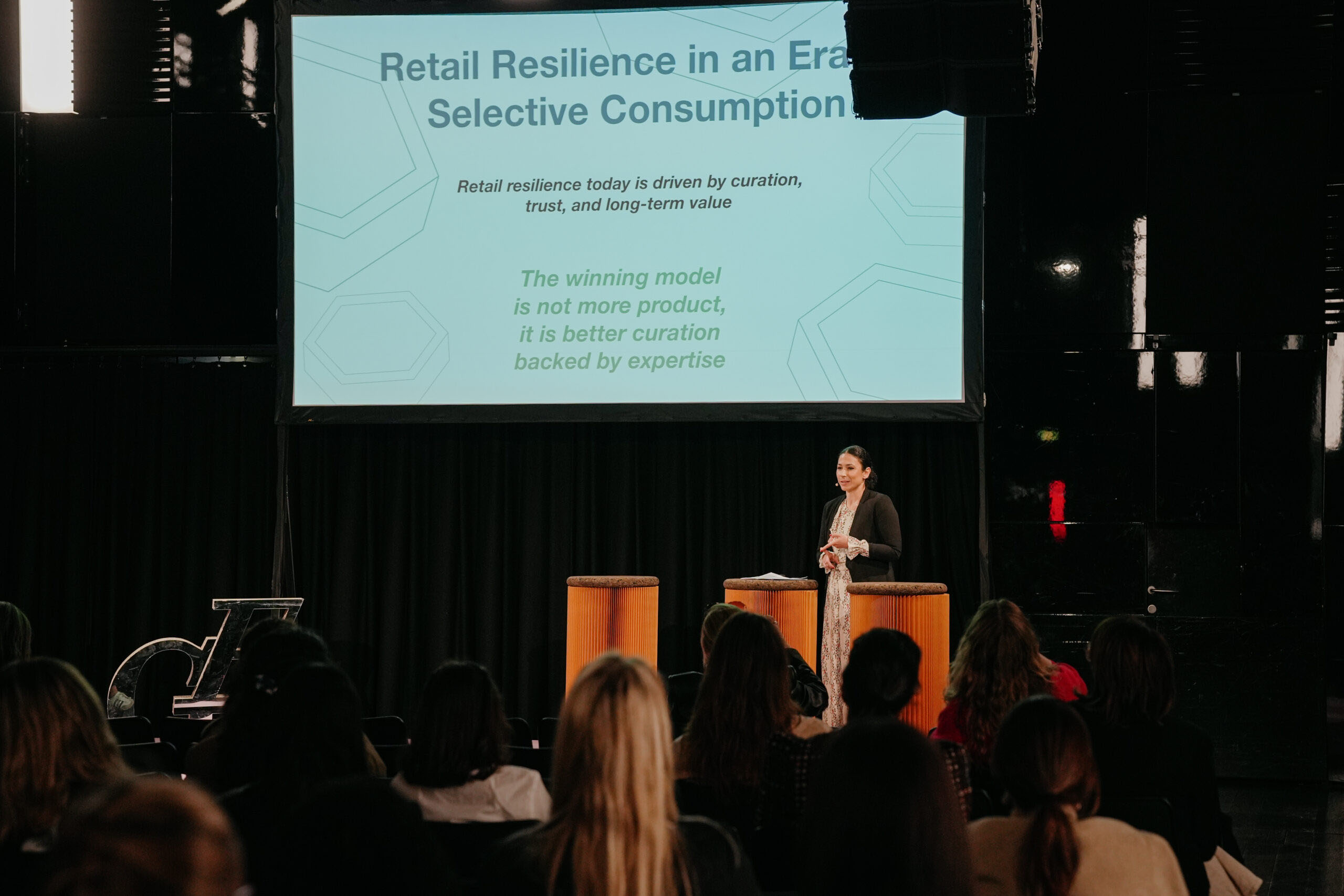
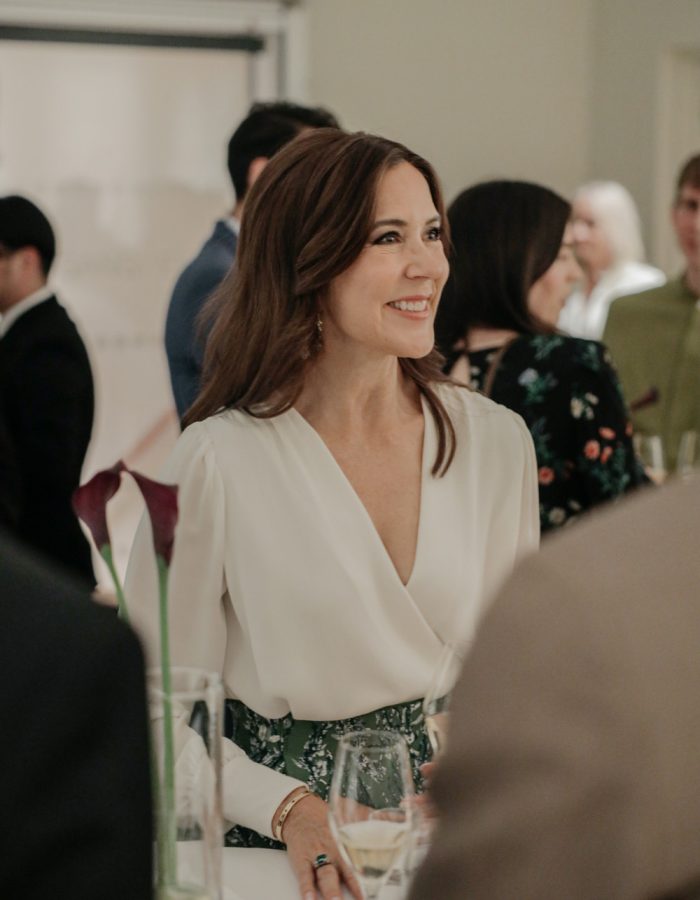
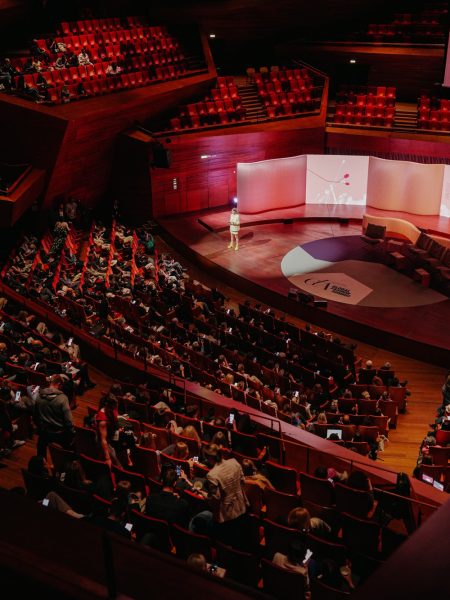
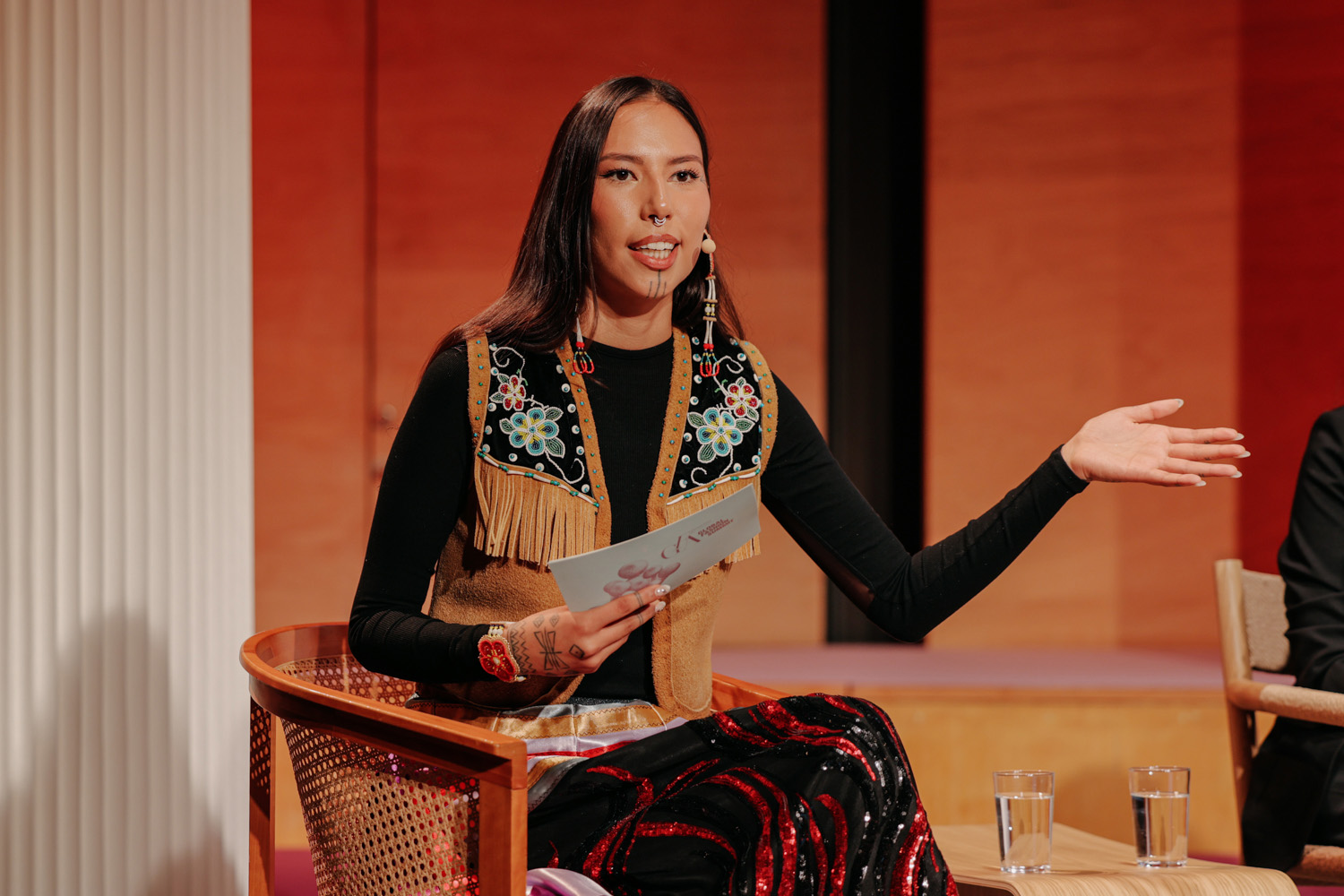



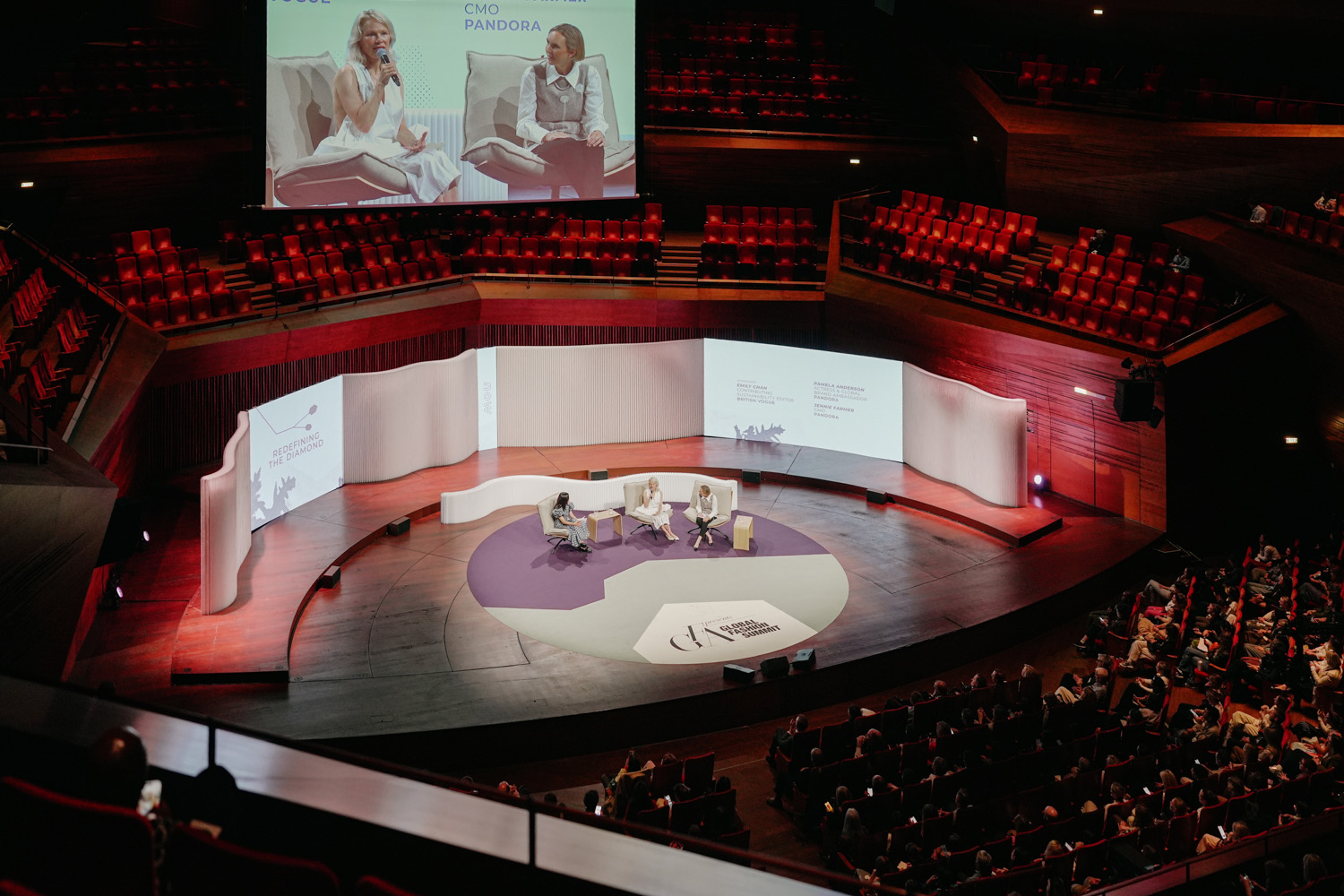










First convened in 2009, The Global Fashion Summit brings together brands, manufacturers, innovators and decision-makers to try to solve some of the multitude of problems across the fashion ecosystem. It has set itself no easy task. Despite some meaningful progress over the past 15 years, the sector remains beset with issues.
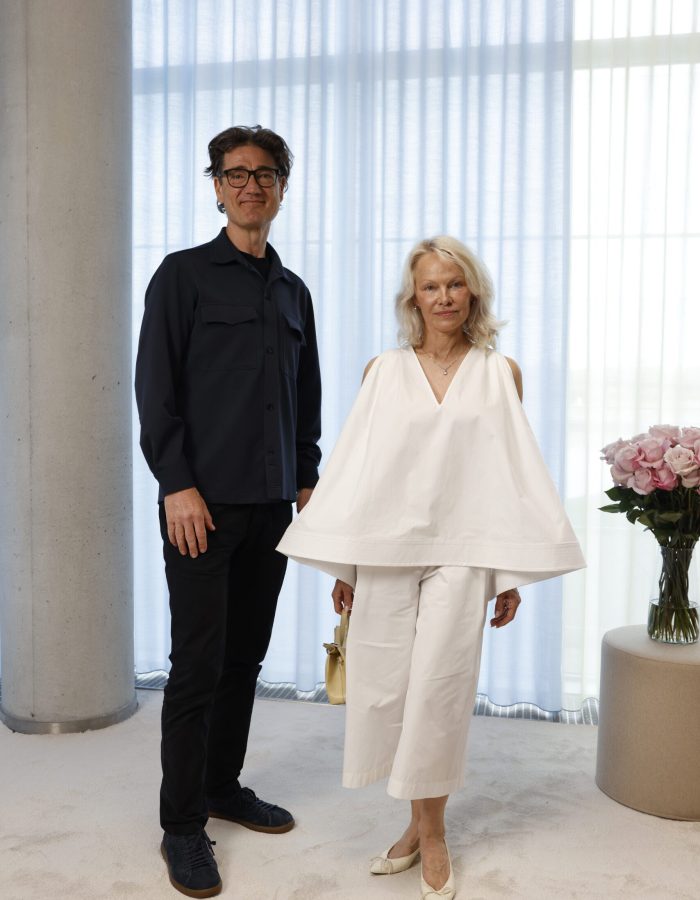
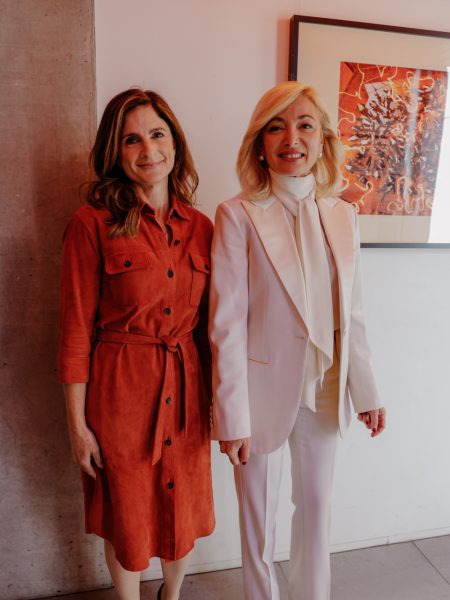
The summit convened some of the most influential voices shaping the future of fashion, sustainability and human rights, bringing together industry leaders, activists, scientists and storytellers to confront the sector’s most urgent challenges. Speakers included Pamela Anderson, actress and Pandora Global Ambassador; Grace Forrest, Founder and CEO of Walk Free; National Geographic photographer, filmmaker and Explorer at Large Ami Vitale; representatives from luxury conglomerates LVMH (home to brands including Louis Vuitton, Dior, Fendi and Givenchy) and Kering Group, whose portfolio includes Gucci, Saint Laurent, Balenciaga and Bottega Veneta, alongside from Chanel; H&M Group and eBay. Attending the final celebration was Her Majesty Queen Mary of Denmark, official patron of Global Fashion Agenda. Queen Mary is well-known for her championing of sustainable fashion, regularly re-wearing wardrobe pieces and upcycling high-street conscious collections.
This year’s theme was ‘Building Resilient Futures’, with an Innovation Forum showcasing sustainable startups, action-oriented networking, and a range of panel discussions focusing on strengthening the fashion industry’s agility and long-term viability. Sessions covered topics such as: Fashion Climate and Women’s Health; Next Gen and Low Impact Materials; The Pay Equity Playbook for Gender Equality; Landscape Collaboration: Regenerating Natural Capital and Building Breakthroughs for Human Rights Due Diligence. And some discussions made for sobering listening.
During one panel, Dr Harshita Umesh, a doctor at a hospital in India, described in stark terms the daily realities faced by many garment workers. She recounted the case of a worker who arrived at hospital with a severely infected finger injury sustained at work. Unable to afford time away from the factory, the worker discharged herself before receiving adequate treatment, only to return, days later, critically ill and on a stretcher.
Dr Umesh also spoke of workers trapped in deeply exploitative conditions, risking violence in washrooms or being penalised for taking water breaks. She spoke to one worker who said, “I do not enjoy this work. I do it because I want my daughter to have an education. I don’t want her to suffer like me”. Another described the working conditions in the factory: “It feels like we’re trapped inside an oven. The heat doesn’t leave, it just builds up”. Her stories were a confronting reminder of the human cost that still underpins parts of the fashion supply chain.
Anti-slavery organisation Walk Free estimates that 50 million people are currently trapped in modern slavery, showing an increase of 10 million in the last five years. In Australia, it is estimated that 90% of all imported apparel is tainted by forced labour. Walk Free founder Grace Forrest called on the Summit to invite garment workers directly to these conversations, saying, “the most resilient systems are the ones where workers and survivors shape solutions…knowledge has to flow up from workers from the front of the supply chains, not just down from boardrooms or sustainability teams in Europe.”
“The most resilient systems are the ones where workers and survivors shape solutions…knowledge has to flow up from workers from the front of the supply chains, not just down from boardrooms or sustainability teams.”
It is clear that there are many important areas where change is sorely needed. But we also encountered innovation and optimism worth sharing.
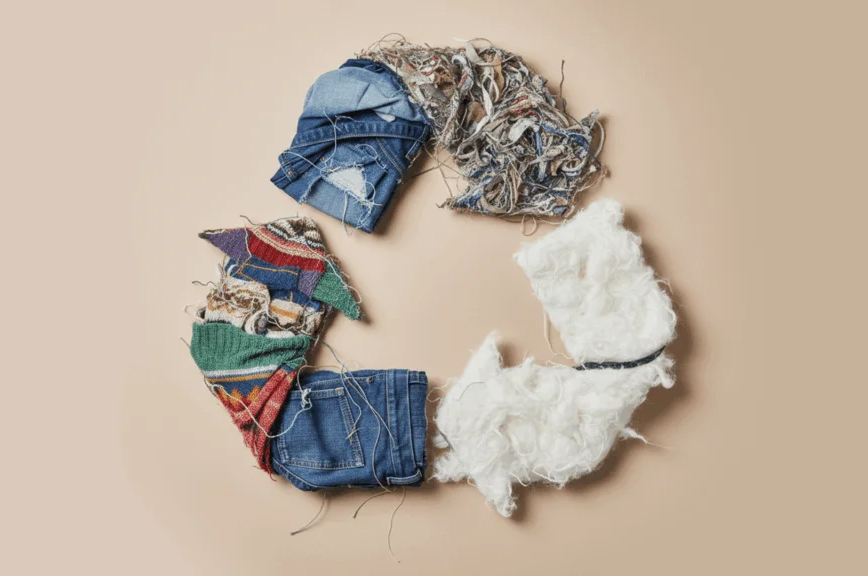
Over one million tonnes of textile waste were generated in 2023 alone. Of this, only 1% was recycled. Close to 90% was landfilled or burned.
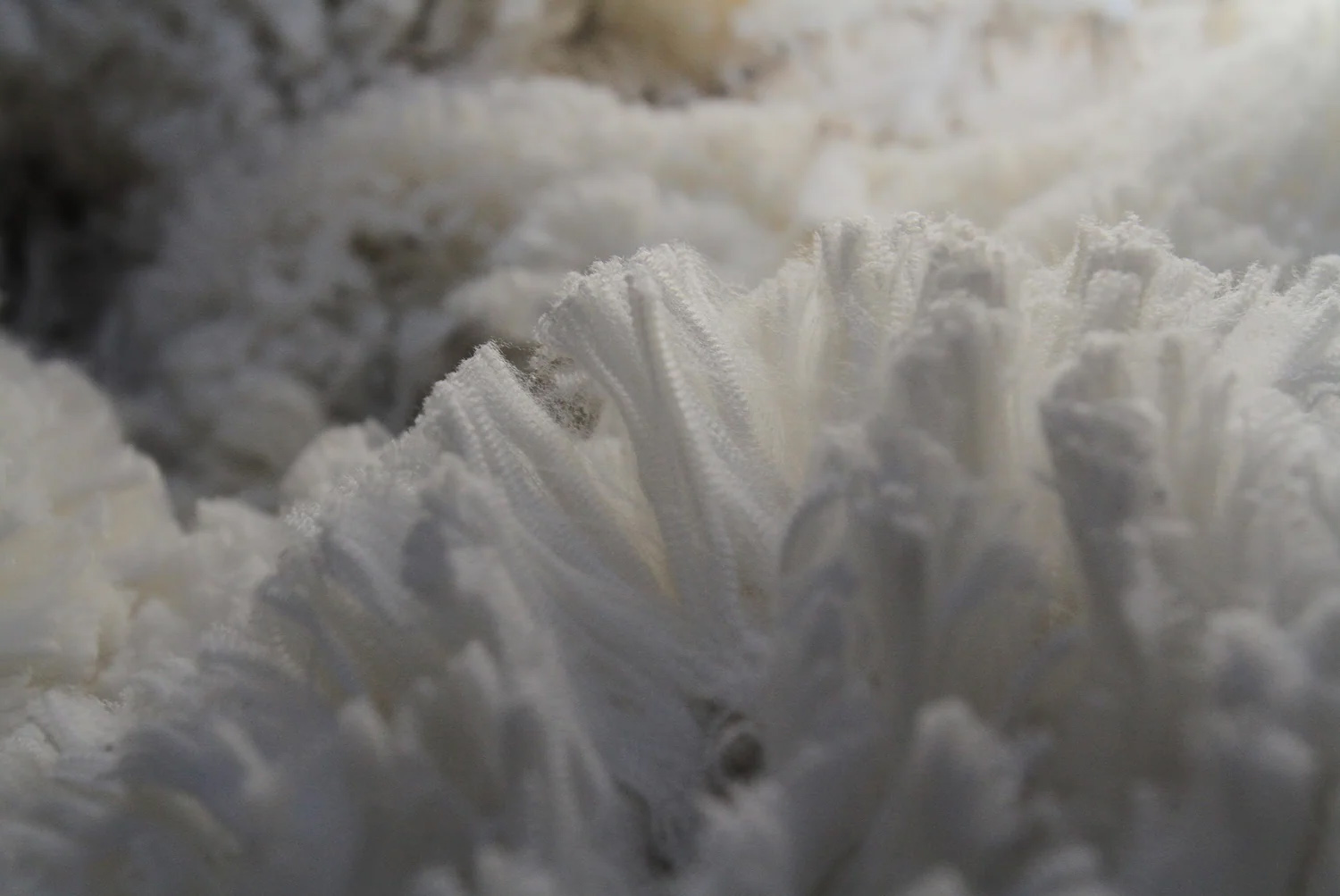
From July 2026 the European Union will ban large companies from destroying unsold clothing and footwear, which will turn circularity into a non-negotiable. European-based company RE&UP now has the technology to take textile waste and transform it into cotton, polyester and polycotton chips and yarns that can be turned back into large-scale fashion collections.
It’s often difficult for us to verify whether a garment label is truly accurate. For example, if a knit feels like cashmere and is marketed as cashmere but is being sold at an unusually low price point it is unlikely to be made from high-quality, 100% cashmere. In many cases, products may contain blended fibres, lower-grade fibres or synthetic substitutes despite being marketed around a premium product.
Swiss company Haelixa uses DNA-based marking sprayed onto garments to confirm both origin and authenticity, ensuring full supply chain traceability and protection against counterfeiting.
Silk is a beautiful natural fibre that biodegrades and generally requires less water to produce than cotton. However, silk production can have a high environmental impact due to the use of fossil fuels in the reeling and processing stages.
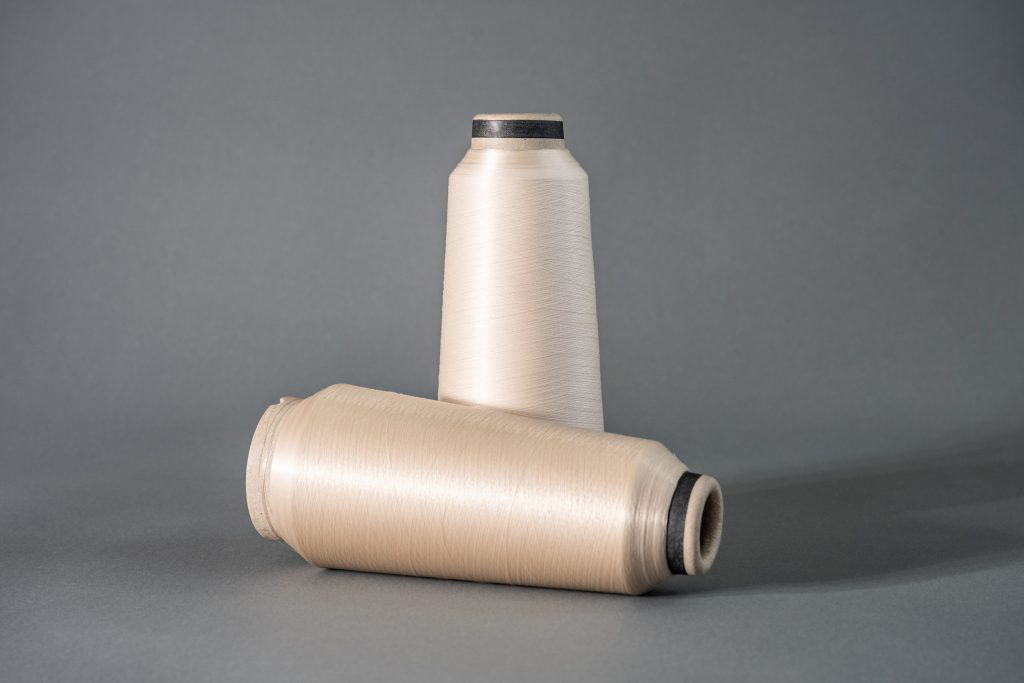
AMSilk is a German company that produces lab-grown silk using pure silk protein powder, which is dissolved and then spun into filaments through a wet spinning process. This results in a unique 100% silk filament fibre that uses less water, requires less land and emits less carbon dioxide than conventional silk. The silk felt and looked identical to naturally produced silk and had its fashion debut as shirts in Balenciaga’s Spring 2026 collection.
We spoke to Save Your Wardrobe, a comprehensive platform that links brands to clothing repair, alterations and resale services. They told us that global brands are embracing their offering, seeing it as a way to create strong customer brand loyalty and extend the life of garments.
Textile dyeing is responsible for 20% of ocean pollution and 52% of the fashion industry’s carbon impact.
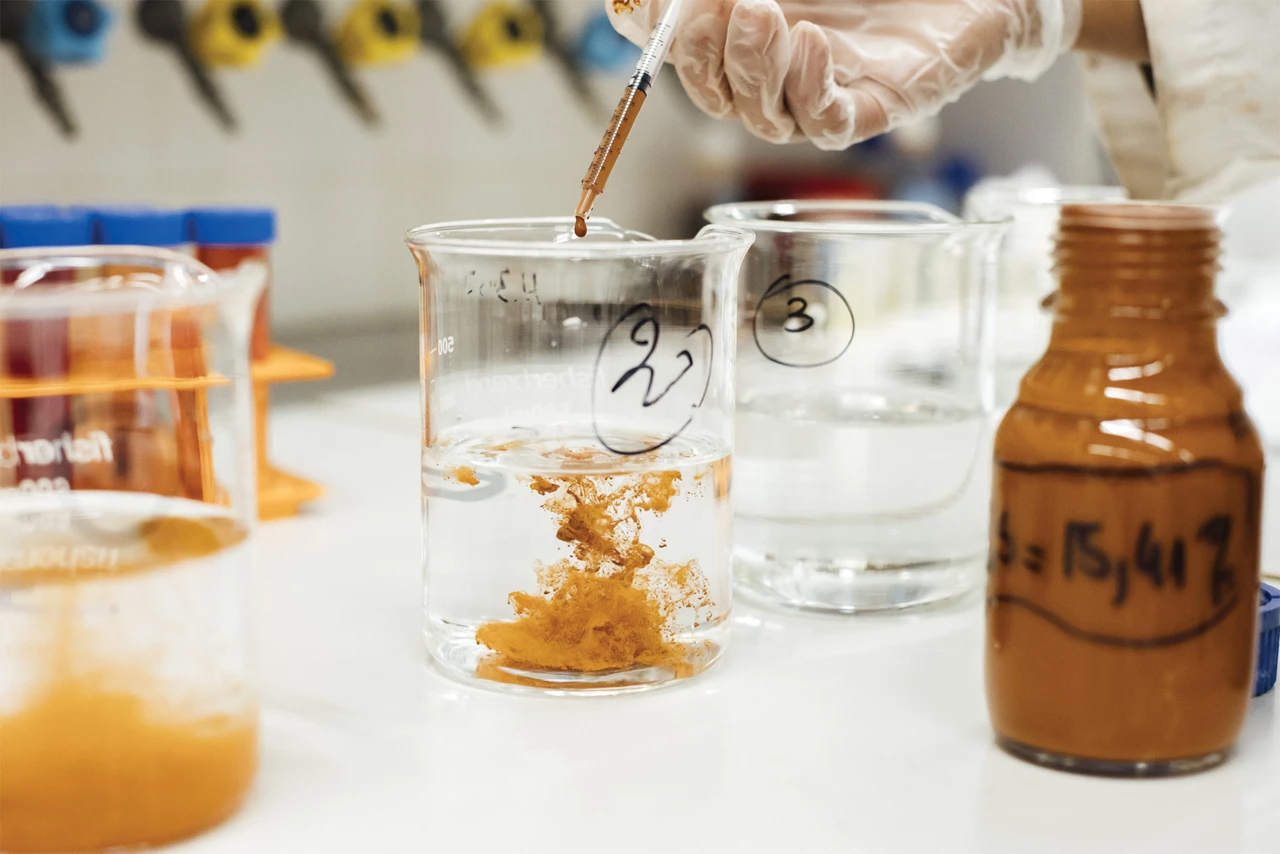
French company EverDye is looking to change that negative impact. Their bio-based pigment dye acts like a magnet on the surface of the fibre and creates anchoring sites. This process needs 10 times less energy to dye the fabric, operates about five times faster than traditional methods and uses no petrochemicals.
Arizona Muse, sustainability consultant, model and founder of DIRT Charity, used the summit to highlight the critical connection between fashion, soil health and climate change.
Most fashion materials originate from soil at some point, whether cotton, linen, silk or other plant-based fibres. DIRT argues that conventional farming practices can degrade soil, harm biodiversity and contribute to climate change. DIRT seeks a world where soil is regenerated and crops grown in a way that restores nature to full health and thriving biodiversity. DIRT has partnered with Demeter, the international certification body for biodynamic agriculture, to develop new fashion certification standards for fibres, dyestuffs and leather.
Australian wool grower Michael Taylor was one of the panellists in Copenhagen, and is part of a growing movement seeking to reconnect fashion with the landscapes and ecosystems from which natural fibres originate. Speaking to Peppermint, Taylor described the sustainability initiatives that underpin his family farm, Taylors Run, including extensive tree planting programs that have improved pasture quality and supported healthier, thriving animals. The farm also integrates agroforestry practices and grazes cattle and kangaroos alongside sheep as part of a more holistic approach to managing the land. Based in the New England region of New South Wales and operated by the Taylor family since 1839, the sixth-generation property produces superfine, single-origin merino wool.
1 Hotel Copenhagen, the Summit’s dedicated hotel partner, is a nature-led hotel with a host of visible sustainability initiatives, including offering a clothing donation drop box in the lobby for discarding any items of clothing you decide not to take home, seasonal locally-sourced food in their restaurant offerings along with a rooftop bee hotel and edible landscaping.
Brighten up your inbox with our not-too-frequent emails featuring Peppermint-related news, events, competitions and more!
explore
We look forward to connecting with you.