













It seems a touch far-fetched, the idea that little bits of your favourite jumper or dress could be massively contributing to marine pollution, slowly morphing into tiny contaminant-filled bombs that float about oceans and end up in fish bellies (and then, of course, our bellies).
But it’s actually totally true.
The problem is polyester and other synthetic fabrics, which shed thousands of super tiny plastic pieces – called microfibres – each time they’re washed.
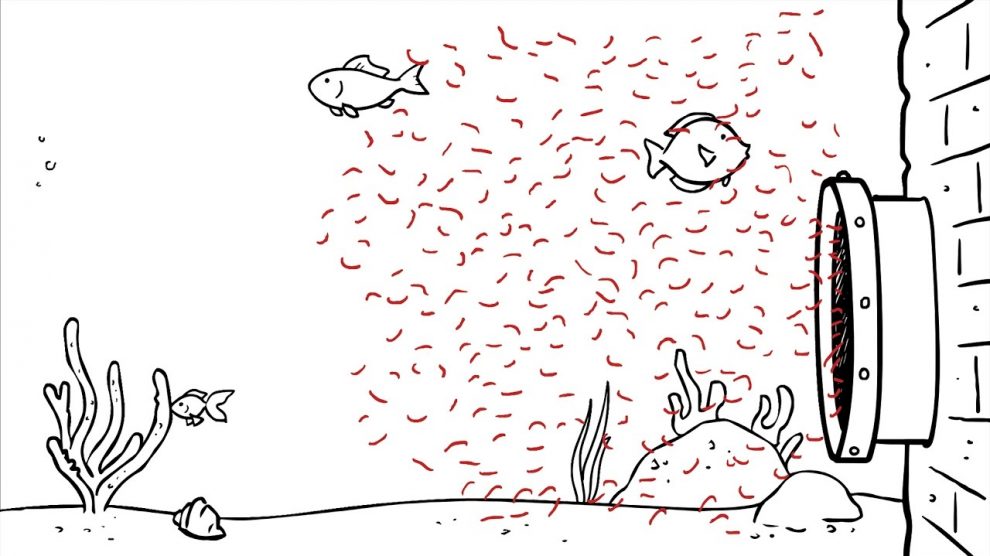
As this rather cute animated short video by The Story of Stuff Project explains, microfibres are too tiny for wastewater treatment filters to catch. So they end up in our waterways, where they suck up other pollutants around them and become “like little toxic bombs full of motor oil, pesticides and industrial chemicals”.
A mind-boggling 1.4 million trillion pieces are already estimated to be littering our waterways. That’s the equivalent of 200 million microfibres for every person on the planet.
Grossed out? Avoiding polyester and other synthetic fabrics is only part of the solution. You can also help demand that clothing companies take responsibility for microfibre pollution by signing this petition.
—————————————
Brighten up your inbox with our not-too-frequent emails featuring Peppermint-related news, events, competitions and more!
explore
We look forward to connecting with you.