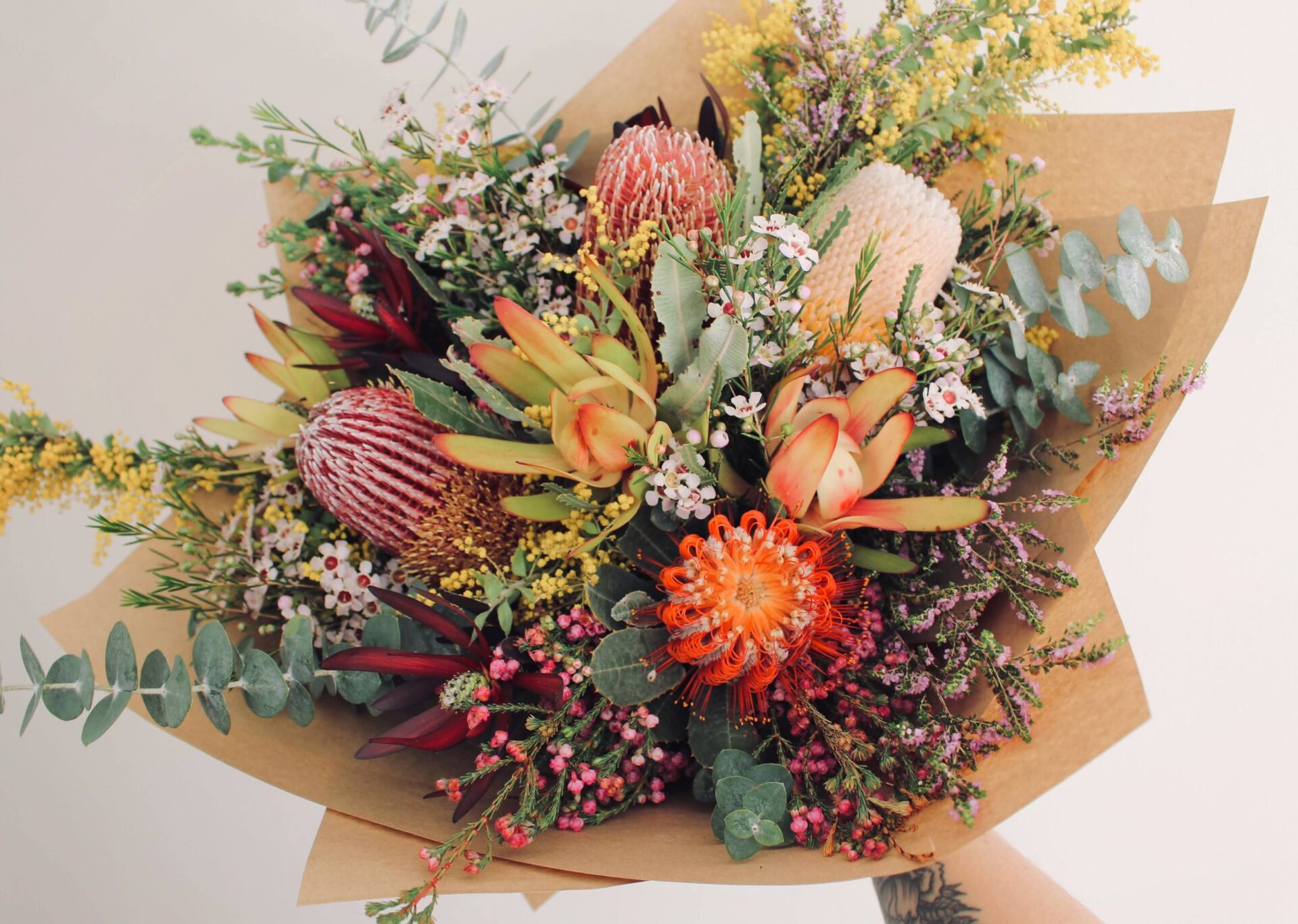
It may be a cliche but flowers are a classic for a reason. They’re legitimately wonderful to receive – beautiful, colourful, alive – and a reminder of nature’s extravagant capacity for wonder.
But if you’re thinking of giving flowers to someone special (check your calendars people, Valentine’s Day is sneaking up on us again!) as a token of the shared appreciation you both have for lovable ol’ Mother Nature, you better watch out.
For an industry so steeped in nature, floristry is surprisingly not so environmentally friendly as a whole. The cut flower industry is one of the biggest consumers of pesticides worldwide!
The majority of flowers sold in florists and flower markets across Australia are imported which creates high carbon emissions in transport and a large chemical footprint as they go through two phases of quarantine.
Moreover, to preserve flowers through transport, and to provide for demands for out-of-season blooms – which if you’re in Australia on Valentine’s Day includes many, if not most roses – flowers are often dyed, bleached or otherwise treated with chemical preservatives which makes them harmful to humans and unsuitable to compost.
All this and we haven’t even mentioned our old foe plastic. Not only are most bouquets wrapped in cellophane when transported and sold, florists have their own special form of synthetic, non-biodegradable, single-use micro-plastic – floral foam.
So what should we do? Give up on the whole shebang and tell our significant others that Valentine’s Day is a scam invented by greeting card companies to sell more heart-shaped chocolate boxes?! NEVER!
There are many hardworking horticulturists out there whose passion for flowers is matched only by their dedication to sustainability. These upstanding flowermongers are working to change the floral industry and make the world a better place to bloom. So if you’re looking to buy some blossoms for a special someone (including yourself) check out these fine sustainable florists!
Foraged and Fleurs
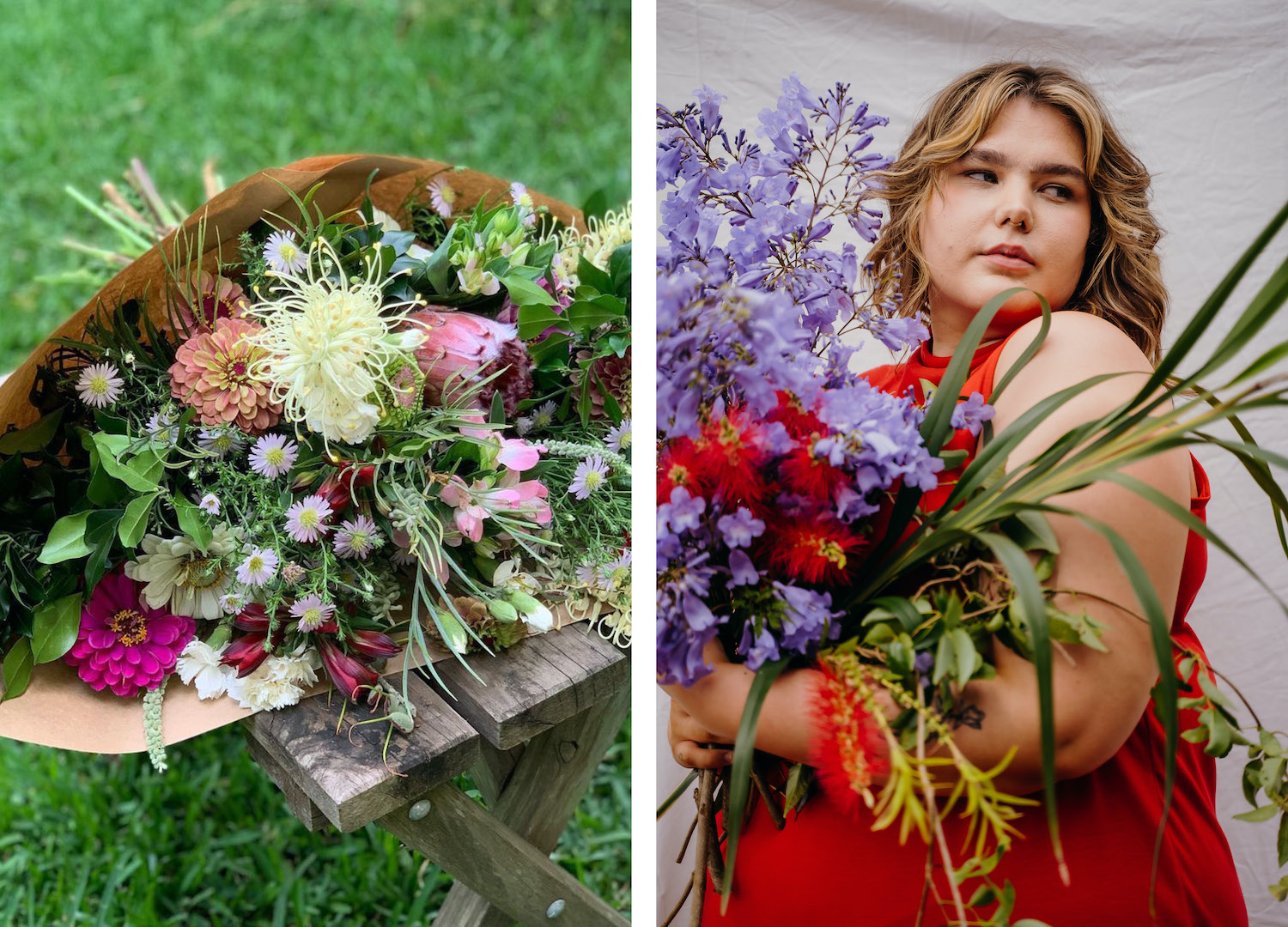
Based in Brisbane, Foraged and Fleurs’ beautiful bunches are made with seasonal Australian-grown flowers mixed with, as the name suggests, interesting foraged finds from founder Lucy Reid’s garden or family farm, and inspired by the outdoors and her experiences fossicking in the natural landscape. Foraged and Fleurs (who you might recognise from our Issue 52 cover) has been proudly floral foam-free since day one as Lucy’s guiding practice is treading as lightly as possible in the environment. She also composts all her green waste and wraps her flowers in 100% compostable paper with jute string and biodegradable sticky tape.
Lilac and The Cat
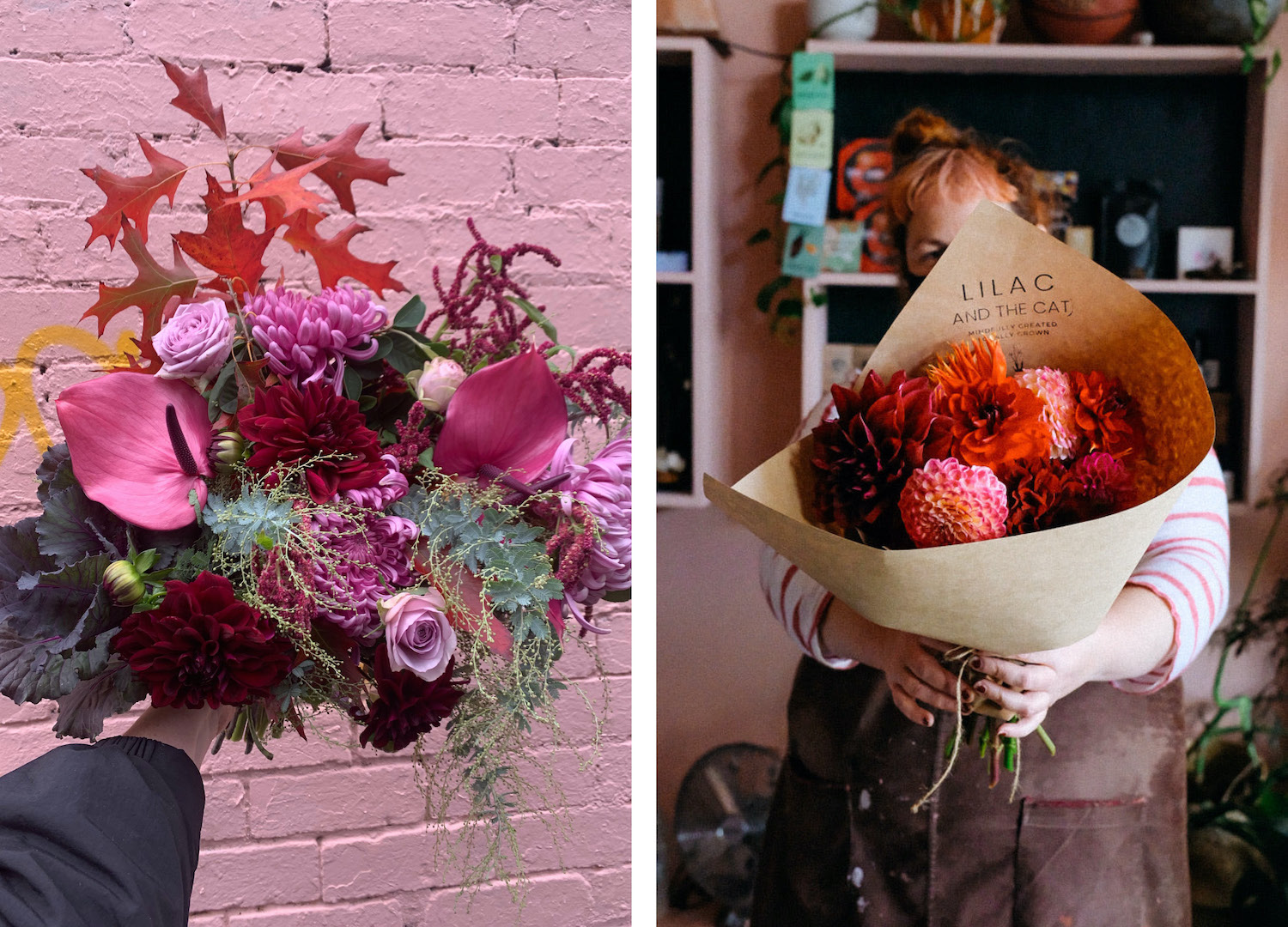
Lilac and the Cat bill themselves as “Melbourne’s leading ethical and eco-friendly florist”. Founder Janelouise Hearn has over 24 years of flower industry experience as well as a deep passion for creating wildly rambling, eco-influenced flora designs. Lilac and the Cat never use cellophane, floral foam or ribbons, instead opting for recycled materials, such as upcycled vases and pots, and their flowers are seasonal, locally grown or ethically foraged from farms and suburban backyards. Excitingly, they also offer a bartering system so you can put your petals to the mettle and trade for trims.

Botanica Bird
Newcastle’s Botanica Bird began when artist Rachael Cullen started dabbling in botanical illustration and realised that buying flowers and arranging them was bringing more joy to herself and others than just drawing them. She started studying floristry at TAFE and quickly became known for her bold, non-traditional creations. In 2018, Botanica and Bird made the decision to say no to floral foam and imported flowers, concerned about the environmental footprint of the cut flower wedding industry. This only served to make their floral designs more striking or, as Rachael describes them, “sculptural, colourful, sustainable, and fun”!
Poppy and Fern
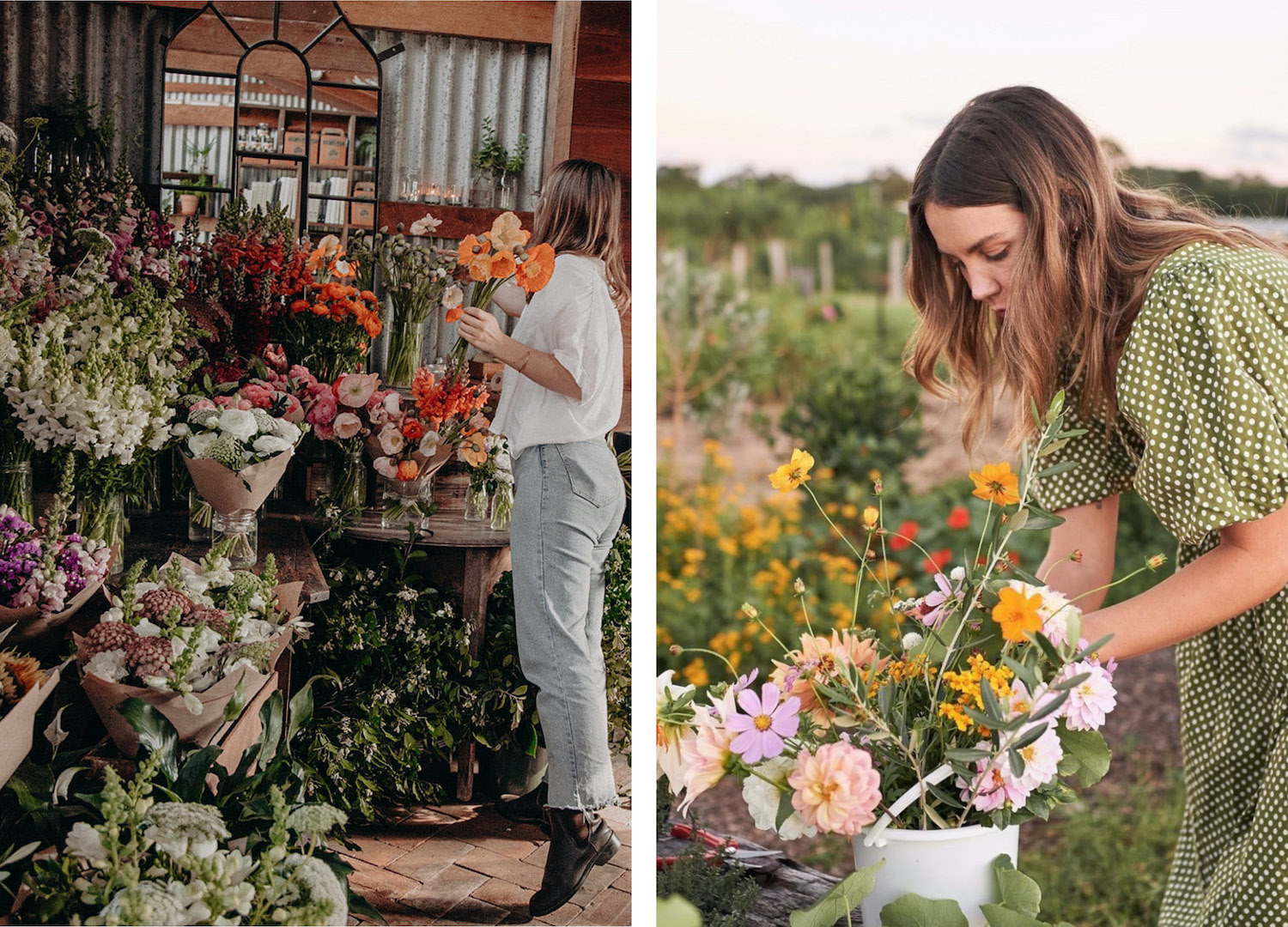
Poppy and Fern operate with a “field to vase ethos” meaning that the Byron Bay florist shop is filled with freshly cut flowers sustainably grown on their own nearby farm. The flowers are cultivated in the fertile Byron soil using organic farming principles and when they are harvested, there’s always enough left behind for the bees. Florist and farmer Jess Connor is passionate about the ‘Slow Flower’ movement and in addition to harvesting, designing and delivering flowers, she also hosts field tours, runs workshops and attempts to spread awareness about the importance of buying local and chemical-free flowers.
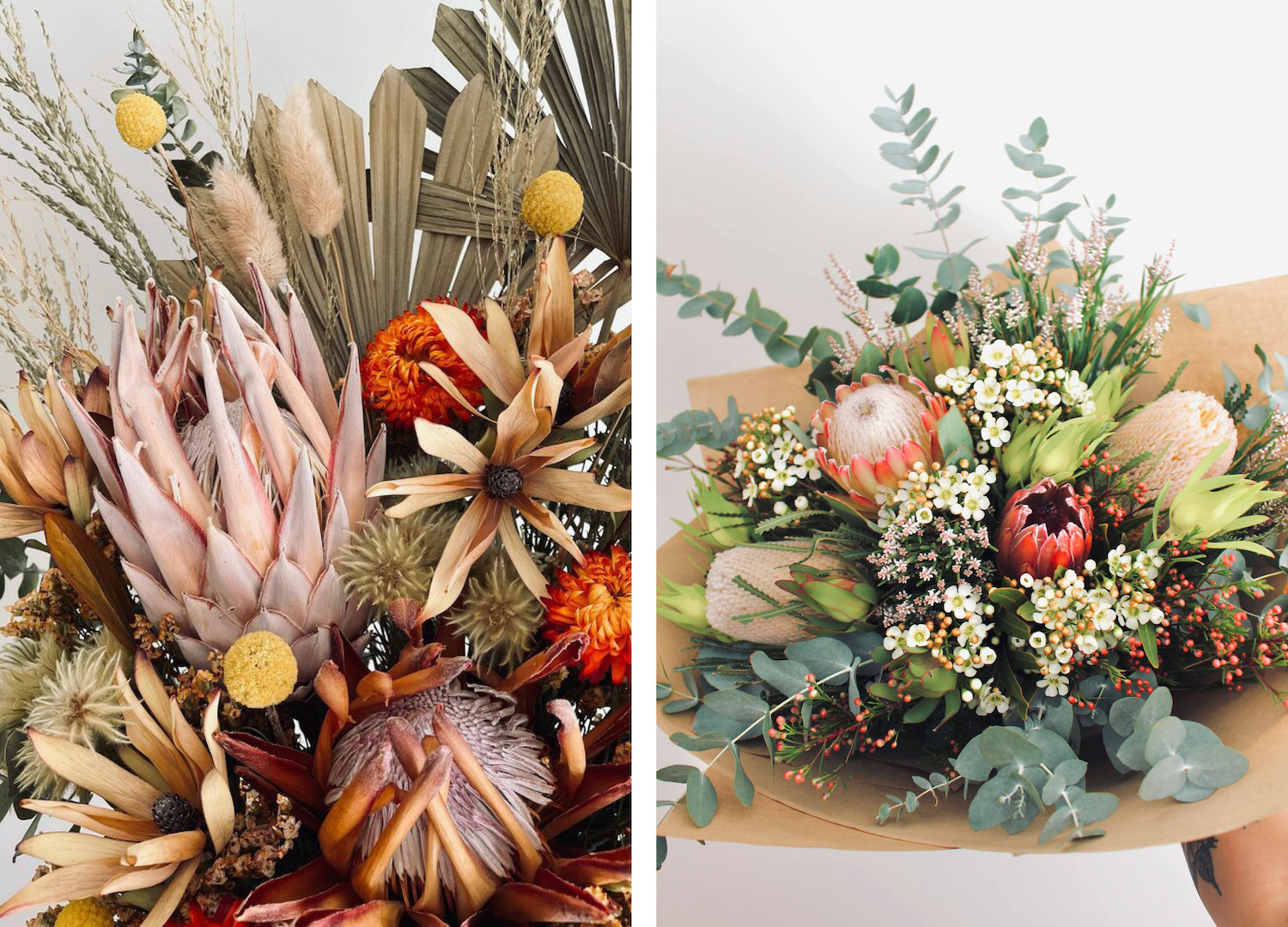
Euka
Based in Perth, Euka is a floral design company created and owned by botanical artist Tara Rees. Tara’s work is deeply inspired by her love for the natural Australian landscape so not only does she ensure Euka only uses natural, compostable or recyclable materials in their arrangements, the arrangements themselves focus on showcasing seasonal, native Australian wildflowers. Native flowers are not only singularly striking but long-lasting and hardy. They dry beautifully so you can enjoy them for years – a real bang for your buck bouquet wise.
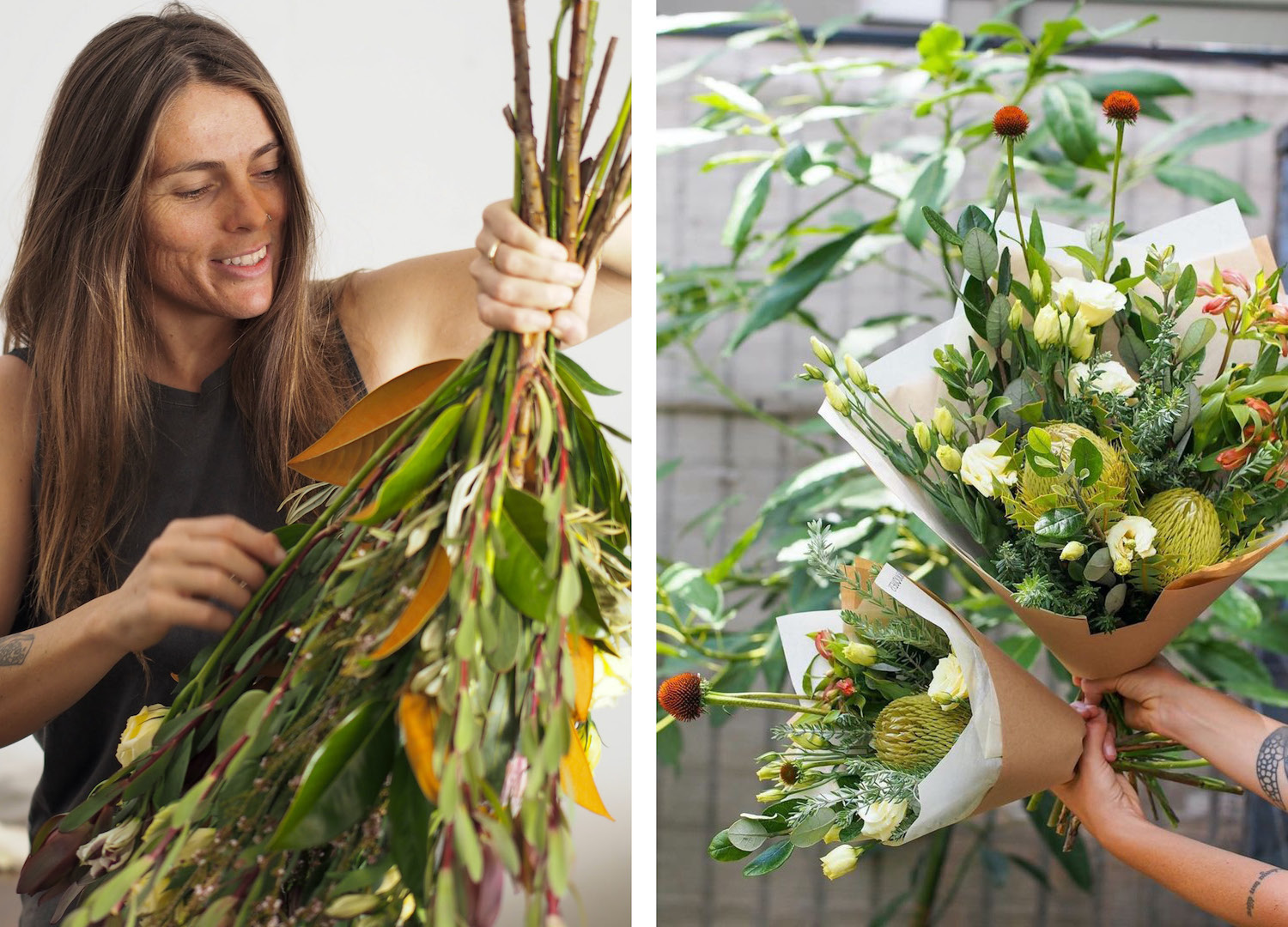
Bare Bouquets
Bare Bouquets is brought to you from Brisbane’s West End by Katie and Heaven, two florists with a dream to create beautiful, ethical and affordable flower bouquets, backed up by 10 years in the floral industry and a PhD in environmental science between them. Bare Bouquets designs a unique bouquet every day, inspired by the best seasonal flowers that catch their eyes. The next day a new unique design is available and so it goes. Bare Bouquets are climate positive, water wise and plastic-free – each bouquet comes wrapped in simple brown paper with a hemp string bow and the handwritten card will sprout Swan River daisies if planted!
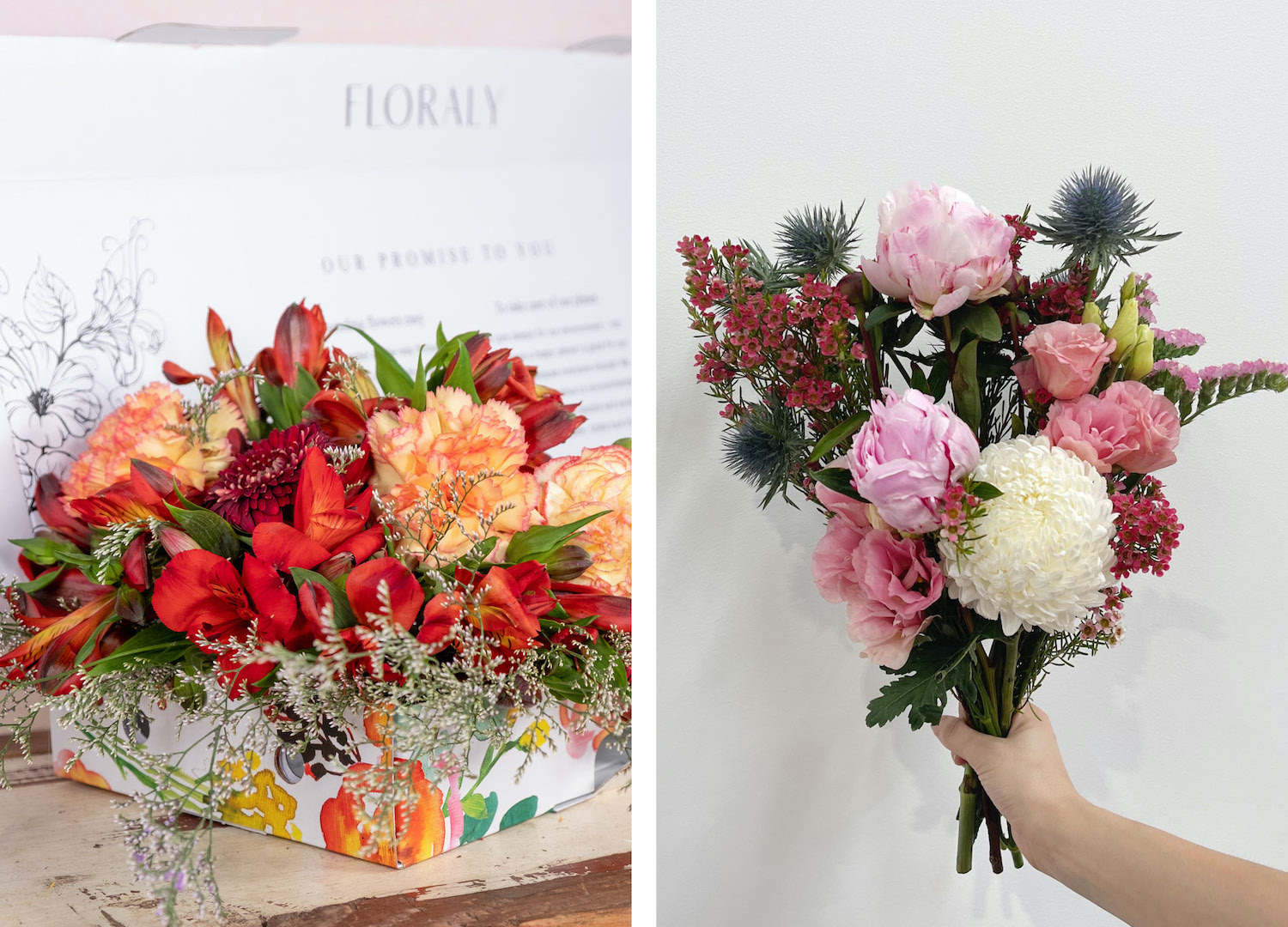
Floraly
Floraly is a sustainable flower gifting company that offers delivery options to most of mainland Australia (sorry WA and Tassie). Focused on delivering the freshest of flowers with the least amount of waste, they’ve flipped the traditional floral supply chain on its head. According to Floraly, uncertain demands mean that one in every three flowers destined for local florists dies before being bought. So, they start sourcing your flowers only after you press purchase, reducing their flower waste by up to 90%!

“My piece of advice for makers and designers? Run your own race… make sure your key decisions stay anchored in your brand’s core beliefs.”
- Bec Bligh
Quick show of hands: who’s opened a water bottle expecting a refreshing sip… and instead been greeted by the unmistakable whiff of uh-oh?
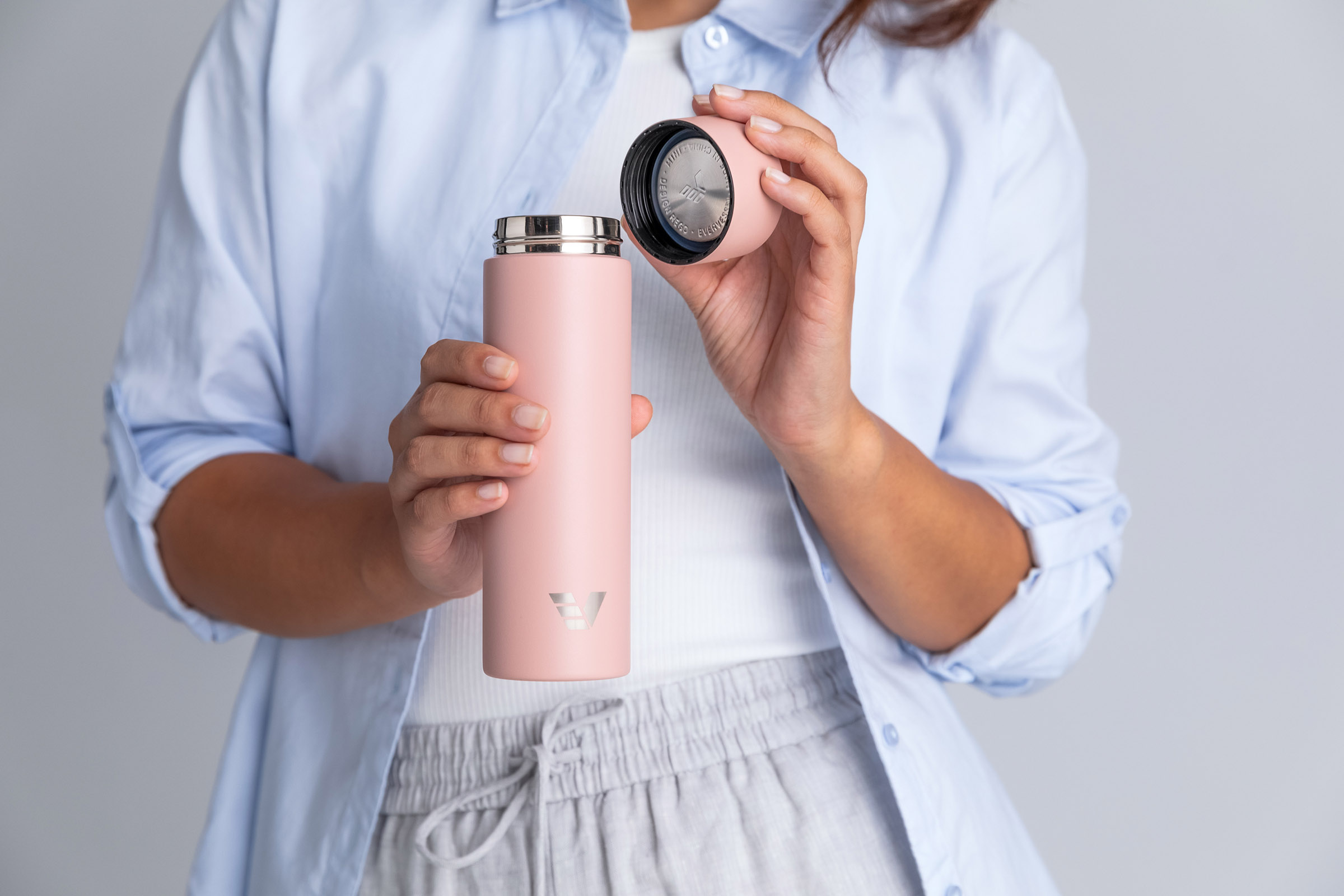
Because for something that follows us everywhere (desk, car, hikes, yoga…), the humble drink bottle is strangely prone to becoming a science experiment. Hard-to-clean corners and gaskets. Mystery smells. Bec Bligh and her husband Tim know it well. A six-month sailing trip along the Queensland coast left them with a lifetime of memories and one stubborn annoyance: mouldy water bottles they couldn’t properly clean.
So they did something about it.
Enter @EverVessel. Thoughtfully designed borosilicate glass and stainless steel bottles that keep things beautifully simple: durable materials, wide openings, easy-to-clean parts and none of the techy gimmicks that tend to age badly. Turns out simplicity, done well, is pretty powerful stuff. (Their many design awards agree!)
And lately they’ve added a little extra delight: the Artist Series, where creatives like Paola Castro, Ben Miners and Martin Thompson transform these everyday companions into tiny travelling artworks. There are more colabs in the works, too: hydration, but make it joyful! 🎨💧
We chatted with Bec about the sailing trip that started it all, the philosophy behind Ever Vessel, and why the most sustainable product is often just the one you keep using.
Tap the link in our bio to read the full conversation. 🚰
#EverVessel #ReusableWaterBottle


Pull up a chair… there’s room at this table!
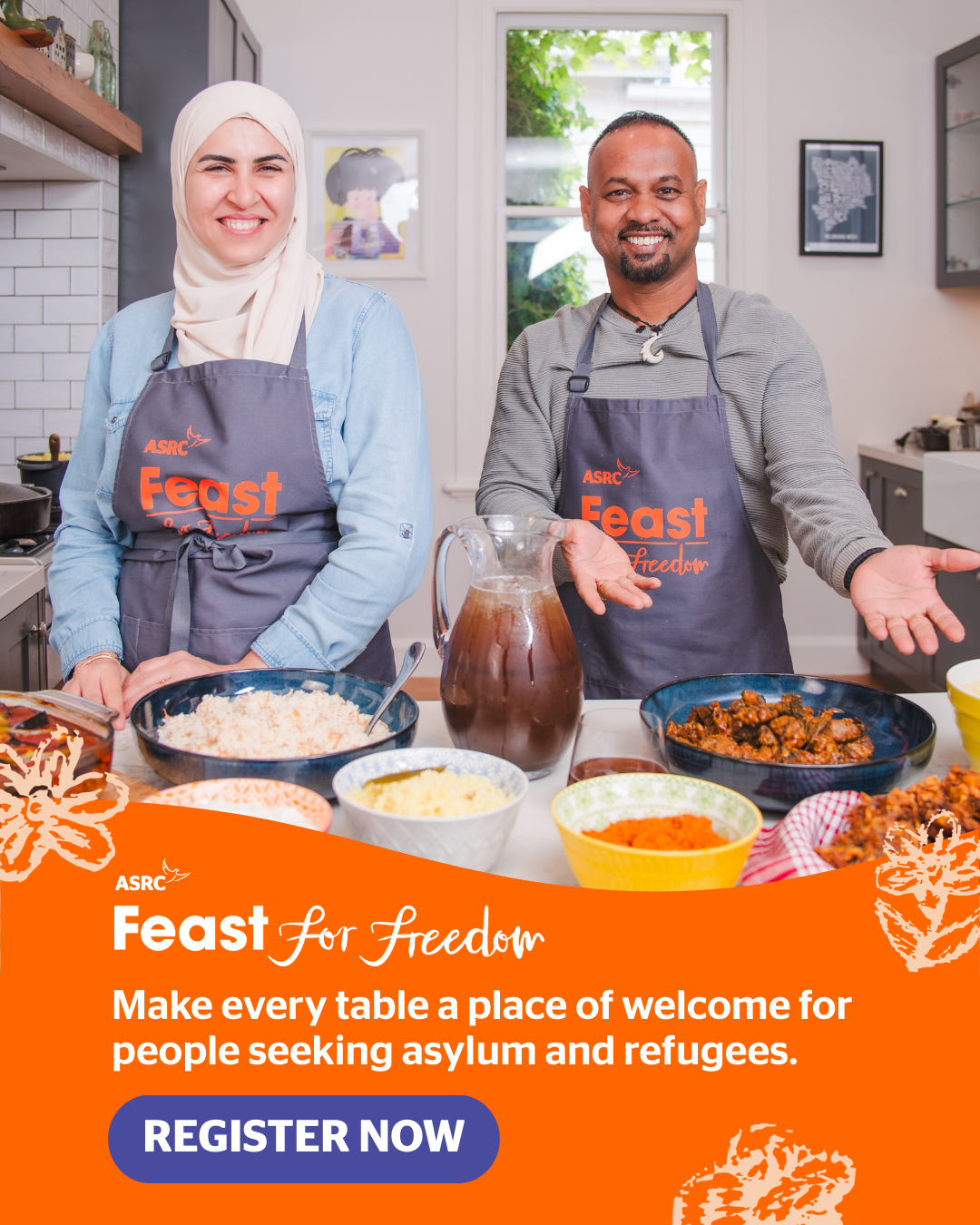
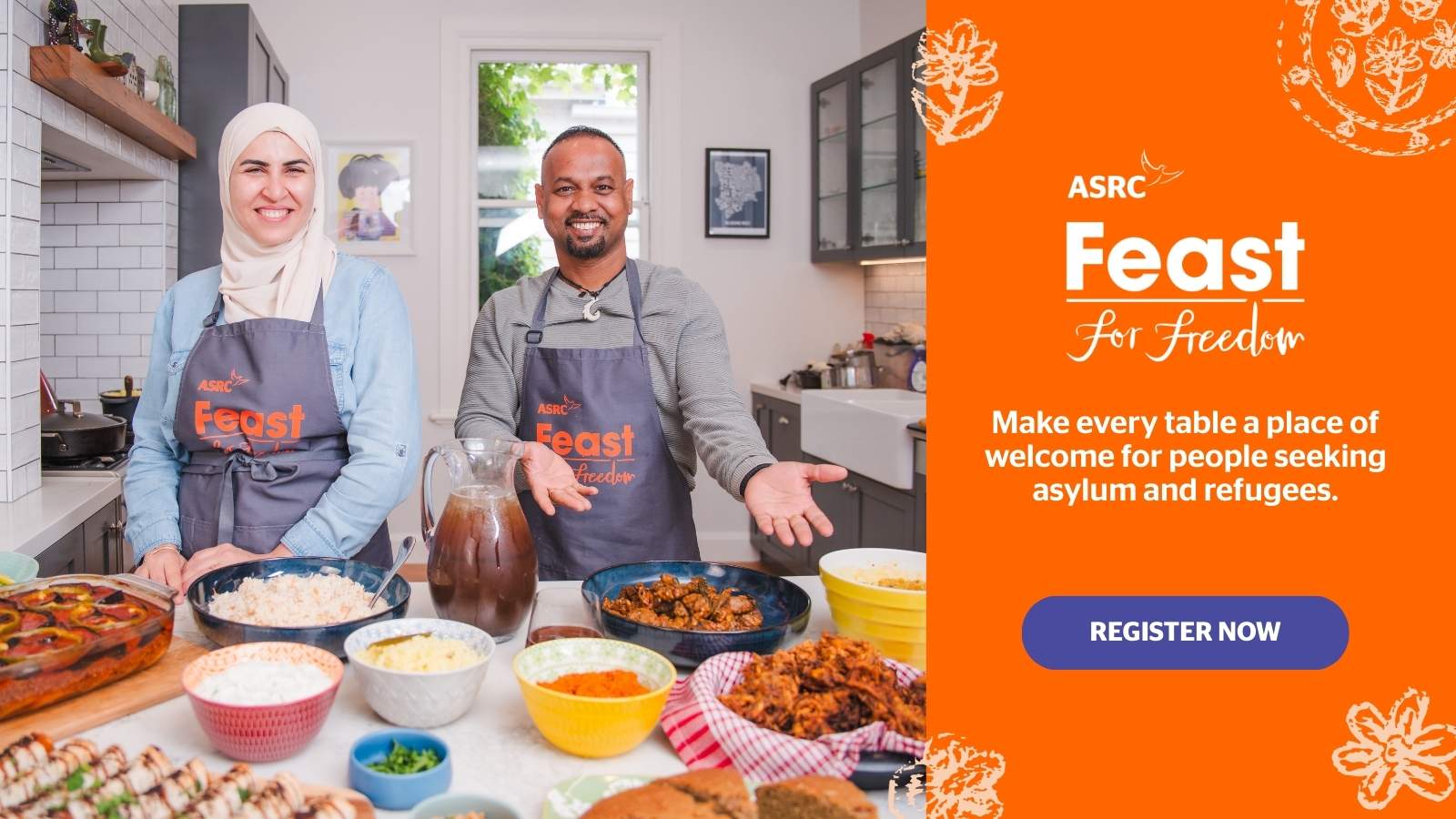
For the first time, Feast for Freedom is bringing people together for a spectacular long-table dinner as part of the Melbourne Food & Wine Festival.
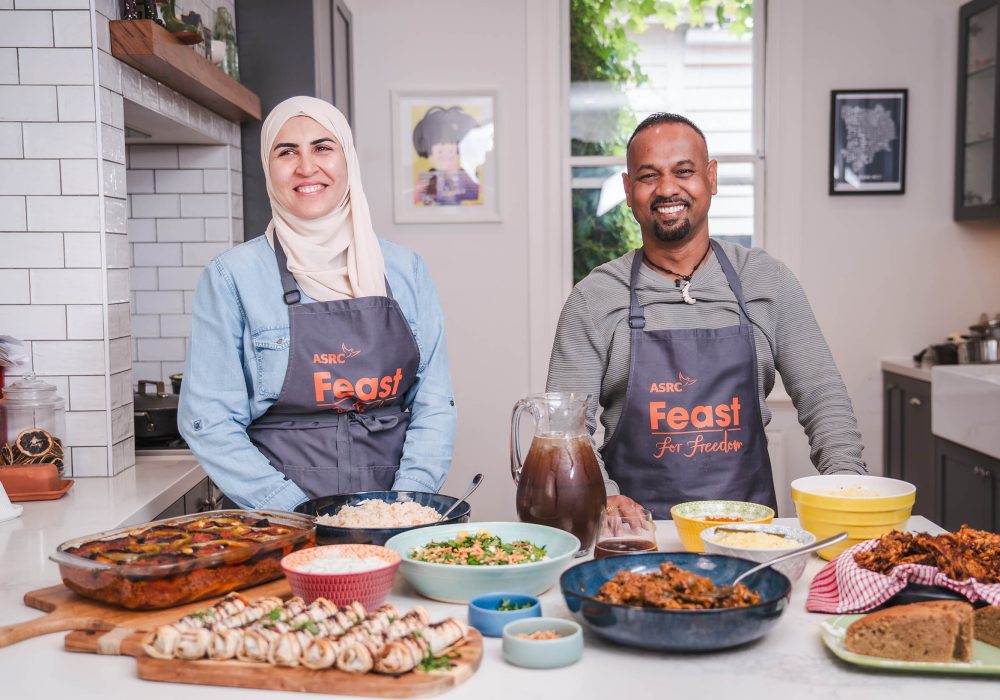
A Longer Table is exactly what it sounds like: one beautiful shared table inside the Asylum Seeker Resource Centre (@Asrc1), piled with generous dishes inspired by this year’s hero cooks, Noha and Nige.
From 6 to 9pm on Wednesday, 25 March, this is what you can expect:
🍽 A three-course shared feast
🍷 Matched drinks
🎶 Live entertainment
✨ A room full of good humans
Your ticket doesn’t just buy you a delicious dinner. It supports the ASRC’s vital work and helps create a fairer future for people seeking asylum.
Seats are limited, and long tables have a way of filling up quickly – head to @MelbFoodAndWine’s website to book now: feastforfreedom.org.au/mfwf
#FeastForFreedom #MelbourneFoodAndWineFestival #LongTableDinner #FoodForChange

Sew versatile! 🪡
Another great make from Lisa from @SunnySewsEveryday:
My #PeppermintWaratahWrapDress is finished and I’m so proud of it. It has been designed not to flap open and flash your pants in the wind, so I feel confident it will be a great wheelchair or standing dress in English weather.
#PeppermintPatterns #WrapDress #WrapDressPattern

Frame your face with the Peppermint Bucket Hat!
Stay safe and stylish in the sun with your very own self-sewn and self-drafted wide-brimmed bucket hat. This beginner-friendly sew is perfect for a sunny day. Get out your pencils – this pattern is created using equations and maths!
This DIY project was featured in Issue 53 and now you can access it for the lovely low price of only $5.
Sun-safe chic is always in style. ☀️
Find it via the link in our bio!
Photos: @KelleySheenan
#PeppermintPatterns #PeppermintBucketHat #BucketHat #BucketHatPattern #DIY

✨ INSTANT CLASSIC ✨
The Peppermint Myrtle Shift Dress is a beginner-friendly make with a few special details based on the ever-stylish shift shape – the perfect dress you need in your wardrobe right now!
Myrtle cuts above the knee with options to customise the length. Don’t think she’s reserved for hot weather either: try a heavier-weight fabric to turn your Myrtle into a pinafore-style garment for layering.
For our fabrics we chose two from our lovely sewing partner @Karmme_Apparel – the bold Rottnest Stripes in a lightweight, soft-drape cotton, and the quality linen in the handpainted Mexico Collection.
Get making the Myrtle – the only question is, can you stop at just one?
Link in bio 🪡
Fabric: @Karmme_Apparel
Sewist: @Laura_The_Maker
Photos: @KelleySheenan
Models: @SerahSews and @Pins_And_Tonic
Location: @ShareTheDignityAustralia
#PeppermintMyrtleShiftDress #PeppermintPatterns

It’s time to Feast!
Some recipes travel a long way before they land on your table to delight your taste buds. This year’s Feast for Freedom invites us to gather our friends, cook something delectable and raise funds for the incredible work of the Asylum Seeker Resource Centre (@Asrc1) while we’re at it.
The 2026 Feast features recipes shared by two remarkable cooks: Noha, who brought the flavours of Palestine with her when she arrived in Australia, and Nige, a Sri-Lankan Tamil cook whose journey with food began in the most unexpected of places.
You can host your own Feast up until 30 April – simply register online and get planning! Host a dinner, organise a workplace lunch, or gather your community… However you do it, the idea is simple: cook, connect and celebrate the cultures and stories that shape Australia.
Want to find out more? Head to the link in bio to meet Noha and Nige, learn more about their stories, and discover a delicious recipe to try.
#FeastForFreedom #PeppermintMagazine #FoodForGood #ASRC
