Content warning: This article discusses eating disorders. If you or anyone you know needs help with an eating disorder, call The Butterfly Foundation on 1800 33 4673.
Approximately 95 million photos and videos are shared on Instagram every single day. It’s a mind-boggling statistic that, while seemingly innocent, has real implications in the lives of everyday users – particularly in the nutrition space.
As influencers and brands prey (sometimes innocently) on the insecurities of impressionable young folks, questionable dietary advice and “what I eat in a day” posts flood social media feeds promising quick fixes and promoting bad habits. In fact, a survey conducted this year by Endeavour College of Natural Health revealed that 46% of young adults aged 18 to 24 followed influencers without any knowledge of their credentials.
“Whether it’s Instagram, TikTok or Facebook, there are too many incidents of so-called experts making inaccurate health claims,” Endeavour College nutrition trainer Sophie Scott says. “Not only can this be harmful, it’s also unethical and irresponsible. All people in a position of influence should be upfront and honest about their qualifications, especially if they are offering tips and advice in an area of health and wellness. Just as we expect to see accreditation when we enter a health practice, we’re calling on all health influencers to be clear about their qualifications so their audience can decide how credible they are.”
All people in a position of influence should be upfront and honest about their qualifications, especially if they are offering tips and advice in an area of health and wellness.
Meg Yonson, a recipe developer and art director who completed her nutrition studies at Endeavour College, has seen it firsthand. “With the rise of social media and the amplification of individual opinions, as well as the rise in interest in health and weight loss, there is a lot of space for misinformation and wellness ‘trends’ to take off,” she says.
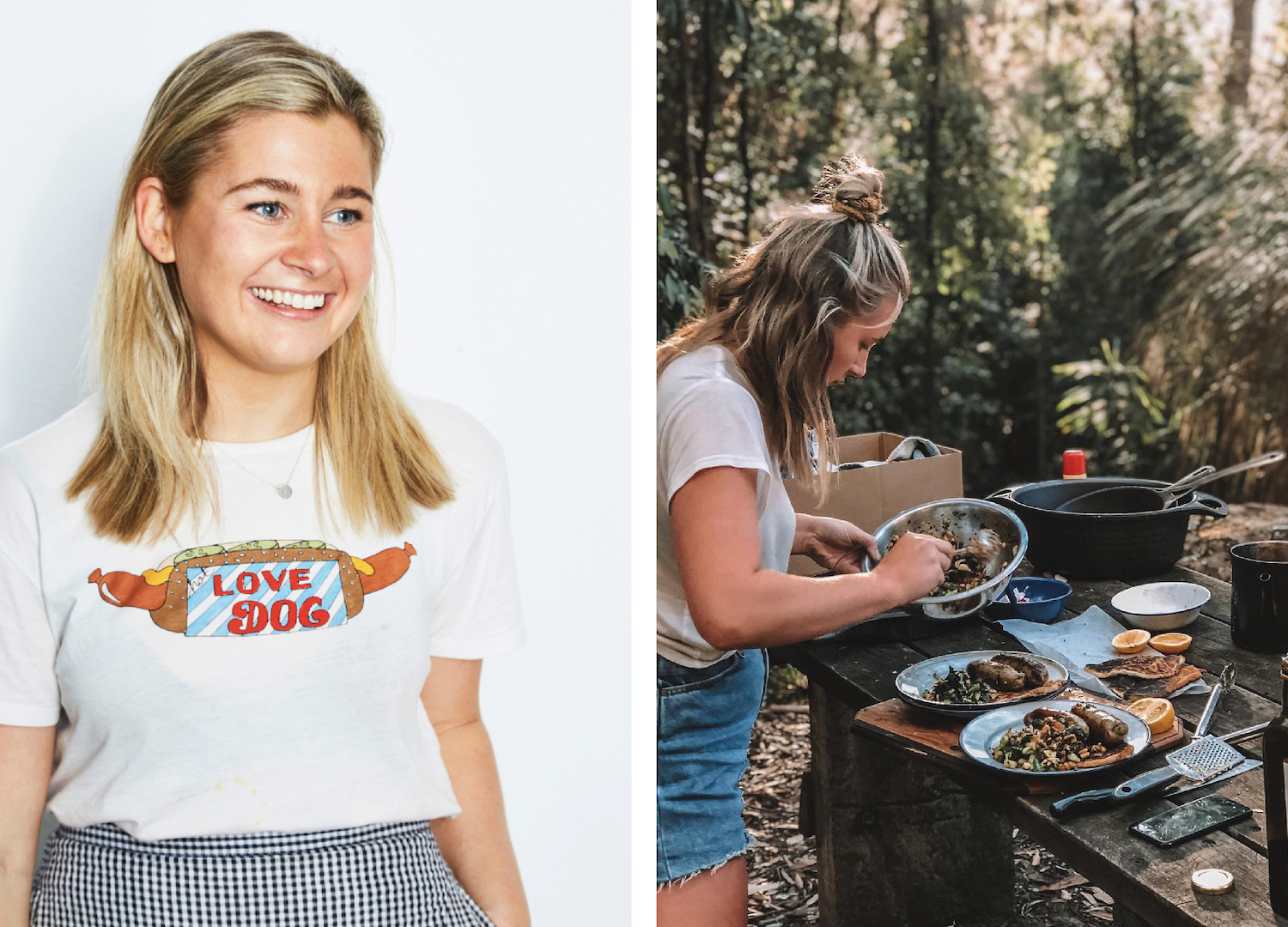
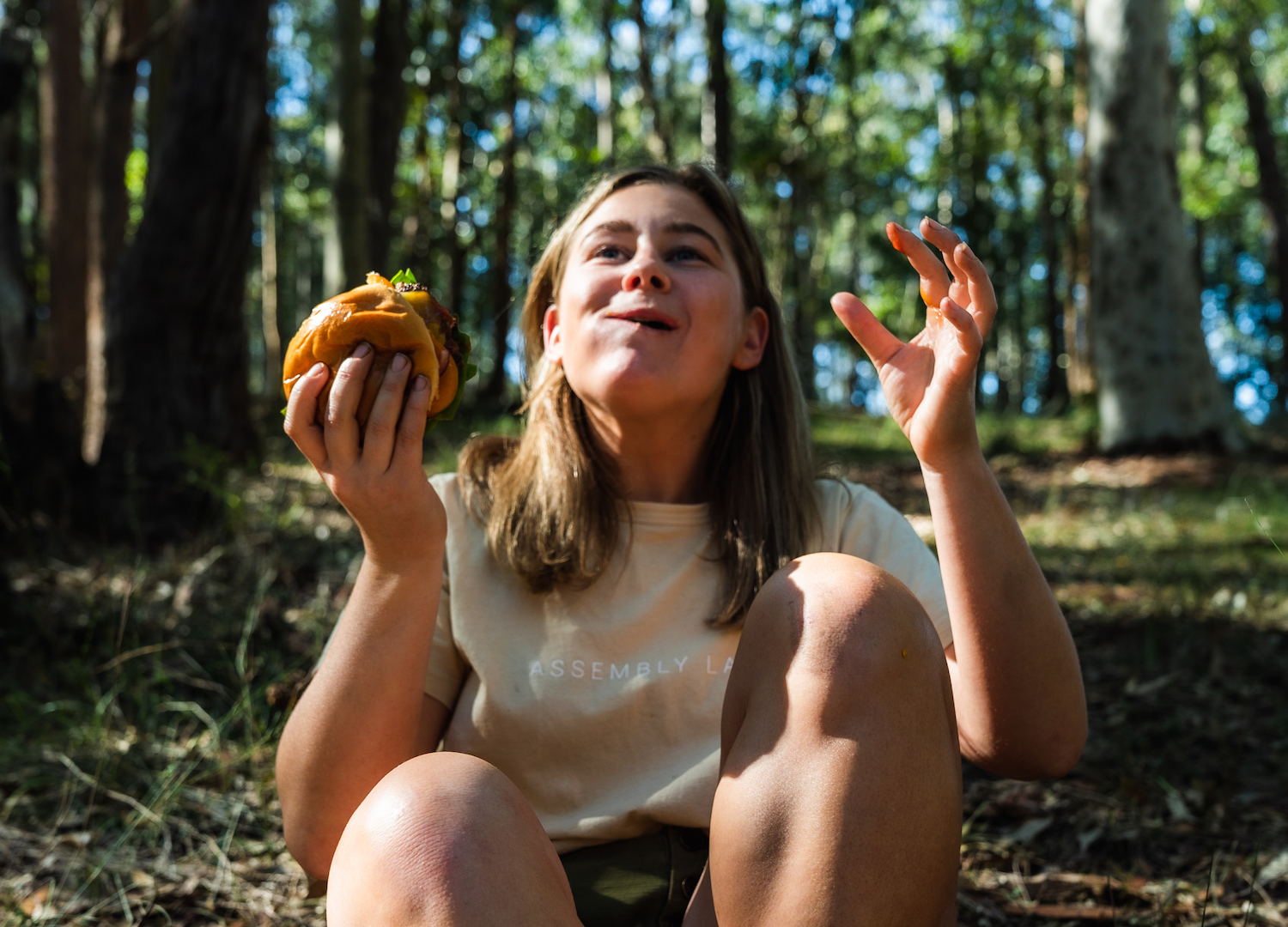
RECIPE DEVELOPER AND ART DIRECTOR MEG YONSON top left PHOTO BY ELLA MARTIN
“The biggest misconception I hear and see is that you need to find a ‘unicorn’ piece of nutrition advice to help you thrive. I see people searching for the next diet, what food they need to avoid or what superfoods and potions they need to buy. Unless you have a specific health problem, which should be treated through careful analysis and supplementation with a qualified health practitioner, it doesn’t need to be complicated or restrictive.”
The biggest misconception I hear and see is that you need to find a ‘unicorn’ piece of nutrition advice to help you thrive.
After an eating disorder consumed much of her childhood, Endeavour College graduate and clinical nutritionist Lexi Crouch dedicated her life to encouraging a positive, nutrition-led approach to body image and providing the insight that was missing in her own recovery.
“It is absolutely vital for health influencers to be qualified and transparent about their credentials as false claims can lead to dangerous and detrimental outcomes,” Lexi says. “With the large volume of influencers on social media these days, there’s a lot of confusion among people who follow influencers, with many taking their posts as gospel. From my own 20-year battle with anorexia and the ongoing work I do with eating disorder organisations and sufferers, I’ve experienced and witnessed firsthand the devastating impact of irresponsible influencers – I wish more influencers would think before they post.”

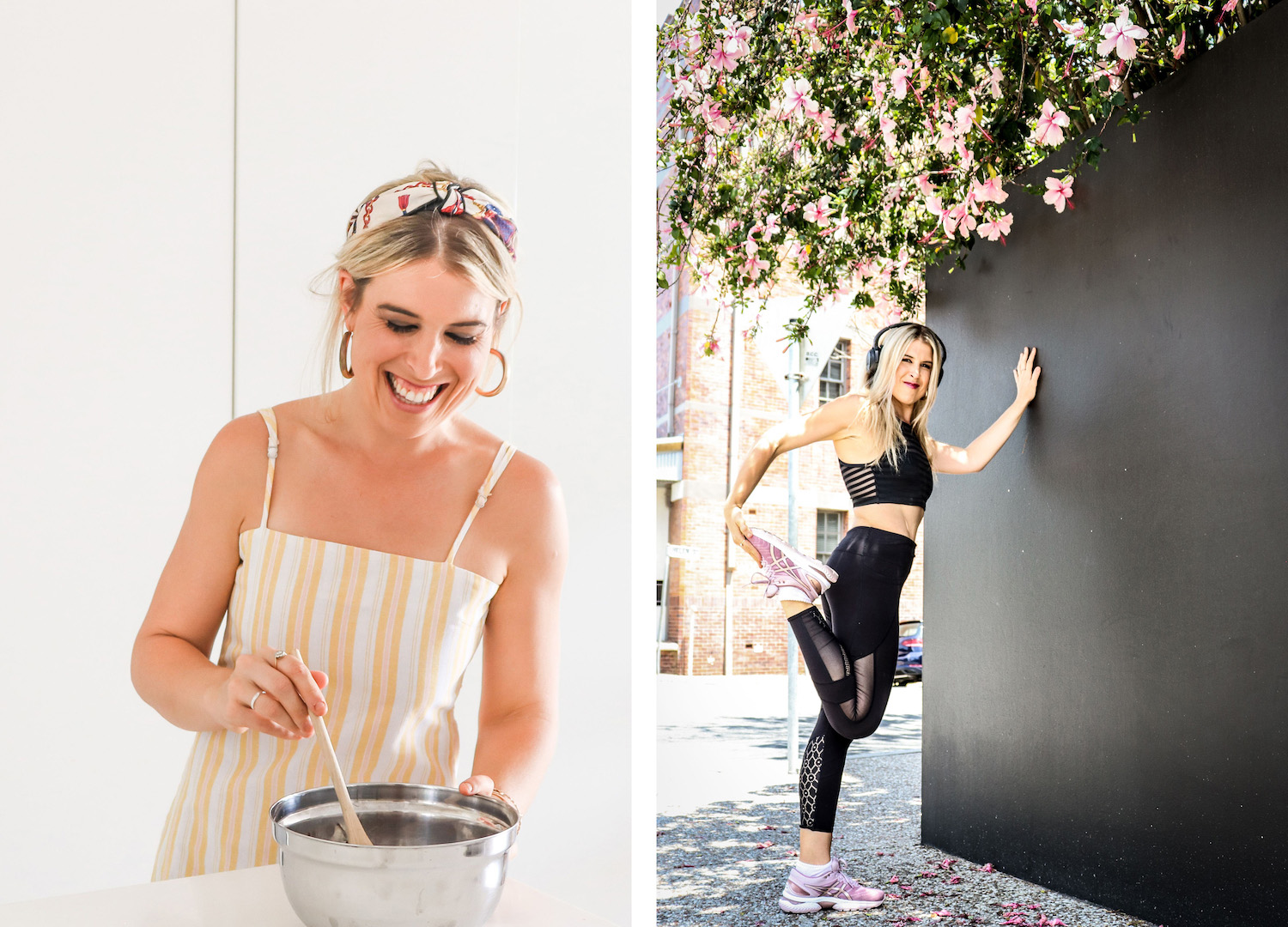
CLINICAL NUTRITIONIST LEXI CROUCH
“There is so much information available in current times, yet it does not always come from reliable sources which can lead to more damage than good,” she continues. “Questions to ask include: do the people giving advice have qualifications or training in the field? Does the source, if they’re a person, walk their talk (this can be hard to decipher on social media, so be careful) and has the information come from an evidence-based source – meaning has it been researched, studied and approved by relevant organisations?”
Fellow eating disorder survivor and Endeavour College alumni Nina Gelbke agrees. “It’s incredibly frustrating because I directly see the impact that it can have on people’s health and their relationship with food when people are giving ‘advice’ or spreading misinformation that isn’t based on evidence or in the relevant context,” Nina says. “So many people come to see me that have been overwhelmed, confused and often even led down the path of very disordered eating habits and beliefs due to this kind of information, both on social media and from people who aren’t properly qualified – like fitness coaches and personal trainers – giving them inappropriate nutrition recommendations. I just really hope the profession will become better regulated in the very near future.”
So many people come to see me that have been overwhelmed, confused and often even led down the path of very disordered eating habits and beliefs due to this kind of information.
Navigating life as a T1 diabetic, the plant-based, competitive athlete and sports nutritionist is particularly frustrated by unqualified nutritionists giving this ‘advice’ online. “I always say that social media is great for inspiration and a little education, but for individual nutrition and health advice or recommendations, it’s really important to seek individualised help from an accredited nutrition professional – as what’s best and right for you will be unique to you and your needs, circumstances and goals,” she shares.
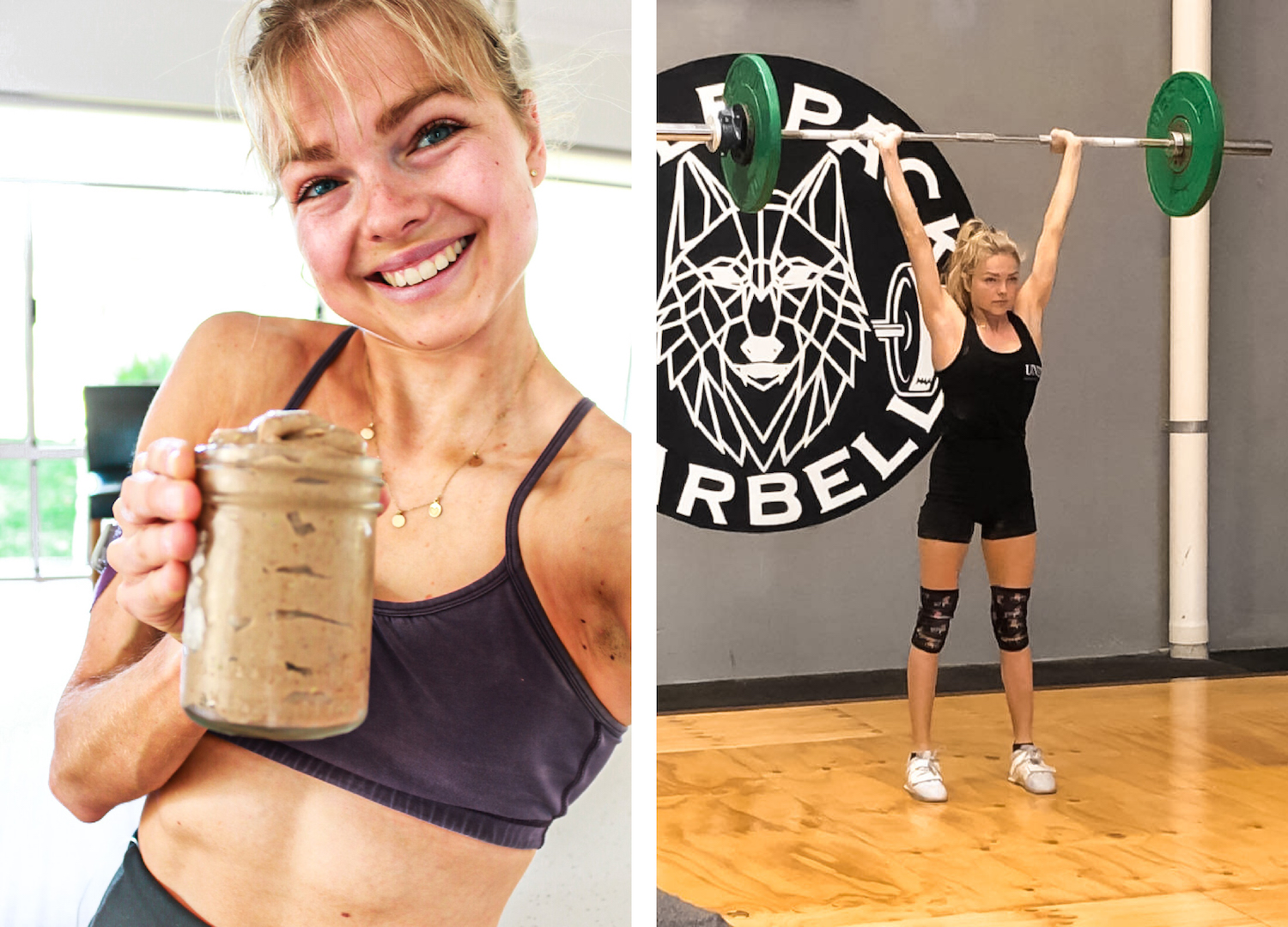
SPORTS NUTRITIONIST NINA GELBKE
Meg agrees: “I recommend always seeking information from a trained health care professional that you have a good rapport with, and talking to this person one-on-one, instead of taking generic information online, so they can tailor information to your own circumstances.”
It’s really crucial to know that nutrition is never black and white, it’s a million shades of grey.
Nina also says “really looking at where and who you are getting your nutrition information from” is so important to cut through the noise and get reliable, evidence-based and verified information. “Are they qualified in the field? Do they have an agenda, such as trying to sell you something? Can they back up their claims with evidence?” she says. “This can be so challenging, especially in the world of social media! It’s really crucial to know that nutrition is never black and white, it’s a million shades of grey. Certain things may hold true in certain situations, but be completely irrelevant, or even harmful in others. Context and individuality is so key!”
This article was created in partnership with our friends at Endeavour College of Natural Health who offer Bachelor of Health Science degrees in naturopathy, nutritional and dietetic medicine, acupuncture, acupuncture therapies and Chinese medicine, as well as four undergraduate certificates, diplomas in Chinese remedial massage and health science, and their new short courses at six campuses across Australia (Sydney, Melbourne, Brisbane, Gold Coast, Perth and Adelaide). For more information visit endeavour.edu.au.
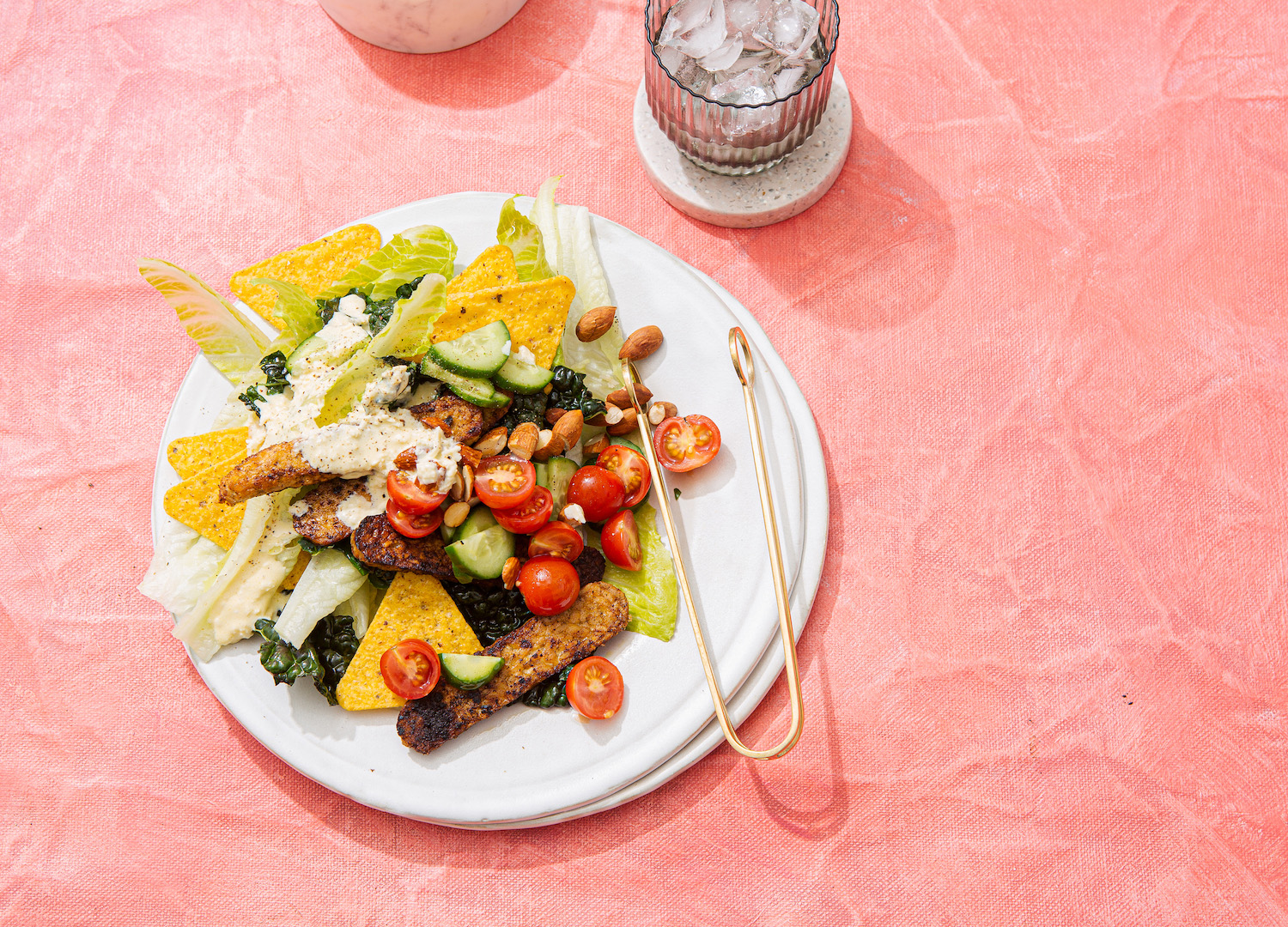
top image RECIPE BY MEG YONSON, PHOTO BY LUISA BRIMBLE, STYLING BY OLIVIA BLACKMORE