words FRANK JOTZO, AUSTRALIAN NATIONAL UNIVERSITY; ANNETTE COWIE, UNIVERSITY OF NEW ENGLAND; JAKE WHITEHEAD, THE UNIVERSITY OF QUEENSLAND, AND PETER NEWMAN, CURTIN UNIVERSITY
Humanity still has time to arrest catastrophic global warming – and has the tools to do so quickly and cheaply, the Intergovernmental Panel on Climate Change (IPCC) has found.
The latest IPCC assessment report, the world’s definitive stocktake of action to minimise climate change, shows a viable path to halving global emissions by 2030.
This outlook is much more favourable than in earlier assessments, made possible by tremendous reductions in the cost of clean energy technologies. But broad policy action is needed to make steep emissions reductions happen.
We each contributed expertise to the report. In this article, we highlight how the world can best reduce emissions this decade and discuss the potential implications for Australia.
All-in, right now
Frank Jotzo, lead author on policies and institutions
The IPCC identifies clean electricity and agriculture/forestry/land use as the sectors where the greatest emissions reductions can be achieved, followed by industry and transport.
Further low-emissions opportunities exist in other areas of production, buildings and the urban sector, as well as shifts in consumer demand. Overall, half the options to cut emissions by 50% cost less than US$20 a tonne.
While the IPCC does not provide a country-level assessment, it is clear Australia has all these opportunities.
The transition to zero-emissions electricity is well underway. Decarbonising industry and transport is a next step. Emerging technologies such as green steel and hydrogen offer Australia new, clean export industries. Fossil fuel use in turn is destined to fall, with coal dropping off particularly quickly.
And Australia’s large land mass provides massive opportunities to remove CO₂ from the atmosphere through plants – and in future, perhaps also through chemical methods.
The IPCC says comprehensive policy packages are needed to make deep emissions cuts happen.
It finds carbon taxes and emissions trading schemes have been effective, alongside targeted regulation and other instruments – such as support for research and development, uptake of advanced technologies and removing fossil fuel subsidies.
The report also emphasises the need for continued technological innovation, and to greatly scale up finance for climate action.
It puts weight on the importance of equity, sustainable development and comprehensive engagement across society to avert unmanageable climate change.
That requires climate action to take centre stage in society, involving all manner of groups. Independent institutions such as Australia’s Climate Change Authority have a strong role to play, and business should be actively involved.
So what’s the IPCC’s overriding message? The world’s governments must go all-in on addressing climate change. The opportunities are there and the toolkit is ready.
The world’s governments must go all-in on addressing climate change. The opportunities are there and the toolkit is ready.
Food for thought
Annette Cowie, lead author on cross-sectoral perspectives
To have our best shot at holding warming to 1.5℃, the world must hit net-zero emissions by mid-century.
Agriculture is a big contributor to global emissions. But the IPCC confirms the land also has a central role in getting to net-zero through measures that remove CO₂ from the atmosphere and store it, such as tree planting, soil carbon management and the use of biochar.
Benefits returned to farmers include improved soil fertility and income from carbon trading.
The way we produce and distribute food accounts for more than one-third of global emissions.
The report says one of the biggest individual contributions we can make to reducing emissions is adopting a sustainable, healthy diet and reducing food waste. Such a diet is rich in plant-based food, with moderate intake of meat and dairy.
We can also tackle direct emissions from food production. Manure can be made into biogas and feed additives offer promising ways to reduce livestock methane.
The report says one of the biggest individual contributions we can make to reducing emissions is adopting a sustainable, healthy diet and reducing food waste.

Moving the dial on transport
Peter Newman, coordinating lead author on transport // Jake Whitehead, lead author on transport
A set of technological solutions now exist to reduce emissions across energy, buildings, cities, transport and to a large extent, industry.
They include solar and wind-based power – now the cheapest form of electricity. They also include batteries and storage, electrified transport and “smart” technology that integrates these measures into zero-emissions solutions.
The IPCC report shows in the past decade, unit costs for solar have fallen by 85%, wind by 55% and batteries by 85%. Never before has the world had such an opportunity to decarbonise.
In recent decades, transport has been the laggard in emissions reduction. But, as the IPCC finds, technologies now exist to change the trajectory. Solar-powered electrification is rolling out for cars, bikes, scooters, buses and trucks.
Continuing advances in battery and charging technologies could enable the electrification of long-haul trucks, including electrified highways.
The IPCC assessed 60 actions individuals can take to reduce emissions. The largest contributions come from walking and cycling, using electrified transport, reducing air travel, as well as shifting towards plant-based diets.
This highlights how our individual choices matter.
Technology alone is not enough to reduce transport emissions. Cities must become more oriented toward public transport, walking and cycling. Effective new ways of doing this include on-demand shuttles, trackless trams and high speed rail.
Governments should provide incentives to supply and use electric scooters, bikes, cars, trucks and buses. This would ensure individuals and businesses who want to reduce their emissions have ways to do so.
The IPCC says cheap green hydrogen will be important to decarbonise aviation, shipping and parts of industry and agriculture. Much work is required in the next decade to bring this solution to fruition.
While government funding is vital to decarbonise transport, this transition also presents significant economic opportunities.
Australia could support transport decarbonisation globally through the mining of critical minerals, as well as the manufacturing, reuse and recycling of electric vehicles.
It’s time to act
Huge untapped potential exists to reduce global emissions quickly.
But the window of opportunity to reduce greenhouse gas emissions to safe levels is closing at an alarming rate. As the IPCC shows, fundamental change to both production and demand is required.
Clearly, business-as-usual is no longer tenable. The IPCC makes one thing patently evident: the time for action is well and truly upon us.
Arunima Malik, Glen Peters, Jacqueline Peel, Thomas Wiedmann and Xuemei Bai contributed to this article. See part one of the article here.
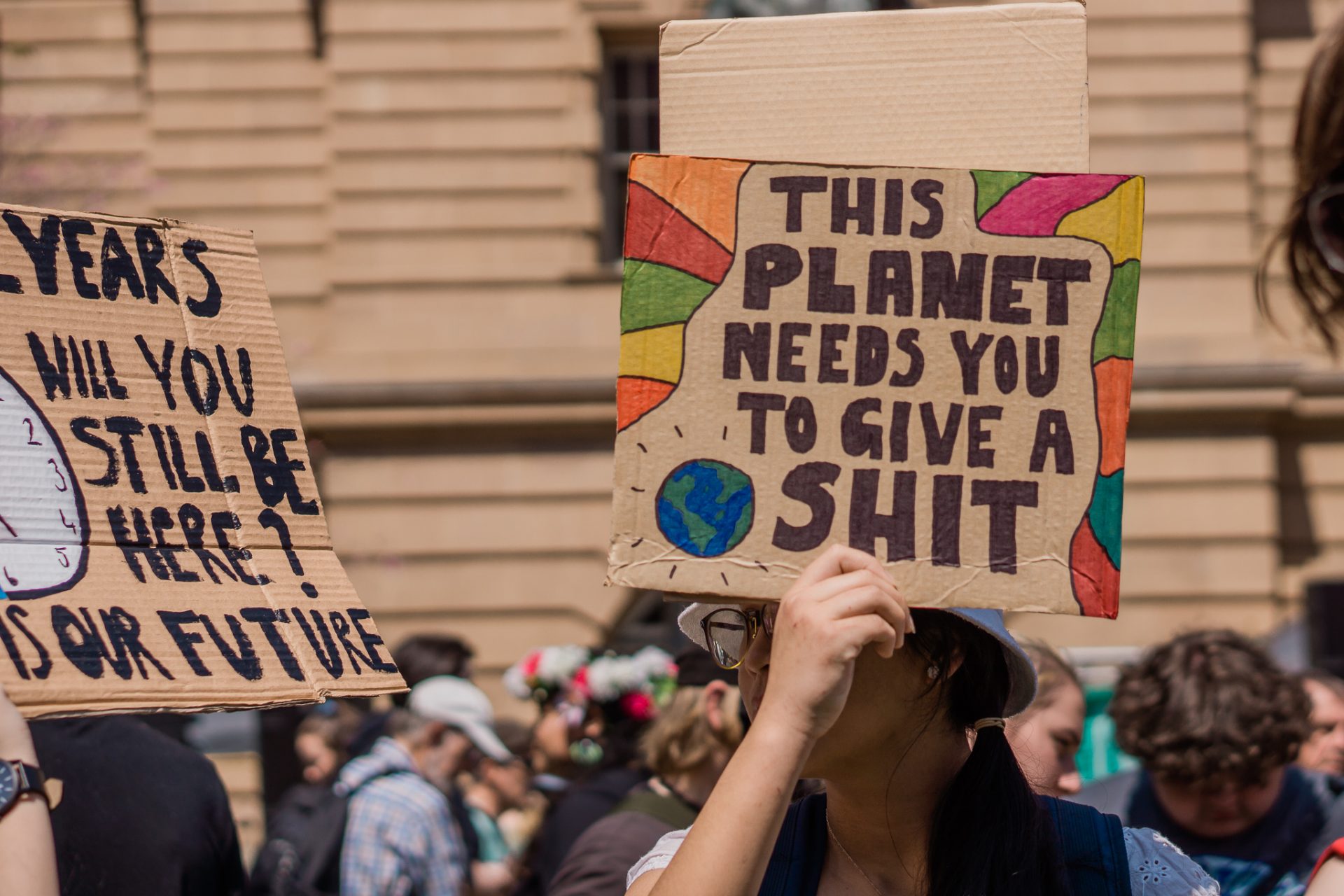
This article is republished from The Conversation under a Creative Commons license. Read the original article. Photos by Kelley Sheenan taken at 2019 climate strikes.





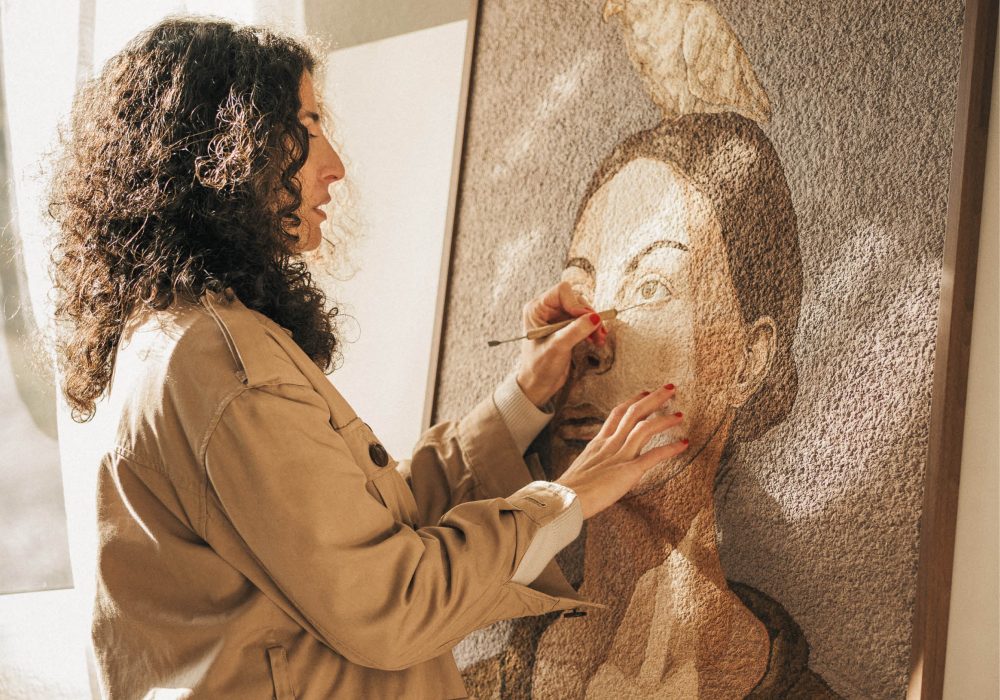


“My piece of advice for makers and designers? Run your own race… make sure your key decisions stay anchored in your brand’s core beliefs.”
- Bec Bligh
Quick show of hands: who’s opened a water bottle expecting a refreshing sip… and instead been greeted by the unmistakable whiff of uh-oh?
Because for something that follows us everywhere (desk, car, hikes, yoga…), the humble drink bottle is strangely prone to becoming a science experiment. Hard-to-clean corners and gaskets. Mystery smells. Bec Bligh and her husband Tim know it well. A six-month sailing trip along the Queensland coast left them with a lifetime of memories and one stubborn annoyance: mouldy water bottles they couldn’t properly clean.
So they did something about it.
Enter @EverVessel. Thoughtfully designed borosilicate glass and stainless steel bottles that keep things beautifully simple: durable materials, wide openings, easy-to-clean parts and none of the techy gimmicks that tend to age badly. Turns out simplicity, done well, is pretty powerful stuff. (Their many design awards agree!)
And lately they’ve added a little extra delight: the Artist Series, where creatives like Paola Castro, Ben Miners and Martin Thompson transform these everyday companions into tiny travelling artworks. There are more colabs in the works, too: hydration, but make it joyful! 🎨💧
We chatted with Bec about the sailing trip that started it all, the philosophy behind Ever Vessel, and why the most sustainable product is often just the one you keep using.
Tap the link in our bio to read the full conversation. 🚰
#EverVessel #ReusableWaterBottle


Pull up a chair… there’s room at this table!
For the first time, Feast for Freedom is bringing people together for a spectacular long-table dinner as part of the Melbourne Food & Wine Festival.
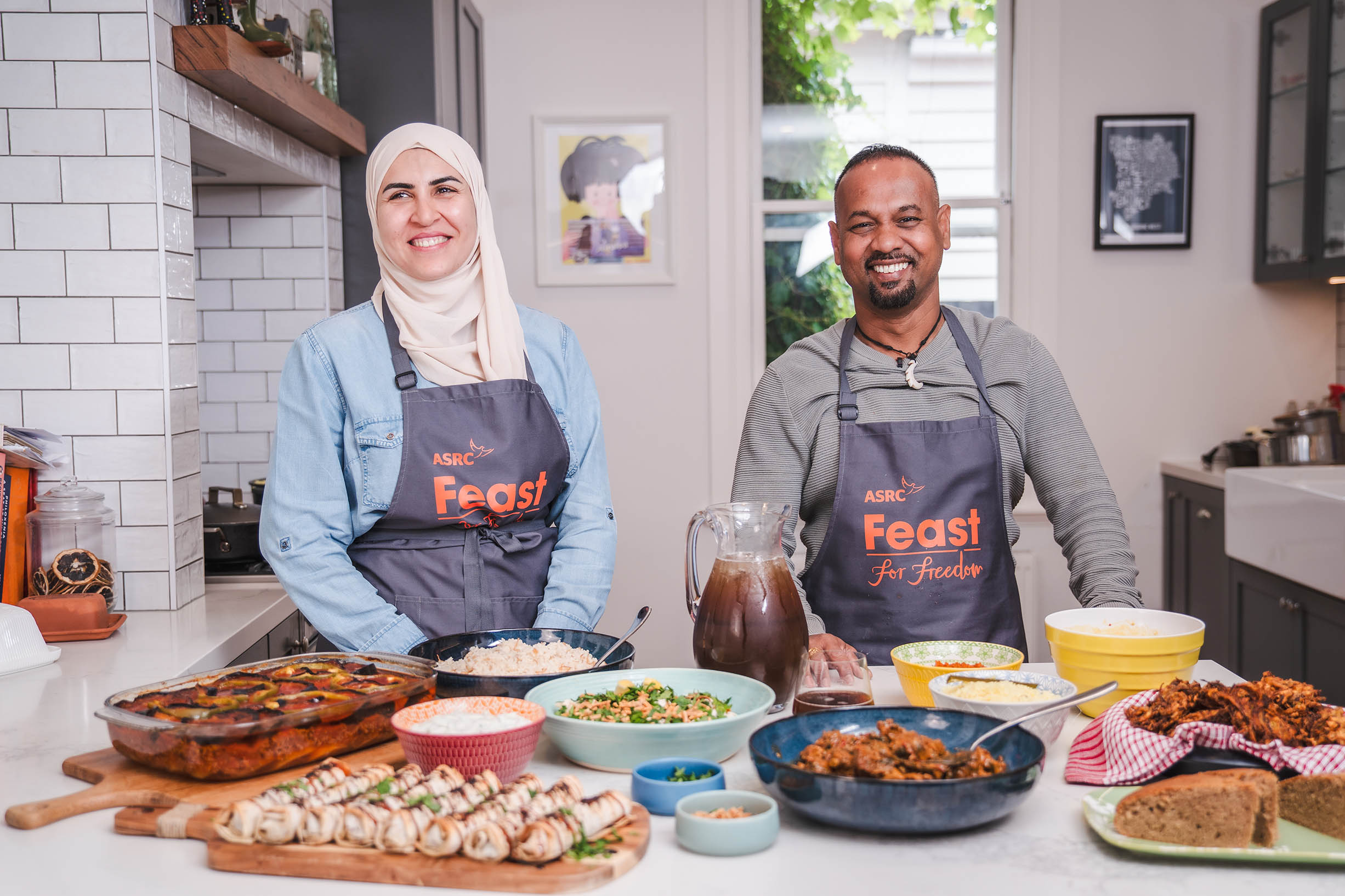
A Longer Table is exactly what it sounds like: one beautiful shared table inside the Asylum Seeker Resource Centre (@Asrc1), piled with generous dishes inspired by this year’s hero cooks, Noha and Nige.
From 6 to 9pm on Wednesday, 25 March, this is what you can expect:
🍽 A three-course shared feast
🍷 Matched drinks
🎶 Live entertainment
✨ A room full of good humans
Your ticket doesn’t just buy you a delicious dinner. It supports the ASRC’s vital work and helps create a fairer future for people seeking asylum.
Seats are limited, and long tables have a way of filling up quickly – head to @MelbFoodAndWine’s website to book now: feastforfreedom.org.au/mfwf
#FeastForFreedom #MelbourneFoodAndWineFestival #LongTableDinner #FoodForChange

Sew versatile! 🪡
Another great make from Lisa from @SunnySewsEveryday:
My #PeppermintWaratahWrapDress is finished and I’m so proud of it. It has been designed not to flap open and flash your pants in the wind, so I feel confident it will be a great wheelchair or standing dress in English weather.
#PeppermintPatterns #WrapDress #WrapDressPattern

Frame your face with the Peppermint Bucket Hat!
Stay safe and stylish in the sun with your very own self-sewn and self-drafted wide-brimmed bucket hat. This beginner-friendly sew is perfect for a sunny day. Get out your pencils – this pattern is created using equations and maths!
This DIY project was featured in Issue 53 and now you can access it for the lovely low price of only $5.
Sun-safe chic is always in style. ☀️
Find it via the link in our bio!
Photos: @KelleySheenan
#PeppermintPatterns #PeppermintBucketHat #BucketHat #BucketHatPattern #DIY

✨ INSTANT CLASSIC ✨
The Peppermint Myrtle Shift Dress is a beginner-friendly make with a few special details based on the ever-stylish shift shape – the perfect dress you need in your wardrobe right now!
Myrtle cuts above the knee with options to customise the length. Don’t think she’s reserved for hot weather either: try a heavier-weight fabric to turn your Myrtle into a pinafore-style garment for layering.
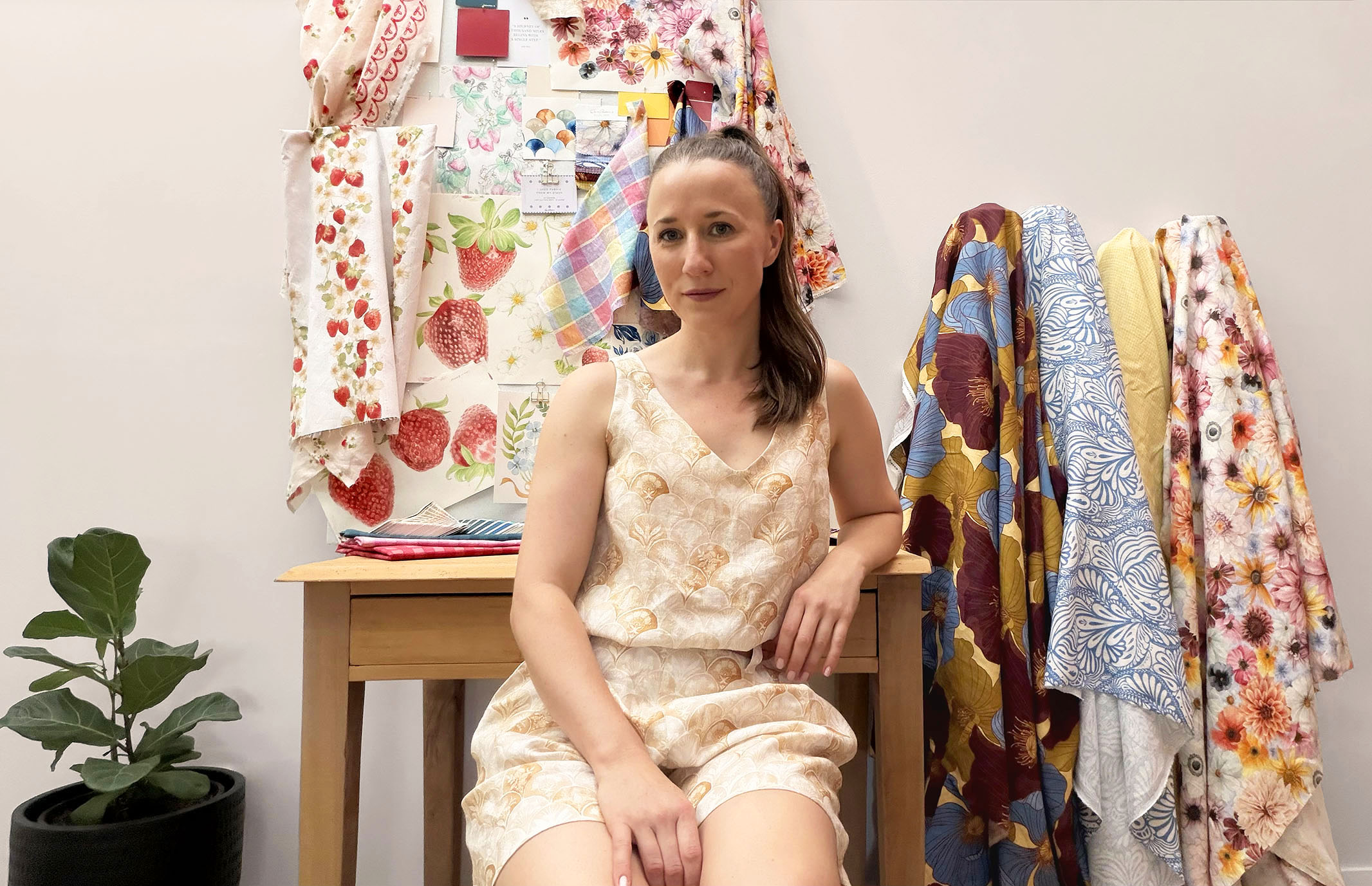
For our fabrics we chose two from our lovely sewing partner @Karmme_Apparel – the bold Rottnest Stripes in a lightweight, soft-drape cotton, and the quality linen in the handpainted Mexico Collection.
Get making the Myrtle – the only question is, can you stop at just one?
Link in bio 🪡
Fabric: @Karmme_Apparel
Sewist: @Laura_The_Maker
Photos: @KelleySheenan
Models: @SerahSews and @Pins_And_Tonic
Location: @ShareTheDignityAustralia
#PeppermintMyrtleShiftDress #PeppermintPatterns

It’s time to Feast!
Some recipes travel a long way before they land on your table to delight your taste buds. This year’s Feast for Freedom invites us to gather our friends, cook something delectable and raise funds for the incredible work of the Asylum Seeker Resource Centre (@Asrc1) while we’re at it.
The 2026 Feast features recipes shared by two remarkable cooks: Noha, who brought the flavours of Palestine with her when she arrived in Australia, and Nige, a Sri-Lankan Tamil cook whose journey with food began in the most unexpected of places.
You can host your own Feast up until 30 April – simply register online and get planning! Host a dinner, organise a workplace lunch, or gather your community… However you do it, the idea is simple: cook, connect and celebrate the cultures and stories that shape Australia.
Want to find out more? Head to the link in bio to meet Noha and Nige, learn more about their stories, and discover a delicious recipe to try.
#FeastForFreedom #PeppermintMagazine #FoodForGood #ASRC
