
Saving the planet doesn’t have to mean turning your life upside down. Australia has the opportunity to make the switch as a nation and become a renewables powerhouse, and, as individuals, we can all do our part and make simple switches to create change. It’s people power at its best. Every small switch made today will have a huge impact tomorrow.
“The act of switching off our lights for one hour has always been a show of solidarity for stronger action on climate,” WWF-Australia CEO Dermot O’Gorman says. “This year we want to inspire Australians to make small switches in their daily life to support Australia’s transition to renewable energy. Whether it’s switching to a solar energy provider, switching to a responsible superannuation provider or simply switching to reusable everyday items, we can all be making changes to help reduce emissions and protect our unique flora and fauna.”
We can all be making changes to help reduce emissions and protect our unique flora and fauna.
Thankfully, some brands and local community initiatives are starting to make it easy to turn lifestyle choices into global action. But what will you do to make the #SwitchforNature? Here are 11 simple lifestyle switches you can make this Earth Hour to help Australia become a renewables nation.
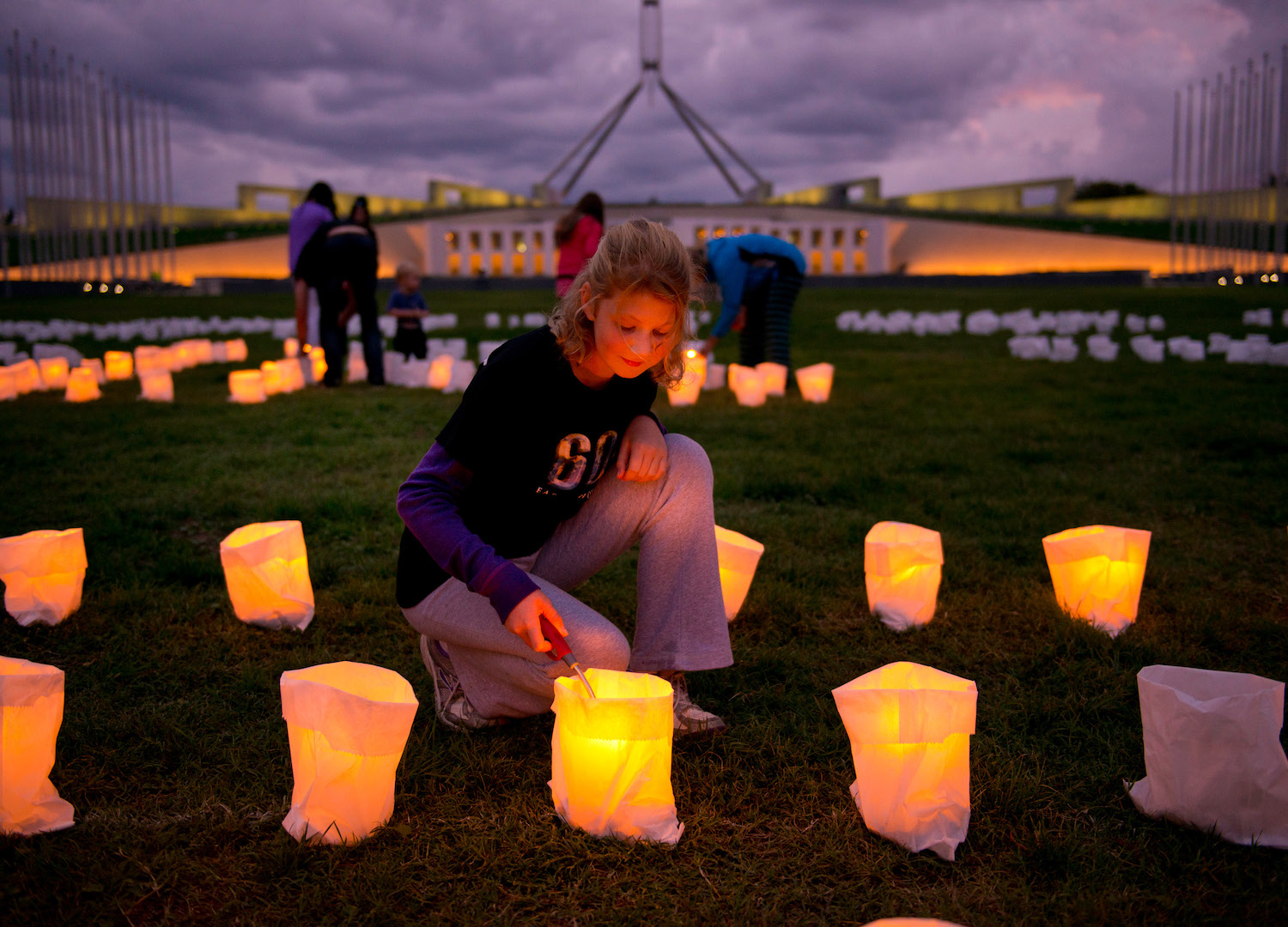
1. Switch to an ethical superannuation
Superannuation is savings for your retirement, but it doesn’t just sit in a bank account until you’re 65. Super funds invest this money — trillions of dollars — to turn a profit for you. While you can’t choose specifically how your fund invests your money, you can choose a fund that makes investments that benefit your future, such as renewable energy, instead of choosing to support fossil fuels, arms manufacturing and mining.
2. Join the clean money revolution
Whether it’s a rainy day fund you’ve been accruing over years or the small change that drip feeds your everyday coffee fix, your money has huge potential to be a force for good – and it all comes down to who you bank with. Every dollar invested in an ethical bank has the potential to have a significant impact on emissions so consider moving your money to align your banking with your values.

3. Switch to a planet-friendly mobile plan
While we’re scrolling, swiping and texting whenever we want, the cell towers and data centres our phones are connected to are producing carbon emissions through the electricity they use. Thankfully, there are new carbon-neutral mobile plans that let us enjoy our phones and reduce our impact at the same time.
4. Switch to solar power
Did you know that if all households were to switch to solar, it would be equivalent to taking all forms of transport off the road? If you’re a homeowner, there are still government subsidies that will fund the installation of solar panels on your house to help offset your usage. If you’re renting, choose projects and products that use solar power, switch to a green energy provider (see tip #9), or join a community solar project.
5. Plant for pollinators
Bees, butterflies and pollinating birds are crucial to our global food security. One-third of the food we consume and 80% of flowering plants need pollination to do their thing. By choosing plants that attract native pollinators, your flowers and veggies will thrive while offering pollinators a place to rest and feed as they move around our cities.

6. Choose carbon offsetting wherever you can (and understand why it works)
Carbon offsetting is reducing the impact of everyday activities that cause carbon emissions. It’s simple: one carbon credit equals one tonne of carbon dioxide removed from the atmosphere by trees. The easiest way to do this is by always choosing to offset your air travel or parcel deliveries where possible — your money will be invested in projects that could empower communities, protect ecosystems, restore forests or reduce reliance on fossil fuels.
7. Give your old wardrobe new life
We all love clothes, but clearly, we don’t love them enough because each of us is sending an average of 23 kgs of textile waste to landfill each year. According to the Australian Bureau of Statistics, that’s 85% of all textiles purchased ending up in landfill. This switch is easy: choose high-quality clothing that lasts, only donate wearable clothing and find a textile recycling service for anything stained or unwearable. And give your old wardrobe a good once-over every few months — you may find some gems in there that you can roll out again, instead of purchasing new clothes.
8. Reduce your food waste
Did you know that on average, one-third of all food produced globally goes to waste? Choosing to be conscious of the amount you buy and cook, as well as always eating leftovers, is a good place to start. Disposing of your food scraps into a worm farm or compost heap will help your garden thrive while also greatly reducing the amount of food that ends up in landfill.
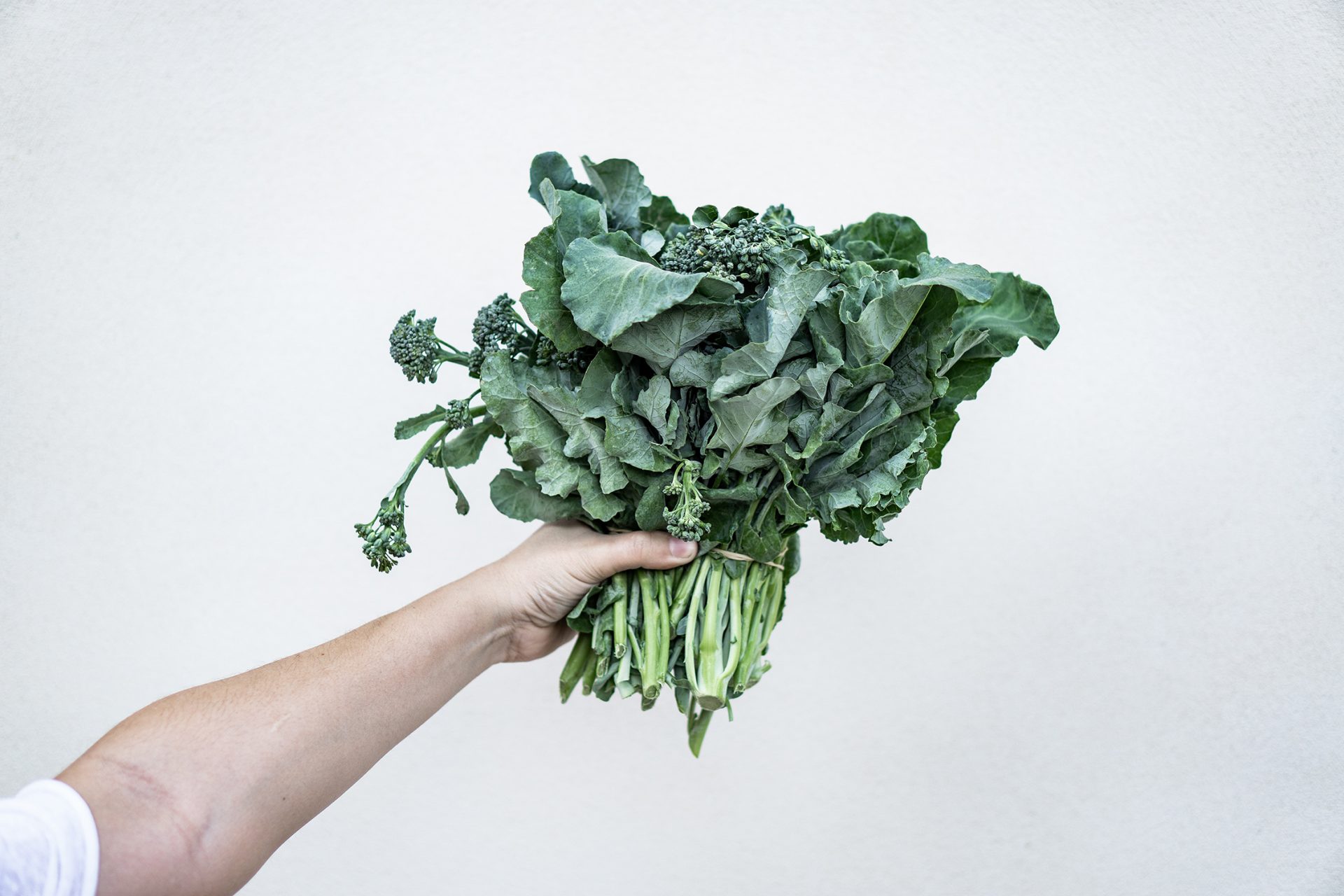
9. Switch to different forms of planet-friendly transportation
Bicycles. Electric scooters. Public transport. Electric cars. Walking. There are so many ways we can reduce our impact on the environment by choosing to reduce our reliance on cars and fossil fuels. Transport like walking or cycling is good for your health too!
10. Switch to a carbon-neutral or green energy provider
There are lots of energy providers to choose from, and some of them offer either carbon-neutral or renewable energy product options (or both). While breaking up with your current provider can feel hard to do, it’s actually really simple and will instantly reduce your impact on the planet. Otherwise check if your current provider has the option to add GreenPower to your power bill – it may cost a little more, but what’s the cost if we don’t?
11. Switch to a reusable coffee cup
In 2017, ABC TV’s War On Waste program showed us the extremes of our single-use plastic addiction by filling a Melbourne tram with 50,000 disposable coffee cups — the number Australians were using in just 30 minutes each day. It’s still a confronting image today. Simply by switching to a reusable coffee cup, and taking it with you every day, you can help greatly reduce waste sent to landfill.

So, what #SwitchForNature will you make when the lights come back on? Sign up here to join the Earth Hour movement and download your exclusive social media bundle! Make sure to use the hashtag #SwitchForNature and show us how you’re switching off this Earth Hour.
This article was produced in conjunction with Earth Hour.

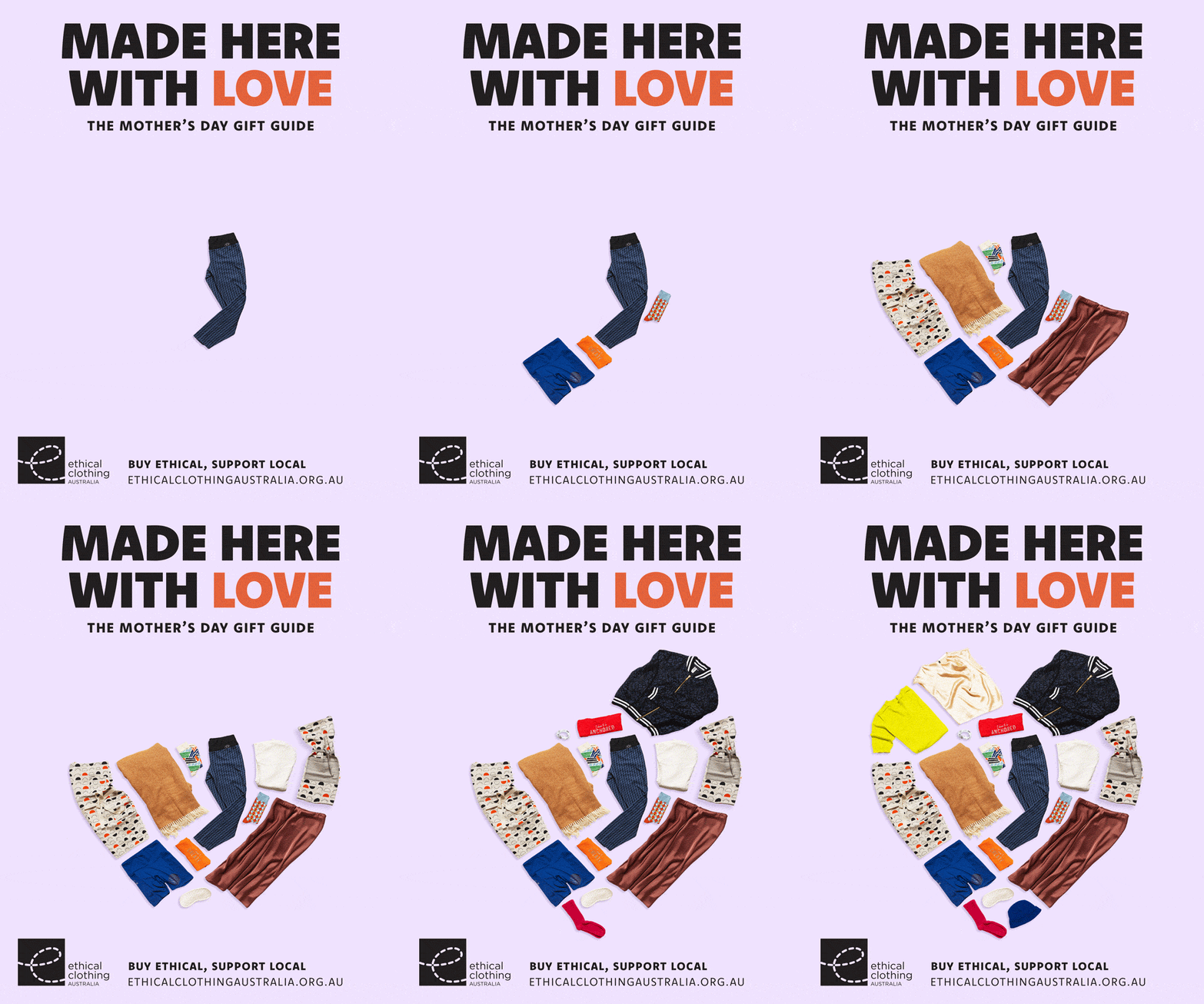



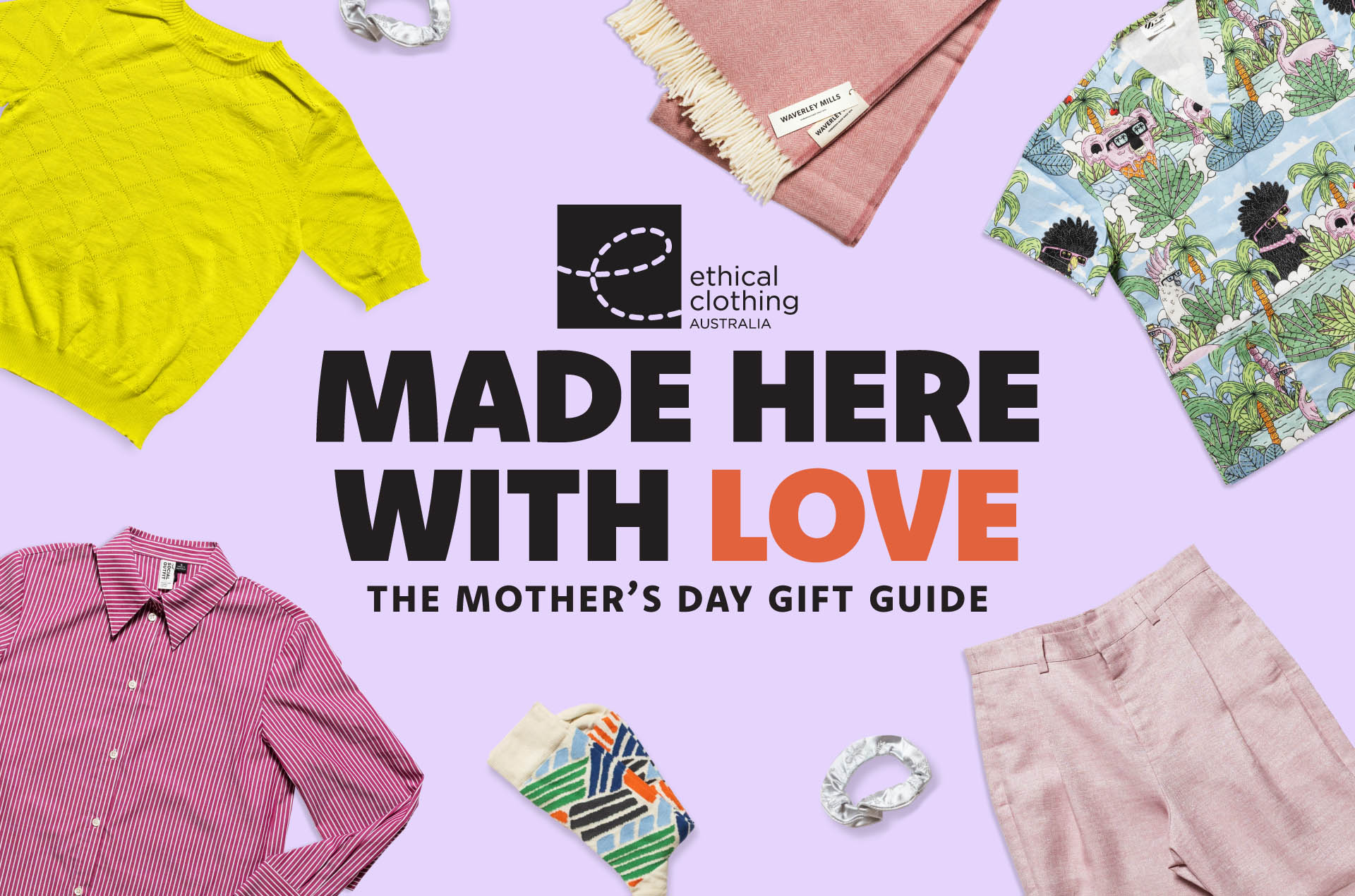






Between 2000 to 2015, global clothing production doubled... while the duration of garment use decreased by 36%.
We are throwing away clothing at a faster rate than ever before. How can we tackle this problem?
✨️ WEAR
Be an outfit repeater - wear your items of clothing as long as possible. Learn to style your garments in various ways. Loved clothing lasts.
✨️ SHARE
If you really need to move it along, share the love with friends - hold a clothing exchange night! Or organise a timeshare with a friend where you swap a few favourite pieces of fashion. If you really can`t find a new home for it, then donate to an op shop or charity.
✨️ CARE
The care of your clothing – washing, drying and ironing – can account for approx 30% of a garment`s total carbon footprint. Hand wash, line dry, wash in cold water, and only wash when necessary.
✨️ REPAIR
Mending – and making – slows down fast fashion buying habits. Repairing used to be common practice, until disposable fashion took over. Extending the life of clothing by just nine months can reduce carbon, water, and waste footprints by 20–30%. Fixing doesn`t need to just be utilitarian – get creative with visible mending!
*Fact from The United Nations Environment Programme
#PeppermintMagazine #WearShareCareRepair #SustainableFashion


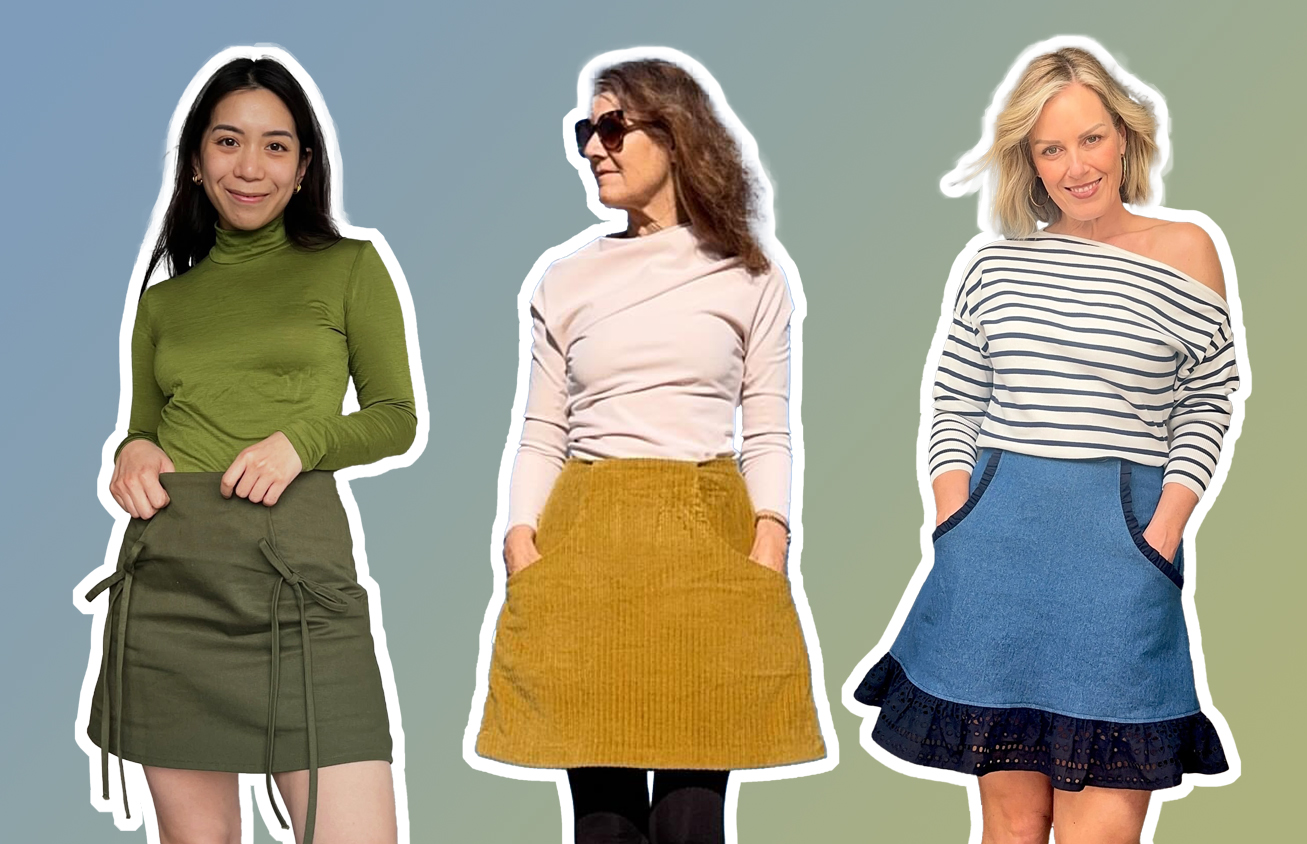
Have you whipped up the Acacia A-Line Skirt yet? 🪡
Accessible to beginner and experienced sewists alike, its classic style makes this skirt a wardrobe staple and a pattern you can happily play on repeat. Curved front pockets and the fun exposed-zip detail at the centre back make this style pop! The Acacia is a blank canvas, awaiting inspiration – add contrast top stitching, trim the pockets with bias binding or even change the length. We’ve chosen the smooth, clean lines that come from facing the waist, with back darts to ensure a neat fit on the hip. *chef’s kiss*
This pattern was made with the support of the lovely folk at @WeftAndWarpFabrics 🫶🏼 The team at Weft and Warp graciously sent three sewists the fabric of their choice to whip up their own Acacia A-Line – the results are super sweet!
Head to our website to see the makes from @The.Sewcialite @HandmadeByCarolyn and @You_CanSew - link in bio!
#PeppermintAcaciaAlineSkirt #PeppermintPatterns #WeftAndWarpFabrics #MeMade

Polka dots for days…
We love this Tansey Top by @_Rubys_Threads_ - the ultimate simple but stylish top you need in your rotation now!
Pattern: #PeppermintTanseyTop
Fabric: Japanese cotton @RawFibre
#MeMade #PeppermintPatterns

How`s your long weekend going? Working hard on your PhD? 🪡✂️🧵
Image from JoellsLeatherWorks on @Etsy
#ProjectsHalfDone #SewingPile #ProjectPile

In case no-one has told you lately, Emma Giacalone says you`re a good egg. (And we happen to agree).
This incredible mini egg embroidered 3D artwork was created by @Emma_Giacalone_Textiles, a textile artist in Gloucestershire, UK.
"When we buy an item of clothing, a label is attached telling us how to look after it to keep it at its very best. My mission is to create little care instructions to help to remind us to lead our happiest life."
INGREDIENTS: Freehand machine embroidered onto 100% cotton, using Egyptian cotton thread, and wool felt backing.
#EasterArt #GoodEgg #TextileArt

No ordinary wrap dress! 💃
Wrap dress wardrobe malfunction? Not with the Peppermint Waratah Wrap Dress pattern! We designed the Waratah to make sure this never happens.
Enjoy a few BTS videos from this super fun shoot. Maybe some inspo for Easter weekend sewing?
MODELS/SEWISTS: @Melt.Stitches, @KatieMakesADress @Tricky.Pockets @Laura_The_Maker
Head to the link in bio for the #PeppermintWaratahWrapDress 🪡
#PeppermintPatterns #SewingPattern #MeMade #WrapDress
