
Best known as the charming bassist and keeper of the rhythm and harmonies at the heart of Aussie icons Spacey Jane’s melodies, Peppa Lane’s also steadily building a following as a fierce advocate for sustainability. Her TikTok, Pep4Planet, is a treasure trove of facts and tips as lo-fi and genuine as she is, encouraging followers to avoid consumerism, purchase pre-loved, reuse and repair, combat food waste, and attend a protest or two while they’re at it. And she still finds time to make great music! Spacey Jane’s third album, If That Makes Sense, drops on 9 May, offering a strong, cohesive flow and emotional journey showcasing a band coming into their own. They’ve described it as “an album that parses the big stuff: heartbreak and longing, how the past can prefigure the future, the gulf between what’s been said and what’s been done, rewriting the script.” While frontman Caleb Harper tapped into the deeply personal well of his childhood and formative relationships to craft the lyrics, it could fairly be said that the ‘big stuff’ could also apply to our relationship with the earth. Our Deputy Editor Donnay Torr sat down with Peppa to chat about her advocacy, conjuring a new album, and finding hope in connection. (And, of course, her tips on how NOT to kill houseplants!)
IMAGES: COLE BARASH. OTHER IMAGES COURTESY OF PEPPA.

Hi Peppa! You left social media a while ago, but then decided to get back on TikTok to start a conversation about sustainability. What made you decide to raise your voice in the first place?
I’ve definitely been very passionate about it my whole life, but a time came when I was thinking about the music industry and my impact on the planet, and realising that my career doesn’t feel very sustainable (in terms of the planet!). I was tossing up different ways of changing and making more of the positives than the negatives, and getting on TikTok was one of the solutions I came up with to start doing more and kind of ‘offset’ my impact.
Is this something the band’s on board with?
Slowly but surely, yeah! For our next few tours we’re doing the ‘Plus One’ concept on our ticket sales – a dollar for every ticket gets donated to a sustainable cause, and we’ve chosen to donate our dollar for every ticket to an Indigenous-lead sustainability project. We’re also leaning towards more sustainable merch, choosing options like organic cotton, for example, which also feels much nicer. It’s a great start and I’m proud that we’re doing those things.
You were at the Rising Tide protests in Newcastle, interviewing people on the ground – is connecting with likeminded people important to you?
That event was so inspiring! And it’s been such a nice talking point and conversation starter when people see that I went there. It’s amazing to experience the number of people who’ll engage with you when you start speaking about sustainability and climate action. I guess you realise that most people are thinking about it and feel similar things to you. And yes, I think connecting with other musicians who’re doing similar things is important, it makes you feel less alone in fighting the good fight. Feeling connected to likeminded people can be a powerful thing to combat overwhelm, whether that’s reaching out to someone you know, getting involved with an organisation, or even just listening to a podcast.
Talking about the climate crisis can bring the trolls out of the woodwork – ‘oh, you guys are protesting climate change but wearing plastic vests’ kind of comment… How do you deal with that?
Yeah. I think there’s this pressure to be absolutely perfect if you’re going to say anything about the systems we’re living in – but obviously no-one can BE perfect, because we do live within these flawed systems, and we can’t avoid it! I think doing something – even if it’s just a small thing – is always better than nothing. And you can do it in a way that feels quite rewarding: I know of people saving on power in their home, and then they use the money saved to do something really fun. That’s a good way to feel ‘wow, this was really great and I want to try doing something else as well, and just build on my repertoire of things I can do’.
I think doing something – even if it’s just a small thing – is always better than nothing.

What has being part of Spacey Jane meant to you, both creatively and in your ability to reach others?
That’s a great question. It’s a responsibility that I don’t take lightly. I think I’m very fortunate to have a platform, and if I can use that to make some kind of difference I think that I really want to and almost, like, should? I’ve spoken to musicians who say that they use their music as a big way of creating change and music has always been a way to change things, but I think even if you’re just making it clear to the industry and to people who look up to you that sustainability is something that you’re passionate about, it still has an impact.
Creatively, it’s awesome! I’m very lucky that within the band we are given full creative freedom over our parts that we write: it’s still a collaboration, but feels very much like we’re able to express ourselves creatively in the music itself, and also on stage and in the visuals we project. I also have another project [Lipstick Palms] with my partner [Tom Mahler, frontman of The Moving Stills], so that’s another creative outlet. I feel very creatively fulfilled by both projects.
Can you tell us a bit more about the making of ‘If That Makes Sense’? How have you grown, musically?
I think I’ve come into my playing a little bit more. I always do feel nervous pre-recording, because I want to do justice to the songs, but I felt more confident in my skills this time. I think everyone felt that way, which was really nice. Having a longer period of time to create meant we could go back to parts and tweak and refine, and you can hear that in the songs. We also came together more as a band, if that’s even possible – we basically live in each other’s pockets! But we went to the US to record this album, and it was sort of just the four of us in LA, a little bit isolated in a whole new space, so it felt like we were relying on each other more for all the social needs required. I think you can hear that in the music, too. The collaborative process was really essential to all our lives during that time.
Do you have a favourite song from the album?
My favourite song at the moment is called ‘August’, it’s the last song on the album. I got the honour of singing some of Caleb’s lyrics, they are very beautiful and emotional. I’ll leave a little teaser: the last line of the whole album is a special one!

In your sustainability journey so far, is there a moment that made you really proud of yourself?
Doing those interviews at Rising Tide was very rewarding actually, it meant that I had an excuse to talk to all these different people, and yeah I just got some great perspective on things! But one other thing I’m quite proud of… I’m passionate about offsetting flights, because I do a lot of flying, and I was trying to get creative with it. So I decided I’m going to try and save up for a flight by collecting plastic bottles that had been thrown on the side of the road, and getting ten cent refunds on them. For a few weeks I was just collecting hundreds and hundreds of these bottles, and I think I got to, like, $300 – which wasn’t enough for my flight, but it was still pretty good!
Good one! Do you have any go-to tips that have helped you live more sustainably?
Eating less meat is one that I’ve found fairly easy to be honest. I think even if you just try to go off – or eat less – meat for a month or a week or a day and regularly repeat that, it’s still better than eating it all the time. I’ve been very lucky in that I’ve recently been surrounded by a lot of passionate vegans who are really good cooks, so that’s shown me the entire realm of possibilities out there for vegan food. And even ordering the vegan option at a cafe or restaurant might really surprise you with how good it is. It’s inspired me to cook more like this at home.
What gives you hope for the future?
Just slowly seeing more diversity in all areas and industries, particularly in music – having more perspectives and voices lifted up on everything, particularly Indigenous perspectives, is just really important and exciting. When I see amazing Indigenous artists or women or people of colour in any industry it just gives me so much hope – it’s the stuff that I personally really want to get engaged with, and get excited about engaging with.
And finally: in the spirit of the single ‘How To Kill Houseplants’ – can you tell us how NOT to kill them?
Hahaha! I like the positive spin on that question! You keep them alive by spending time with them, loving them, and being sensitive to their needs – whether that’s more water or sunlight, or less water and sunlight. Yeah!
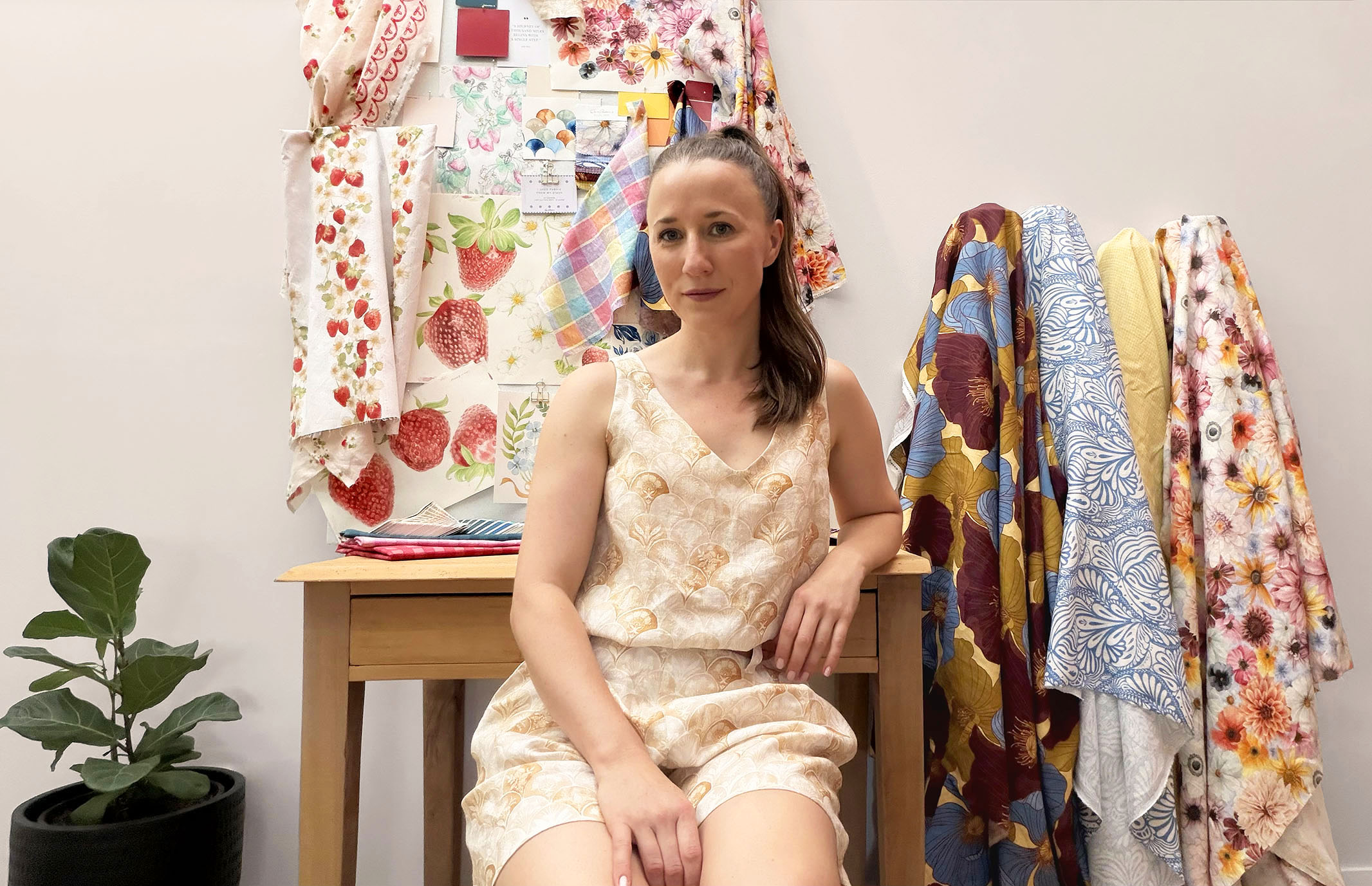

“My piece of advice for makers and designers? Run your own race… make sure your key decisions stay anchored in your brand’s core beliefs.”
- Bec Bligh
Quick show of hands: who’s opened a water bottle expecting a refreshing sip… and instead been greeted by the unmistakable whiff of uh-oh?
Because for something that follows us everywhere (desk, car, hikes, yoga…), the humble drink bottle is strangely prone to becoming a science experiment. Hard-to-clean corners and gaskets. Mystery smells. Bec Bligh and her husband Tim know it well. A six-month sailing trip along the Queensland coast left them with a lifetime of memories and one stubborn annoyance: mouldy water bottles they couldn’t properly clean.
So they did something about it.
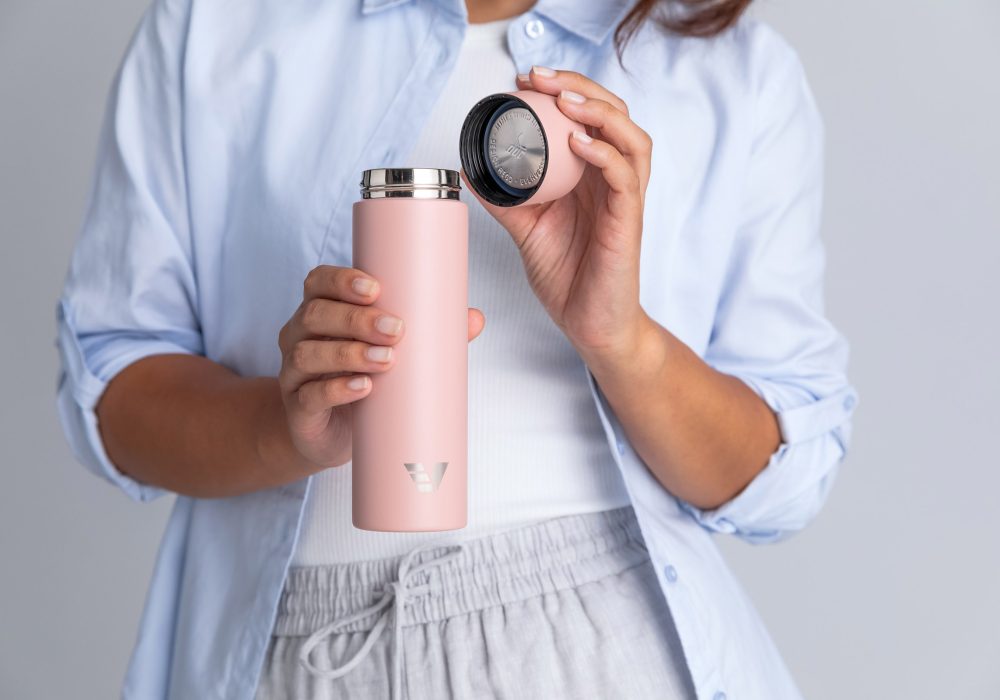
Enter @EverVessel. Thoughtfully designed borosilicate glass and stainless steel bottles that keep things beautifully simple: durable materials, wide openings, easy-to-clean parts and none of the techy gimmicks that tend to age badly. Turns out simplicity, done well, is pretty powerful stuff. (Their many design awards agree!)
And lately they’ve added a little extra delight: the Artist Series, where creatives like Paola Castro, Ben Miners and Martin Thompson transform these everyday companions into tiny travelling artworks. There are more colabs in the works, too: hydration, but make it joyful! 🎨💧
We chatted with Bec about the sailing trip that started it all, the philosophy behind Ever Vessel, and why the most sustainable product is often just the one you keep using.
Tap the link in our bio to read the full conversation. 🚰
#EverVessel #ReusableWaterBottle


Pull up a chair… there’s room at this table!
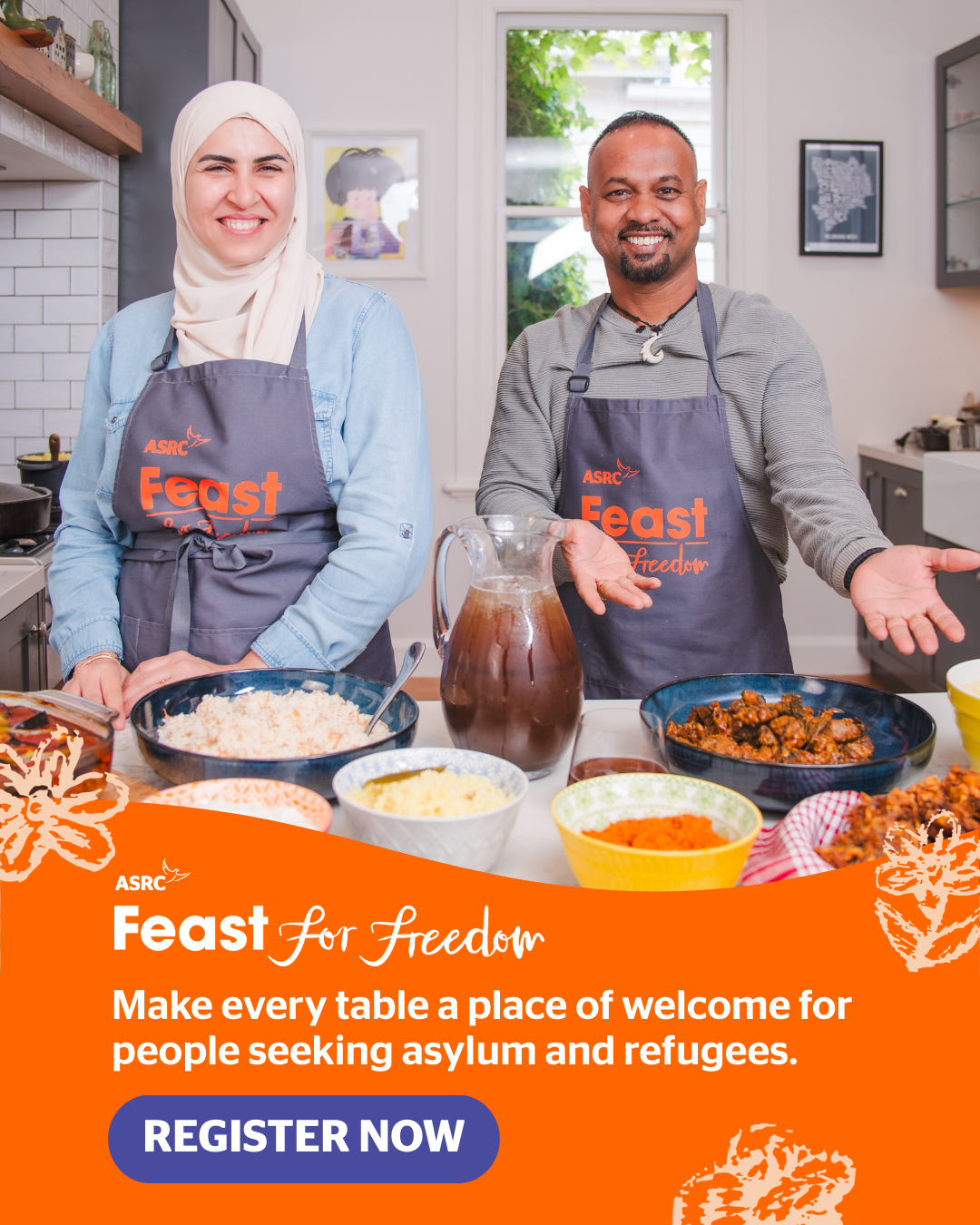
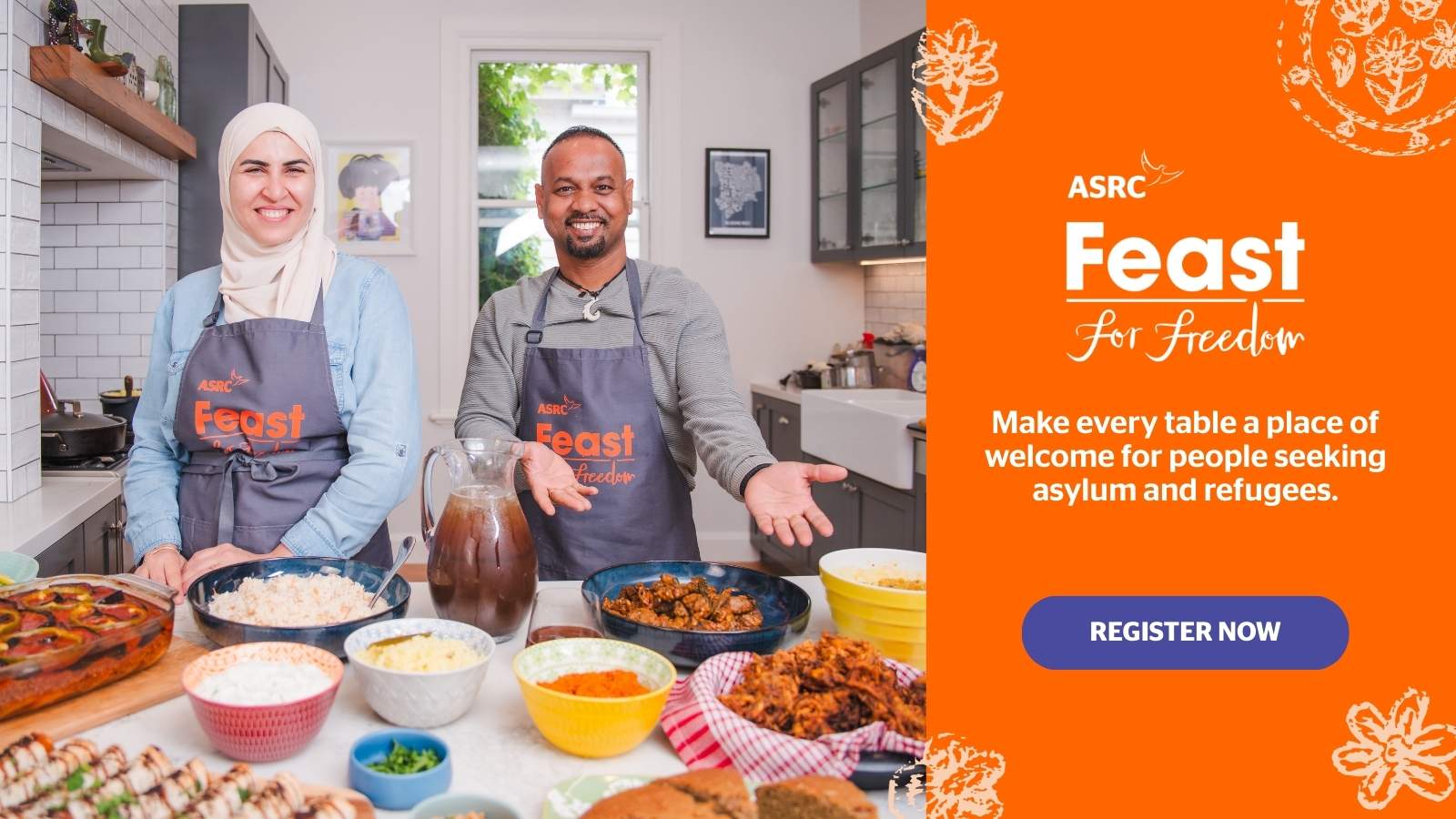
For the first time, Feast for Freedom is bringing people together for a spectacular long-table dinner as part of the Melbourne Food & Wine Festival.
A Longer Table is exactly what it sounds like: one beautiful shared table inside the Asylum Seeker Resource Centre (@Asrc1), piled with generous dishes inspired by this year’s hero cooks, Noha and Nige.
From 6 to 9pm on Wednesday, 25 March, this is what you can expect:
🍽 A three-course shared feast
🍷 Matched drinks
🎶 Live entertainment
✨ A room full of good humans
Your ticket doesn’t just buy you a delicious dinner. It supports the ASRC’s vital work and helps create a fairer future for people seeking asylum.
Seats are limited, and long tables have a way of filling up quickly – head to @MelbFoodAndWine’s website to book now: feastforfreedom.org.au/mfwf
#FeastForFreedom #MelbourneFoodAndWineFestival #LongTableDinner #FoodForChange

Sew versatile! 🪡
Another great make from Lisa from @SunnySewsEveryday:
My #PeppermintWaratahWrapDress is finished and I’m so proud of it. It has been designed not to flap open and flash your pants in the wind, so I feel confident it will be a great wheelchair or standing dress in English weather.
#PeppermintPatterns #WrapDress #WrapDressPattern

Frame your face with the Peppermint Bucket Hat!
Stay safe and stylish in the sun with your very own self-sewn and self-drafted wide-brimmed bucket hat. This beginner-friendly sew is perfect for a sunny day. Get out your pencils – this pattern is created using equations and maths!
This DIY project was featured in Issue 53 and now you can access it for the lovely low price of only $5.
Sun-safe chic is always in style. ☀️
Find it via the link in our bio!
Photos: @KelleySheenan
#PeppermintPatterns #PeppermintBucketHat #BucketHat #BucketHatPattern #DIY

✨ INSTANT CLASSIC ✨
The Peppermint Myrtle Shift Dress is a beginner-friendly make with a few special details based on the ever-stylish shift shape – the perfect dress you need in your wardrobe right now!
Myrtle cuts above the knee with options to customise the length. Don’t think she’s reserved for hot weather either: try a heavier-weight fabric to turn your Myrtle into a pinafore-style garment for layering.
For our fabrics we chose two from our lovely sewing partner @Karmme_Apparel – the bold Rottnest Stripes in a lightweight, soft-drape cotton, and the quality linen in the handpainted Mexico Collection.
Get making the Myrtle – the only question is, can you stop at just one?
Link in bio 🪡
Fabric: @Karmme_Apparel
Sewist: @Laura_The_Maker
Photos: @KelleySheenan
Models: @SerahSews and @Pins_And_Tonic
Location: @ShareTheDignityAustralia
#PeppermintMyrtleShiftDress #PeppermintPatterns

It’s time to Feast!
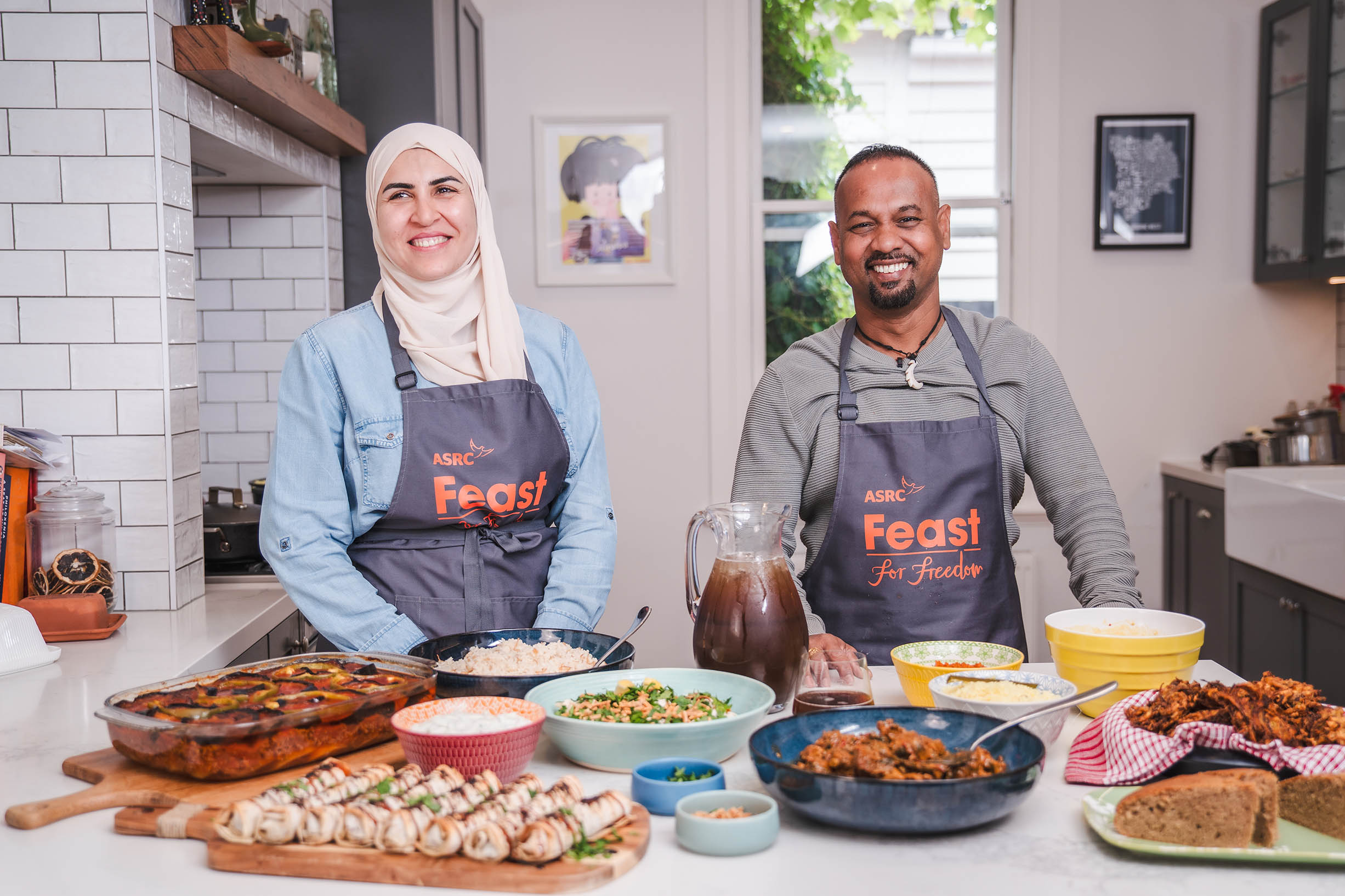
Some recipes travel a long way before they land on your table to delight your taste buds. This year’s Feast for Freedom invites us to gather our friends, cook something delectable and raise funds for the incredible work of the Asylum Seeker Resource Centre (@Asrc1) while we’re at it.
The 2026 Feast features recipes shared by two remarkable cooks: Noha, who brought the flavours of Palestine with her when she arrived in Australia, and Nige, a Sri-Lankan Tamil cook whose journey with food began in the most unexpected of places.
You can host your own Feast up until 30 April – simply register online and get planning! Host a dinner, organise a workplace lunch, or gather your community… However you do it, the idea is simple: cook, connect and celebrate the cultures and stories that shape Australia.
Want to find out more? Head to the link in bio to meet Noha and Nige, learn more about their stories, and discover a delicious recipe to try.
#FeastForFreedom #PeppermintMagazine #FoodForGood #ASRC
