All Aboard! Taking the slow route with Jaharn Quinn and Eurail

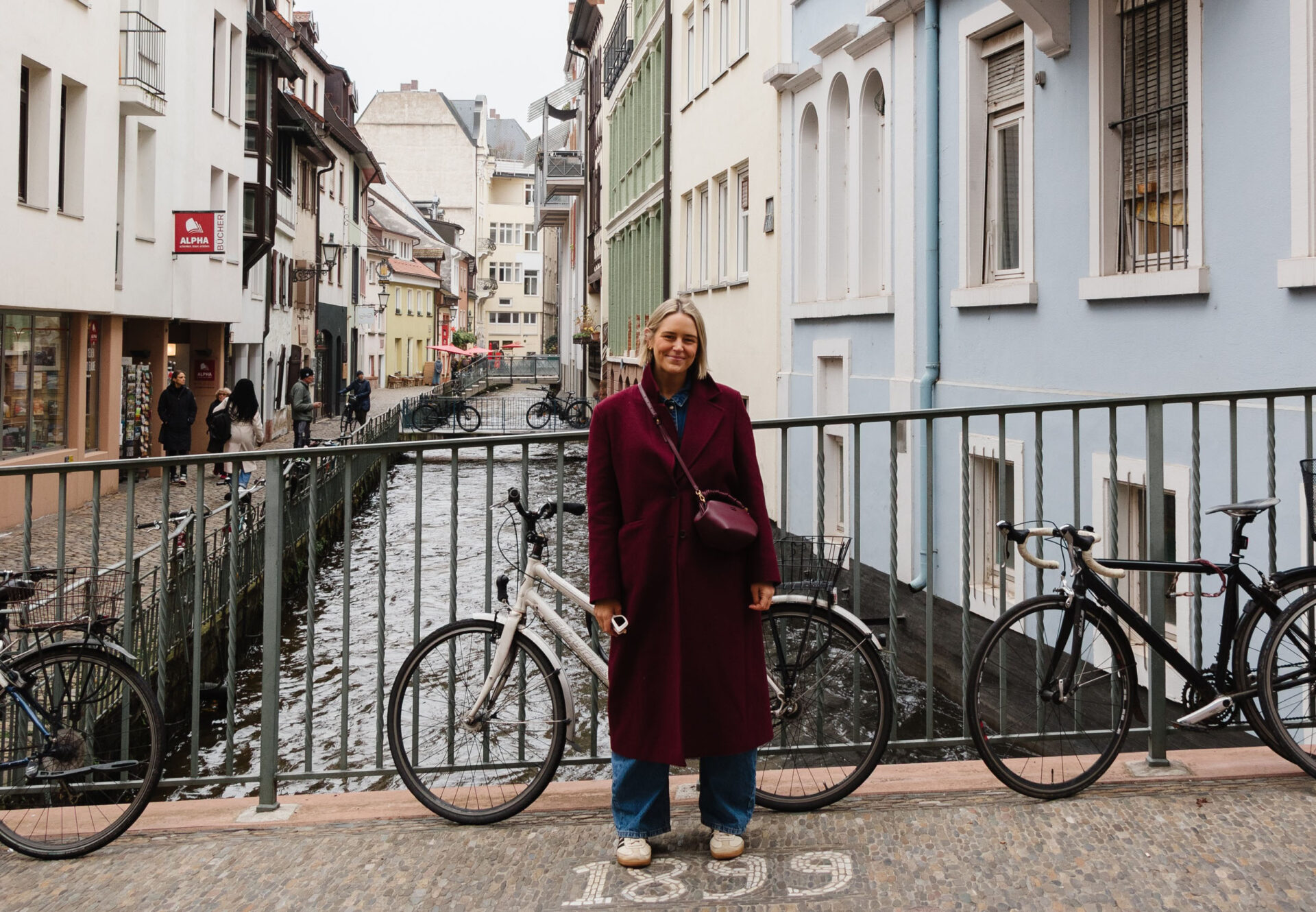
Freiburg im Breisgau_Germany_15 - Credit Jaharn Quinn or @jaharnquinn AND Eurail or @eurail

Photos: Jaharn Quinn

For Noosa-based designer and upcycler extraordinaire Jaharn Quinn, the perfect holiday had to tap into her obsession with timeless, elevated and sustainable slow design. Enter Eurail and a grand European adventure!

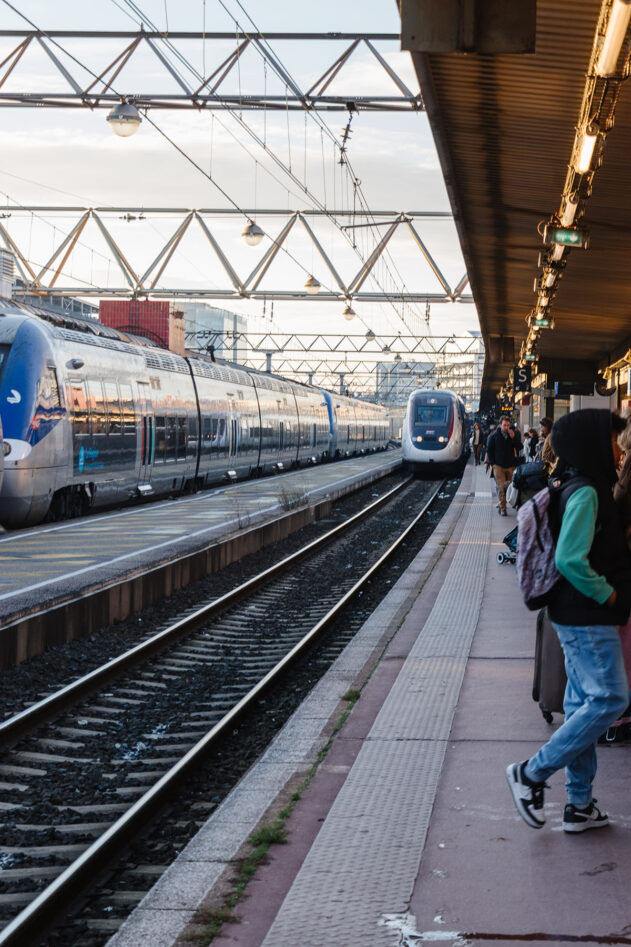
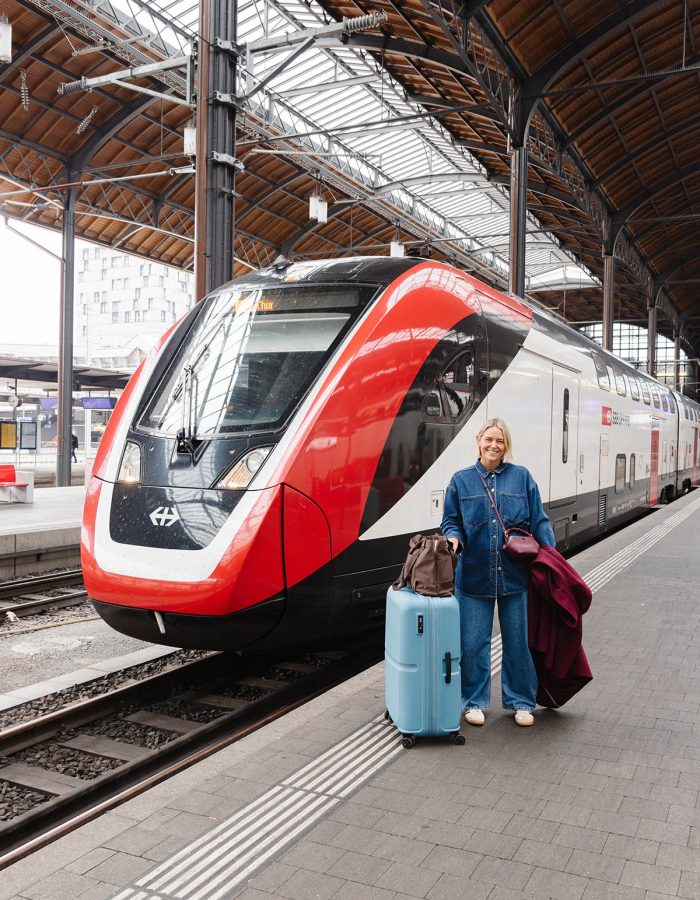
Jaharn Quinn at Basel SBB Train Station in Switzerland

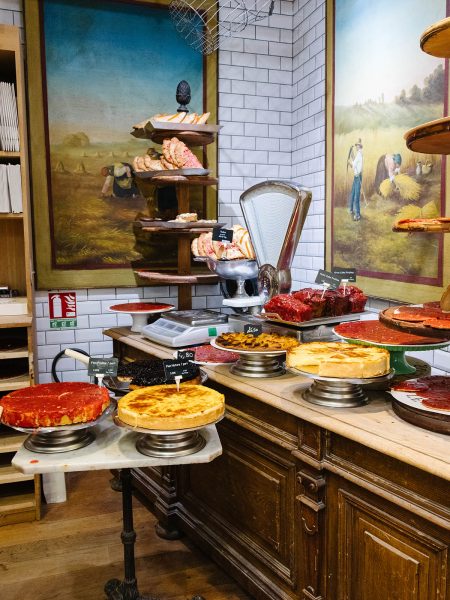
Les Halles de Lyon Paul Bocuse in Lyon France

Jaharn travelled to France, Switzerland, Germany, and the Netherlands with Eurail (a rail Pass for unlimited travel across 33 European countries) in November 2025 to uncover slow design trends in Europe, and to experience firsthand the intersection of slow travel x slow design (and having a complete ‘slow mindset’ both at home and abroad). Here, Jaharn shares her personal journey towards sustainable slow living, and the grand adventure of hopping on a train and going exploring.

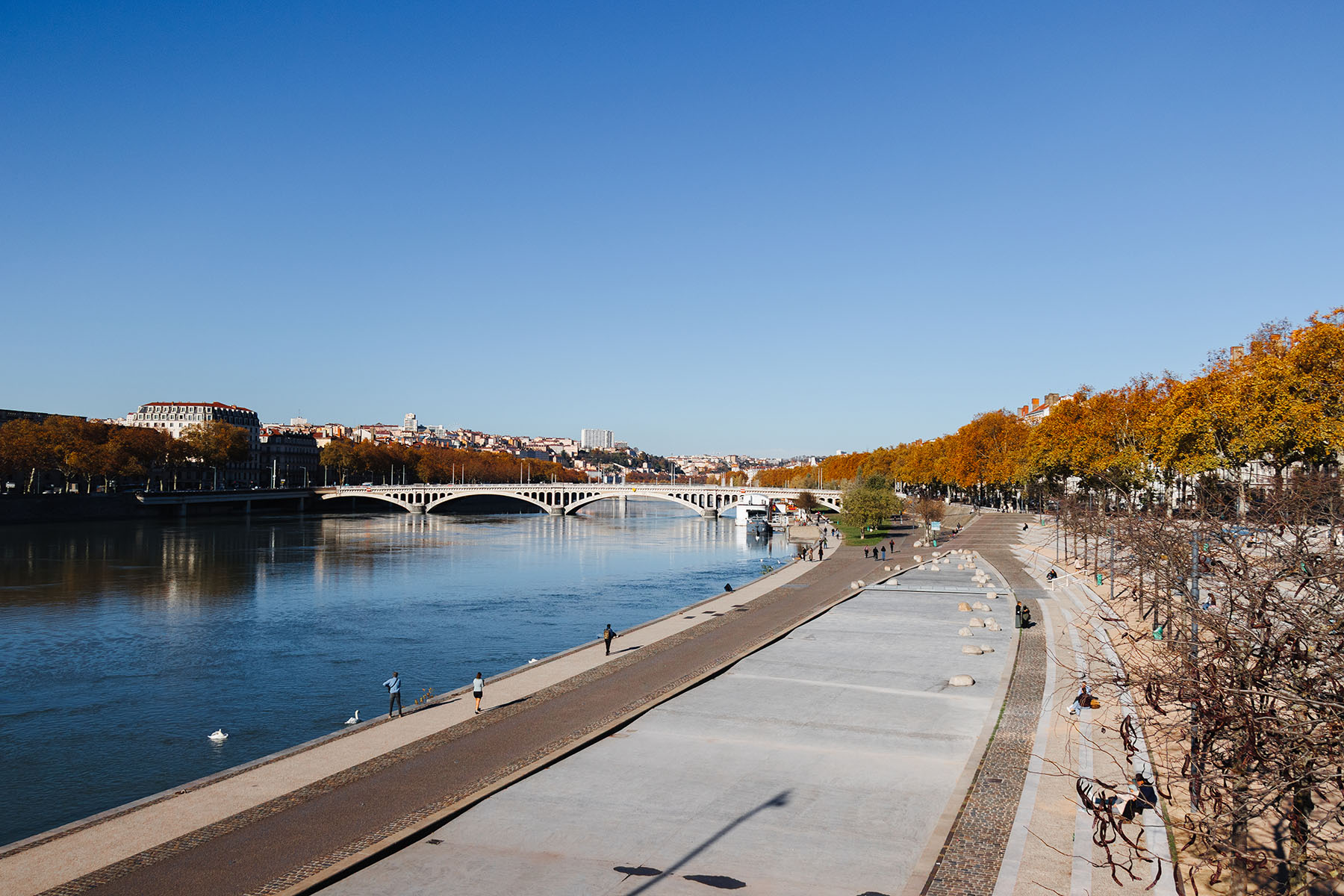
Lyon France

Hi Jaharn! Why is sustainable slow living (and slow design!) important to you? And how did your journey start?

My journey toward sustainable slow living, and especially slow design, began quietly, almost unintentionally in high school. It began as a way for me to express myself creatively but also because I didn’t have the money to buy new clothes like my friends did. So, I would always thrift and upcycle my clothing from a very young age, which ultimately led me to starting my successful online vintage clothing store, called Vintage Lover. I ran this for a few years while also dabbling in furniture upcycling on a more personal level. I’m completely self-taught and thrifting and upcycling has always been in my DNA – I guess you can say I’m naturally pulled towards anything second-hand! These days I use my platform as a place to come up with creative projects using unexpected materials to inspire other people to start living a more sustainable lifestyle. I’ve created my own Power Tool Course, teaching and empowering thousands of people around the world, and I have just written a book about thrifting and upcycling, Dream Home DIY.

What does slow travel, and having a complete slow mindset, mean to you?

Having a slow mindset has always been something I’ve leaned into when it comes to travel. Whenever I go overseas or on a holiday, I try to upcycle a few pieces rather than buying something new. It’s my way of grounding the experience of a place in creativity rather than consumption. Those small acts of adding a stitch, altering a hem and reimagining a familiar piece helps me stay present, curious, and conscious of my footprint.

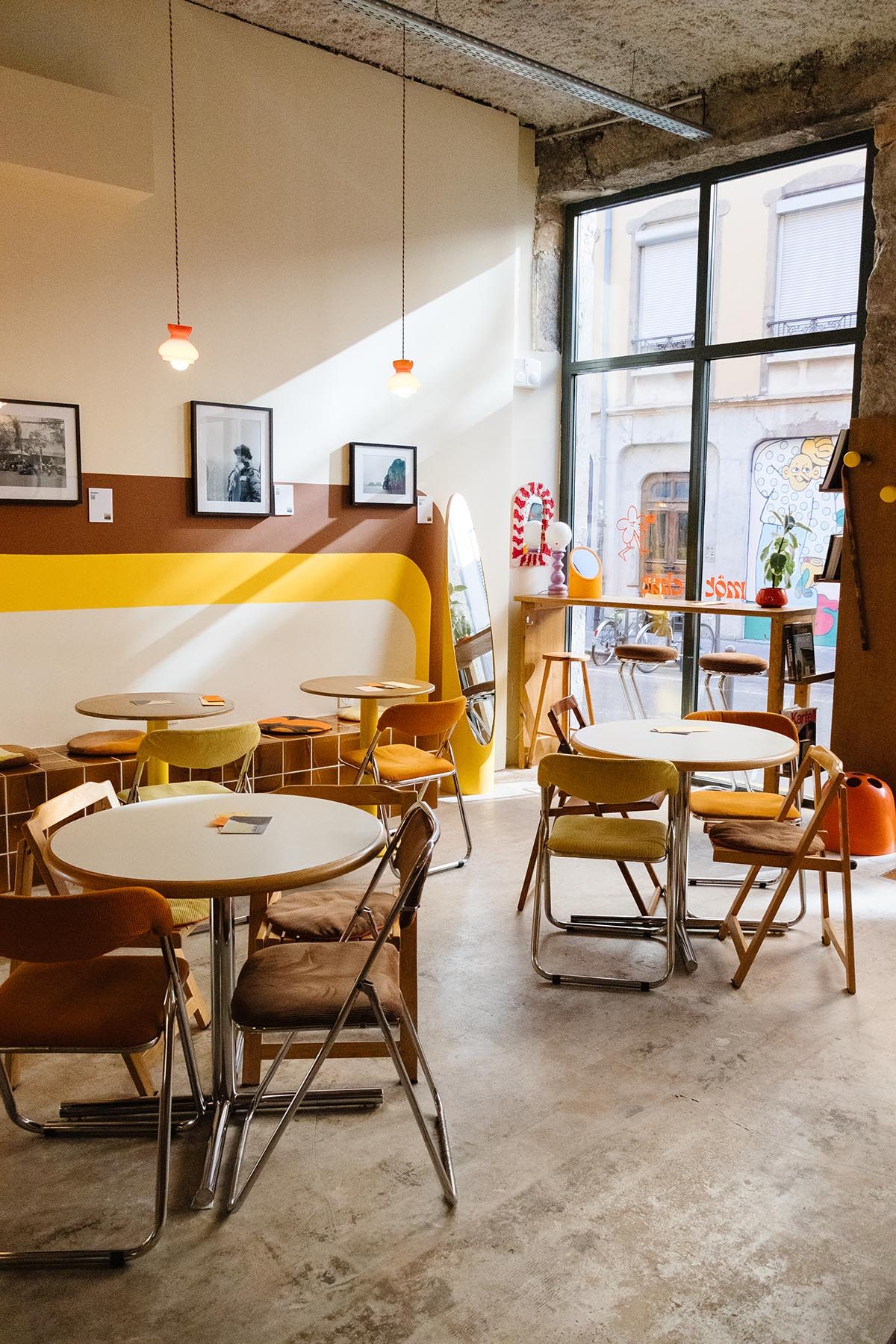
Mot Chut Slow Cafe, Lyon France

What drew you to partner with Eurail on your Grand European Adventure?

Eurail is an iconic, globally recognised brand with an incredible reputation for providing easy, reliable, safe and flexible train travel across Europe. I used a Eurail Pass when I was travelling around Europe in my 20s and 30s, and was excited to be given the opportunity to work with them in 2025.

You travelled through France, Switzerland, Germany and the Netherlands – can you share some details?

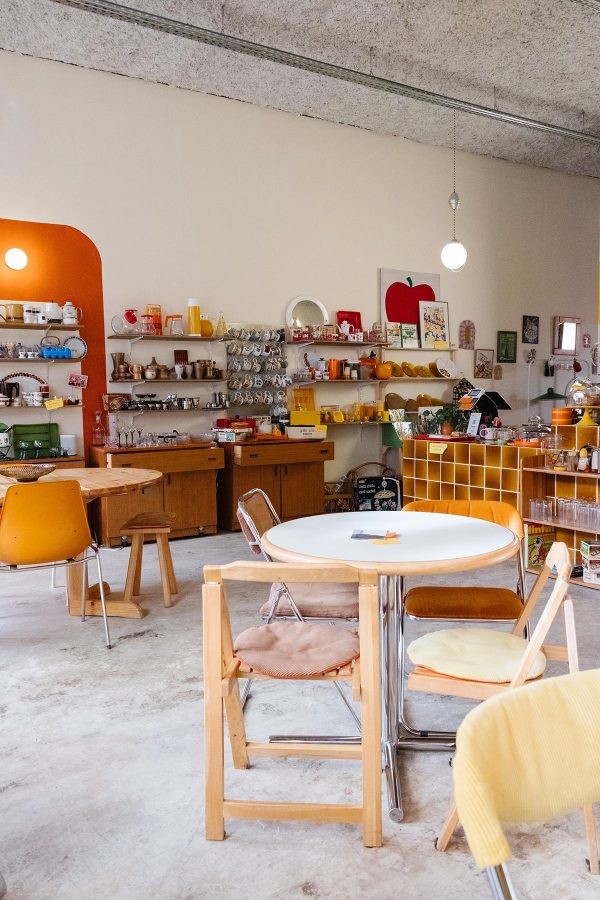
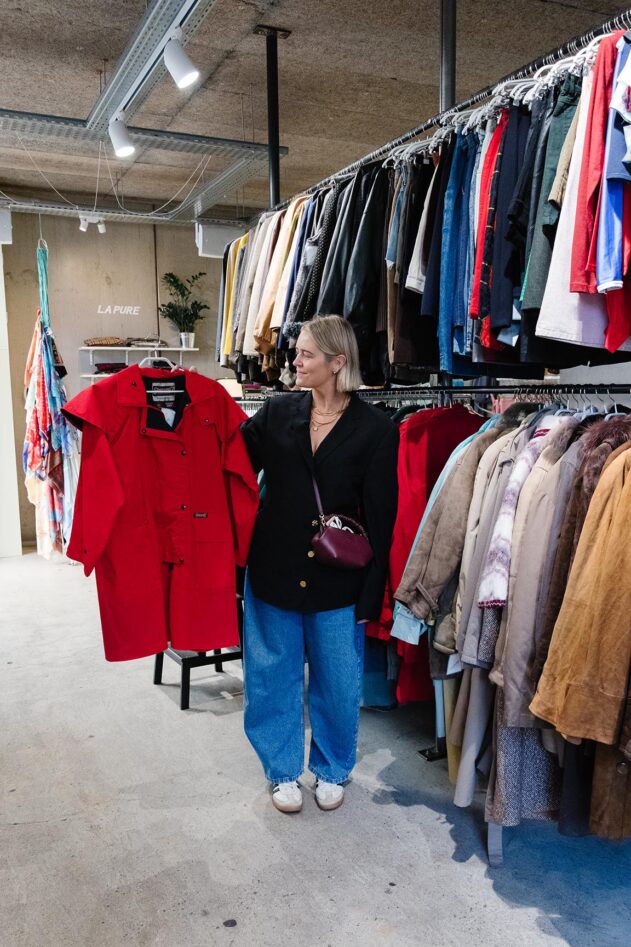
My trip with Eurail started in Lyon, where I spent the day walking around the city, letting curiosity be my guide and discovering thrift stores and a slow café. I started at La Pure Secondhand and stumbled across a slow café called Mot Chut, where I was very lucky to meet the owner Laurene, who kindly recommended I visit two of her favourite locally loved charity shops, Fourbie and Pieds Compas. Both of which I would never have known about had I not shared a wonderful conversation with her about her café, her story, and our mutual love of secondhand and sustainability.

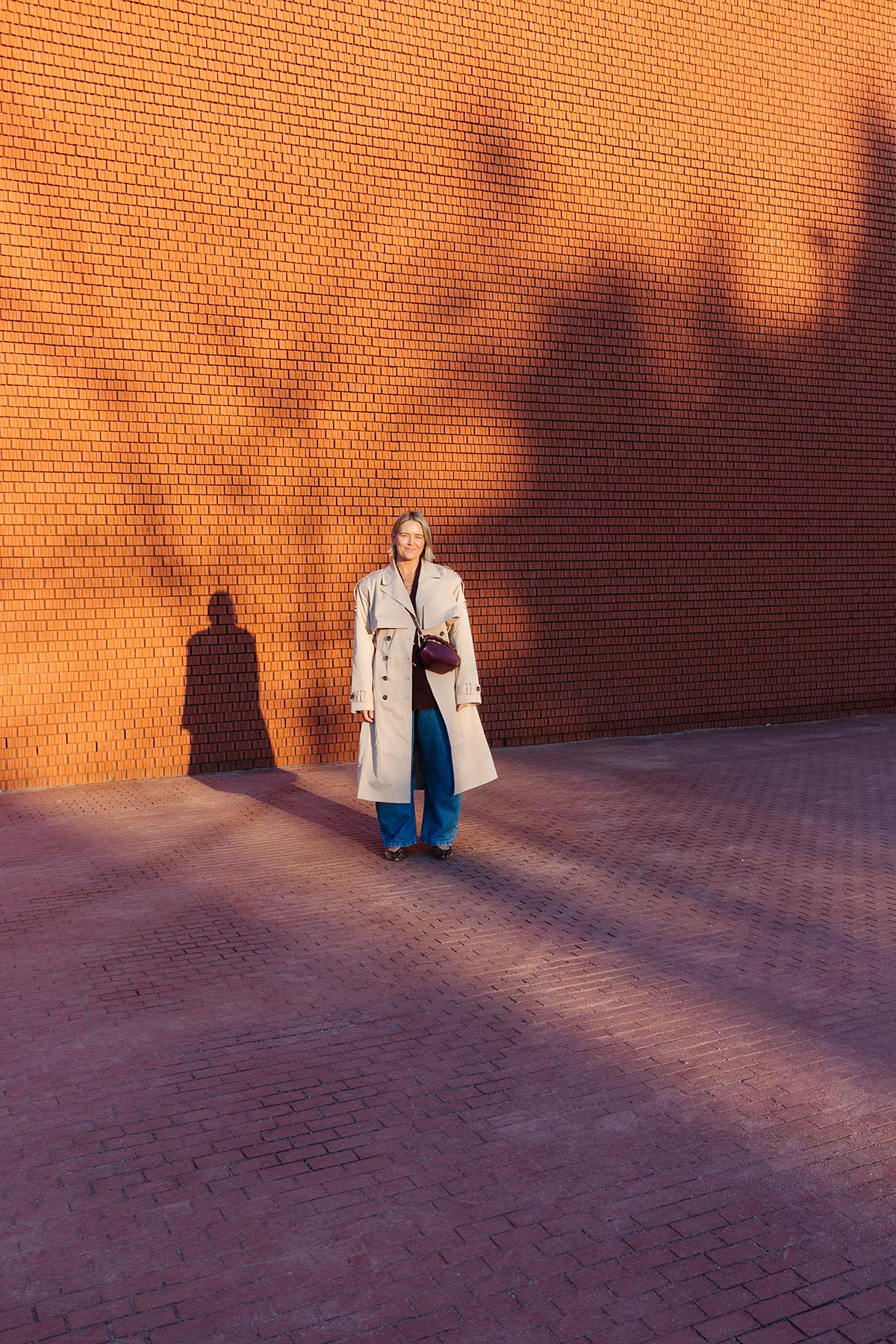
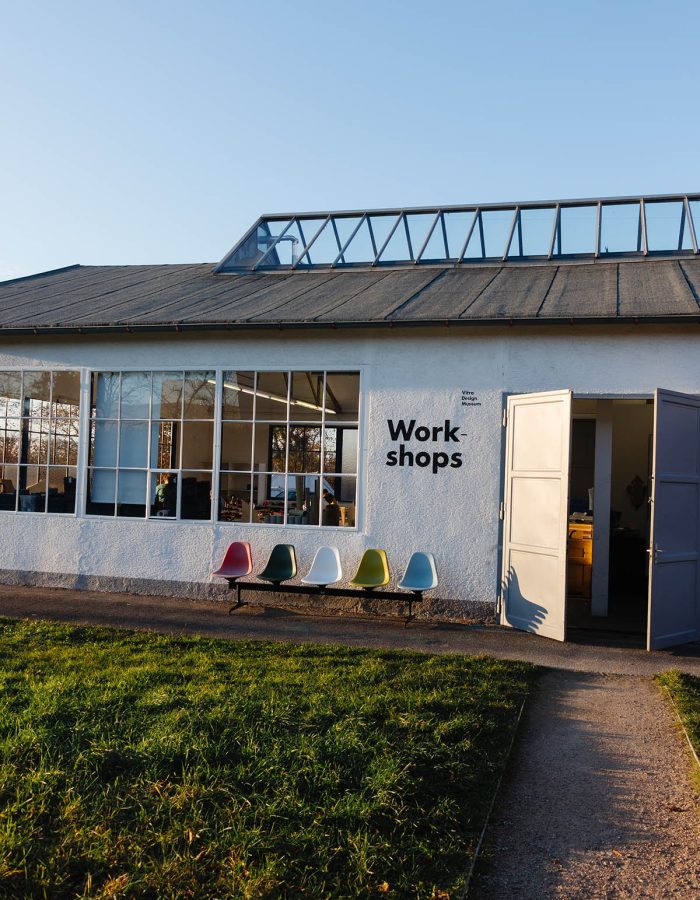
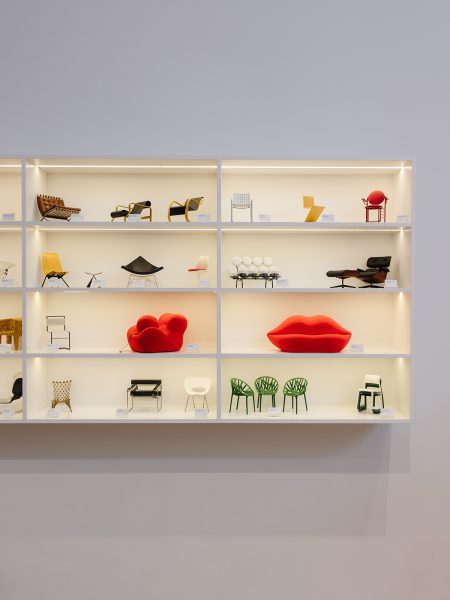
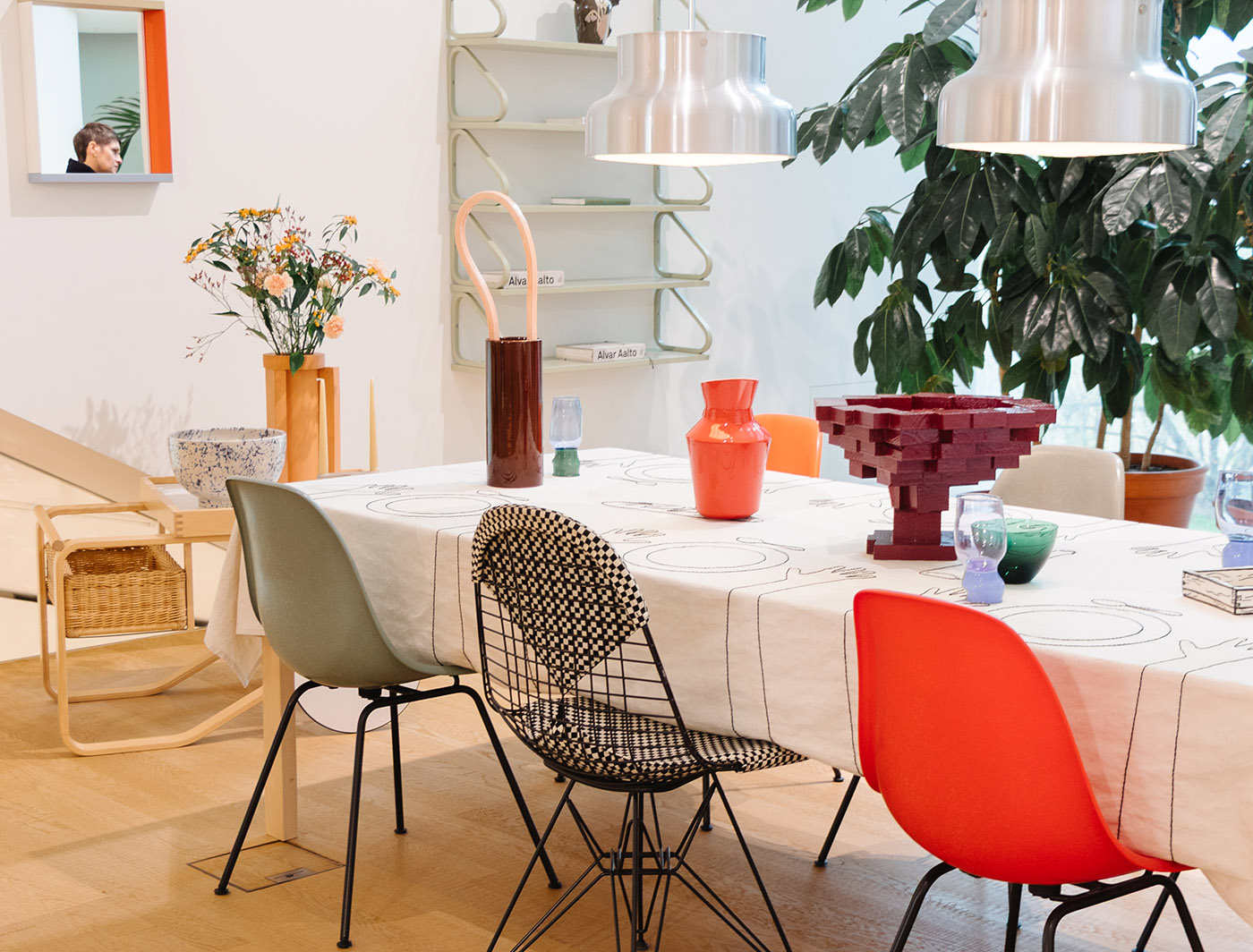
Following this I travelled to Basel in Switzerland by train using my Eurail Pass, via a gorgeous walking tour of Mulhouse, where I learnt about the local history and slow-food movement. When I arrived in Basel, I hopped over the border into Germany to the Vitra Design Museum and experienced a private, money-can’t-buy tour with Michael Bainbridge of Vitra Circle. This was an incredible experience where I got to learn about the history of Vitra, the Shaudepot, Vitra Circle, VitraHaus and lots more. I ended up loving Vitra so much that after our late-afternoon private tour, I decided to go back the following day to take my time and explore everything on offer.

I also experienced my first Ukrainian meal at Kozak Buvette. It was the first time on the trip that the food I was eating made me feel like home, like I was being wrapped up in a warm hug. It’s run by Ukrainian women refugees, and it was very humbling listening to their stories of strength, bravery and resilience. I’ll never forget it; it’s a memory I’ll always cherish.

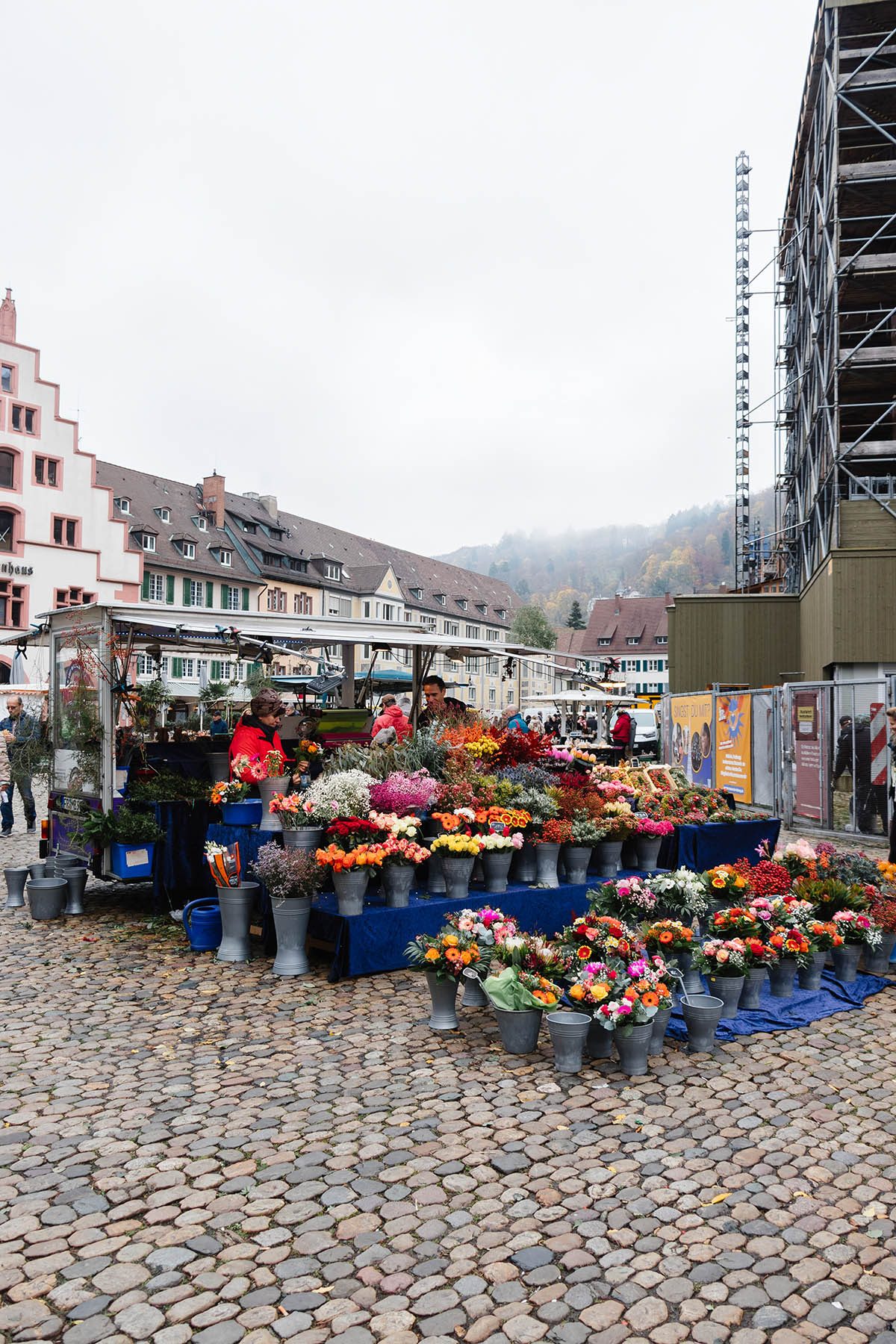
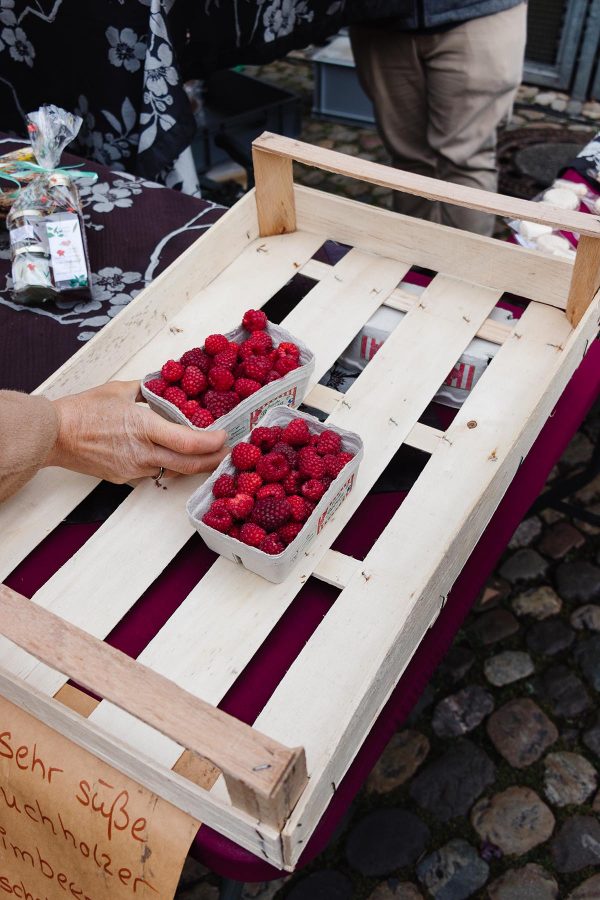
After staying in Basel for two nights, I used my Eurail Pass to jump on a train and stopped into Freiburg im Breisgau where I went on another beautiful walking tour. I fell madly in love with the local market and sampled lots of local produce, as well as baked goods, cheese and wine.

Then it was time for my next train to Cologne in Germany. The next day I went on a sustainability-inspired eBike tour around the city, which was incredible! We met a shoemaker, dropped into a suburban mushroom farm and a thrift store, as well as a sustainable jewellery store. I had never ridden an eBike before and was honestly not that interested in them but that was until I actually got to experience one for the day and get to understand why people love them so much in Europe. In Australia, we ride our bicycles for exercise. We wouldn’t typically ride them to get to and from places because our roads aren’t as well designed for them. However, it was fascinating to see how much they exist as a part of everyday life in Europe as a more affordable, quicker and sustainable mode of transport to get you and your family from A to B. They’re fantastic and I’m excited to look into getting one here in Australia to limit how often I use my car for small trips, like going down the road to do our weekly fruit shop. An eBike would be a much better alternative!

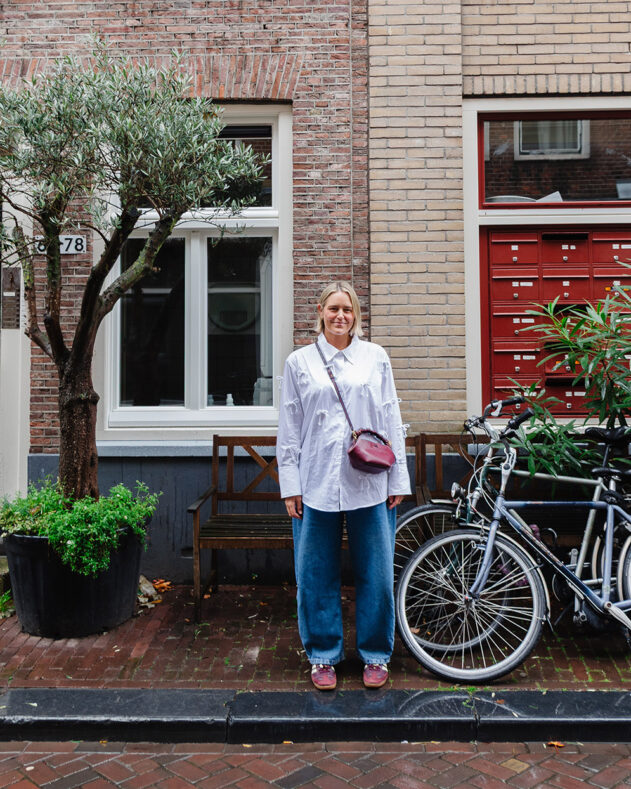
The following day, I travelled to Utrecht in the Netherlands, where I was able to spend a few nights and explore this gorgeous town and discover a plethora of vintage stores! I also experienced a memorable meal at Heron Petit Restaurant. There were so many vintage stores and I had an incredible afternoon shopping like a local. I had some extra time in Utrecht, so I spent the following two days exploring Amsterdam (a short 30-minute train ride from Utrecht) and all it had to offer – thrift stores, great cafés, museums… I also went to IJ Hallen, which is the largest flea market in Europe. And I had the incredible opportunity to meet with Georgia of The Swapshop LAB to chat all things second-hand and sustainability, and learn about her Amsterdam shop and what initiatives they are driving for their local community.

I was invited to speak at Eurail’s Slow Travel Supper event with local influencers who also have a keen interest in slow travel and sustainability. It was a wonderful evening being able to speak with a lot of people from different backgrounds and come together to chat about what inspires us the most. The food was a standout as was the conversation and company. It was an honour to be able to share my story and discuss the differences between what Europe is doing about sustainability versus what Australia is doing.

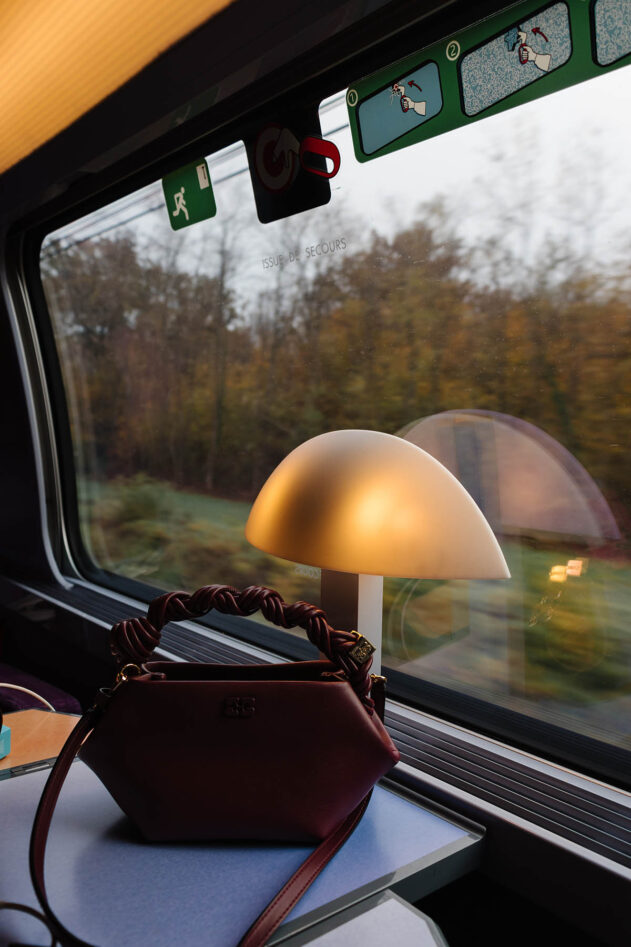
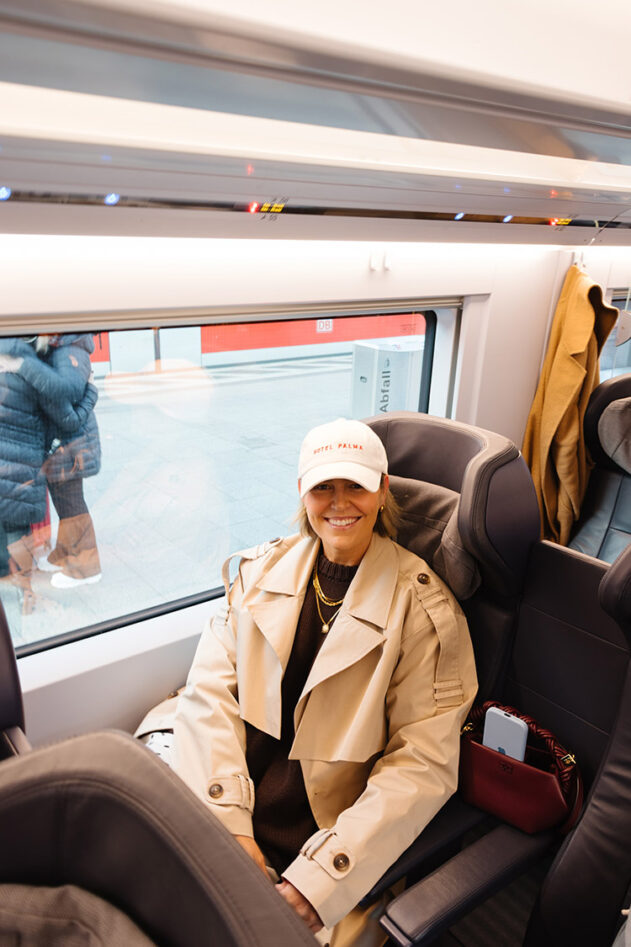
Something I noticed about train travel throughout Europe is that it was so relaxing and easy and convenient that I never wanted to get off the train! I could have spent hours upon hours looking out the window, speaking with other travellers, relaxing and catching up on a bit of work or reading. It’s such a great way to travel!

In your experience, how do Europeans embrace slow design differently to Australians?

Europe has thousands of years of heritage and culture, so it’s not surprising they are world-leaders in sustainable, slow design. They seem more motivated to make a difference, both from a personal and professional perspective. Businesses provide their staff with lots more initiatives, and the support people in France, Switzerland, Germany and the Netherlands get from their local governments is fantastic.

What key slow design learning or idea from the trip will you bring back to Australia?

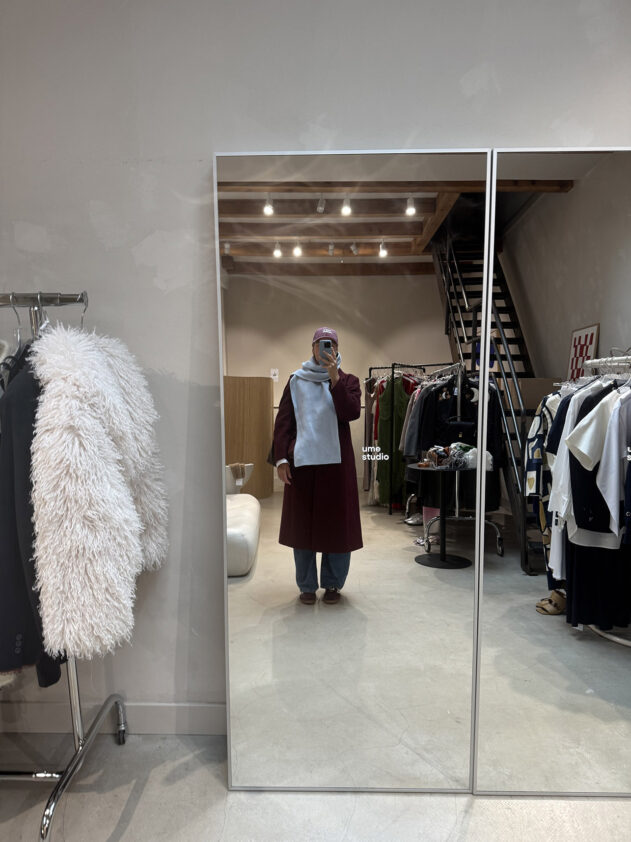
For a long time I’ve felt that the traditional vintage store layout needs to change, and I saw that at Enso and Ume in Amsterdam. Traditionally, a vintage store will either (and/or) accept donations or source pieces for their store as is. But Enso and Ume are taking it a step further. Their pieces are highly curated, thoughtful, on-trend and of the utmost quality. But they are also upcycling and redesigning secondhand clothing, giving them a completely new lease on life. I also love that on the price tags at Enso for all their upcycled pieces, they will tell you how many hours their tailors worked on a piece, therefore educating the customer on why a garment is priced the way it is. It’s fantastic!

Europe has thousands of years of heritage and culture, so it’s not surprising they are world-leaders in sustainable, slow design. They seem more motivated to make a difference, both from a personal and professional perspective.

Munstermarkt, Freiburg im Breisgau Germany

Did you discover an upcycled or secondhand treasure while on your trip?

There were three stand-out items I came across on my trip. The first was a miniature Wiggle side chair, which I bought at the Vitra Design Museum. I have always loved this chair because it’s completely made from cardboard, so it’s a reminder to me of my purpose, why I love upcycling using unexpected materials, and why cardboard is a material I love to work with.

The second item was an upcycled blazer from Enso. I was immediately drawn to the butter yellow fabric, and from the front, it looked standard, but when you turned it around, the store’s tailor had expertly cut and redesigned the back. It was gorgeous! And I couldn’t pass it up. While it was a little more than what I would usually spend and something I could most likely replicate on another thrifted blazer once I got home (I love sewing and upcycling my clothing!), I was so impressed and inspired by their work, passion for sustainability and detail, that I had to support them. Plus, I’d rather buy one memorable piece of secondhand clothing than brand new any day!

And lastly, when I was at IJ Hallen I came across a beautiful secondhand khaki-green stained vase from Sweden and knew it would be perfect for our new home. I carried it in my carry-on bag all the way from Amsterdam to Noosa, Australia!

Vitra Design Campus, Weil am Rhein Germany

Vitra Design Campus, Weil am Rhein Germany

Vitra Design Campus, Weil am Rhein Germany

What are your top tips for others considering a slow travel rail journey across Europe?

I have a few!

  • Mix well-known cities with lesser known so you have a rich tapestry of experiences
  • Let curiosity be your guide by exploring those in-between places and getting off the train, storing your luggage in a locker, and going for a wander. Eurail’s network of trains run very frequently in Europe, so you’ll always be able to hop on the next train without a long wait.
  • Talk to locals, find out their favourite thrift stores, antique shops and places to eat, then go and visit a few!
  • Our lives are already busy enough, so travel should be about slowing down, being open to what pops up, living in the moment and saying yes to those unexpected experiences
  • Your itinerary shouldn’t be overflowing or too structured. Remember, travelling is all about those in-between moments of unexpected discovery and spontaneity. Slow down, be present, put your camera and phones down, and take it all in.
What slow travel journey would you love to do next?

I’d love to take my kids on a trip through Europe, where we fly in and for two weeks, travel between multiple countries and cities, using our Eurail Passes. Kids under 12 travel for free with Eurail, so that’s a huge bonus! Plus, the fact that we don’t have to deal with airports, flights, car hire and driving on the other side of the road? Fantastic!

You might also like

JOIN OUR MAILING LIST

Brighten up your inbox with our not-too-frequent emails featuring Peppermint-related news, events, competitions and more!

explore

More articles

Fancy an intentional refresh of the knicknacks and heirlooms you surround yourself with, at home or in your shopfront? The Life Instyle team share their insights about the design shifts, materials and values-led brands shaping what’s next and best.
The loss of a furry bestie cuts deep, as our Founding Editor-in-chief Kelley Sheenan knows. In Issue 64, Kelley wrote about the lessons they leave us, from dealing with fascists, napping, and the power of setting – and keeping – boundaries.
Putting together our annual Stitch Up brings on all the feels! We feel humbled that you’ve chosen to sew Peppermint patterns, we feel inspired by the versions you’ve created and we feel proud of you.

It’s beginning to look a lot like Christmas…. Which means we are officially entering party season. Work parties, friend-dos, family get-togethers and then we’re straight…

Keen to skip the last-minute panic buying trip to the mall? Choose gifts that are thoughtful and better for people and the planet instead!

Listen, we need to talk about December. Somewhere between the first appearance of gazillions of Mariah Carey memes prepping us for the imminent arrival of…

Hang out with us on Instagram

As the world careens towards AI seeping into our feeds, finds and even friend-zones, it's becoming increasingly hard to ignore.⁠
⁠
We just wanted to say that here at Peppermint, we are choosing to not print or publish AI-generated art, photos, words, videos or content.⁠
⁠
Merriam-Webster’s human editors chose 'slop' as the 2025 Word of the Year – they define it as “digital content of low quality that is produced usually in quantity by means of artificial intelligence.” The problem is, as AI increases in quality, it's becoming more and more difficult to ascertain what's real and what's not.⁠
⁠
Let's be clear here, AI absolutely has its place in science, in climate modelling, in medical breakthroughs, in many places... but not in replacing the work of artists, writers and creatives.⁠
⁠
Can we guarantee that everything we publish is AI-free? Honestly, not really. We know we are not using it to create content, but we are also relying on the artists, makers and contributors we work with, as well as our advertisers, to supply imagery, artwork or words created by humans. AI features are also creeping into programs and apps too, making it difficult to navigate. But we will do our best to avoid it and make a stand for the artists and creatives who have had their work stolen and used to train AI machines, and those who are now losing work as they are replaced by this energy-sapping, environment-destroying magic wand. ⁠
⁠
Could using it help our productivity and bottom line? Sure. And as a small business in a difficult landscape, that's a hard one to turn down. We know other publishers who use AI to write stories, create recipes, produce photo shoots... but this one is important to us. ⁠
⁠
'Touch grass' was also a Merriam-Webster Word of the Year. We'll happily stick with that as a theme, thanks very much. 🌿
"I, like so many of my fellow sewists, live a life of endless lists of ‘to-sew’ patterns, fabrics and garments. My stitchy to-do list is longer than my arm and it ain’t getting any shorter. There are just so many wonderful surface pattern designers, indie pattern-makers and small businesses who I want to support, that I am simply never short of inspiration for garments I’d like to sew. But you know what just does not seem to make its way to the top of the list? Pyjamas. Jimmy-jams, PJs, jarmies. They just don’t rate highly enough for me to commit time and fabric to them. I mean, barely anyone even gets to see them. The ratio of bang vs buck is low on the ‘thanks-I-made-it-ometer’."⁠
⁠
You’ve probably heard it from your Nan: always wear nice undies, because you never know what might happen! (And who might catch a glimpse.) But just in case the unexpected happens while you’re slumming it at home in your washed out tracky dacks, Peppermint sewing manager Laura Jackson’s adding pretty PJs to her list of preferred ‘ghost outfits’… Because shuffling off this mortal coil can be perfectly stylish, too.⁠
⁠
Read more of 'Haunt Couture: Why Laura Jackson Decided To Up Her Pyjama Game' at the link in our bio!⁠
⁠
Words and photos: @Laura_The_Maker 💤⁠
⁠
#PJPatterns #MeMadePJs #Pyjamas #GhostOutfit