It’s the stickering, stencilling, decal-making wonder you didn’t know you needed – and suddenly it’s all over socials. But what the heck is a Cricut? And what, exactly, is a crafter to do with it once the spice jars have been labelled and the notebooks bedazzled?
Lots, it turns out. The Cricut (pronounced “crick-et”, as in the creepy-crawly) is a pretty versatile tool, beloved by scrapbookers, screen-printers, upcyclers, cake decorators, parents, teachers and small business owners. It’s a cutting and drawing device that works with over 300 different materials, including cardstock, vinyl, iron-on transfers, labels and fabrics.
They’re designed to be used with Cricut Design Space, a laptop-and-phone-compatible app that gives you thousands of images to work with, as well as ready-to-make projects. You can also upload your own designs or take a scroll through the work of Contributing Artists, who sell their designs via the app.
Developed in Utah in the early 2000s, Cricut has come a long way since the early days, with several models and accessories now available. The most basic, the nifty Cricut Joy, will set you back about $280 and works with more than 50 different materials.
Next in the line-up is the Cricut Joy Xtra, which does all that, plus it churns out full-colour stickers and can be used for larger projects, like cards and T-shirt transfers (the Joy Xtra Starter Bundle, about $400, has all the tools and materials to get you on your way). There’s also the Cricut Explore 3 ($499), which can cut vinyl, wall decals and leather jewellery.
Then there’s the Swiss Army knife of the range – the Cricut Maker 3 ($699) – a super-versatile machine beloved by quiltmakers for its fabric-cutting abilities. It can also be used to make giftboxes, engrave metal and even cut through light timber.
Ready to put down the scissors for good? We’ve caught up with three makers to get their top tips for those who are just starting out.
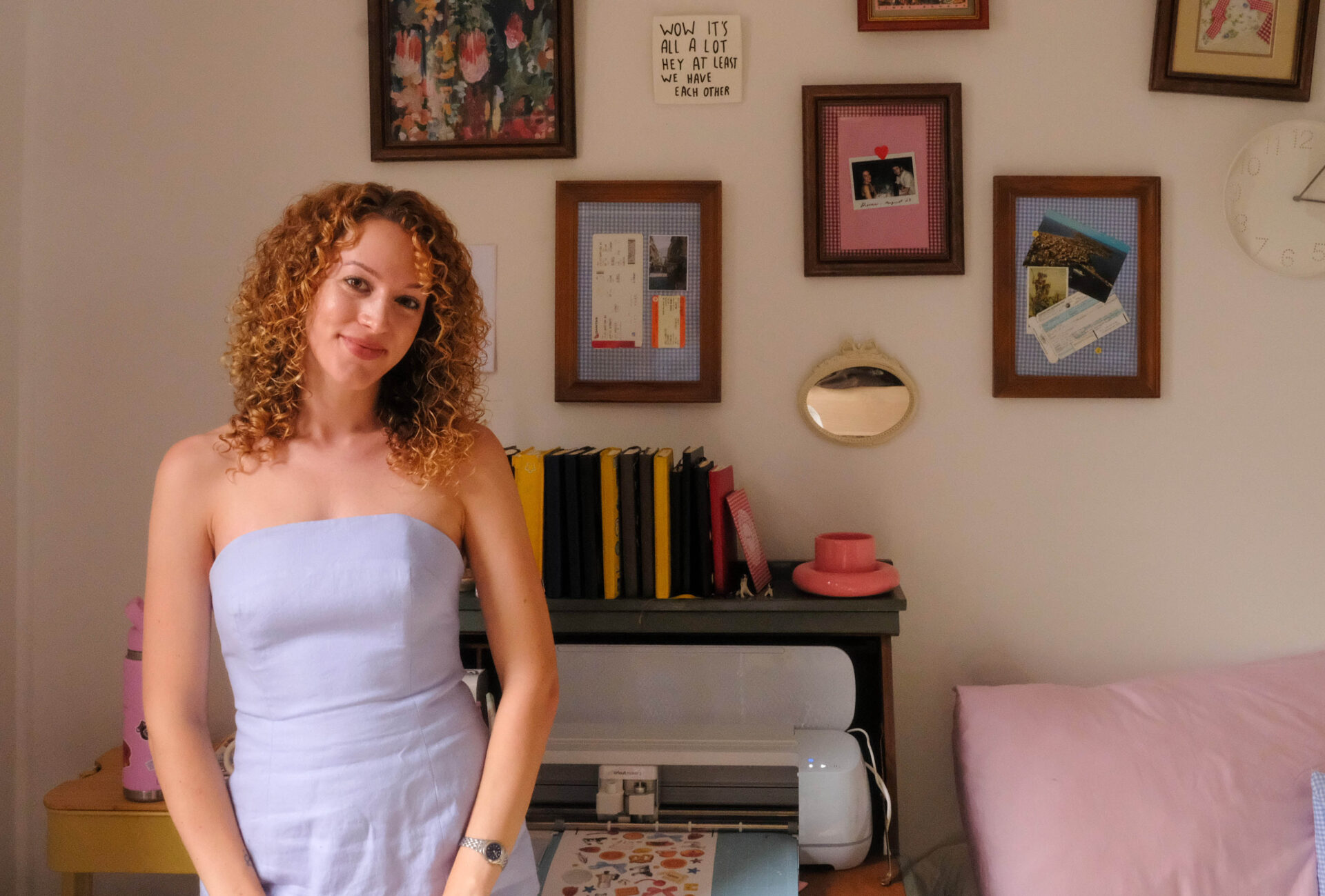
photo above MARTINA CALVI ALL PHOTOS SUPPLIED
MARTINA CALVI, MARTINA’S TINY STORE
Tell us about yourself!
I’m a designer, online creator and business owner from Sydney. I treat the internet like my digital scrapbook and love sharing all things crafty to inspire people to create.
Which Cricut model do you use?
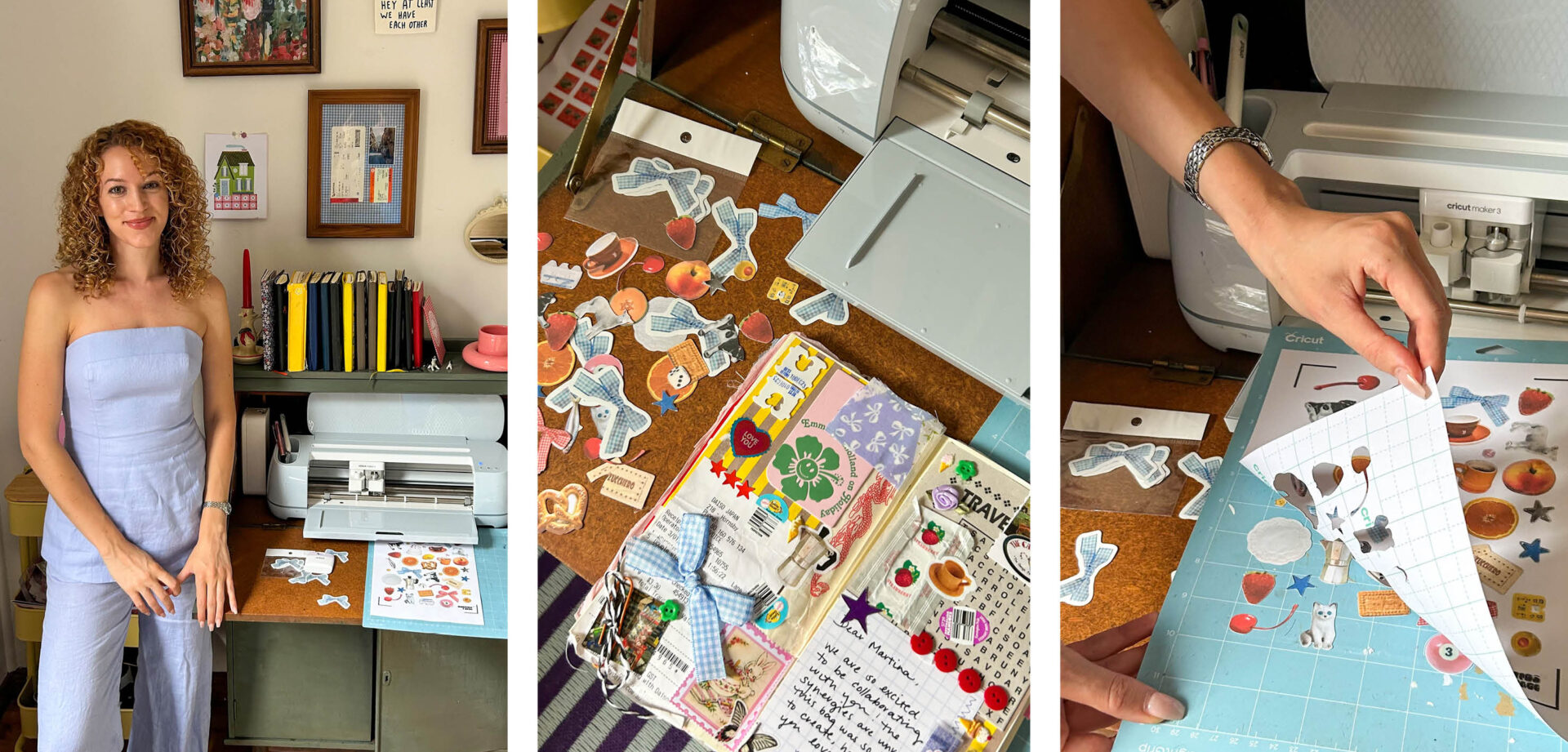
I use a Cricut Maker 3.
How do you use it?
To make my signature scrapbooking sticker sheets, which I use in my diary and sell through my online store. I love that I can instantly test out different designs and get really creative.
Your No.1 tip for newbies?
Start simple and take advantage of all the designs in Cricut Design Space. You don’t have to be an artist or designer to get started.
Read More – Small Business, Big Dreams: A Creative’s Guide to Balancing the Books
TARA AXFORD, MIXED-MEDIA ARTIST
Tell us about yourself!
I’m a mixed-media artist based in Sydney. I have a background in graphic design and worked as a magazine art director for many years.
Which Cricut model do you use?
I have the Cricut Joy.
How do you use it?
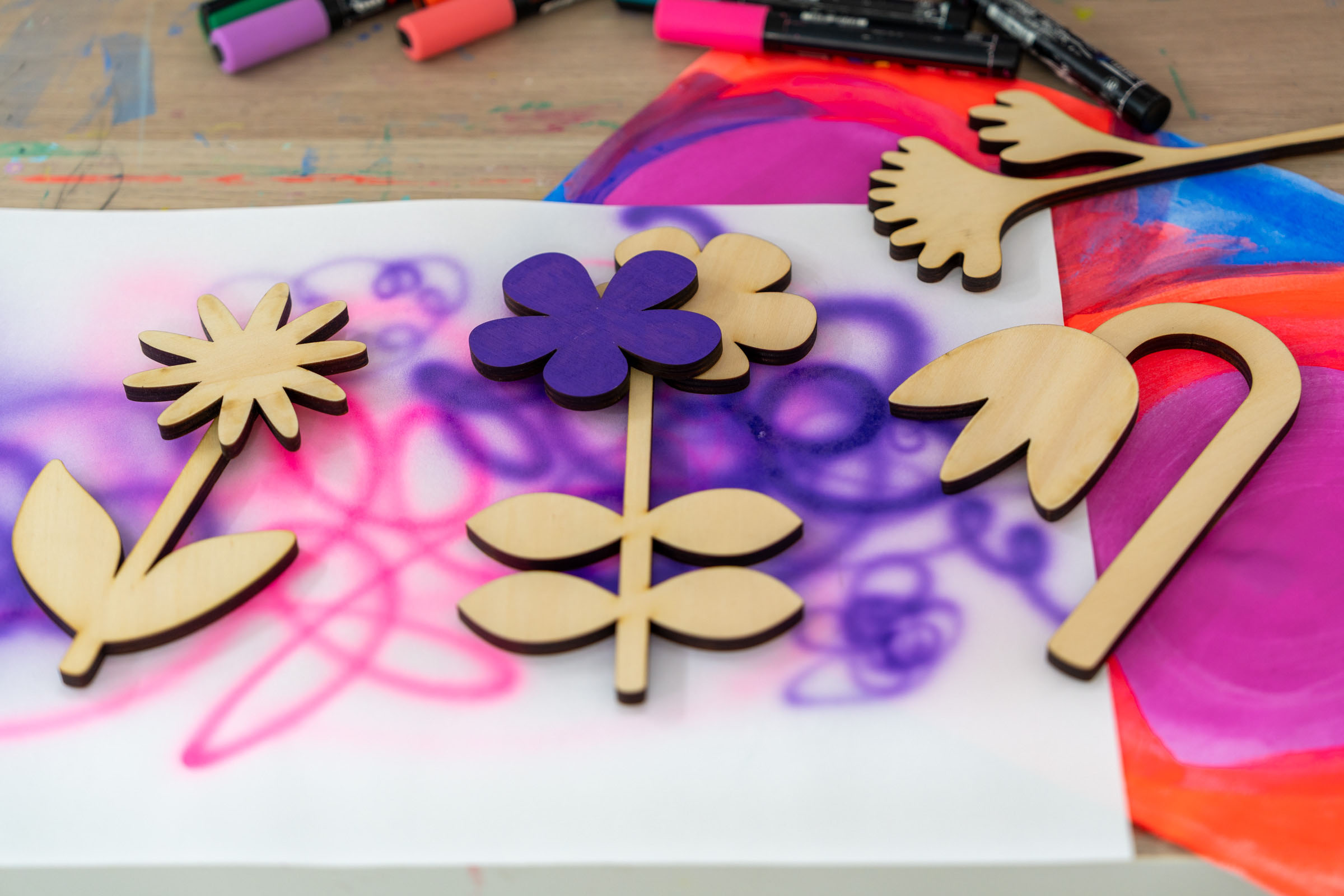
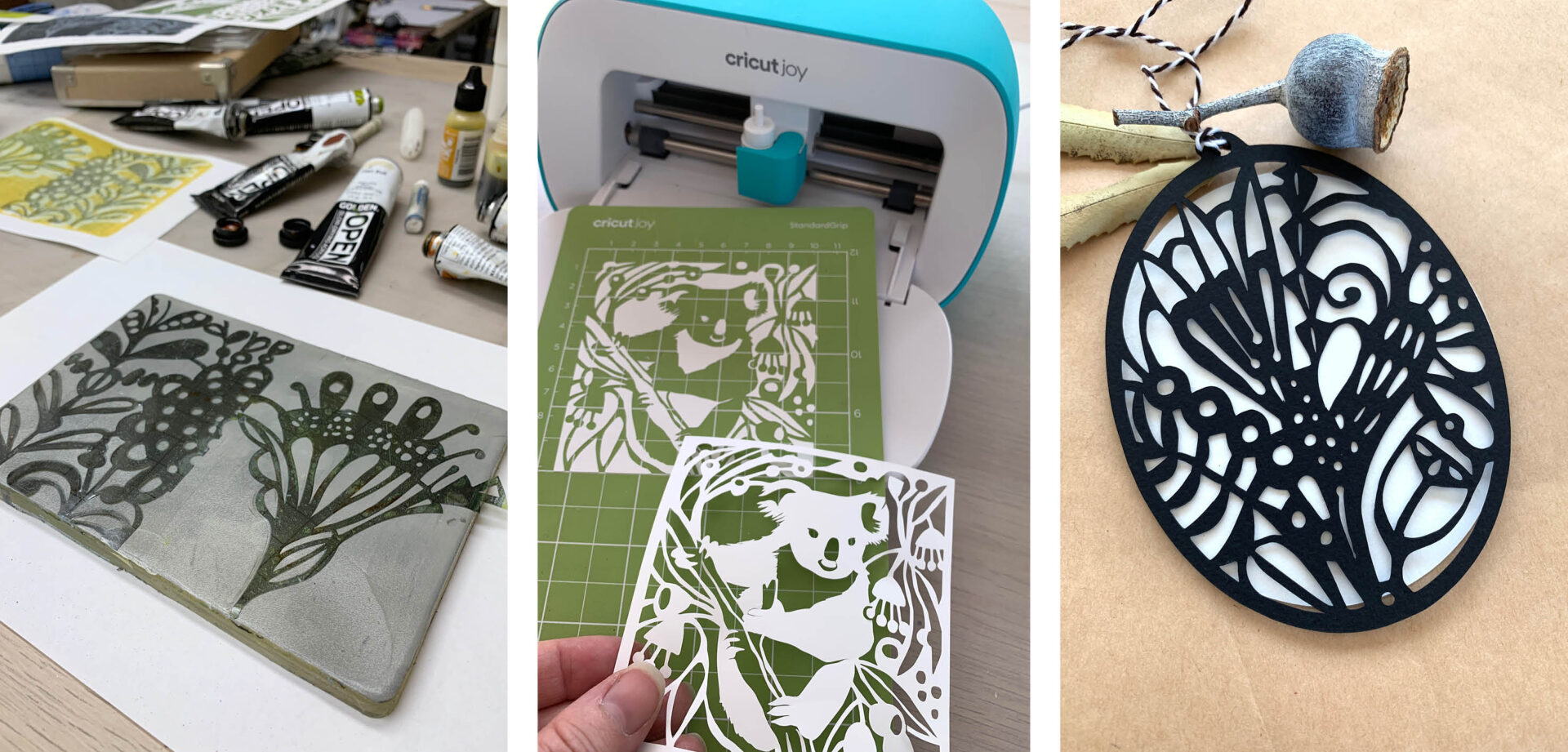
Mostly for cutting my own stencils to use in my print-making work with a gel plate. It saves so much fiddly cutting time as they cut in minutes.
Your No.1 tip for newbies?
Creating cut-outs in minutes from designs provided in the app or your creations is very satisfying! You can nail perfect circles, sweeping curves and detailed designs at the press of a button. Go!
SIMONE DECKERS, FEMKE TEXTILES
Tell us about yourself!
I’m a textile designer and screen-printer. I established Femke Textiles in 2014 after a long career as a nurse. All of my designs begin as hand-drawn sketches and end up on large screens that are hand-pulled at River Studios in West Melbourne.
Femke Textiles draws inspiration from the bush and the diversity of colours, textures and shapes. I was born in the Netherlands, but I came to Australia when I was eight and I have fond memories of bushwalking and camping trips with my family. My love for Australian flora was born there.
Which Cricut model do you use?
The Cricut Maker.
How do you use it?
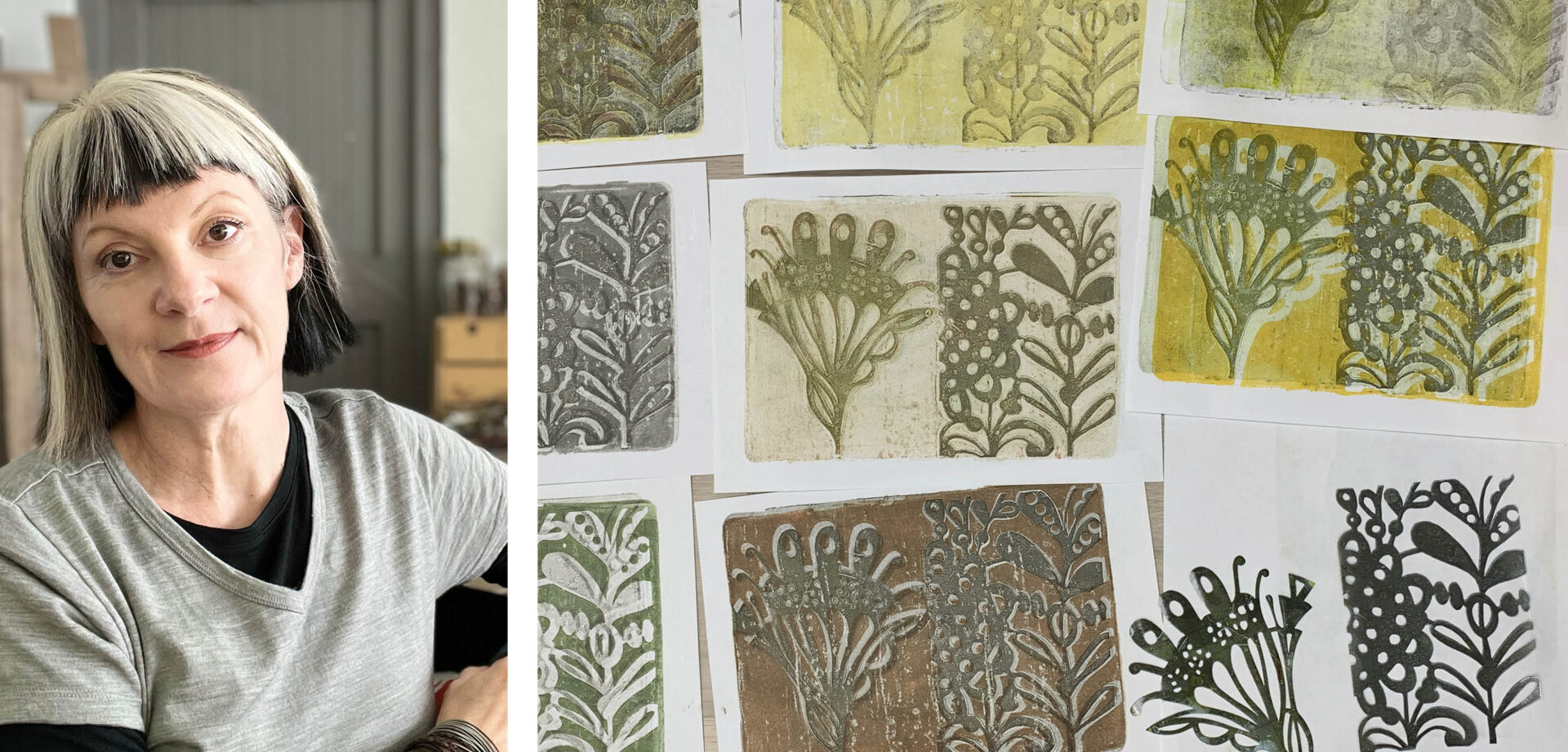
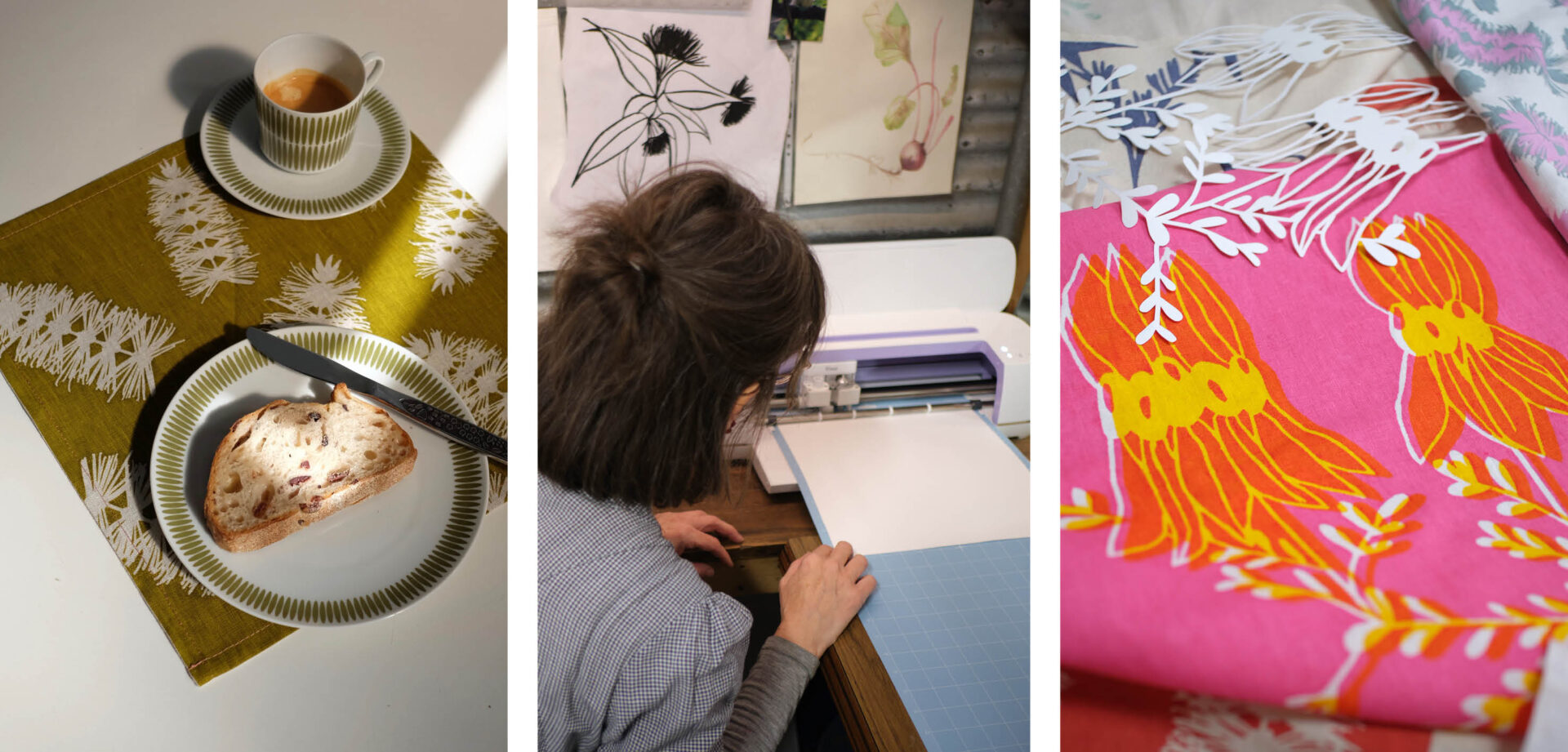
Mostly for testing out new ideas before I commit them to screen. I also cut out stencils for my screen-printing workshops and use it to make limited-edition artworks. It’s fantastic if I have a detailed, intricate design that would be difficult to cut by hand – the Cricut cuts it out exactly as I’ve drawn it, including my wobbly lines.
I also use it to test out packaging ideas and to make signs for my market stall. There are many features that I’m yet to test out! I’m excited by the prospect of cutting out designs on fabric and wood.
Your No.1 tip for newbies?
There are so many Cricut models out there, I’d suggest thinking about what you really want to make then researching what the different models do to make sure you find the one that will best serve your ideas.
THIS ARTICLE WAS CREATED IN PARTNERSHIP WITH OUR GOOD FRIENDS AT CRICUT. THEIR SMART CUTTING MACHINES MAKE IT EASY TO PERSONALISE JUST ABOUT ANYTHING!