words REBECCA RAY
Clinical psychologist and author Dr Rebecca Ray explores how we navigate personal trauma in an increasingly traumatised world.
Not every difficult experience is a trauma (despite what social media might attempt to have you believe). I’m the first to share a meme that describes my to-do list as ‘traumatic’, but that’s because I have a sense of humour and a tendency to be unnecessarily melodramatic, not because I support labelling every single life discomfort as clinically significant.
However, it’s also true that we are living in a world that is increasingly traumatised by the effects of climate change, war and a pandemic, layered on top of the existing risk of being seriously injured, assaulted or facing death simply going about our daily lives as humans.
It’s exhausting but, unfortunately, unavoidable… unless you replace your face mask, internet bill and flooded property with a mountain-top cave and a few years of meditation for a life hiatus (even then, I’m betting climate change will find a way to influence your experience!).
For those of us who can’t sidestep the weight of the world right now, I want to help you navigate forward with some tips for responding to trauma, whether it be yours, experienced by someone you care about or occurring for the world at large.
When you’ve been traumatised directly
If you’ve directly experienced the trauma, what you’ll never hear me say is, “Just focus on the positives.” The symptoms of acute trauma can affect every single aspect of your functioning and leave you feeling like you’re floating in a bubble, watching a version of your life happening around you that you don’t recognise, while trying to process extraordinary emotional (and possibly) physical pain at the same time.
Experiencing trauma shatters our sense of psychological safety.
Experiencing trauma shatters our sense of psychological safety. It’s not the time to be looking forward to the next chapter. It’s the time for ensuring that your basic needs are being cared for, that you have loving support around you and that you have access to professional support as required. In the aftermath of the event, it’s important to restore that sense of safety as much as possible with small routines for self-care and not overloading yourself with the need to ‘fix’ everything. Go gently on yourself. Ask for and accept help. You can’t – and shouldn’t – do it all yourself during this time.
When someone you care about has been traumatised
You know someone whose life has been turned upside down by the floods of the eastern seaboard. Or who has watched their loved one attempt to survive Covid-19 via a ventilator. You know someone whose world was okay on Monday, but absolutely not okay on Tuesday.
When someone you care about has been traumatised, your heart will hurt for them (because you’re a good human, not a sociopath). But that doesn’t mean you’ll automatically know what to say or do. While there is no perfect set of instructions for how to support others through trauma, here are my tips…
Don’t
Avoid them, pretend it hasn’t happened or otherwise dismiss their experience. Your absence makes you feel better, and the traumatised person feels isolated and alone.
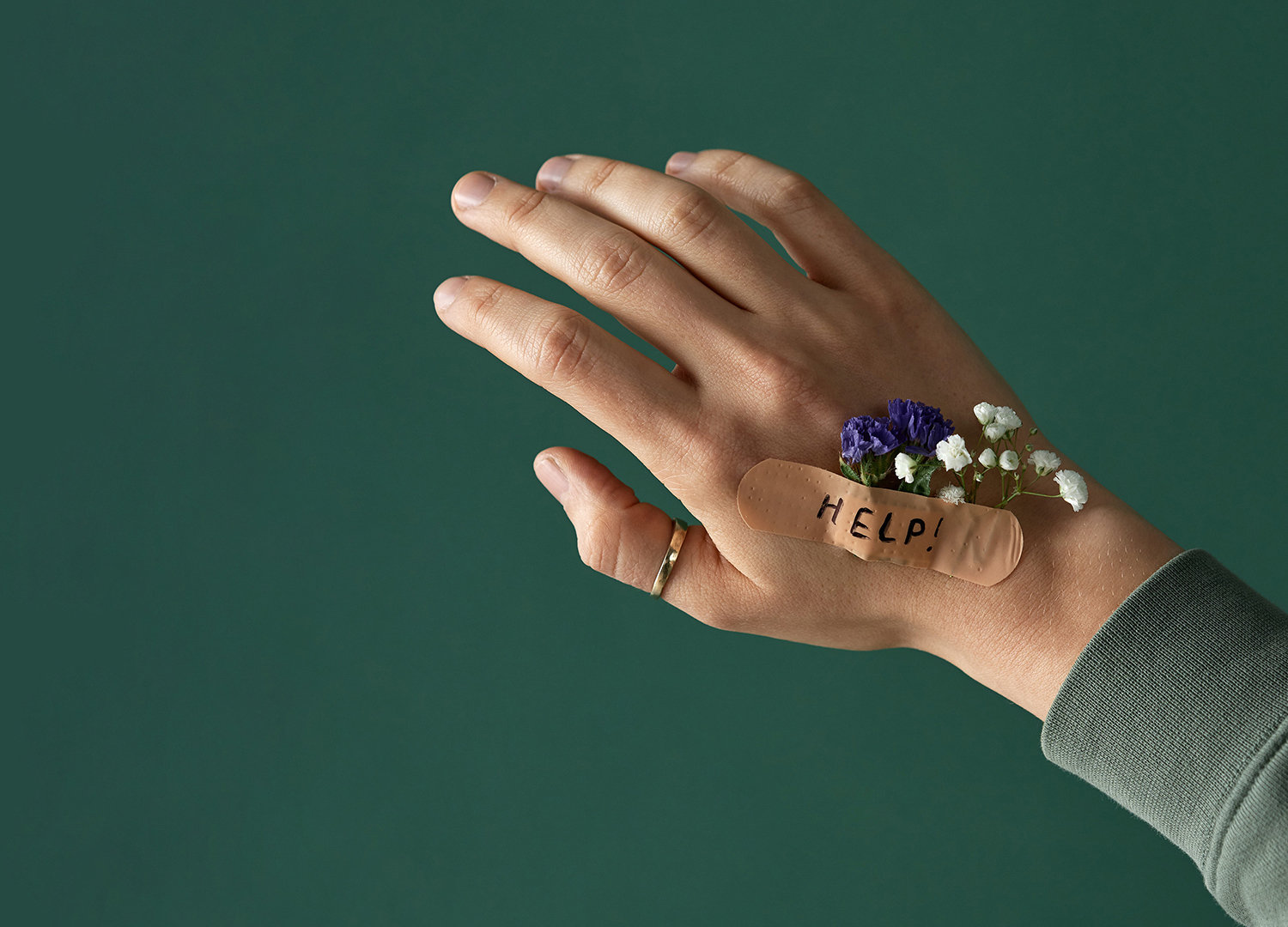
Placate them with vacuous and invalidating statements like, “Everything happens for a reason. You’ll be stronger from this.” To do so is the equivalent of offering a Band-Aid for a burst appendix and then wondering why your friend is still writhing around in pain.
Say nothing. Your silence might be your attempt to ‘not make it worse’, but all it does is create an island of suffering for your friend, the waters around which are coloured by shame.
Do
Be present. Help where you can. Even if it seems like something small to you, I guarantee it will be received as something significant for the traumatised person.
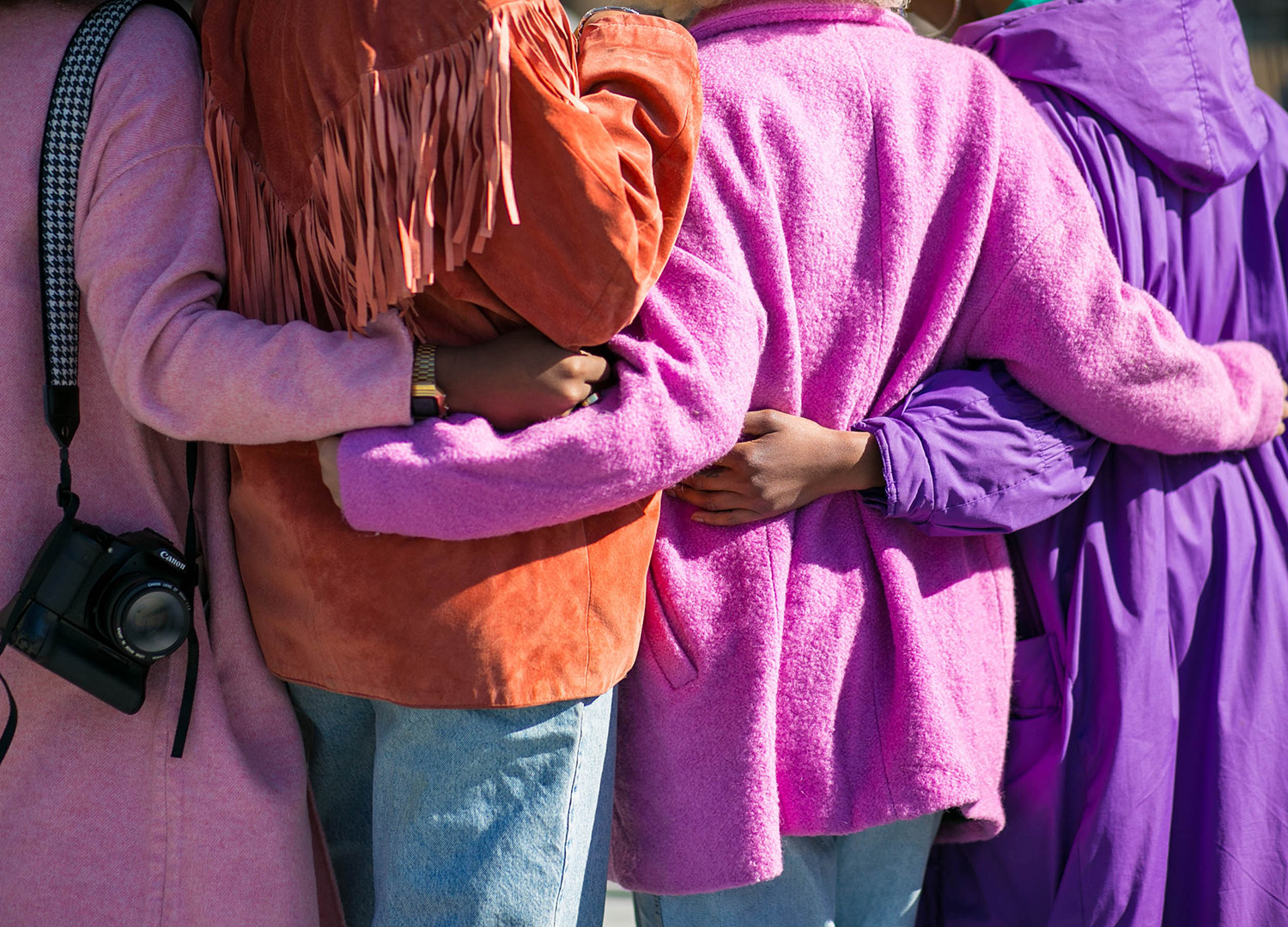
Validate their experience by acknowledging the event. Our healing happens on a foundation of connection, and that connection starts by feeling seen and understood.
Say something. Anything that comes from a place of connection is better than talk about the weather or silence. Being a person that’s psychologically safe to be around means you know that words count.
When you’re watching trauma happen around the world
One of the issues of the last couple of decades is that no generation that’s come before this time has been confronted with a 24-hour news cycle complete with to-the-minute updates with both video and graphic footage attached.
Our brains are not capable of processing the amount and intensity of this information. Instead, they do what they’ve always done, which is to activate our fear system for survival. We sit at our desks or in our living rooms on the other side of the world, with a nervous system primed for action in response to the war in Ukraine.
There’s nowhere for this energy to go. So, we need to take steps to look after ourselves effectively, rather than staying in a state of hypervigilance and anxiety that only makes it harder for us to function in our own lives.
Switch off the TV. Pop your phone in the drawer for a day. Give your nervous system the chance to downregulate as often as possible. The news cycle won’t do this for you, so it’s up to you to step back so that you don’t burn out.
I know you care deeply and I hope these tips help you care for yourself and those you love mindfully and compassionately, even in the hardest of times.
photos VIA UNSPLASH