How often have you had a garment tailored? Your wedding dress, maybe? A fancy suit for work? Unfortunately it’s not the norm when it comes to the everyday person – perhaps strangely when you consider that fit guidelines vary from brand to brand – and clothes that arrive without fitting properly often lurk at the bottom of a wardrobe for years or end up destined for landfill. There’s currently no Australian sizing standards when it comes to women’s and men’s clothing, instead clothing manufacturers base their sizes on a variety of information from sales history to murky marketing tactics and what they believe is their “ideal customer”. One Australian brand, Citizen Wolf, is changing the narrative and re-engineering the way clothes are made at scale to be both carbon negative and custom fit to every body.
As part of our series ‘Business (Not) As Usual’, brought to you by Peppermint and Bank Australia, we speak with Zoltan Csaki, co-founder of the Sydney-based brand, about their Ethical Clothing Australia-certified tees and how through conscious consumption, we can tailor a better world.
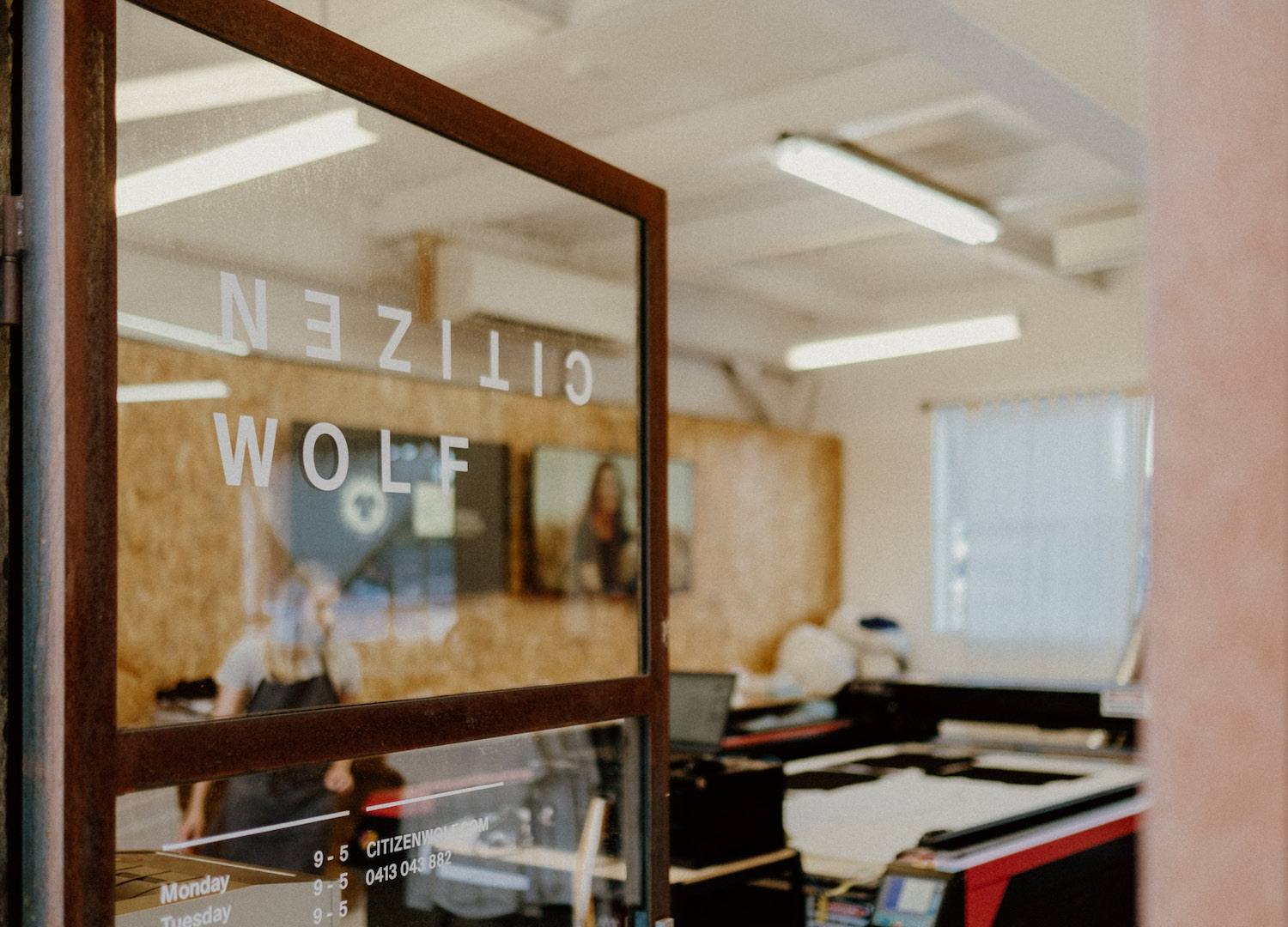
Tell us about the Citizen Wolf journey? What inspired you to create it?
Our mission at Citizen Wolf is to re-engineer the way clothes are made at scale to save our planet. But we started four years ago with a somewhat smaller, though still universal, problem – why is it so hard to find clothes that fit? Put another way, why is tailoring limited to the clothes we wear least often, like fancy suits and wedding dresses? Over time we’ve realised just how destructive the business-as-usual fast fashion industry is, both environmentally and ethically, and have dedicated ourselves to proving there’s a better way of making clothes that treat people, planet and profit with equal respect.
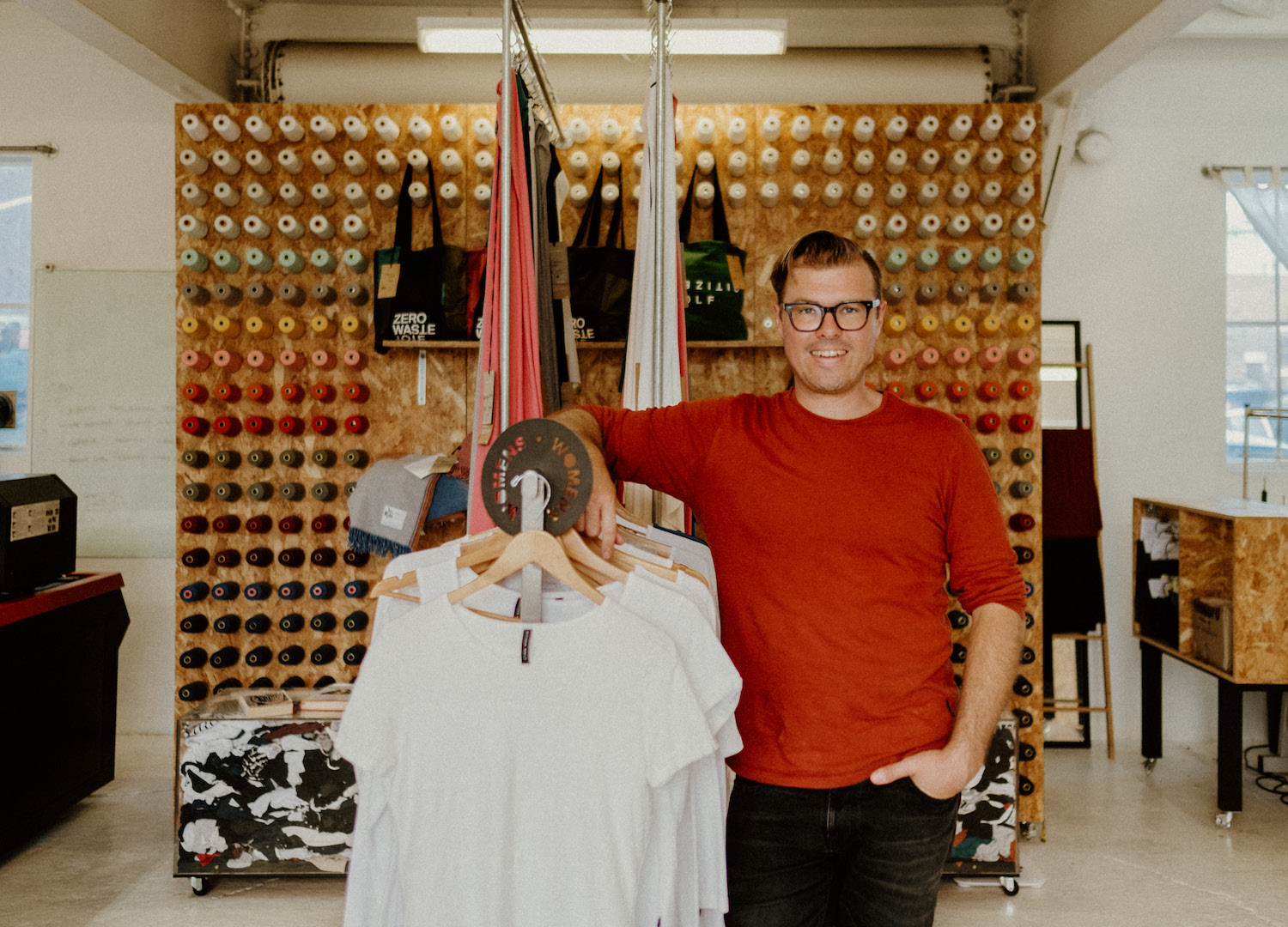
We always knew that we’d use technology to automate the process of tailoring online, but we actually began by manually measuring 1500 people in Sydney and hand-cutting their custom-fit tees to create the dataset from which our Magic Fit technology would be built. We’re proud to say that, today, all we need is your height, weight and age, plus bra size for women, to create a 94% accurate mathematical model of your body from which we create a completely unique, custom-fit t-shirt in our Sydney factory.
What have been the compromises and sacrifices? Were there any values you had to let go of?
As with getting anything started, there have been plenty of personal sacrifices but we’re lucky in that, as co-founders, we’re aligned on core principles and politics. As a result, we’ve been able to build a values-based brand which is as critical to our staff as it is to our customers. Everyone at Citizen Wolf proudly lives our values daily: transparency, honesty, first-principles thinking and inclusivity.
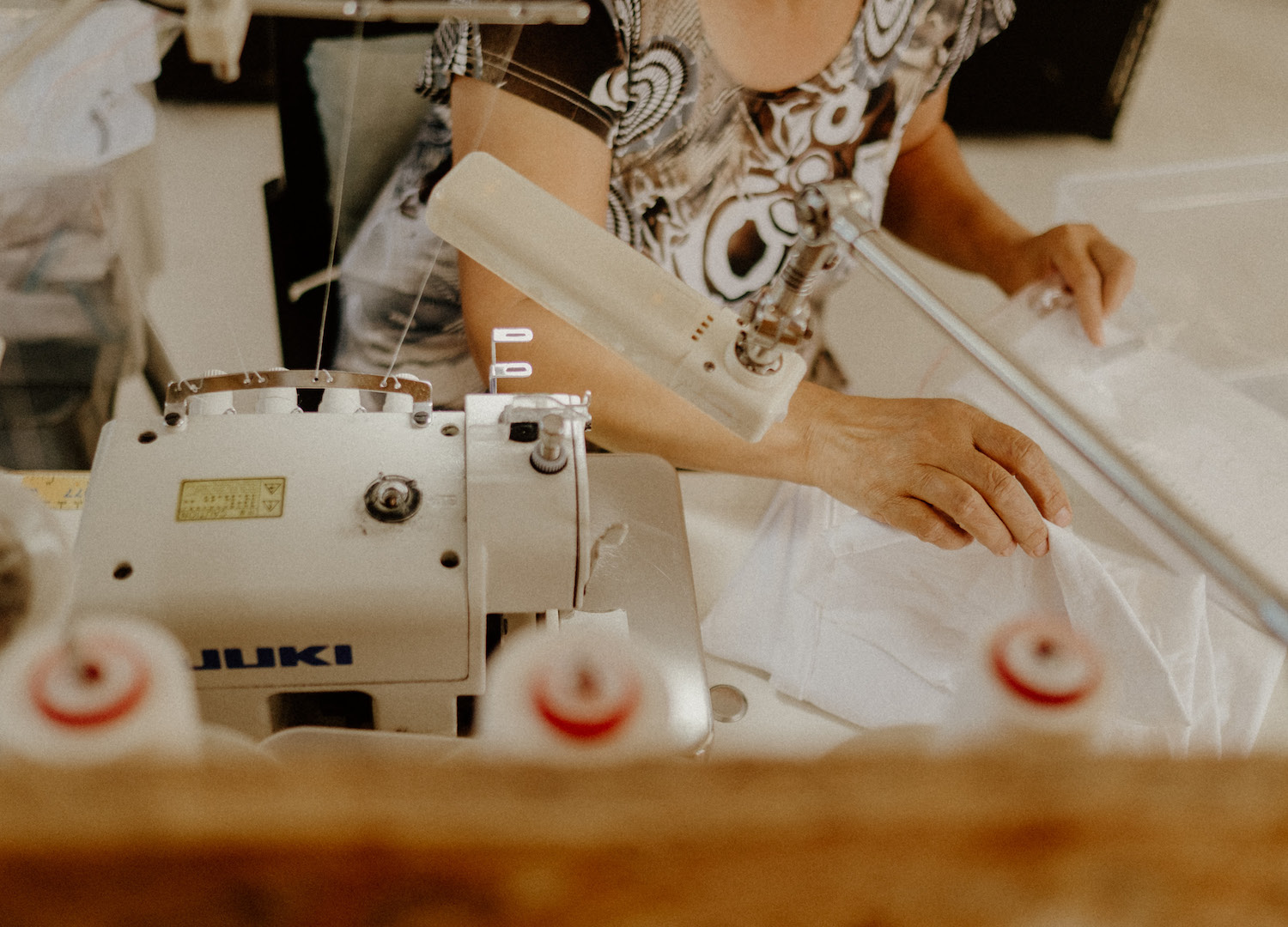
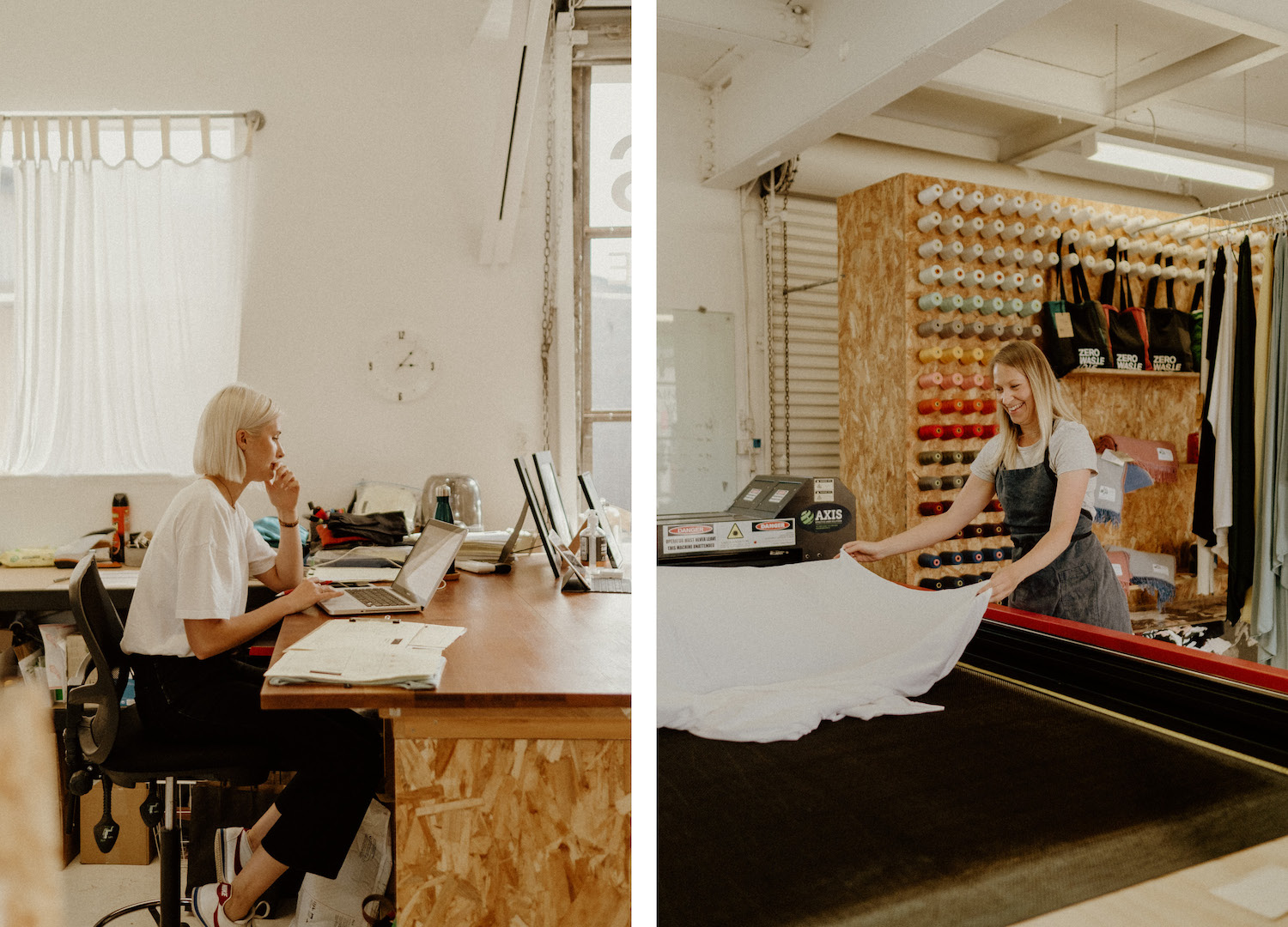
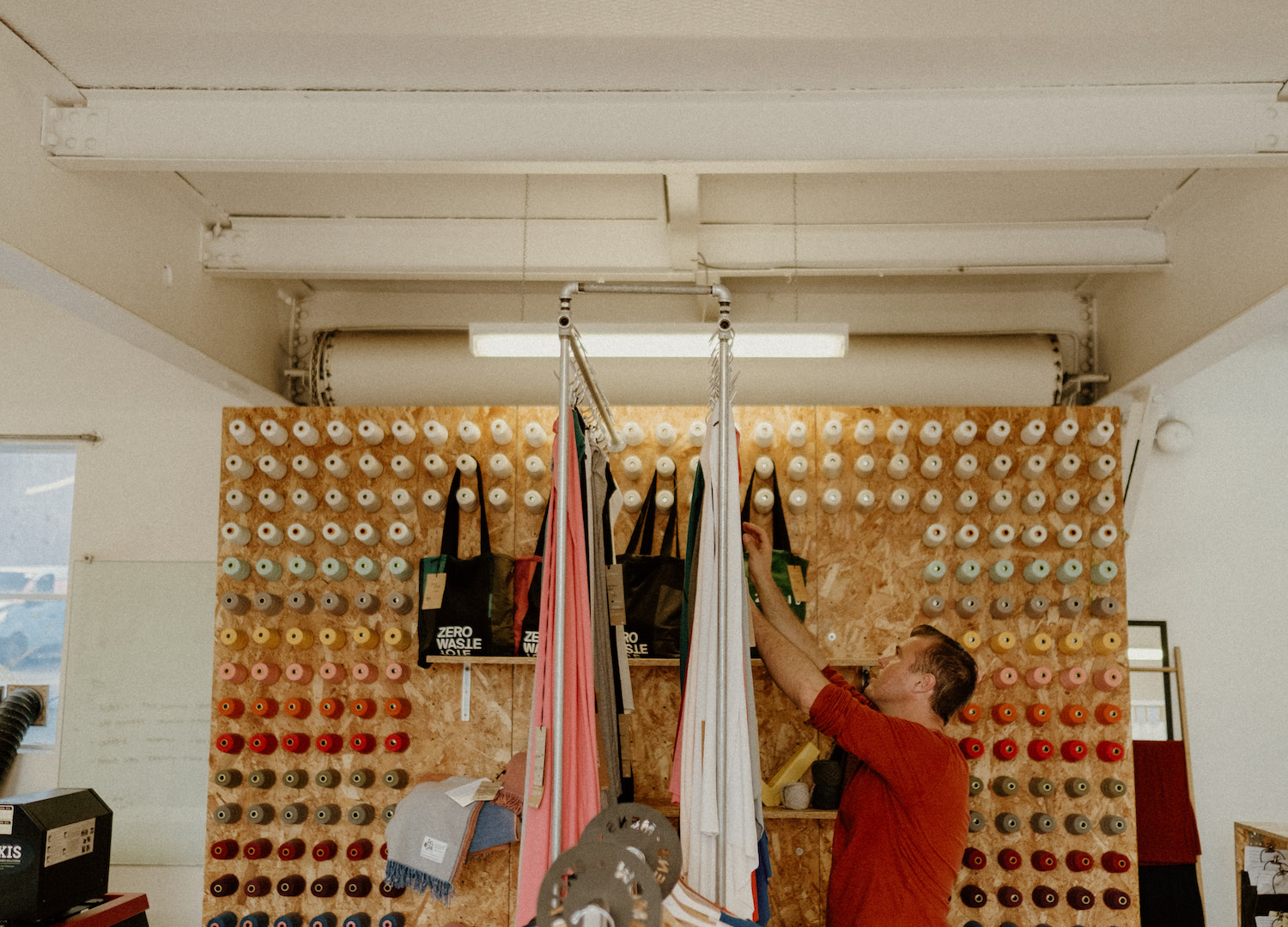
What place do you think business has in creating a more sustainable future?
We strongly believe that it’s up to everyone – both as individuals but also, especially, as brands – to fill the policy vacuum left by the federal government with regards to climate change. We must act where the government fails because otherwise we’re sleepwalking into a nightmarish future for our kids with more frequent natural disasters, food insecurity and massive biodiversity loss – to name but a few concerns! This is not a drill, and anyone with a voice and a following has a moral obligation to speak up against misinformation and vested interests alike to create the net-zero carbon future we so desperately need.
What are the easiest ways businesses, and individuals, can make a lasting impact?
In a word, conscious consumption – OK, that’s two words. We need to move away from rampant consumerism for the sake of it and make sure that whatever we buy – be it food, or clothes, or anything else – is something we both need and will use repeatedly for a long time to come. Oh, and the other thing we can do as individuals with the single biggest impact on climate is to eat more plants and less meat – but that’s another story!
Money can often be seen as a bad thing when it comes to purposeful businesses… How do you think money can be a force for good?
Coming from an advertising background, we’ve adopted an ethos from one of the most famous ‘Mad Men’, Bill Bernbach, who said, “A principle isn’t a principle until it costs you something.” In other words, talk is cheap and actions speak louder than words. For example, we happily pay our staff to take the day off, attend marches and lend their voice to whatever social justice campaign that motivates them. We also match, dollar for dollar, any personal donations staff make to social, racial or environmental justice movements. Posting to Instagram is fine, but true change comes from action on the ground. If we can’t do that ourselves, we believe passionately in materially assisting others who can. For this reason, we’re also proud to bank with Bank Australia and support their principled actions to not fund destructive industries such as mining or the live export of animals.

How do you balance sustainability and profit? Is there a way to do it without compromising?
As a certified B Corp, like Bank Australia, we are required to balance people and planet alongside profit. We say it’s like having both Mother Earth and Mother Teresa on our board. Every single action and initiative we undertake here at Citizen Wolf goes through those filters in the same way as going through our financial forecasts. In other words, for us, there is no distinction. Quite simply, we do not profit without sustainability.
What does a typical day look like for you?
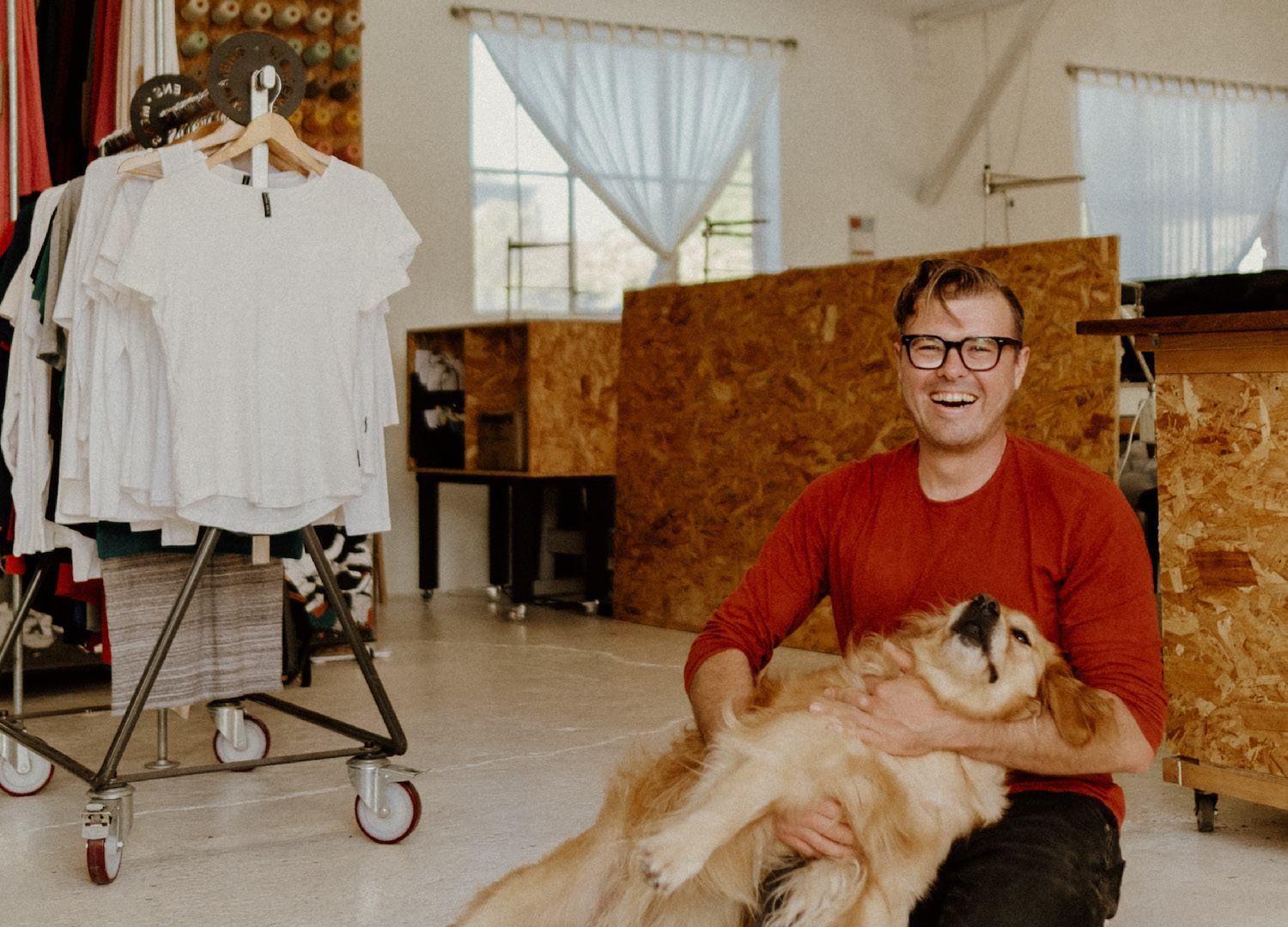
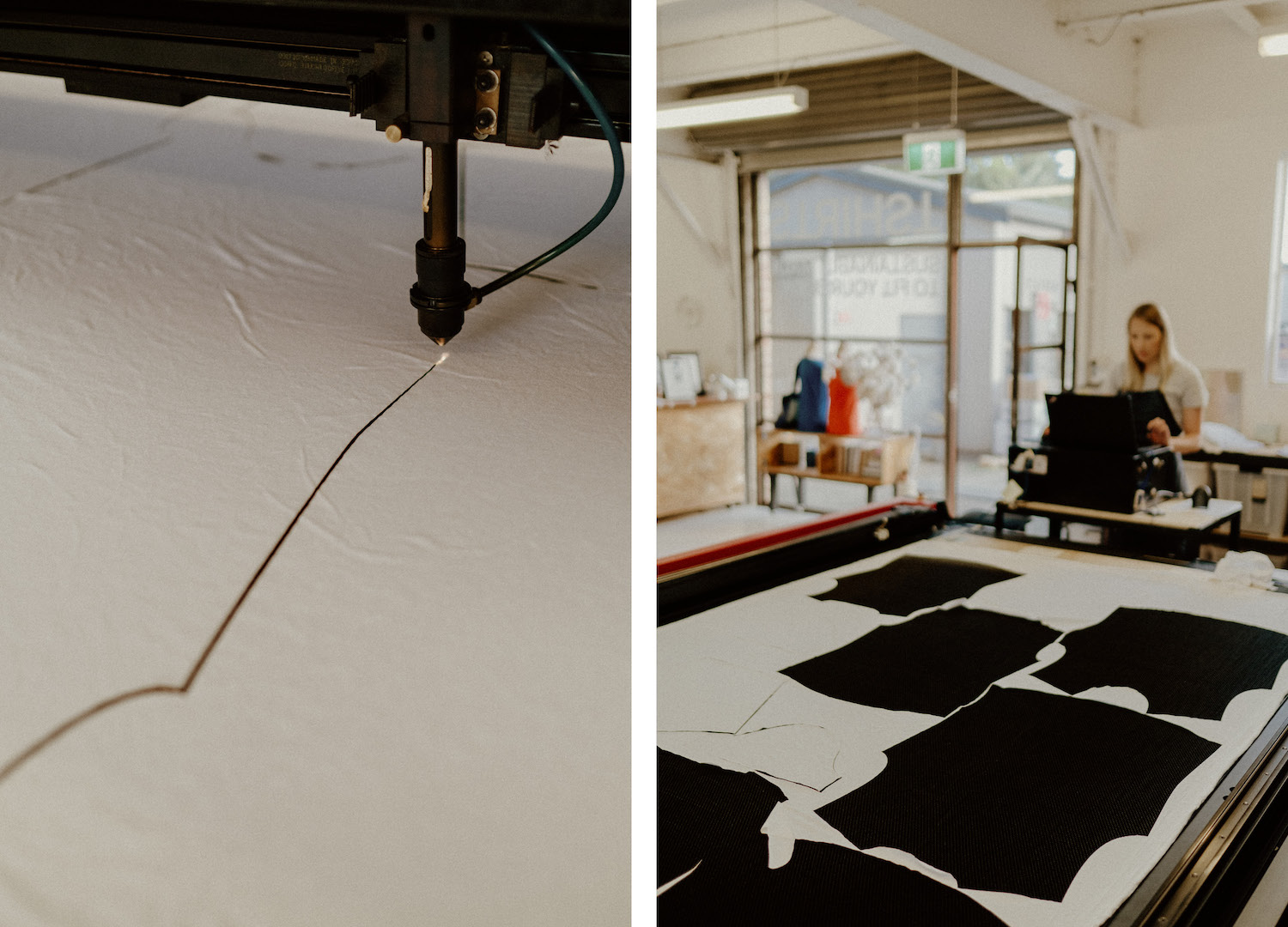
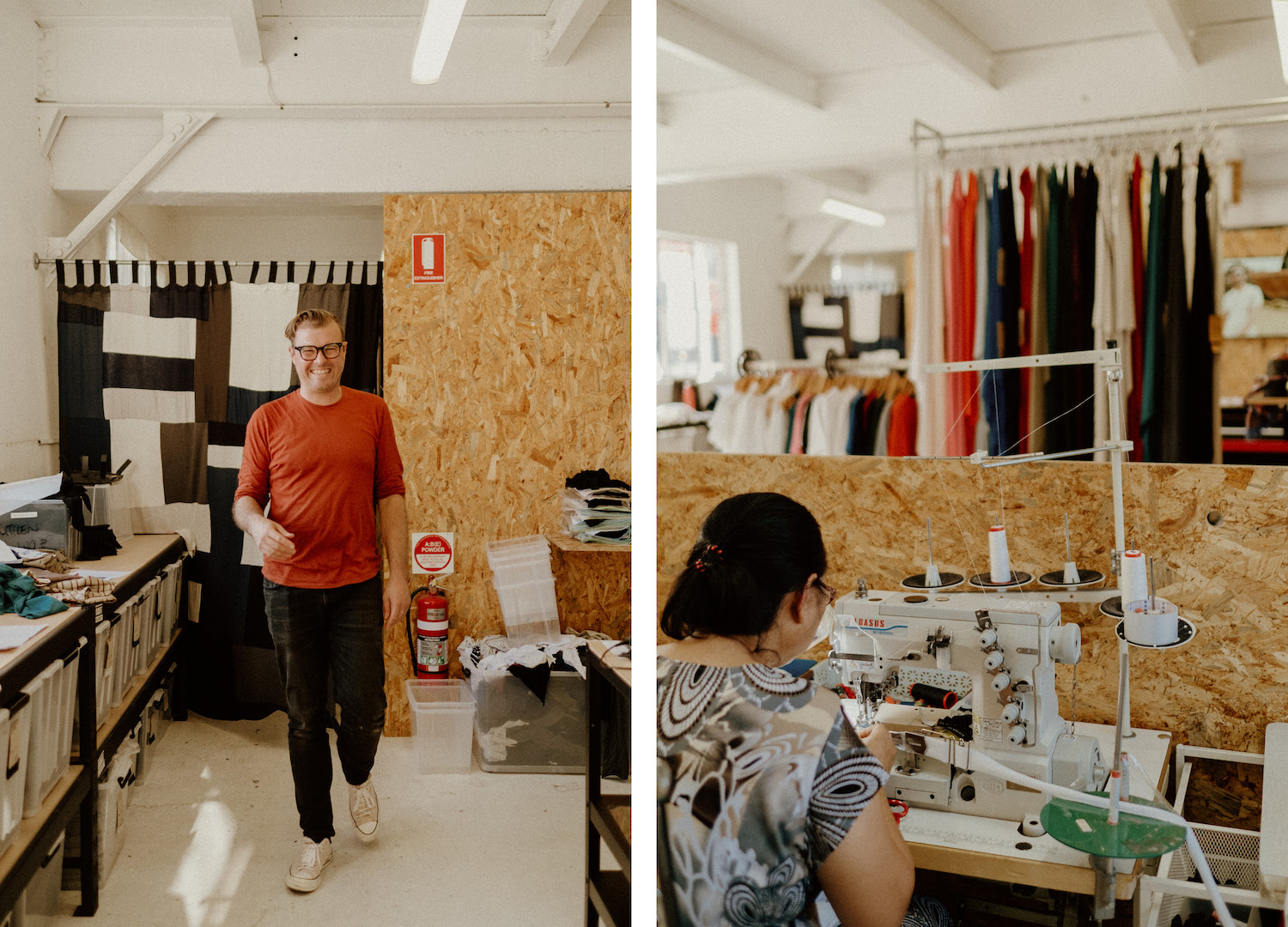
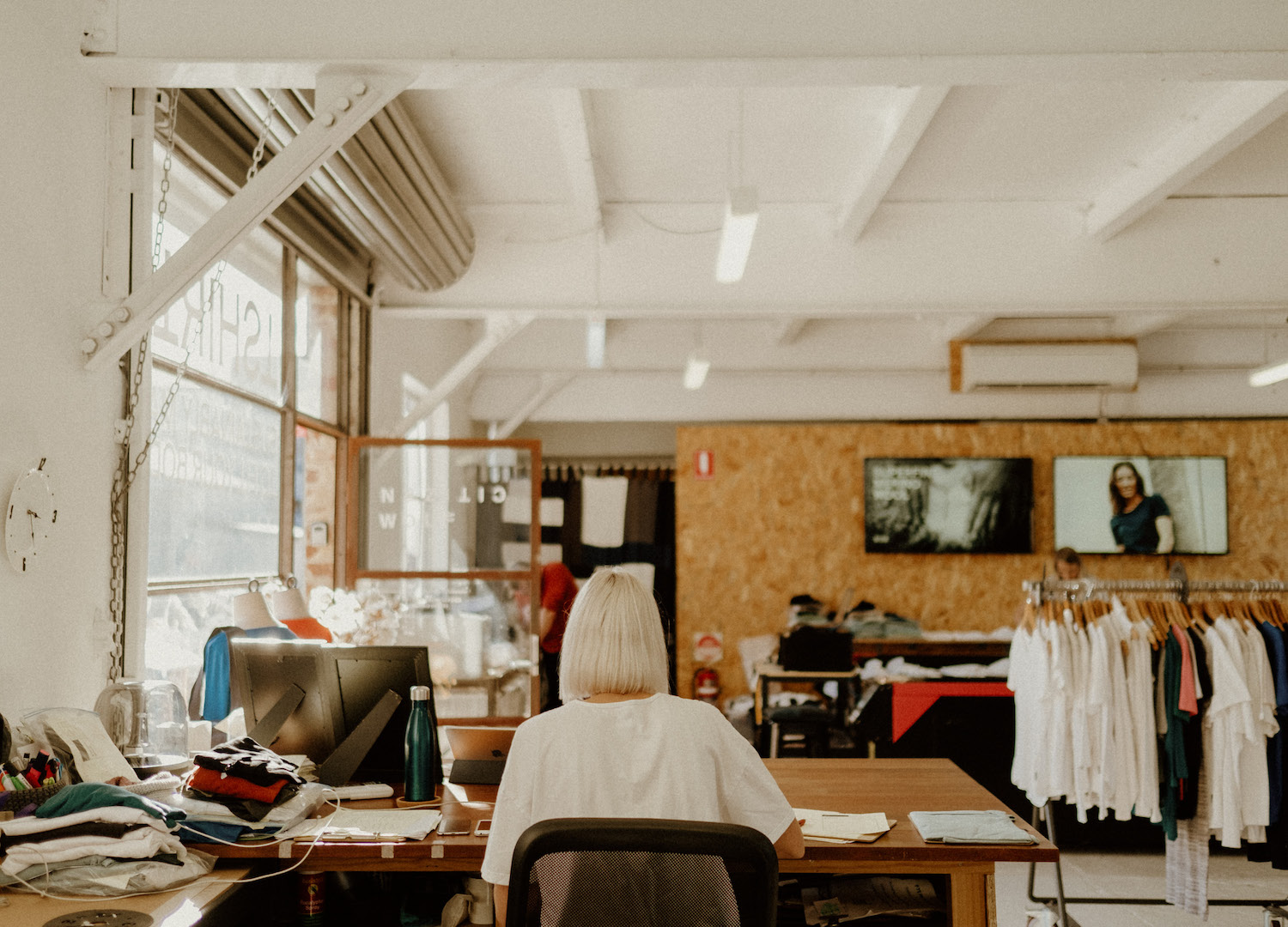
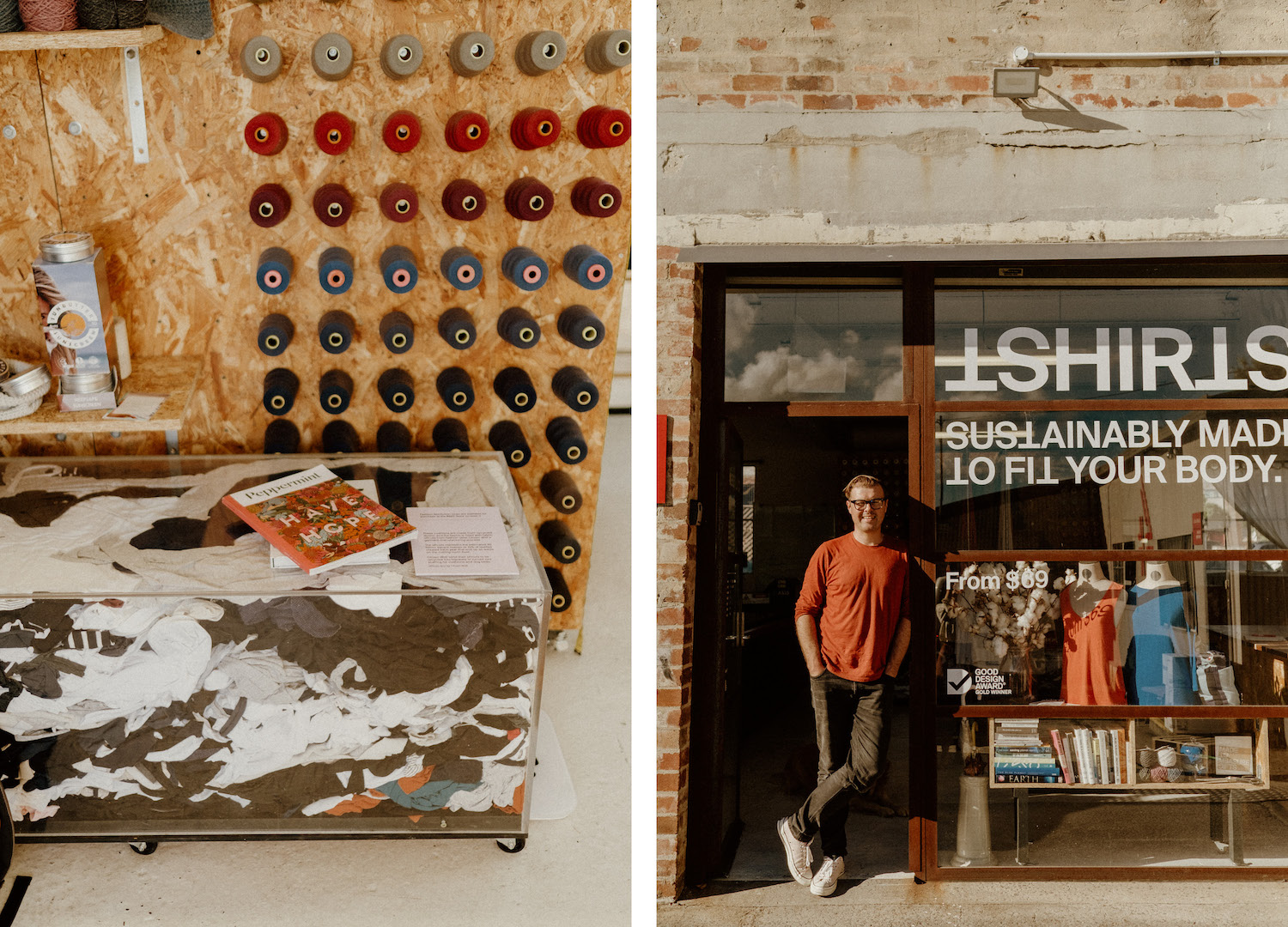
Busy! Ha. Because we make everything ourselves here in our Sydney factory, we’re surrounded by the whirring of the laser cutter and the rat-a-tat-tatting of the sewing machines so it’s impossible to forget the physicality of what we do. But that’s something we all love because, at the end of the day, we craft our tees with love – and lasers!
Tell us about the worst mistake you’ve made?
Startups are, above all, about experimentation. You don’t move forward without trying things you’ve likely never done before and those experiments often end in failure. Obviously we try to minimise the downside risk on any one thing, but the crucial takeaway is that failing isn’t bad so long as there are learnings to take into the next hypothesis and experiment. But, to more specifically answer your question, our biggest mistake was not getting out of physical retail sooner. We had a store in Sydney’s new Darling Square development and, while it was great exposure, it split our small team and defocused the business from our core of ecommerce. Breaking that lease just before COVID hit was the best thing we ever did.
What’s been your biggest lesson?
Startups often begin with the founders trying to solve a personal problem and that’s absolutely fine for breaking the initial inertia of starting. But if I could change one thing about our journey, it would be to become laser-focused on exactly who the real customer is as soon as possible – talk to them, interview them and develop deep empathy for their pain points to really understand the problem the business is solving versus the one you think you might be solving.
Do you believe true balance is possible?
Yes, but it’s extremely difficult. We worked 18-plus hours a day, seven days a week for the first year, six days a week for the next two years – including when I had a newborn baby! – and we’ve only recently ‘gone down’ to five days a week. Work-life balance is also a function of how many people we have in the business beyond the co-founders and, as we grow, we’re lucky to continue employing great people to make this happen. But we’ve worked hard to make sure that these days everyone is out of the factory by 6pm because we recognise that balance is critical.
What is the secret to truly combining business purpose and passion?
Make work intersect with your passion because, as the old saying goes, “If you do what you love, you’ll never work a day in your life.” Amen.

Thanks so much to our partner Bank Australia for supporting our ‘Business (Not) As Usual’ series. One of Australia’s few B Corp-certified banks, Bank Australia believes in a fair and just world – working with their customers to use money as a force for good to help create positive impact for people, their communities and the planet.
PHOTOS OF CITIZEN WOLF BY LAURA ZACHARIAS FOR PEPPERMINT