
Six Seasons: Quandong Pie

LIGHTHOUSE BAKING

The calendar of the South West’s Nyoongar people includes six annual seasons – Birak, Bunuru, Djeran, Makuru, Djilba and Kambarang – which all reflect the changes in the natural world that come with the passing of time. Each is traditionally used as a guide to what to harvest and where to move across the land.

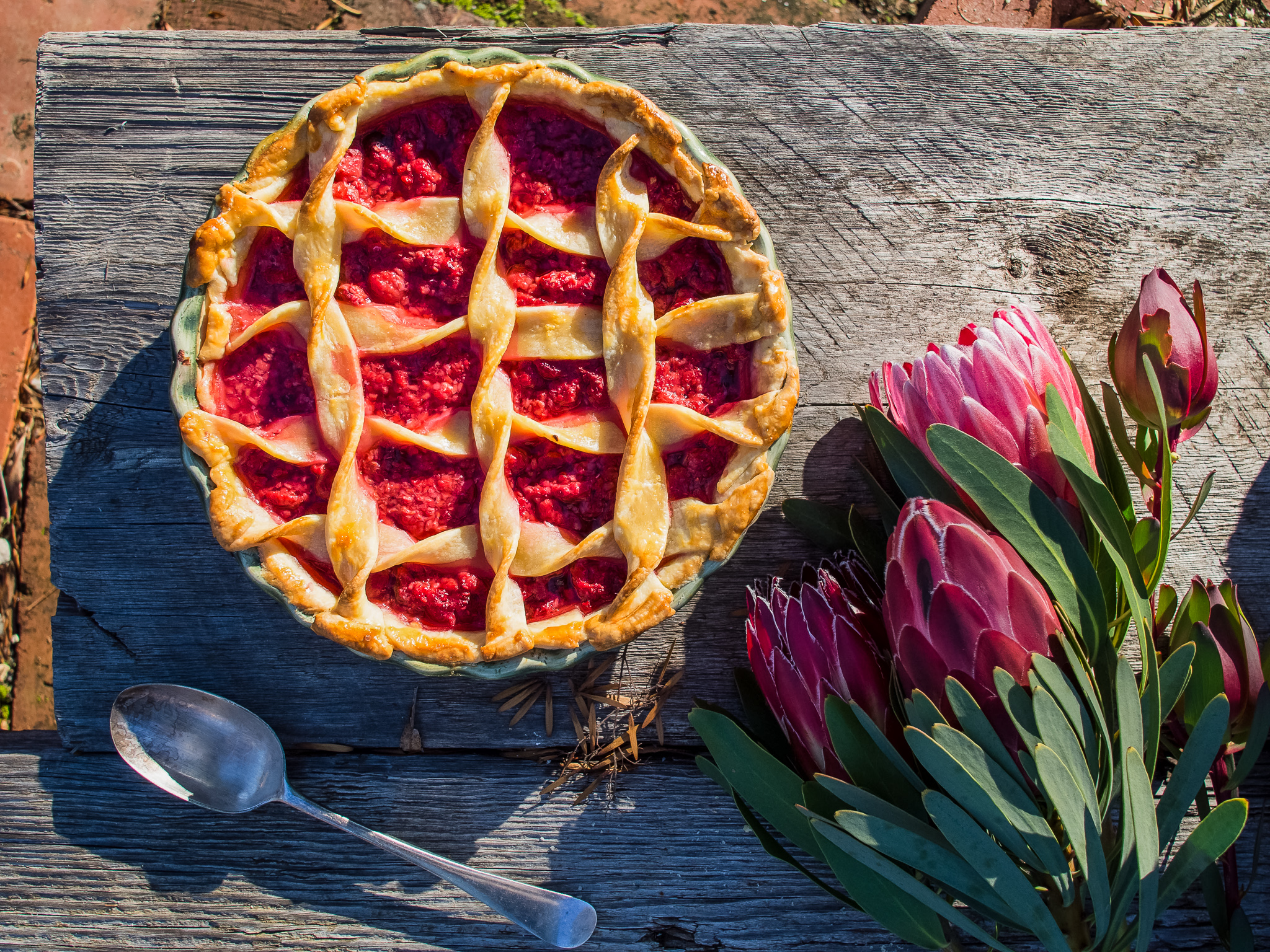
We’ve teamed up with our friends at Fremantle’s Lighthouse Baking to bring you six recipes that each fit with a Nyoongar season – helping you observe all six seasons with something delicious and truly timely. Third up is the Kambarang season, which is all about those longer dry periods and an exploding abundance of colours and flowers. Known as the season of birth, this season is a veritable riot of new life – from the blossoms of the acacias and banksias to the waking, post-hibernation reptiles and the much-protected baby koolbardies (magpies), it’s a fresh start all round. To celebrate nature’s reboot, why not whip up this refreshing quandong pie – ideal for a sunny morning tea! 

Ingredients

For the pastry

1½ cups Lighthouse Biscuit, Pastry & Cake flour

2 tbsp icing sugar mixture

125g unsalted butter, chilled, chopped

1 egg yolk

1 tbsp chilled water

For the filling

2 cups quandong fruit, fresh or dried

2 apples

1 cup sugar

2 cups water

1/4 cup cornflour for thickening
Method

To make the pastry, place the flour, sugar and butter into a processor until the mixture resembles fine breadcrumbs. Add the egg yolk and chilled water, and process until pastry just comes together – adding more water if necessary. Turn onto a lightly floured surface and knead until smooth, than shape into a 2cm-thick disc. Wrap in a beeswax wrap or clingfilm, then refrigerate for 20 to 30 minutes or until firm enough to roll out.

Roll the dough out between 2 sheets of baking paper until it’s 4mm thick. Line the base and sides of a greased 6cm deep, 20cm base springform pan with pastry. Trim any excess pastry (roll it into a disk and save for later) and refrigerate, covered, for 30 minutes.

Meanwhile, remove the seeds from the fresh quandong fruit and chop coarsely. Peel and de-seed the apples and chop coarsely. Add the fruit to a large saucepan, then add the sugar and water and cook over medium heat until the fruit softens (around 10-15 minutes). Combine the cornflour with a little water to make a paste, then stir this into the fruit to thicken.

Preheat oven to 200°C (180°C fan-forced). Place the pan on a baking tray, and line the pastry case with baking paper. Fill it with ceramic pie weights or uncooked rice, and bake for 12 minutes. Remove the paper and weights or rice, then bake for 7 minutes or until base is golden. Cool slightly.

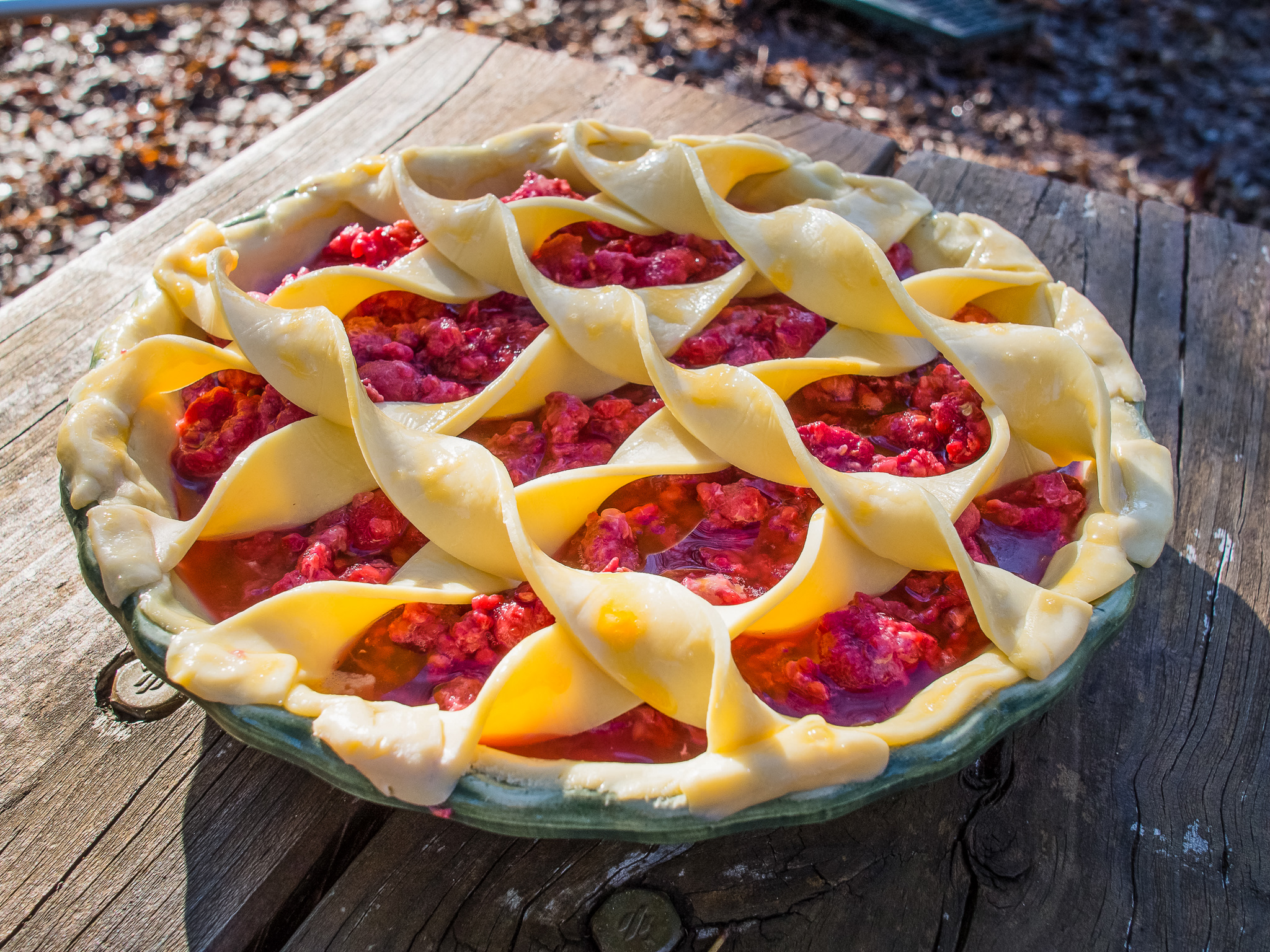
Spoon your fruit mixture into the pastry case. Roll out the disk of trimmed excess pastry and cut into long strips, then lay these over the top of the pie and pinch at the ends to attach it to the base. Bake for 25 minutes or until golden, and then cool for 20 minutes before serving. Enjoy!

Note: If you are using dried quandong fruit, you’ll need to re-hydrate the fruit according to the instructions on the package.


BETTER TOGETHER IS A COLLECTION OF PEPPERMINT PARTNERSHIPS WHERE WE TEAM UP WITH BRANDS WE LOVE TO BRING YOU INSPIRATIONAL STORIES. SIX SEASONS HAS BEEN CREATED AS A COLLABORATION WITH OUR FRIENDS AT LIGHTHOUSE.

You might also like

JOIN OUR MAILING LIST

Brighten up your inbox with our not-too-frequent emails featuring Peppermint-related news, events, competitions and more!

explore

More articles

Handcrafted on the NSW North Coast, Ruco Paints brings sustainability and artistry together through vegan paints, refillable ceramic pots and small-batch colour runs. Founder Marlena Taylor shares why ‘living a making’ matters.
Fancy an intentional refresh of the knicknacks and heirlooms you surround yourself with, at home or in your shopfront? The Life Instyle team share their insights about the design shifts, materials and values-led brands shaping what’s next and best.
The loss of a furry bestie cuts deep, as our Founding Editor-in-chief Kelley Sheenan knows. In Issue 64, Kelley wrote about the lessons they leave us, from dealing with fascists, napping, and the power of setting – and keeping – boundaries.
Putting together our annual Stitch Up brings on all the feels! We feel humbled that you’ve chosen to sew Peppermint patterns, we feel inspired by the versions you’ve created and we feel proud of you.

Look, I don’t want to make anyone panic but IT’S DECEMBER!!! If you’re planning to give homemade gifts, you’re going to have to act fast. …

For Noosa-based designer and upcycler extraordinaire Jaharn Quinn, the perfect holiday had to tap into her obsession with timeless, elevated and sustainable slow design. Enter Eurail and a grand European adventure!

Hang out with us on Instagram

As the world careens towards AI seeping into our feeds, finds and even friend-zones, it's becoming increasingly hard to ignore.⁠
⁠
We just wanted to say that here at Peppermint, we are choosing to not print or publish AI-generated art, photos, words, videos or content.⁠
⁠
Merriam-Webster’s human editors chose 'slop' as the 2025 Word of the Year – they define it as “digital content of low quality that is produced usually in quantity by means of artificial intelligence.” The problem is, as AI increases in quality, it's becoming more and more difficult to ascertain what's real and what's not.⁠
⁠
Let's be clear here, AI absolutely has its place in science, in climate modelling, in medical breakthroughs, in many places... but not in replacing the work of artists, writers and creatives.⁠
⁠
Can we guarantee that everything we publish is AI-free? Honestly, not really. We know we are not using it to create content, but we are also relying on the artists, makers and contributors we work with, as well as our advertisers, to supply imagery, artwork or words created by humans. AI features are also creeping into programs and apps too, making it difficult to navigate. But we will do our best to avoid it and make a stand for the artists and creatives who have had their work stolen and used to train AI machines, and those who are now losing work as they are replaced by this energy-sapping, environment-destroying magic wand. ⁠
⁠
Could using it help our productivity and bottom line? Sure. And as a small business in a difficult landscape, that's a hard one to turn down. We know other publishers who use AI to write stories, create recipes, produce photo shoots... but this one is important to us. ⁠
⁠
'Touch grass' was also a Merriam-Webster Word of the Year. We'll happily stick with that as a theme, thanks very much. 🌿