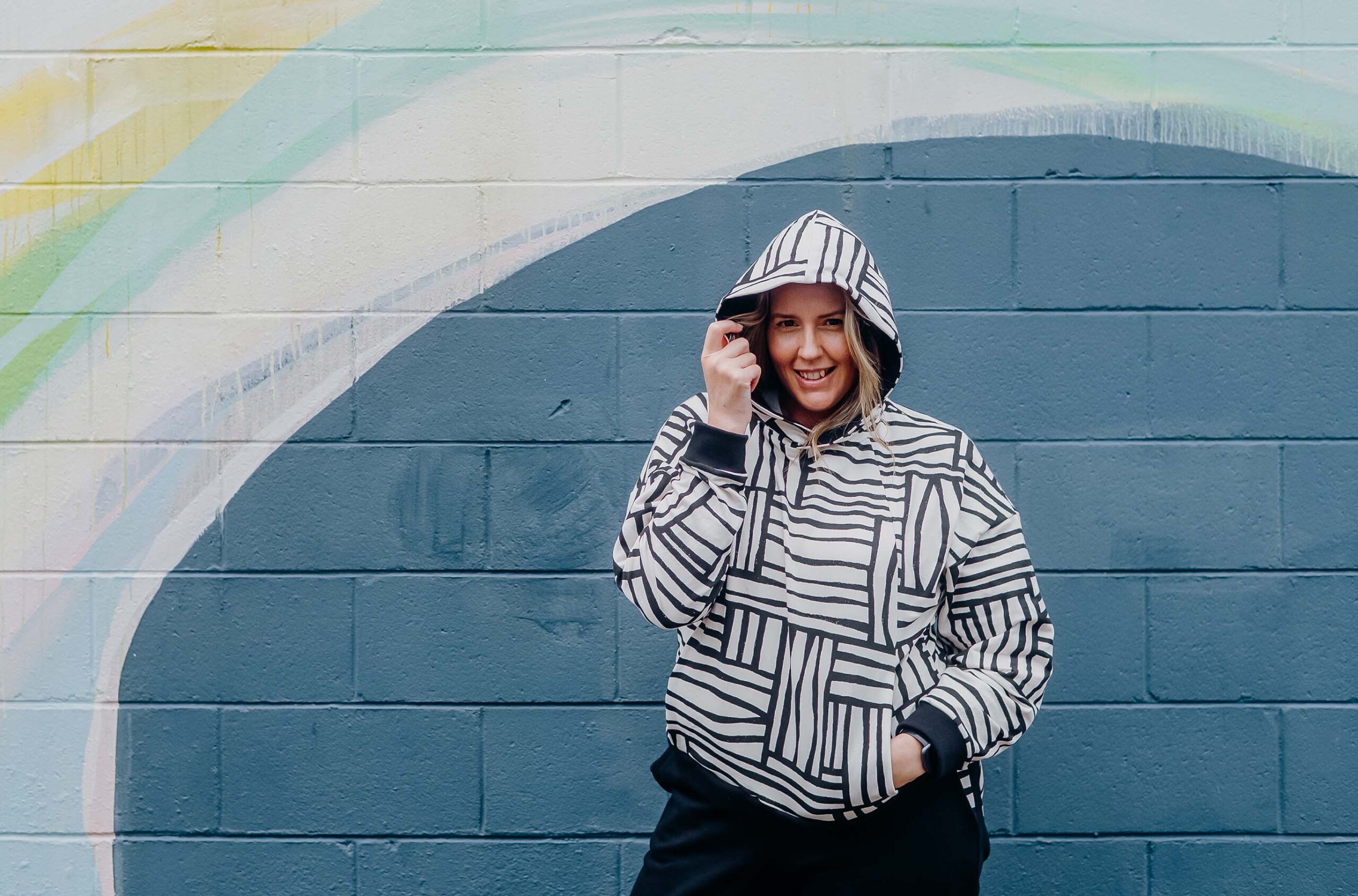
Wearing her well: The power of women’s history weaves through this fab collab
- Words by Donnay Torr
What if our clothes could tell better stories?
Not about trends or whatever micro-era the algorithm has decided we’re currently living through. Actual stories about women who fought, protested, rebuilt cities, drove trams, crossed deserts and changed Australia, even when history tried to shuffle them off to the margins afterwards.
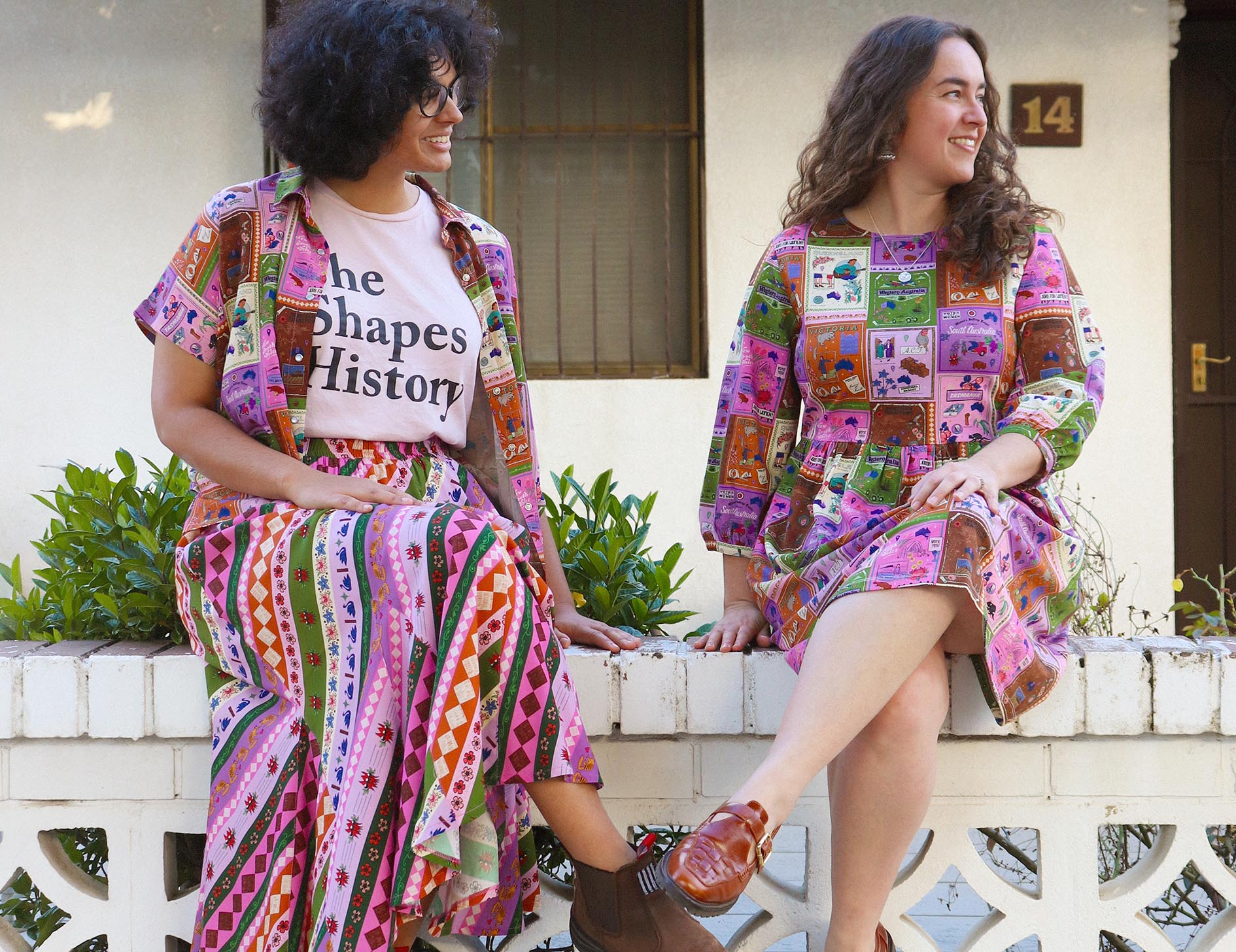
That’s the idea behind the new collaboration between women’s history walking tours project She Shapes History, beloved Aussie fashion label made590 and illustrator Emma Rowland: a joyful clothing collection built around women whose contributions throughout history deserve a much bigger spotlight.
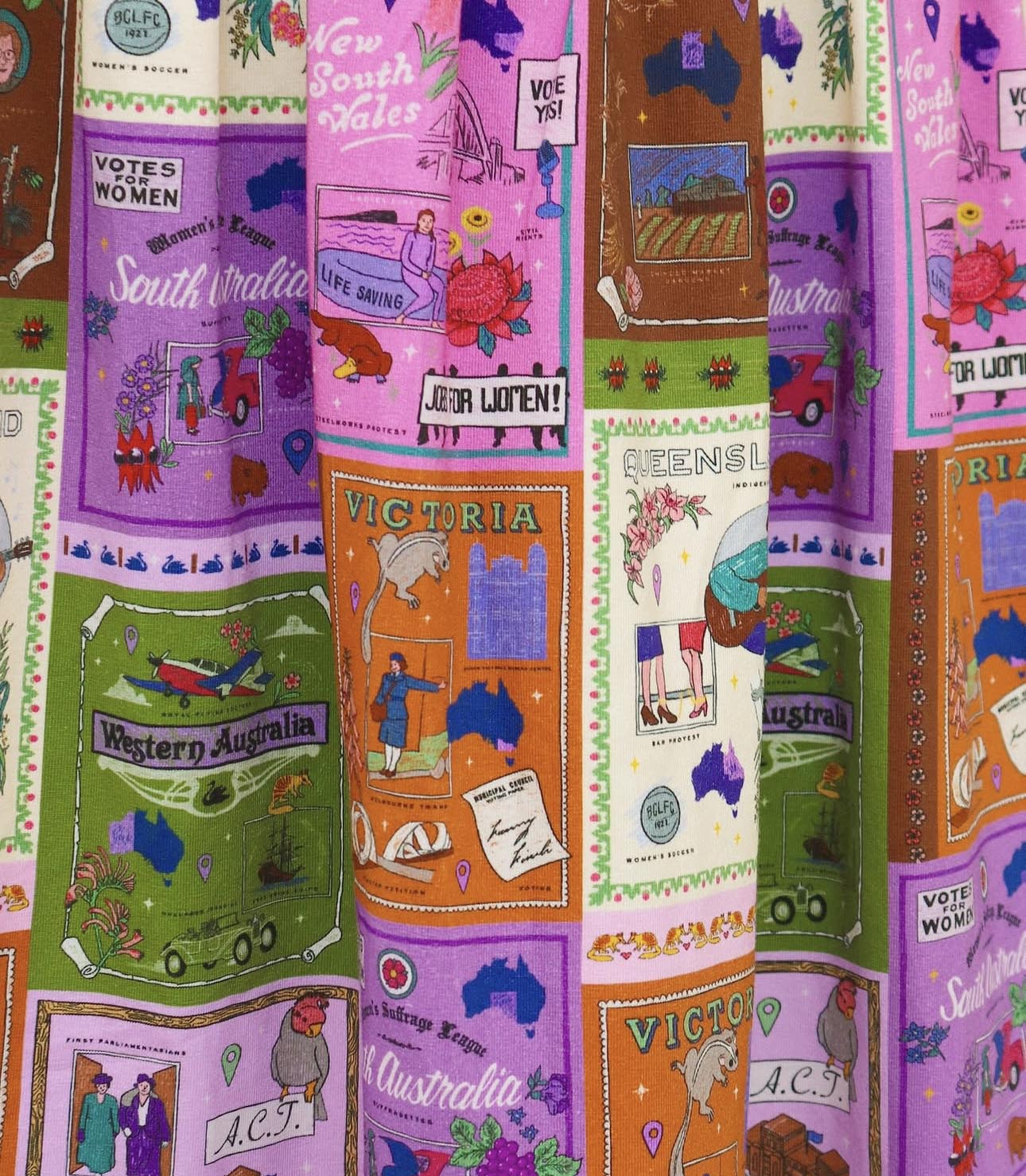
Each section of the custom-designed print connects to a real woman, movement or moment in Australian history. It is a weighty subject (especially if you allow yourself to get grumpy about how women’s work so often seems to get sidelined!), but the collection doesn’t feel heavy-handed. Instead, it bursts with colour, humour, vintage Australiana references and tiny details that delight. The pieces are made to be seen, in the best way.
For She Shapes History founder and CEO Sita Sargeant, that sense of visibility sits at the core of everything the organisation does.
“She Shapes History exists to close the respect gap,” Sita says. “The lack of recognition for women’s contributions to history. We bring women’s stories in the places we live, work and visit to life.”
Best known for its walking tours across Canberra, Sydney, Melbourne and Wollongong, She Shapes History explores the stories often left out of traditional history books. “The thread running through all of it is simple,” Sita explains. “There’s no part of this country that hasn’t been shaped by women.”
And while tours and books remain central to that mission, clothing offered something different: a way for those stories to move through everyday life.
“What I absolutely love is that it reaches a whole new audience,” Sita says. “Clothing is something you wear out into the world every day, so these stories travel with people who might never book a tour or pick up the book. And I’m very careful about who we partner with – both Chris and Emma were so values-aligned that we couldn’t think of anyone better to work with!”
The thread running through all of it is simple: there is no part of this country that hasn’t been shaped by women.
The collaboration itself came about through a chance connection. Made590 founder Chris Kelly first heard about She Shapes History through one of the label’s customers, who also happened to work as a tour guide.
“I immediately looked up SSH to learn more,” Chris says. “I fell in love with all things SSH and the spotlight it puts on women in history and teaching people through their guided tours.”
A friendship developed through social media, but the idea for the collection arrived later, after Chris spotted an illustration Emma Rowland had created for an upcoming podcast.
“One day I saw a postcard that Emma Rowland had designed and all I could see was fabric,” she says. “I knew we had to design a range together.”
For illustrator Emma Rowland, the collaboration immediately struck a chord. “As a bit of a history buff, I was immediately excited by the concept,” she says. “The opportunity to spotlight women whose contributions have been overlooked felt really meaningful to me.”
Emma, whose work often explores place, storytelling and cultural memory, spent weeks immersed in archives and research while developing the illustrations. “Every single story was eye-opening,” she says. “I was surprised that they aren’t more widely known.”
The opportunity to spotlight women whose contributions have been overlooked felt really meaningful to me.
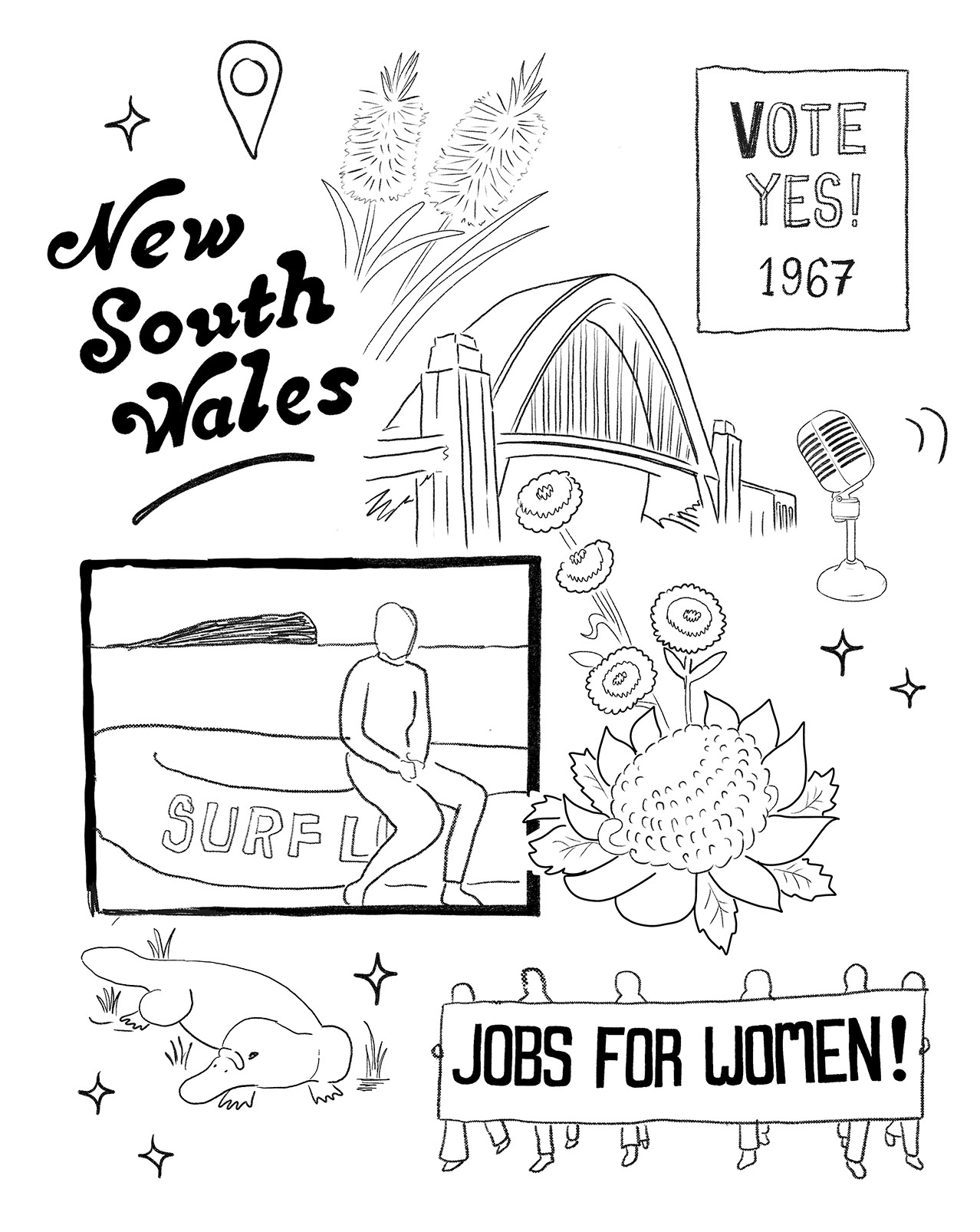
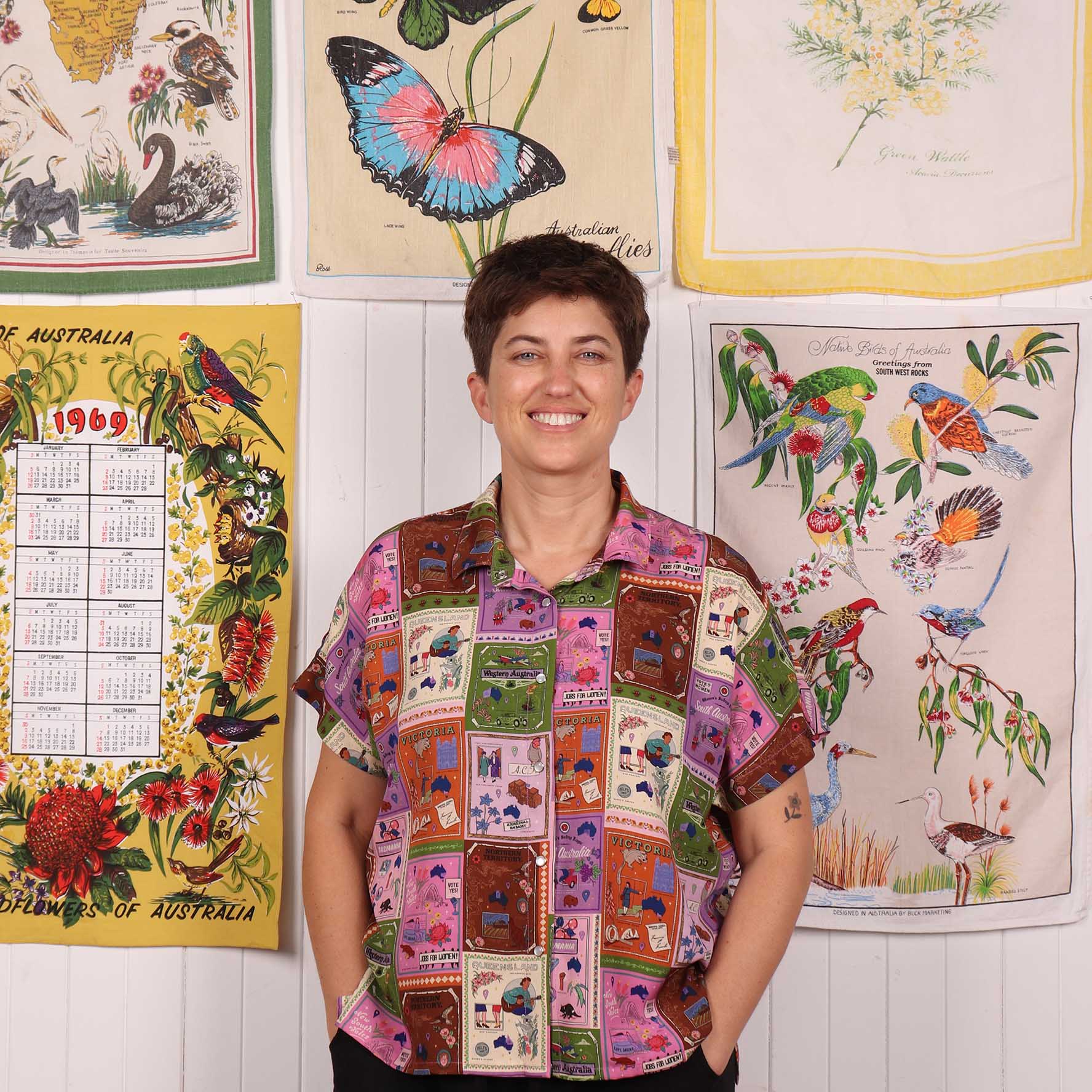
Emma Rowland
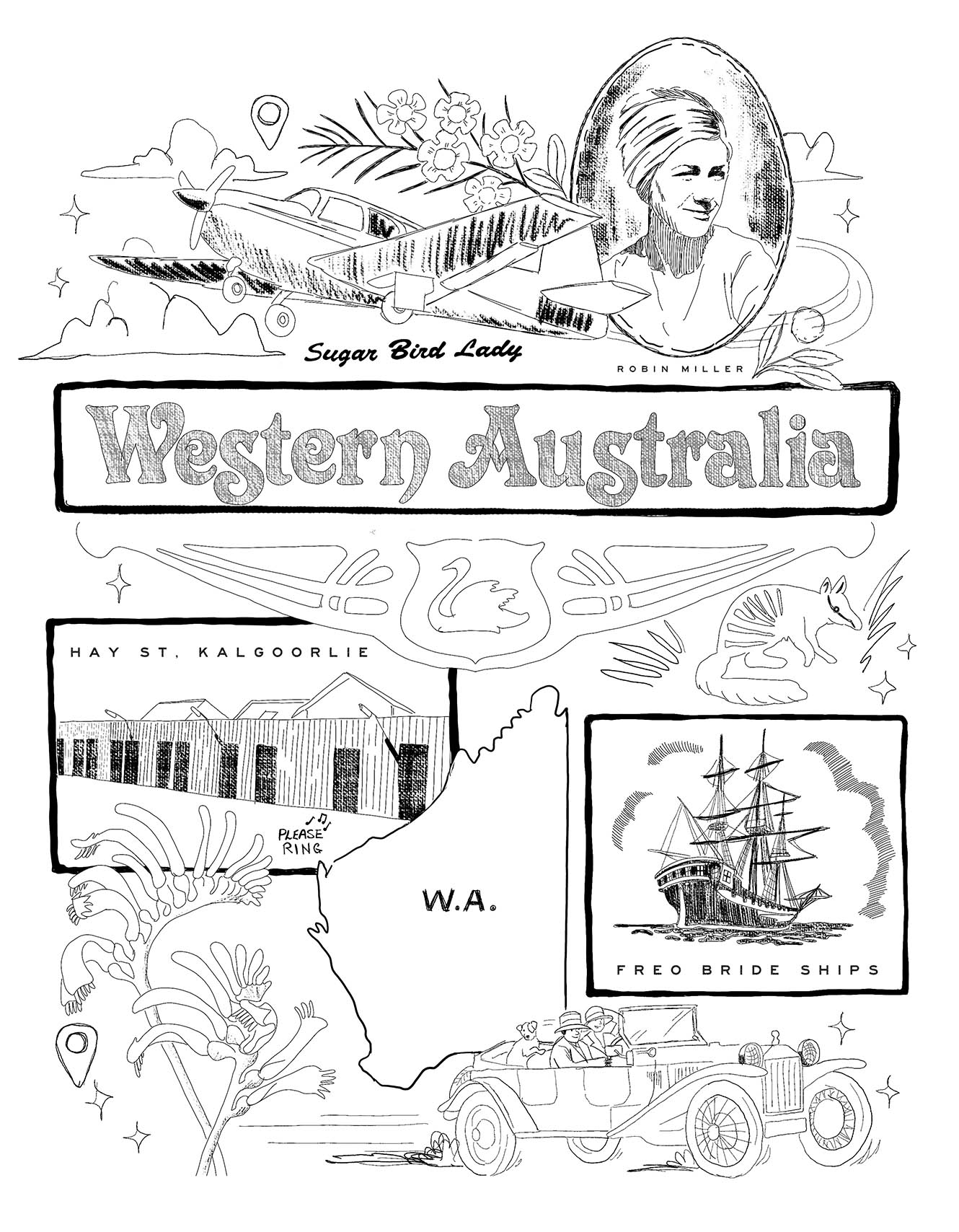
Rather than approaching the collection as straightforward portraiture, Emma leaned into the visual language of vintage souvenir tea towels. “I came up with the idea of taking the humble tea towel, a traditional symbol of domesticity often associated with the idea that ‘a woman’s place is in the home’, and subverting it,” she explains.
“The most fun part was creating the vignettes combining lettering and illustrations into eye-catching layouts,” Emma says, “hopefully inviting people to look closer and start conversations about the women who helped shape Australia.”
That desire to start conversations sits at the heart of the collection, and aligns closely with Made590’s own values.
“We have great respect and admiration for women in history. Made590 would not be here today without them,” Chris says. “Women are often overlooked in history, and it is our responsibility at made590 to represent them.”
For Chris, one of the most rewarding parts of the collaboration was seeing three different skillsets come together around a shared purpose.
“When you run your own business you live and breathe what you do and nobody understands that better than fellow business owners,” she says. “The three of us all brought different skills to the collection and they all married together perfectly, from Emma’s illustration talent to Sita’s extensive knowledge and vision of SSH.”
We have great respect and admiration for women in history. Made590 would not be here today without them.
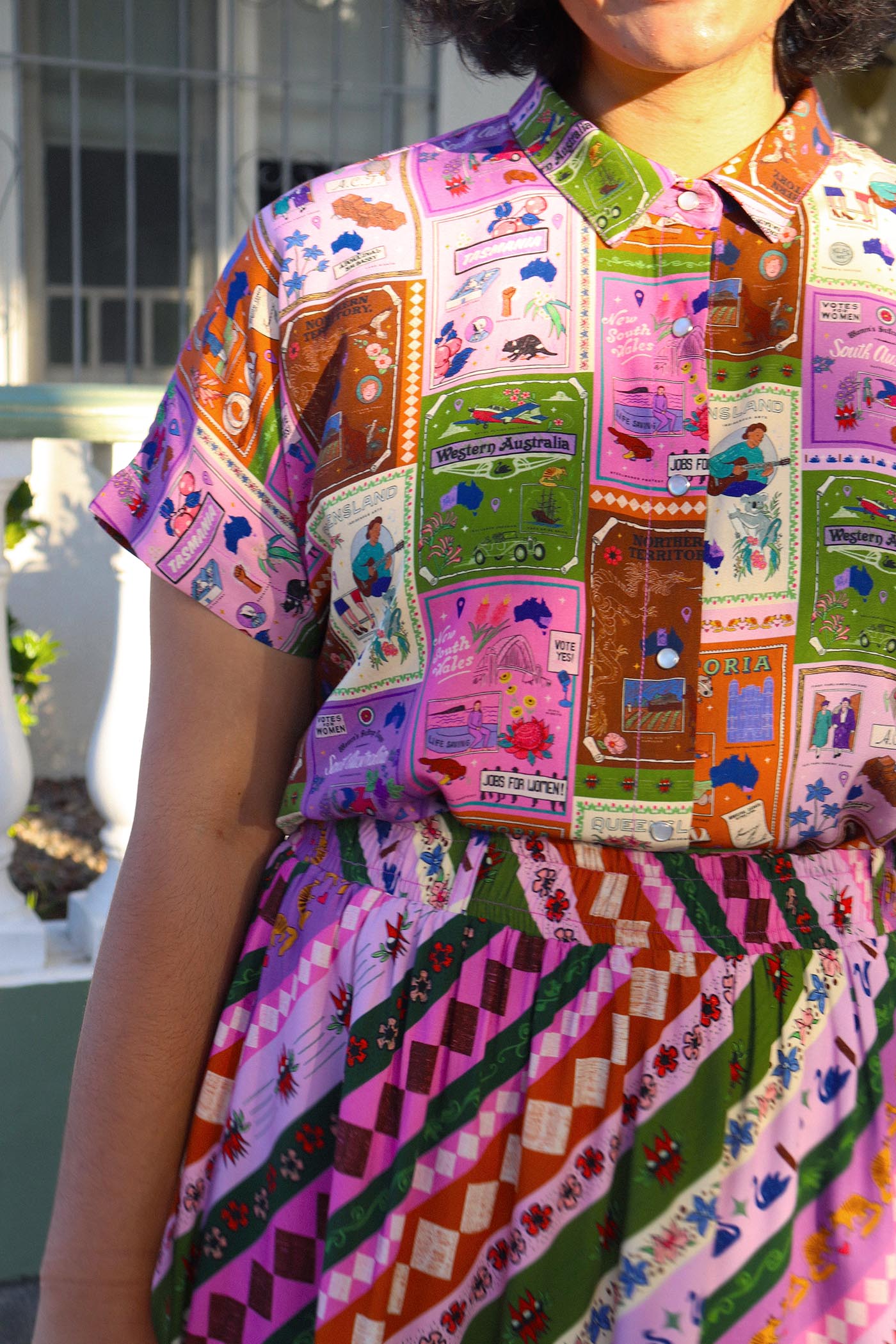
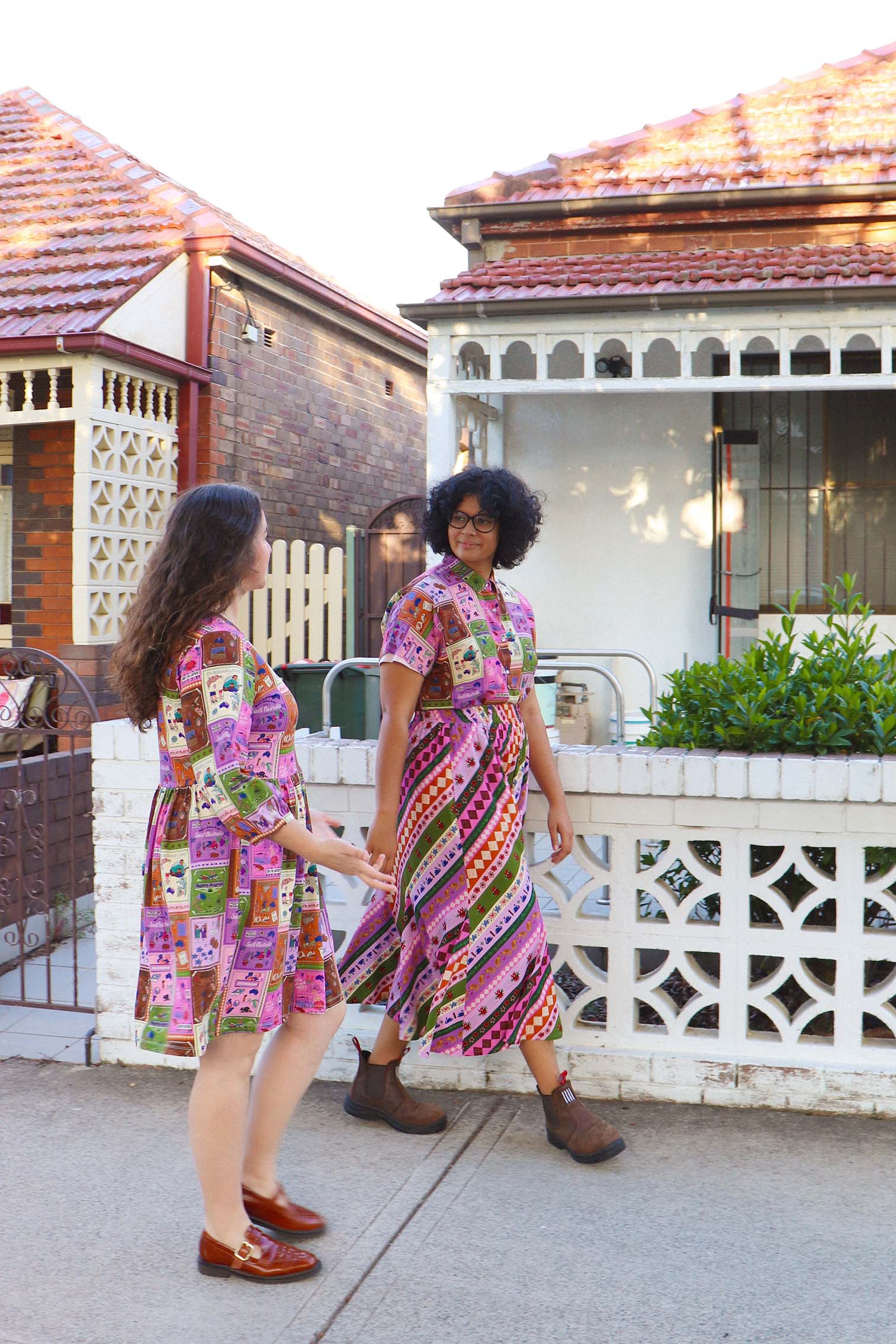
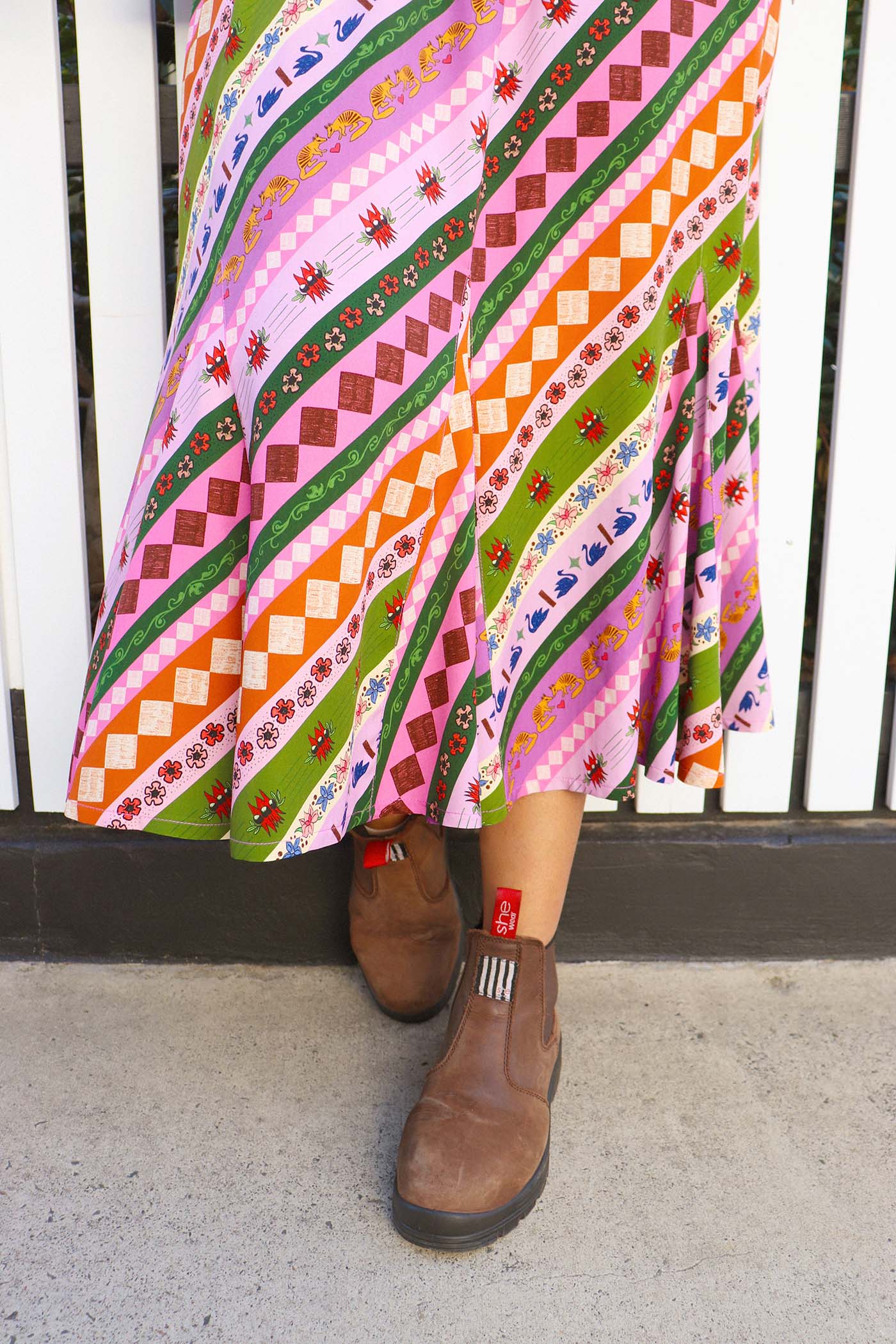
Chris’s favourite piece is the Emma Shirt, a style she describes as “genderless, ageless and timeless”.
“We knew this shape would work so well for She Shapes guides to wear,” she says. “It was important to create a piece that everyone could wear and love.”
The bold colour palette was chosen with the shirt in mind, allowing Emma’s illustrations to shine. Chris describes it as feeling “like a fun tourist shirt from the ’80s”, which seems entirely fitting for a collection dedicated to taking people on a journey through Australia’s hidden histories!
We dive into eight of the icons featured on the fabric design.
Newcastle Ladies Surf Club (NSW)
One of Australia’s earliest women-led surf lifesaving clubs, the Newcastle Ladies Surf Club helped carve out space for women in surf culture long before it was welcomed or encouraged. Their members patrolled beaches, competed in carnivals and challenged ideas about where women belonged, all while wearing heavy woollen swimsuits in the Australian sun. (Heroic in itself!) Following a successful rescue demonstration at Bondi Beach in 1908, the all-male NSW Surf Life Saving Association subsequently banned women from taking part in surf competitions. Without the ability to compete or officially patrol, the groundbreaking club eventually faded into history. It was not until July 1980 that women were officially permitted to join Australian surf lifesaving clubs as fully qualified, patrolling holders.
Merle Thornton and Rosalie Bogner (QLD)
What would you do for the right to enjoy a cold brew in public? (Or even a glass of bubbles?) In 1965, Merle Thornton and Rosalie Bogner chained themselves to the public bar rail at Brisbane’s Regatta Hotel in protest against laws preventing women from drinking in public bars. The action became one of Australia’s defining feminist protests, helping challenge the deeply normalised sexism of the era, and eventually resulting in the repeal of section 59A of the Queensland Liquor Act in 1970.
Dr Ella Stack (NT)
Doctor, politician and Darwin’s first female Lord Mayor, Dr Ella Stack became a crucial figure in the city’s recovery following Cyclone Tracy in 1974. Practical, resilient and community-minded, she helped guide Darwin through one of the most devastating natural disasters in Australian history.
Jean Robertson and Kathleen Howell (WA)
“As someone who loves travelling myself; I was definitely inspired by the lives of Jean Robertson and Kathleen Howell,” says Emma. “They were the first women to drive across Australia (with their dog Barney in tow) in 1927. They mapped large areas of central Australia, and were instrumental in the development of the road trip as a popular Australian pastime.”
Tarenorerer (TAS)
Also known as Walyer, Tarenorerer was a Tasmanian Aboriginal resistance leader who was kidnapped in her teens and sold to white sealers on the Bass Strait, and subsequently led a guerrilla campaign against British colonists during the Black War between 1828 and 1830. Because no verified image of her exists, Emma chose to represent her within the print using a raised fist symbol instead of a portrait.
South Australian Suffragettes (SA)
In 1894, South Australian women achieved a world-first victory when legislation passed granting women both the right to vote and the right to stand for Parliament. The achievement placed South Australia at the forefront of women’s political rights globally.
Joyce Barry (VIC)
Sita’s just moved to Naarm/Melbourne, and has a “real soft spot” for Joyce Barry. “She became Australia’s first female tram driver in 1975, but only after a 19-year fight. Women had worked the trams as conductors since World War II, and were even paid the same as men. Joyce had grown up felling trees, driving tractors and milking cows on her brother’s dairy farm, so when she was told women couldn’t handle a tram, she called it ‘complete balderdash.’ She kept asking why she couldn’t drive – and in 1956 she trained as one. In response, a snap strike was called and women were formally banned from becoming tram drivers. It took until a 1975 union meeting, where she stood up and said the line that should never have needed saying: ‘I don’t need a penis to drive a bloody tram.’ Later that year, she drove out of Essendon Depot on equal pay as Australia’s first female tram driver. She drove for seven years and conducted for twenty-eight.”
Aboriginal Tent Embassy Women (ACT)
Women have played a central role in the Aboriginal Tent Embassy since its establishment in Canberra in 1972, helping sustain one of the country’s most significant ongoing sites of First Nations political activism, protest and advocacy for sovereignty and land rights.


JOIN OUR MAILING LIST
Brighten up your inbox with our not-too-frequent emails featuring Peppermint-related news, events, competitions and more!
explore