words EMILY LUSH photos below SUPPLIED BY YALUMBA
Whether we care to admit it, it’s often beautiful design – or perhaps an evocative description on the back of the label – that is most likely to guide our buying decisions at the bottle shop. But as the true environmental impact of winemaking is further quantified, there’s growing reason to take a closer look at the fine print and consider your wine’s environmental credentials.
In this series – created in partnership with our good friends at Yalumba to celebrate the launch of their GEN collection of five ACO-certified, sustainably made wines – we’re doing a deep dive into some of the industry’s most pressing issues. In part one, we investigated the real meaning of ‘organic wine’. In the second of the series, we pose the question: Why is sustainability in winemaking so important?
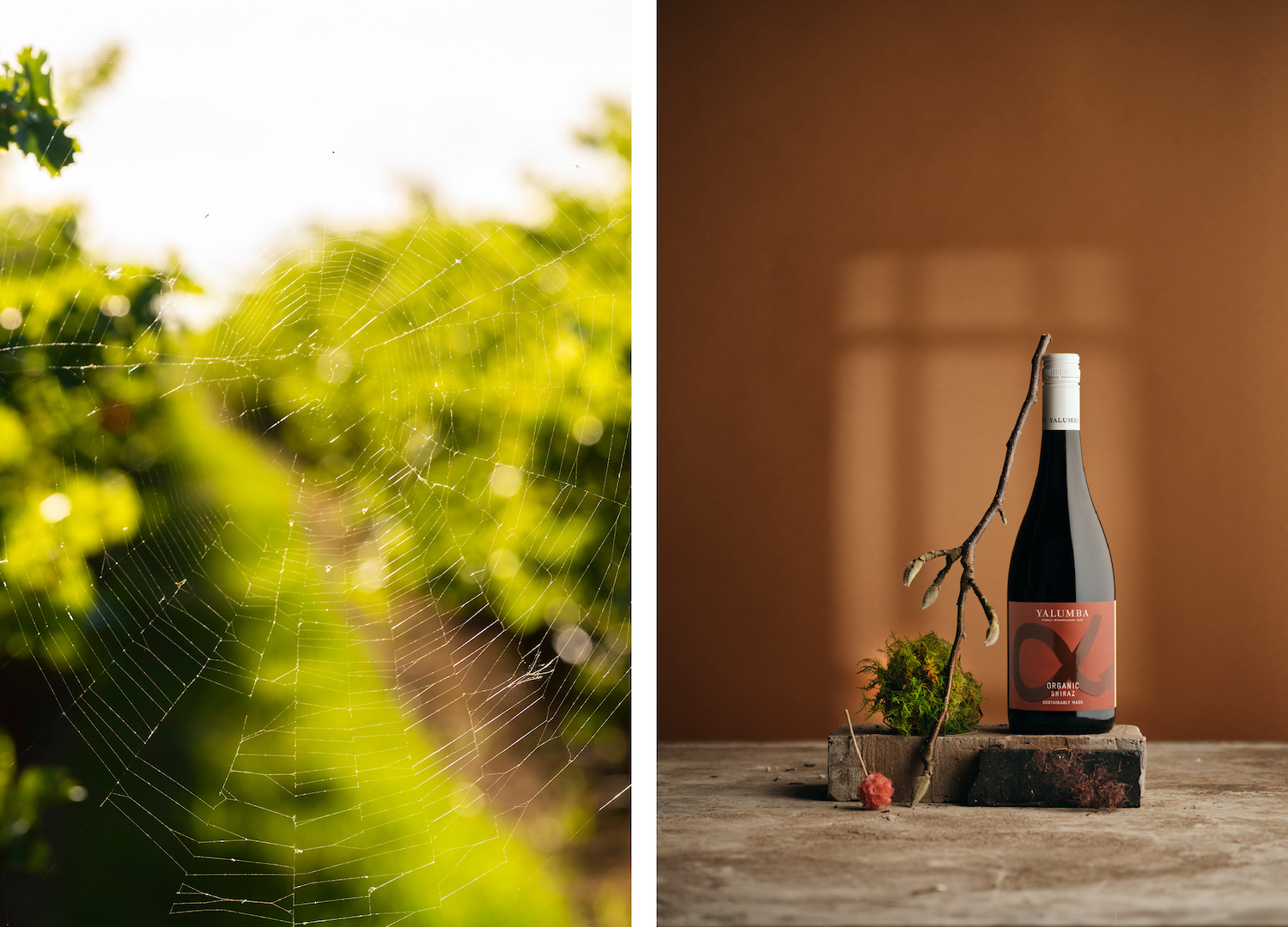
A good bottle of wine might be quick to savour, but its impact on our environment can be lingering. Winemaking is a complex process with many moving parts. Yet a significant portion of wine’s footprint comes down to two familiar factors: water consumption and carbon emissions.
Wine is the ‘canary in the coal mine of agriculture’.
According to WaterFootprint.org, cultivating one kilo of grapes for winemaking requires around 610 litres of water. Put another way, approximately 109 litres of water goes into every glass of vino. It’s a drop in the ocean compared to some of our most water-intensive crops such as cotton (priced at 10,000 litres of water per kilogram) – but it’s still significant. (And it’s 300% more than a schooner of beer made from barley, which has an average footprint of 150 litres of water.) Research puts the average carbon footprint of a bottle of wine at 1.28 kilograms of CO2.
READ MORE – Wine Talk: Are You Confused About What Organic Wine Really Means?
Concerningly, emissions released during the fermentation process are believed to be “the most concentrated of all industrial CO2 emissions”, according to research by Decanter. Packaging plays a huge role, with 39% of the wine industry’s total CO2 emissions contributed by glass bottles alone. Factor in the added cost of shipping those heavy bottles and you have a very compelling argument for drinking wines produced close to home.
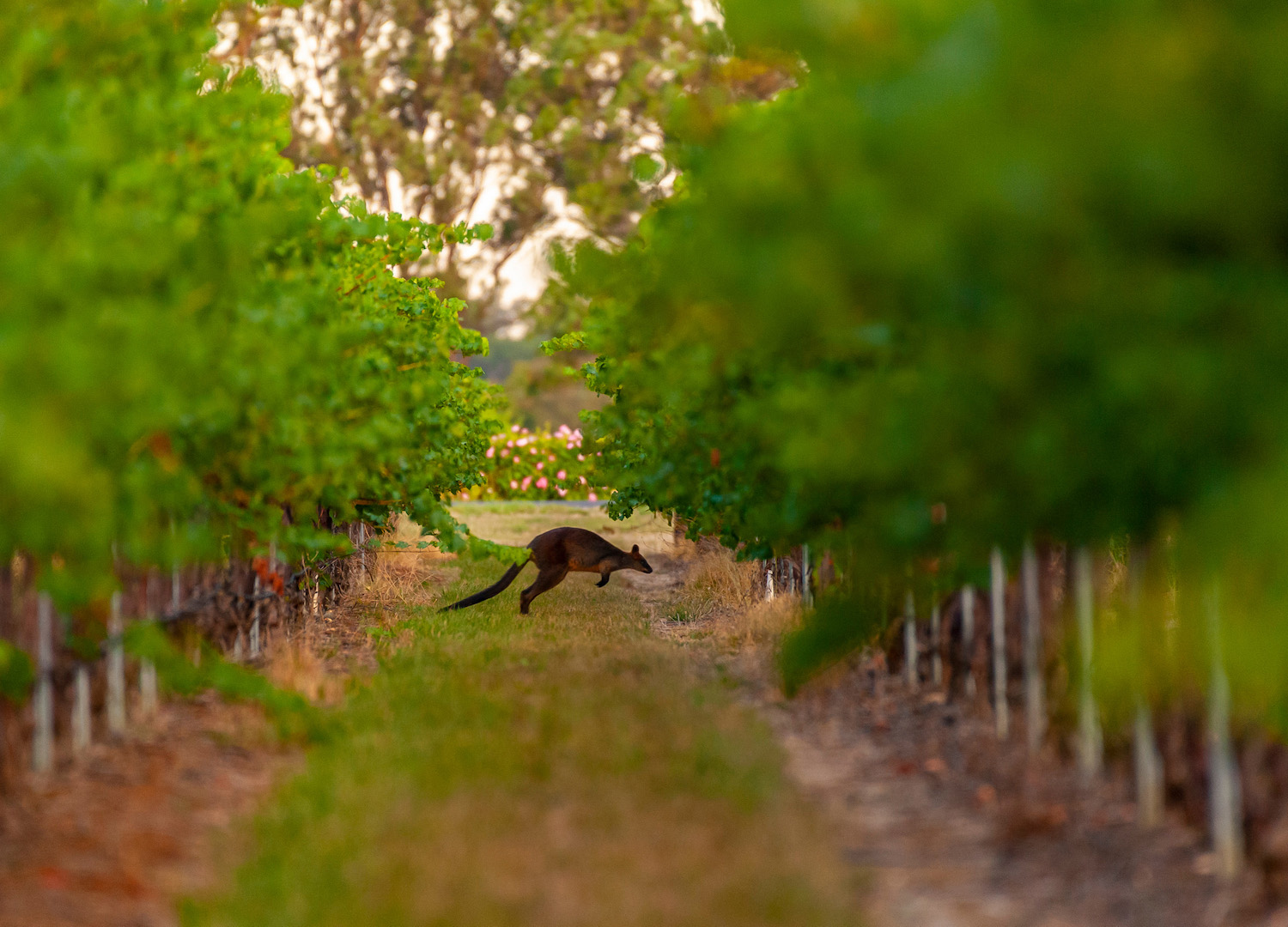
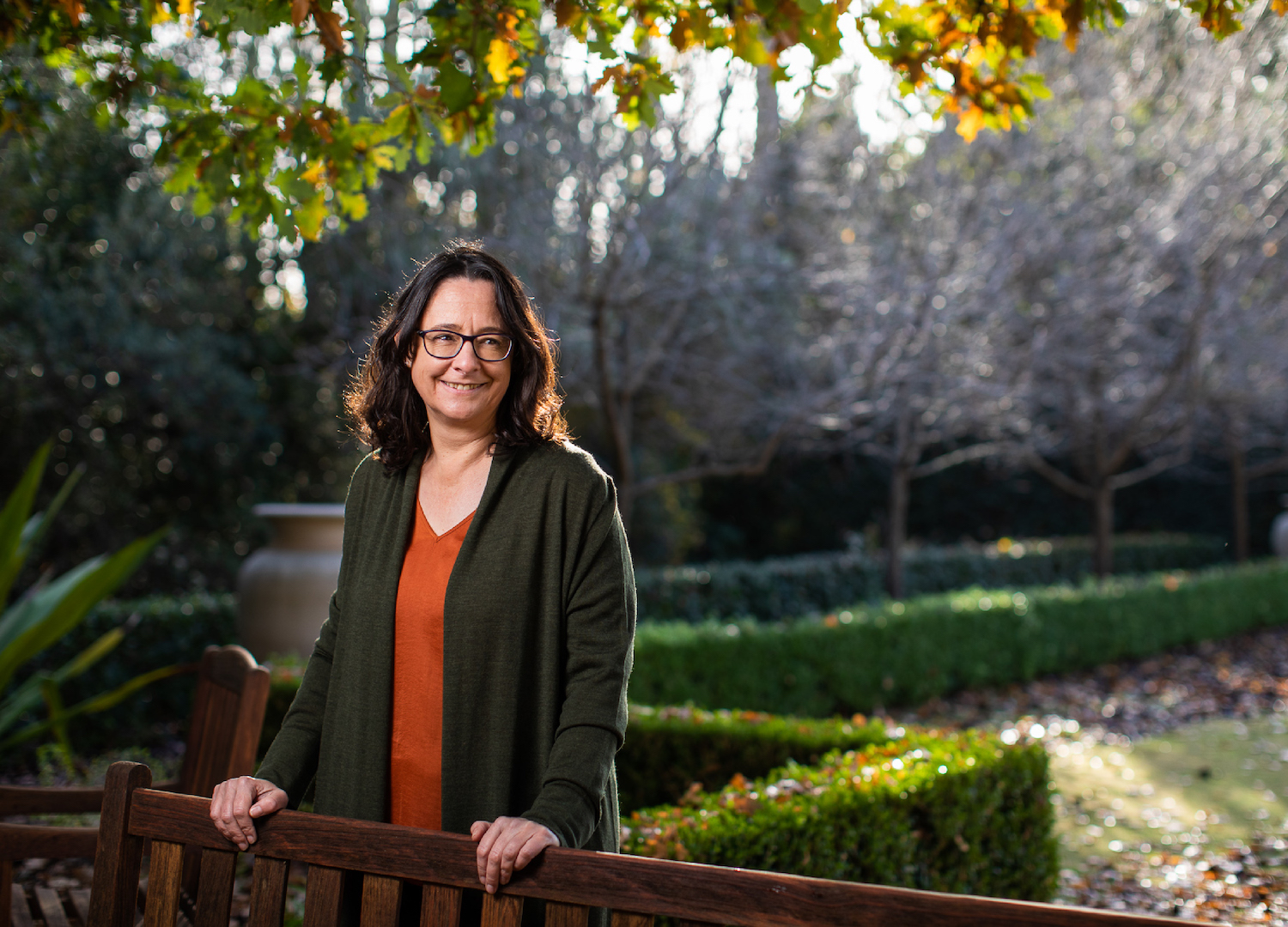
above LOUISA ROSE, HEAD WINEMAKER AT YALUMBA
While the wine industry is a contributor to emissions, when it comes to the impacts of a changing climate, there’s an argument to be made that the wine industry bears more than its fair share of the brunt. Vines are so sensitive to their environment, they are often the first to suffer from even the slightest changes in average temperature, variations in sunlight hours or shifts in rainfall patterns. As viticulturist Richard Smart put it, wine is the “canary in the coal mine of agriculture”.
It’s little wonder, then, that more and more Australian winemakers like Yalumba are looking at climate change adaptation with an increased sense of urgency. “Without sustainable viticulture, the future of winemaking is very bleak,” says Louisa Rose, Head Winemaker at Yalumba. The family-run winery outside Angaston in the Barossa has been pioneering climate mitigation measures since the 1990s. And experience has taught them that if sustainability doesn’t soon become the norm among vintners, “the industry will not have a place in the changing world landscape”.
Without sustainable viticulture, the future of winemaking is very bleak… the industry will not have a place in the changing world landscape.
“Sustainable winemaking is what we do at Yalumba and what we have done for the past 173 years,” Louisa explains. “It is about continual improvement and the desire to protect and respect the fundamental elements essential to making quality wine for generations to come.” From installing one of the largest solar power systems of any Australian winery and implementing an award-winning native saltbush planting and mulching program (which achieved a 25% reduction in water use), to pledging a commitment to transition to 100% recyclable or compostable packaging by 2025 and now releasing the GEN collection, a drinkable manifestation of the winery’s commitment to betterment, Yalumba’s approach is all-encompassing.
READ MORE – Drink Responsibly This Festive Season with These 10 Sustainable Wine Brands
In fact, the company has received more than 40 accolades for its sustainable viticulture programs, including the International Award of Excellence for Sustainable Wine Growing in 2013.
Yalumba’s mission is to foster “a cultivated but balanced vineyard ecosystem that makes efficient use of the natural features of the land, stems environmental decline, regenerates resources, and fosters biodiversity,” Louisa adds. Healthy vines are the heart of the operation, but the company’s commitment to sustainability goes well beyond the cellar door. They’ve implemented their Next 5 sustainability program with five supporting pillars – Resilient Terroir, Viable Planet, Prosperous Community, Thriving Workforce and Responsible Governance – that “all speak to ensuring that we take others on this journey”.
It is about continual improvement and the desire to protect and respect the fundamental elements essential to making quality wine for generations to come.
The importance of moving towards sustainable winemaking is now well understood, yet there is no one-size-fits-all approach. Every vineyard, Louisa explains, is unique. “It comes down to what needs to be done at that location,” she says. “Understanding and mapping vineyards is a good place to start. This will help to drive efficiencies in the location and future practices.”
Surveying the landscape is also an important first step for wine consumers who are interested in savouring more sustainable vino. There are several different marks and accreditations to look out for – including the Sustainable Winegrowing Australia seal of approval, which Yalumba is committed to achieving certification across all of their wines.
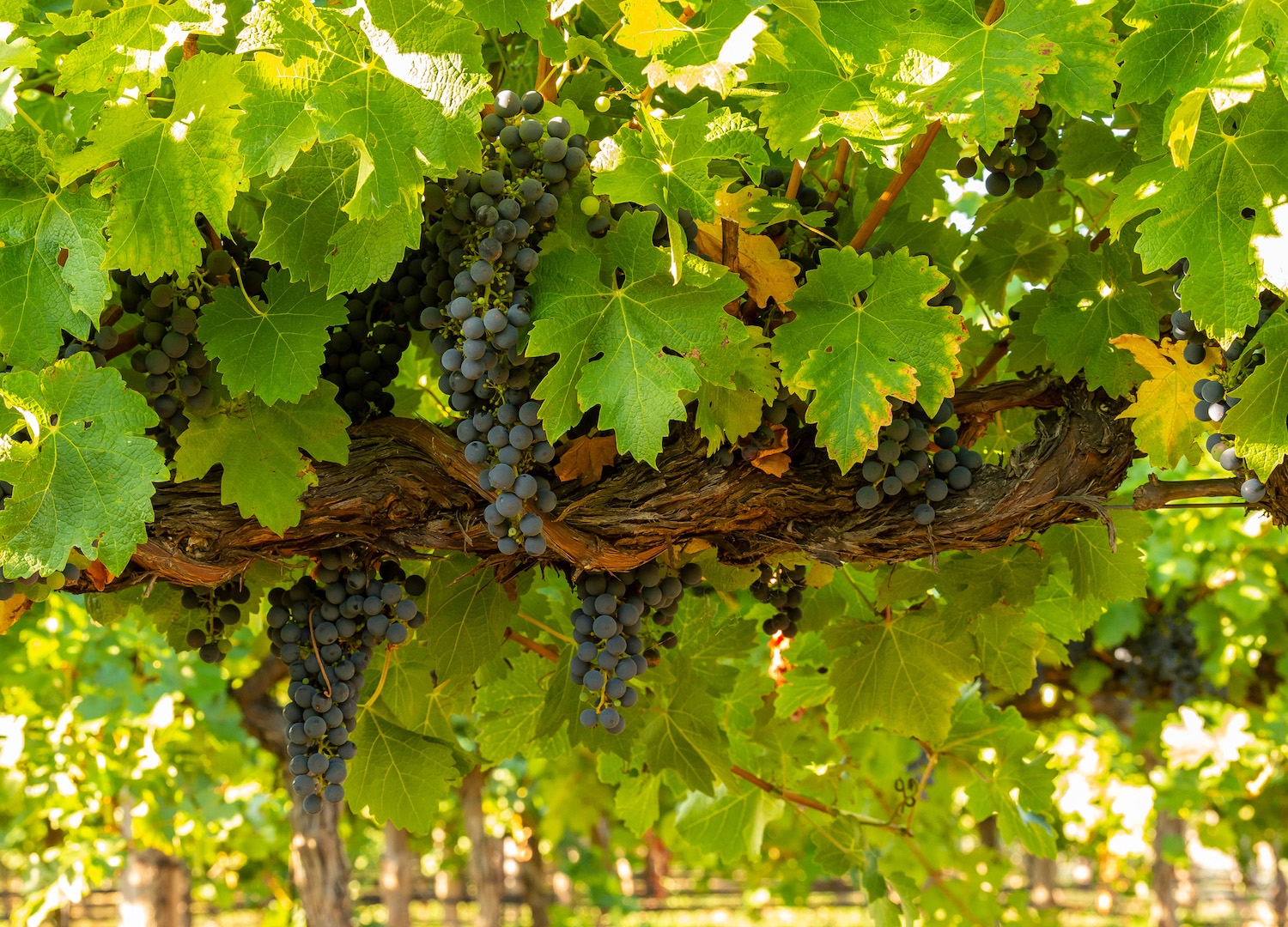
THIS ARTICLE WAS PRODUCED IN PARTNERSHIP WITH OUR FRIENDS AT YALUMBA AND THEIR NEW COLLECTION, YALUMBA GEN! COMMITTED TO BETTERMENT WITH A FIERCE DETERMINATION FOR THE FUTURE, THE FAMILY-OWNED WINERY BOASTS MORE THAN 173 YEARS OF SUSTAINABLE PRACTICE AND IS COMMITTED TO ALLOWING NATURE TO WORK ITS MAGIC WITH MINIMAL INTERVENTION. SHOP THE COLLECTION HERE.