words CLAIRE O’ROURKE
Claire O’Rourke is a campaigner, communicator, behaviour change expert, partner, parent… and totally freaked out about climate change. In this extract from her new book Together We Can, she addresses that pesky demon motivation and how we can respond in ways that are transformational for ourselves, our communities, our workplaces and the places we love.
My teen daughters talk about motivation like it’s some sort of tiresome character from the Harry Potter franchise: a ghostly type who hovers in the background before disappearing, nowhere to be found, before a school assignment is due. Writing of the research on motivation, author James Clear said that motivation is not the cause of action; it’s the result of getting yourself moving. In our journey together we’ve heard dozens of stories that provide insights into how businesses, not-for-profits, climate campaigns and ideas arrive in the world, and what they achieve, but let’s consider a few insights that will help you stay the course.
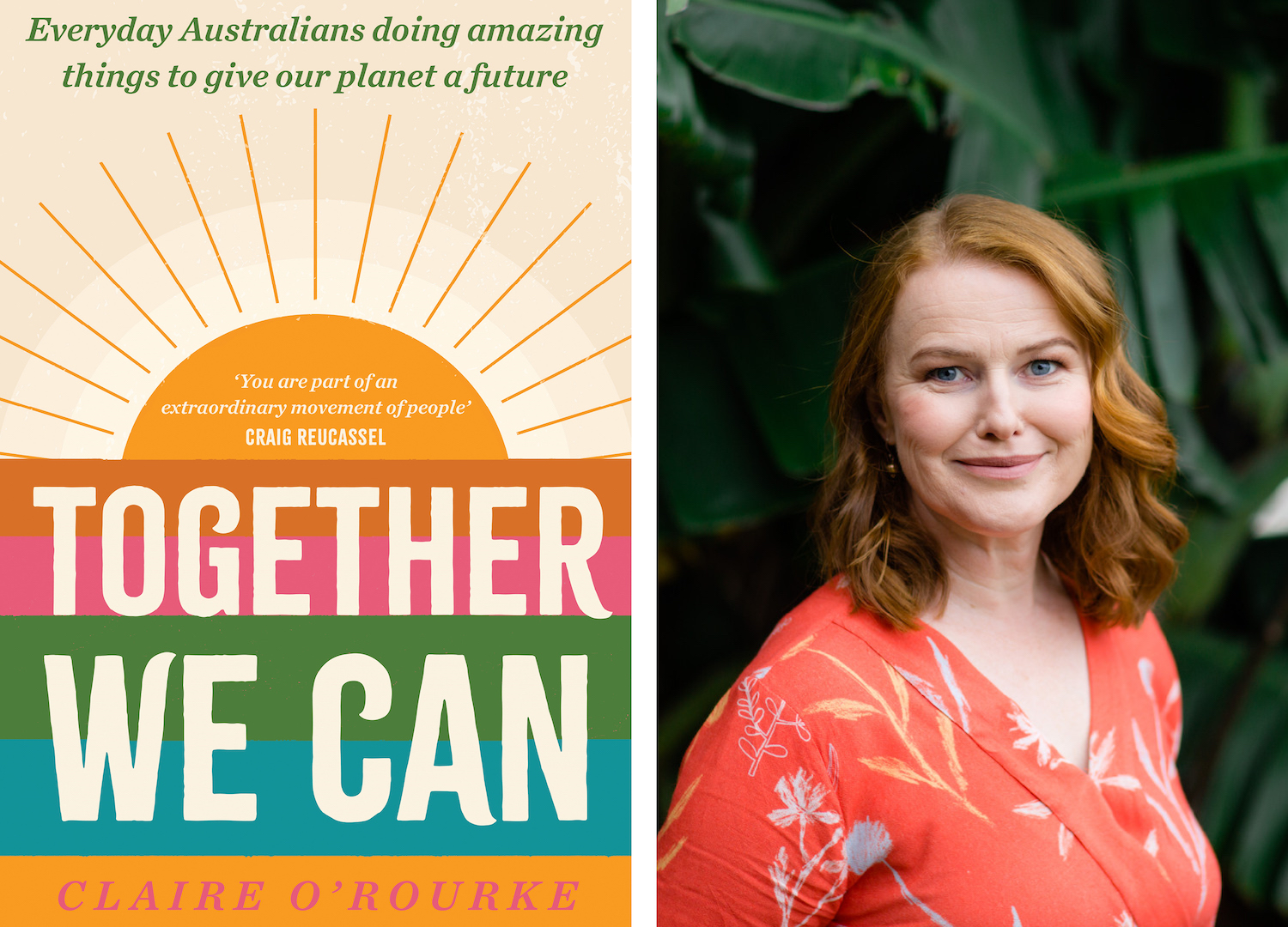
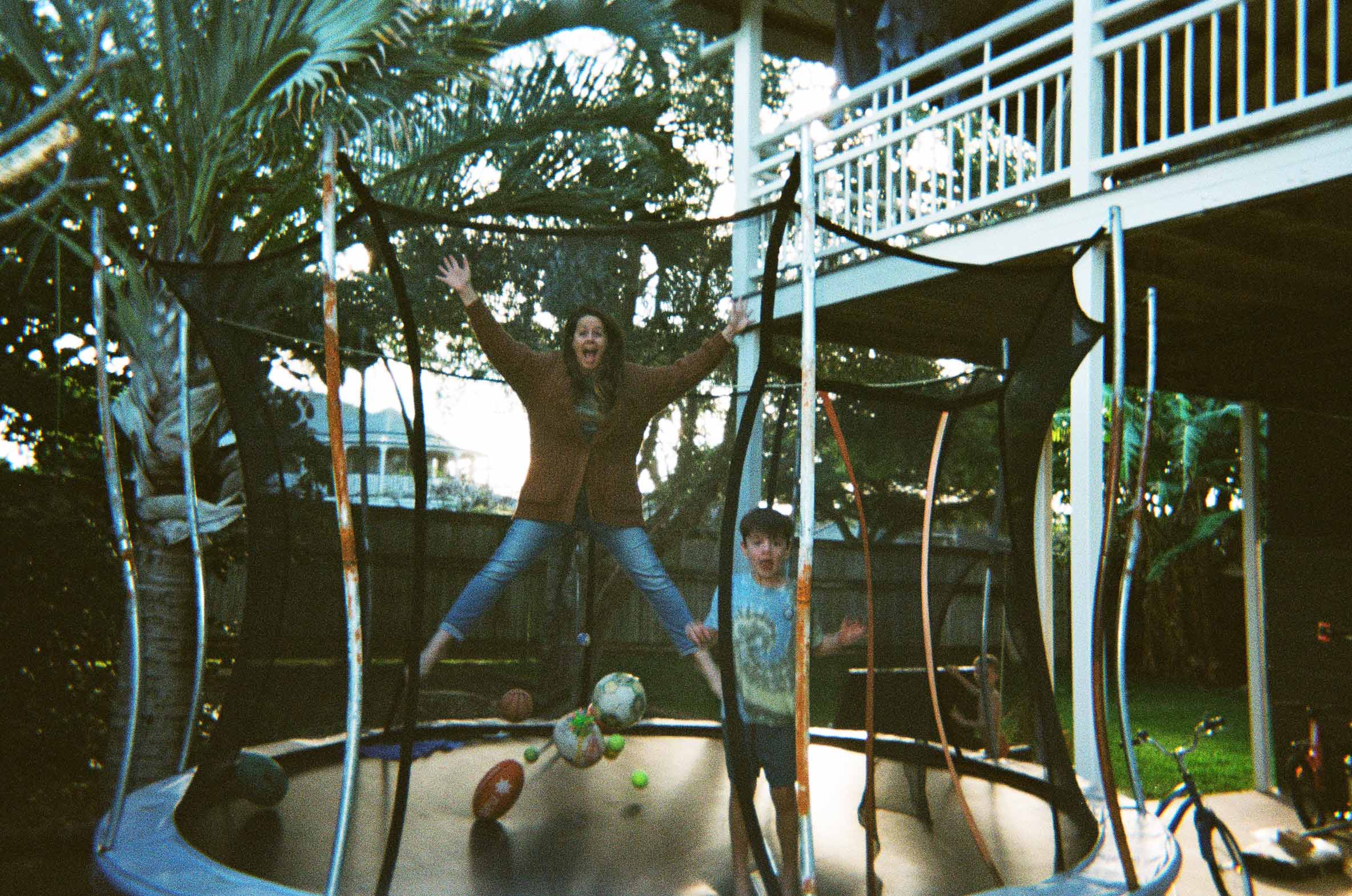
image PHOTO OF CLAIRE O’ROURKE BY SARAH TEDDER.
Break out of the bad news vortex
Friends of the Earth’s Leigh Ewban said climate change was the mother of all puzzles and recognised that if we don’t deliver deep emissions cuts this decade, we’re staring at a terrifying future. Does that mean he is across the latest details of emerging scientific research on the scale of the threat? Far from it. “In my campaigning work, I tend to take a look at the science every now and then, but I don’t do it every day. I don’t find it helpful.” Instead, he’s built a standing item called ‘Wins of the Week’ into regular Monday meetings of Act On Climate volunteers, something that is energising, allowing positive reflection that keeps the crew sustained. If the goal is to be an engaged person working towards a better world, Ewbank added, we should claim our agency and discern between the activities that will nourish and those that stand to sabotage our changemaking efforts. “I think you need to apply that lens to the choices you’re making around the material you’re choosing to consume: sometimes reading The Guardian newsfeed is not going to be constructive to the work you need to do today.”
In the modern day of the 24-hour news cycle, will you really mourn swapping incremental doom for a side serving of positivity with your lunch?
Norwegian psychologist and economist Per Espen Stoknes noted that 80% of news on climate change is negative, so it’s high time we get things back in balance. In researching this book, I stumbled on a simple hack that could disrupt your doom-scrolling – and you are still allowed to play on Instagram. Next time you’re on your favourite social media channel and catch a positive story on climate, environment, community or connection, click the ‘save icon’ and pop it in a collection (mine was quite daringly named ‘Climate Hope Examples’). When you’re feeling like bad news is dragging you down, open your collection and dive in for a read. Not on social media? Sites like Instapaper can serve the same function when you’re browsing online. Worried you’ll miss the latest update? Friend, in the modern day of the 24-hour news cycle, will you really mourn swapping incremental doom for a side serving of positivity with your lunch?
Make the small things count
AFLW player Nicola Barr is a full-on, full-time elite athlete, so she is the first to recognise that setbacks are always part of the game. In a 12-month period, Barr had to deal with a shoulder dislocation, surgery on her pinky finger, getting hit in the face by a surfboard (another surgery there), and a case of COVID-19. “A lot of people focus on the really big outcomes, the big goals, but, at the end of the day, that’s not the moment when things are just going to change,” she said. “If you have really good habits around how you can achieve that goal and a good system in place, it’s all about the small things that you’ve been doing along the way. It’s about focusing on the things that you can control.” Consider the habits you could be building or consolidating that will mean your Climate Action Awesome Plan is realised. It could mean a regular shift at your local food cooperative, a monthly online meeting with your group of climate-committed professionals, or a reminder on your phone to replace your 10am phone-scrolling break with a call to that community campaign organiser you need advice from, or to send a check-in message or call out for help to your WhatsApp group full of climate-committed friends. Creating a couple of regular habits that align with bigger goals will make progress feel more automatic, and remove the need to make a decision to do or not do, which is shaky territory for maintaining motivation. As James Clear wrote, scheduling goals puts decision-making on autopilot, by giving them a time and place to reside, while creating regular rituals removes the need to make decisions. “Stop waiting for motivation or inspiration to strike you and set a schedule for your habits. This is the difference between professionals and amateurs. Professionals set a schedule and stick to it. Amateurs wait until they feel inspired or motivated.” I think you know what to do.
Stop waiting for motivation or inspiration to strike you and set a schedule for your habits. This is the difference between professionals and amateurs. Professionals set a schedule and stick to it. Amateurs wait until they feel inspired or motivated
Take a breath
Don’t worry: this is not where I evangelise that yoga and meditation are a must (given my record on the meditation front, I suspect the sermon would fall pretty flat). But I must and will make the case for rest, and regular breaks. GetUp’s First Nations Justice Campaign Director Larissa Baldwin saw friends burning out from relentless advocacy, and found out the hard way herself, working so hard she fell ill. Baldwin said that we need to lose the burn-and-churn culture, which I think equally applies if you’re donating your time by volunteering on the side or you’re working 24/7 in a climate-connected job. “There’s this heroic thing that’s associated with being willing to throw everything at something and I think that we glamorise that, but if everybody does that then there’s no one to do the work,” she said. “If we’re really talking about the change that’s needed on climate, we need to conceptualise the ways that we work very differently and we need to be more protective of people.”
If we’re really talking about the change that’s needed on climate, we need to conceptualise the ways that we work very differently and we need to be more protective of people.
In Burnout: The Secret to Unlocking the Stress Cycle, sisters Emily and Amelia Nagoski wrote that we are engineered to oscillate between working and resting: when we allow this cycle to happen, our health and our work benefit. The brain must be given regular breaks, they wrote, so it can hum along in the background in what neuroscientists have named ‘default mode’, restoring us from depleting activities and allowing our motivation to return. “Walking away from a task or problem doesn’t mean you’re ‘quitting’ or giving up. It means you’re recruiting all your brain’s processes for a particular task – including the capabilities that don’t involve your effortful attention,” they wrote, and I am cheering them on. By making habits of breaks – daily, weekly and across the year too – you will be replenishing your brain and allowing space for you to enjoy life in all of its dimensions, which is what we’re working to protect.
This is an edited extract from ‘Together We Can’ by Claire O’Rourke, RRP $32.99, published by Allen & Unwin, out now.