We Australians consume textiles at twice the regular global rate, buying up roughly 27kgs of new clothes every year. For the average Australian woman, that amounts to well over 2,000kgs of garments worn and discarded. Numbers are one thing – but what do you suppose a lifetime’s worth of clothing might look like?
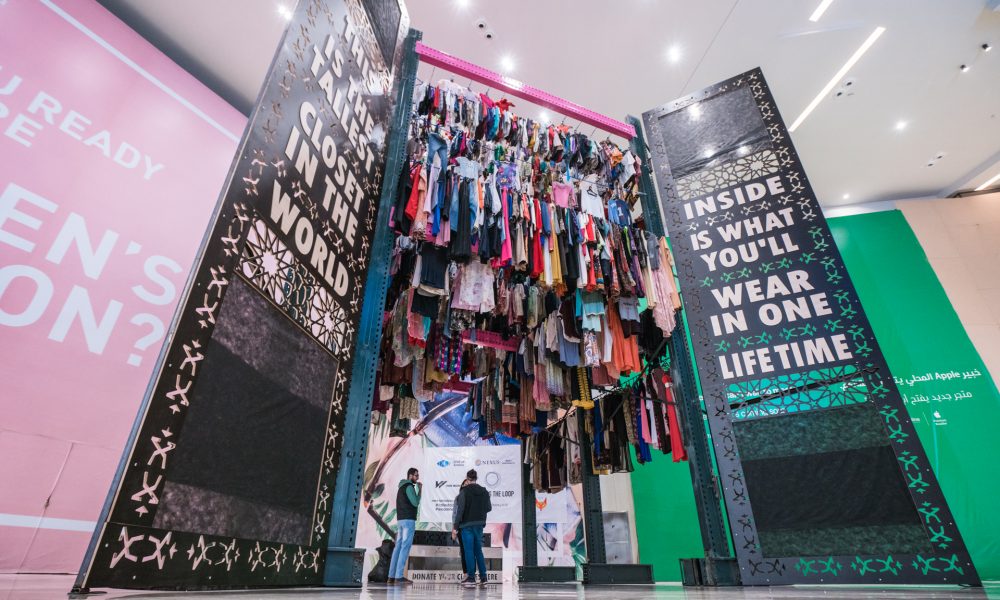
The World’s Tallest Closet, staged at the Mall of Arabia in Cairo, Egypt during late 2018/early 2019, aimed to answer just that. The immersive art installation found a new way to highlight excess consumption and textile waste: by turning the issue into a full-body experience. Assembled using 3,000 individual items of clothing, The World’s Tallest Closet was designed to both shock and inspire.
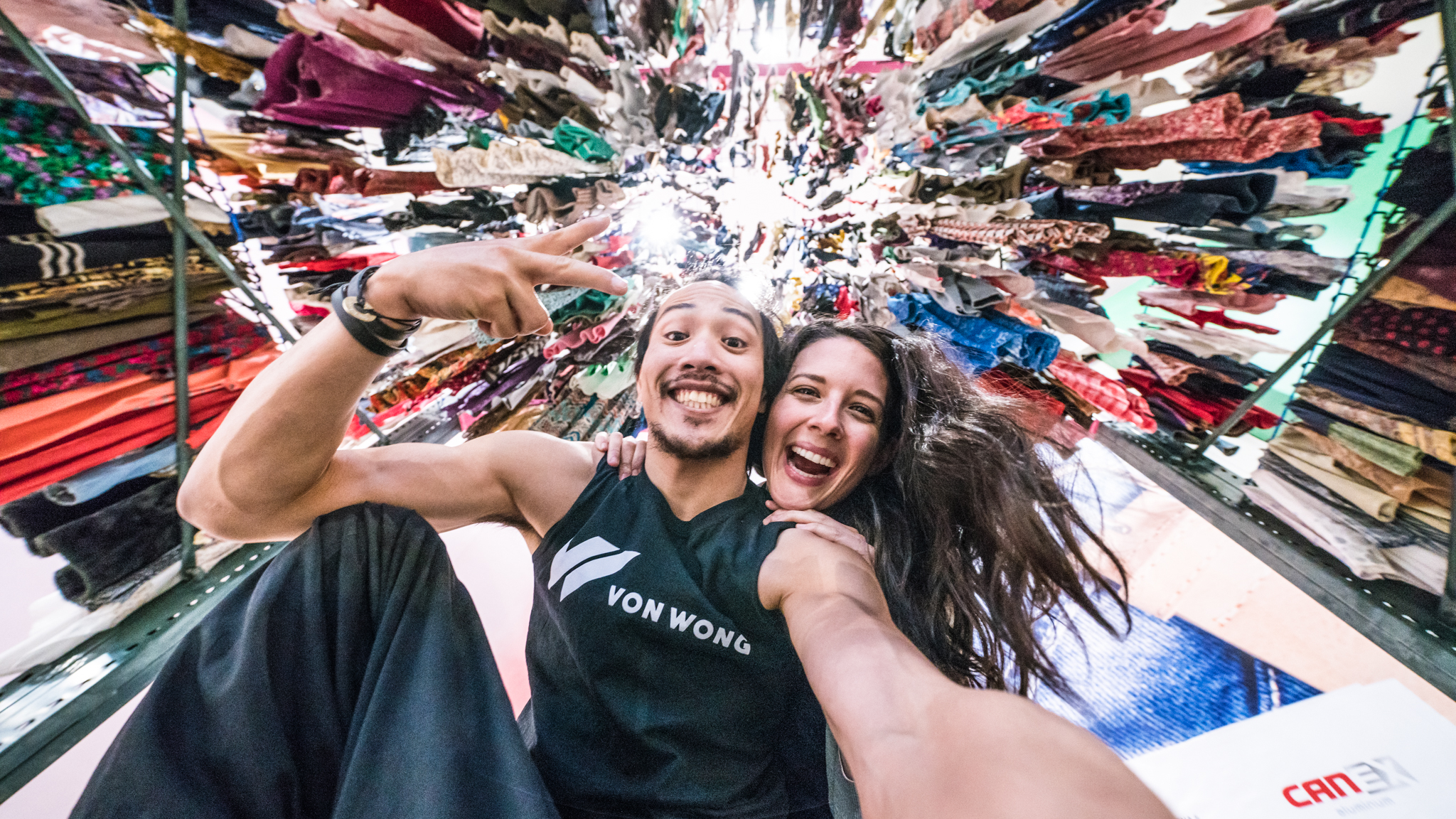
Visual impact designer and strategist Laura Francois is one-half of the creative duo behind the installation. Along with artist Benjamin Von Wong (pictured with Laura below) and with assistance from their local partner, Mutassem Daaboul, she created The World’s Tallest Closet to make a fashion statement. “The clothing industry is truly taking a toll on the planet,” Laura told Peppermint. “It’s hard to imagine what our individual footprint is on the planet. Rarely are numbers personal. They are incredibly important in painting a clearer picture of the reality of our consumption and waste habits – but I’ve always found it challenging to draw the relation to those number and my daily life. This installation is an immersive and tangible way to truly absorb the sheer quantity we’re consuming.”
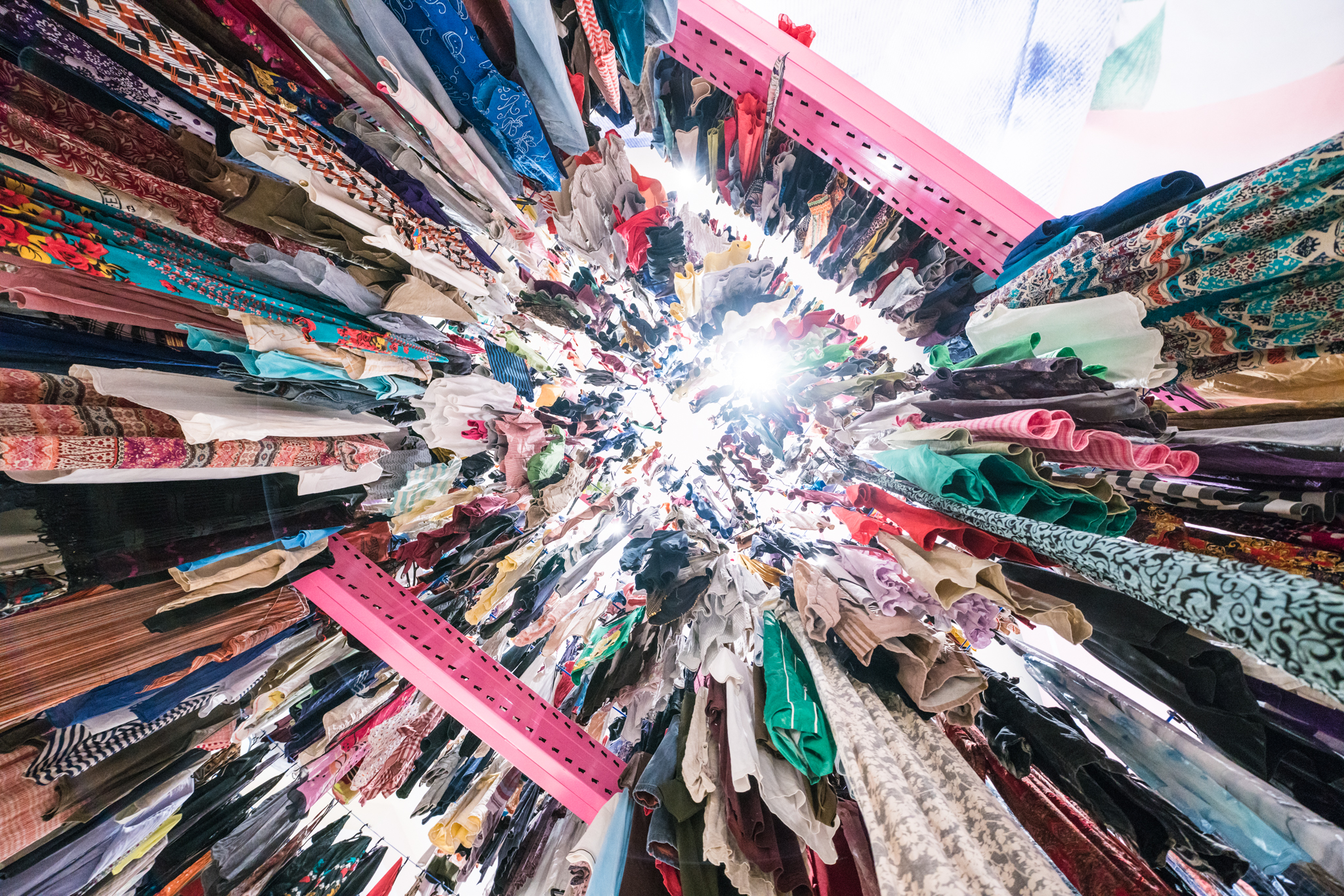
Standing nine metres tall, the closet built from steel beams and finished with oversized doors took a full five days and nights to assemble. Students from Cairo’s Fayoum University donated the clothes that hung from many thousands of hangers. When the installation came down in January, everything was passed on to Refuge Egypt – a local non-profit that supports refugees. “The installation also featured a donation box for passers by to drop off their pre-loved items,” Laura explains. “Over 3,000 items have already reached the non-profit and their beneficiaries.” Juxtaposed against the busy mall, the Narnia-like exhibit stirred conversation and contemplation among shoppers. “What I loved about it was the neutrality of the structure,” Laura reflects. “The message was never to ‘stop buying clothing’. It was always entirely up for interpretation; to leave people wondering whether or not this amount felt like too much to them.”
“The sheer size of the installation felt larger than life,” Laura says. “Most people were in awe, taking selfies, and walking through it, peering up at the pyramid of hangers. I think some people were surprised at how much clothing there was, while others thought there would actually be more! Many people approached us asking what they could do to start minimising, which felt like a step in the right direction.” This opened the doors to another discussion, one which has been making headlines of late: The ‘Marie Kondo Effect’, and how to dispose of unwanted garments responsibly. “Clothing donations are not always the best approach when wanting to purge your closet,” Laura explains. “Clothing bundles coming from the West and being sold to developing regions for higher prices can ultimately cause a rift in the local economy. Fortunately, this isn’t the case in Egypt. The World’s Tallest Closet was a great opportunity to call the public to action in rethinking their consumption – and also to donate directly to local communities that need it.”
The impact of the installation wasn’t limited to its immediate audience – there was a ripple effect, sparking media attention throughout the region. It was even an eye-opening experience for the organisers themselves. Known for his artistic statements on e-waste and plastic pollution, Benjamin Von Wong is no stranger to the perils of textile waste. Even Laura, an industry veteran and the Country Coordinator of Fashion Revolution Singapore, found something valuable in the experience. “In sorting through the 3,000 donated items, I reflected a lot on all the clothing I’ve worn, bought and gotten rid of throughout my entire lifetime – and just how quickly they become forgotten.” On the eve of Fashion Revolution Week 2019 – the sixth chapter of the campaign – The World’s Tallest Closet is another example of the power of consumer-driven change. It’s also a reminder that visually engaging, playful projects that don’t polarise are often the most effective. “I think it’s important to remember that sustainability isn’t a war. There is no ‘us’ or ‘them’,” Laura says. “I like the idea of art being a propeller for conversations to occur. Art is an amazing vehicle for that.”
WORDS: EMILY LUSH PHOTOS: SUPPLIED






Any New Year’s resolutions on your list? We love this from @OtterBeeStitching - “be brave enough to suck at something new”.
There’s no points for perfection, but you’ll get a trophy for trying. If nothing else this year, take the leap and try something new.
#OtterBeeStitching #Embroidery #BeBrave #TrySomethingNew #EmbroideryArt


Sunday serving suggestion ☀️
Gorgeous photos from @JolieFemmeStore - who make sweet garments from vintage bedsheets.
#PeppermintMagazine #SlowSunday #SwitchOff #Unplug #ReadAMagazine

A toast to the old you 🥂
We wholeheartedly love this post from the brilliant @EmilyOnLife:
“2026: Reinvent, burn it down, let it go (whatever it is). Year of the Snake it up. Exercise your boundaries, exercise your body, take one teeny step every day towards a life that feels better to be in.
But don’t you dare shit on your old self while you do it.
Hold yourself with reverence and tenderness and respect, because you got you this far. You did your very best with the information and tools you had at the time. You scraped yourself together, you made it work, you survived what felt impossible to survive: again and again and again.
You are perpetually in the process of becoming, whether you can feel it or not, whether or not you add it to your 2026 to-do list.“

Some very wise words from @Damon.Gameau to take us into 2026 🙌🏼

⭐️ We made it!!! ⭐️
Happy New Year, friends. To those who smashed their goals and achieved their dreams, and to those who are crawling over the finish line hoping to never speak of this year again (and everyone else in between): we made it. However you got here is enough. Be proud.
It’s been a tough year for many of us in small business, so here’s to a better year in 2026. We’re forever grateful for all your support and are jumping for joy to still be here bringing you creativity, kindness and community.
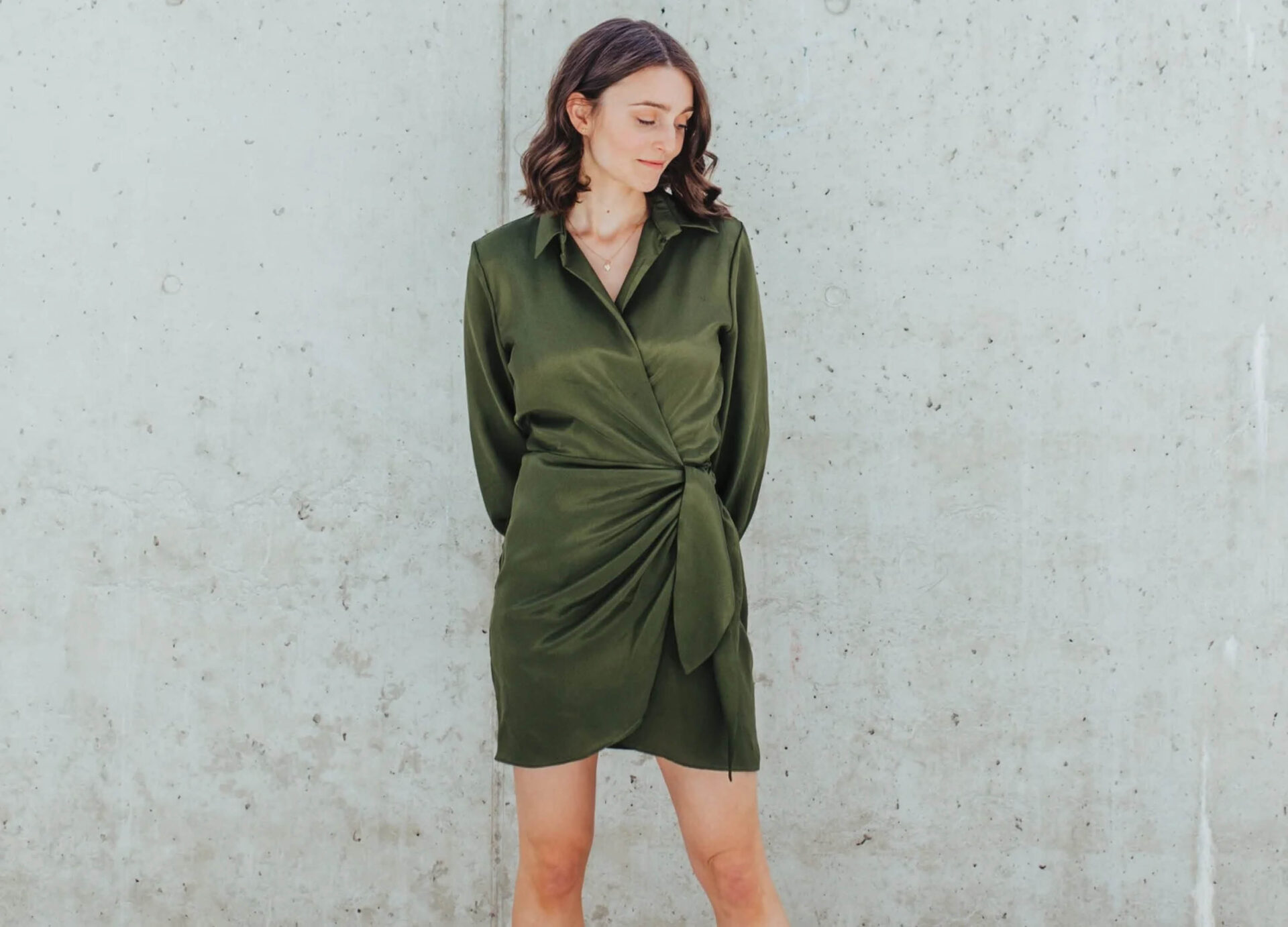
We’re also excited to be leaping into the NY with our special release sewing pattern – the Waratah Wrap Dress!
How great are our fabulous models: @Melt.Stitches, @KatieMakesADress and @Tricky.Pockets - and also our incredible Sewing Manager @Laura_The_Maker! 🙌🏼
Ok 2026: let’s do this. 💪🏼
#PeppermintWaratahWrapDress #PeppermintPatterns #SewingPattern #MeMade #WrapDress #WrapDressPattern

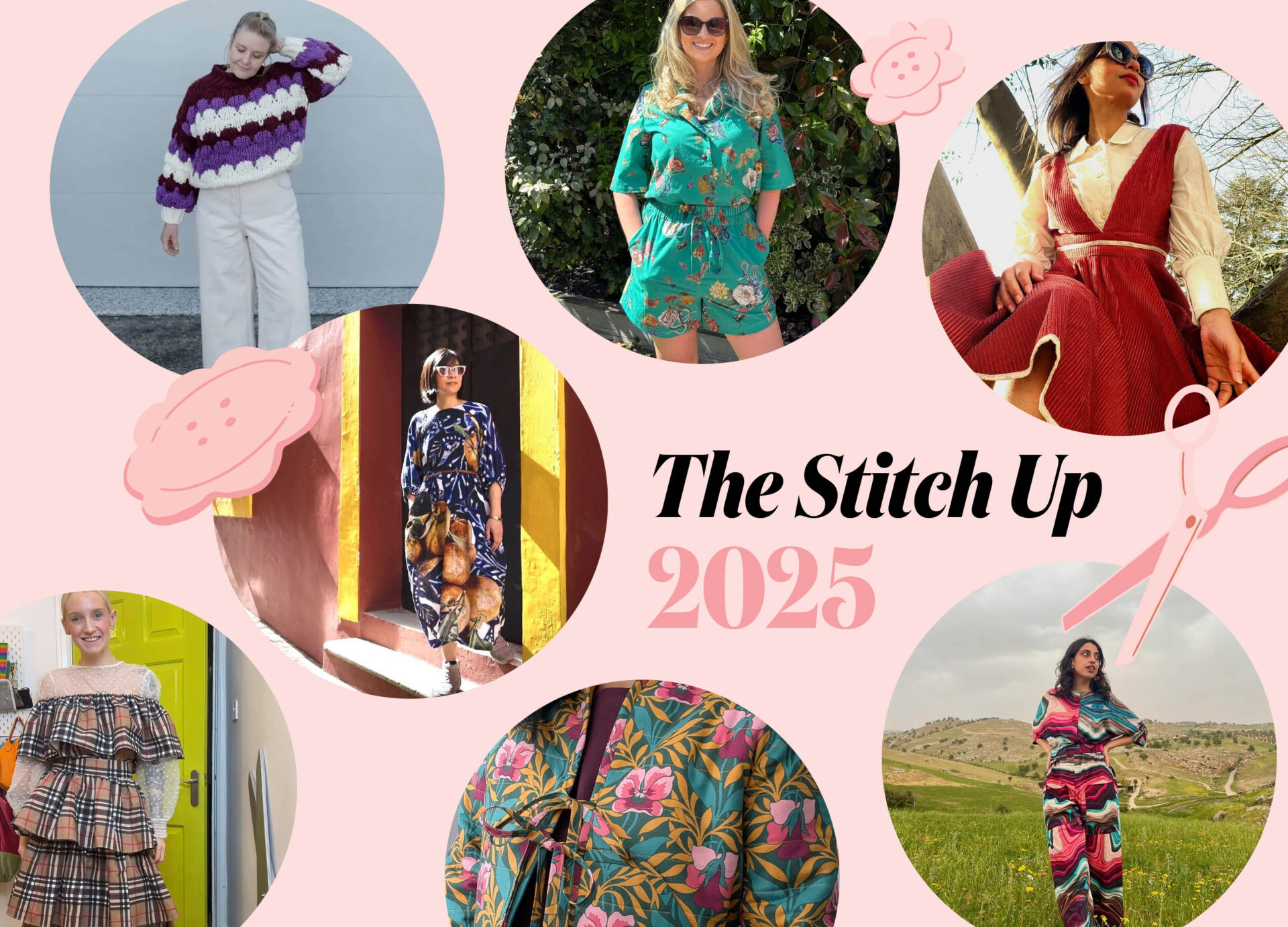
Putting together our annual Stitch Up brings on all the feels! We feel humbled that you’ve chosen to sew Peppermint patterns, we feel inspired by the versions you’ve created and we feel proud of you.
Where to begin?! As always, there has been a plethora of Peppermint patterns flooding our feeds this year, and we wish we could showcase more than just a handful of magnificent makes from you, our clever community. We encourage you to flip through the me-made items in your wardrobe or scroll through your grid and remind yourself of the beauty you’ve created with your own two hands (and maybe a seam ripper and some choice words). Congratulations to all of us for our creative achievements this year!
We’ve put together some (but absolutely not all) of our favourites from 2025 over on our website. We hope it inspires your next make!
🪡 Link in bio 🪡
Pictured: @FrocksAndFrouFrou @MazzlesMakes @KatieMakesADress @_Marueli_ @IUsedToBeACurtain @Nanalevine.Couture @PiperInFullColour @MadeByMeJessieB @SarahMalkawi @Made.By.Little.Mama
#PeppermintPatterns #SewingPatterns #MeMade #MeMadeEveryday
