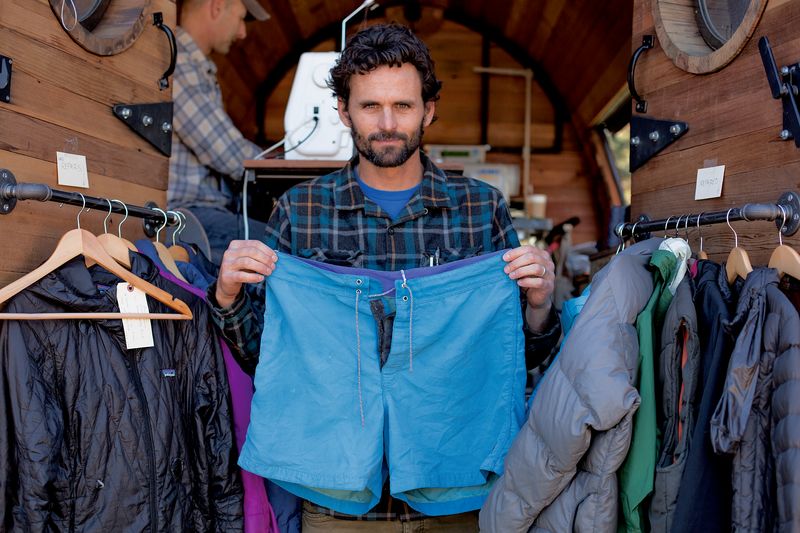
It’s no secret that we’re big fans of outdoor apparel brand Patagonia. An emphasis on people and planet over profit has always been at the core of the company’s philosophy – from its early years when founder Yvon Chouinard began selling climbing gear out of the back of his car to its current incarnation as a much-loved international brand. We hosted Social and Environmental Responsibility Manager Wendy Savage at our Brisbane Fashion Revolution Day event back in April, and we recently caught up with her to find out more about Patagonia’s groundbreaking sustainability initiatives and why brand collaboration is key for the future of ethical production…

What is your background and where did your passion for corporate social responsibility come from?
When I went to school, corporate social responsibility (CSR) did not exist. I studied Sociology and then went on to do a masters in International Business but always knowing that I wanted a job that can help make a difference. I stumbled into CSR by chance and it became my calling. I got to mix my passion for business with my goal to have a job that made a difference somehow. The first 10 years of my career in CSR I worked at a consulting company helping brands set up their CSR programs and educating suppliers on social and environmental responsibility. Part of our job requirement and training was auditing, so I audited factories in many countries and a variety of industries. This field experience helped us all understand the issues and create realistic solutions that could actually be implemented within the supply chain or within a brand. Three years ago I was fortunate to join Patagonia and now manage our global Social Compliance and Traceability supply chain program. I now get to see the real positive impact a brand can have on the environment and the workers making its products.
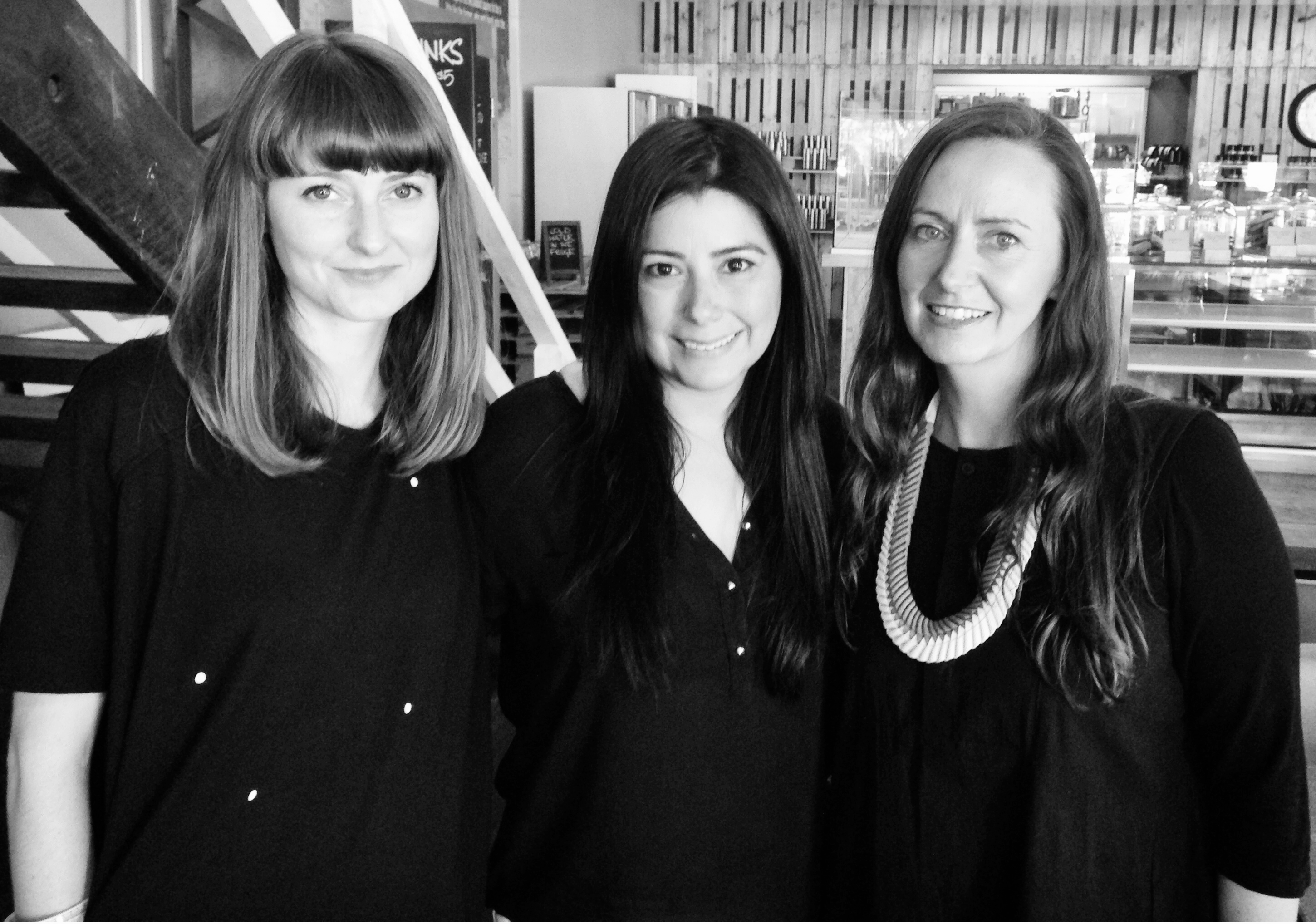 Wendy Savage (centre) with Kelley and Bec from Peppermint.
What are some of the key areas where Patagonia are leading the way in terms of ethics and sustainability?
In our over 40-year journey we’ve been able to take bold steps towards implementing practices that others thought impossible. The determination and vision of Yvon Chouinard, the founder and owner of Patagonia, inspires us every day not to be afraid to make bold decisions. Three recent initiatives that we hope others will follow are our Worn Wear initiative, our switch to 100% Traceable Down and our Fair Trade program.
Worn Wear: Quality is at the heart of sustainability, and with Worn Wear we want to educate consumers that by only buying what they need they can make a huge environmental impact. Focusing on quality, we have been able make the best and most durable products in the market – products that you can wear for a lifetime and hopefully then pass on to your children. Products that can be repaired and given a new life.
Traceable Down: With our Traceable Down initiative, we went to great lengths to fully map our supply chain and ensure no bird was left behind. We traced our down all the way to the parent bird farm and banned practices of force feeding and live plucking of the birds. In Autumn 2014 we turned all our down products to only traceable down. This was a very proud moment for us, one that others thought impossible. It took us time and a lot of work, but we made it happen.
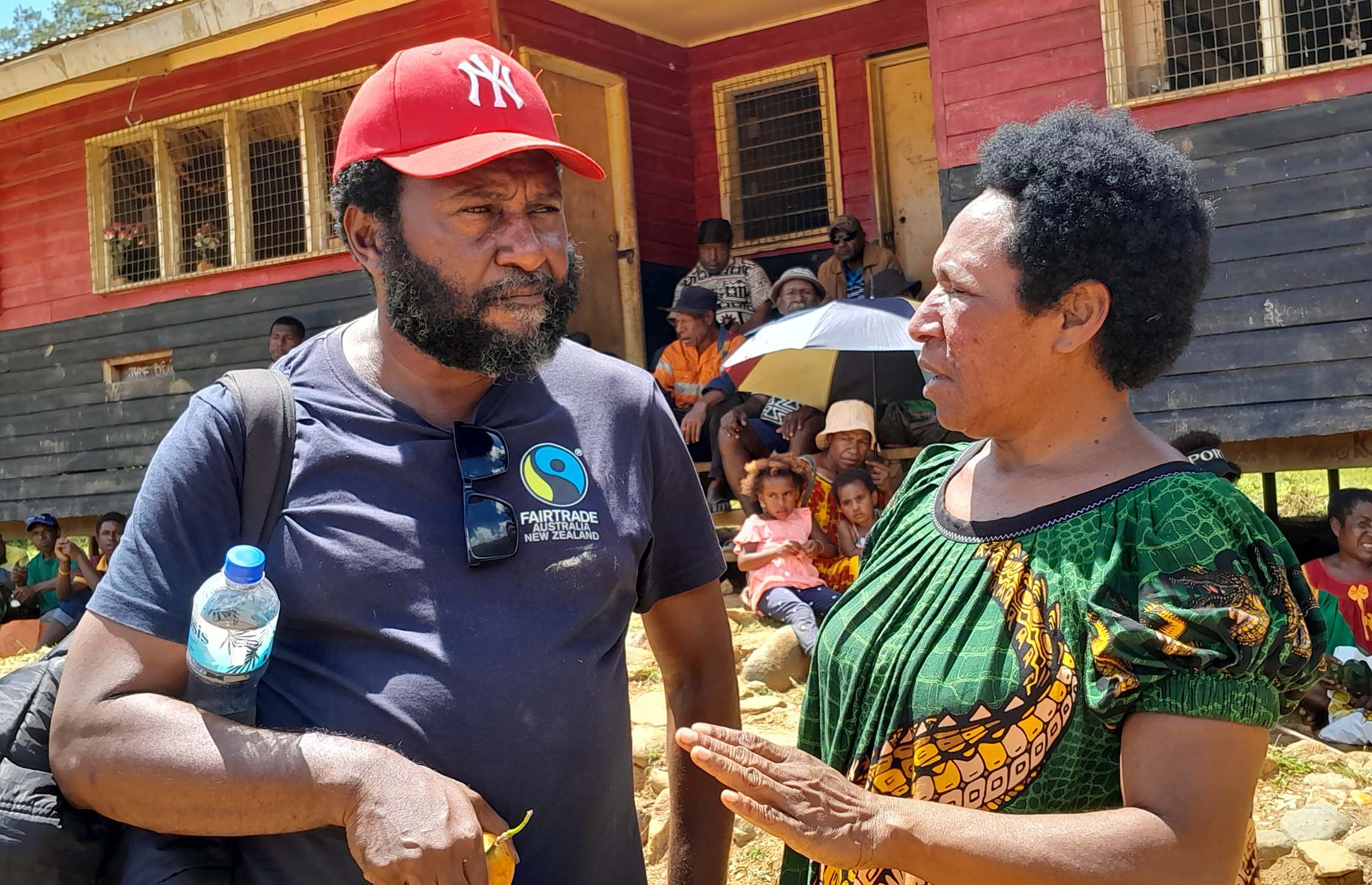
Fair Trade: Through this program we pay a premium for our products, and this premium goes directly to a workers’ account. The program benefits all workers at the factory where our Fair Trade products are made and they decide what to do with the money. Sometimes they decide to do community projects, other times they may decide to take it as a cash bonus. Either way, this program is helping us reach the workers directly and it is our medium-term strategy in our journey towards fair wages.
These three initiatives are just a few of the ones we have in place which pave the way for others to follow suit.
Transparency is at the heart of the Patagonia brand. Do you think there will be a trend towards greater transparency across the industry in the future?
Yes, most definitely, and consumers are in the driver’s seat to push their favourite brands for more transparency. In addition, I think the more consumers are educated on sustainability issues – whether that is labour, health and safety, environment or animal welfare impacts – the more questions they will start asking. Events such as Fashion Revolution are helping educate and create awareness on the challenges in manufacturing; regardless of the country where products are made, irresponsible practices can happen.
As far as greater supply chain transparency, I think we as brands must ask these hard questions from our suppliers: “Where is my product being made?,” “How do you ensure social and environmental responsibility at the factories?” etc. The more this is asked of suppliers, the more they will pay attention to these issues. If brands only ask for quality and price then suppliers will only prepare for those answers. There are already very progressive factories around the world that have their own social and responsibility teams and CSR is part of their normal way of doing business. These are the suppliers that have proven that being a responsible factory is possible. In the end, it’s a triangulated effort of consumers, brands and factories stepping up to the plate and making responsible products.
Why is collaboration key when it comes to creating and maintaining ethical supply chains?
Over the years, brands and industry organisations have developed knowledge and tools that can be used to create an ethical supply chain. You will be surprised, but brands are willing to share findings and anything that can help others as they start their business. We do this often over phone calls or through the Outdoor Industry Association. Collaboration also plays a big role when working in improving factory practices. When brands unite to ask for the same responsible practices, the message is stronger within a factory because all its customers are asking for the same things.
What advice would you give new designers looking to create a traceable fashion label?
Establish transparency, quality, environmental and social impacts as your platform for anything you do in business. With this as your base, you can talk openly to suppliers and ensure that you are able to trace every single level of your supply chain and require responsible practices from materials to finished goods factories. Educate yourself on how your designs impact the environment and people’s lives. Ask for either advice, tools or reading resources you can use to educate yourself in creating a social and environmentally responsible supply chain – there are valuable resources online such as the FLA code of conduct requirements, the Global Social Compliance Program (GSCP), Fair Trade USA, Blue Sign, among others. If you will be using animal by-products in your designs, ensure you demand assurances of animal welfare from your suppliers. This request should be as standard as requiring labour, environmental or quality compliance. Lastly, don’t be afraid to do something no other brand has tried before. Your business may be the next leader in sustainability that other brands will be following.


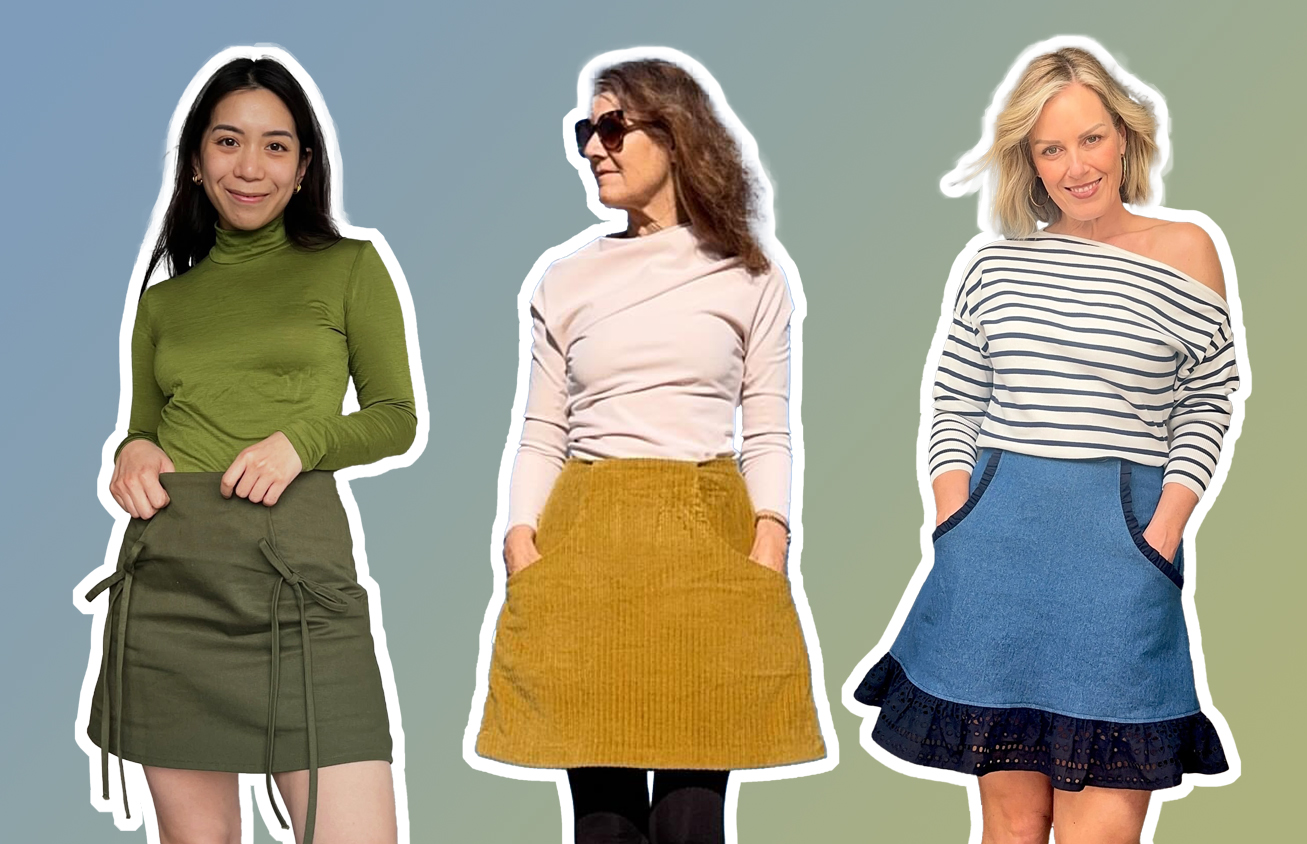

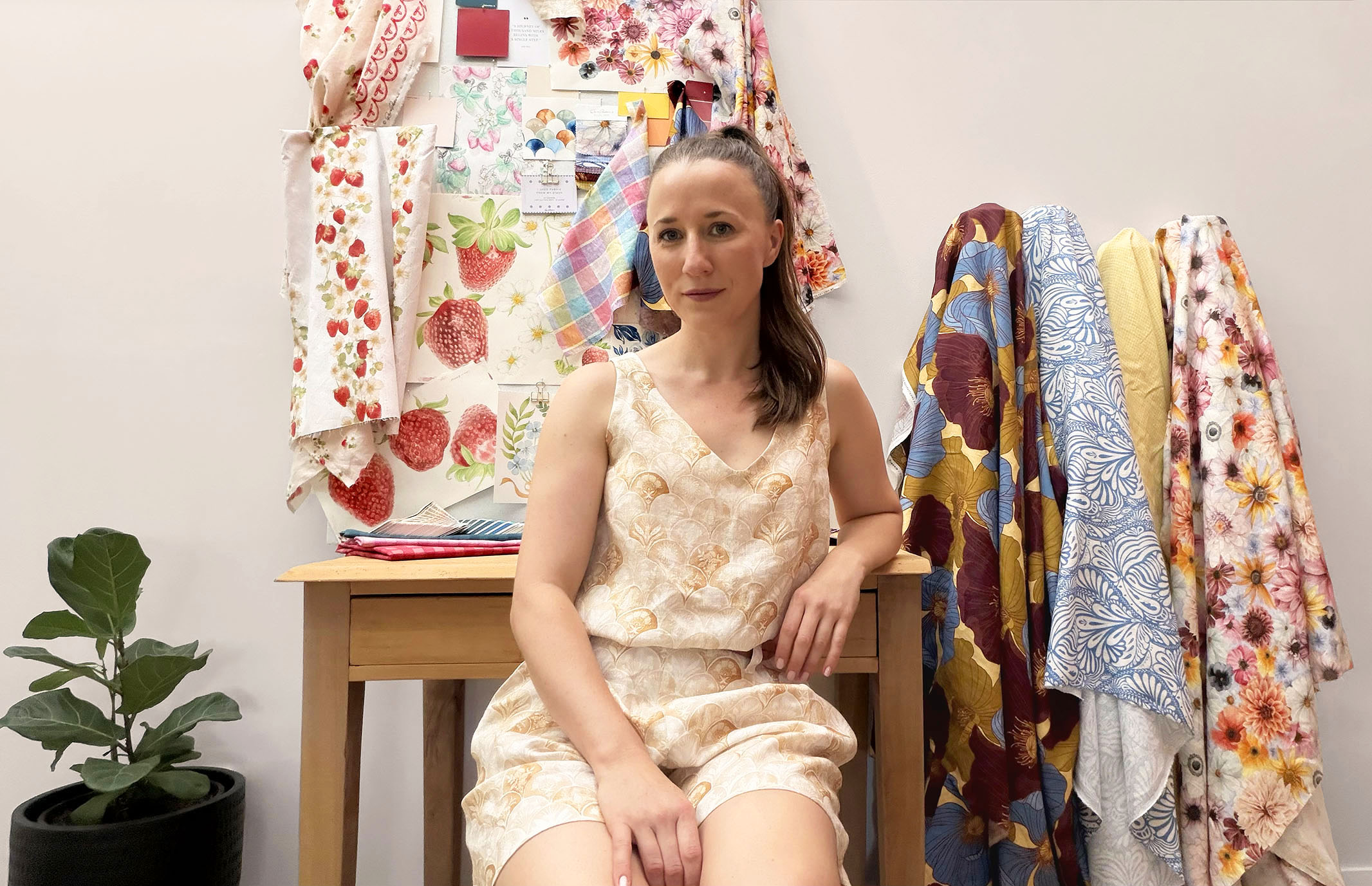
“My piece of advice for makers and designers? Run your own race… make sure your key decisions stay anchored in your brand’s core beliefs.”
- Bec Bligh
Quick show of hands: who’s opened a water bottle expecting a refreshing sip… and instead been greeted by the unmistakable whiff of uh-oh?
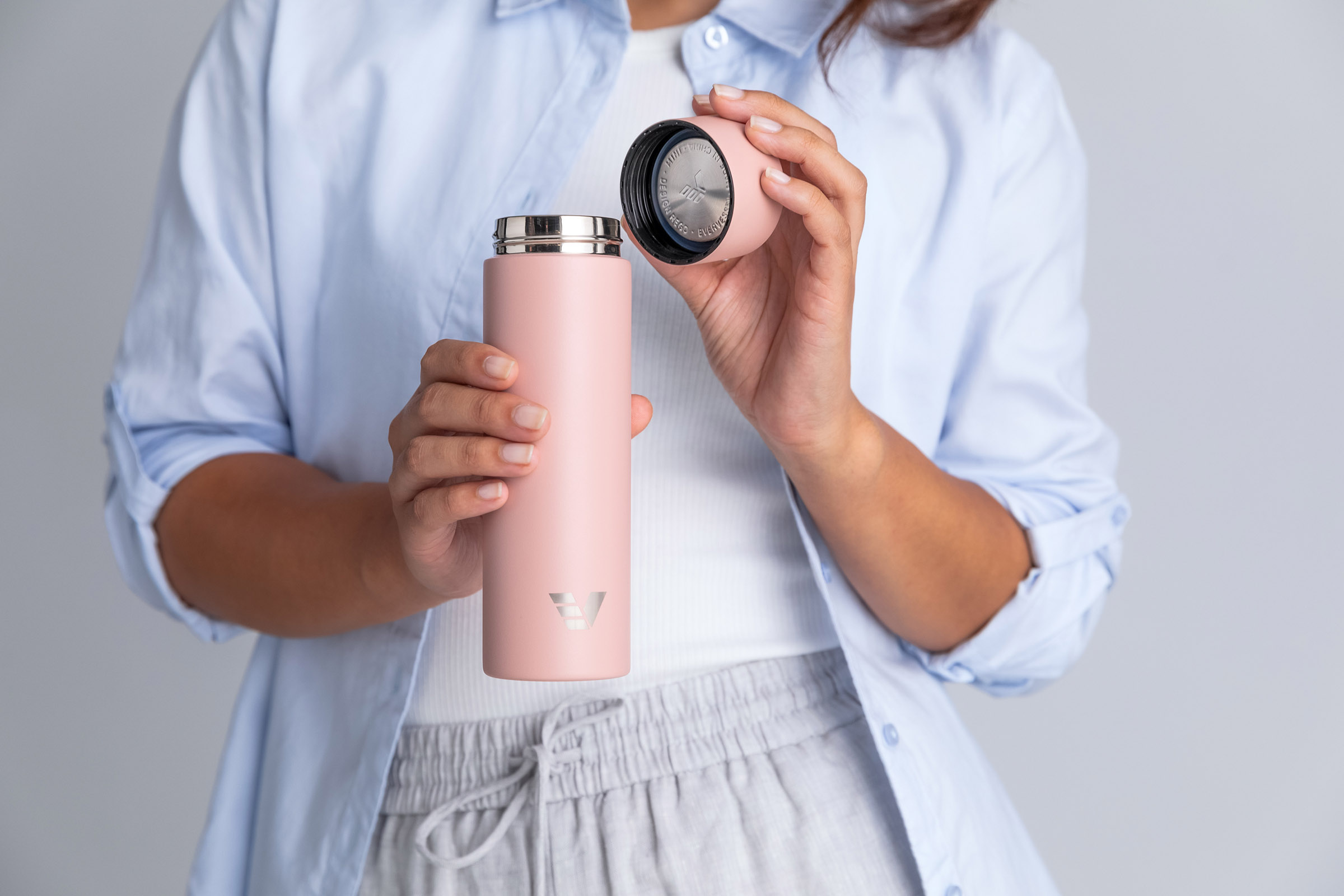
Because for something that follows us everywhere (desk, car, hikes, yoga…), the humble drink bottle is strangely prone to becoming a science experiment. Hard-to-clean corners and gaskets. Mystery smells. Bec Bligh and her husband Tim know it well. A six-month sailing trip along the Queensland coast left them with a lifetime of memories and one stubborn annoyance: mouldy water bottles they couldn’t properly clean.
So they did something about it.
Enter @EverVessel. Thoughtfully designed borosilicate glass and stainless steel bottles that keep things beautifully simple: durable materials, wide openings, easy-to-clean parts and none of the techy gimmicks that tend to age badly. Turns out simplicity, done well, is pretty powerful stuff. (Their many design awards agree!)
And lately they’ve added a little extra delight: the Artist Series, where creatives like Paola Castro, Ben Miners and Martin Thompson transform these everyday companions into tiny travelling artworks. There are more colabs in the works, too: hydration, but make it joyful! 🎨💧
We chatted with Bec about the sailing trip that started it all, the philosophy behind Ever Vessel, and why the most sustainable product is often just the one you keep using.
Tap the link in our bio to read the full conversation. 🚰
#EverVessel #ReusableWaterBottle


Pull up a chair… there’s room at this table!
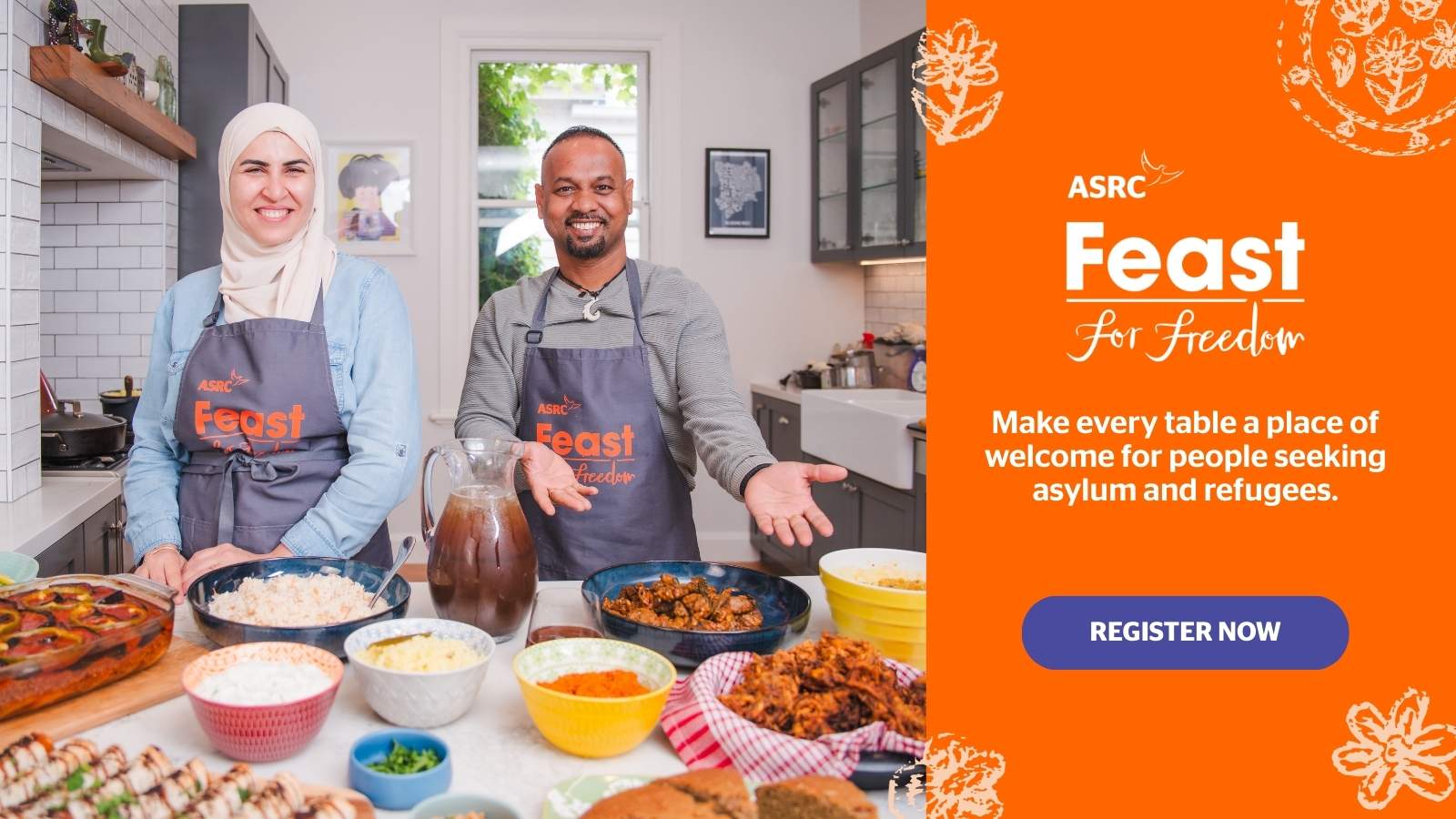
For the first time, Feast for Freedom is bringing people together for a spectacular long-table dinner as part of the Melbourne Food & Wine Festival.
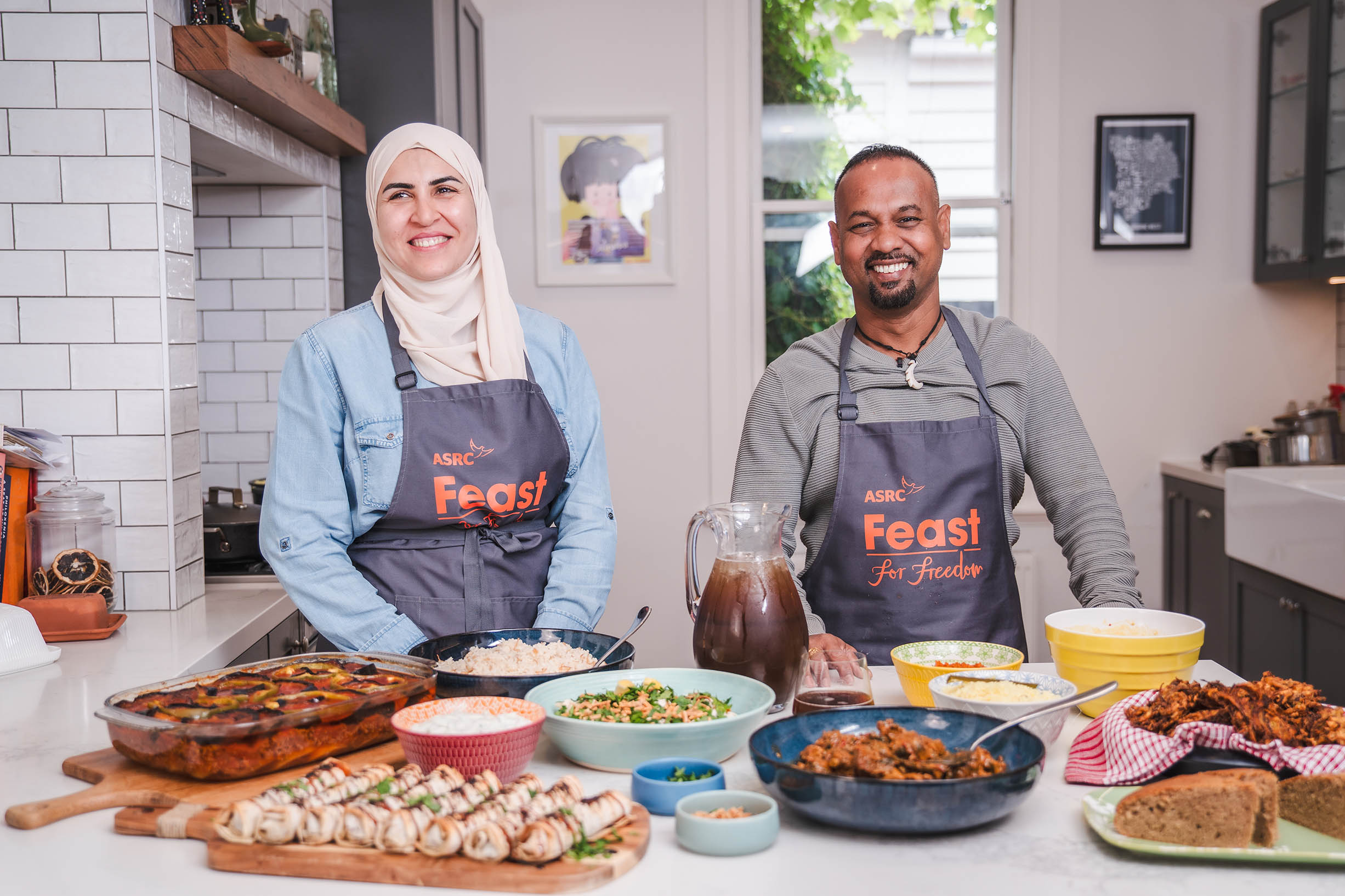
A Longer Table is exactly what it sounds like: one beautiful shared table inside the Asylum Seeker Resource Centre (@Asrc1), piled with generous dishes inspired by this year’s hero cooks, Noha and Nige.
From 6 to 9pm on Wednesday, 25 March, this is what you can expect:
🍽 A three-course shared feast
🍷 Matched drinks
🎶 Live entertainment
✨ A room full of good humans
Your ticket doesn’t just buy you a delicious dinner. It supports the ASRC’s vital work and helps create a fairer future for people seeking asylum.
Seats are limited, and long tables have a way of filling up quickly – head to @MelbFoodAndWine’s website to book now: feastforfreedom.org.au/mfwf
#FeastForFreedom #MelbourneFoodAndWineFestival #LongTableDinner #FoodForChange

Sew versatile! 🪡
Another great make from Lisa from @SunnySewsEveryday:
My #PeppermintWaratahWrapDress is finished and I’m so proud of it. It has been designed not to flap open and flash your pants in the wind, so I feel confident it will be a great wheelchair or standing dress in English weather.
#PeppermintPatterns #WrapDress #WrapDressPattern

Frame your face with the Peppermint Bucket Hat!
Stay safe and stylish in the sun with your very own self-sewn and self-drafted wide-brimmed bucket hat. This beginner-friendly sew is perfect for a sunny day. Get out your pencils – this pattern is created using equations and maths!
This DIY project was featured in Issue 53 and now you can access it for the lovely low price of only $5.
Sun-safe chic is always in style. ☀️
Find it via the link in our bio!
Photos: @KelleySheenan
#PeppermintPatterns #PeppermintBucketHat #BucketHat #BucketHatPattern #DIY

✨ INSTANT CLASSIC ✨
The Peppermint Myrtle Shift Dress is a beginner-friendly make with a few special details based on the ever-stylish shift shape – the perfect dress you need in your wardrobe right now!
Myrtle cuts above the knee with options to customise the length. Don’t think she’s reserved for hot weather either: try a heavier-weight fabric to turn your Myrtle into a pinafore-style garment for layering.
For our fabrics we chose two from our lovely sewing partner @Karmme_Apparel – the bold Rottnest Stripes in a lightweight, soft-drape cotton, and the quality linen in the handpainted Mexico Collection.
Get making the Myrtle – the only question is, can you stop at just one?
Link in bio 🪡
Fabric: @Karmme_Apparel
Sewist: @Laura_The_Maker
Photos: @KelleySheenan
Models: @SerahSews and @Pins_And_Tonic
Location: @ShareTheDignityAustralia
#PeppermintMyrtleShiftDress #PeppermintPatterns

It’s time to Feast!
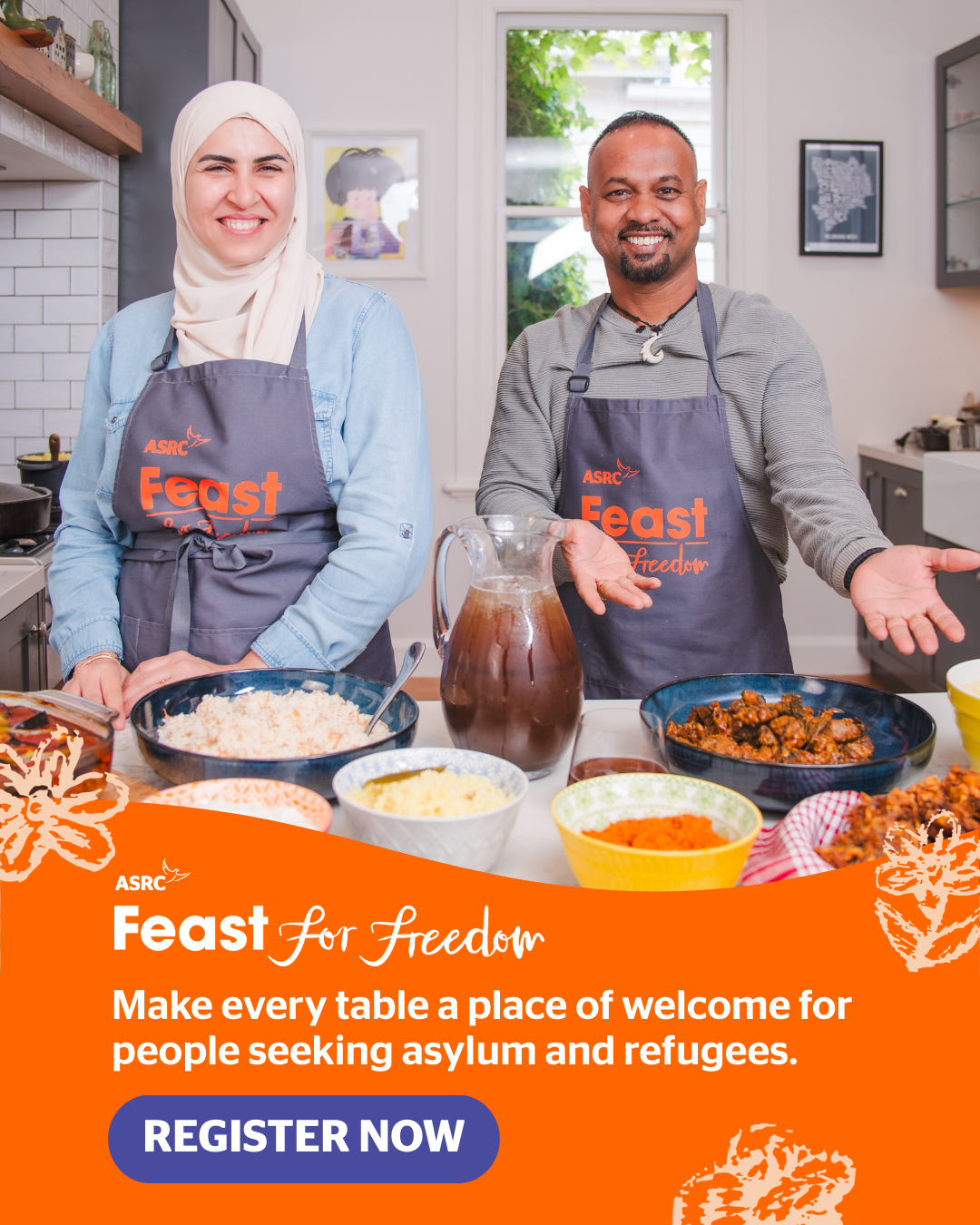
Some recipes travel a long way before they land on your table to delight your taste buds. This year’s Feast for Freedom invites us to gather our friends, cook something delectable and raise funds for the incredible work of the Asylum Seeker Resource Centre (@Asrc1) while we’re at it.
The 2026 Feast features recipes shared by two remarkable cooks: Noha, who brought the flavours of Palestine with her when she arrived in Australia, and Nige, a Sri-Lankan Tamil cook whose journey with food began in the most unexpected of places.
You can host your own Feast up until 30 April – simply register online and get planning! Host a dinner, organise a workplace lunch, or gather your community… However you do it, the idea is simple: cook, connect and celebrate the cultures and stories that shape Australia.
Want to find out more? Head to the link in bio to meet Noha and Nige, learn more about their stories, and discover a delicious recipe to try.
#FeastForFreedom #PeppermintMagazine #FoodForGood #ASRC
