At the risk of stating the obvious, the clothes we wear matter. And not just in the sense of sartorial splendour and self-expression, but for those across the supply chain and beyond working towards a more sustainable fashion future. To celebrate these creatives putting people and planet first, we’ve introduced a new digital series called Nice Rack! (…get it) so we can go behind the seams with some of our favourite sustainable brands, together.
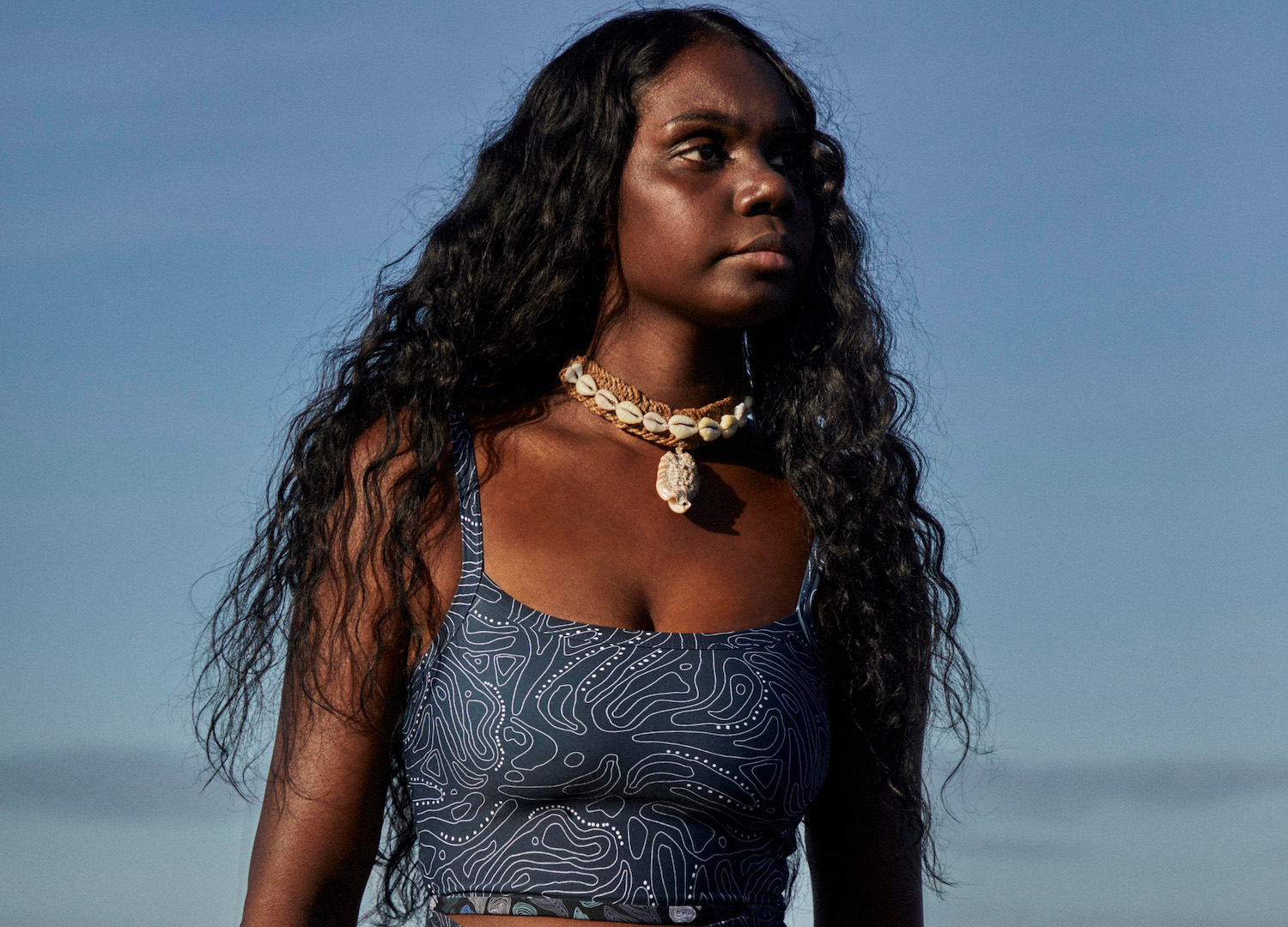
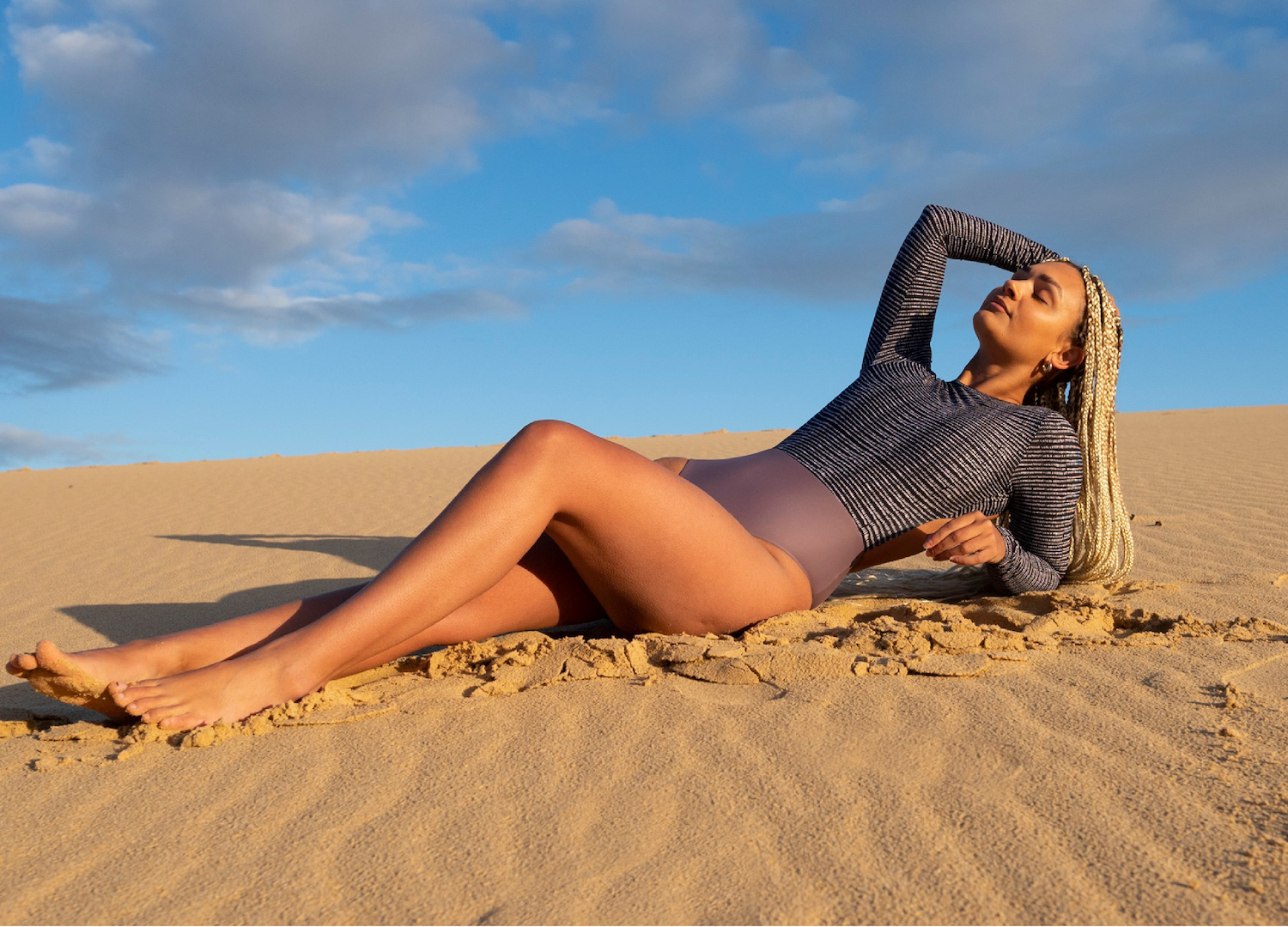
This week, as the weather begins to heat up Down Under, we’re splashing into the world of swimwear with Yolngu designer Liandra Gaykamangu. Her eponymous brand’s fun, funky and functional swimwear fuses modern fashion, cultural heritage and eco-conscious creation. Liandra’s signature hand-drawn prints are inspired by the beauty of nature, Aboriginal culture and powerful and prominent First Nations women like Cathy Freeman, Ash Barty and Samantha Harris.
Part of the 2021 IFP Pathways Program – a collaboration between Darwin Aboriginal Art Fair Foundation’s Indigenous Fashion Projects and David Jones – Liandra Swim’s participation saw her showcasing her line at Afterpay Australian Fashion Week and in a pop-up at David Jones’ flagship stores. Applications are now open to be part of the IFP Pathways Program 2023 so head to the link here to find out further information before applications close on 19 September!
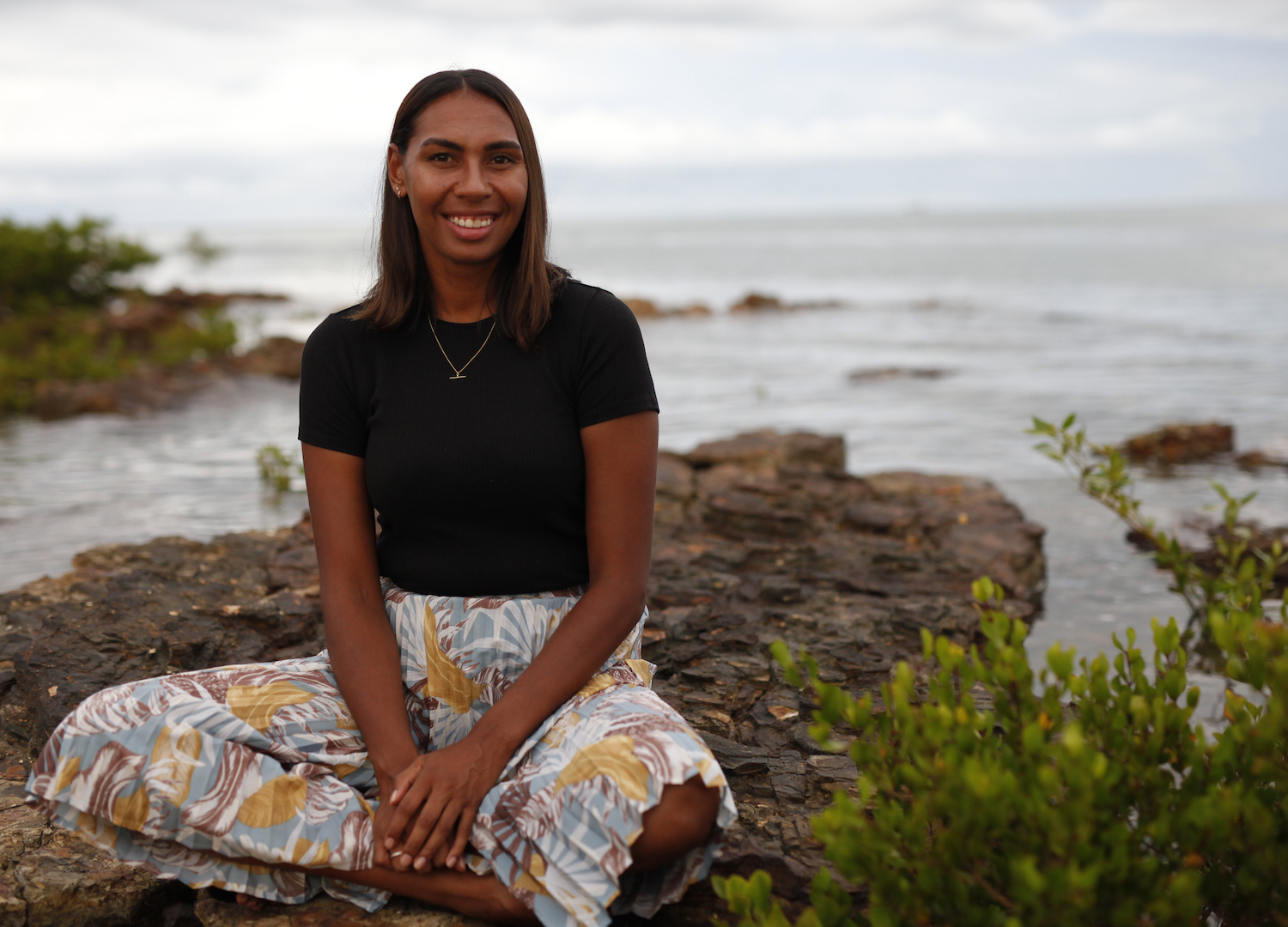
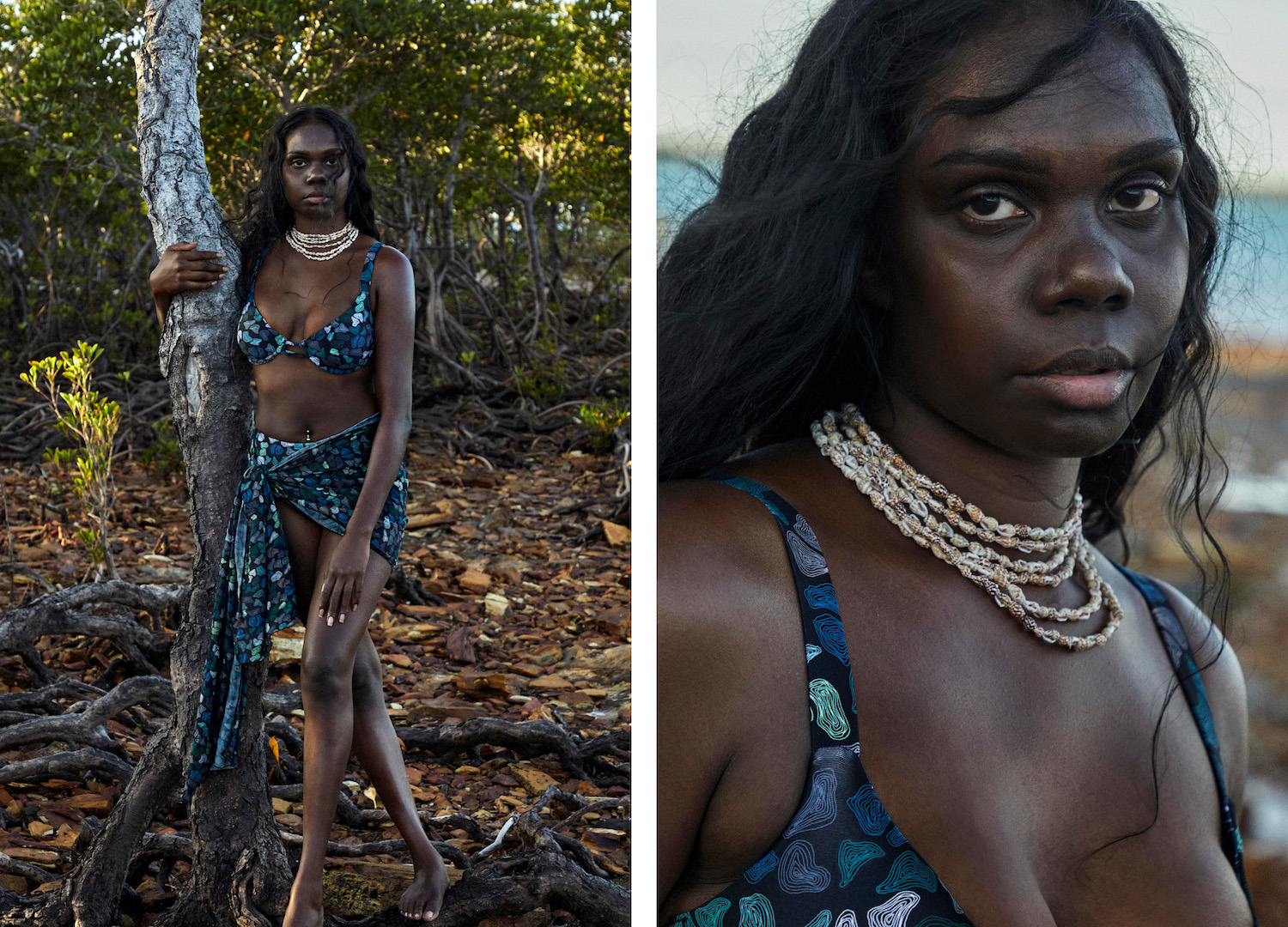
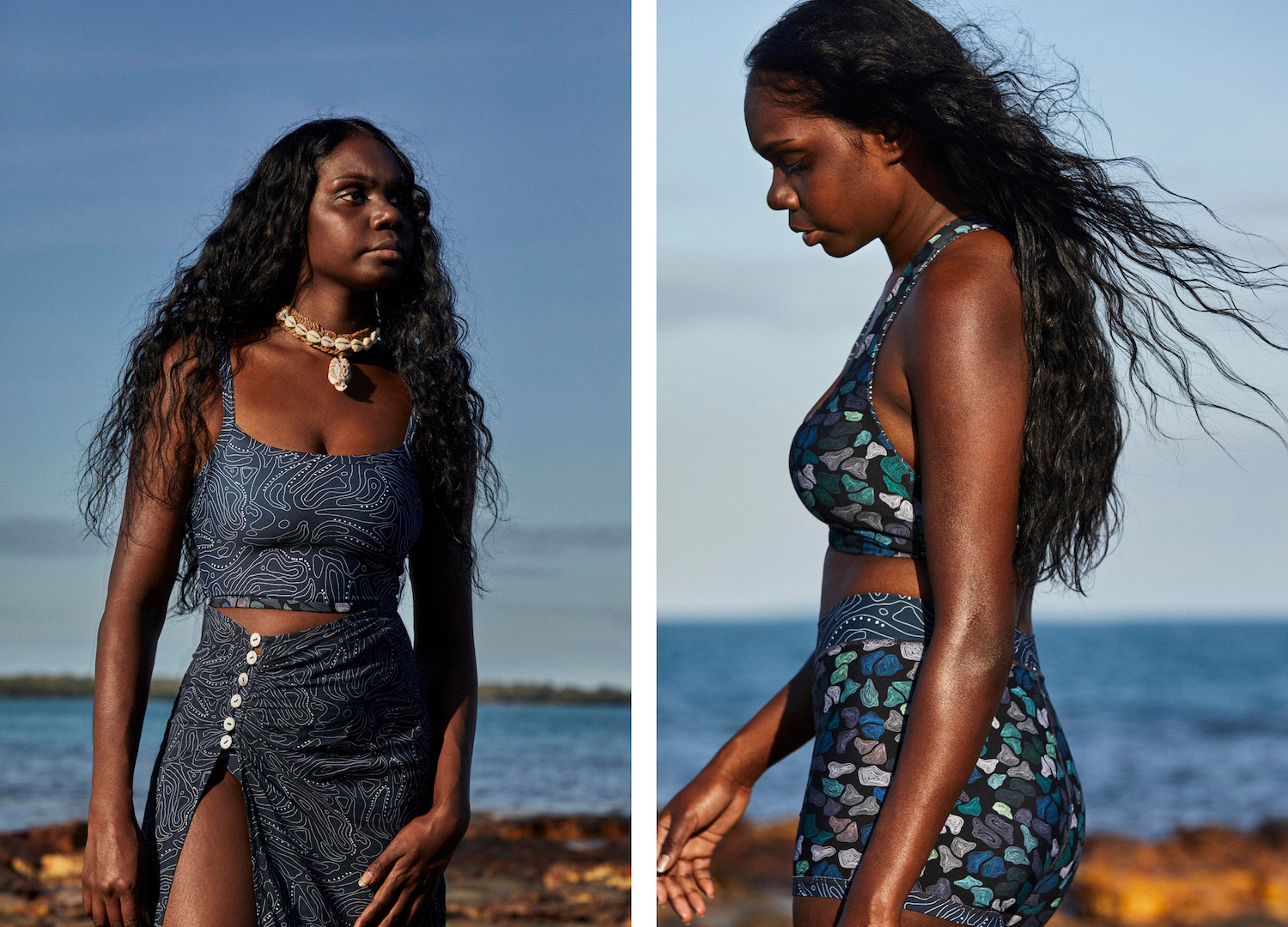
above LIANDRA GAYKAMANGU deep sea campaign photos below SIMON UPTON model SHAKIRA COOPER
Tell us about yourself…
I am the founder and creative director of Liandra Swim, a label that fuses First Nations culture with fashion to create unique, reversible swimwear with hand-drawn prints. I am also a high school English and history teacher and have taught in schools for seven years in New South Wales and in the Northern Territory. I am a mum of three, a sister, an aunty and a partner. My favourite thing to do is hang by the pool or at the beach with my family. I am a Yolngu woman, from East Arnhem Land and love being home and spending time with my family in Milingimbi.
What does sustainable fashion mean to you?
Sustainable fashion means always be better and do better. It is about making sure brands are educated and understand the cycle a product goes through and where there might be flaws. Then when flaws are identified, it’s working to understand how that could be fixed – maybe not today or tomorrow, but as something that is constantly being monitored and refined so that we are educated on new technologies and possibilities. Sustainable fashion doesn’t mean being “100% sustainable”, but it does mean always working towards it.
When did you know you wanted to get into fashion?
I have always loved fashion and have always had a genuine love for how clothes help me communicate to the world and how it makes me feel. I think joining the fashion industry was a natural progression, as it allows me so much creative control to share stories and educate around different perspectives and experiences that I am passionate about. I don’t think there was ever a moment that I actively decided that I wanted to get into fashion, it was a natural progression through the different decisions I made, which I am so grateful for.
READ MORE: Nice Rack! Tara Whalley Wears Her Art on Her Sleeve
Why were you inspired to start your label and what continues to inspire you as a designer?
Liandra Swim was originally created as a way to merge all the things I love and am passionate about – my culture and people, the ocean, sustainability, swimming and surfing. There are so many layers to what Liandra Swim does and why we do it. For me it made sense to channel that passion into swimwear and create an engaging way to connect, showcase and celebrate First Nations peoples.
My inspiration comes from different places, like the plane ride from Darwin to Milingimbi where I fly above beautiful rivers that snake inland. I am inspired by experiencing everyday life and I always look for those moments and lock them away for future ideas and inspiration.
Every part of the swimwear, from the fabric to the swing tags, has been thought about.
How do you incorporate sustainability/ethical practices within your brand?
Being as sustainably minded as we can in the way we do and create is incredibly important to us. Every part of the swimwear, from the fabric to the swing tags, has been thought about. We use specialised fabrics made from PET bottles, and our fabric dyes are as eco-friendly as possible. Our packaging is a plant-based plastic alternative made from cassava plants. Our swing tags are made from recycled paper.
Tell us about any standout moments in your career…
There have been a few pinch-me moments over the last few years. Some that have really made me proud include: showcasing Liandra Swim at Afterpay Australian Fashion Week in 2021 with Indigenous Fashion Projects; seeing steady growth year-to-year; and, more recently, our amazing collaboration with Simon Upton, where we shot our SS22 Deep Sea Collection campaign in Milingimbi, my home in Arnhem Land and a small island, with a beautiful Yolngu model.
READ MORE: Nice Rack! Inside Anna Cordell’s Splendid World Of Silk, Suits and Singers
What are your favourite pieces to wear?
Some of my favourite pieces are the Billie-Jean Top and the Samantha Bottoms. It is such a comfortable combination and I love a pair of high-waisted bikini bottoms.
Who are a few of your favourite local designers?
I love Kirrikin, especially their new collection, their dresses are beautiful, and I can’t wait to get my hands on everything! I also really love Aje, who are designing some incredible pieces.
What do you think needs to change in the Australian fashion landscape?
I would love to see First Nations designers and creatives seamlessly included in the mainstream industry – where we aren’t a separate component but valued for our design and creativity. I think we are on the path to this, and I can’t wait to see where First Nations design is in the next five years.
WANT MORE SUSTAINABLE FASHION CONTENT? RIGHT THIS WAY!


“My piece of advice for makers and designers? Run your own race… make sure your key decisions stay anchored in your brand’s core beliefs.”
- Bec Bligh
Quick show of hands: who’s opened a water bottle expecting a refreshing sip… and instead been greeted by the unmistakable whiff of uh-oh?
Because for something that follows us everywhere (desk, car, hikes, yoga…), the humble drink bottle is strangely prone to becoming a science experiment. Hard-to-clean corners and gaskets. Mystery smells. Bec Bligh and her husband Tim know it well. A six-month sailing trip along the Queensland coast left them with a lifetime of memories and one stubborn annoyance: mouldy water bottles they couldn’t properly clean.
So they did something about it.
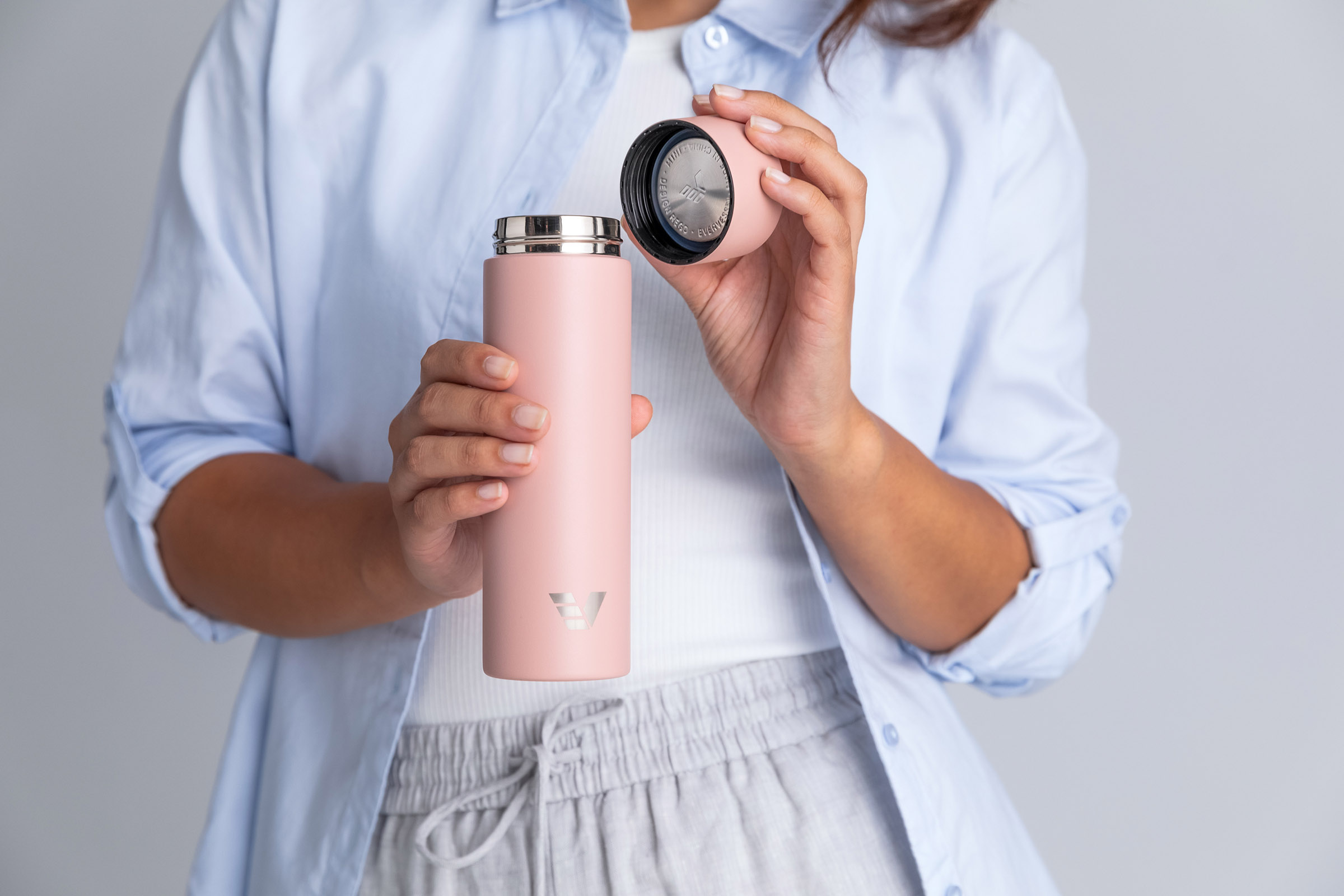
Enter @EverVessel. Thoughtfully designed borosilicate glass and stainless steel bottles that keep things beautifully simple: durable materials, wide openings, easy-to-clean parts and none of the techy gimmicks that tend to age badly. Turns out simplicity, done well, is pretty powerful stuff. (Their many design awards agree!)
And lately they’ve added a little extra delight: the Artist Series, where creatives like Paola Castro, Ben Miners and Martin Thompson transform these everyday companions into tiny travelling artworks. There are more colabs in the works, too: hydration, but make it joyful! 🎨💧
We chatted with Bec about the sailing trip that started it all, the philosophy behind Ever Vessel, and why the most sustainable product is often just the one you keep using.
Tap the link in our bio to read the full conversation. 🚰
#EverVessel #ReusableWaterBottle


Pull up a chair… there’s room at this table!
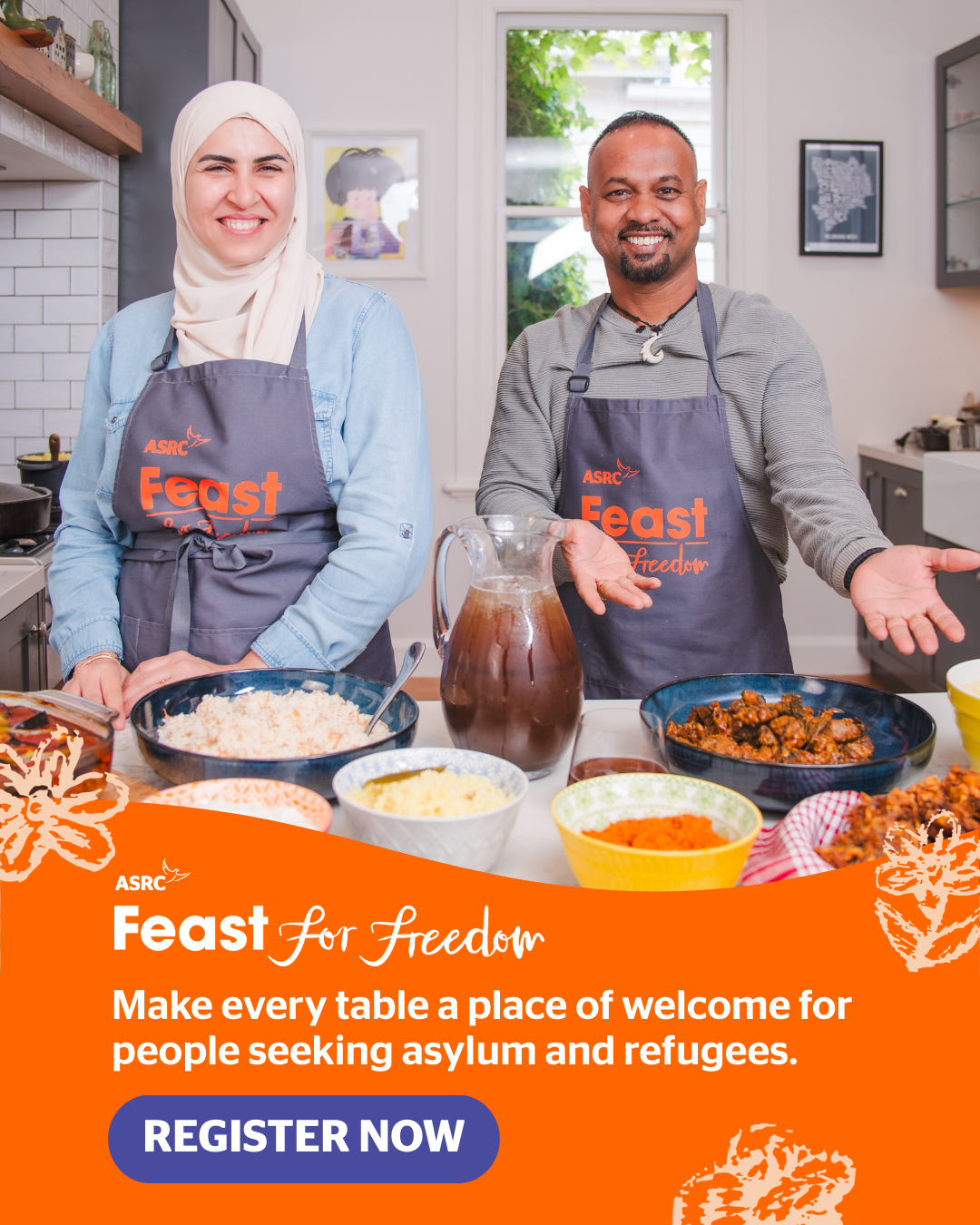
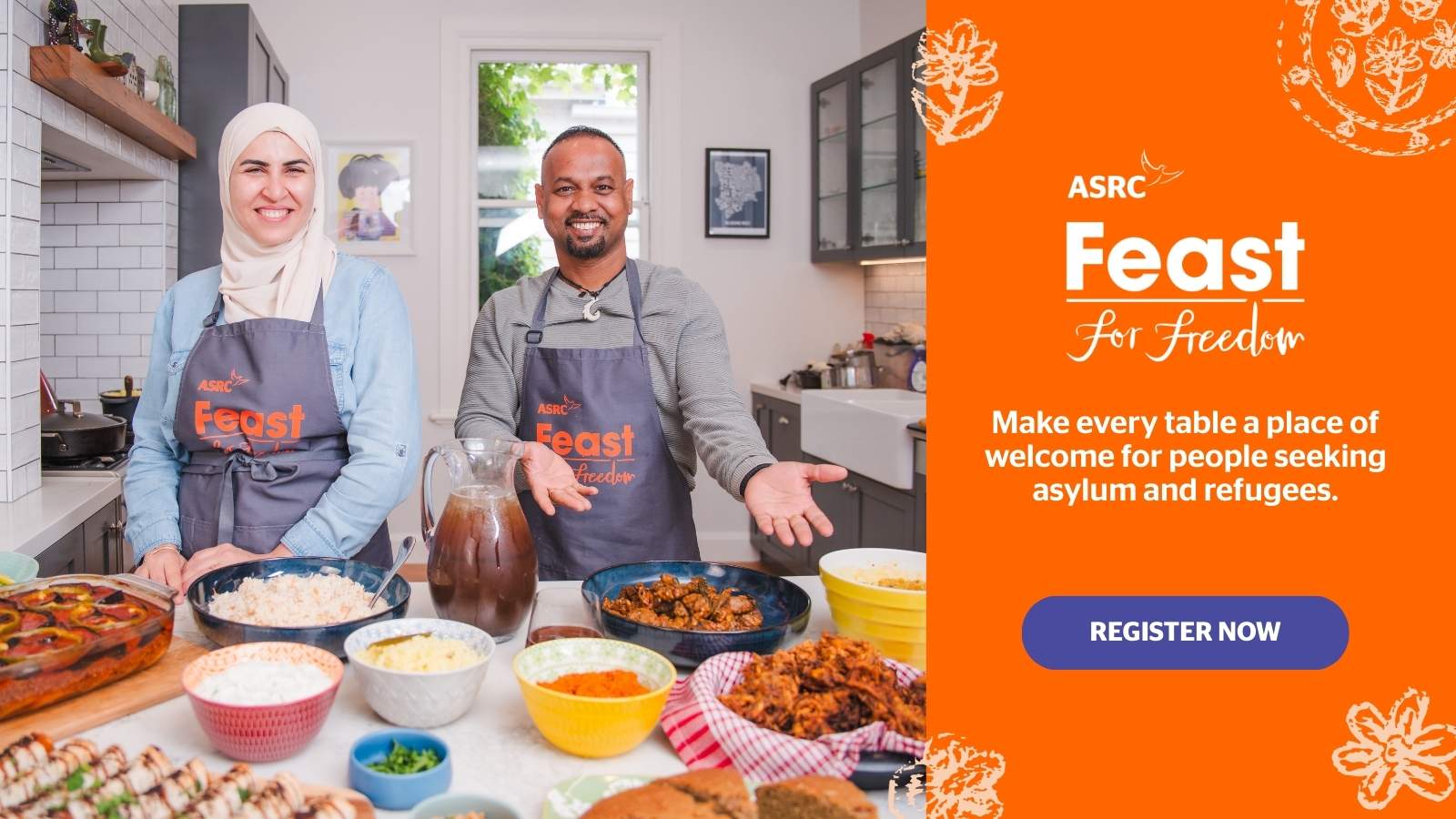
For the first time, Feast for Freedom is bringing people together for a spectacular long-table dinner as part of the Melbourne Food & Wine Festival.
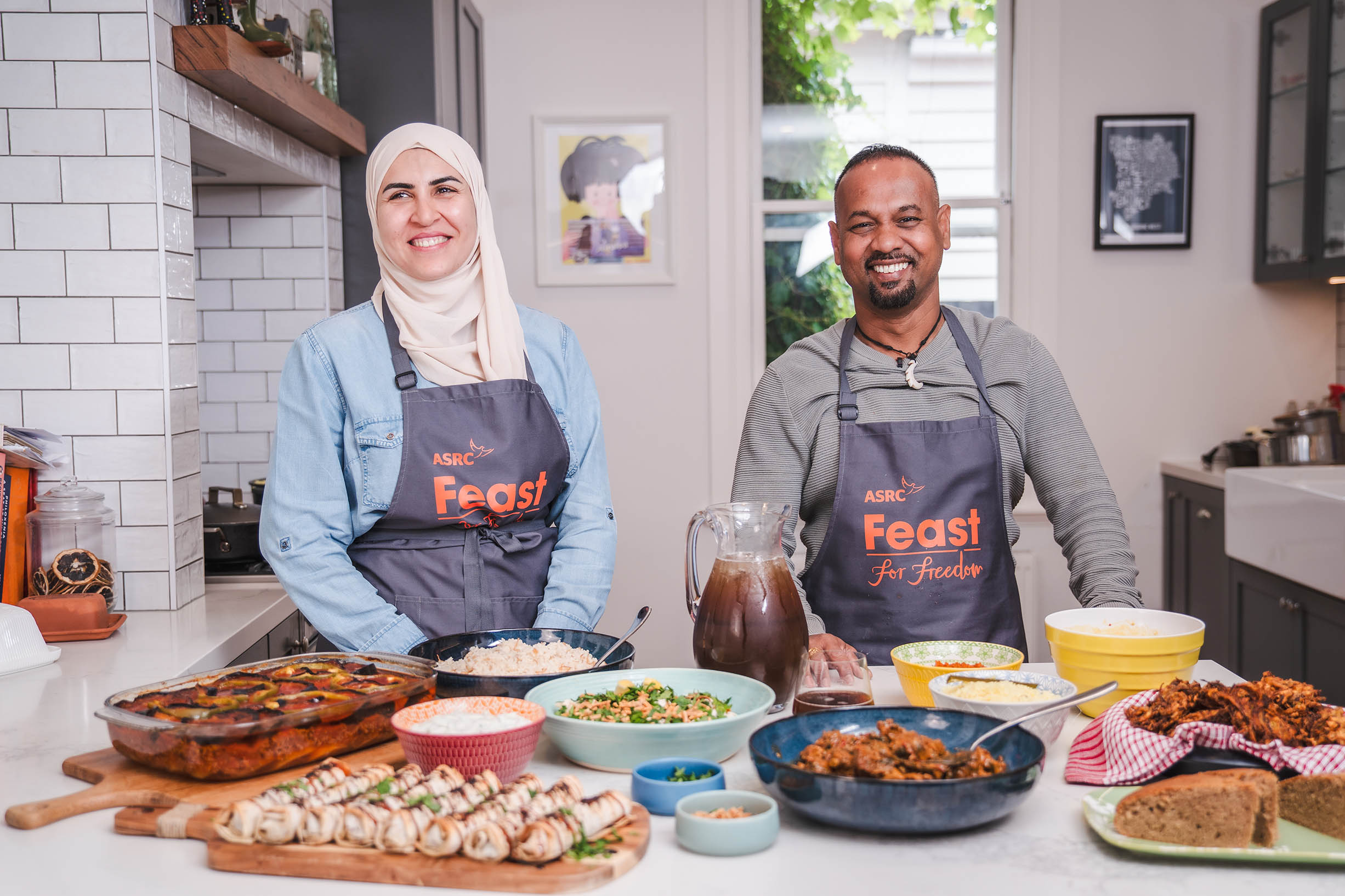
A Longer Table is exactly what it sounds like: one beautiful shared table inside the Asylum Seeker Resource Centre (@Asrc1), piled with generous dishes inspired by this year’s hero cooks, Noha and Nige.
From 6 to 9pm on Wednesday, 25 March, this is what you can expect:
🍽 A three-course shared feast
🍷 Matched drinks
🎶 Live entertainment
✨ A room full of good humans
Your ticket doesn’t just buy you a delicious dinner. It supports the ASRC’s vital work and helps create a fairer future for people seeking asylum.
Seats are limited, and long tables have a way of filling up quickly – head to @MelbFoodAndWine’s website to book now: feastforfreedom.org.au/mfwf
#FeastForFreedom #MelbourneFoodAndWineFestival #LongTableDinner #FoodForChange

Sew versatile! 🪡
Another great make from Lisa from @SunnySewsEveryday:
My #PeppermintWaratahWrapDress is finished and I’m so proud of it. It has been designed not to flap open and flash your pants in the wind, so I feel confident it will be a great wheelchair or standing dress in English weather.
#PeppermintPatterns #WrapDress #WrapDressPattern

Frame your face with the Peppermint Bucket Hat!
Stay safe and stylish in the sun with your very own self-sewn and self-drafted wide-brimmed bucket hat. This beginner-friendly sew is perfect for a sunny day. Get out your pencils – this pattern is created using equations and maths!
This DIY project was featured in Issue 53 and now you can access it for the lovely low price of only $5.
Sun-safe chic is always in style. ☀️
Find it via the link in our bio!
Photos: @KelleySheenan
#PeppermintPatterns #PeppermintBucketHat #BucketHat #BucketHatPattern #DIY

✨ INSTANT CLASSIC ✨
The Peppermint Myrtle Shift Dress is a beginner-friendly make with a few special details based on the ever-stylish shift shape – the perfect dress you need in your wardrobe right now!
Myrtle cuts above the knee with options to customise the length. Don’t think she’s reserved for hot weather either: try a heavier-weight fabric to turn your Myrtle into a pinafore-style garment for layering.
For our fabrics we chose two from our lovely sewing partner @Karmme_Apparel – the bold Rottnest Stripes in a lightweight, soft-drape cotton, and the quality linen in the handpainted Mexico Collection.
Get making the Myrtle – the only question is, can you stop at just one?
Link in bio 🪡
Fabric: @Karmme_Apparel
Sewist: @Laura_The_Maker
Photos: @KelleySheenan
Models: @SerahSews and @Pins_And_Tonic
Location: @ShareTheDignityAustralia
#PeppermintMyrtleShiftDress #PeppermintPatterns

It’s time to Feast!
Some recipes travel a long way before they land on your table to delight your taste buds. This year’s Feast for Freedom invites us to gather our friends, cook something delectable and raise funds for the incredible work of the Asylum Seeker Resource Centre (@Asrc1) while we’re at it.
The 2026 Feast features recipes shared by two remarkable cooks: Noha, who brought the flavours of Palestine with her when she arrived in Australia, and Nige, a Sri-Lankan Tamil cook whose journey with food began in the most unexpected of places.
You can host your own Feast up until 30 April – simply register online and get planning! Host a dinner, organise a workplace lunch, or gather your community… However you do it, the idea is simple: cook, connect and celebrate the cultures and stories that shape Australia.
Want to find out more? Head to the link in bio to meet Noha and Nige, learn more about their stories, and discover a delicious recipe to try.
#FeastForFreedom #PeppermintMagazine #FoodForGood #ASRC
