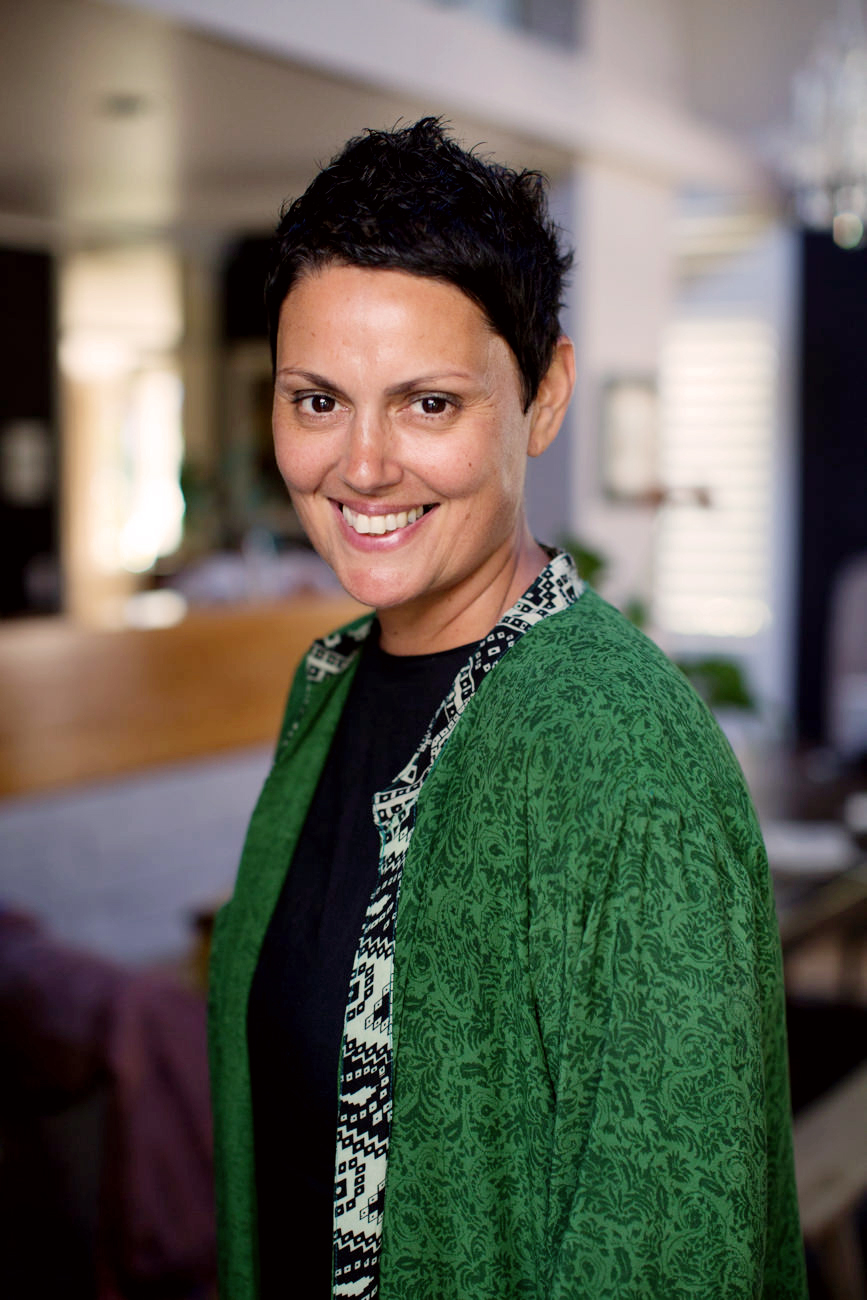
Managing a social enterprise that aims to awaken people to their individual power is challenging. Trying to convince people that they already have what they need to solve their problems can be fairly disruptive to a certain mindset. “I’m certain I don’t!” some reply. In cultures immersed in the blame game, too many of us are conditioned to believe that the causes and answers to our problems lie in the hands of another: God, the government, perhaps even the opposite sex.
Through my journey with The Possibility Project, I have come to believe that the key to transforming problems is gently convincing ordinary people how extraordinarily powerful they are. Our work with slum dwellers who have purposely transformed endemic social injustice has opened my mind and heart to how individuals can remain absolutely powerful in situations beyond their control.
An essential lesson from the slums is that while you cannot always choose what happens to you, you do get to choose your response. At times, social media projects powerlessness. For example, when climate change was removed from the official US White House website recently, you could have chosen to feel hopelessly impotent or you could have chosen to act. We intrinsically know that our most empowered solutions come from changing our own habits. While we may have less influence over unenlightened environmental laws, we have ultimate choice over our habits. This is powerful.
Our education systems, churches, families and workspaces are built on the mindset that no-one but ‘the bossman’ is to be trusted. So it’s little wonder that people are unsure of their own power.
But why is it so difficult to change our habits, even in life and death circumstances? Why do we still purchase that $5 t-shirt when we know what it does to people and our planet? Impossible thinking is somewhat coded within us, with many of our cultural systems sanctifying the idea that power lies outside of self. Our education systems, churches, families and workspaces are built on the mindset that no-one but ‘the bossman’ is to be trusted. So it’s little wonder that people are unsure of their own power – even scared of it. As American author Marianne Williamson so eloquently reminds us: “Our deepest fear is that we are powerful beyond measure.”
My approach to greater social justice is not about changing people; true empowerment projects never are. It’s wholeheartedly about changing people’s impossible thinking. Back when I was an economics teacher, my own impossible thinking was disrupted by visiting the slums, which challenged my educated belief that our most valuable resources are physical things like land, labour and capital. Instead, I realised the most renewable and transformational resource we have to solve our problems is actually our creative spirit. It’s a non-physical resource within each of us. It is powerful beyond measure. It magnifies the possible responses we can have to our problems.
I used to wonder what Albert Einstein meant when he observed that imagination is more important than knowledge. Witnessing the power of the slum dwellers’ creative spirit, I have my answer. This makes me feel beyond excited about the future. Yes, our systems are breaking down, but the opportunities for individuals to action their purpose has never been greater. We just need to think differently about how powerful we are to create that action.
On a recent trip to Jaipur, we were taken around a high school that serves some of the poorest children on earth. These children had every reason to fight over their limited physical resources, yet everything was so harmonious and peaceful. When I asked the principal what the secret was, he graciously answered that, before anything else, the teachers see each child as divine. Then the work begins.
In the west, we see ‘divine’ as something outside of self. But it has occurred to me that the only word I exchange with our beautiful team in Jaipur is ‘namaste’, which loosely translates as “the creative in me recognises the creative in you”. That simple word has built everything in what we often consider to be a space of nothing. When we recognise the creative in each of us – our intrinsic divinity – and go beyond the superficial layers of gender, income, religion and race, ordinary people step into their extraordinary power. In that space, anything is possible.
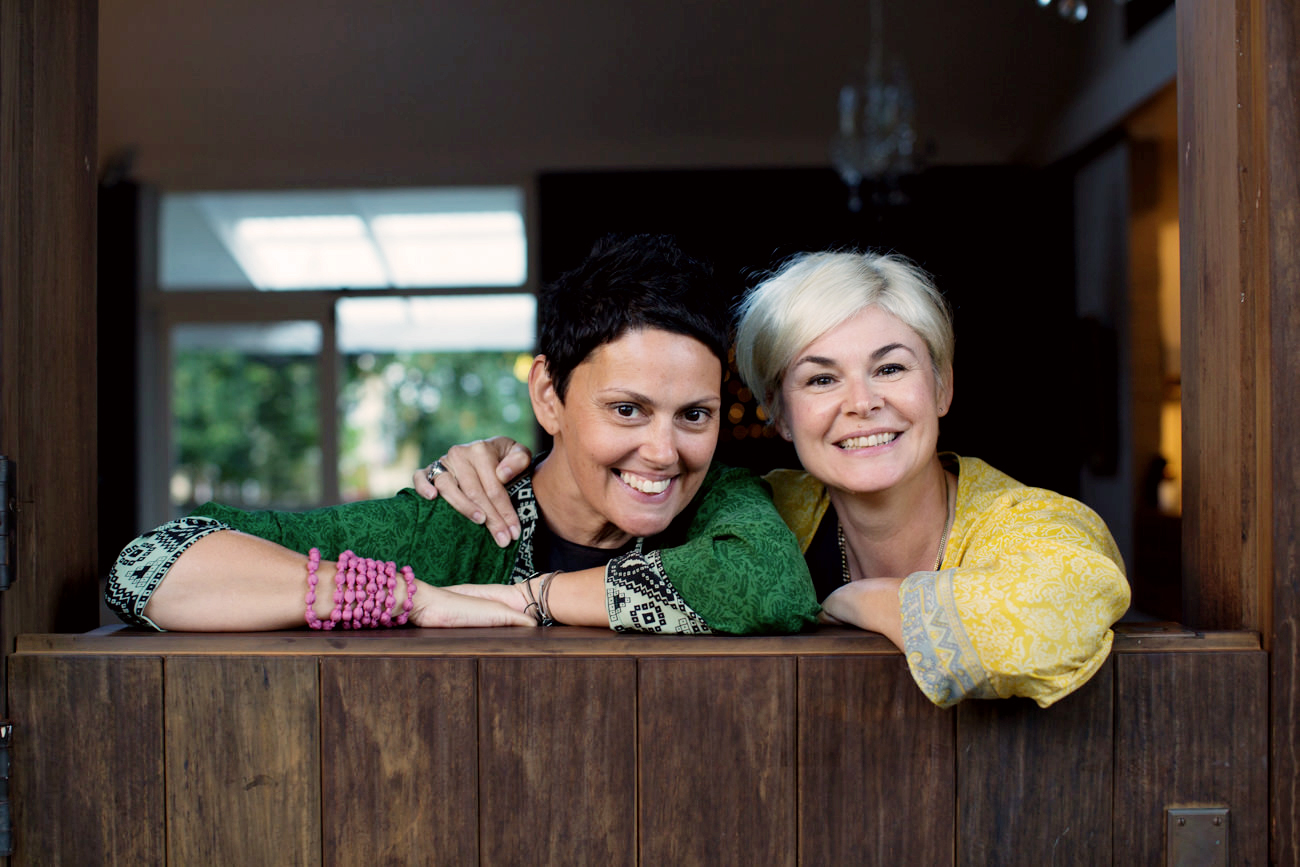
Sydney-based Kim Pearce and her best friend Kath Davis co-founded The Possibility Project in 2014. Their social justice programs and slumwear108 fashion label encourage Australians and Indians to step beyond scarcity thinking.
Read more about The Possibility Project in Peppermint Autumn Issue 33 – on shelves until late May.
—————————————
WORDS: KIM PEARCE
PHOTOS: I LOVE WEDNESDAYS



Between 2000 to 2015, global clothing production doubled... while the duration of garment use decreased by 36%.
We are throwing away clothing at a faster rate than ever before. How can we tackle this problem?
✨️ WEAR
Be an outfit repeater - wear your items of clothing as long as possible. Learn to style your garments in various ways. Loved clothing lasts.
✨️ SHARE
If you really need to move it along, share the love with friends - hold a clothing exchange night! Or organise a timeshare with a friend where you swap a few favourite pieces of fashion. If you really can`t find a new home for it, then donate to an op shop or charity.
✨️ CARE
The care of your clothing – washing, drying and ironing – can account for approx 30% of a garment`s total carbon footprint. Hand wash, line dry, wash in cold water, and only wash when necessary.
✨️ REPAIR
Mending – and making – slows down fast fashion buying habits. Repairing used to be common practice, until disposable fashion took over. Extending the life of clothing by just nine months can reduce carbon, water, and waste footprints by 20–30%. Fixing doesn`t need to just be utilitarian – get creative with visible mending!
*Fact from The United Nations Environment Programme
#PeppermintMagazine #WearShareCareRepair #SustainableFashion


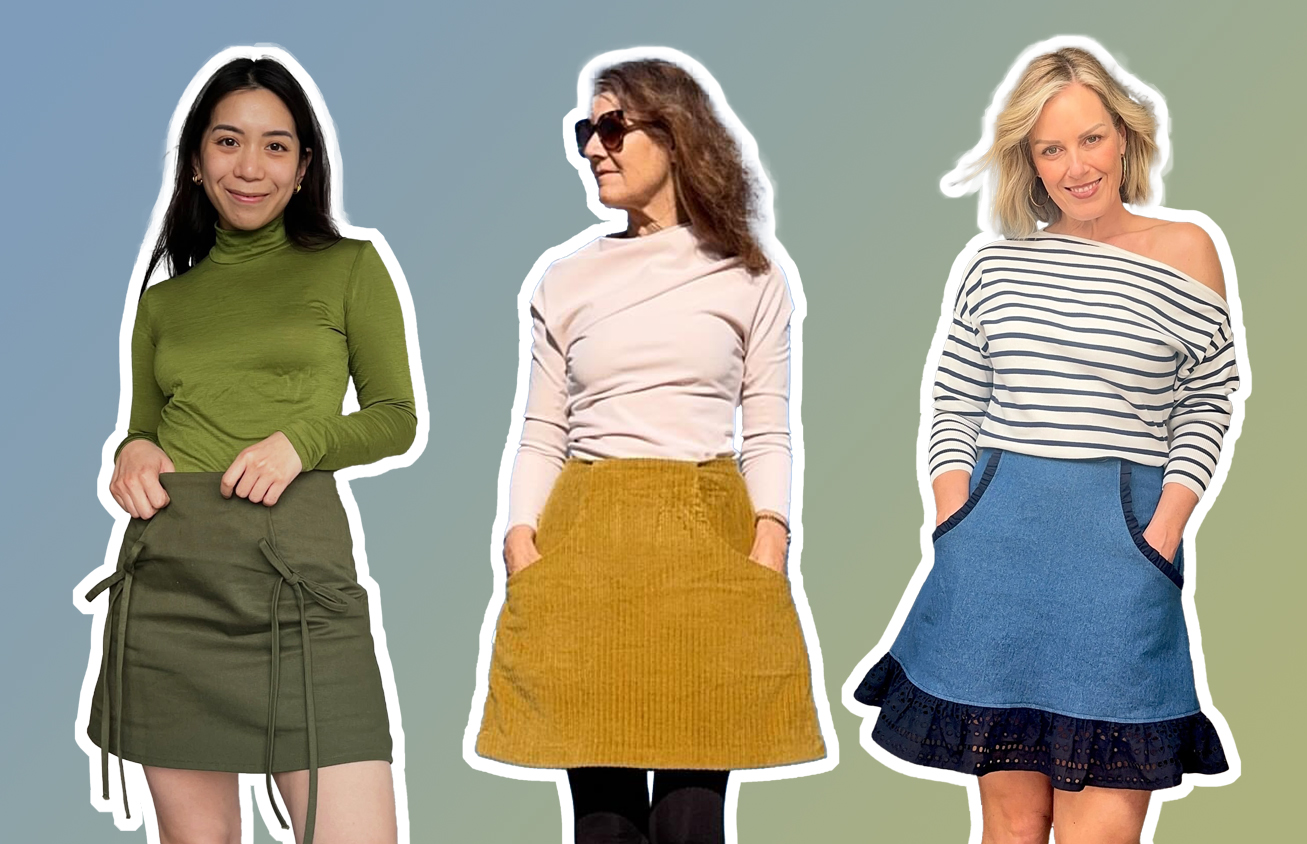
Have you whipped up the Acacia A-Line Skirt yet? 🪡
Accessible to beginner and experienced sewists alike, its classic style makes this skirt a wardrobe staple and a pattern you can happily play on repeat. Curved front pockets and the fun exposed-zip detail at the centre back make this style pop! The Acacia is a blank canvas, awaiting inspiration – add contrast top stitching, trim the pockets with bias binding or even change the length. We’ve chosen the smooth, clean lines that come from facing the waist, with back darts to ensure a neat fit on the hip. *chef’s kiss*
This pattern was made with the support of the lovely folk at @WeftAndWarpFabrics 🫶🏼 The team at Weft and Warp graciously sent three sewists the fabric of their choice to whip up their own Acacia A-Line – the results are super sweet!
Head to our website to see the makes from @The.Sewcialite @HandmadeByCarolyn and @You_CanSew - link in bio!
#PeppermintAcaciaAlineSkirt #PeppermintPatterns #WeftAndWarpFabrics #MeMade

Polka dots for days…
We love this Tansey Top by @_Rubys_Threads_ - the ultimate simple but stylish top you need in your rotation now!
Pattern: #PeppermintTanseyTop
Fabric: Japanese cotton @RawFibre
#MeMade #PeppermintPatterns

How`s your long weekend going? Working hard on your PhD? 🪡✂️🧵
Image from JoellsLeatherWorks on @Etsy
#ProjectsHalfDone #SewingPile #ProjectPile

In case no-one has told you lately, Emma Giacalone says you`re a good egg. (And we happen to agree).
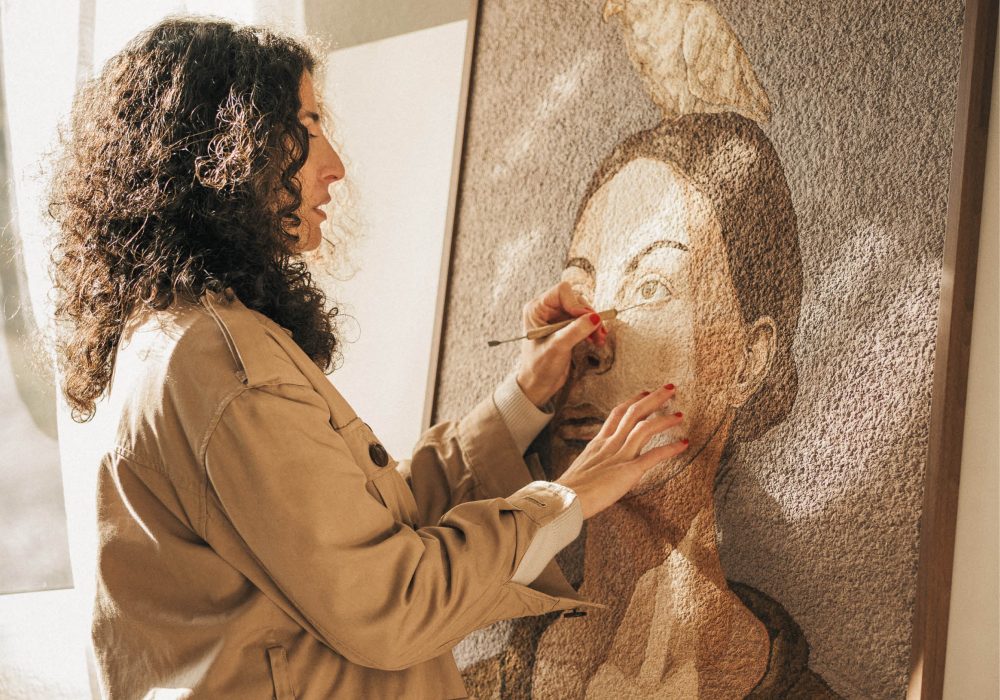
This incredible mini egg embroidered 3D artwork was created by @Emma_Giacalone_Textiles, a textile artist in Gloucestershire, UK.
"When we buy an item of clothing, a label is attached telling us how to look after it to keep it at its very best. My mission is to create little care instructions to help to remind us to lead our happiest life."
INGREDIENTS: Freehand machine embroidered onto 100% cotton, using Egyptian cotton thread, and wool felt backing.
#EasterArt #GoodEgg #TextileArt

No ordinary wrap dress! 💃
Wrap dress wardrobe malfunction? Not with the Peppermint Waratah Wrap Dress pattern! We designed the Waratah to make sure this never happens.
Enjoy a few BTS videos from this super fun shoot. Maybe some inspo for Easter weekend sewing?
MODELS/SEWISTS: @Melt.Stitches, @KatieMakesADress @Tricky.Pockets @Laura_The_Maker
Head to the link in bio for the #PeppermintWaratahWrapDress 🪡
#PeppermintPatterns #SewingPattern #MeMade #WrapDress
